Physical Address
304 North Cardinal St.
Dorchester Center, MA 02124
Physical Address
304 North Cardinal St.
Dorchester Center, MA 02124

29th December, 2024 – 6th January, 2025
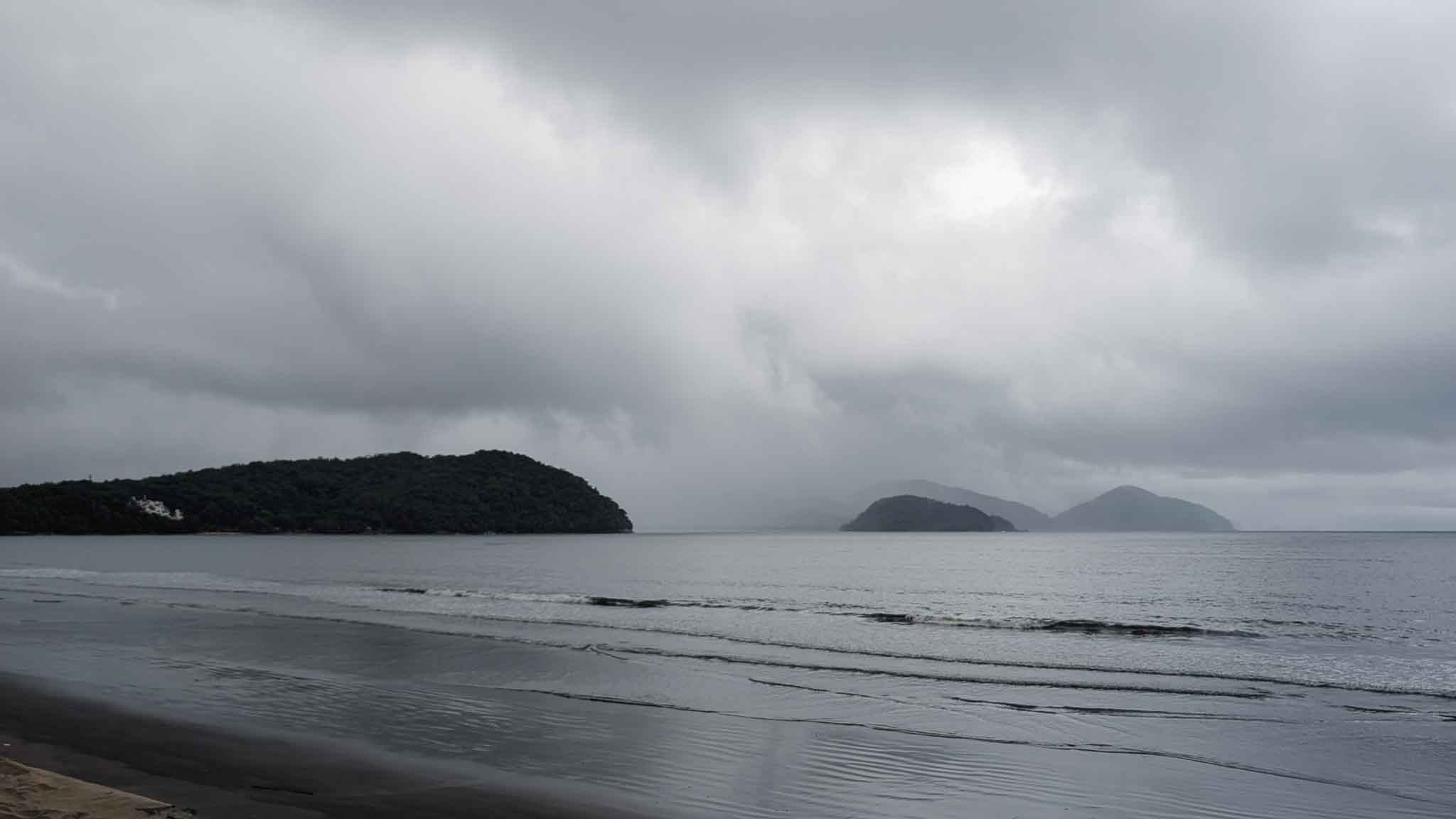
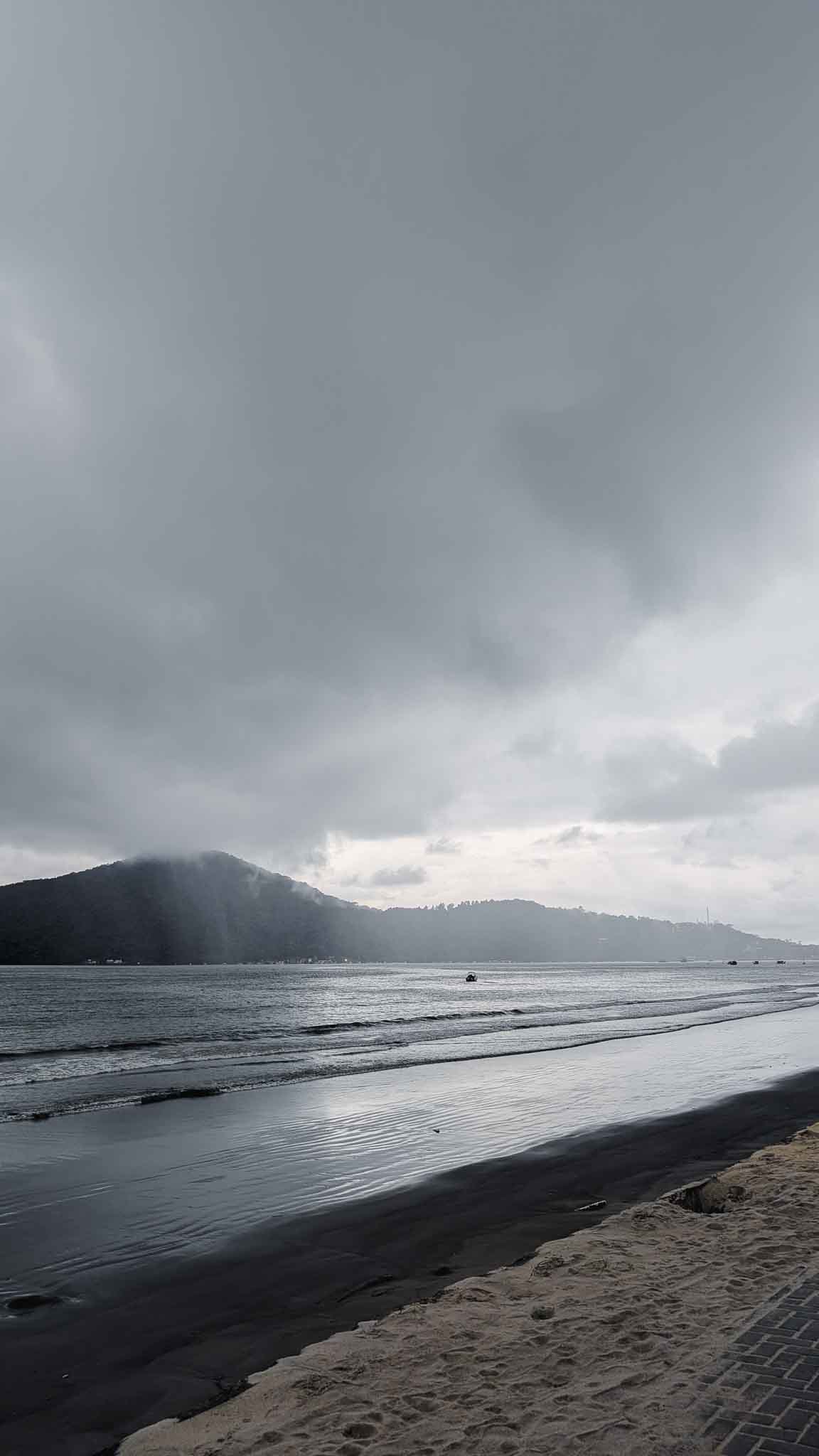
On the Atlantic coast, in between São Paulo and Rio de Janeiro lies a municipality by the name Ubatuba, which is a very famous holiday destination among Brazilians. It’s home to over 100 beaches of crystal clear water, world class surf and abundant marine life, but just not between the 29th of December and the 2nd of January. It’s nicknamed ‘Uba-chuva’ by Brazilians, because the word ‘chuva’ means rain in Portuguese, and it rains here a lot. So much in fact, that all the inland rivers fill up with gross stormwater which all gets funneled out to the coast where a strong on-shore breeze both traps it along the shoreline, resulting in thick, dark, murky, soupy water, as well as creating completely unsurfable waves. This will be a recurring theme for us nearly the entire way up the Atlantic coast. Had we planned better, we would have stayed in Rio for New Year’s and probably given this place a miss, but unless you’re booking your accommodation six months before December 31st, everything in the city is either completely booked out or is worth an absolute fortune. Considering we didn’t have a fortune to spend, I thought it wise to stay by the coast for a few days, to see the festivities in a more local light than what you’d likely find in a major city. These few days turned out to be both good and bad in ways I wasn’t expecting.
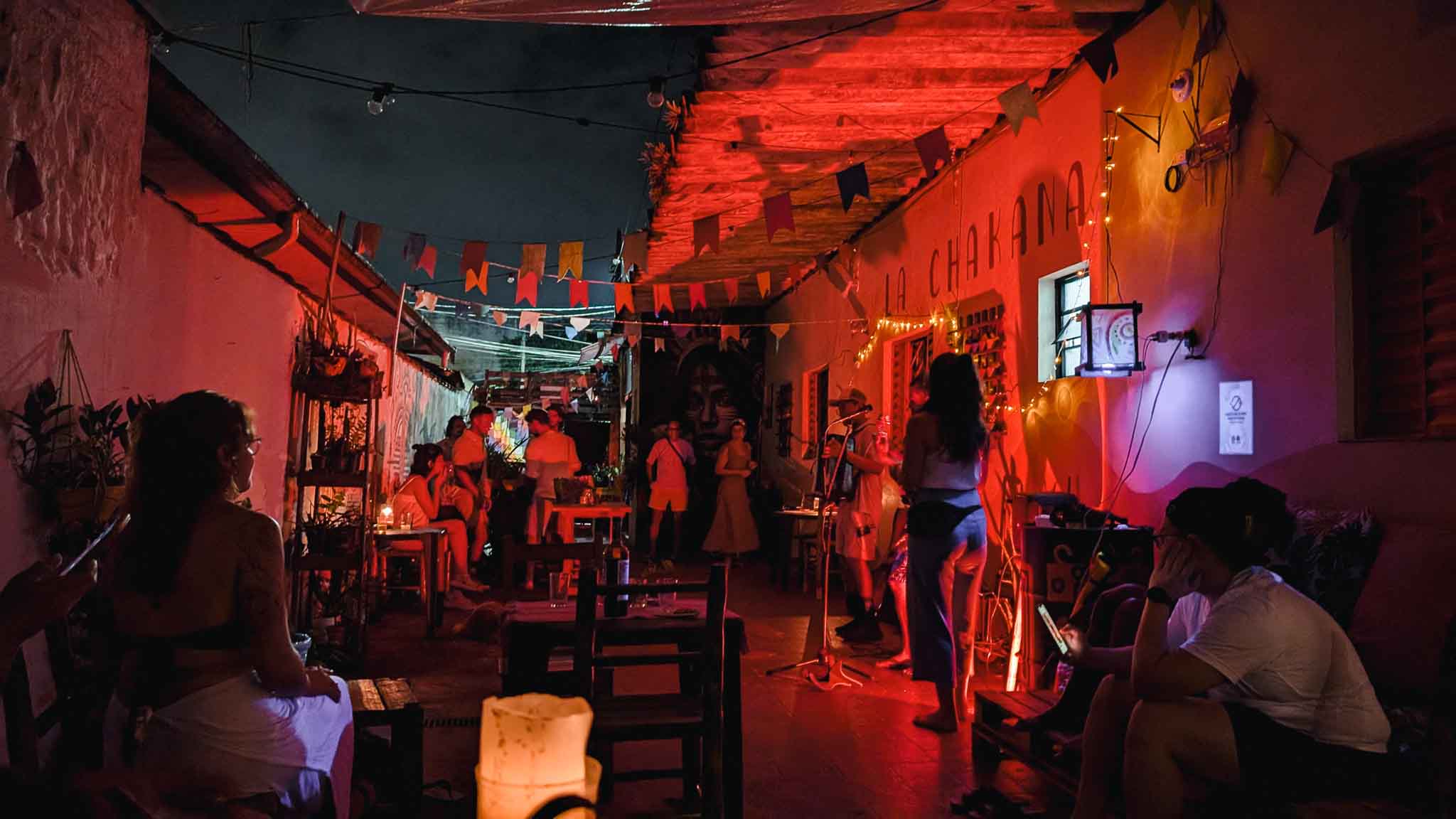
The first surprise of our Ubachuva New Year’s was when our bus from São Paulo took three hours longer than it was supposed to, to arrive. The second was when we rounded the corner from a vantage point way up on the cliffside to look down on one of the main beaches of Ubatuba and find that the sand had nearly disappeared beneath the mass of humans and umbrellas congregated at the chowdery shoreline. The next surprise was a two for one, where we found that our hostel was only a five minute walk from the bus terminal, and that they’d put us in a private room even though we’d paid for a shared dorm. ‘La Chakana Cultural’ is one of the smallest, simplest hostels we’ve stayed in, and also one of the most memorable. It had a tiny kitchen, two tiny dorm rooms and one private room for Rachael and I. It also had several tents set up in the common room for people to stay in, I’m guessing because they’d overbooked their New Year’s accommodation. We met several really nice people here, including Luís from Argentina, Lena from France, Nina from Brazil, and several other Argentines and Brazilians who were all in a very festive spirit.
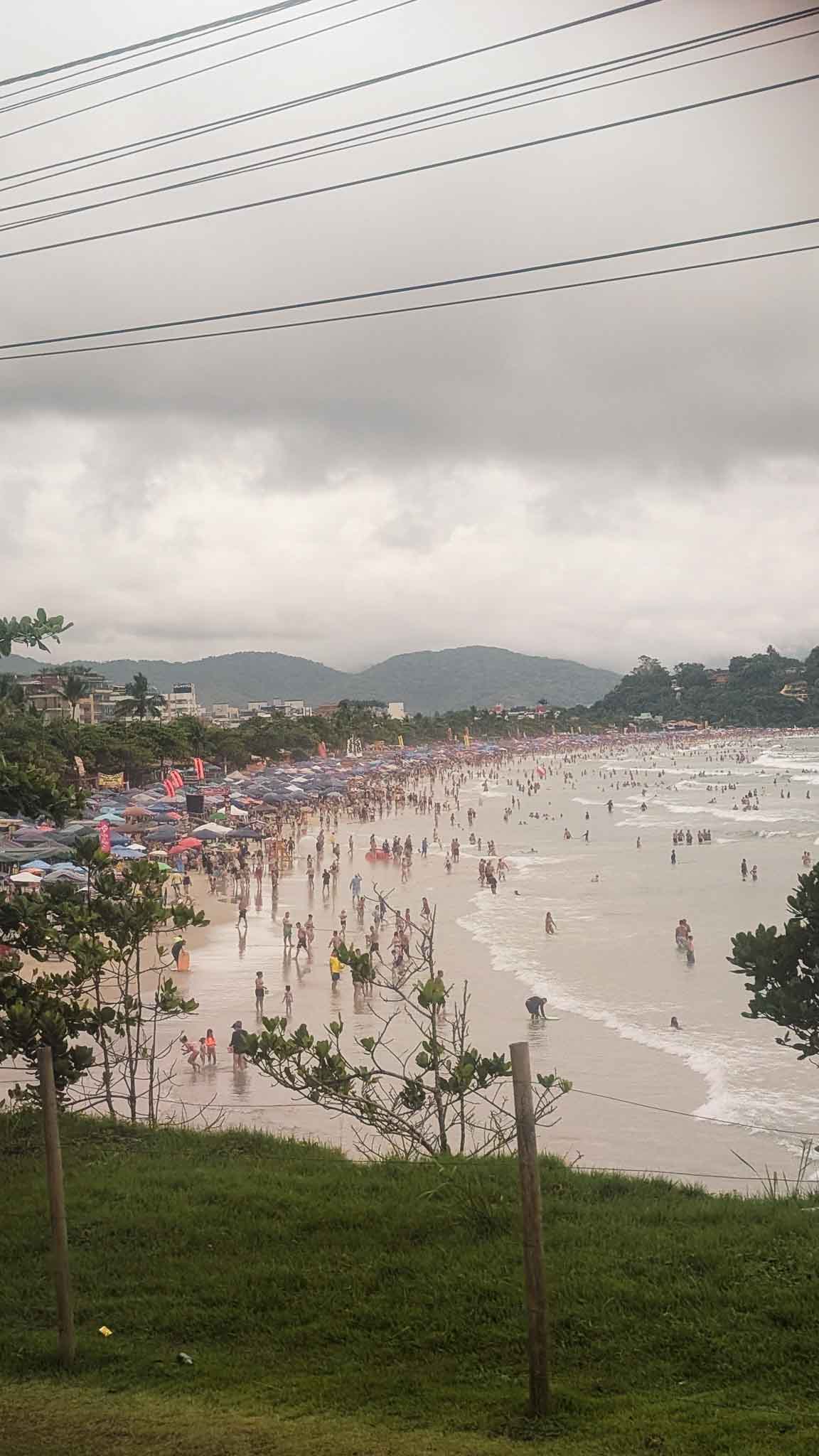
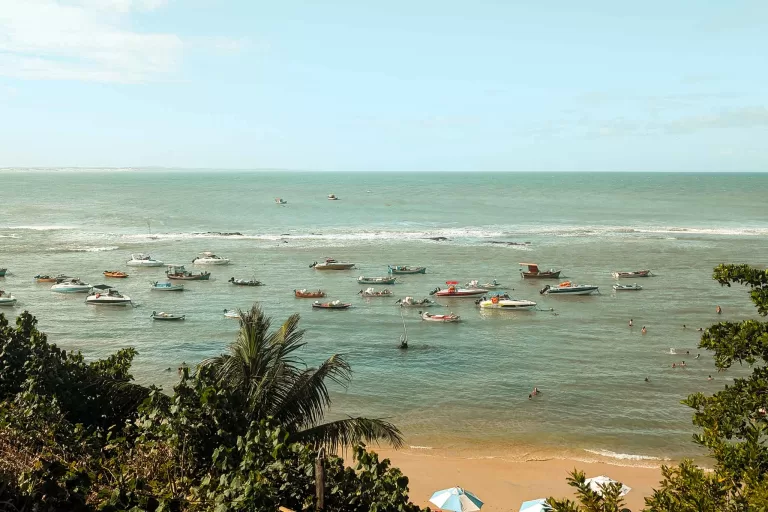
The main beach here in Ubatuba is actually unswimmable, due to the completely polluted water. It’s very strange to have such a touristy town, with the main street completely packed full of bars and restaurants, as well as a small amusement park and a market, with an insane number of people walking between establishments, riding bikes around and enjoying the holidays, all mere metres from an absolute abomination of a body of water. It stunk to high heaven, and you sort of got the feeling that if you looked at it for too long it would lure you beneath the surface to join whatever else was decomposing down there. Think the ‘Dead Marshes’ from The Lord of The Rings.
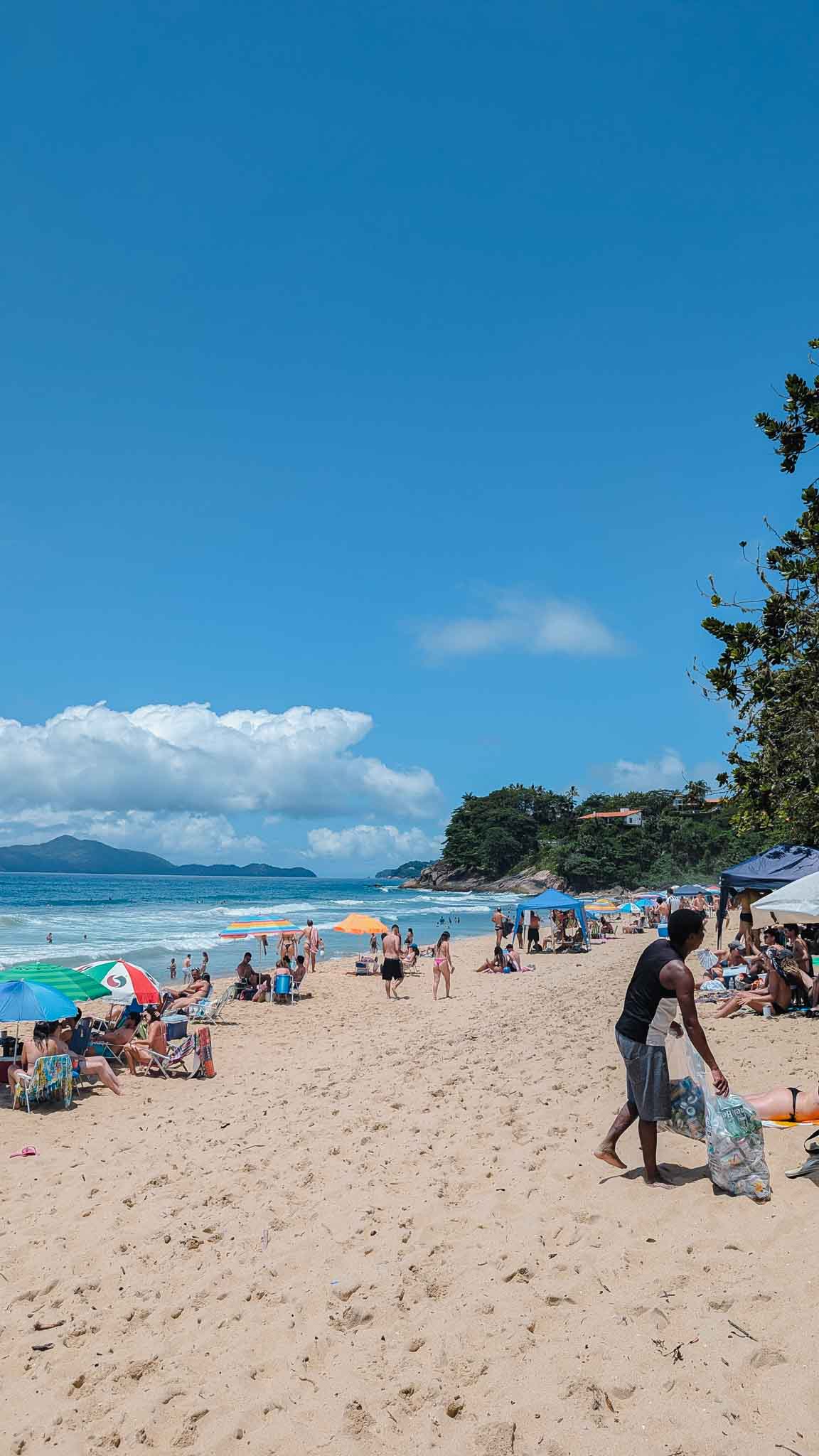
We hired some bikes to take us to a different part of Ubatuba, where the water wasn’t 100% hazardous waste. The seat on Rachael’s bike refused to stay up, so she comically rode around with her knees up under her elbows until we passed a mechanic, who I asked to borrow a spanner from. We eventually reached a very beautiful beach called Praia Vermelha Do Norte, North Red Beach, where the jungle descended down to the edge of the water, and enormous fig trees provided shade on areas of grass. We made some pretty good sandwiches here and I bodysurfed in some dirtier than ideal water, but it can’t all be perfect. I tried not to think about all the weird Brazilian sea creatures that were no doubt swimming blindly through the thick, murky water around my feet, and an approaching storm got me out of the water before too long anyway. We rode back into town amidst an absolutely insane downpour, and once the rain stopped we went out to grab a few seriously good value burgers from a food truck in the street. We went to a bar in a pretty run down part of town that I read about on Reddit, and we got to see some really good Samba music, which I loved.
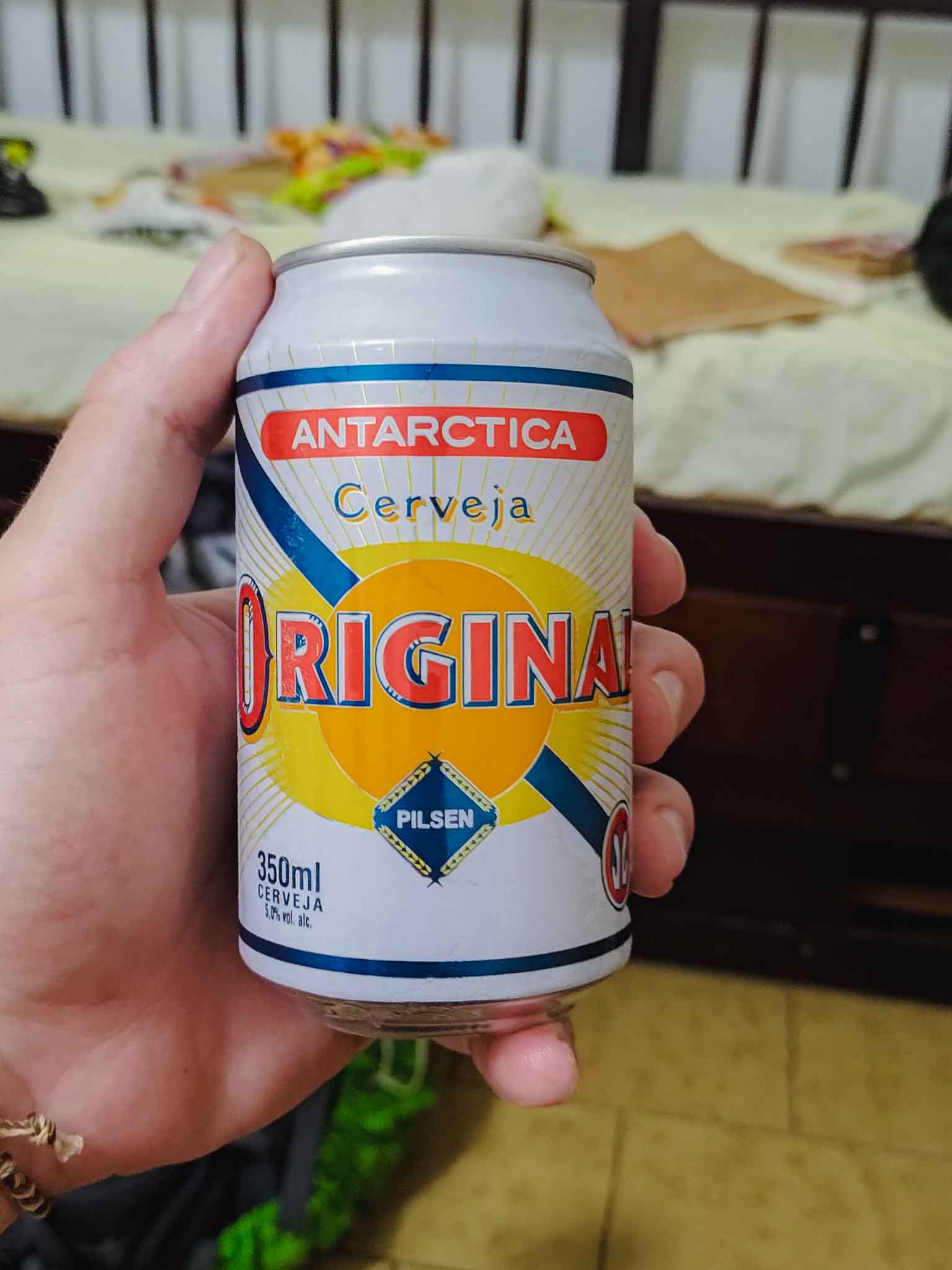
On New Year’s Eve we rode our bikes to another really busy beach called Praia Vermelha, Red Beach, and we found some slightly cleaner water here than we did the day before. Again, I bodysurfed some more, and then we rode to another beach closer to town, that was completely unswimmable but absolutely packed with people. Everyone was hanging out at the various bars along the water, listening to live music and sinking big bottles of Brazilian beer. We pulled up at a free table and sat to listen to a bit of music for a while, and I enjoyed a bottle of Original from the Brazilian brewery Antarctica. To this day, it’s one of my favourite South American beers, and it has to have one of the coolest logos ever. Whenever you’re out at a restaurant or a bar in Brazil, they serve the beers in longnecks, which they put in a big, plastic longneck stubby holder on your table, and give you a tiny glass to keep refilling yourself. Quite a pleasant way to drink your beer actually, I’ll probably use this method at home.
In the evening our hostel had a few guys playing accordion, guitar and tambourine, and everyone got up to have a dance and sing along to some traditional Brazilian tunes. The vibe was great, and everyone was having a blast, even those of us that had no idea what the songs were about or how to dance like a Brazilian. The hostel owner made a speech just before everyone headed out for fireworks, and thanked us all profusely for being a part of his family, which was very heartfelt, and made me realise that you can stay in a pretty below average hostel and still have the time of your life if the right people are around.
A bunch of us walked down to the main beach, the radioactive one, to watch the fireworks. Us non-latinos obviously missed the memo that said you can only wear all white on New Year’s Eve, and if no one could tell that I was a gringo from my blonde hair, freckles and bright red beard, now it was really obvious. A sea of people dressed in white lined the shores of the dead marsh and counted down to midnight in Portuguese before enjoying the firework display. It’s tradition to jump over half a dozen waves to celebrate the New Year, but I was worried the water would burn our legs off so we stayed well back. Also, some freaks even went for a swim, and I highly doubt they made it back to the shore, probably joining the bones from the previous year’s victims on the sea floor. Afterwards, Nina got us into a packed restaurant that had live music, so we could have a dance in the back corner together. It was a great way to ring in the New Year, dancing with new friends in a new country, drinking new beer and just having a blast. Probably the best New Years Eve celebrations of my life.
On the 1st of January we had an incredibly slow day, where we sat in a café/bar for many hours, drinking coffee before switching to coronas and then margaritas. It sounds insane to me now, after many months of being on a strict budget that we would ever pay for a drink in a bar, but like I mentioned before, I got the conversion rate wrong. Also, I had an iced coffee with coconut water, which was very intriguing and refreshing but also probably the last time I do so. That evening we went back to the food truck to get some more massive burgers for dinner before heading to the music bar again. There was a really good band playing classic rock songs, and Luís and Lena joined us once again. It was a great night, but we were sad to say goodbye to our new friends at the end of it, as the following day we’d be leaving Ubatuba and its not so crystal clear waters forever.
Our next stop was a city with quite the reputation, and after many hours of delays, and a few snoozes on the bus terminal floor, we made it to Rio de Janeiro. Translated as ‘January River’, it is named after the month in which the Portuguese first sailed into the bay in 1502. Its metropolitan area is home to over 13 million people, with another half a million people visiting through January and February. The city obviously gets a lot of hype. Whether because of the wild parties, the beautiful beaches or the out of control crime, it’s definitely one of the most famous and infamous cities in the world, and keeping in tradition with the rest of our Brazil experience, it certainly surprised us.
Due to our delay, we didn’t arrive at the Rio bus terminal until midnight. Because of this, our booked accommodation canceled on us, so we had to connect to the bus terminal Wi-Fi to try and book something else. We arrived at a hotel in Glória, which had security guards posted out the front and a gathering of drunken bums in the park across the street. Needless to say, we didn’t really want to stay in this area any longer than we had to, so we left our stuff in the luggage storage the following morning and went out for a morning of exploring the city until we could check into some accommodation somewhere a bit nicer.
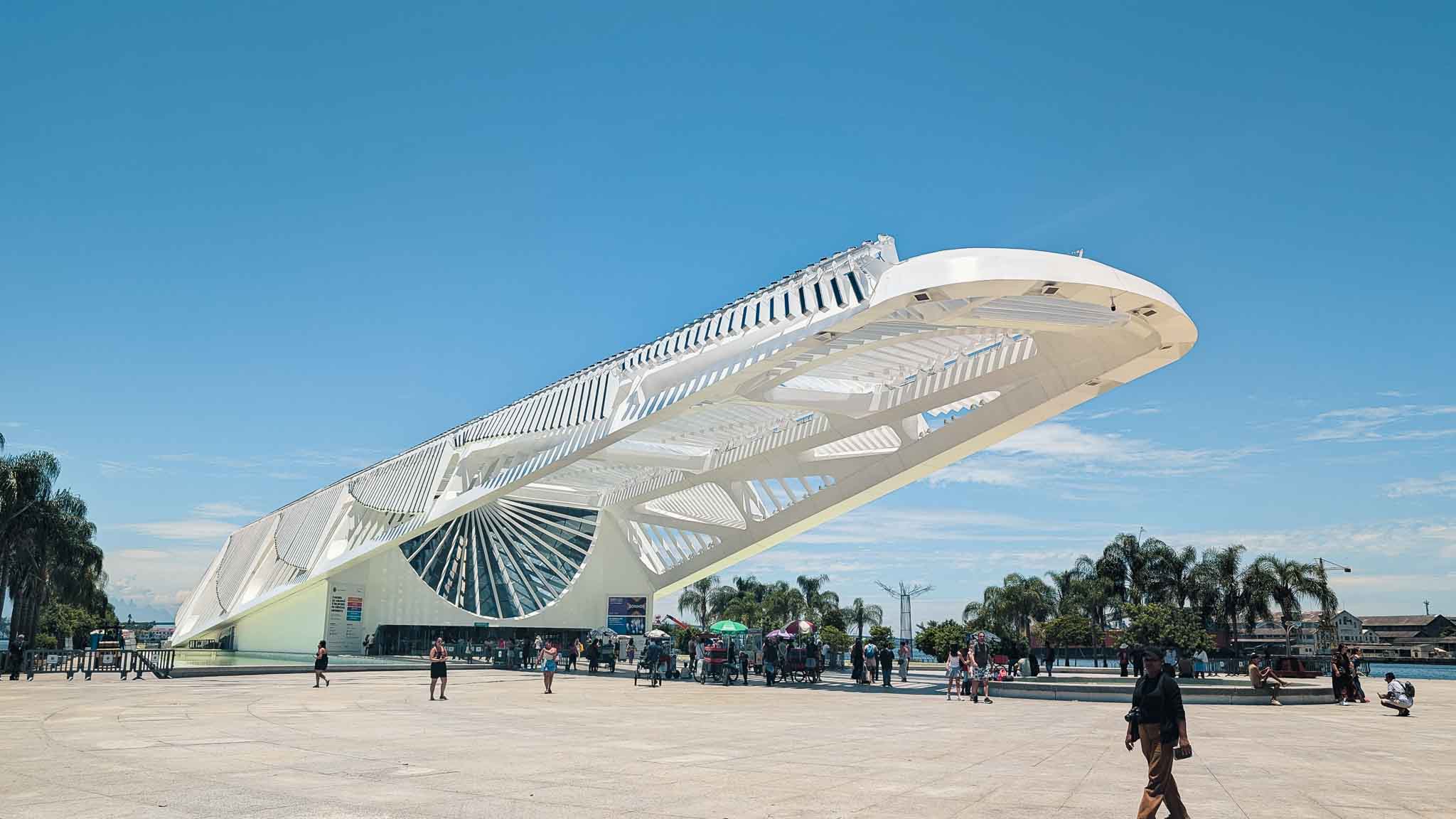
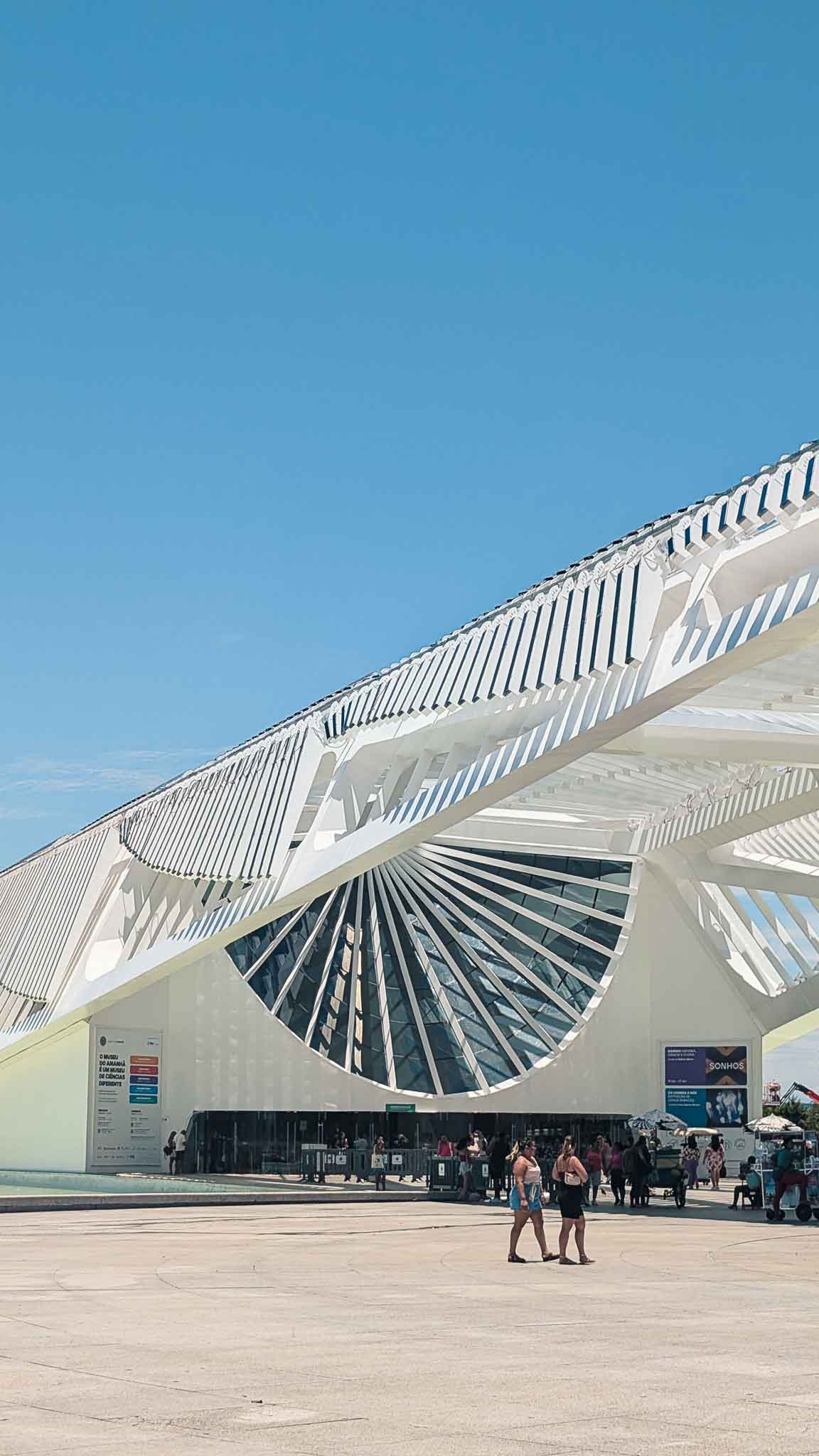
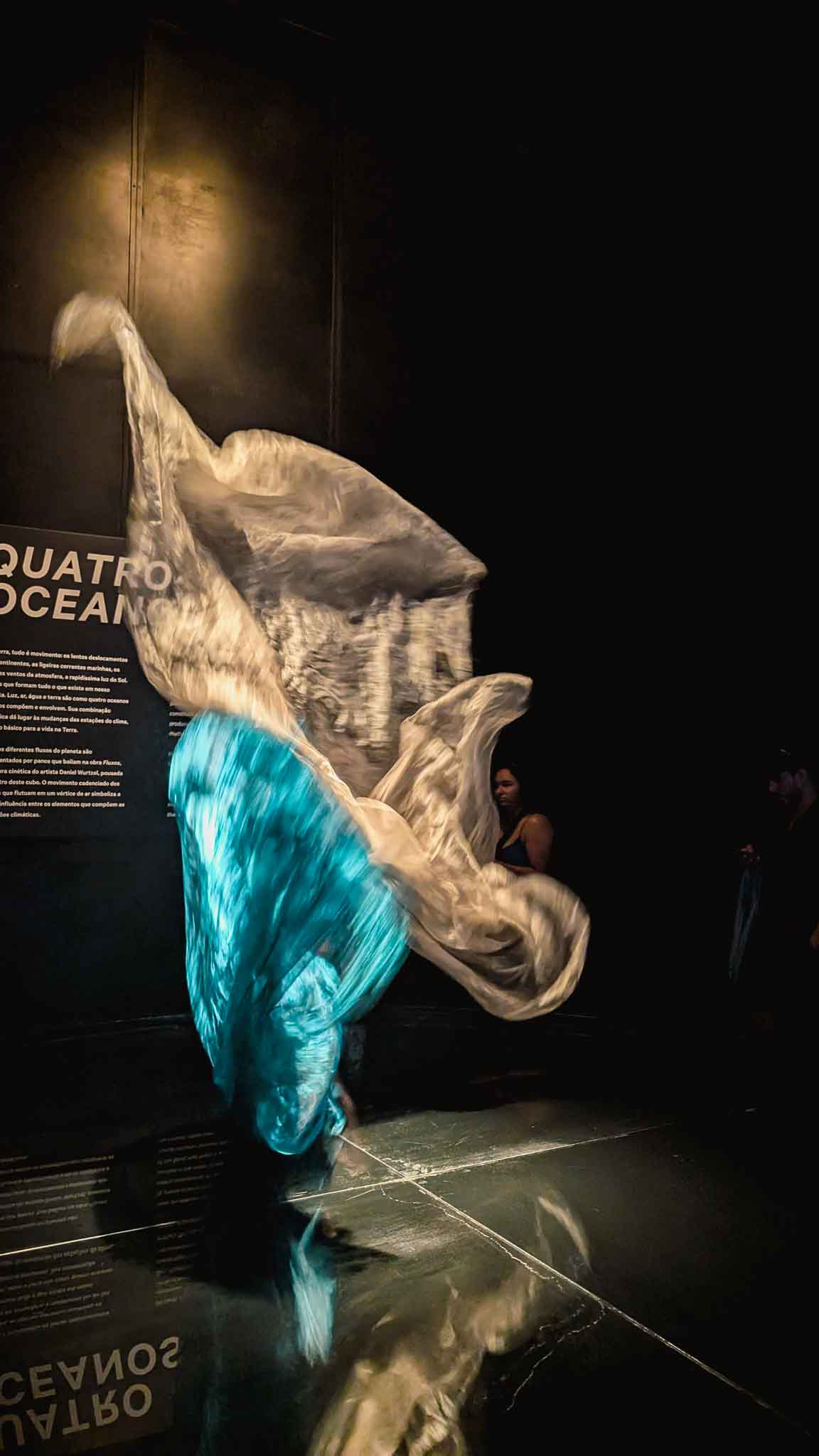
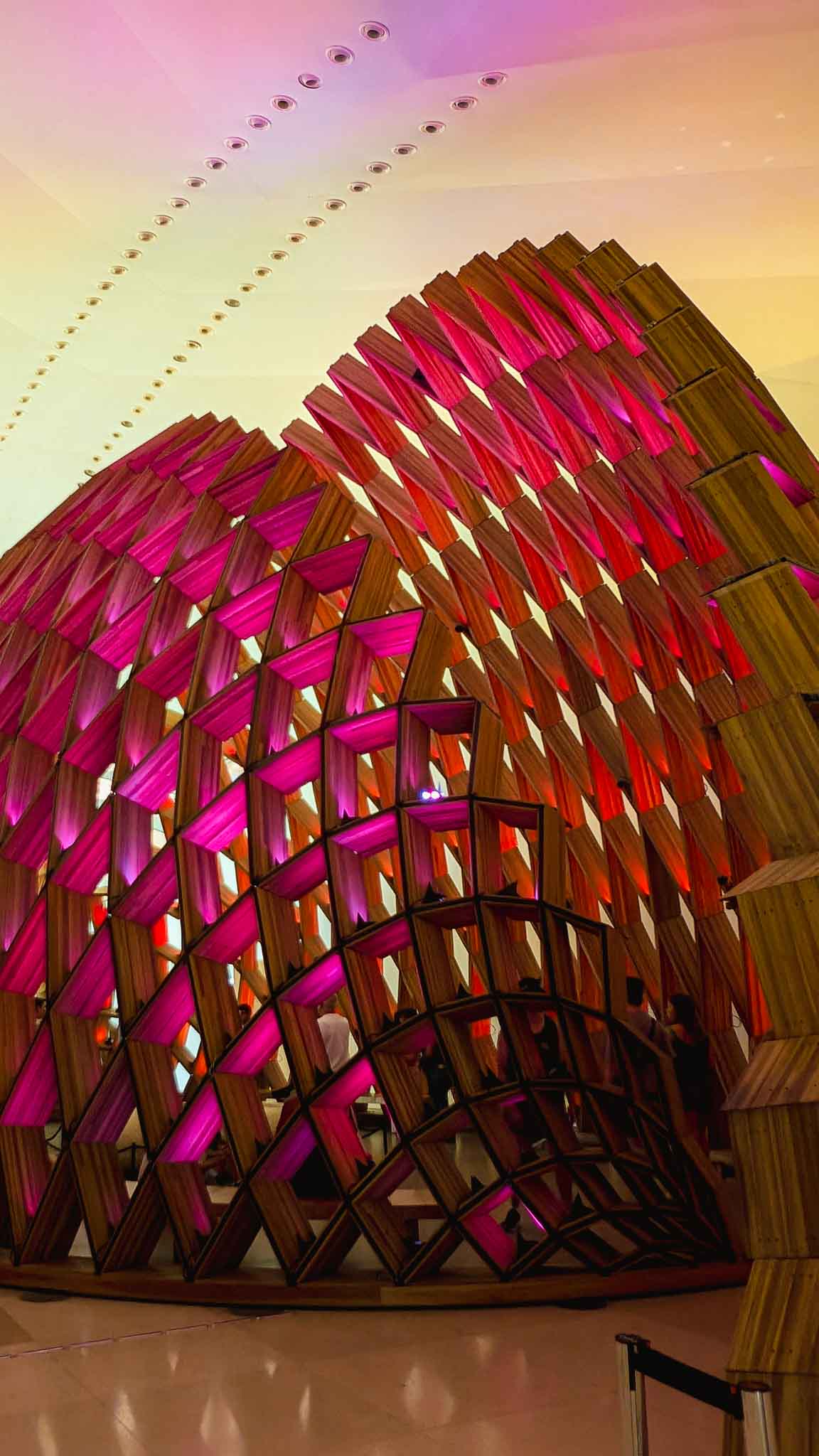
After struggling yet again to buy a working sim card, we walked to Museo do Amanha, Museum of Tomorrow, which is built on a decommissioned pier out over the water. It was built in 2015 to be a museum of art and science, primarily focusing on the dangers of climate change. It was completely packed when we were there, and we didn’t really take much away from it, but we admired the striking design of the building. We failed miserably at an interactive quiz where you have to save the world from an environmental and social collapse by answering a set of various questions. I recall one of them asking if people should switch to only eating soy products as their main form of protein, to reduce methane levels in the atmosphere caused by rearing cattle. That was a solid no from me, obviously, and we continued to answer all the questions worse than anyone else playing the game with us. It wasn’t even in Portuguese, it was all English!
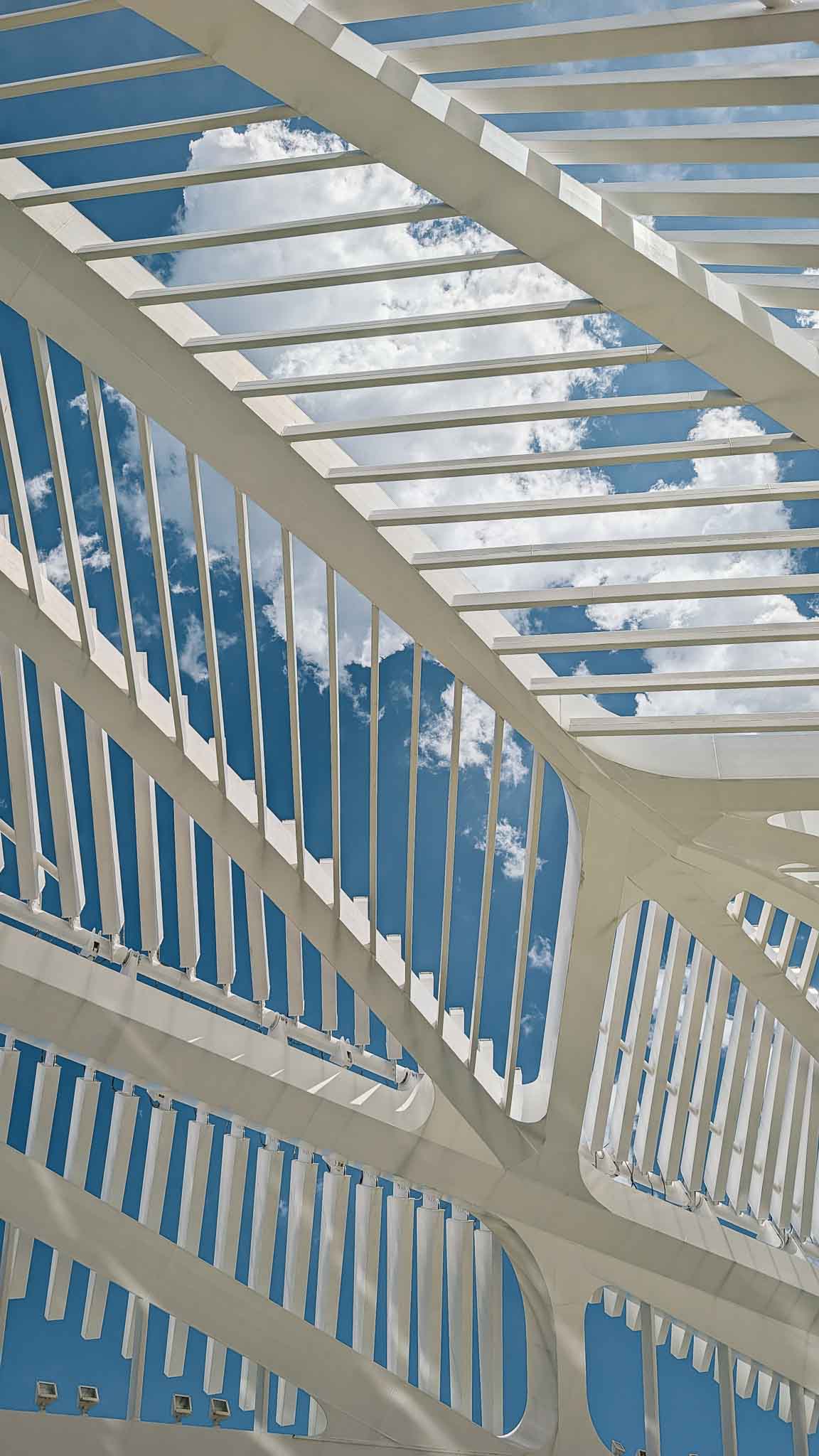
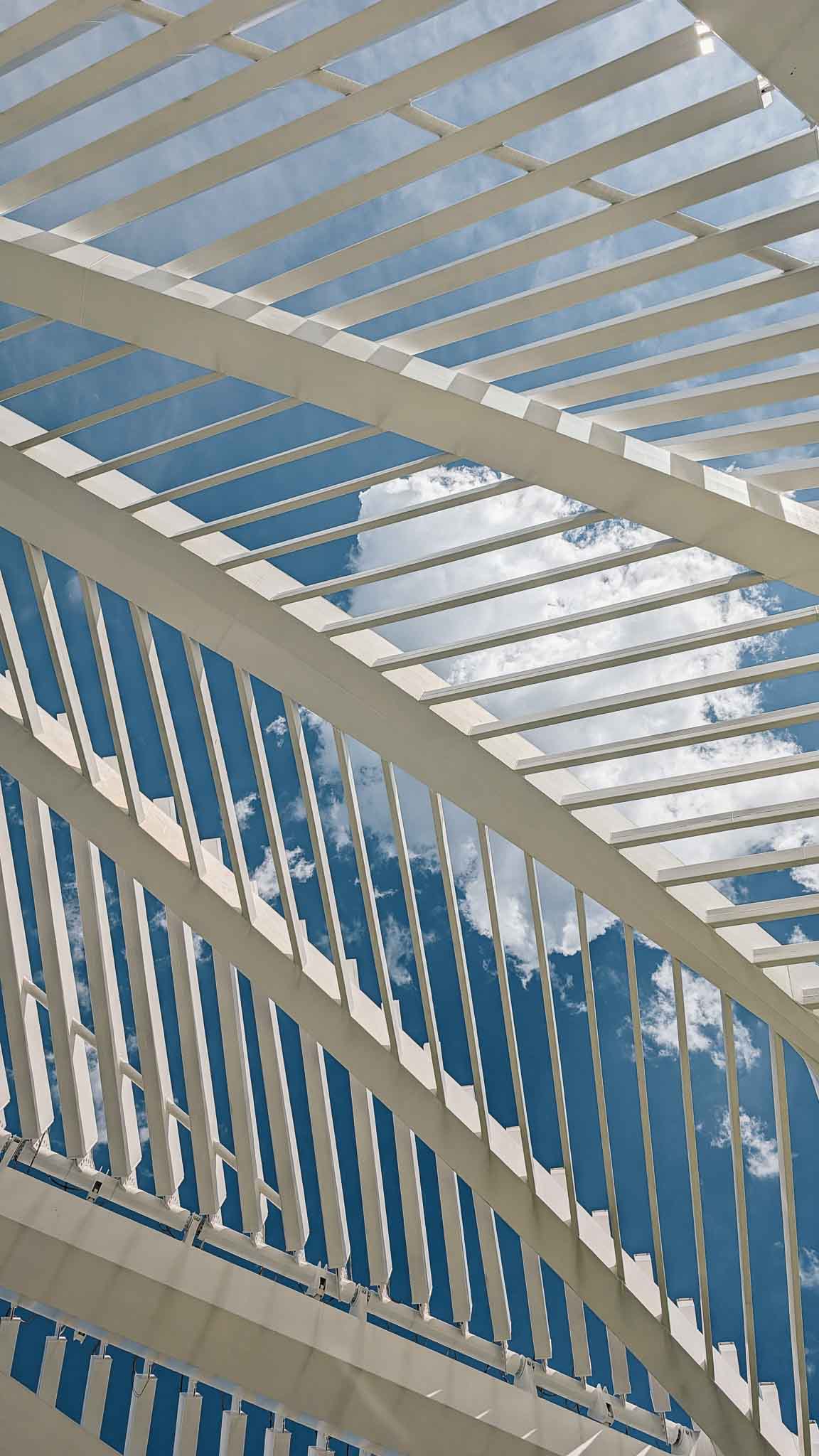
I dragged Rachael into an alleyway somewhere in the centre of the city to look for some lunch. We found a place serving up cheap lunch specials, and I can’t remember what we ordered but I do remember that the bloke running the place was stoked to have a few gringos eating there. He even videocalled his wife with us to say hi which was very sweet.
We moved our bags from Glória to a neighbourhood called Santa Teresa, which was way more our style. It felt more like being in a small village up here, which clings to the hillside and looks out over the city. The small neighbourhood is full of steep, winding streets, and is home to several nice restaurants and bars. There was always live music spilling out into the street at night, when the main area of town would become a complete pedestrian area. Something I noticed here, and I would continue to see throughout South America, are plastic tables and chairs out the front of bottle shops. Locals would flock to the cheapest place to buy a drink, the bottlo, and just chill out on the chairs out the front all afternoon, instead of paying to drink marked up prices in a bar or restaurant. They’d bring their own speakers and listen to music while grabbing their big 750ml bottles of beer from the fridge. There was just something cool about it.
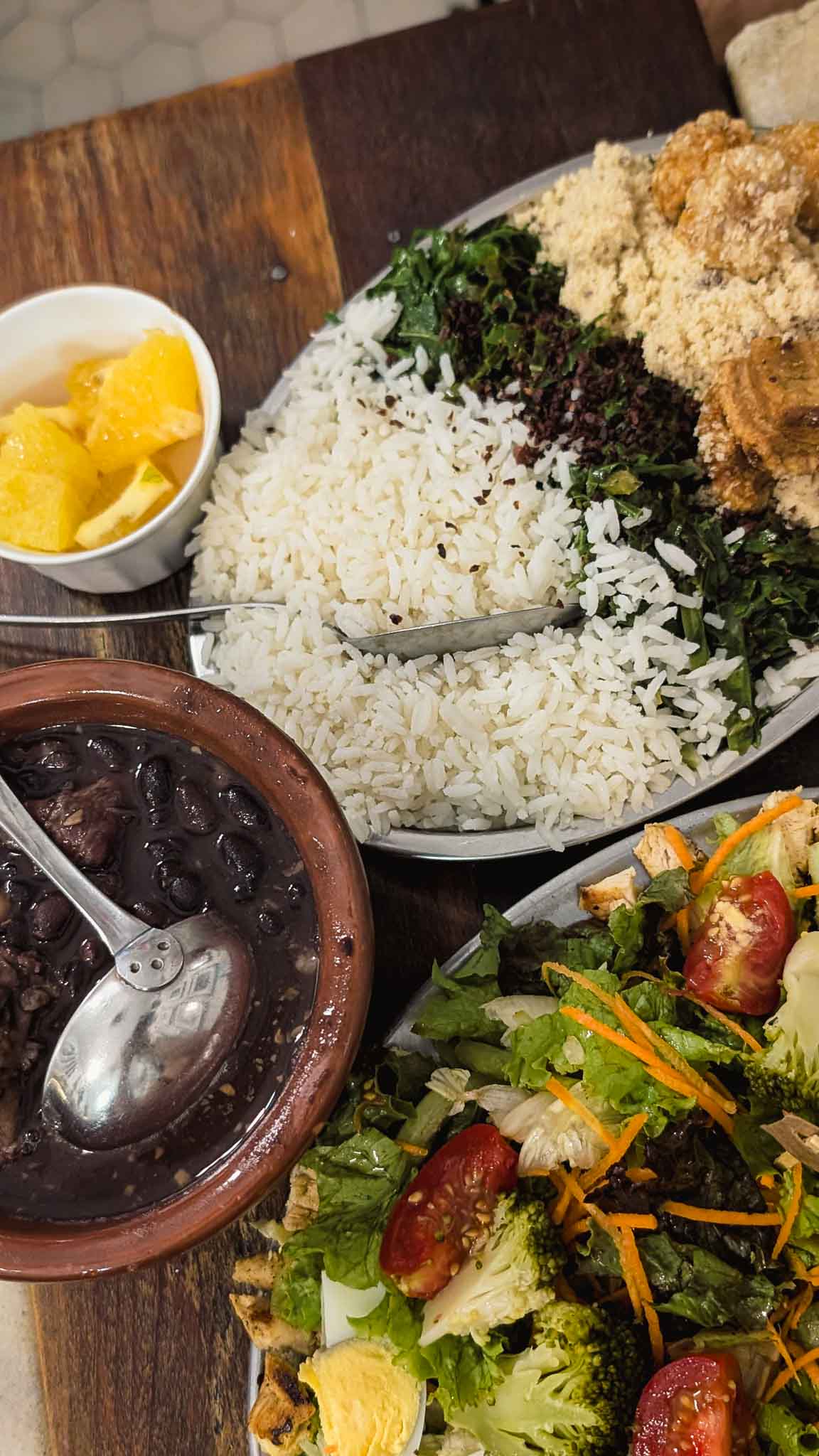
We went to a very popular restaurant in town that I read about on the internet called Bar do Mineiro, Miner’s Bar, and I ordered a highly anticipated bowl of Feijoada. Originally a Portuguese stew of kidney beans with random pieces of pork that no one really wants, like ears, tails, trotters and the like, but the Brazilian version is a little more exciting. Black beans are used with smoked pork ribs, crispy pieces of pork belly, bacon, dried beef, two types of smoked sausage and served with rice, seared kale, orange pieces and farofa, which is a side dish of toasted cassava flour with butter, bacon and onions, and is super common with all sorts of other dishes throughout Brazil. Sounds like a lot going on for one dish, and it is, but it’s very hearty and delicious, and it’s definitely one I’ll try to replicate at home. Rachael played it safe with a caesar salad.
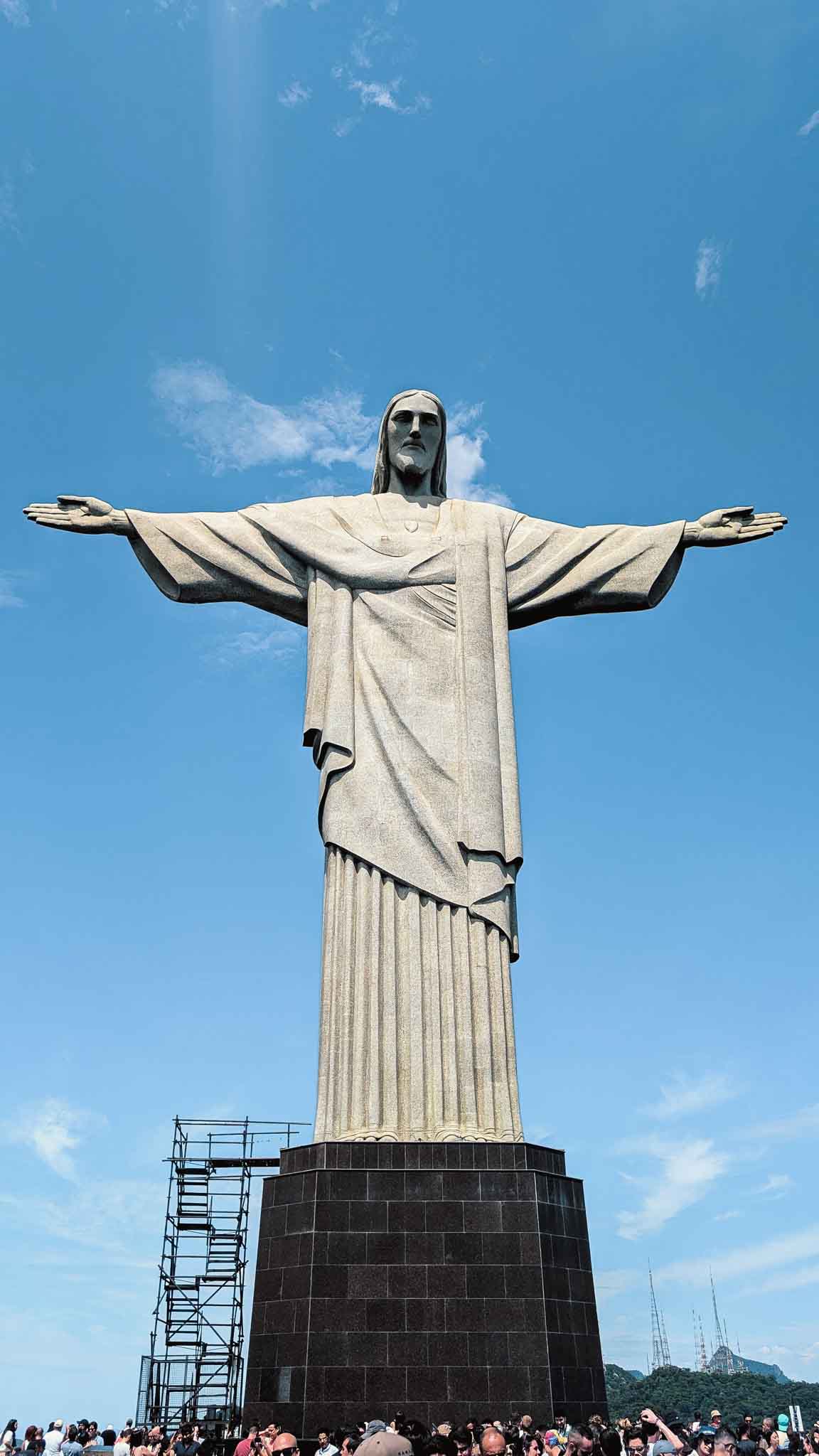
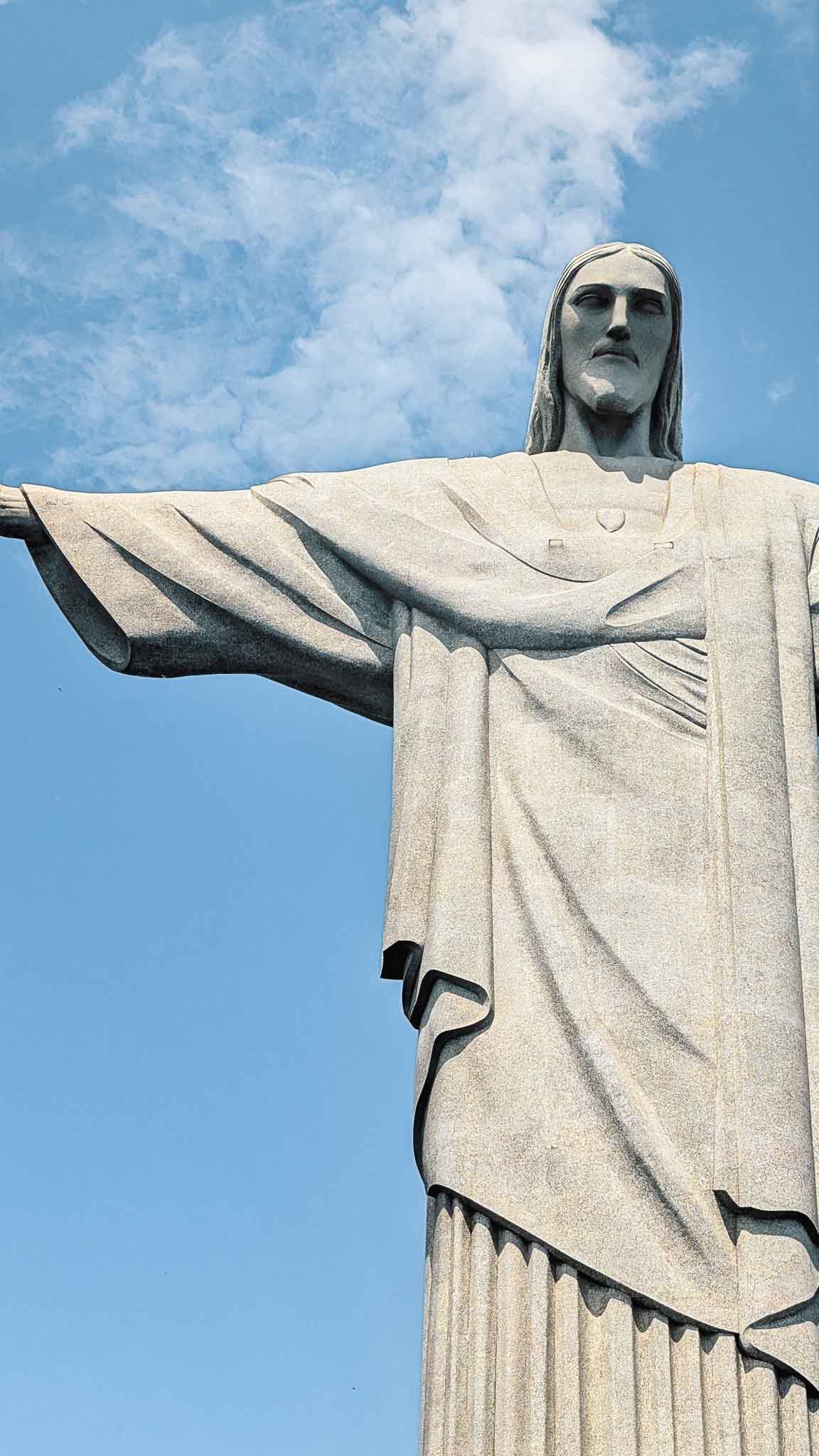
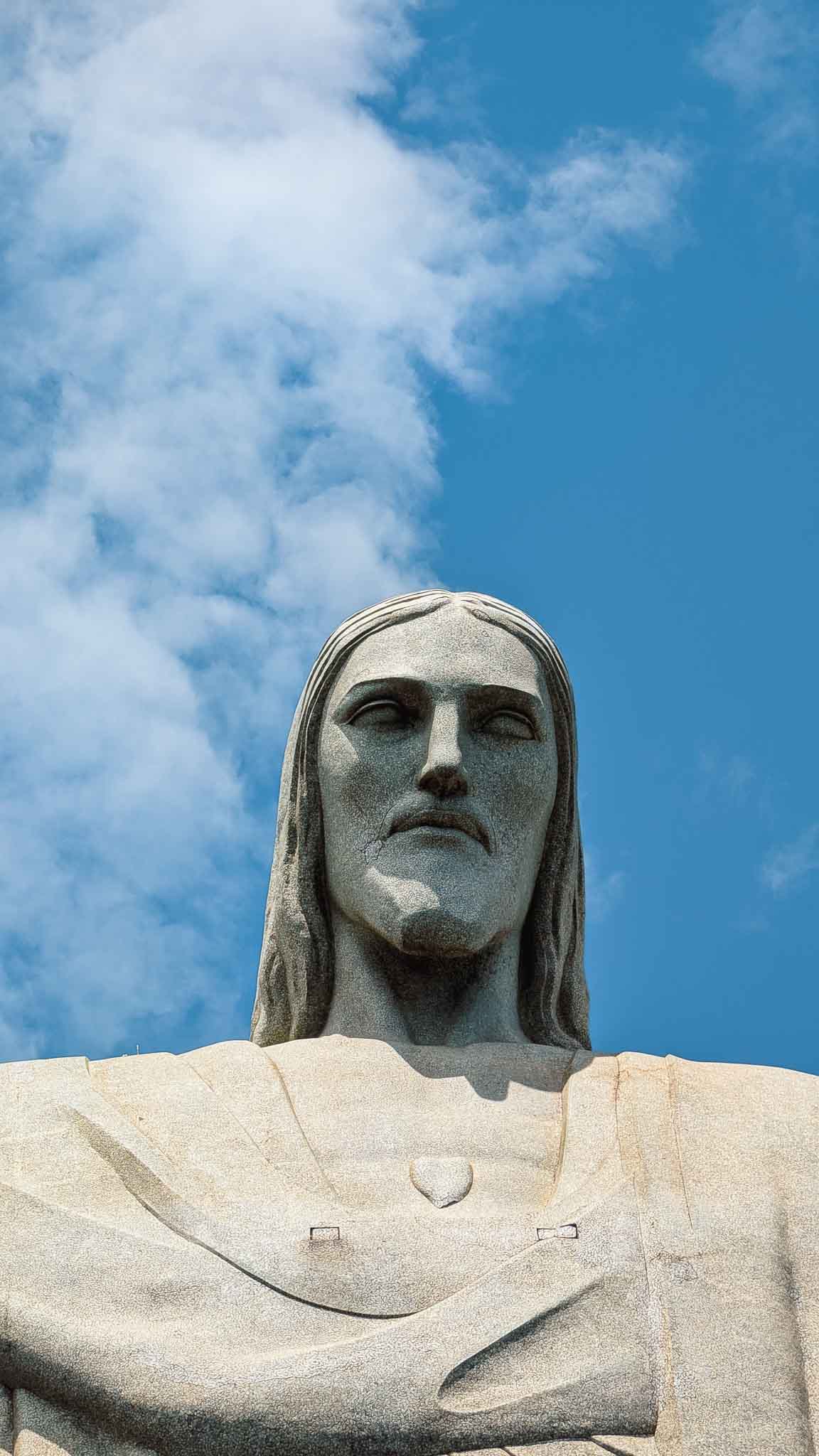
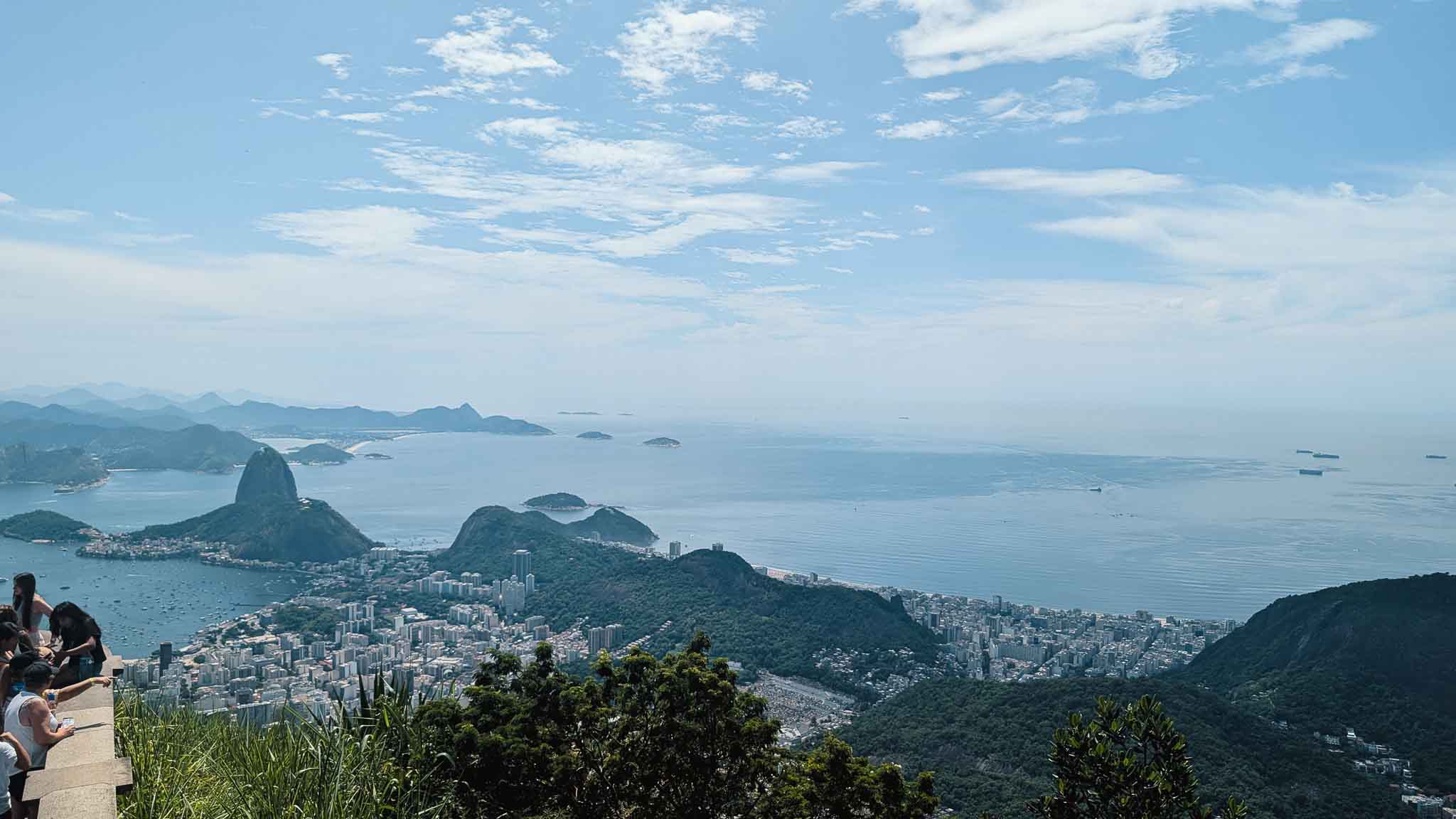
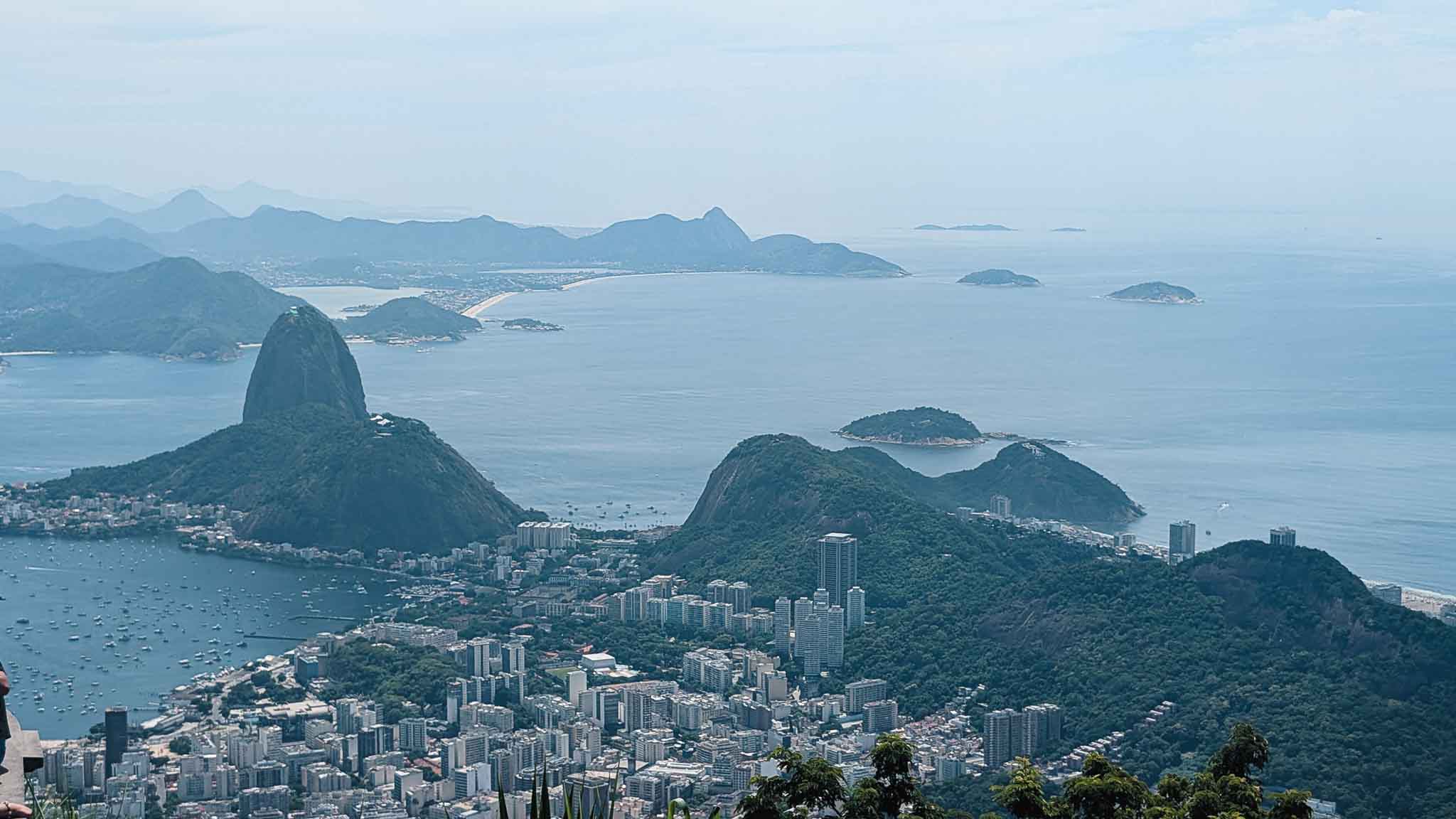
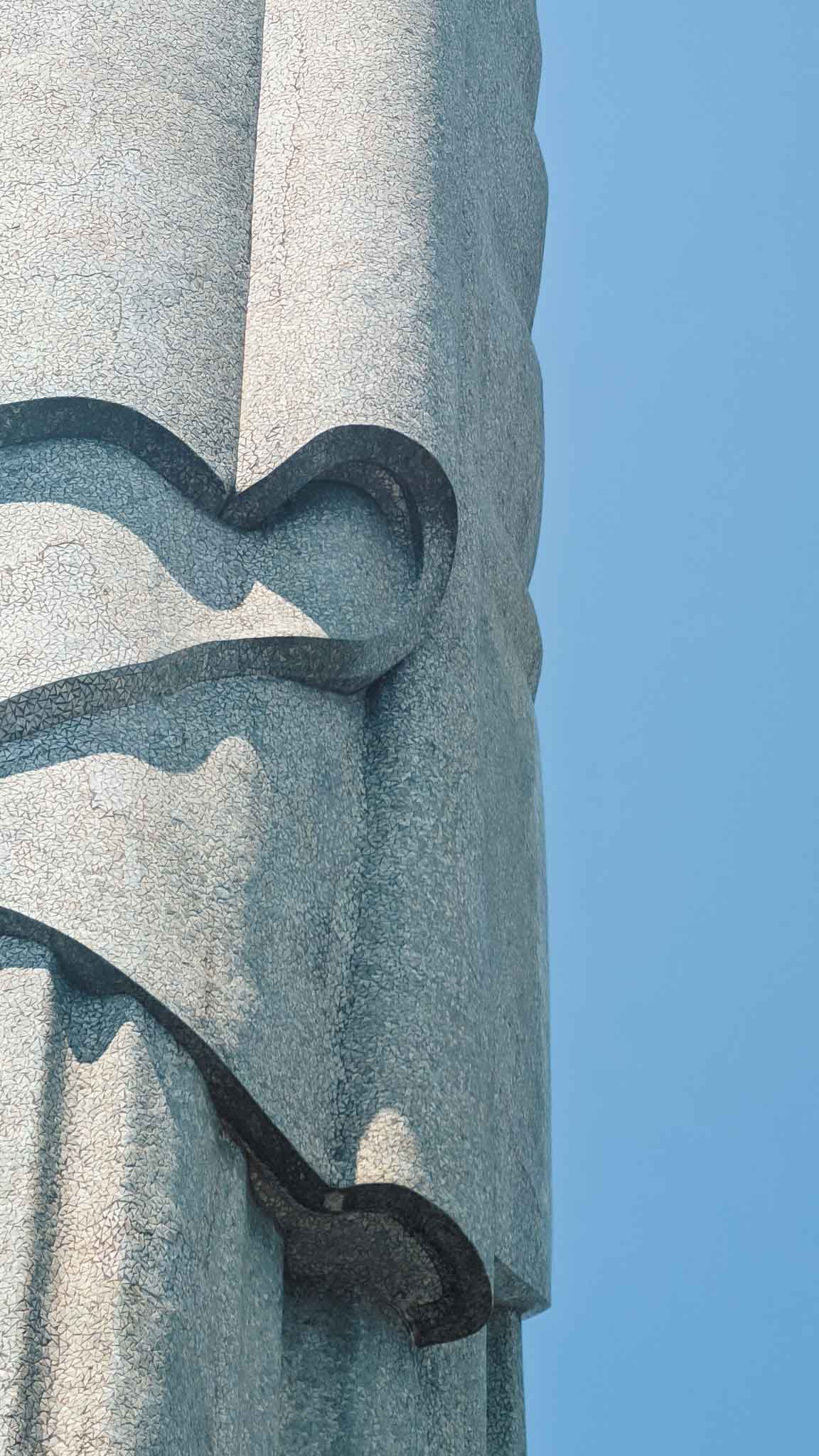
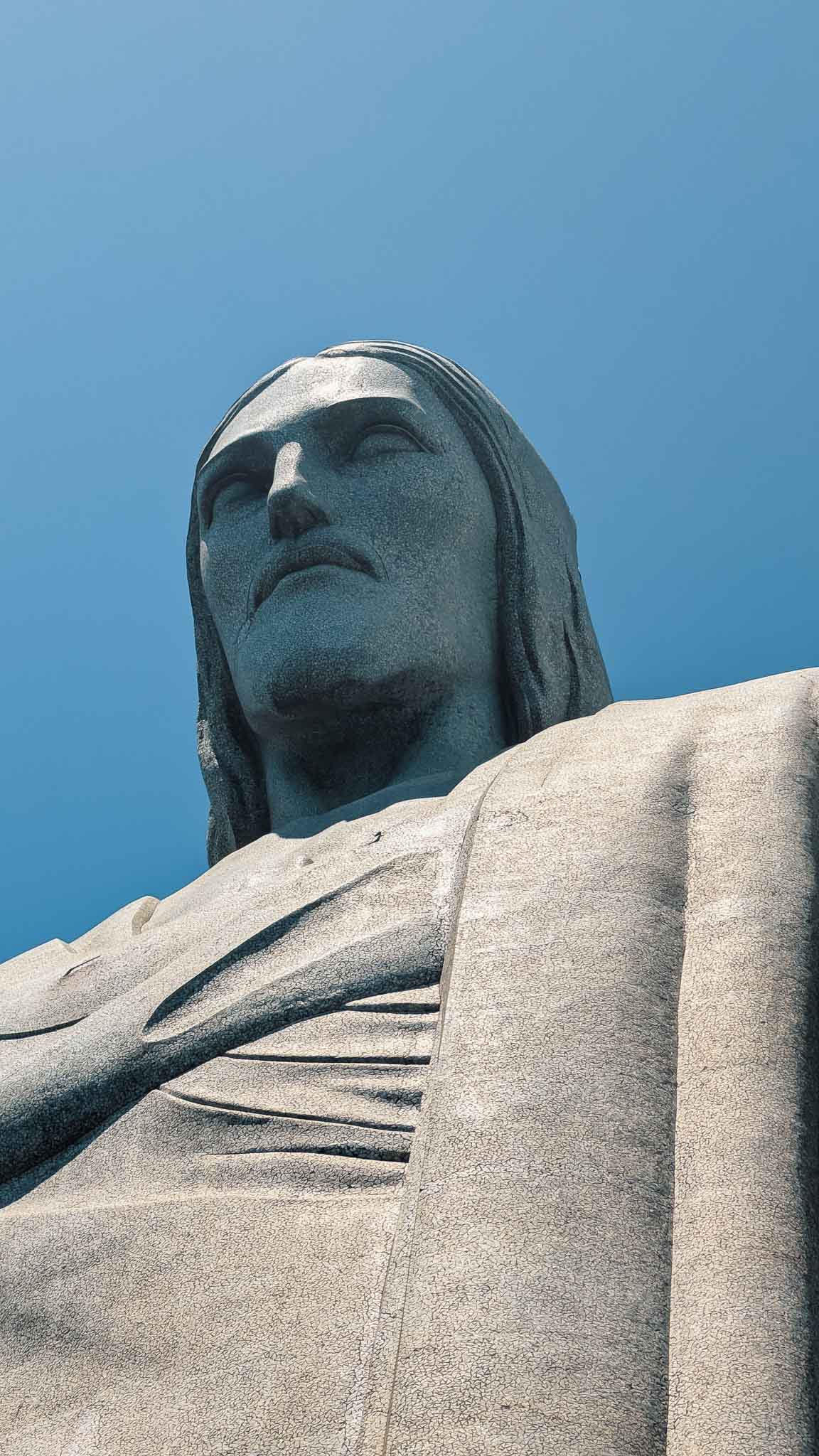
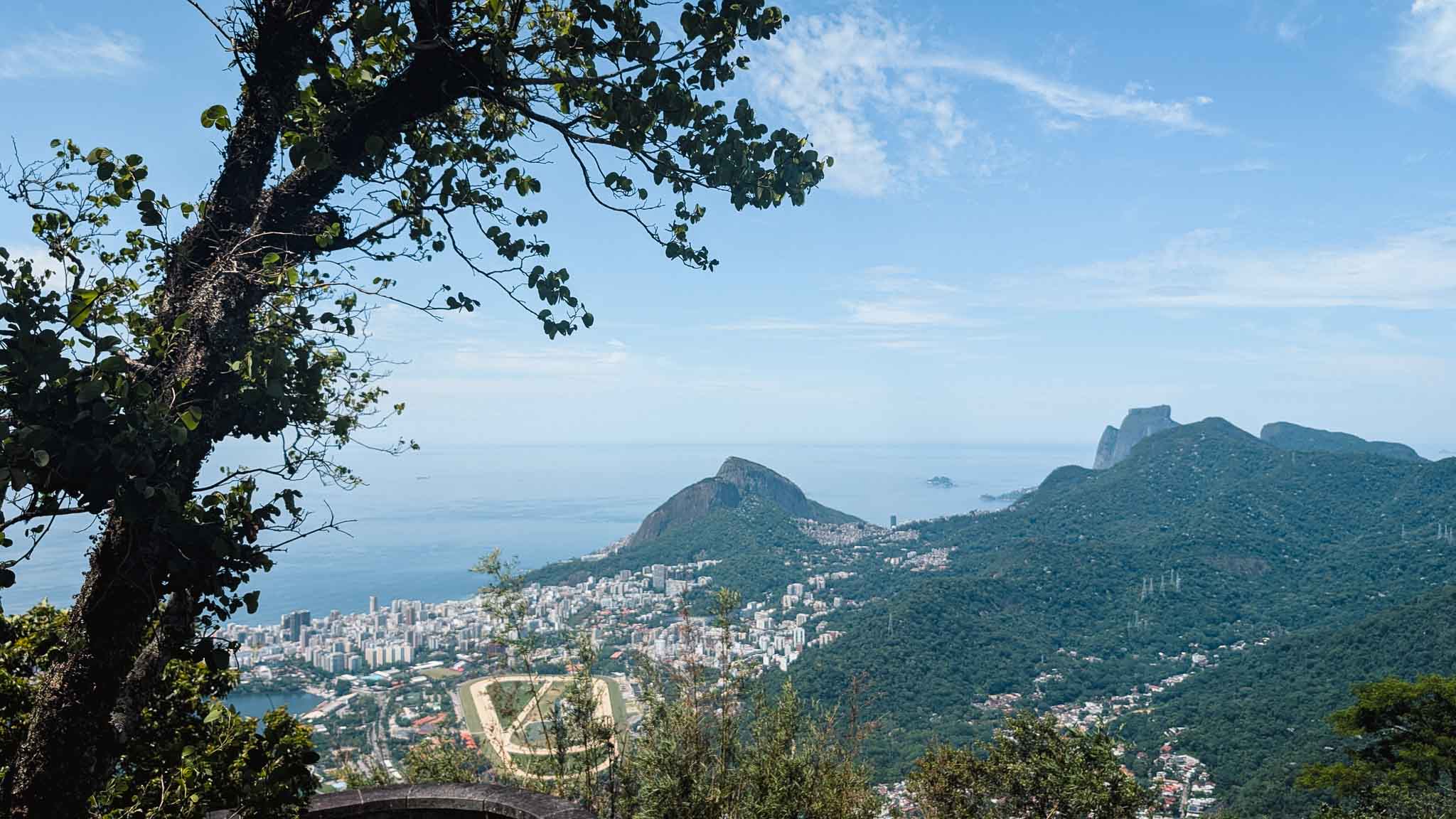
The following morning we began the trip up to see one of the new seven wonders of the world, the statue of Cristo Redentor, Christ The Redeemer. We caught the cable car up the mountain after waiting in line for ages with hundreds of other people, and emerged 700 vertical metres later with every other man and his dog. In spite of the fact that we could barely move once we got to the lookout that Cristo stands on, it was beautiful beyond my expectations. The statue itself is made of concrete and clad with over 6 million soapstone tiles. It is 30 metres tall, standing on a 8 metre tall platform, and its arms stretch to 28 metres wide, but the enormous sculpture is almost overshadowed by the view of Rio itself from the lookout Cristo stands upon. The city is sprawled over and around a bay full of uniquely carved rock jutting up from the water, and with colourful favelas clinging to the surrounding hills. One of the only things I could think about while we were looking down on the city was “Is this more beautiful than Sydney harbour?”, and it very well might be. It’s incredible to see the city stretched between the jungle and the water’s edge, with boats moored in the protection of the bay and passenger planes gliding over them. Small islands dot the coast line as you look to the east, and you can imagine how it wouldn’t have looked all that different before the Portuguese arrived here some 460 years ago. It was a very unique experience to be standing up there before such a famous statue, with such an incredible view. The absolute sea of people up there with us couldn’t even begin to take away the magic we felt while we were there, it was awesome.
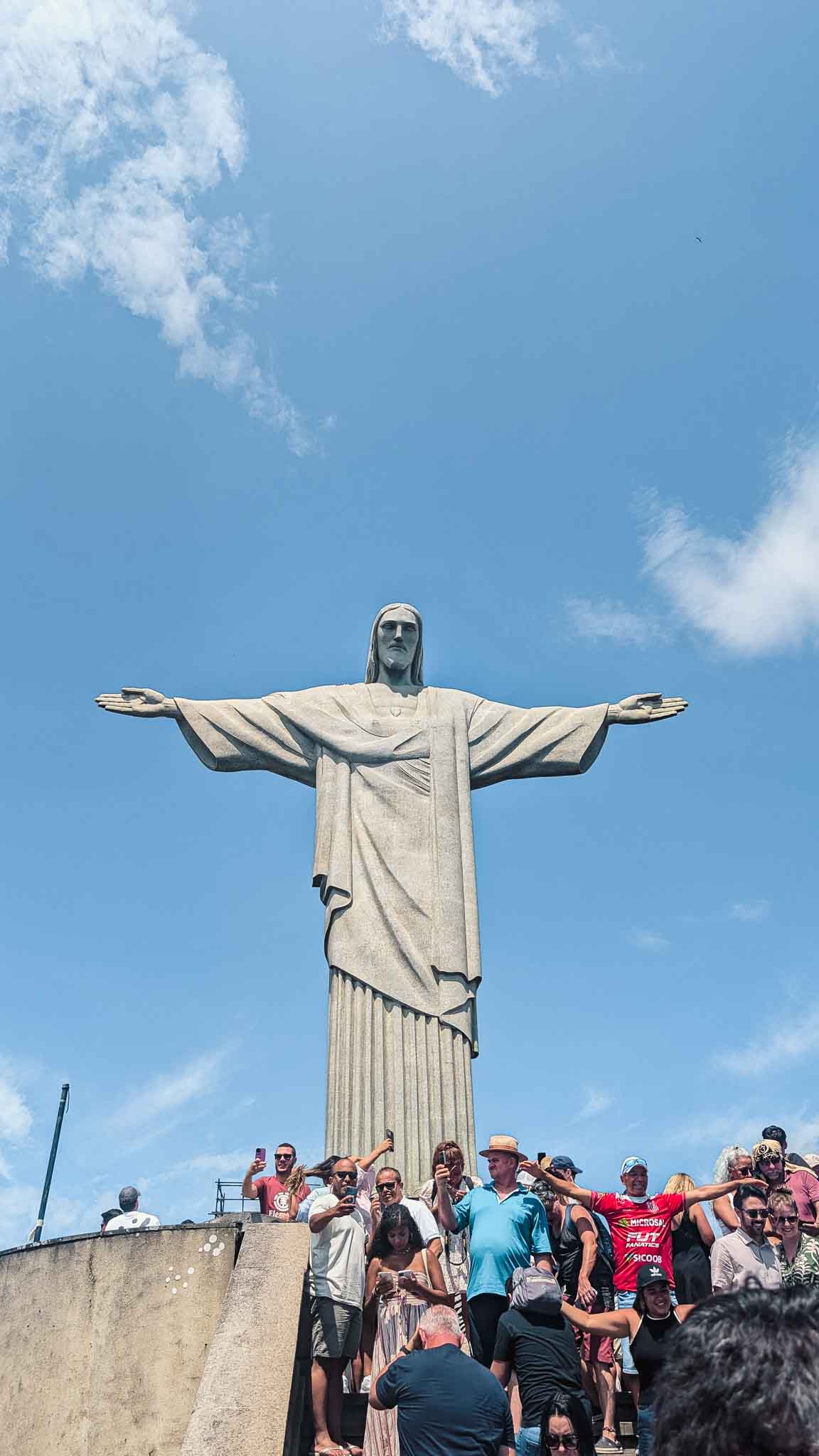
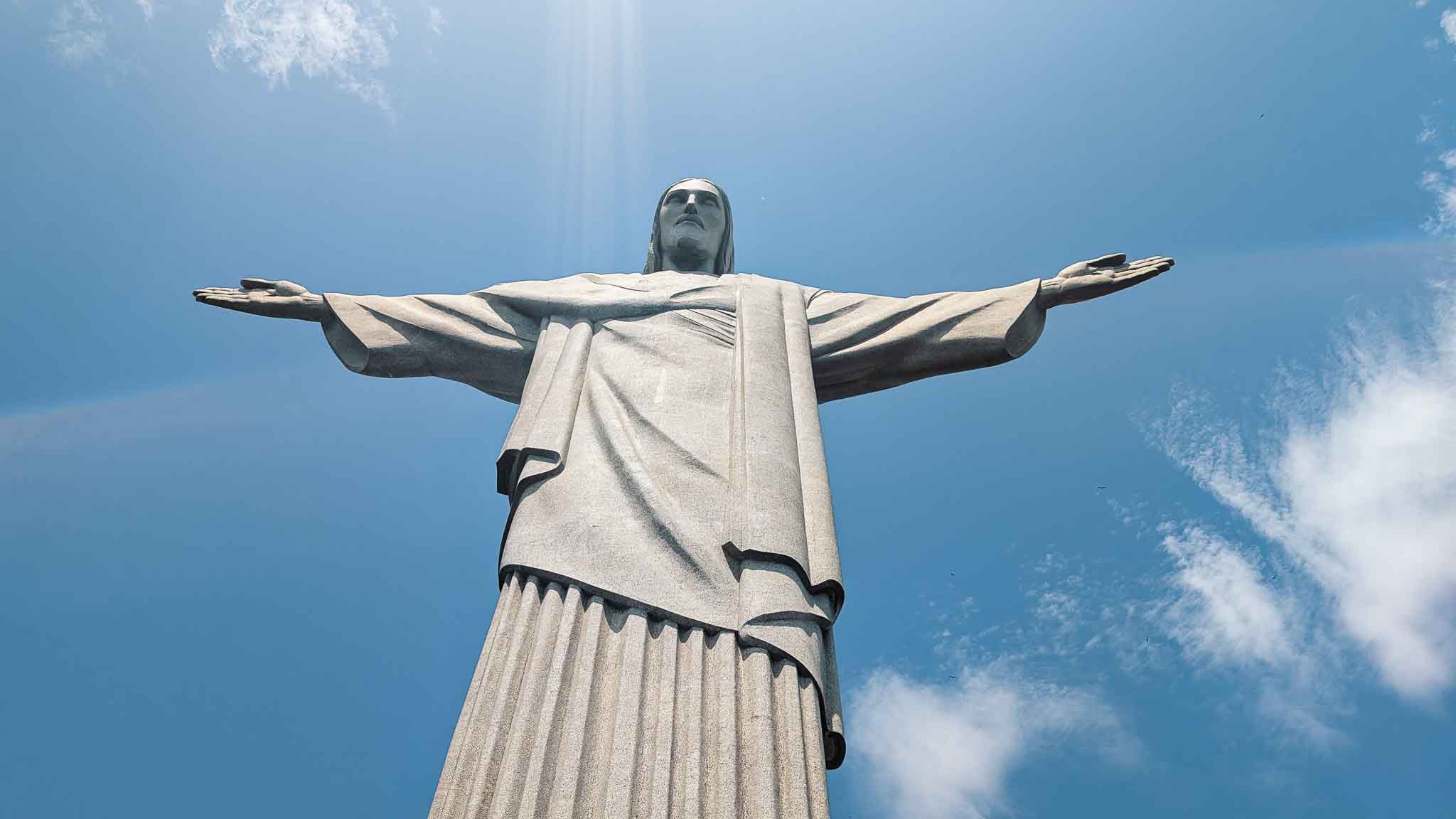
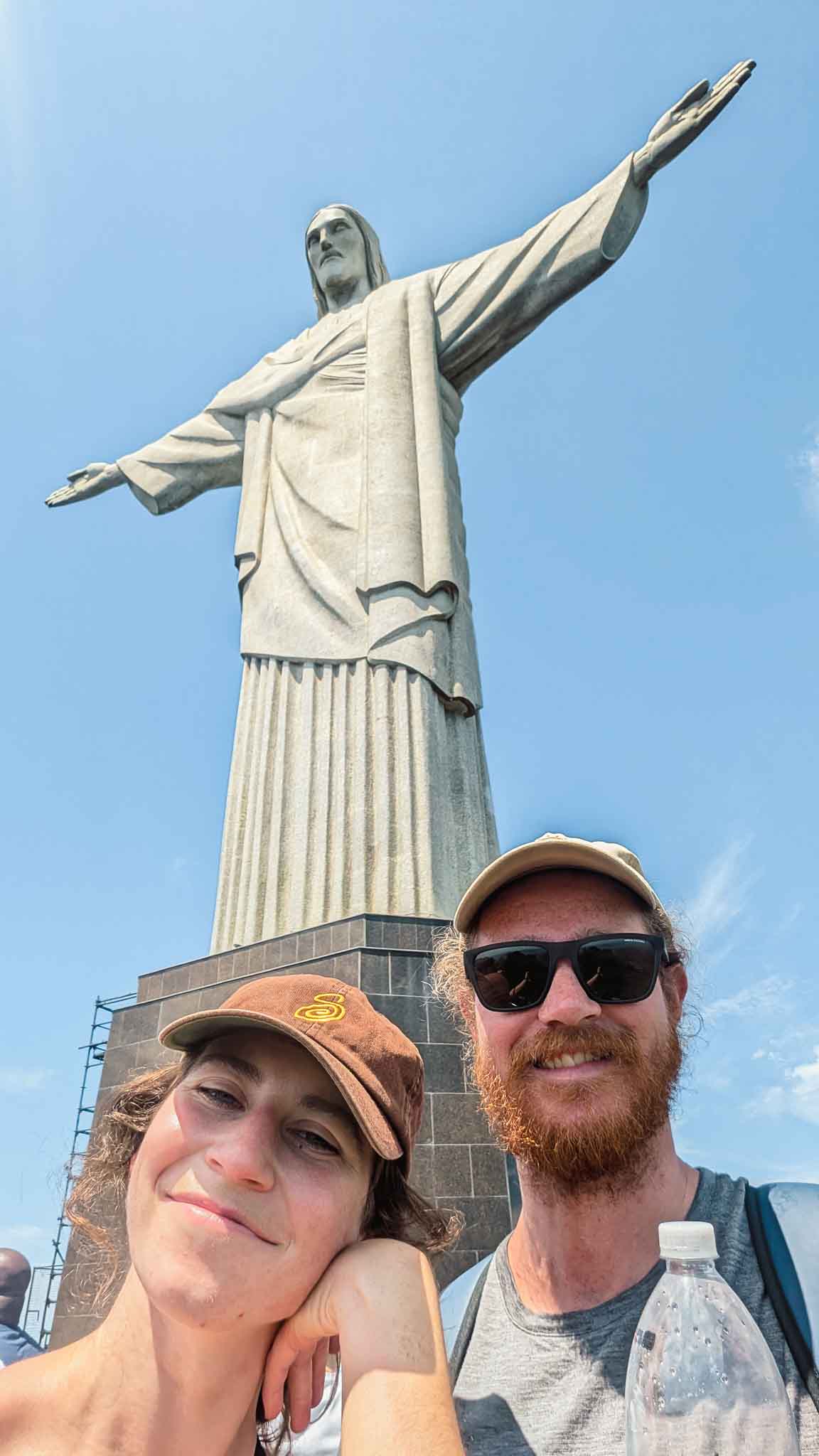
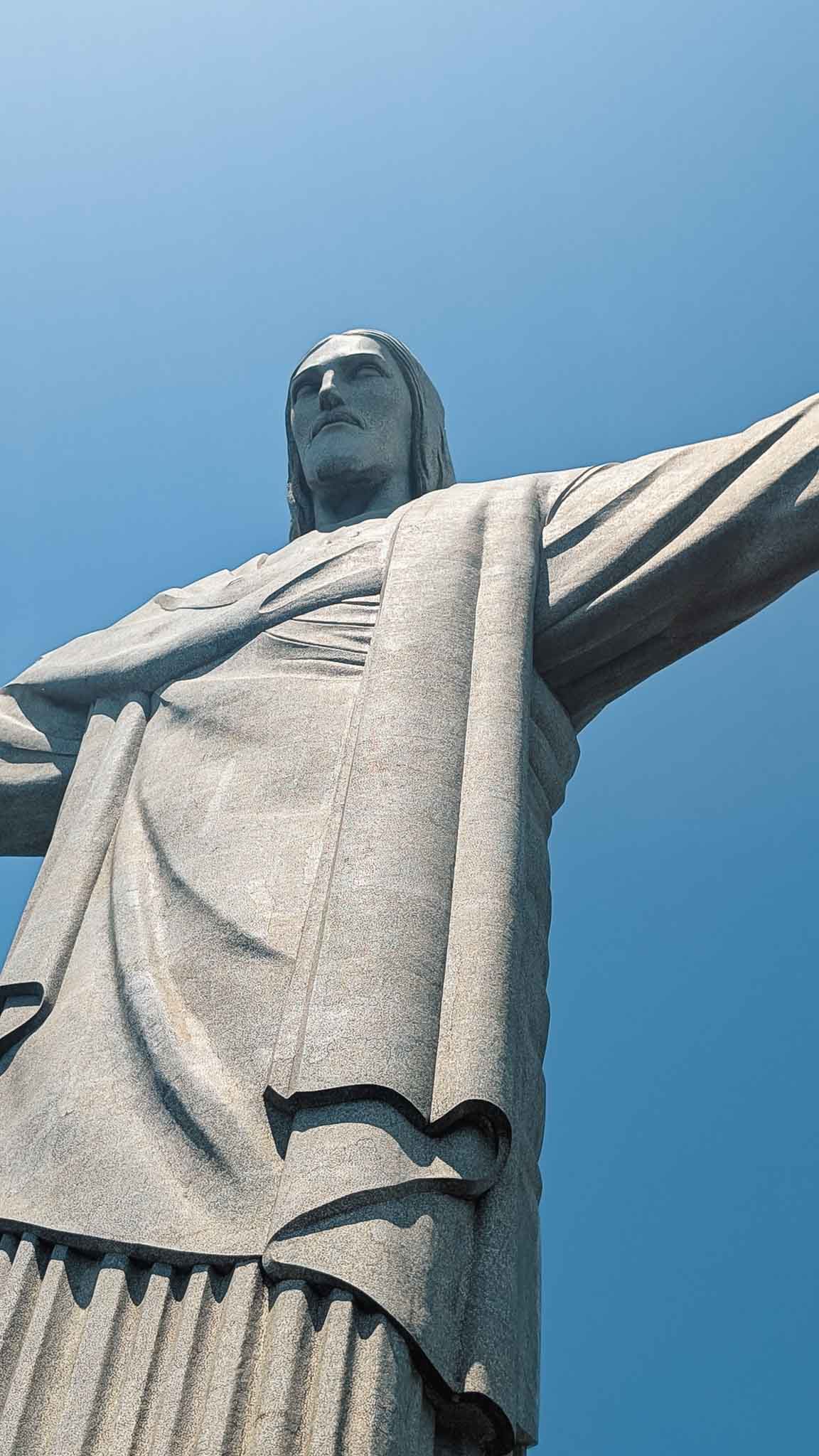
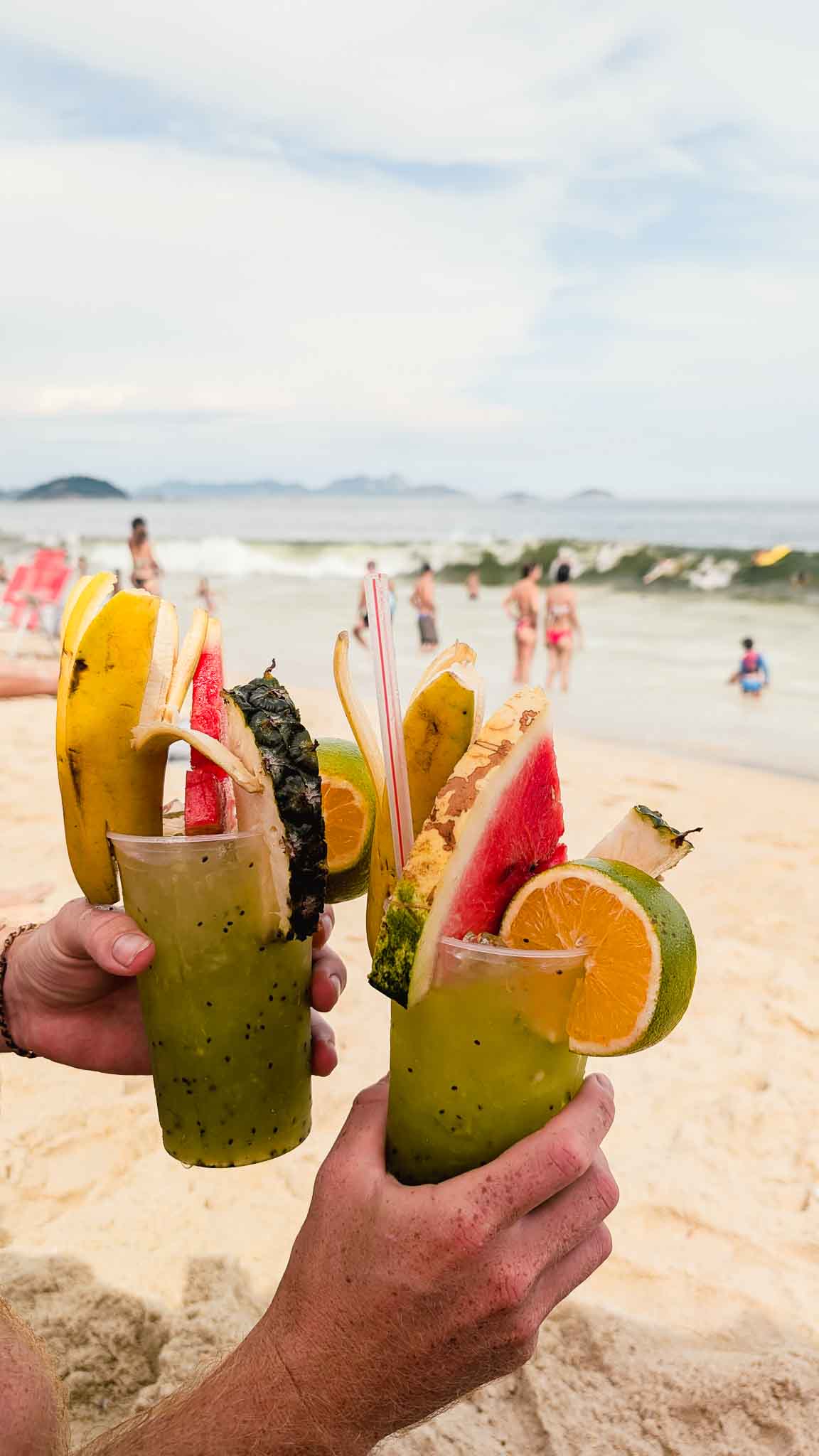
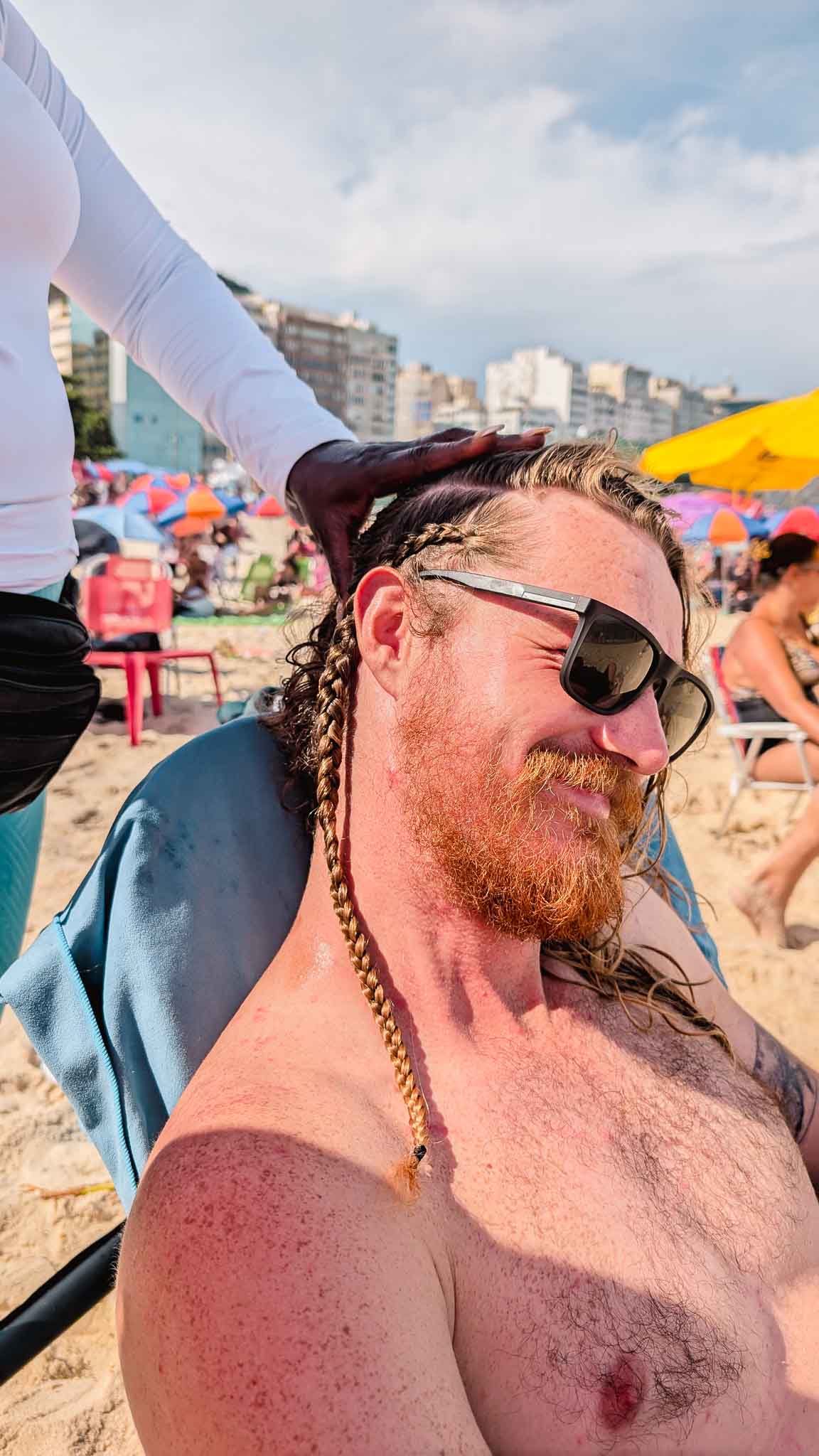
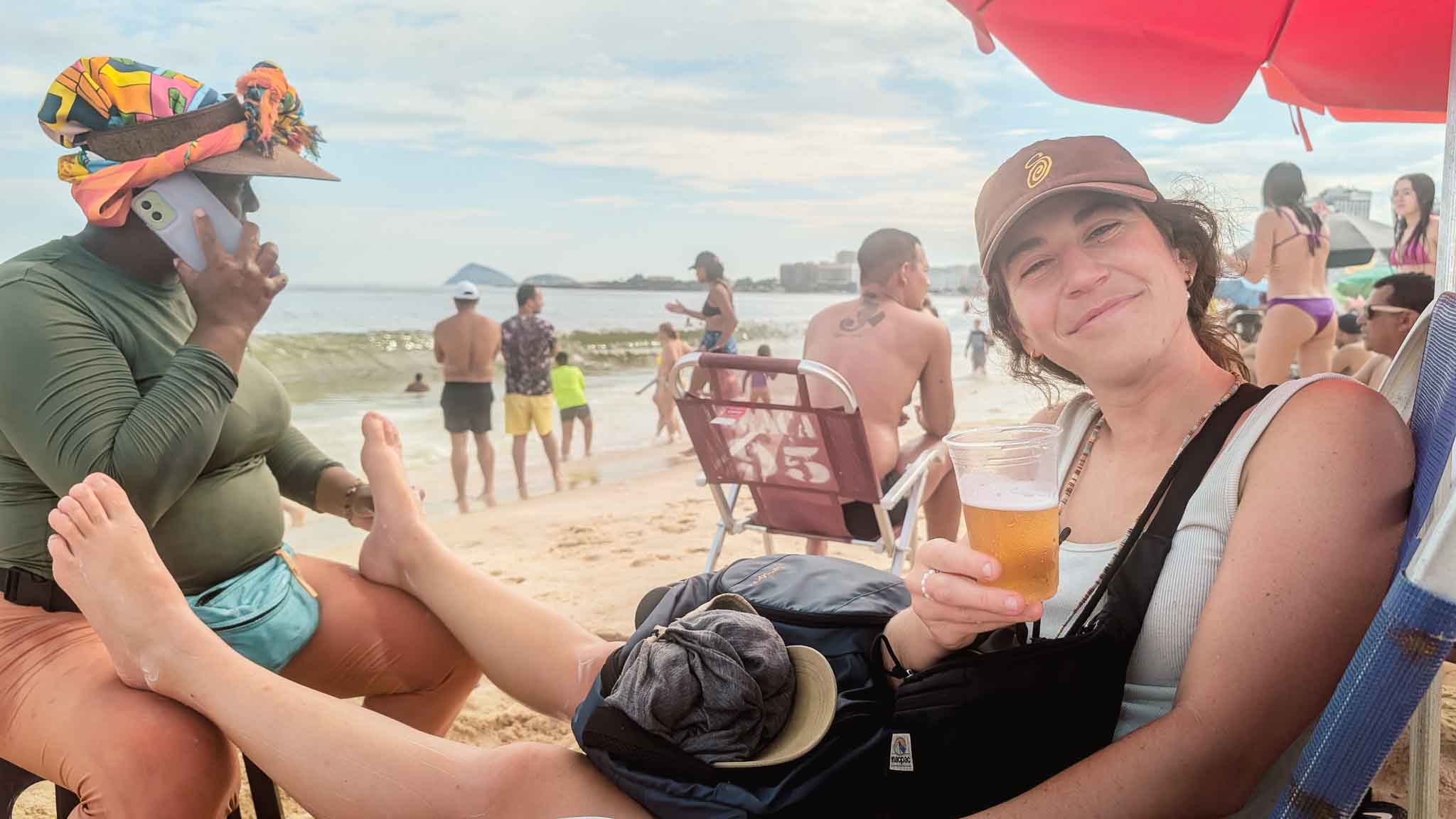
That afternoon we visited the famous Copacabana Beach, where we paid to sit on chairs beneath an umbrella by the edge of the water. Again, it was SO busy here. It must just be this time of year for the Brazilian coast, but once again the water was absolutely putrid. We bought a couple of beers and even a few cocktails, and again, this pains me that we parted with that money, but this gave me the courage to enter the water and try bodysurfing the shore breakers. After all, it’s not every day you get to swim at Copacabana Beach. As soon as I jumped in, maybe 5 local children approached me, wading through the thick, brown, hot water, and I was excited to be sharing what I thought would be a nice moment swimming in the ocean with some happy kids. All they wanted from me was money though, and they harassed me for it pretty much the entire time I was out there. I returned to my seat when a few insane looking cocktails turned up for us. A few gringos under an umbrella, drinking very obnoxious looking caiparinhas was bound to draw the attention of the various vendors walking up and down the beach, and I was unable to dissuade one of them from braiding part of my hair, or another one from giving Rachael a foot massage. Both services of these ladies were of course paid for by eftpos. It was very embarrassing but apparently quite funny according to the locals seated next to us. I put my Portuguese to practice and got chatting to the bloke seated closest to us, who told me next time we come to the beach we should just bring a bag of ice from the servo, put our beers in that and cozy up to someone already paying for an umbrella. A genius method of enjoying Copacabana Beach, but unfortunately this was a one and done for us, and we made our way back along the blisteringly hot sand to our Uber waiting to take us to the cable car for Pão do Açúcar, Sugarloaf Mountain.
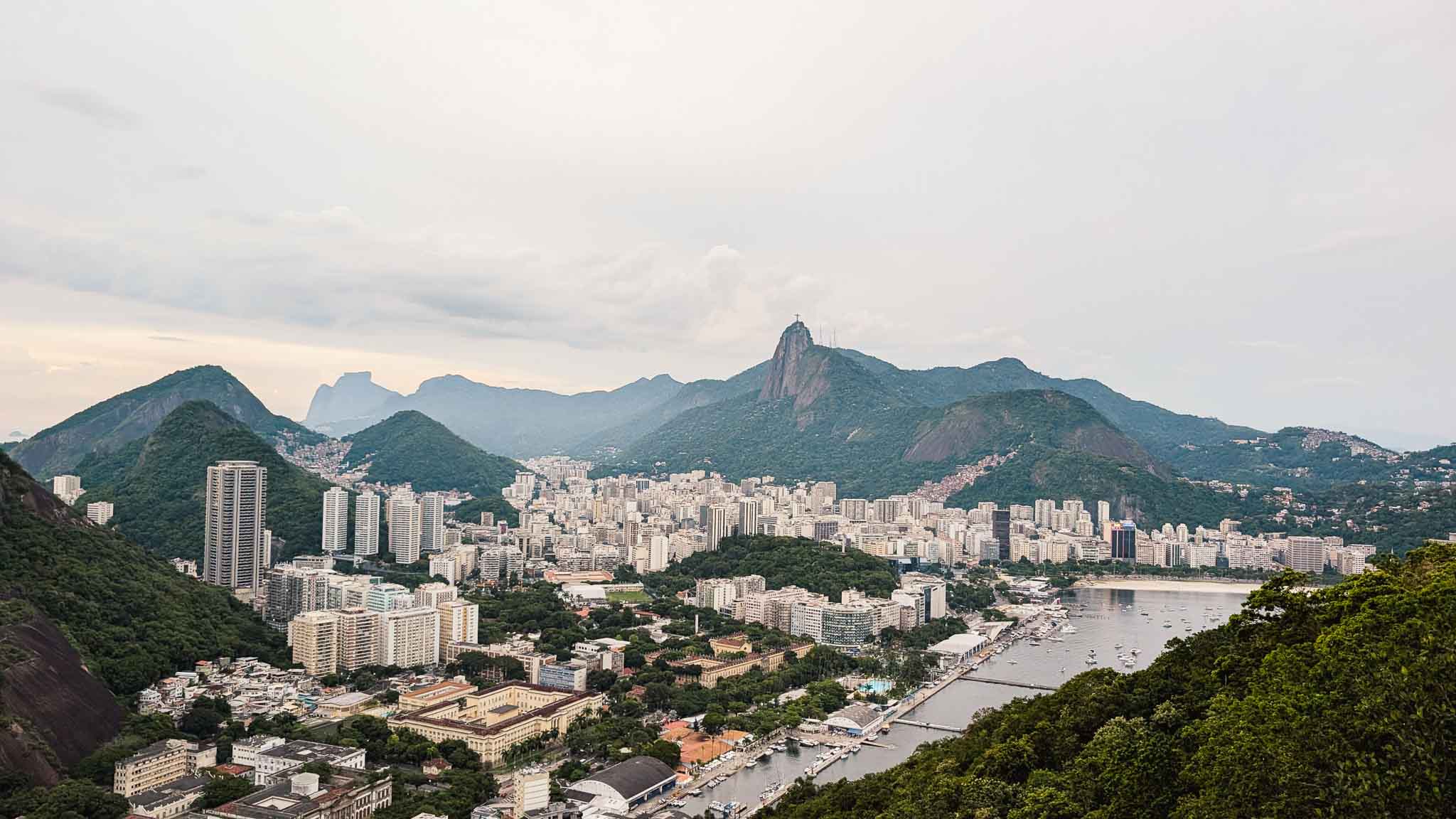
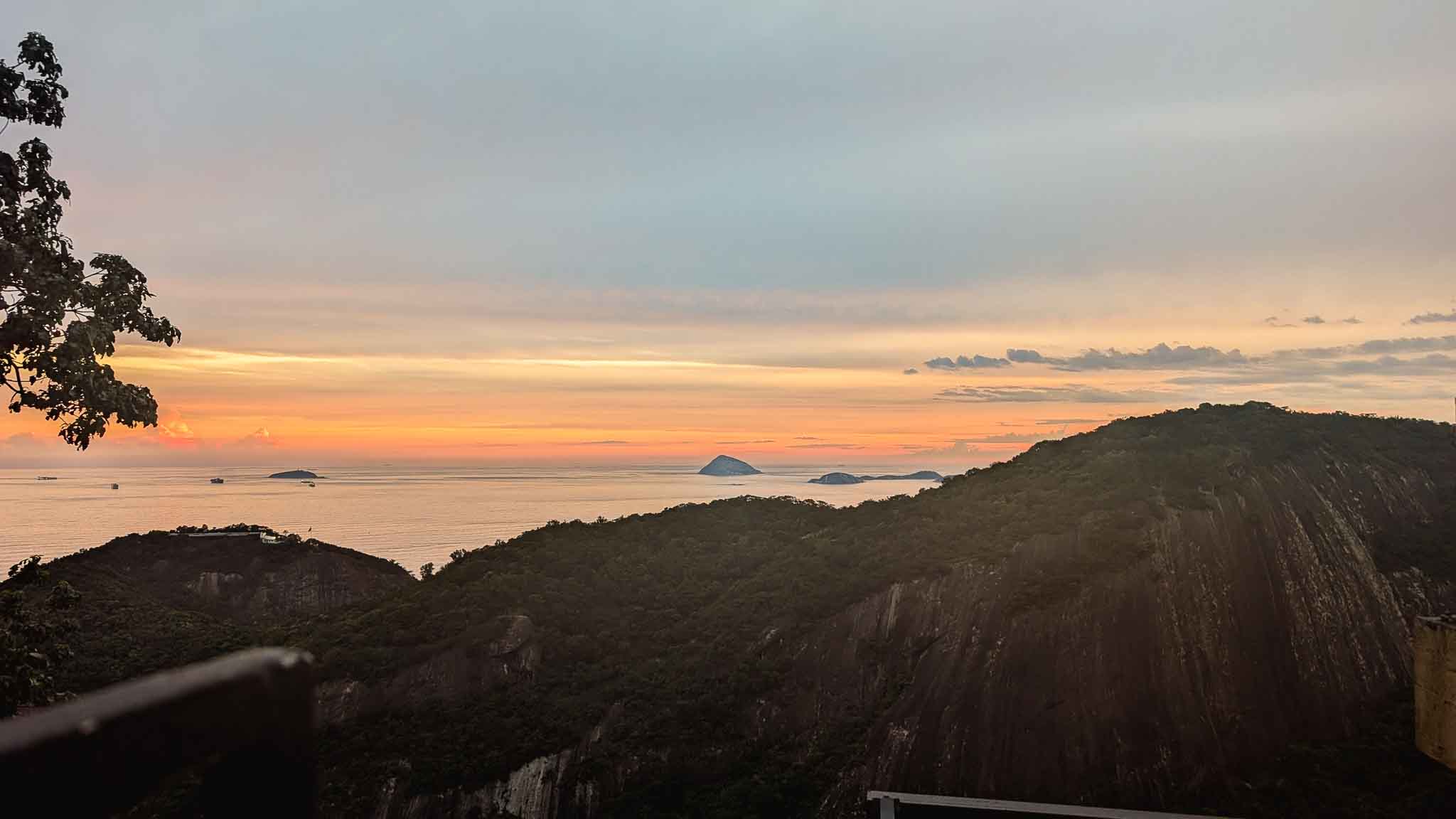
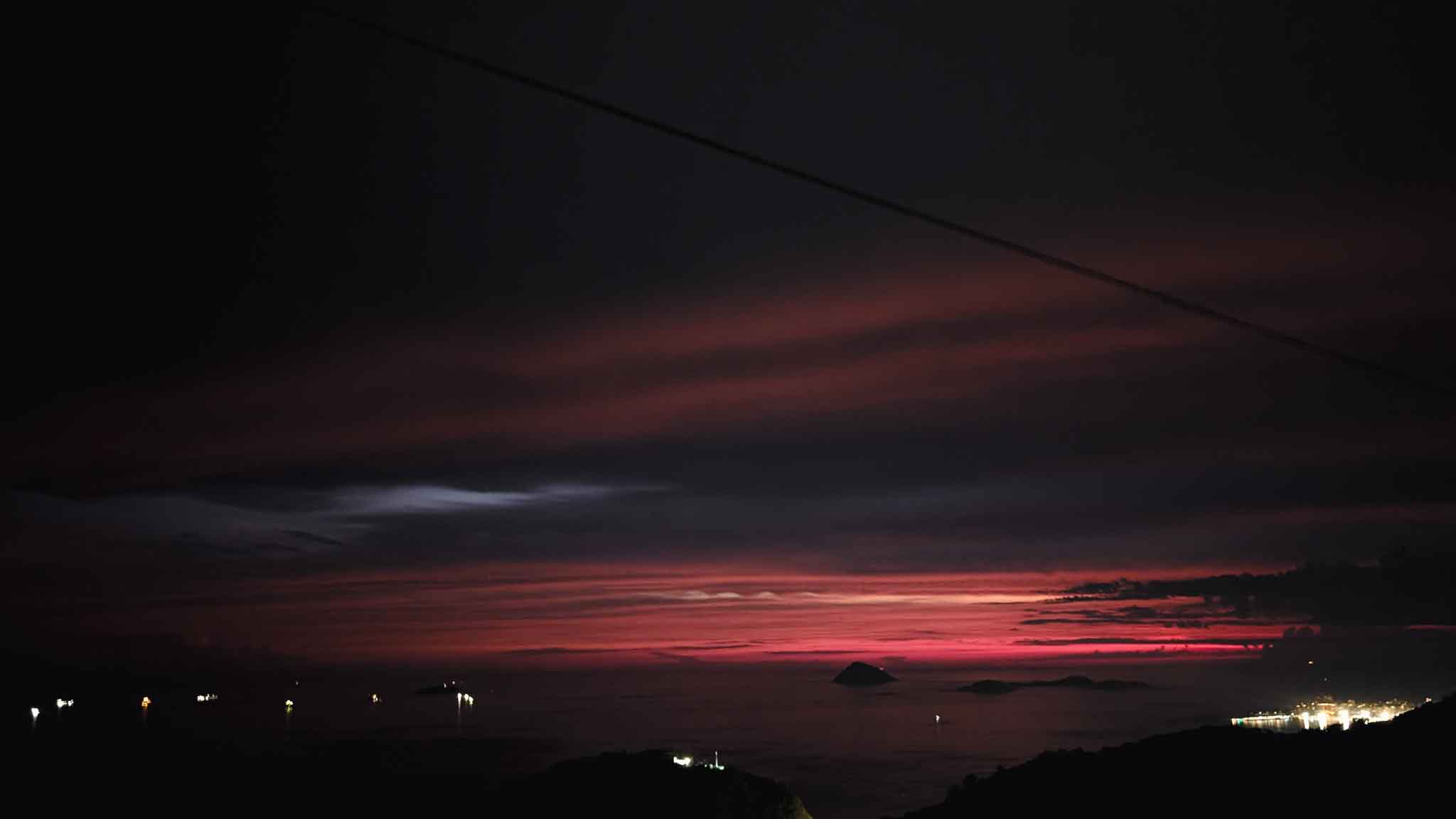
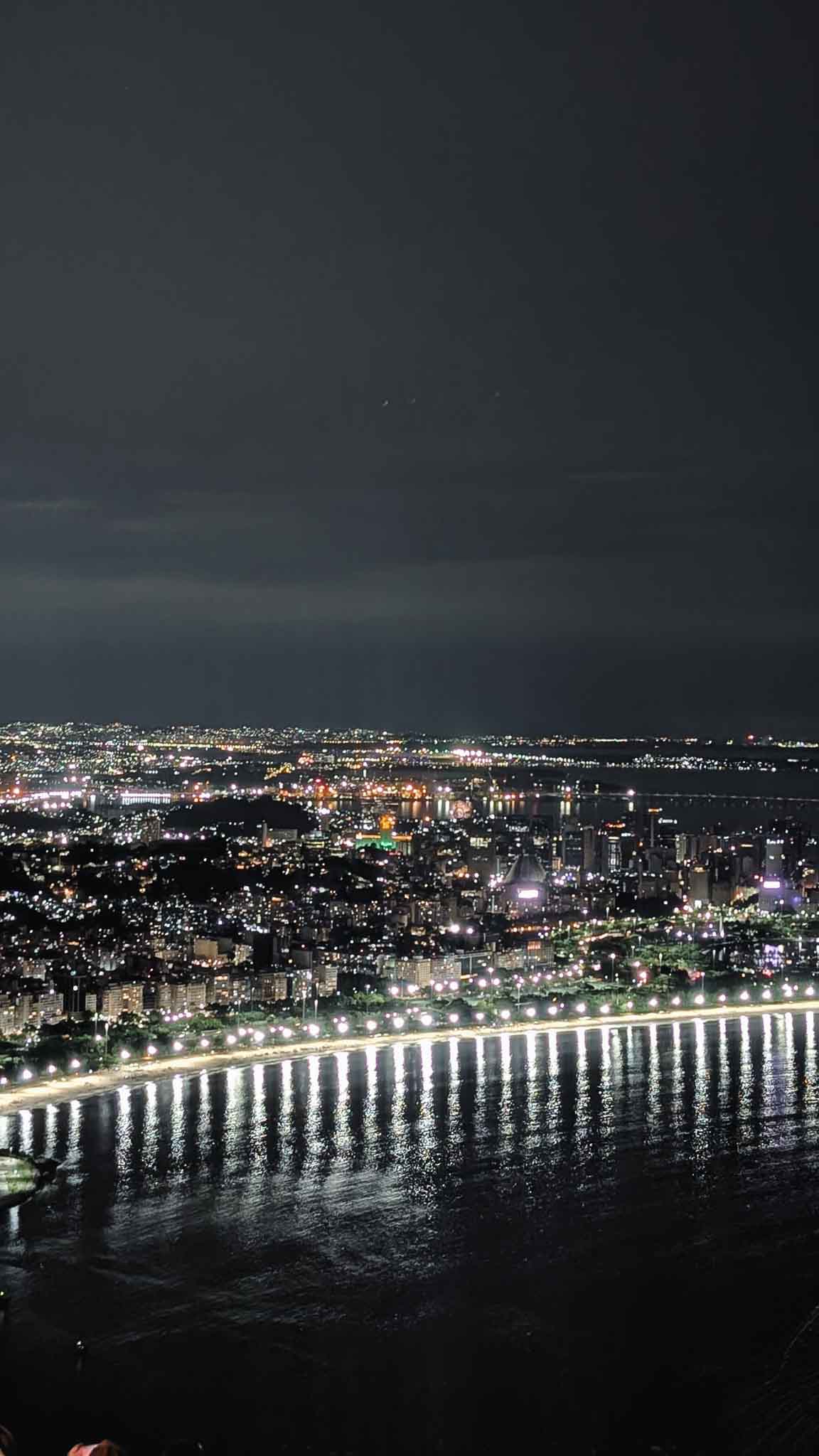
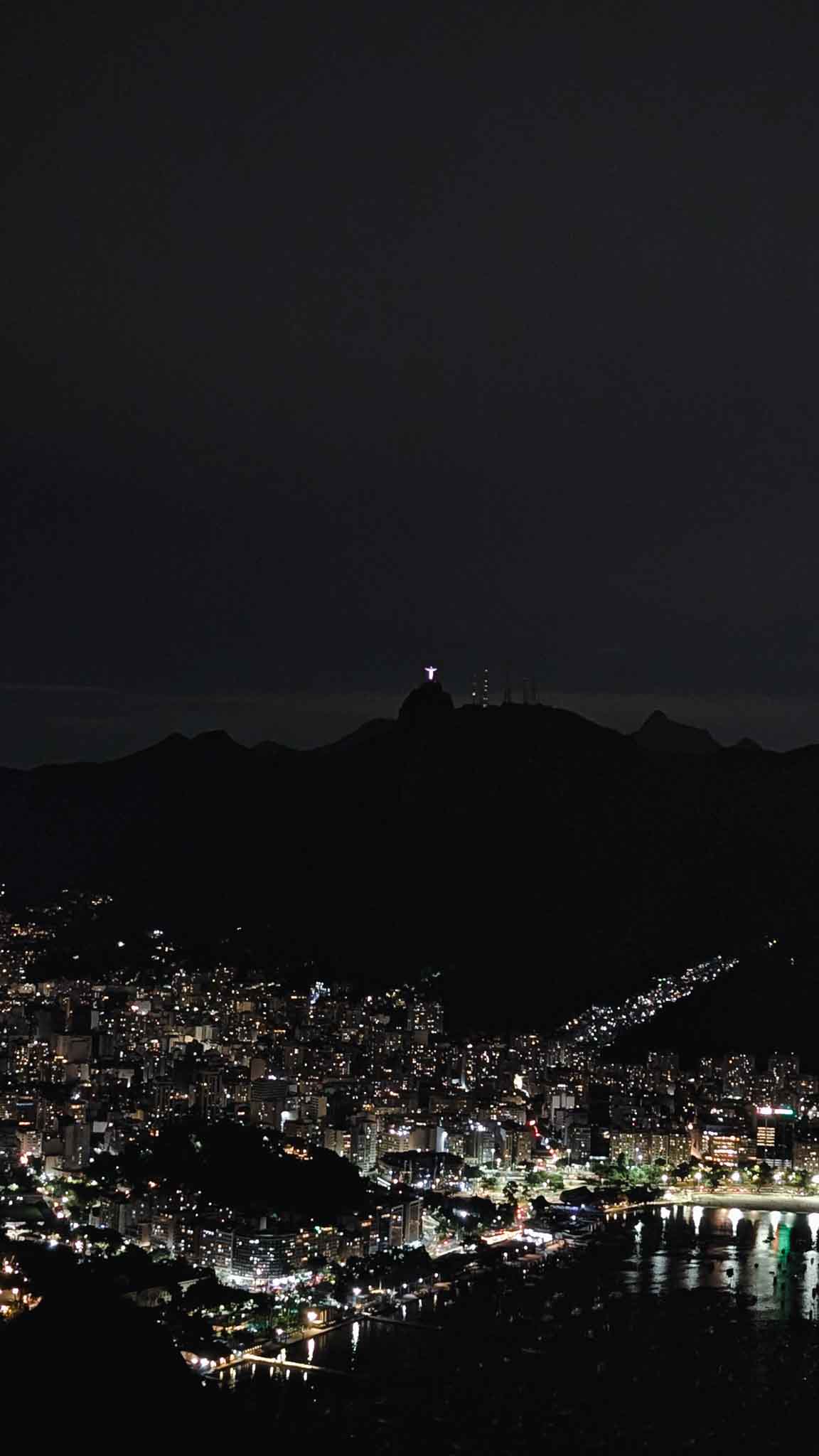
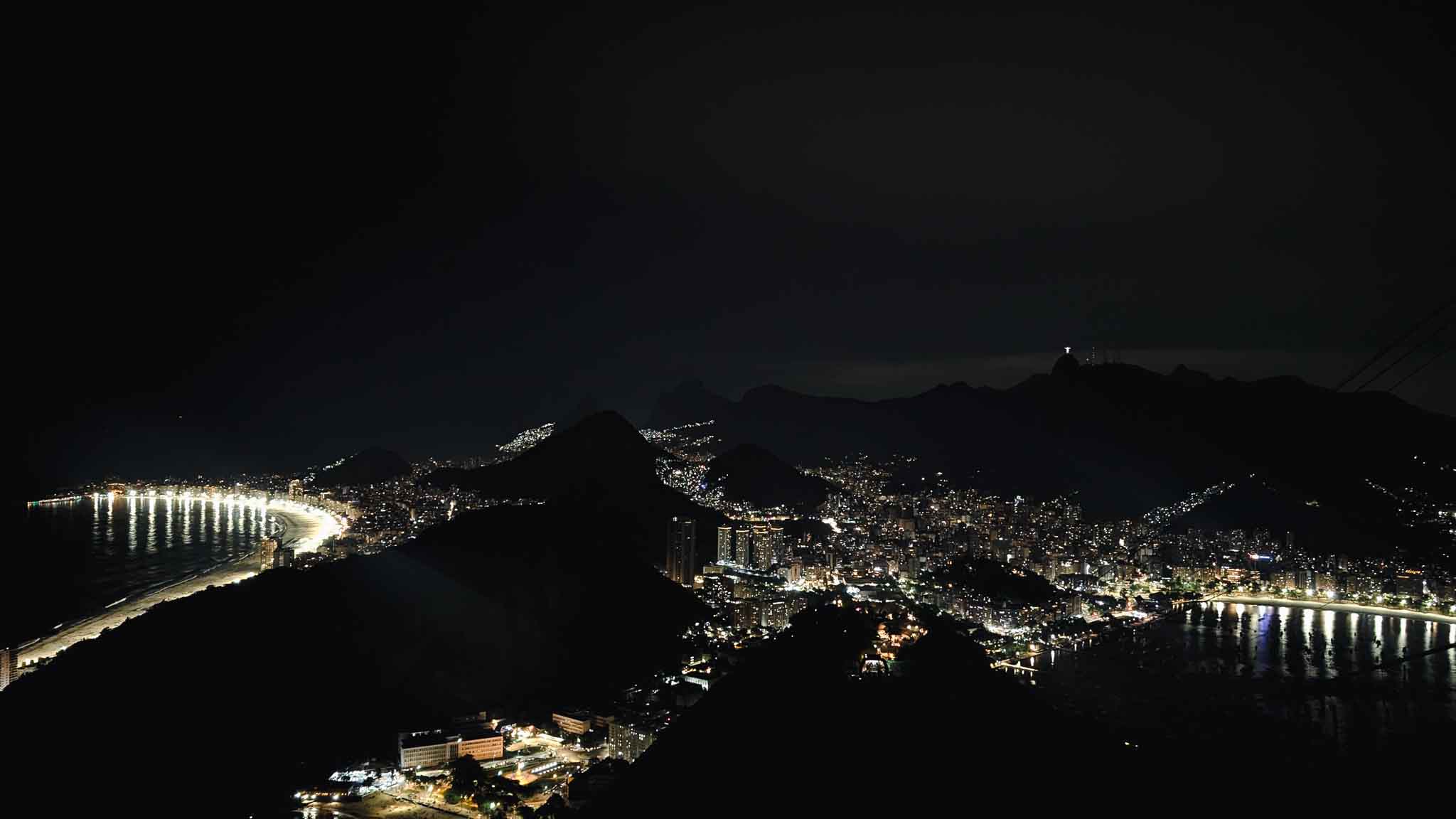
Sugarloaf Mountain is a 396m tall peak, jutting out of the ocean at the mouth of Rio’s Guanabara Bay. It’s supposed to be the best place in the city to see a sunset, so we turned up to catch the cable car at what we thought would be an appropriate time to make it to the top. To reach the summit, we had to take two cable cars, both of which take less than 3 minutes, but due to the INSANE number of people who also wanted to catch a good sunset at the top, it took us over two hours to get there. Of course, we missed the sunset, and while this was quite disappointing, we were still able to get a great view of Rio at night, and it was cool to look across the twinkling lights and see Cristo lit up in all his glory, watching over the city. We descended Sugarloaf at a blistering pace over the course of one entire hour and grabbed something to eat on our way back to our hostel, completely cooked from a massive day in the sun, ticking off just about all the touristy things Rio has to offer.
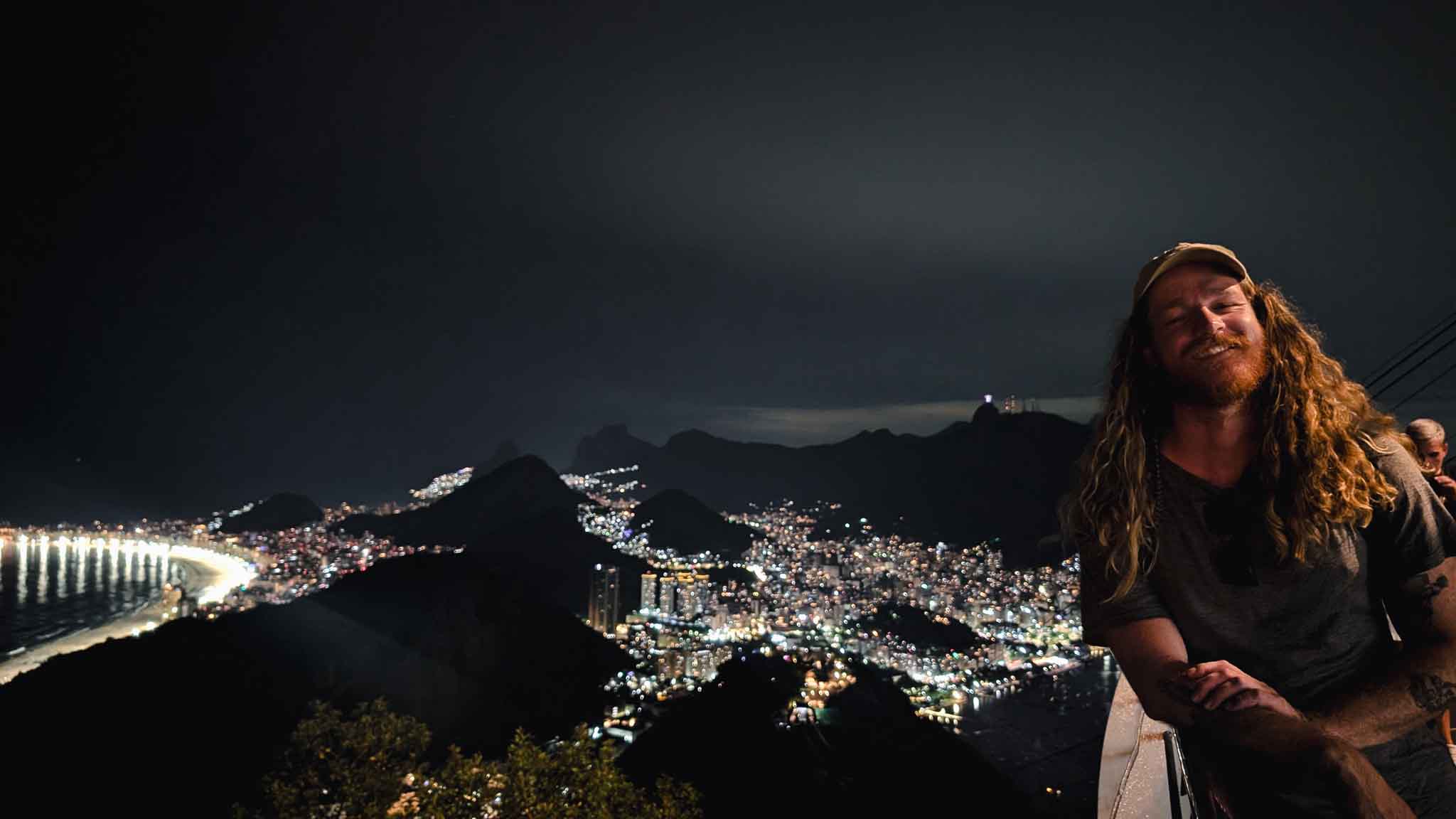
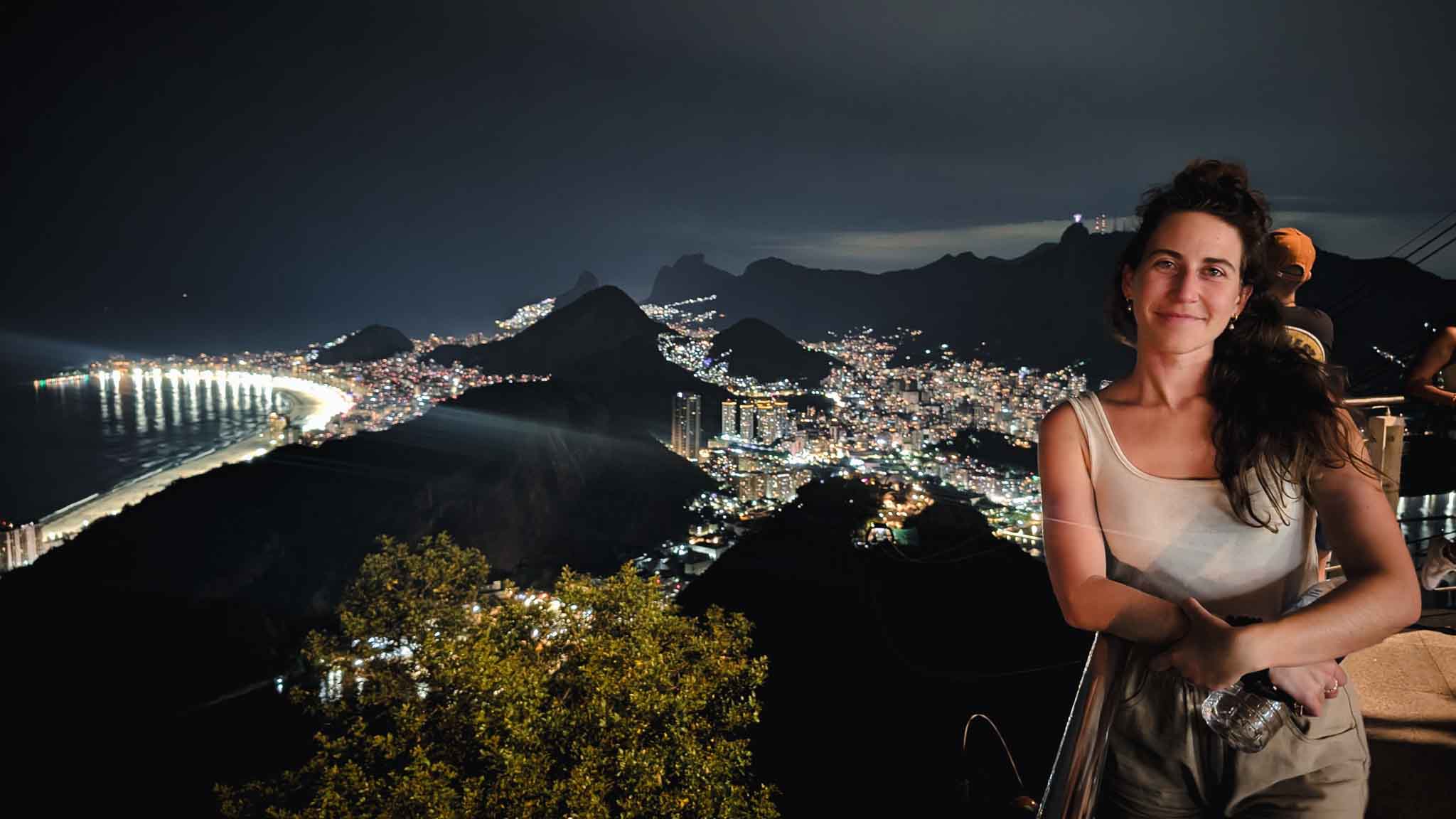
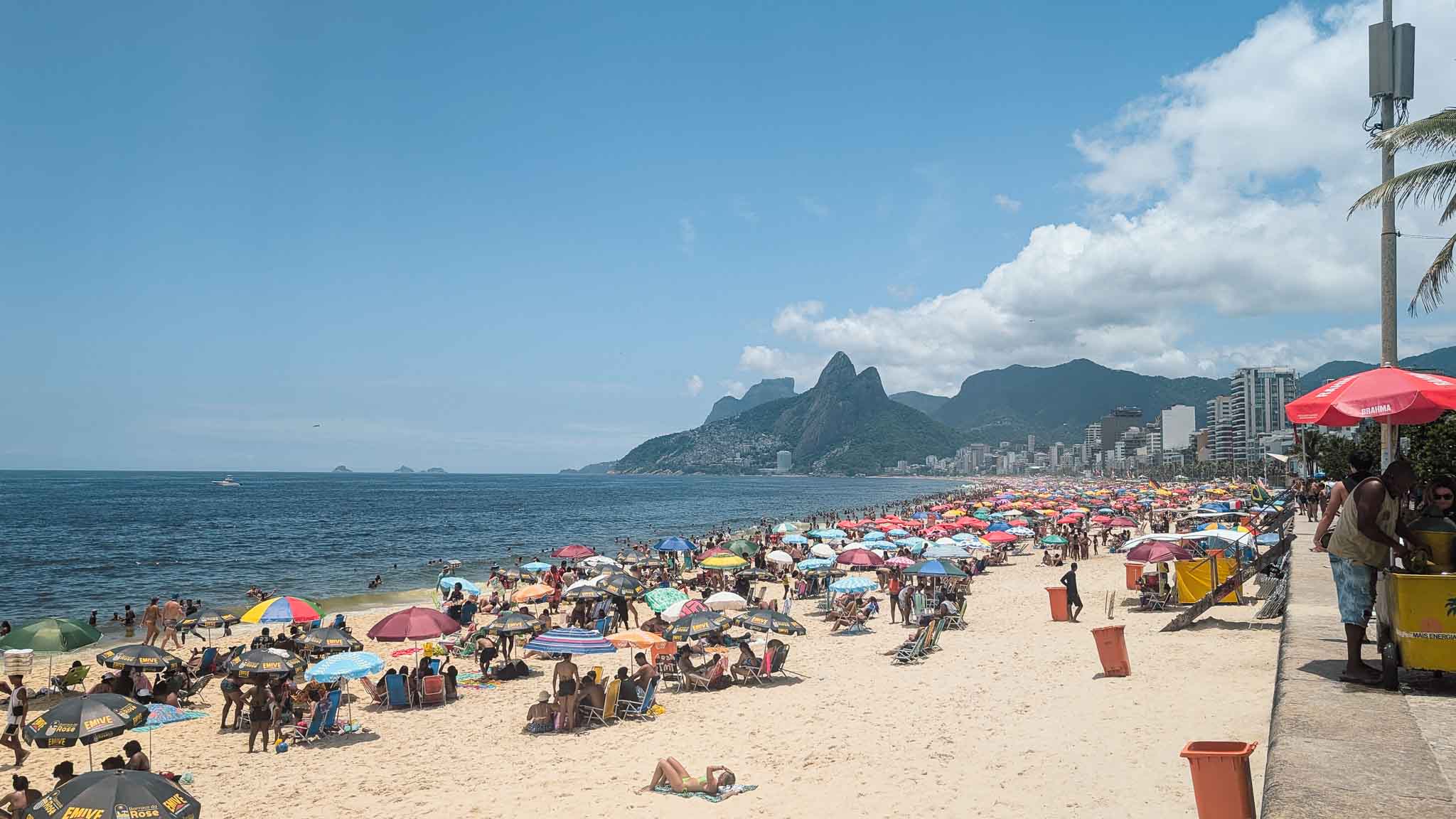
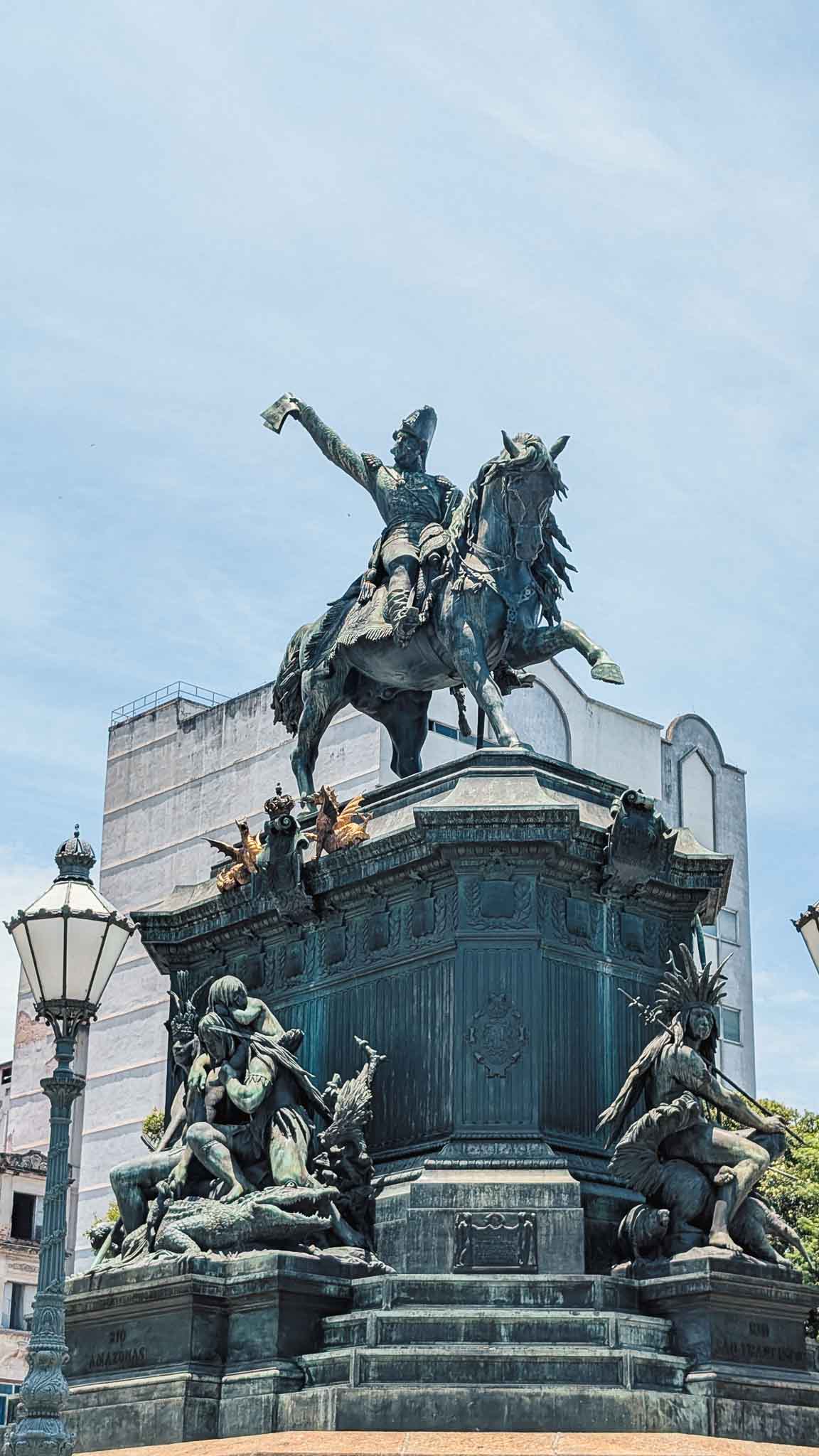
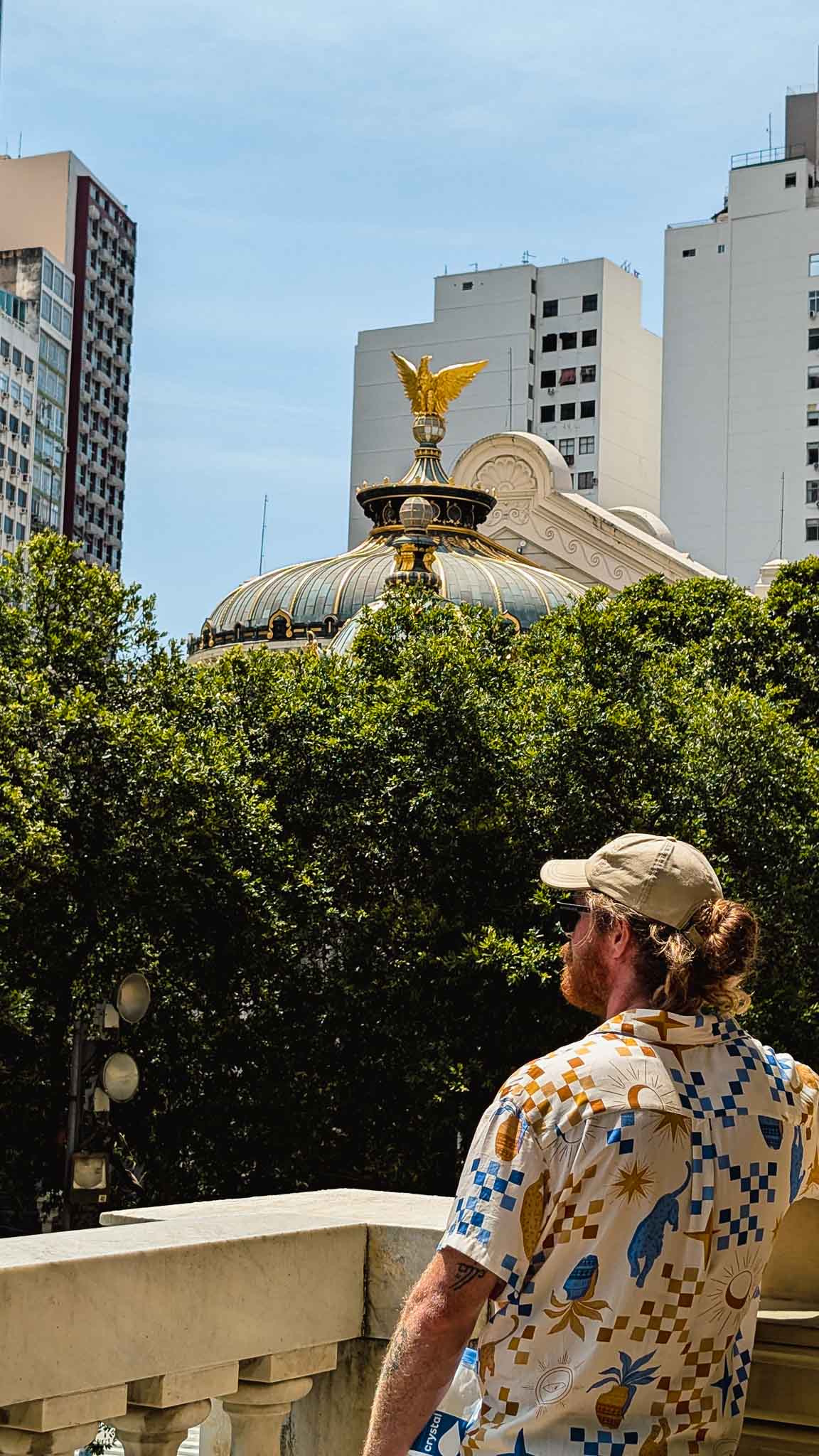
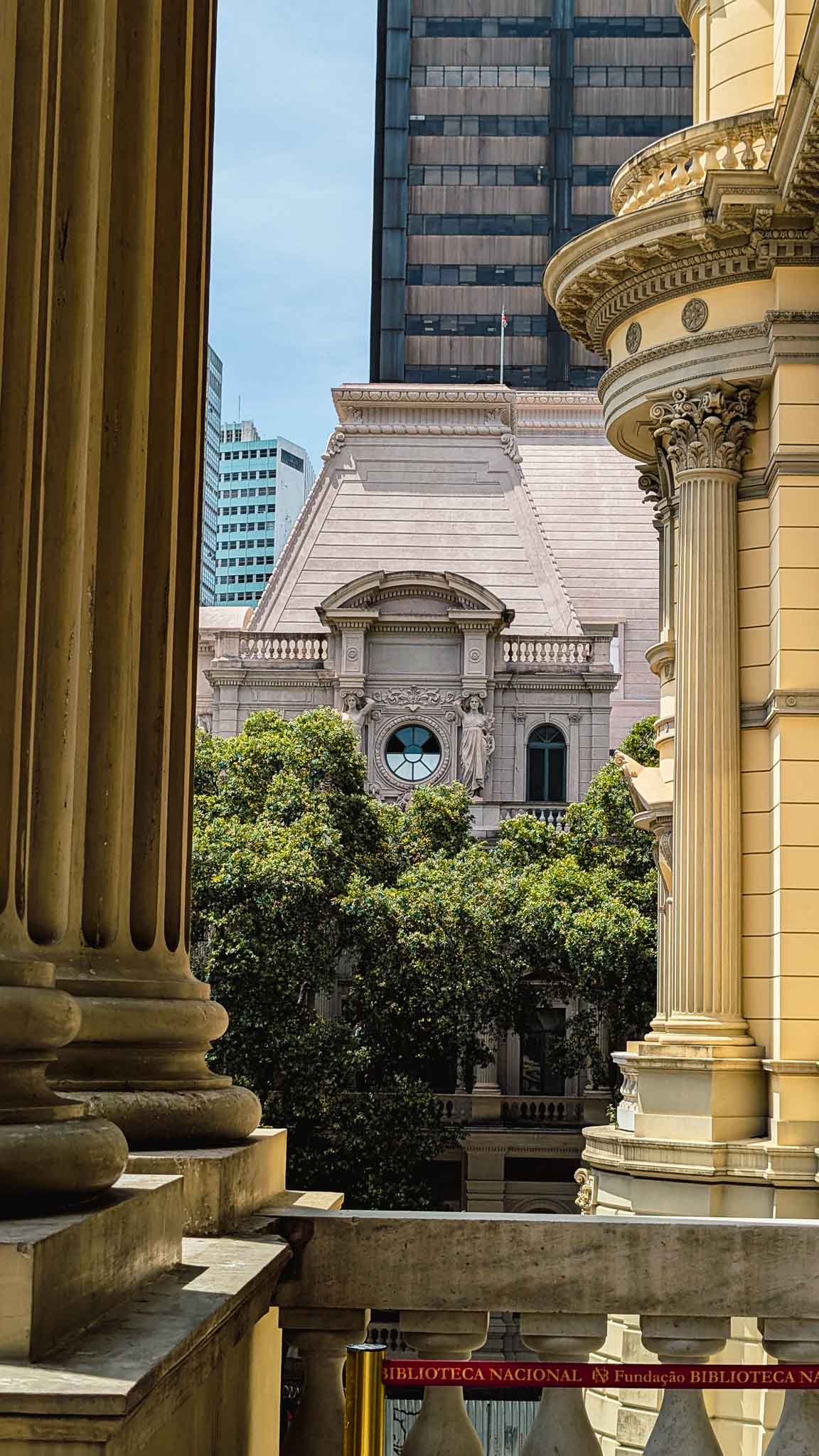
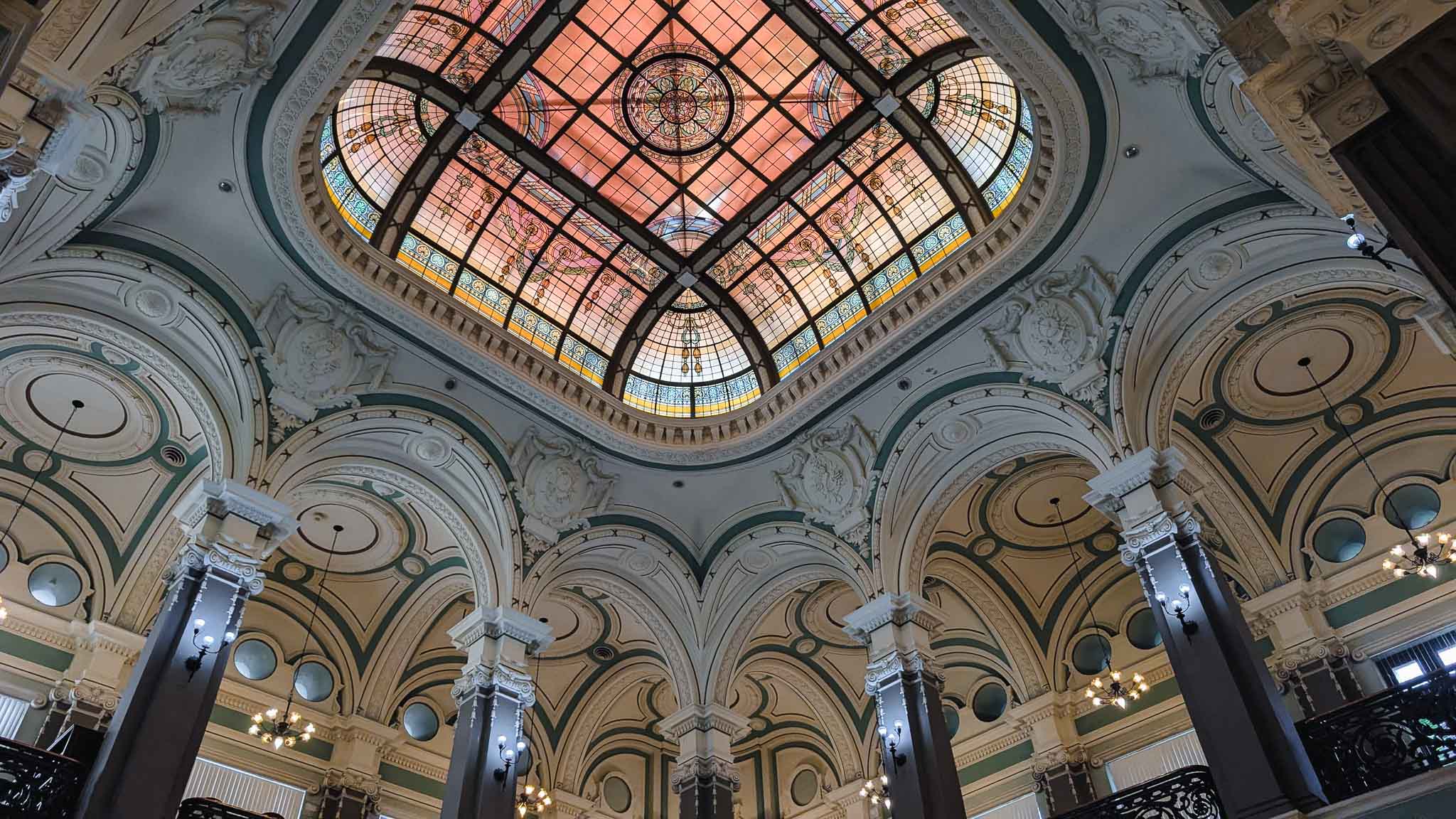
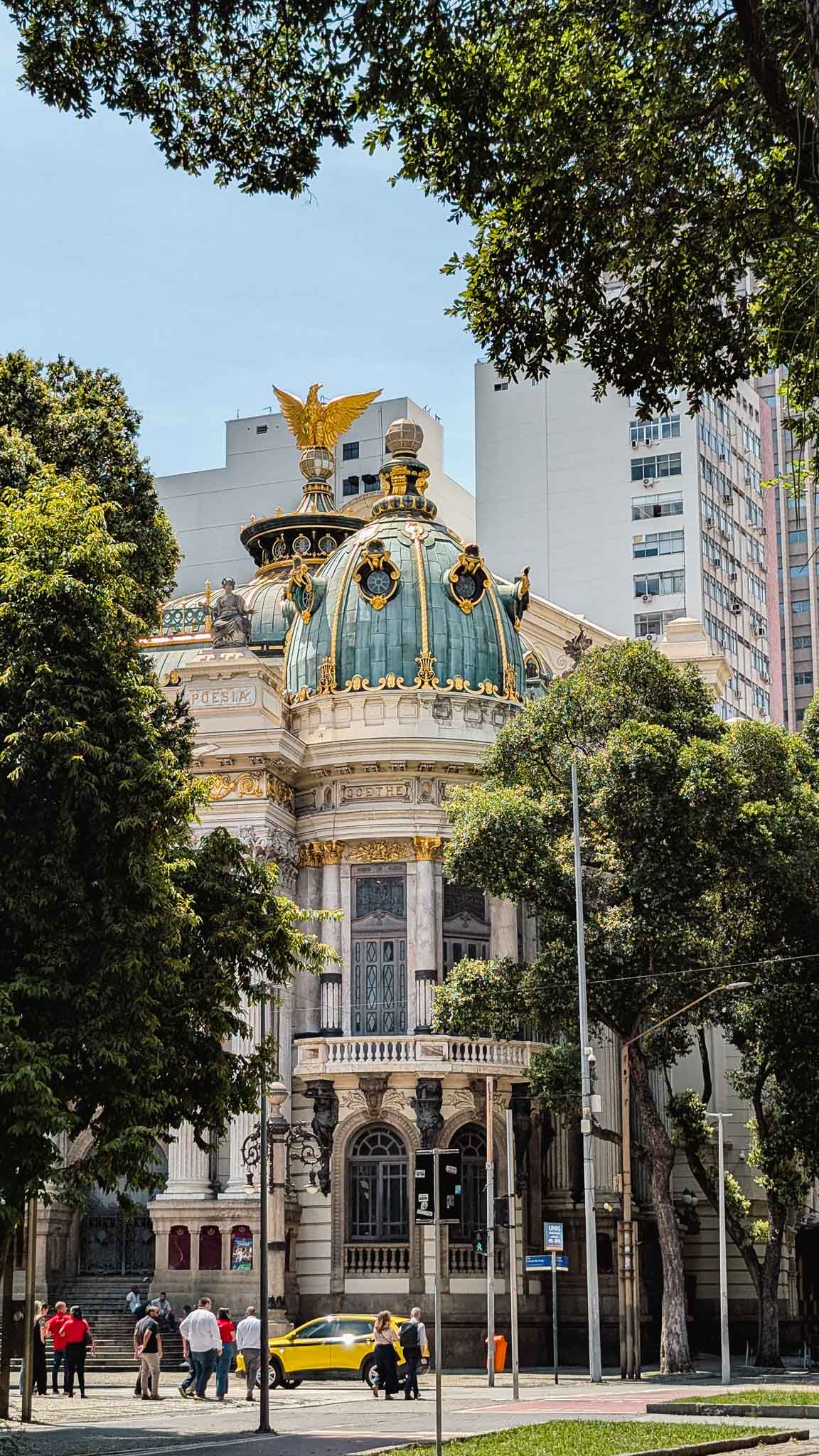
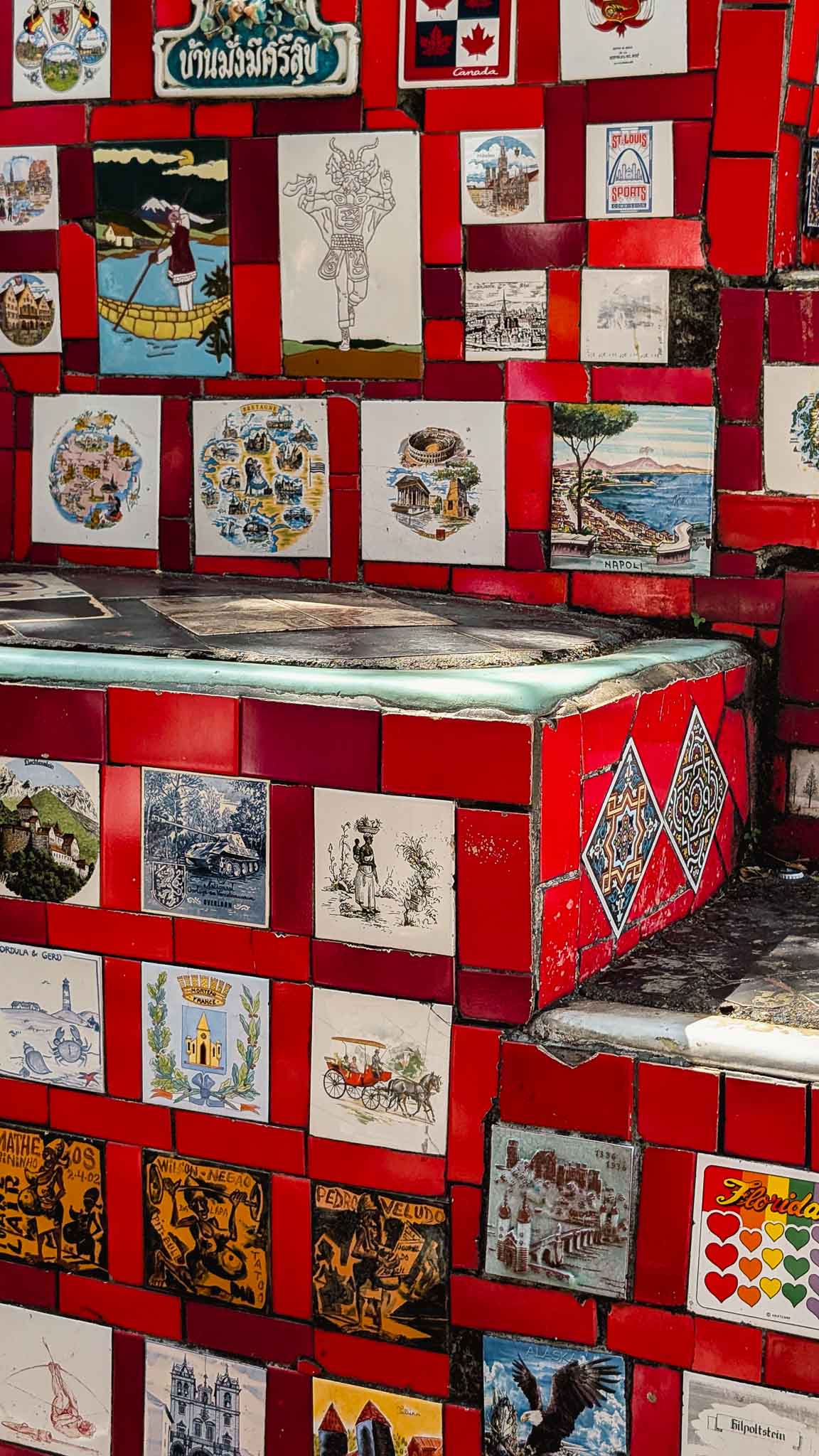
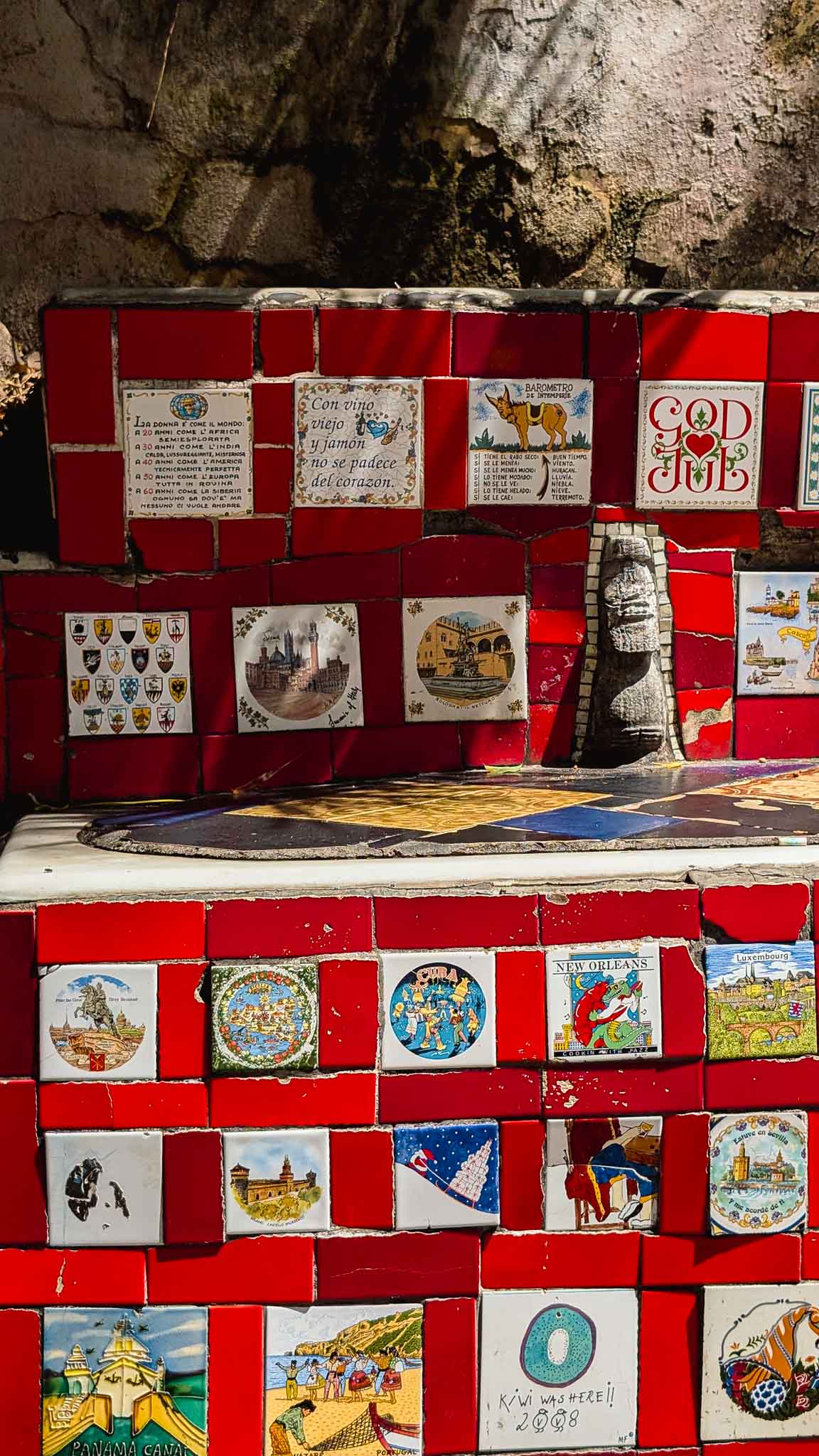
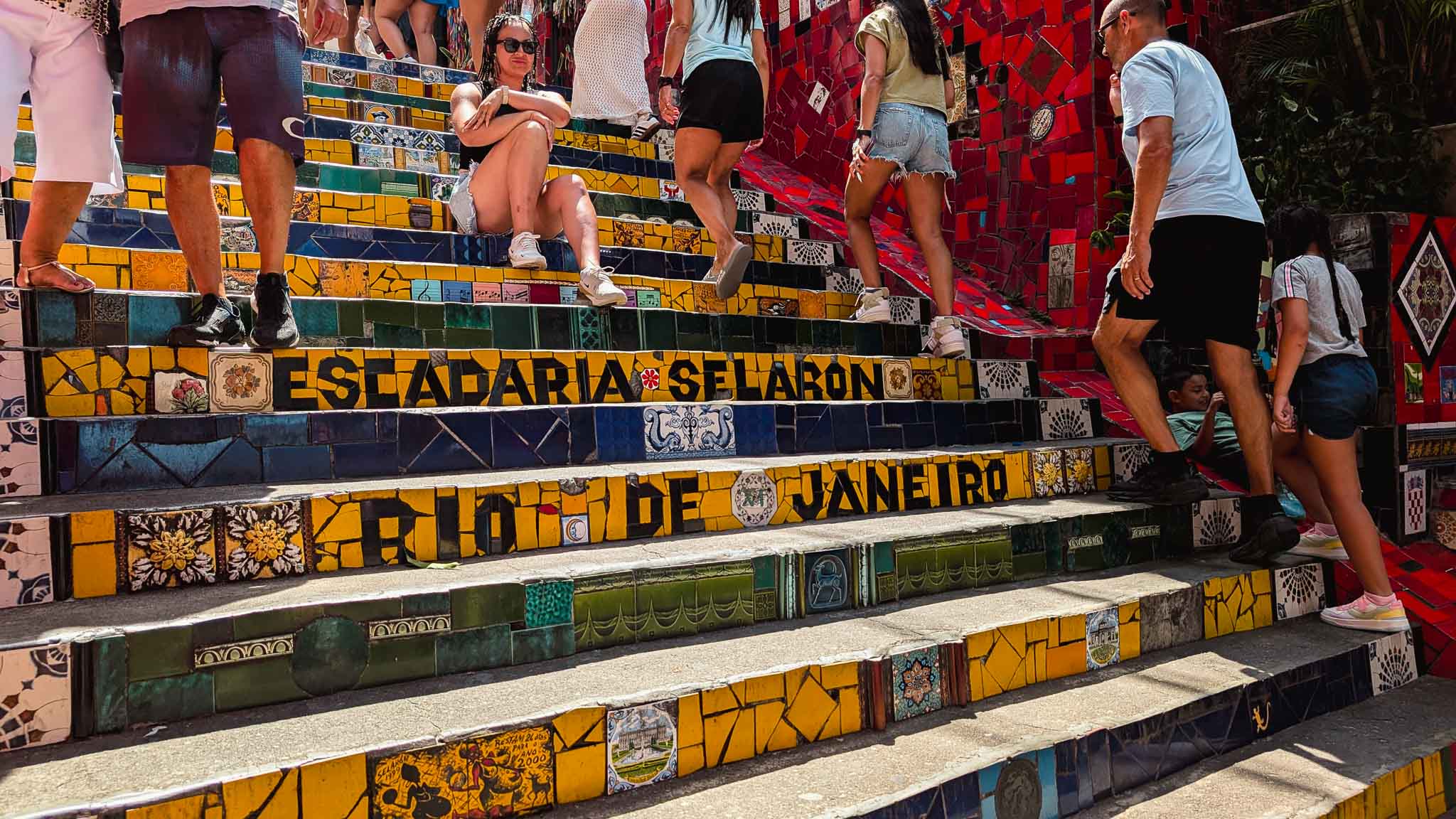
Over the following two days we visited more spots like the totally packed Ipanema Beach, the Royal Portuguese Cabinet of Reading, which is a big library with a beautiful interior, The National Library of Brazil, which is the biggest in Latin America and the seventh largest in the world, and the famous Escadaria Selarón, known locally as the Lapa Steps. The steps are the work of a Chilean born artist called Jorge Selarón, who started fixing up the steps out the front of his house in the 90s by tiling and painting them with the colours of the Brazilian flag. In total there are 215 steps which measure about 125m long, and today feature tiles from all over the world. It was completely impossible to get a photo of the steps without featuring any one of a horde of people posing for a photo for the entire 125 metres.
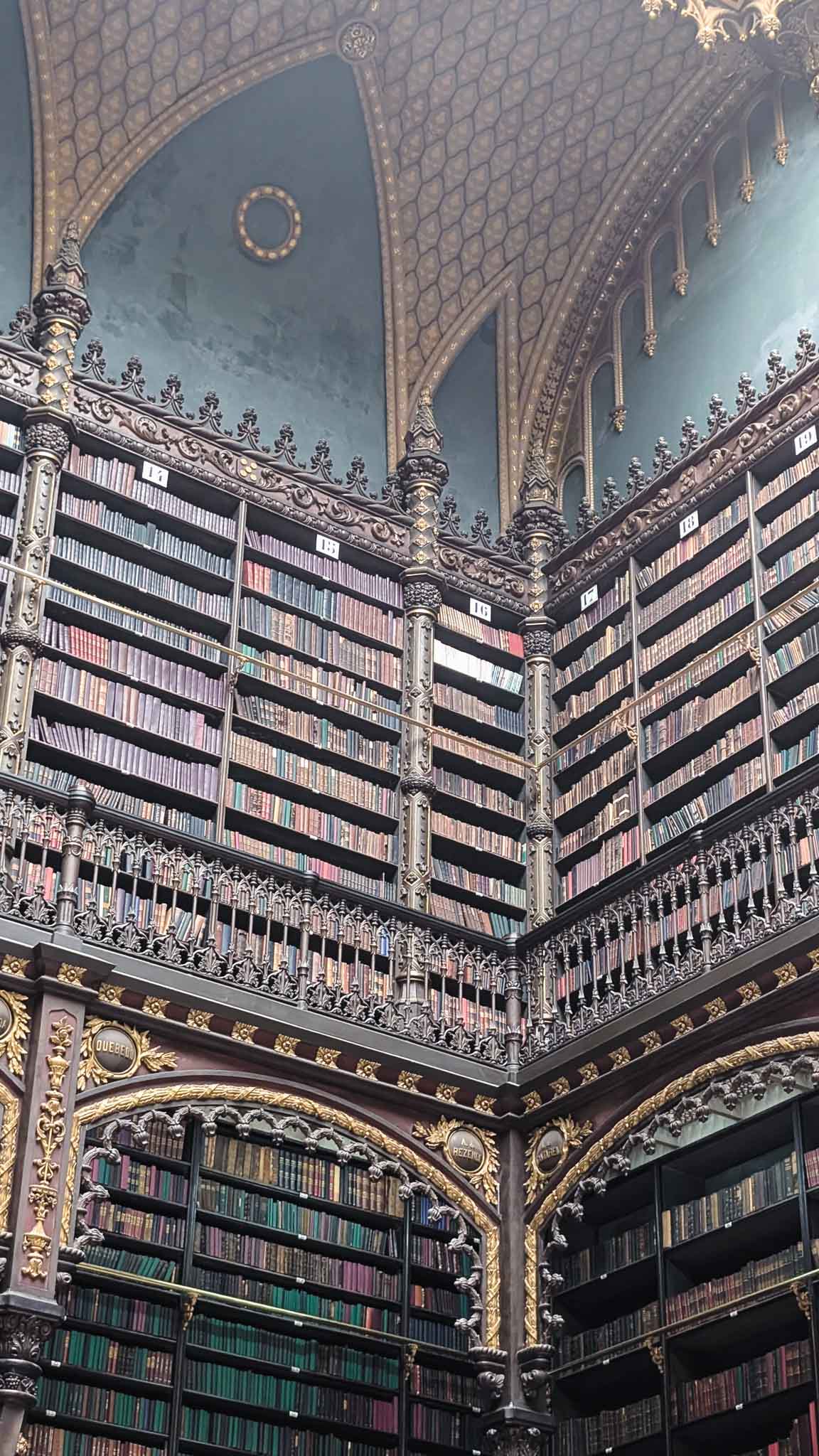
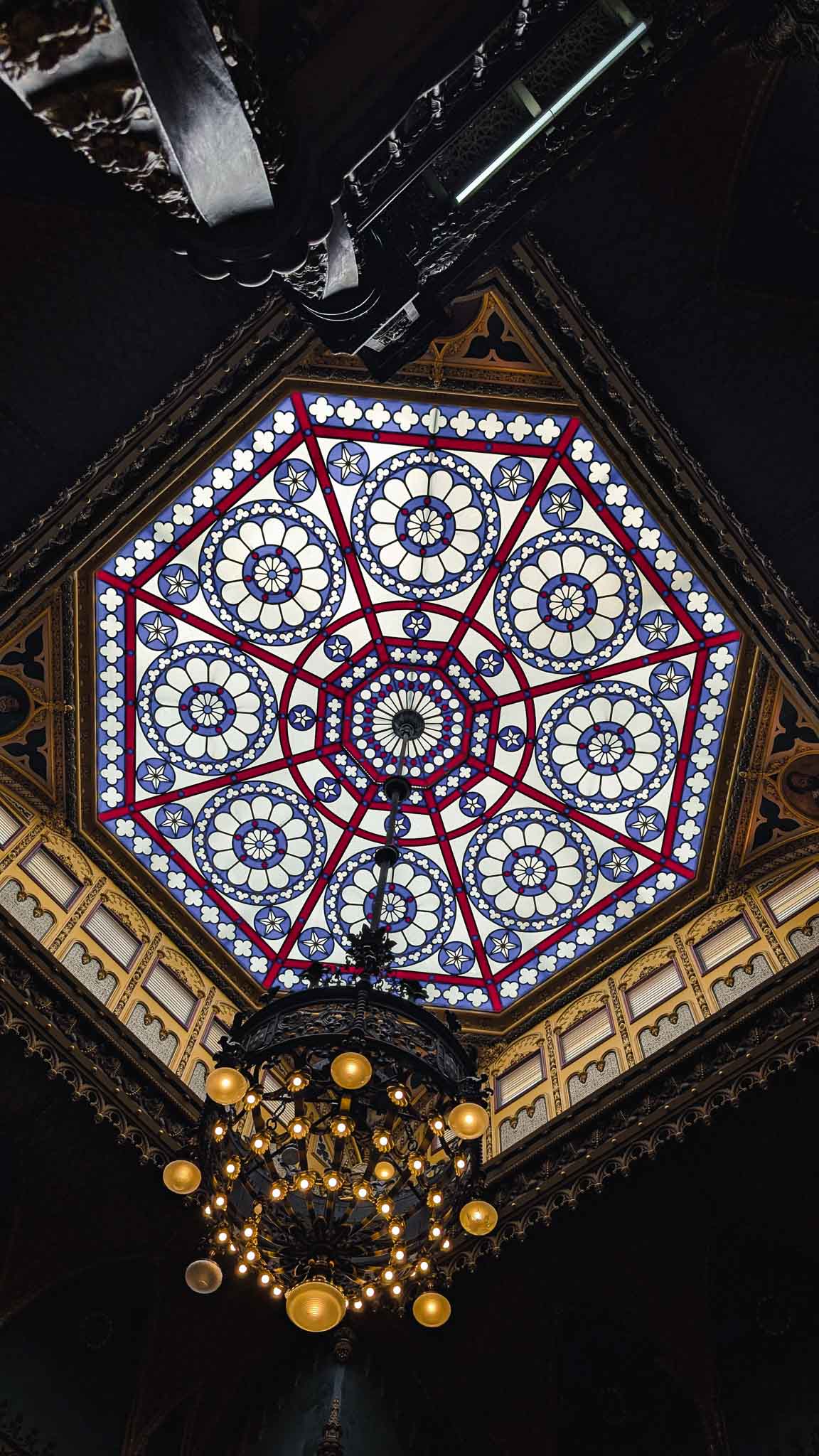
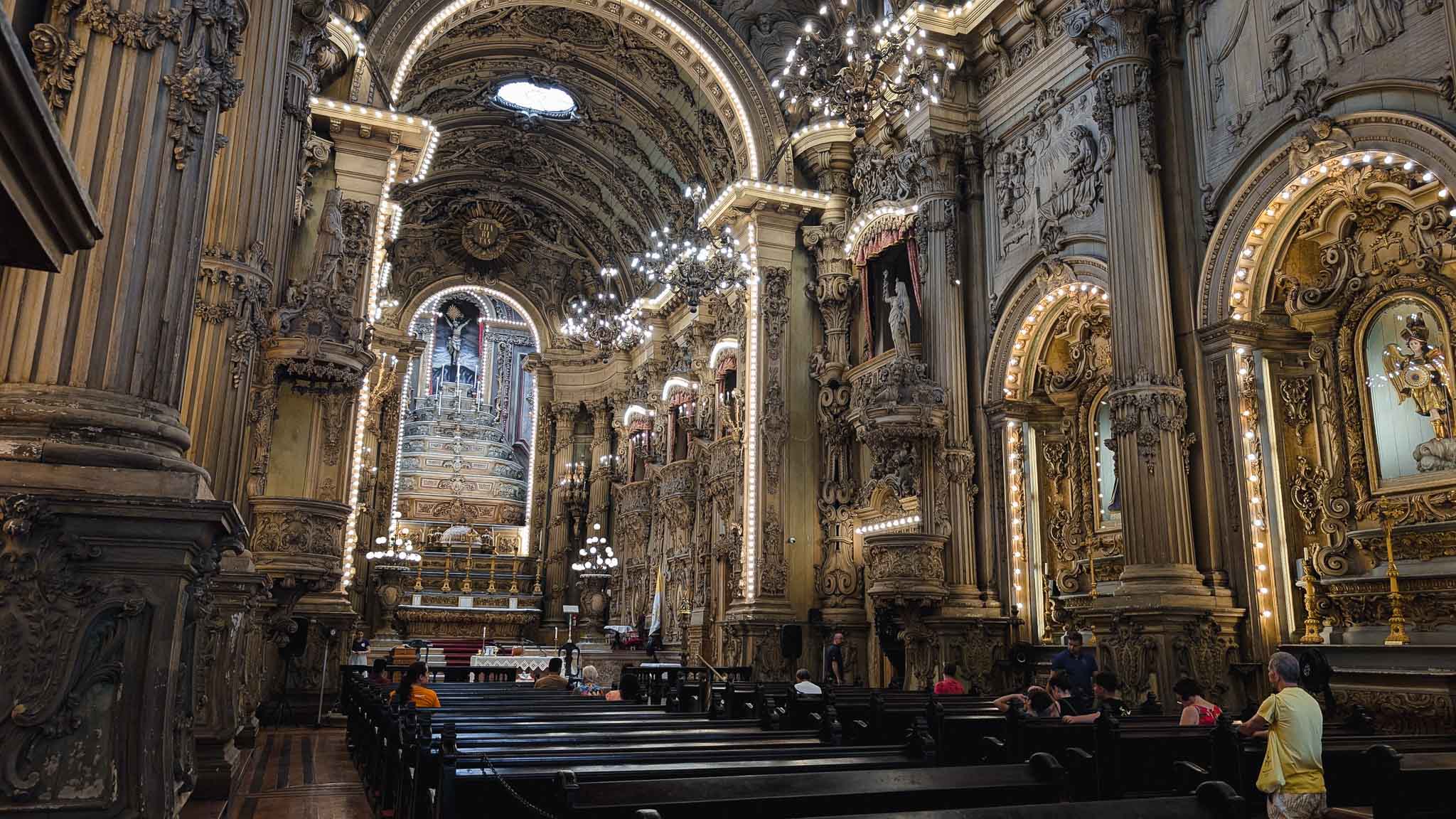
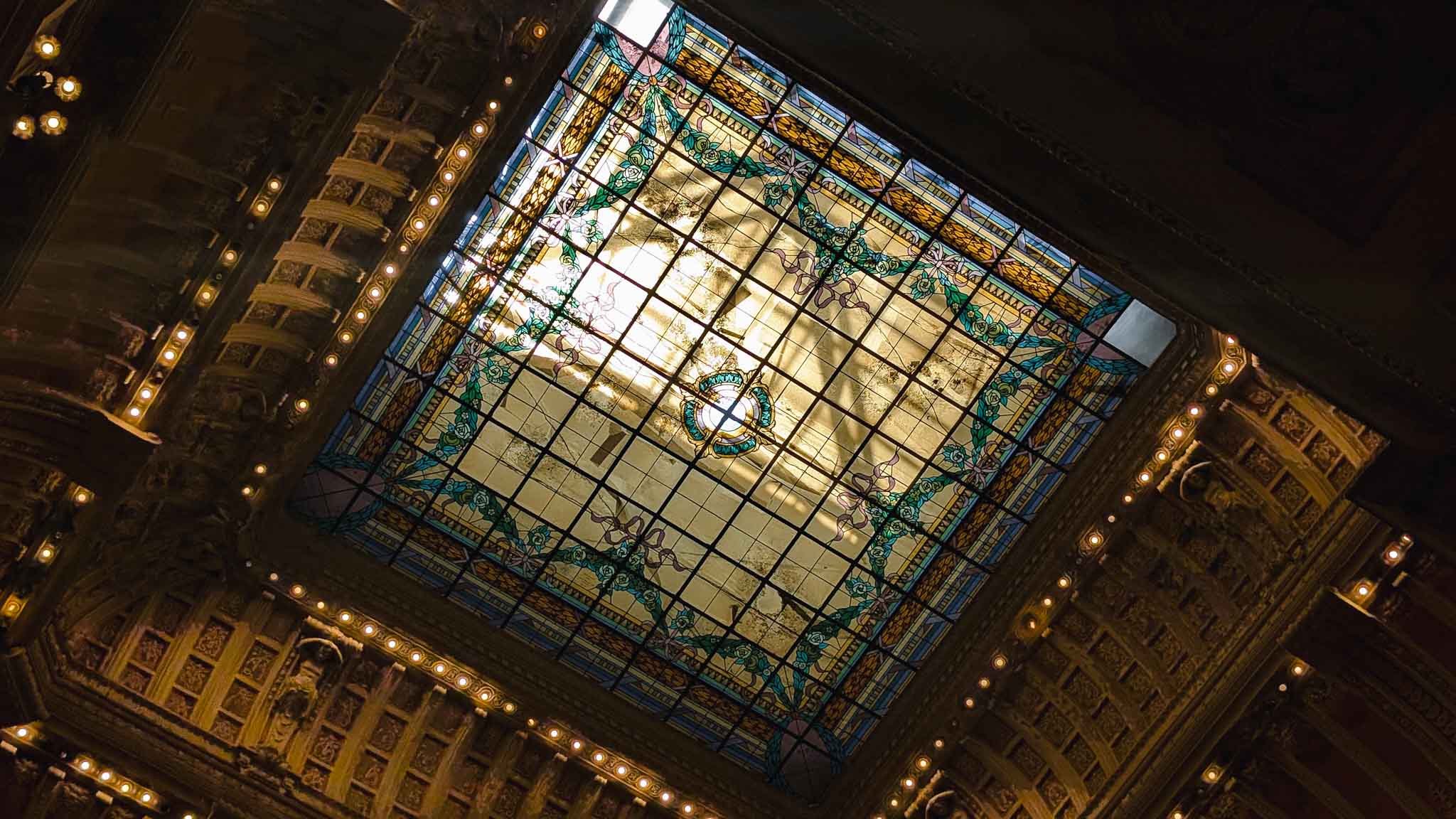
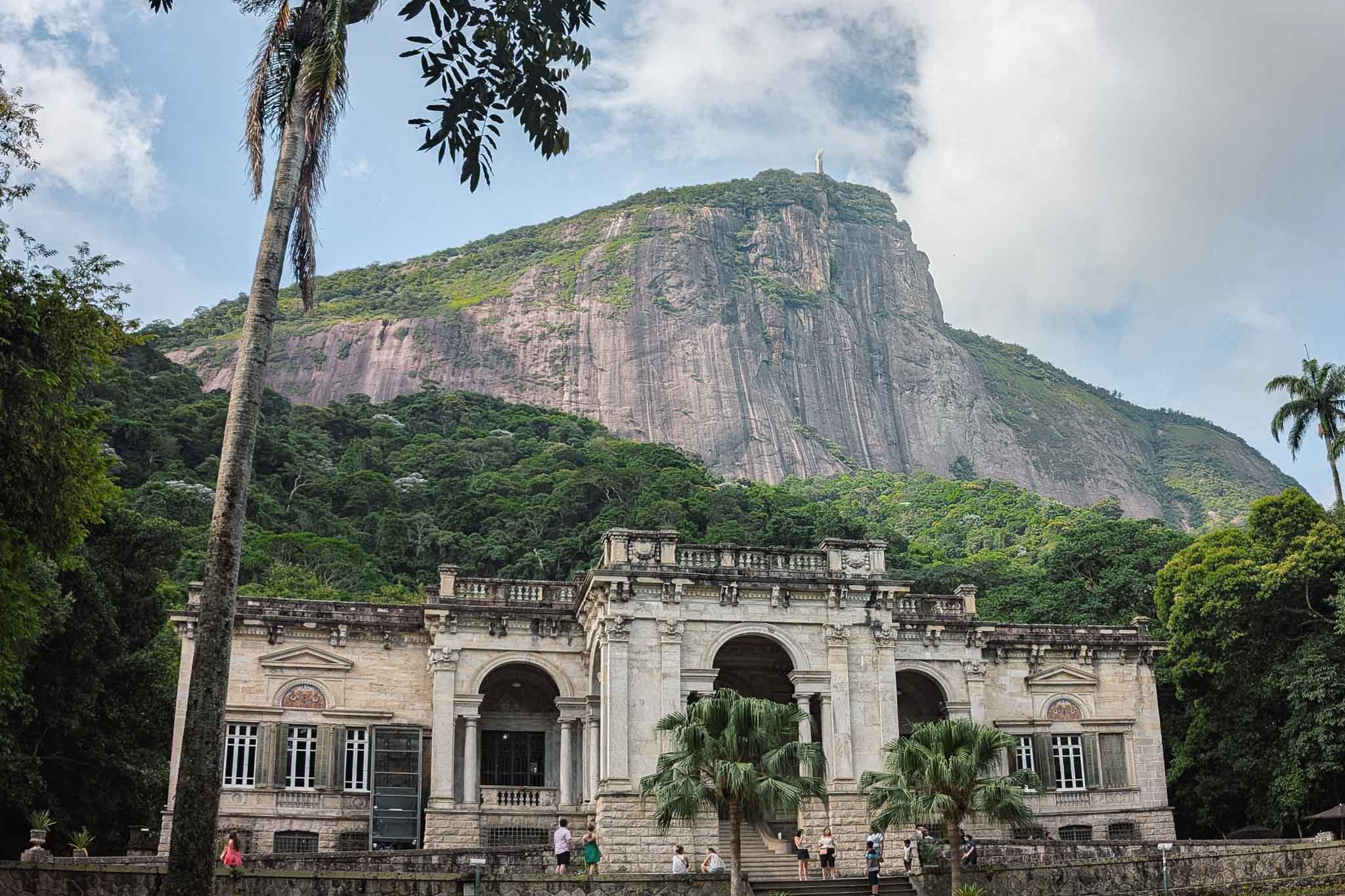
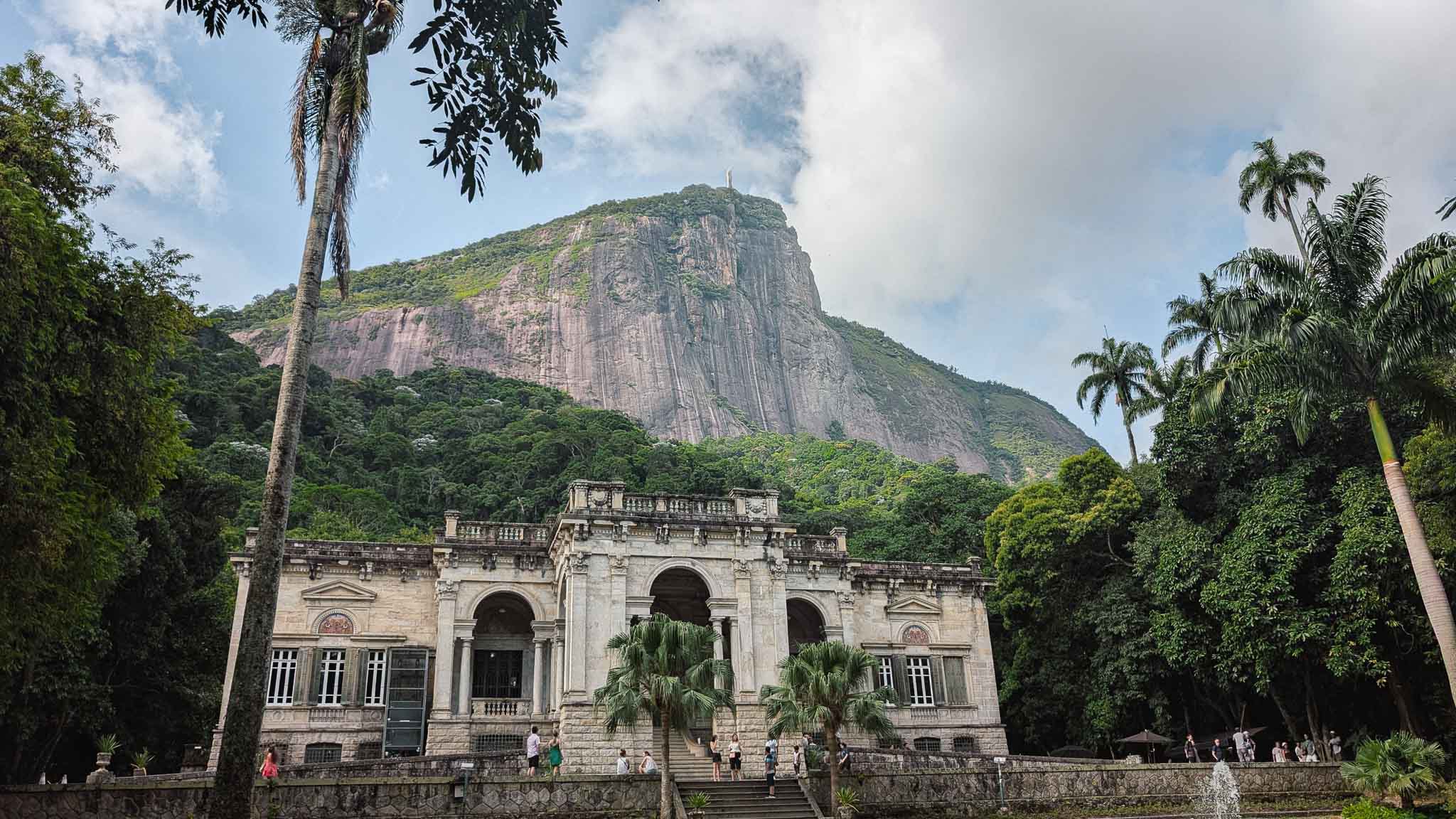
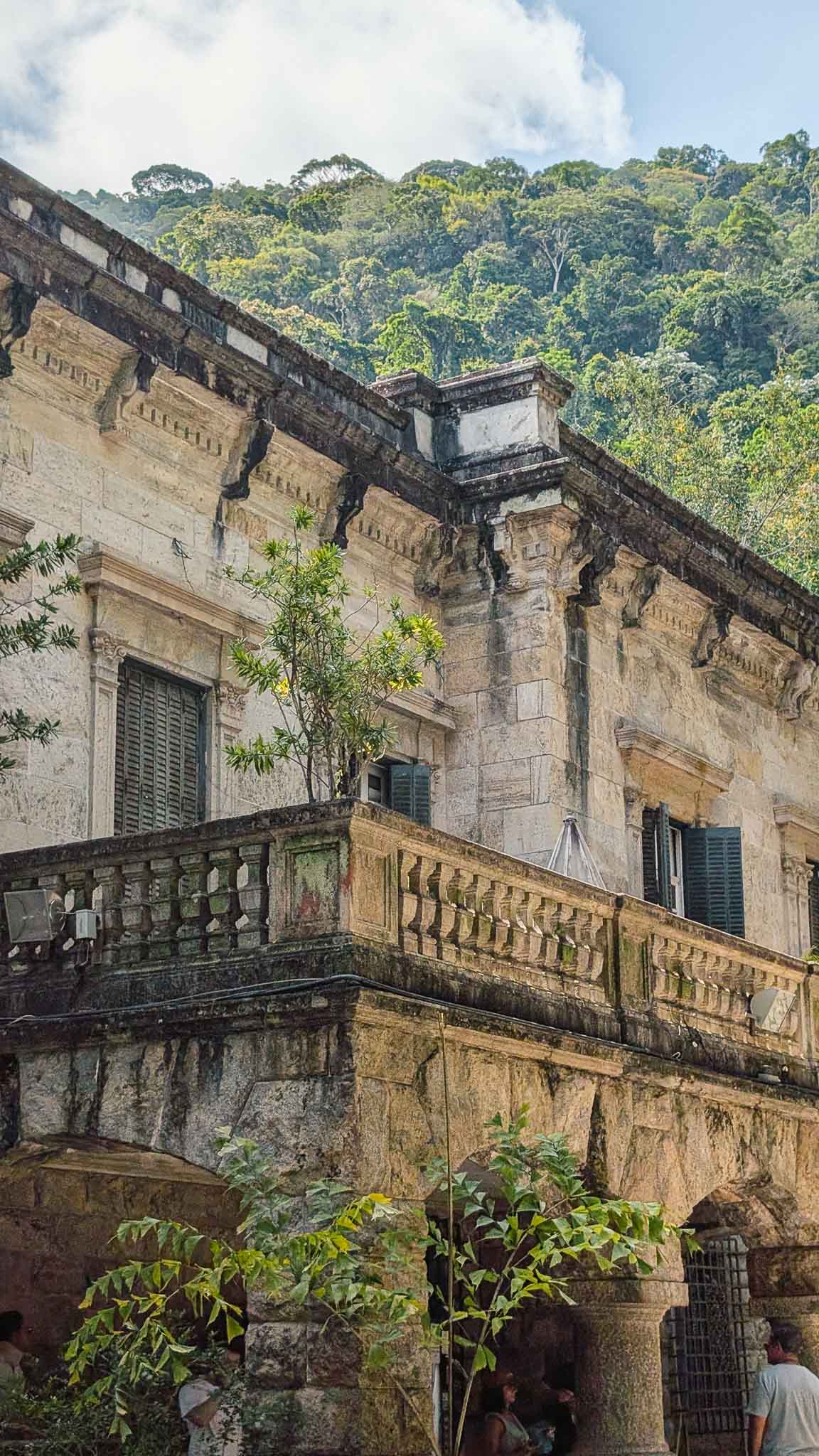
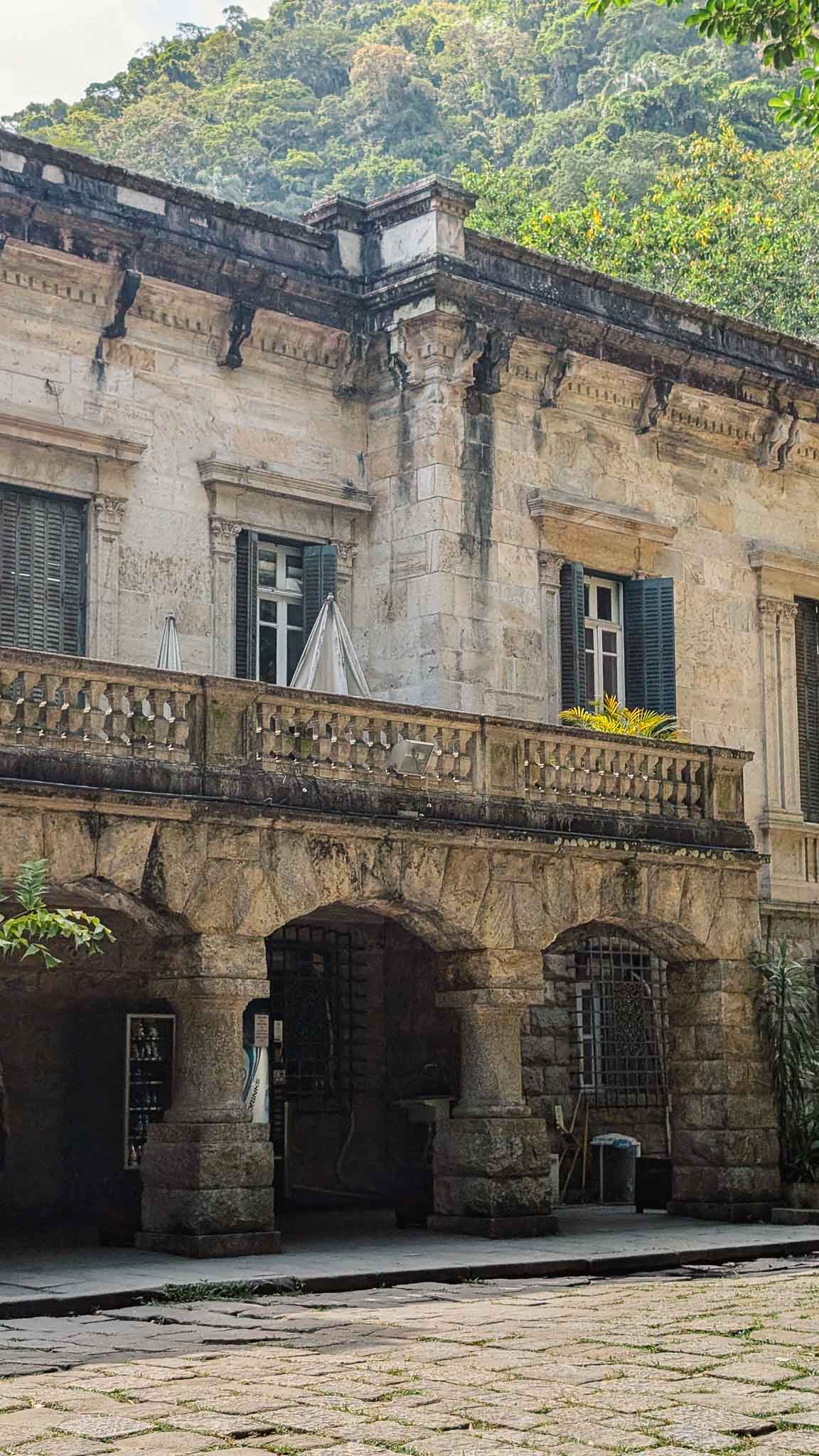
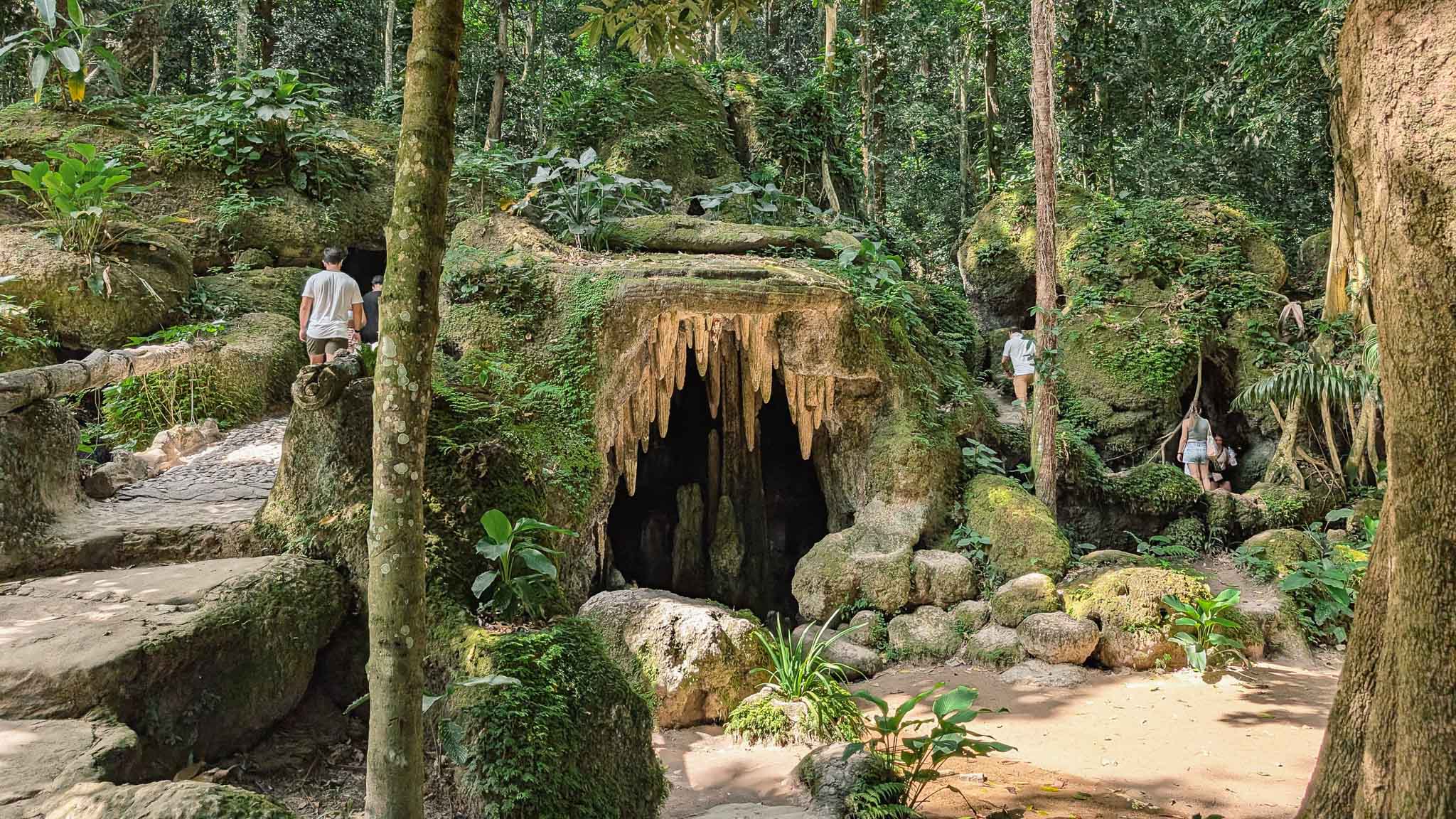
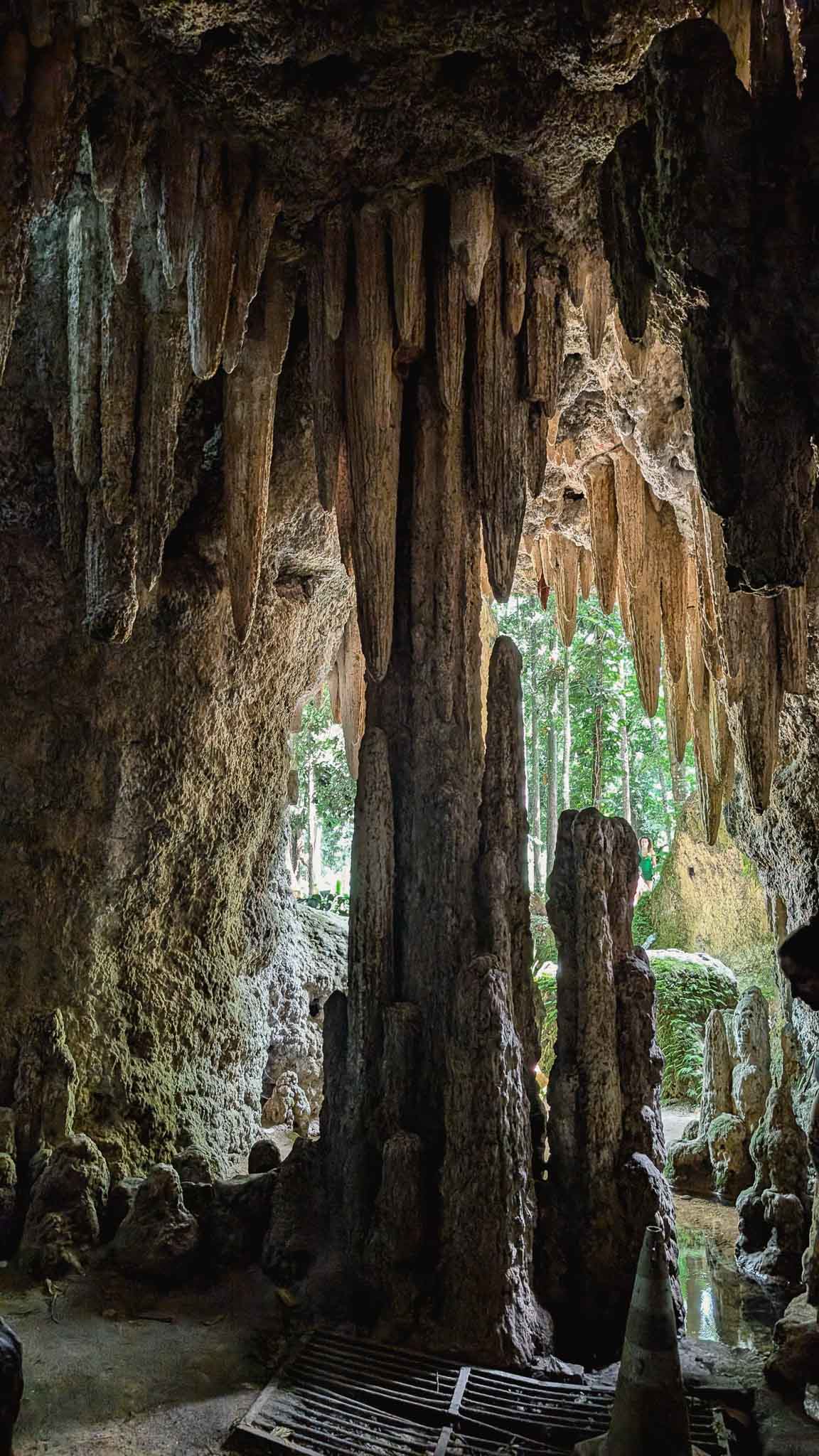
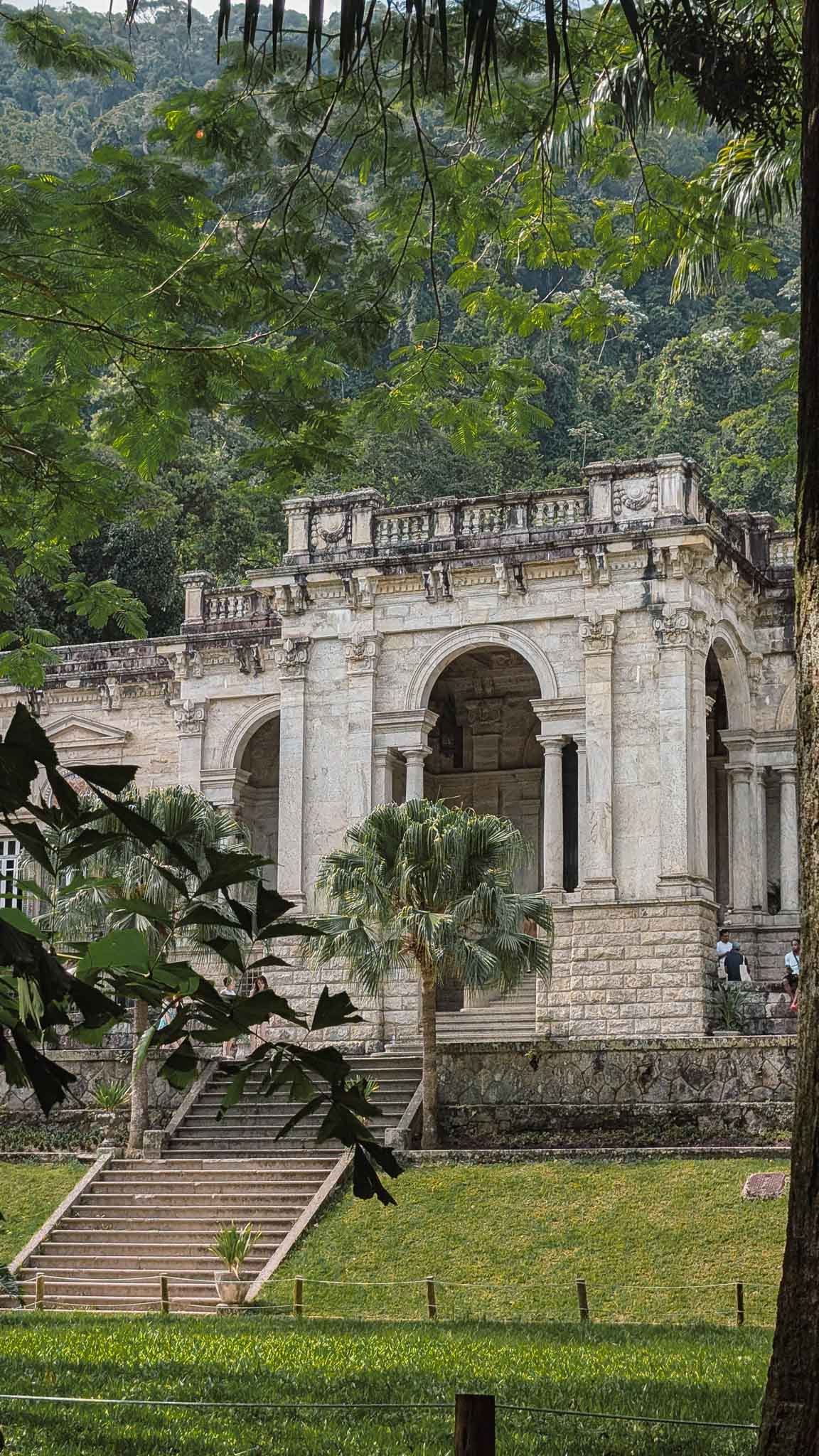
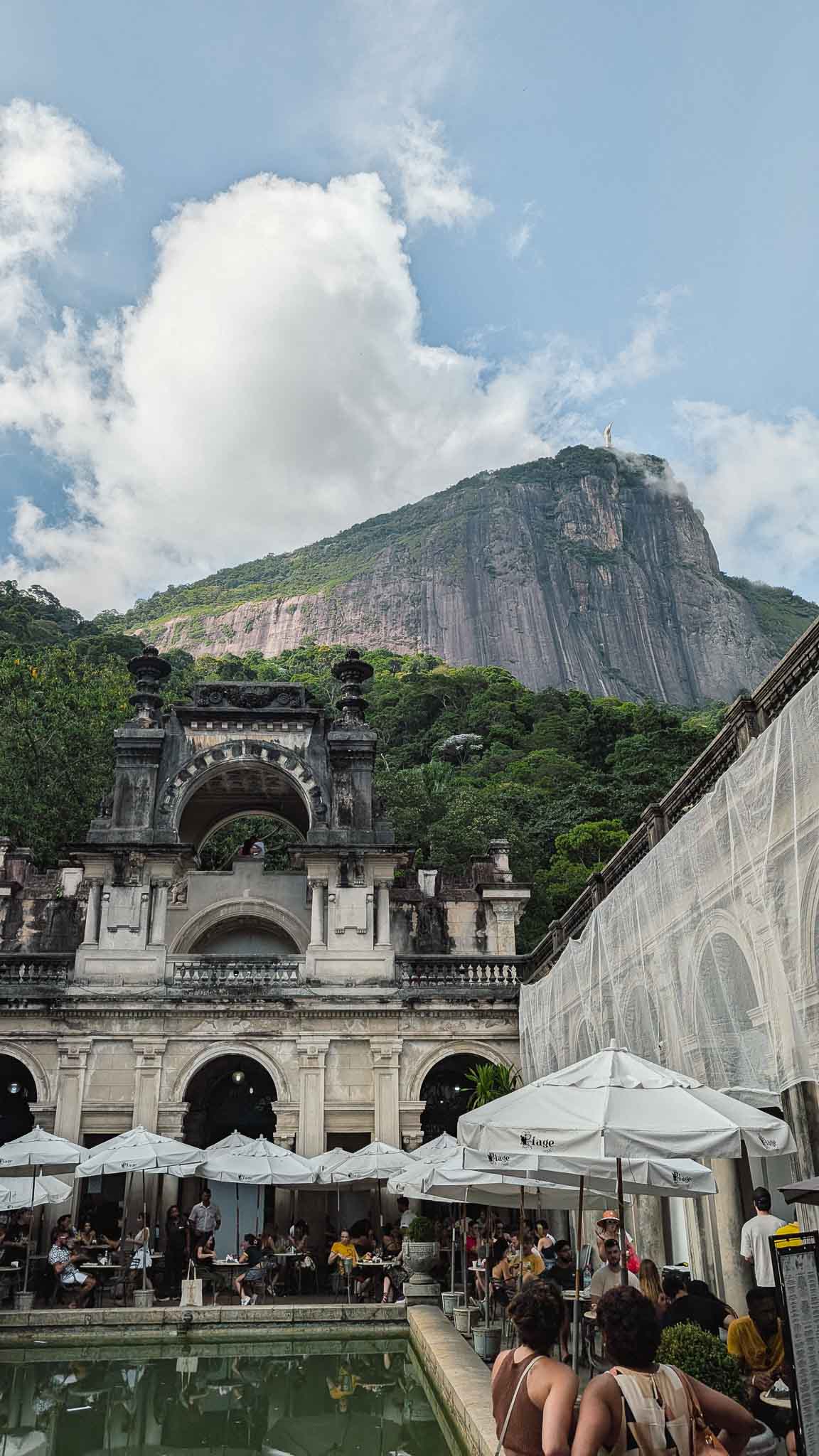
We also visited Rio’s Palácio Parque Lage, which was stunning. It is home to one of the largest plant collections in the world, with apparently over 6700 different species. The gardens have heaps of different paths leading into and around small caves, and there is a beautiful old building at the entrance with a big pool of water in its courtyard. We found a credit card on the ground here, and Rachael managed to find the Swiss bloke it belonged to on Facebook and we told him we’d leave it with the park’s reception. This detail will become important in the future!
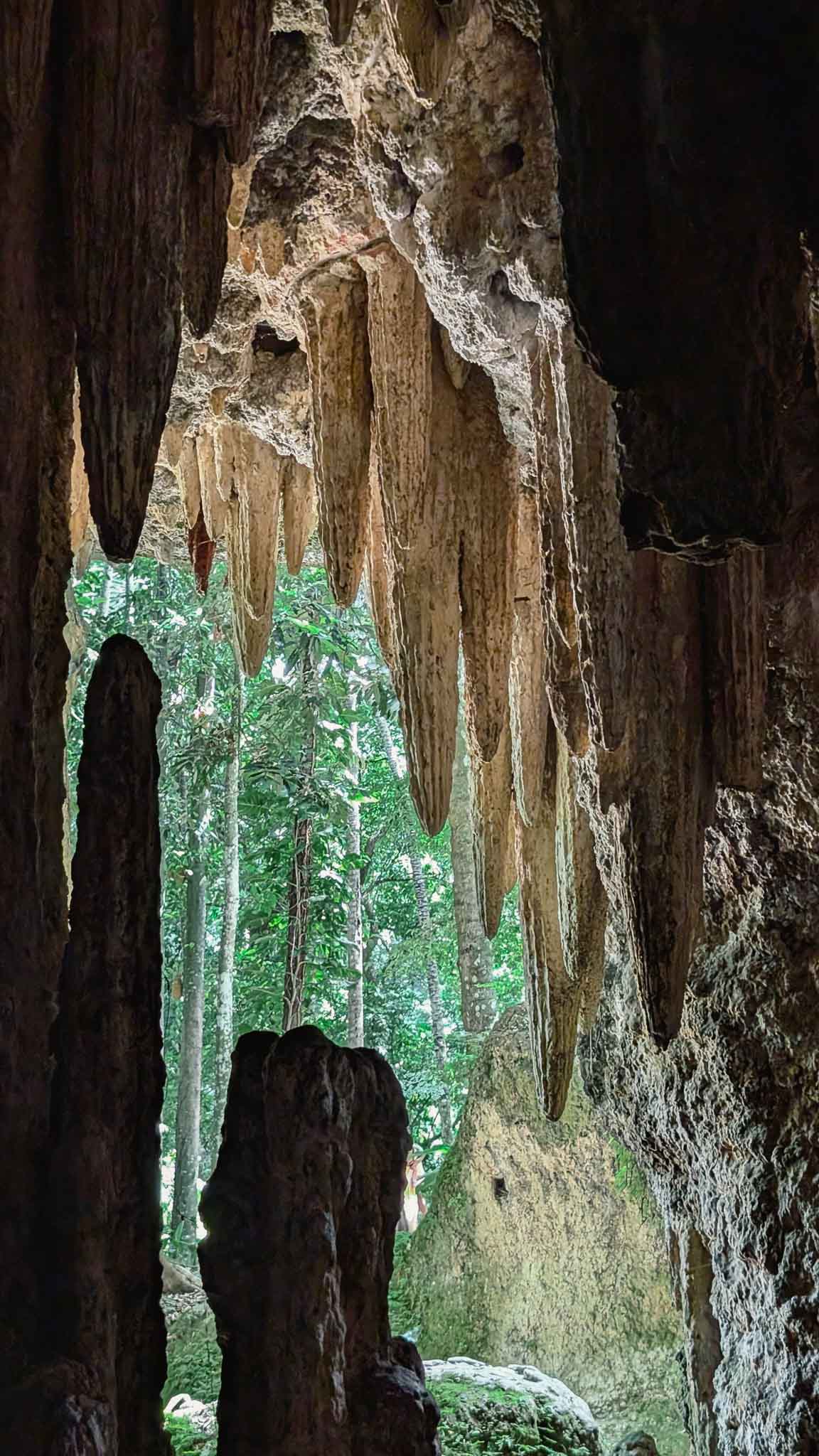
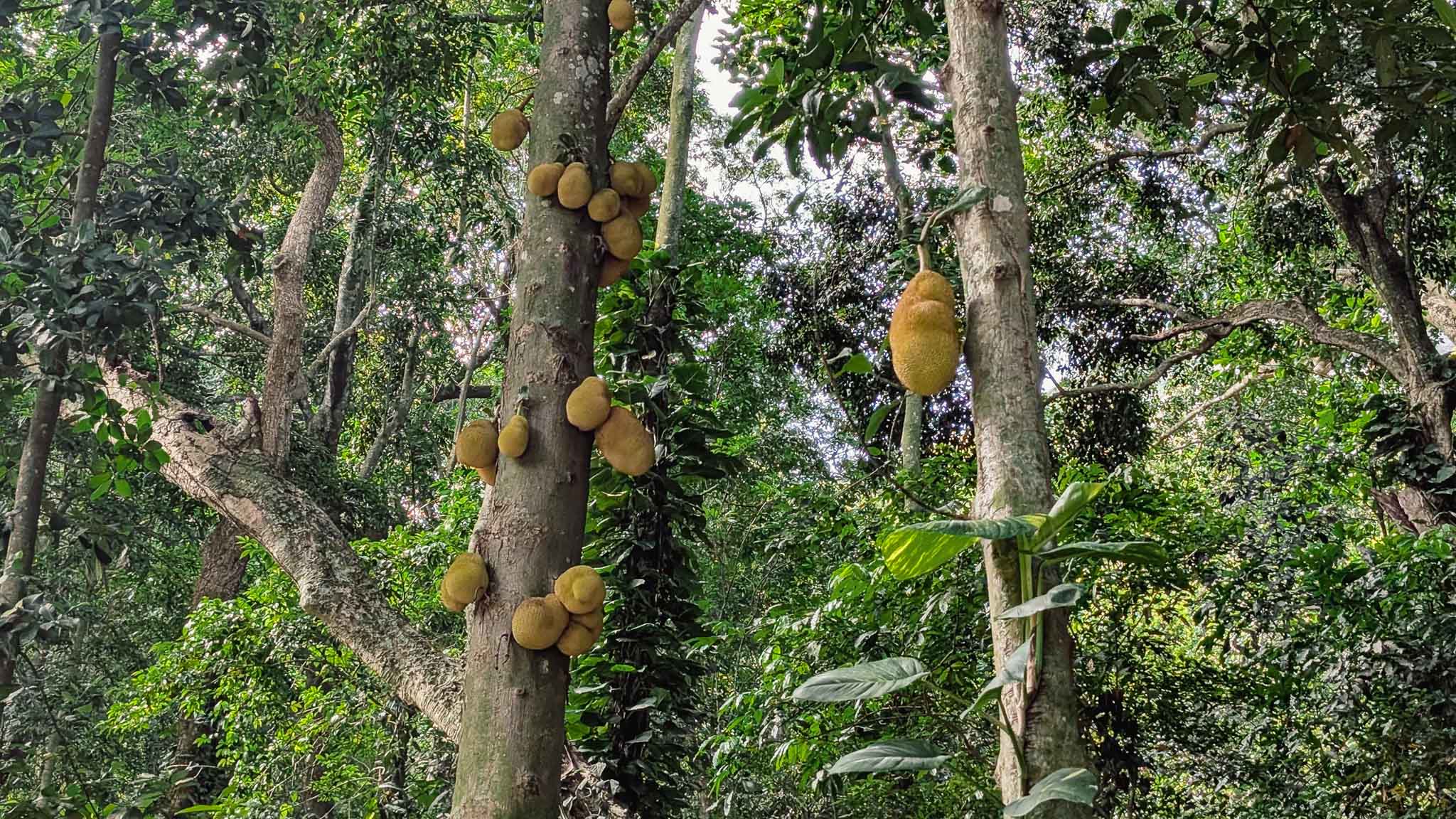
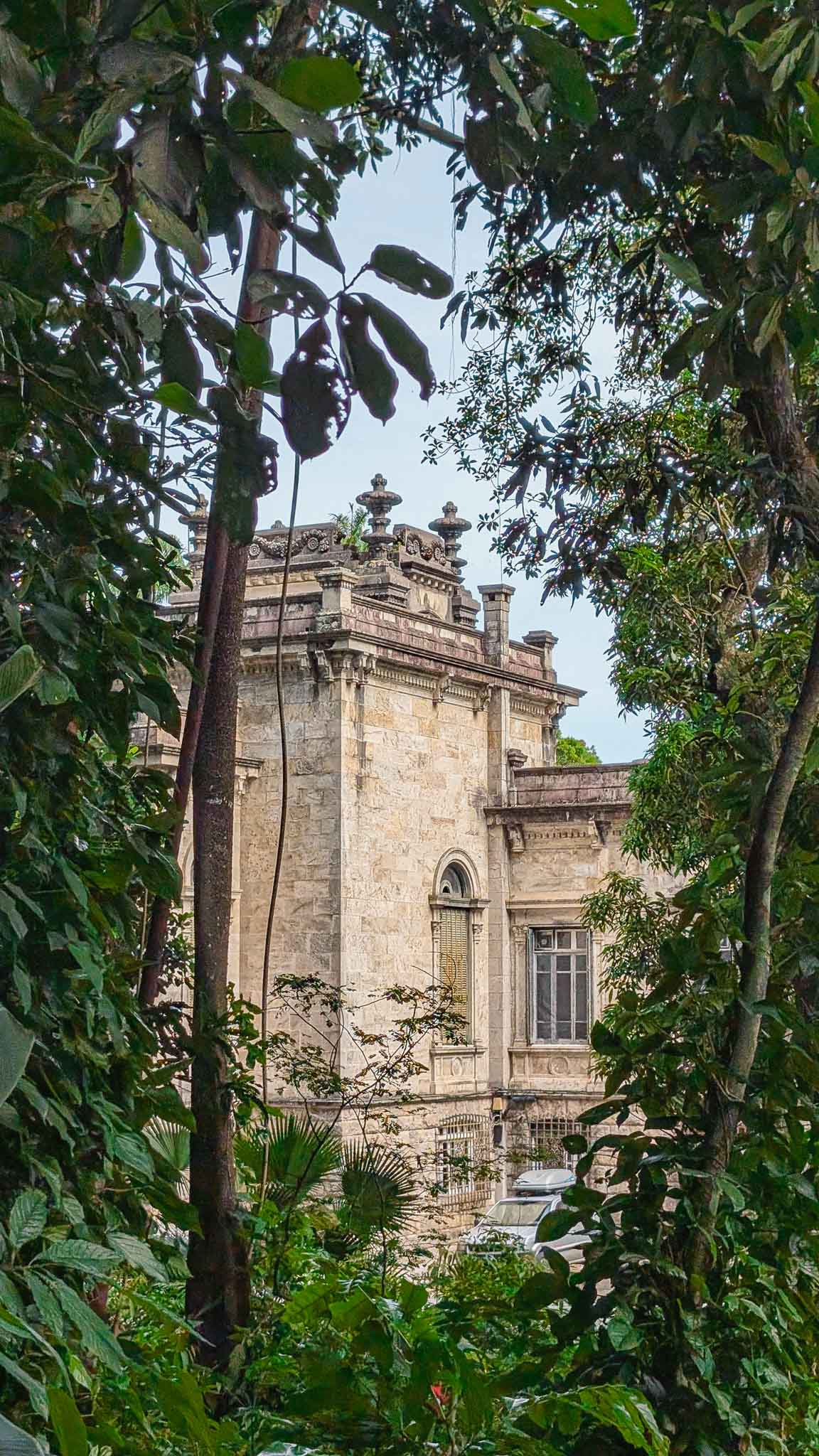
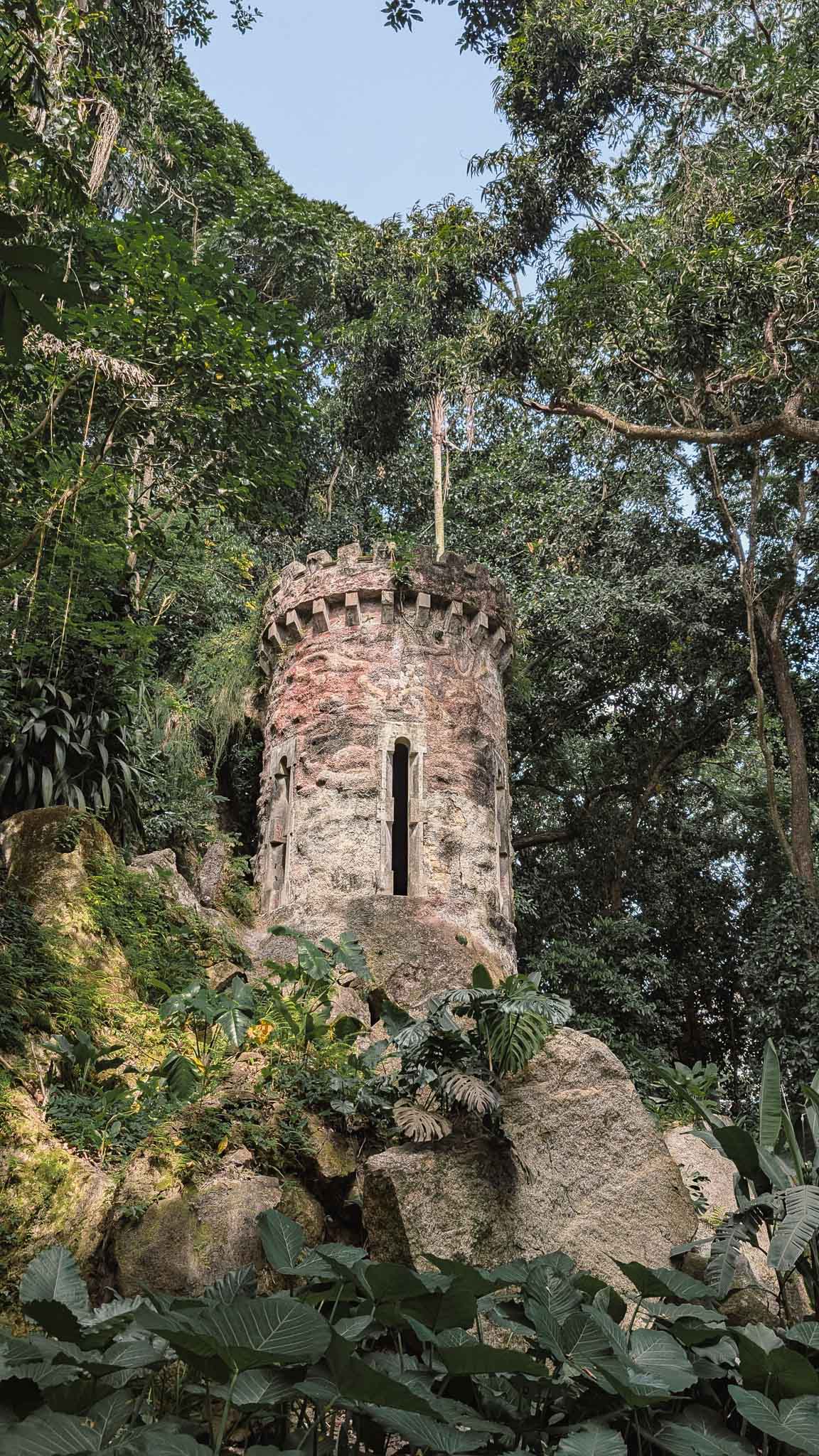

We saw our first bloco, which is essentially just a massive street party. Even though Rio’s famous Carnival wouldn’t be until the end of February, its pre-carnival parties were already kicking off while we were there in early January. It was cool to see a huge gathering of people dancing to bands of brass and percussion instruments, while blokes pushing huge, mobile cocktail making stations would make drinks and serve beers to people and food stands would serve all sorts of grilled meats and burgers. I partook in the festivities a bit myself, sinking a few cans of Brahma, which is another fantastic Brazilian beer, and eating a few sticks of grilled beef, served on a bed of farofa with a good drenching of hot sauce. We were in an area that I’ve heard can be quite dodgy, but everyone was in such a festive mood and having a great time. We never felt once like we weren’t welcome or like we were in any sort of danger, even being the only gringos around. We also caught our first mototaxis from here, which is where you get doubled by a bloke on a motorbike. We zoomed around the narrow and steep winding streets of Santa Teresa and it was actually heaps of fun!
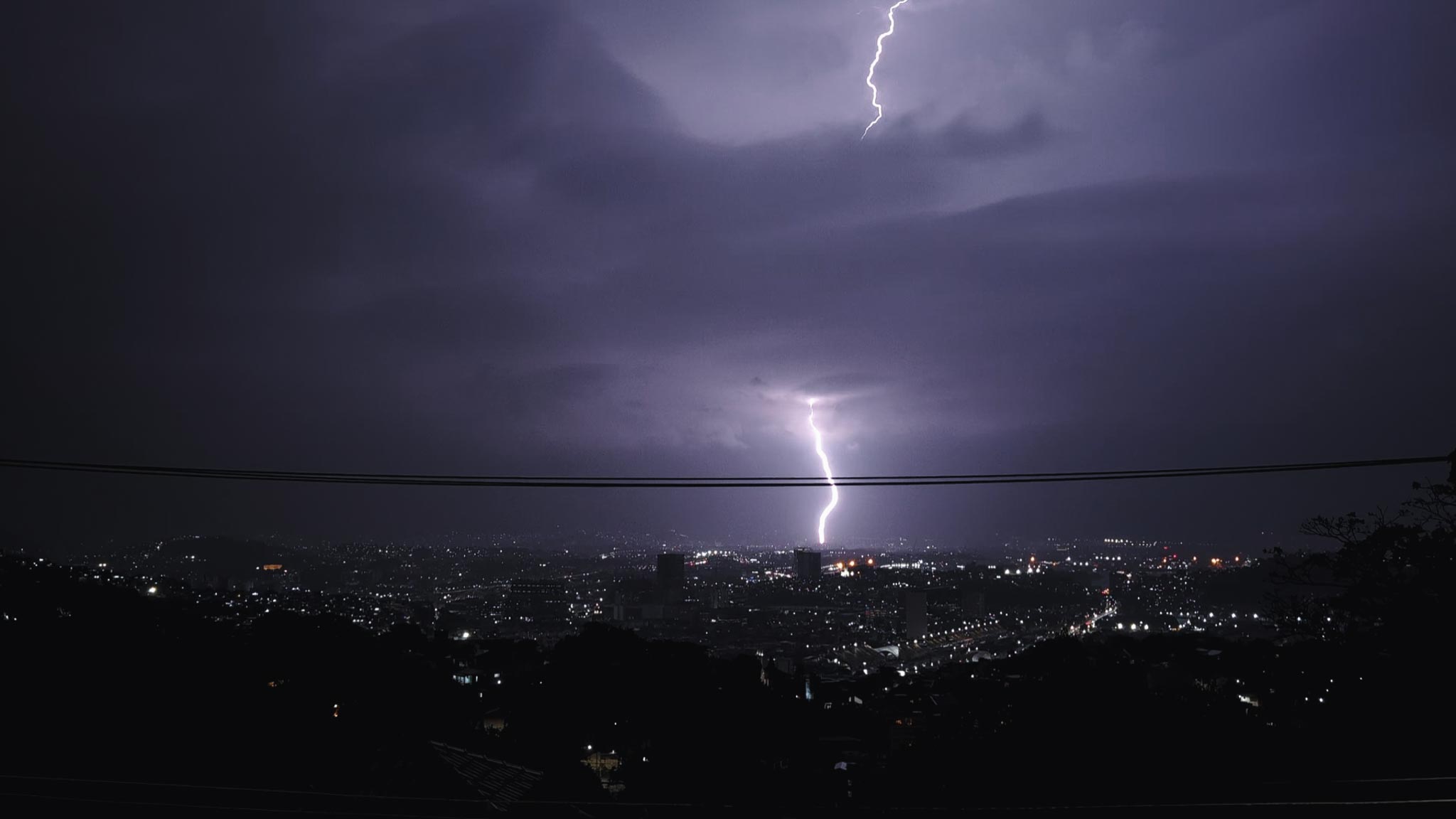
For our last night in Rio we watched a storm roll over the city from the great vantage point of our hostel room, and we spoke about how completely impressed we were with this famous city. Maybe it was because we didn’t know a hell of a lot about Rio before coming here, but the city certainly subverted my expectations of it. I was expecting it to be gritty, dangerous, and a big concrete jungle, but it was none of those things. It’s a jaw-droppingly gorgeous city with heaps of large, open green spaces, and everywhere in it you are consistently surrounded by enormous trees. All the people we met here were lovely, and it was really great to see the touristy highlights, even though we were two of what felt like millions of tourists.