Physical Address
304 North Cardinal St.
Dorchester Center, MA 02124
Physical Address
304 North Cardinal St.
Dorchester Center, MA 02124

4th – 10th December, 2024
While we were waiting for our flight to board in Santiago airport, I thought I’d message Martín, the lovely Argentine boyfriend of my cousin Ava, to see how they were traveling. They were making their way to Martín’s home in Salta so he could see his family again and introduce them to Ava after spending two years away in Australia. It was a strange coincidence that Ava and Martín, the same beautiful couple who were kind enough to drive us to Sydney airport three months ago, were also sitting in another section of Santiago airport, awaiting their flight to Buenos Aires. Rachael and I were planning on visiting Salta and Martín’s family in a few weeks, and the timing had worked out perfectly that we’d all be in Salta together, but first we had a decent amount of ground to cover.
We landed in Antofagasta, a mining city on the coast in Northern Chile. Antofagasta was actually a Bolivian port city until a series of treaties signed through the 1880’s until 1904 declared it within Chile’s borders, which followed on from a war between the two countries in the 1870’s. This was our first glimpse of the Pacific Ocean since we left home three months ago, and it would have been nice to breathe in the sea air once again, if it hadn’t been for the thick smog that hung around the decaying skyscrapers in this dust bowl of a city. Despite having the largest income per capita of Chile, Antofagasta is a run down, decrepit, concrete mass with barely a piece of greenery and hordes of birds circling overhead aptly named ‘black vultures’. We only stayed here for one night as it has the most convenient airport to get to San Pedro de Atacama, a place I’d dreamed of visiting for a very long time.
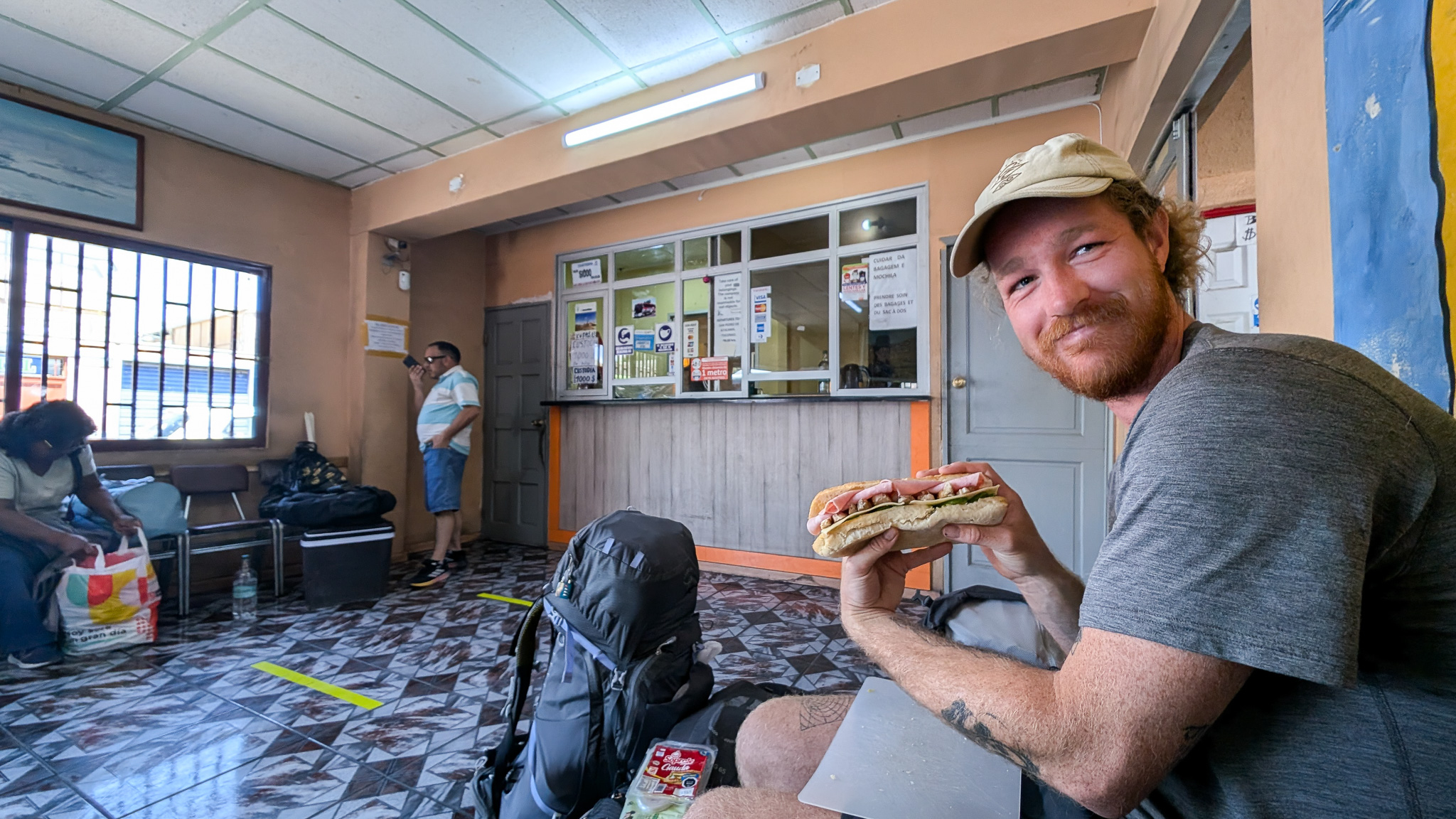
First, we had to catch a bus to a town called Calama, which sits at 2200m above sea level, where we walked a few hundred metres to a different bus terminal and I proceeded to make some absolutely insane sandwiches for our lunch. I doubt most of the people in the tiny waiting room of Atacama2000 (awesome name for a bus company) had even seen many gringos, let alone gringos eating sandwiches this hefty, but it made for a good laugh. We caught our second bus another few hours and a couple hundred metres up to San Pedro de Atacama, a town smack bang in the middle of the Atacama Desert. I think this was the first town we’d been to during this trip where I really felt an overwhelming sense of magic. This place is truly special.
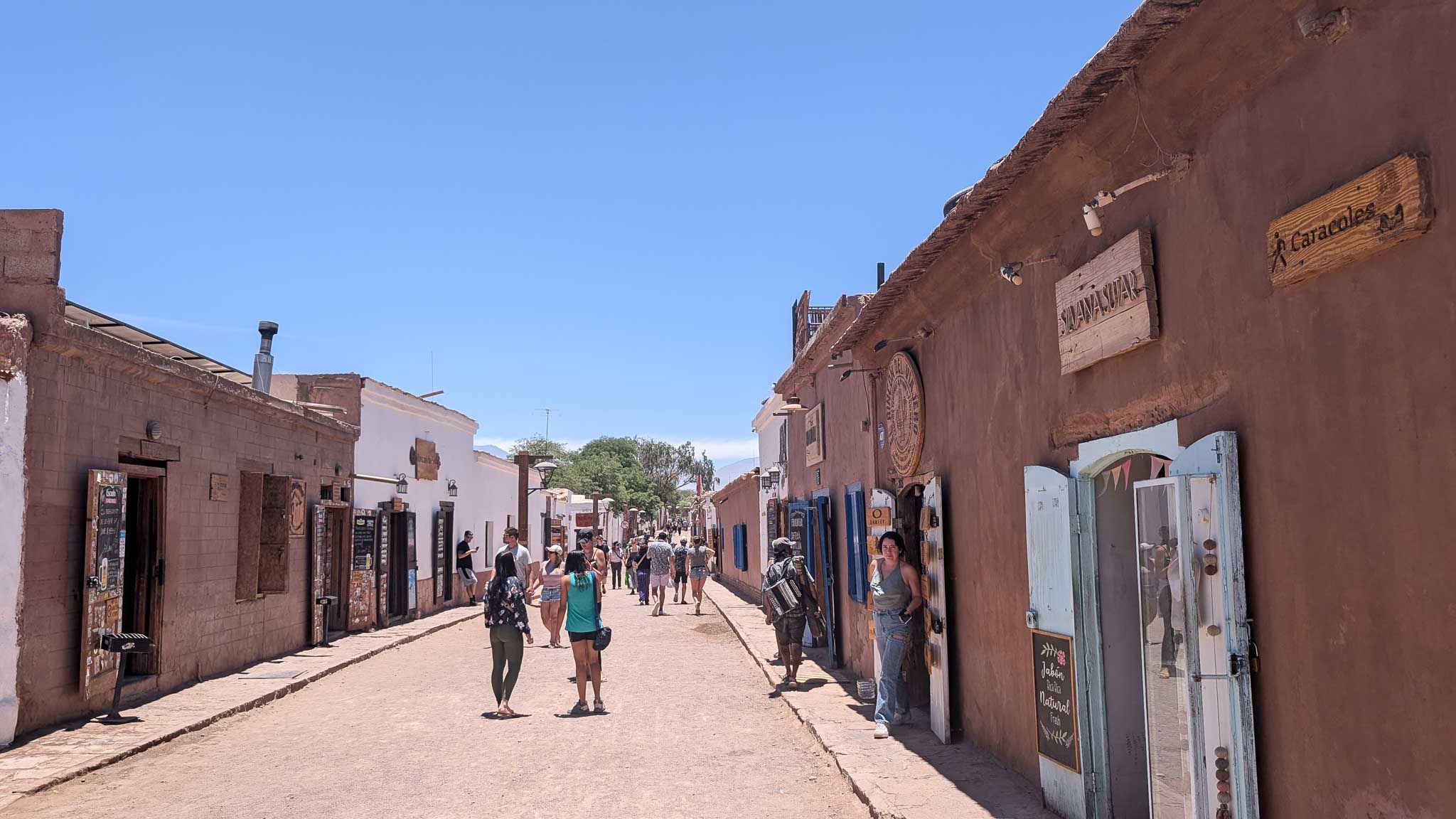
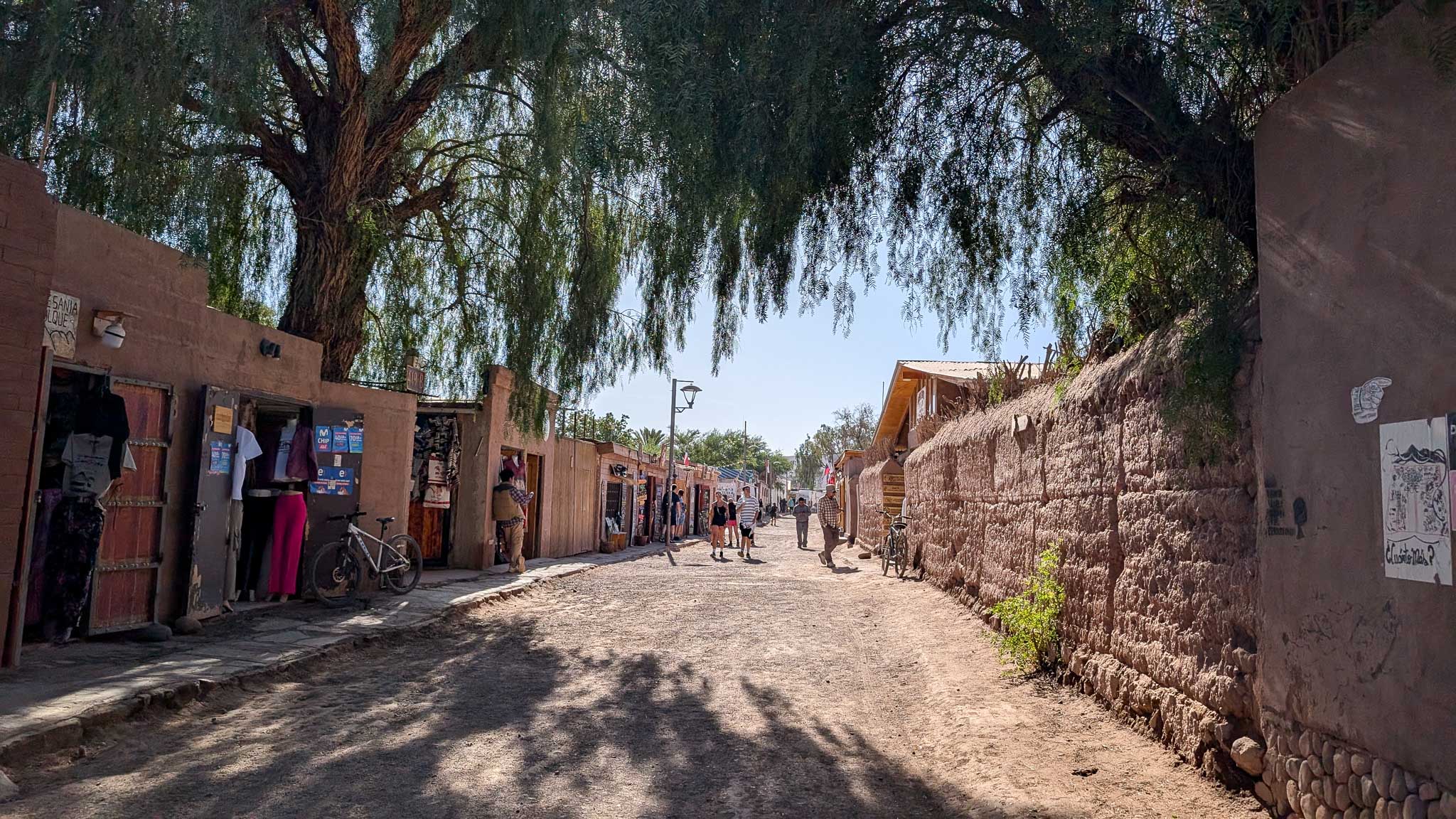
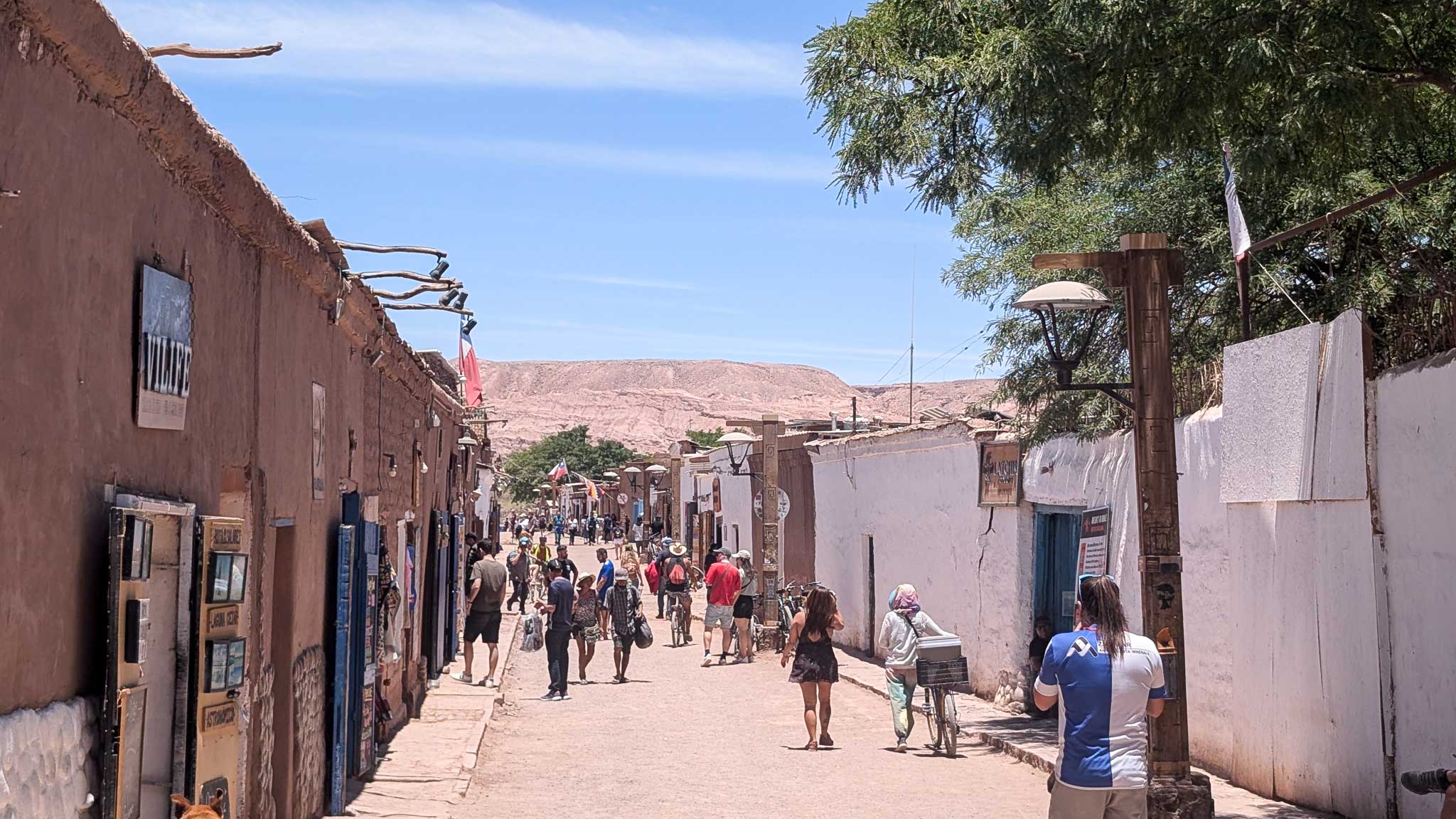
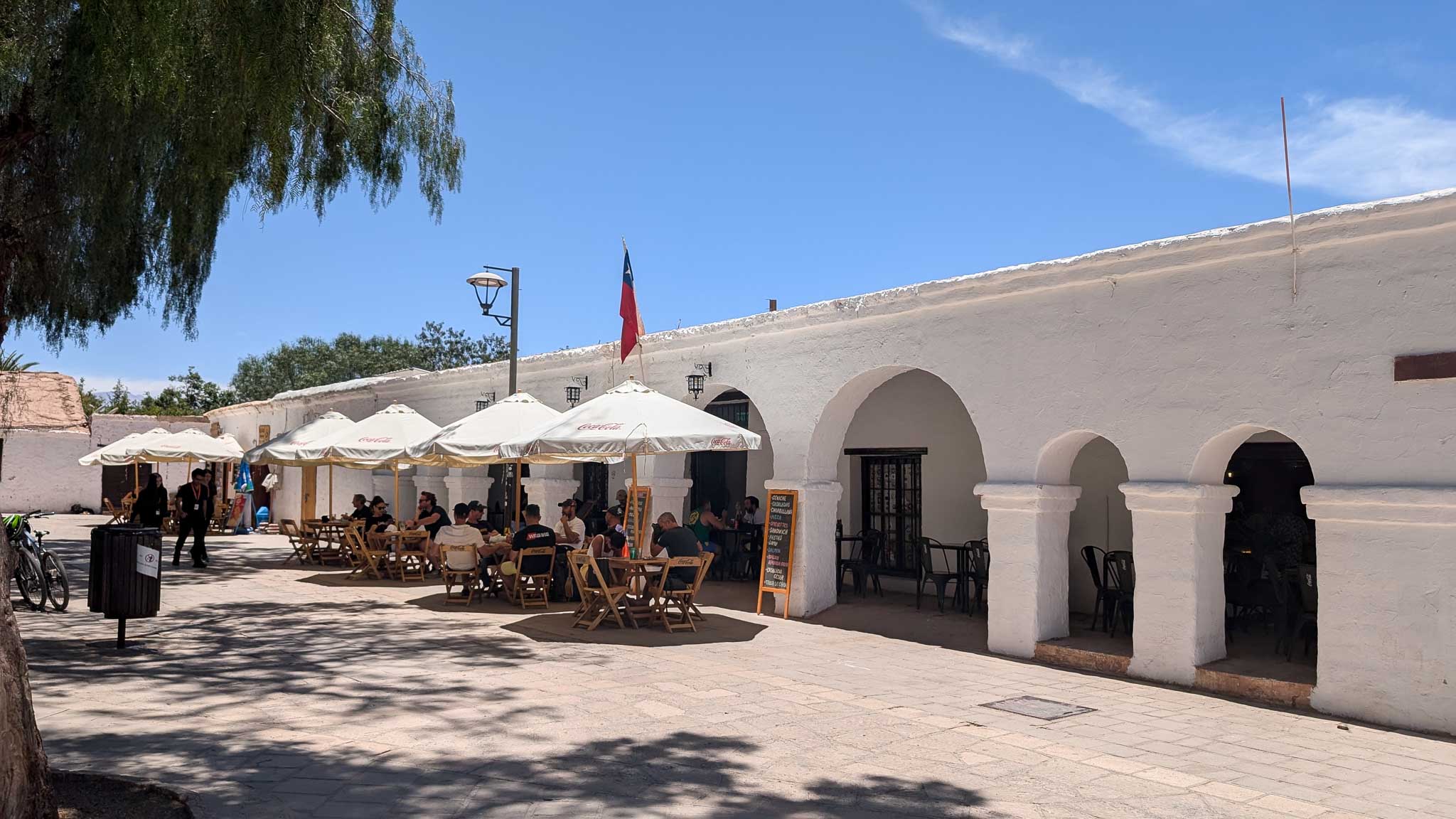
The town of San Pedro mainly consists of small mud-brick houses, restaurants, bars and tourism stores arranged on dusty, sandy streets, where the sun seems to be cranked up to 11. Despite the blistering heat and the stillness of the air, the lack of shade and the dust sticking to my sweaty, sandal-clad feet, there is an undeniable energy about the place.
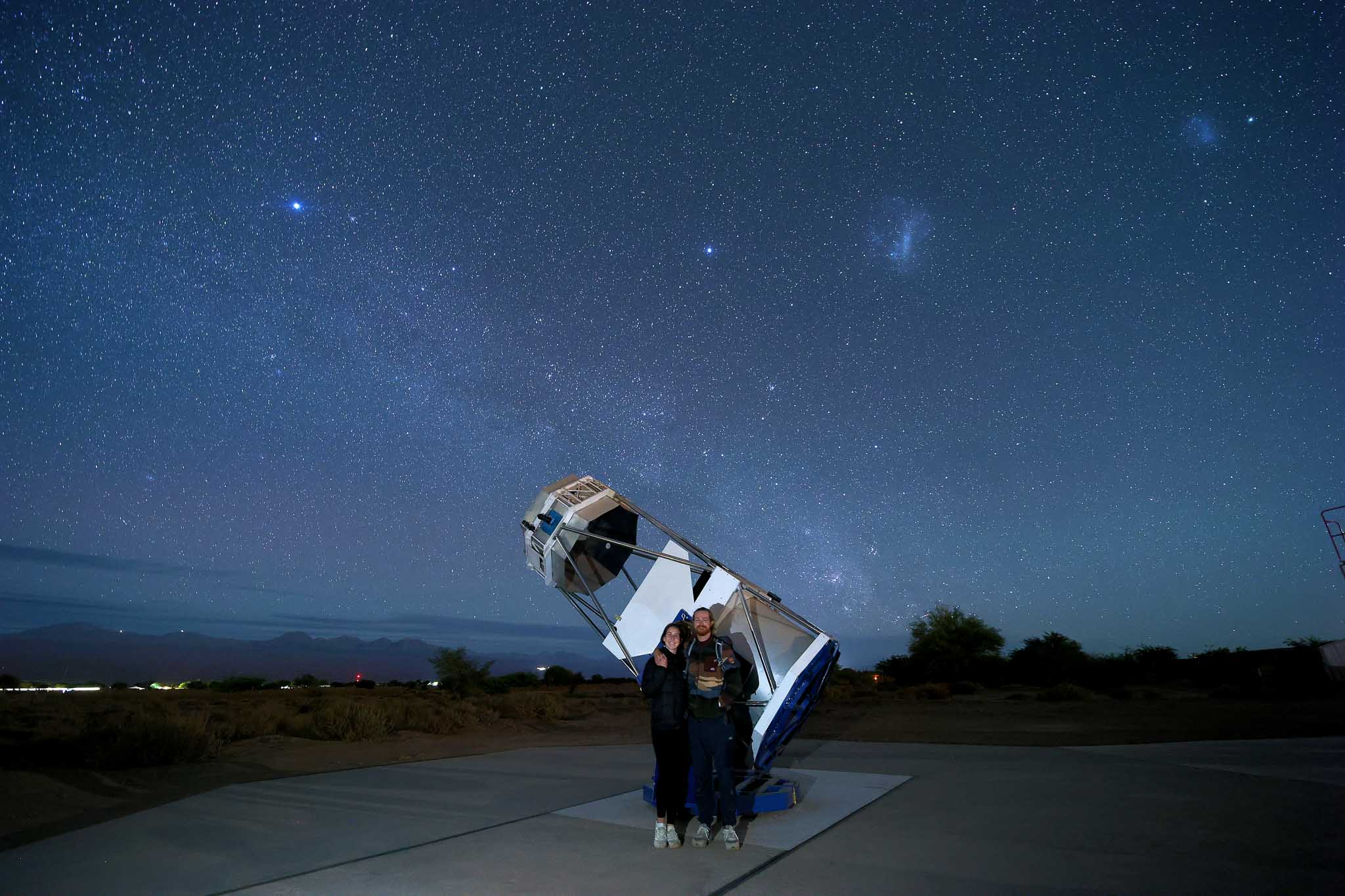
Atacama is renowned for its incredible star gazing, and there was no way I was going to pass up on the opportunity to take a tour out to an observatory for a few hours during our time here. We were picked up in town at about 9:30pm with a van full of other gringos and driven out to a property owned by an older French couple, where there was no artificial light to interfere with the three big telescopes they operated during tours. We sat inside their living room while they spoke a bit about the milky way and earth’s relationship to the stars, and about the evolution of our understanding of astronomy from thousands of years ago through to today. Their house was full of red light which helped keep our eyes adjusted to the dark, and also made for a more intriguing experience while we spoke about the wonders of the universe.
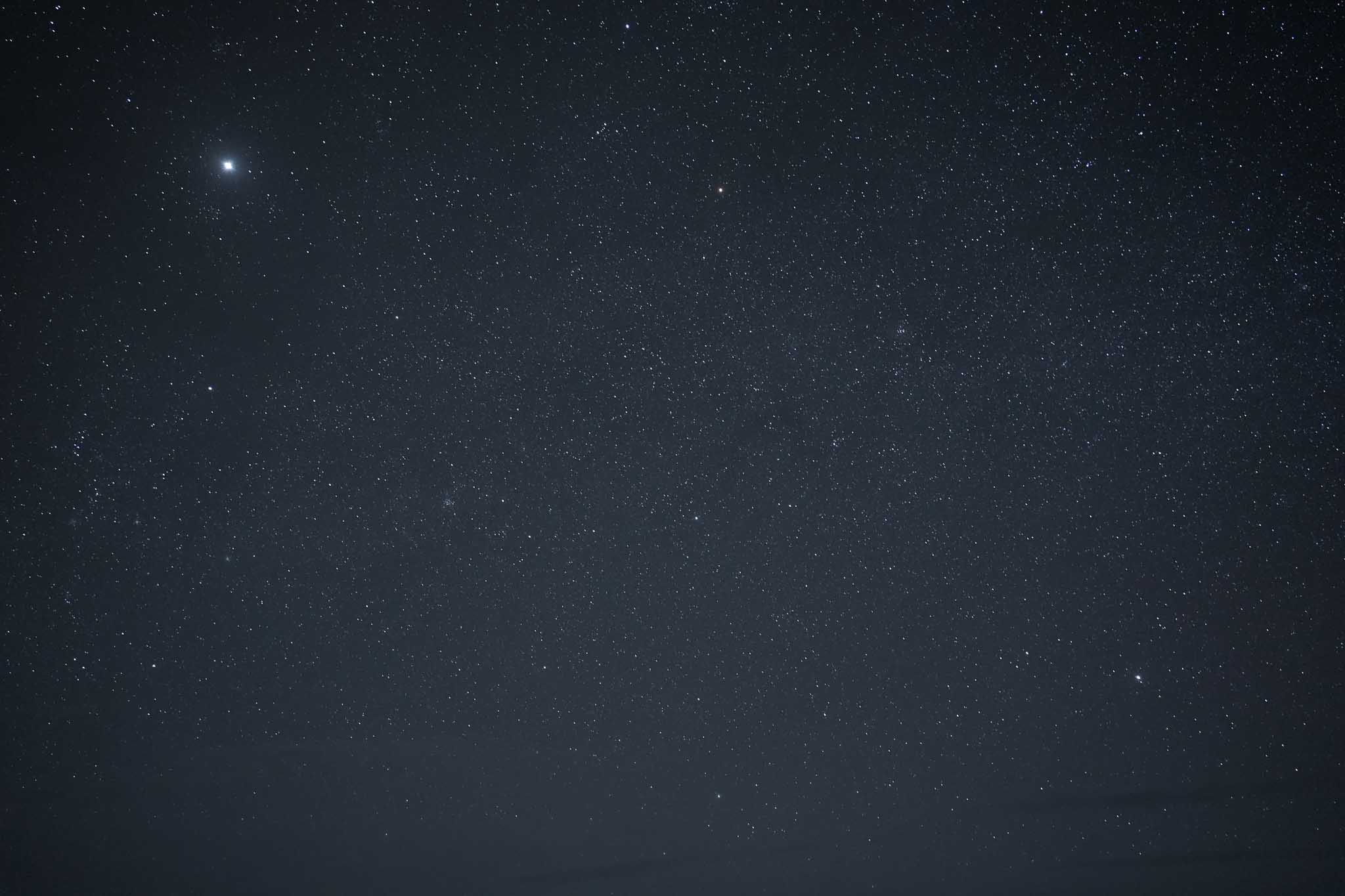
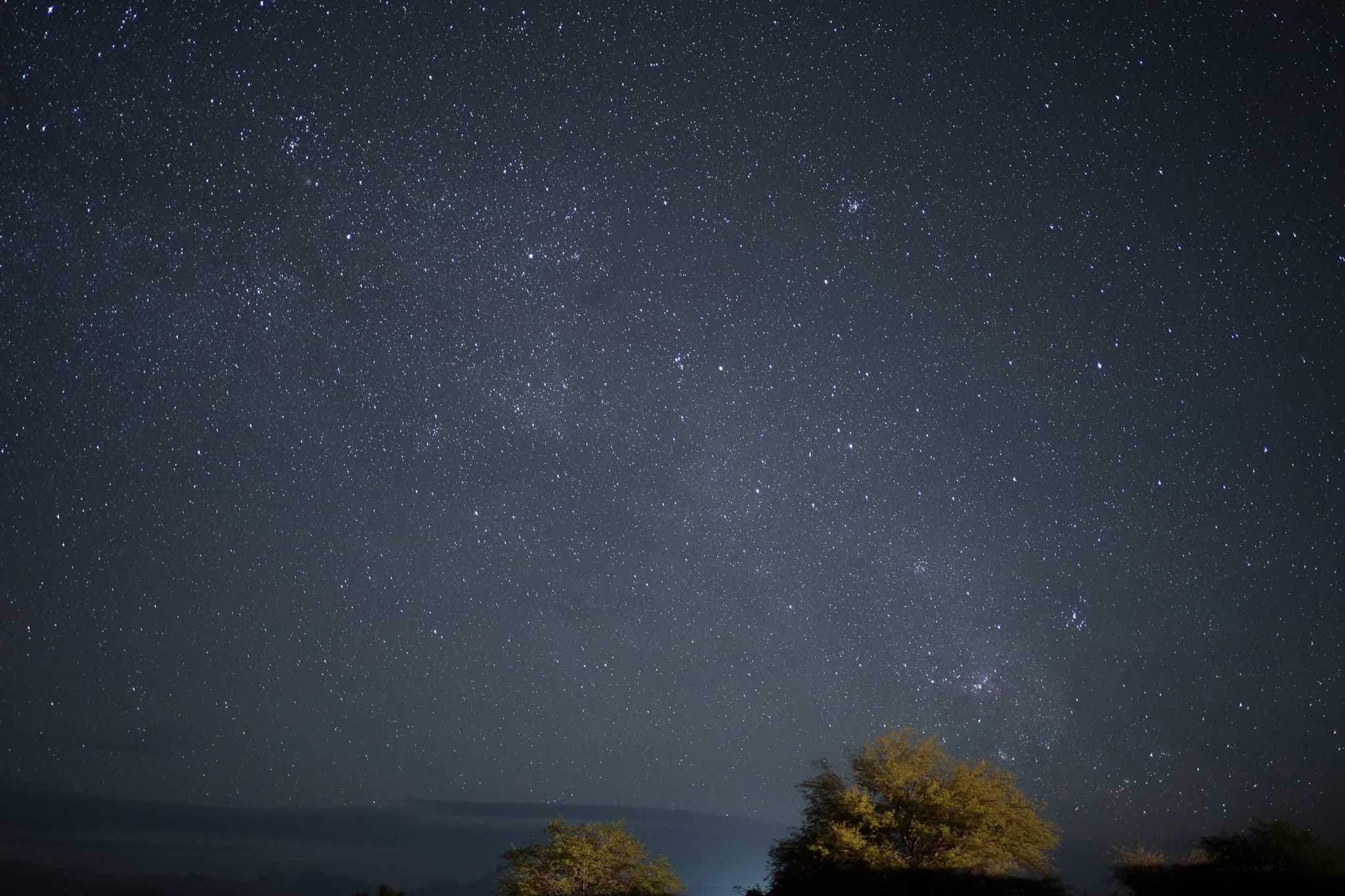
We stood outside to look at different constellations and planets within our solar system with the help of a very powerful laser used to point at the stars, and then we got to climb ladders up three different telescopes pointed in different directions to see what was on display for us. It was incredible to see Saturn’s rings and huge craters on the moon, but most impressive was when we got to look through the telescope at a gas cloud nebula, which occurs either when a star is forming or is the remains of a dead star. To me, it looked like a complicated network of spider webs suspended in empty space, at once chaotic and beautiful. Rachael figured out how to take photos of the stars on her camera, and we also got to pose in front of one of the telescopes and beneath the stars before we went back into the house to drink chamomile tea. While it was a super cool experience, it was unfortunately the wrong time of the year for the best stargazing as most of the milky way remains hidden behind the horizon until about 4 in the morning during summer in the southern hemisphere. What we were able to see was no better than the stars we can see at home on the south coast, which is definitely something I take for granted. Don’t be fooled by the photos, the camera can pick up millions more stars than our eyes can! However, this was a really cool experience and I’m glad we did it.
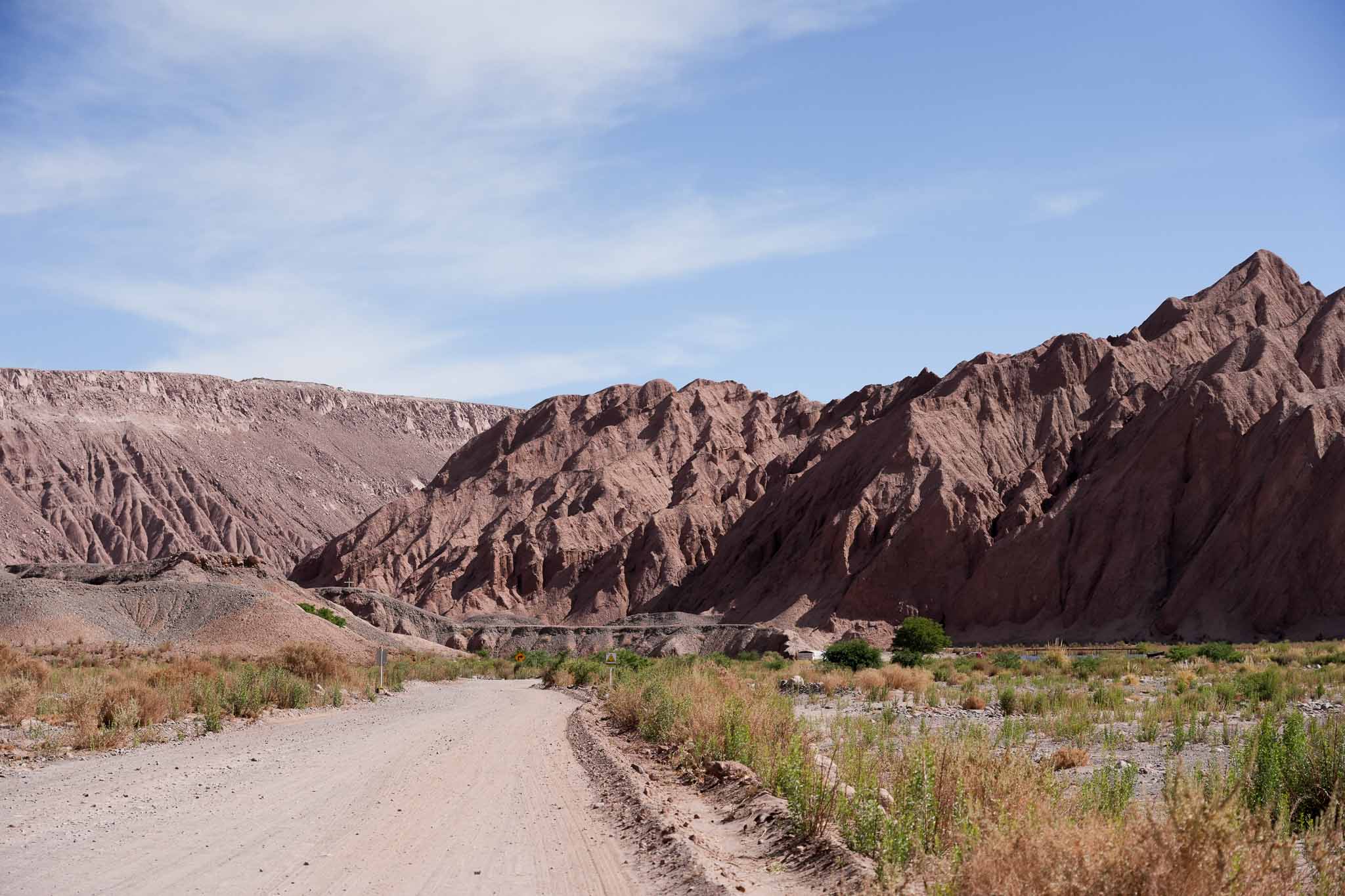
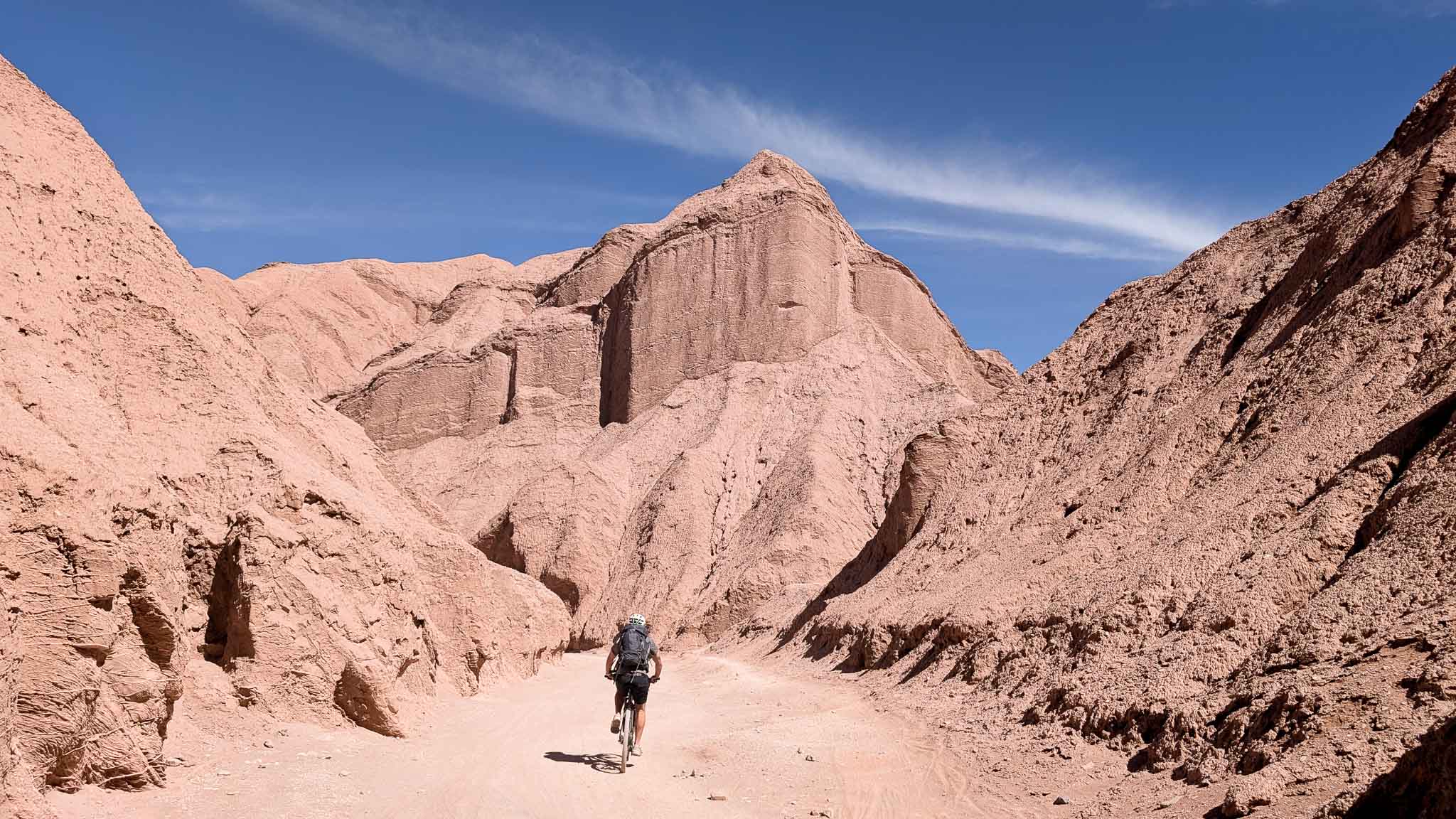
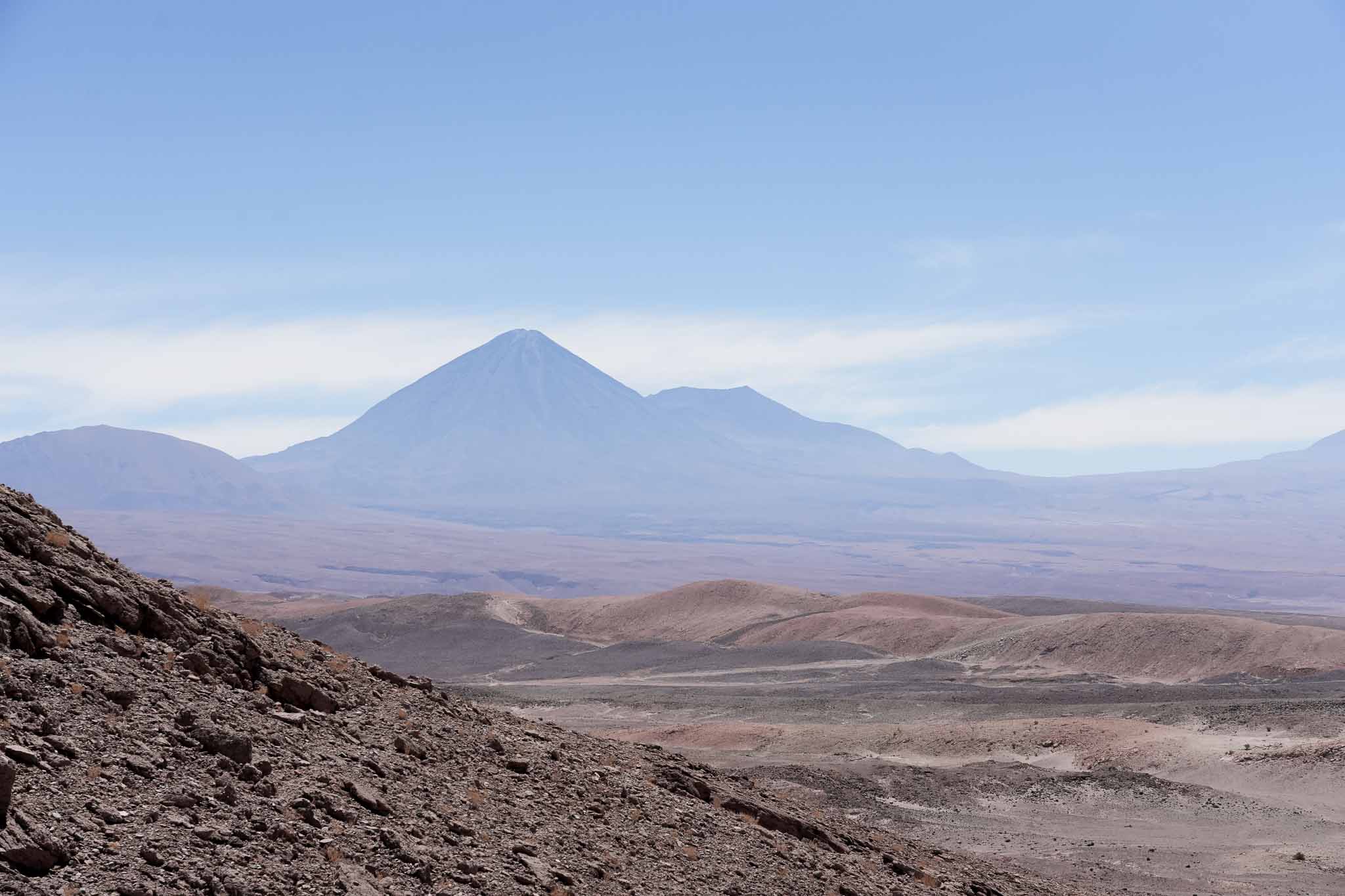
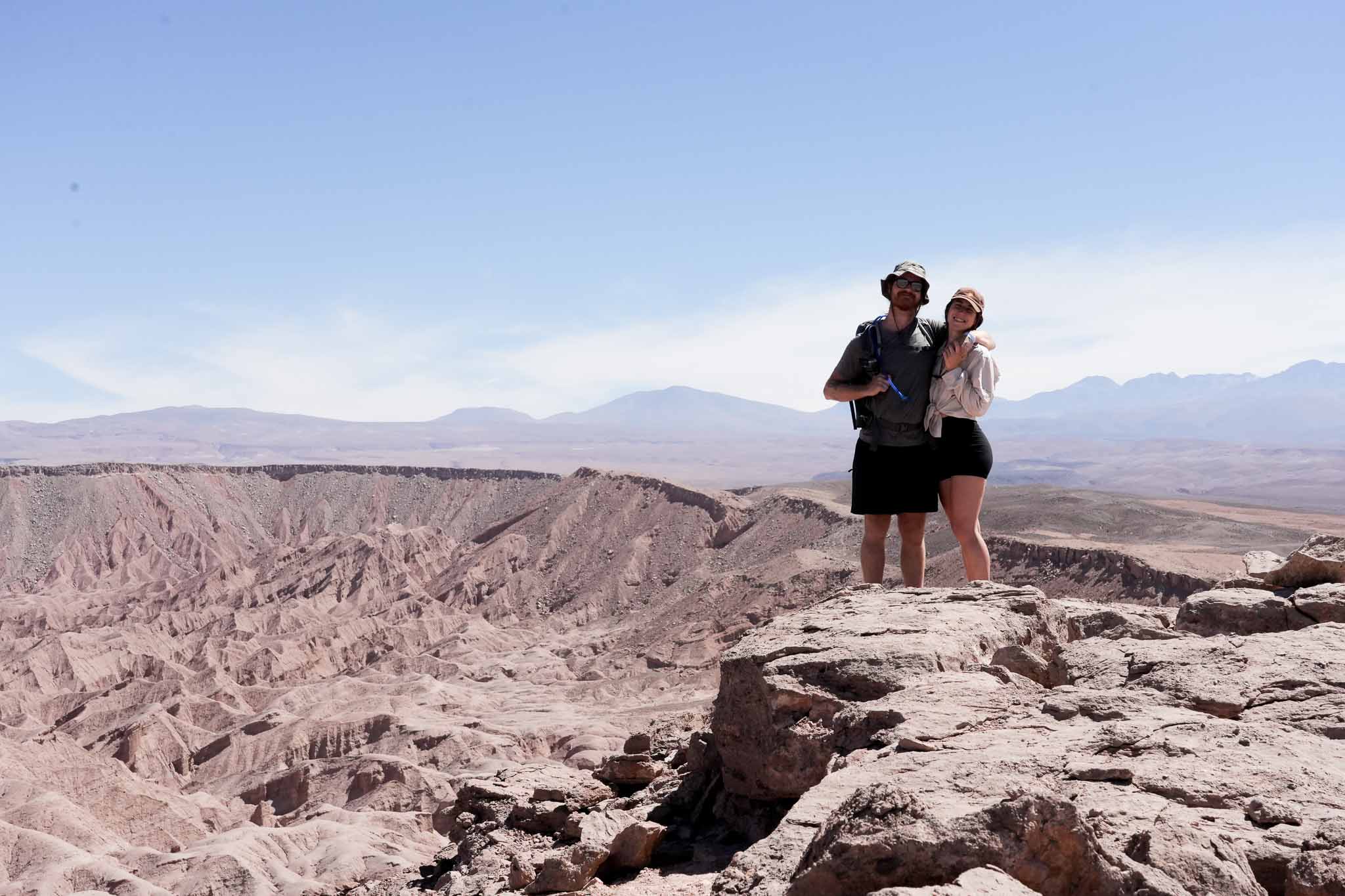
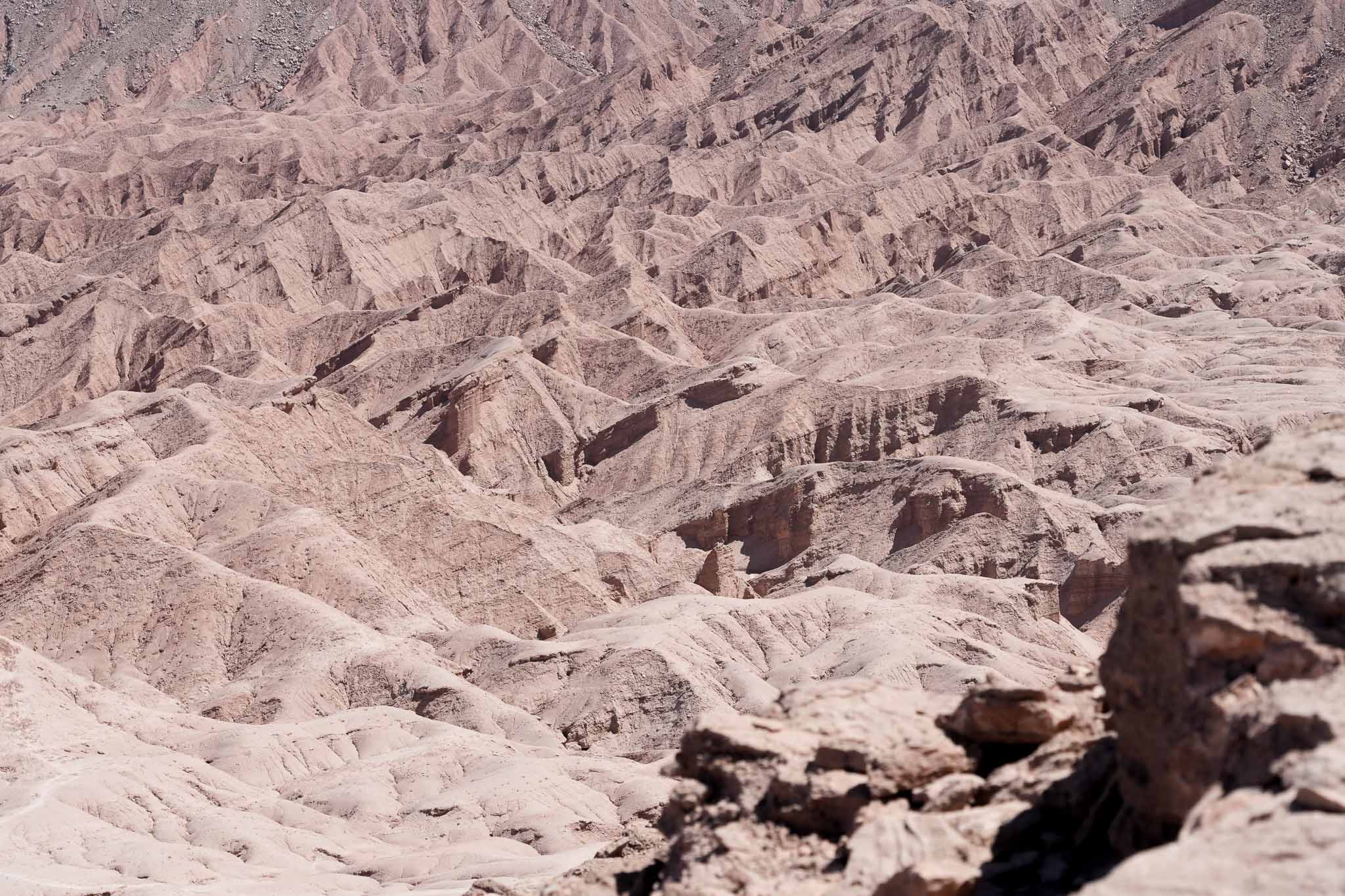
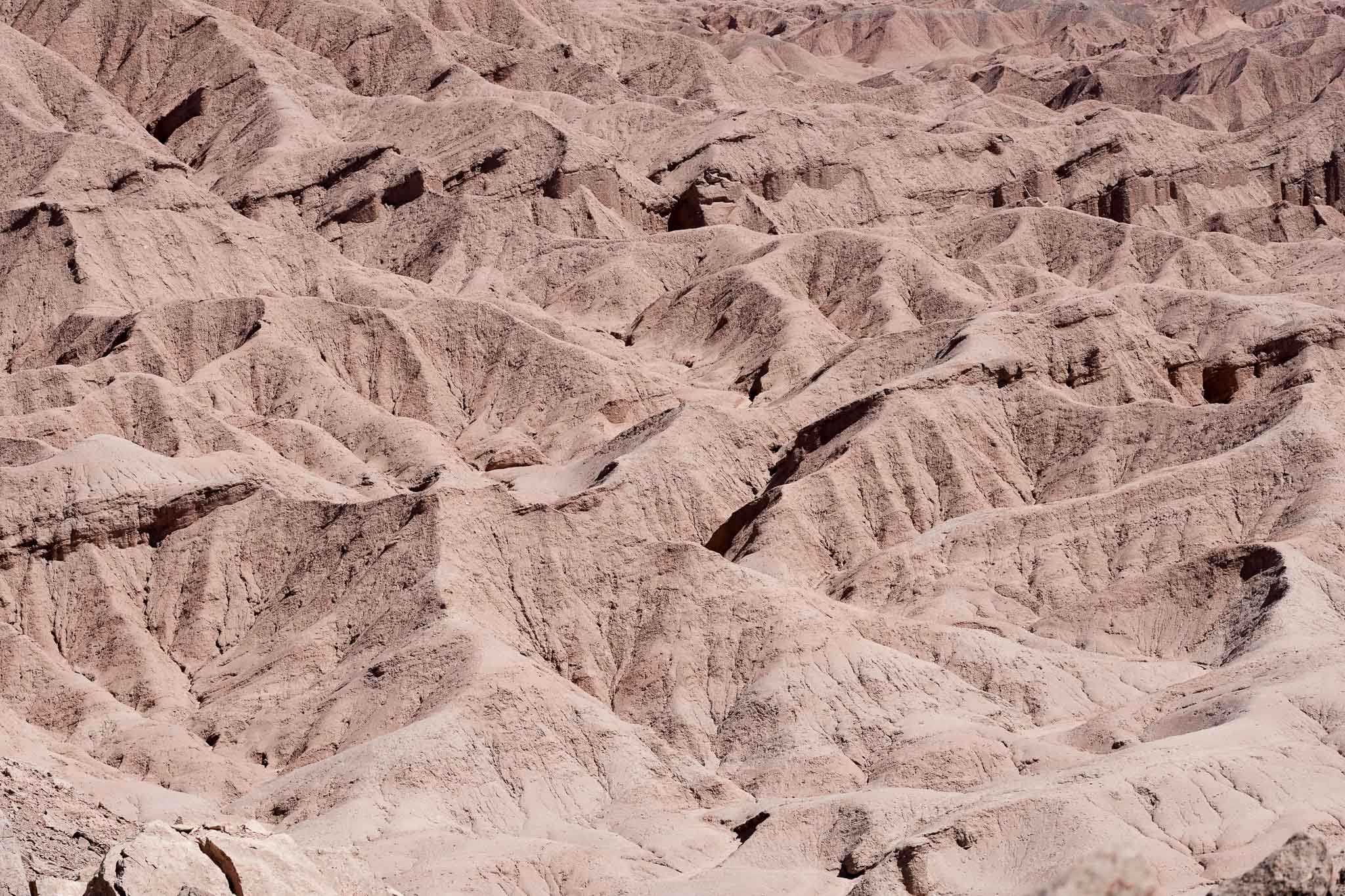
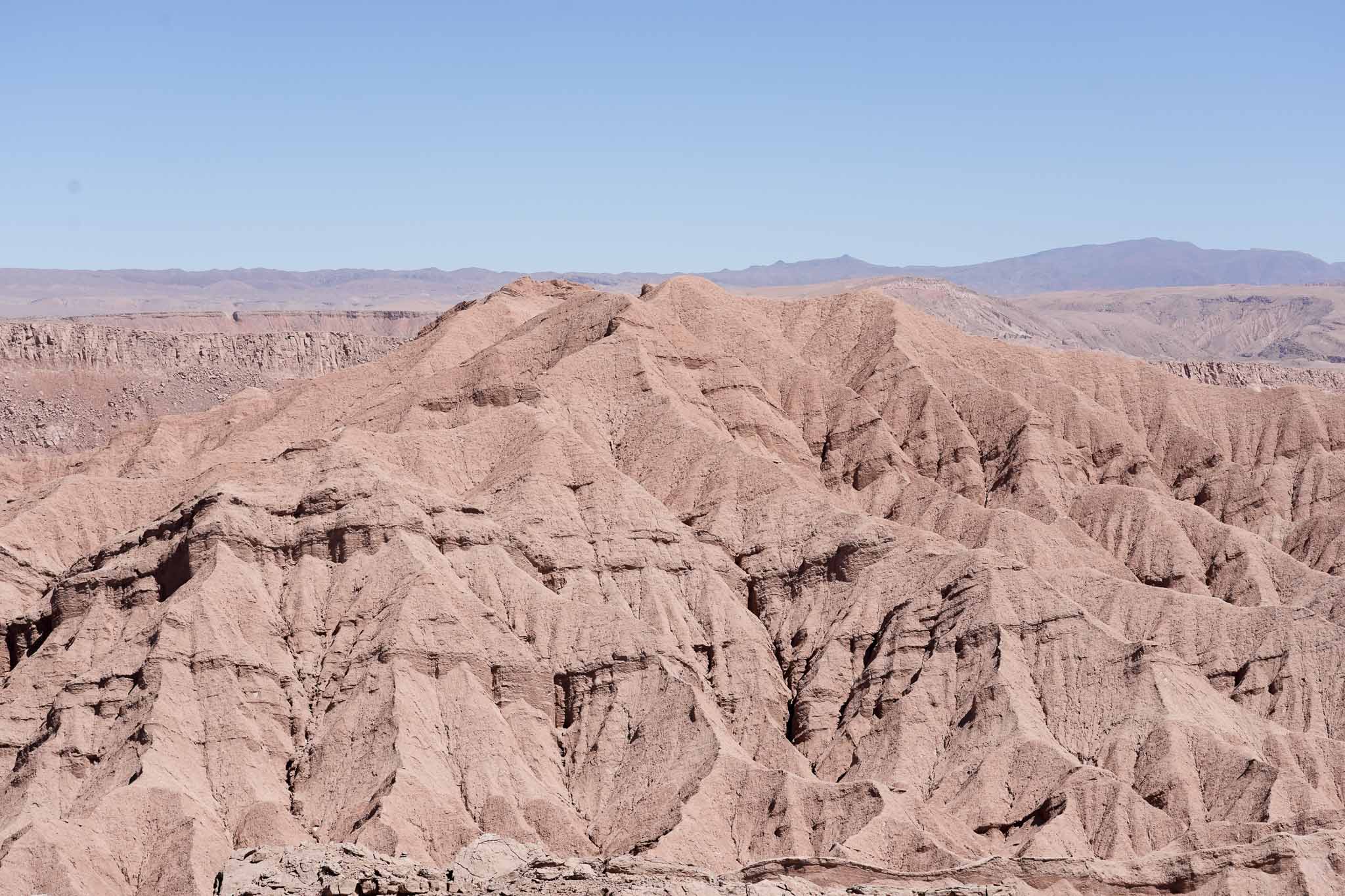
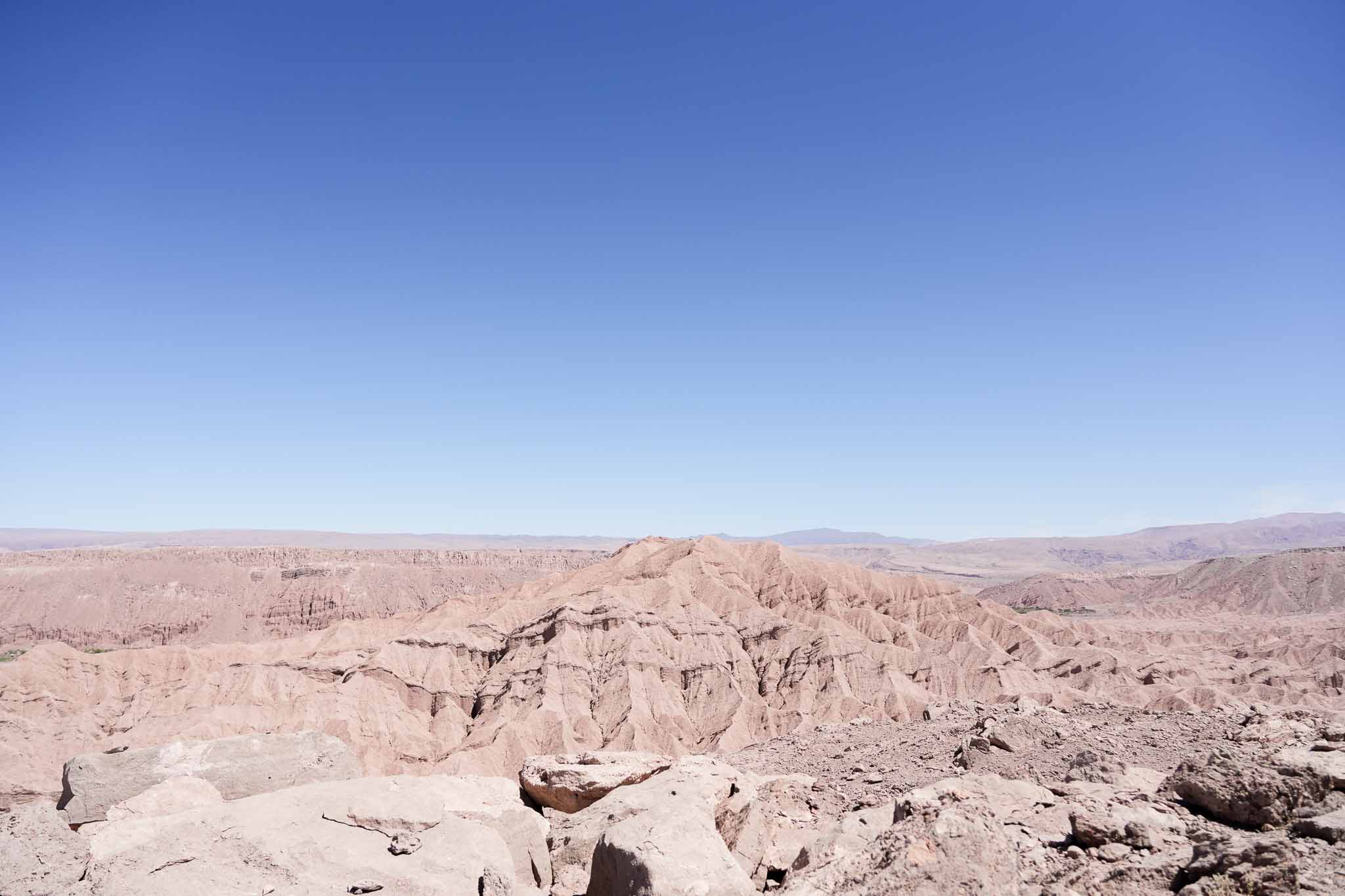
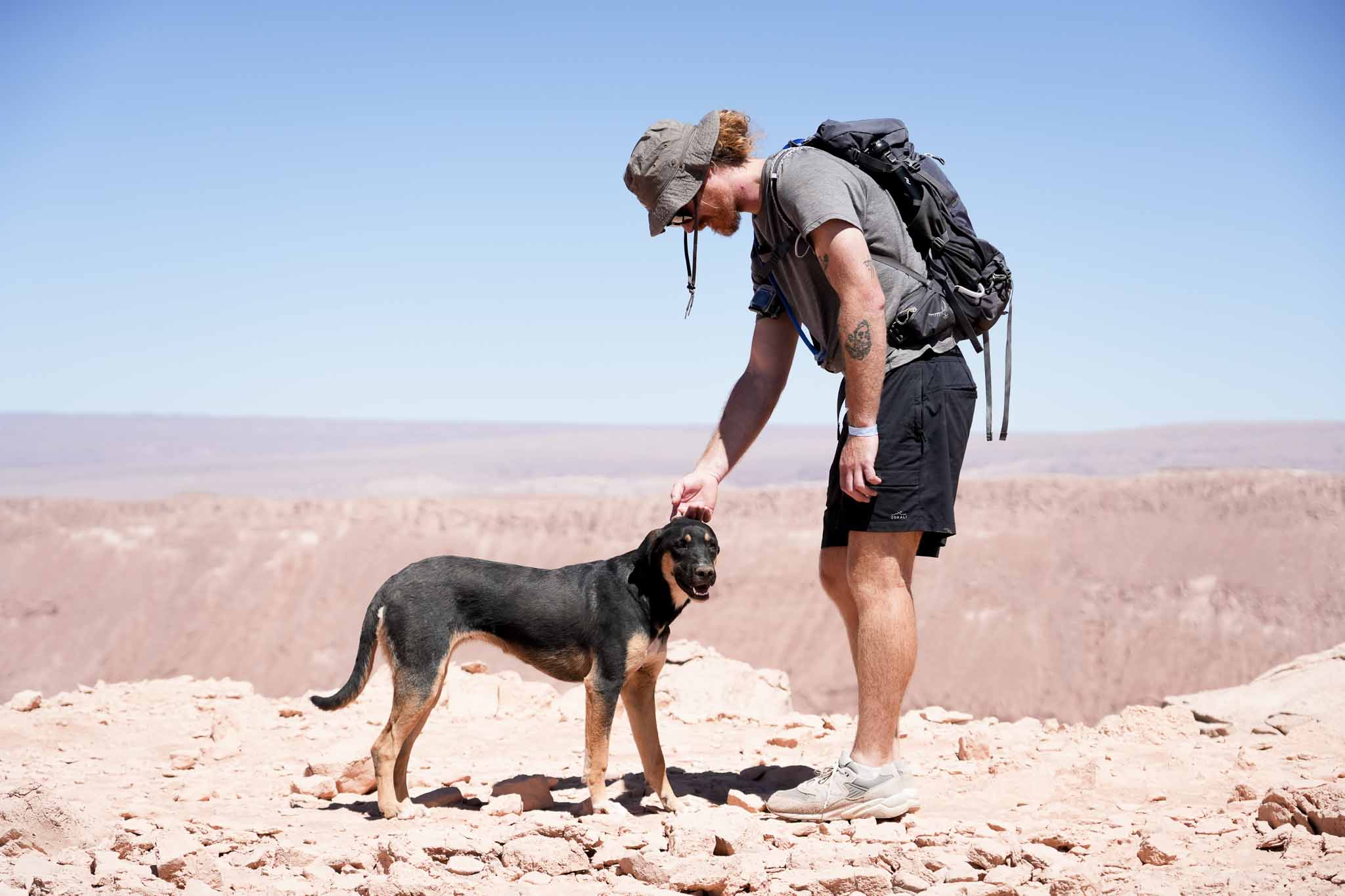
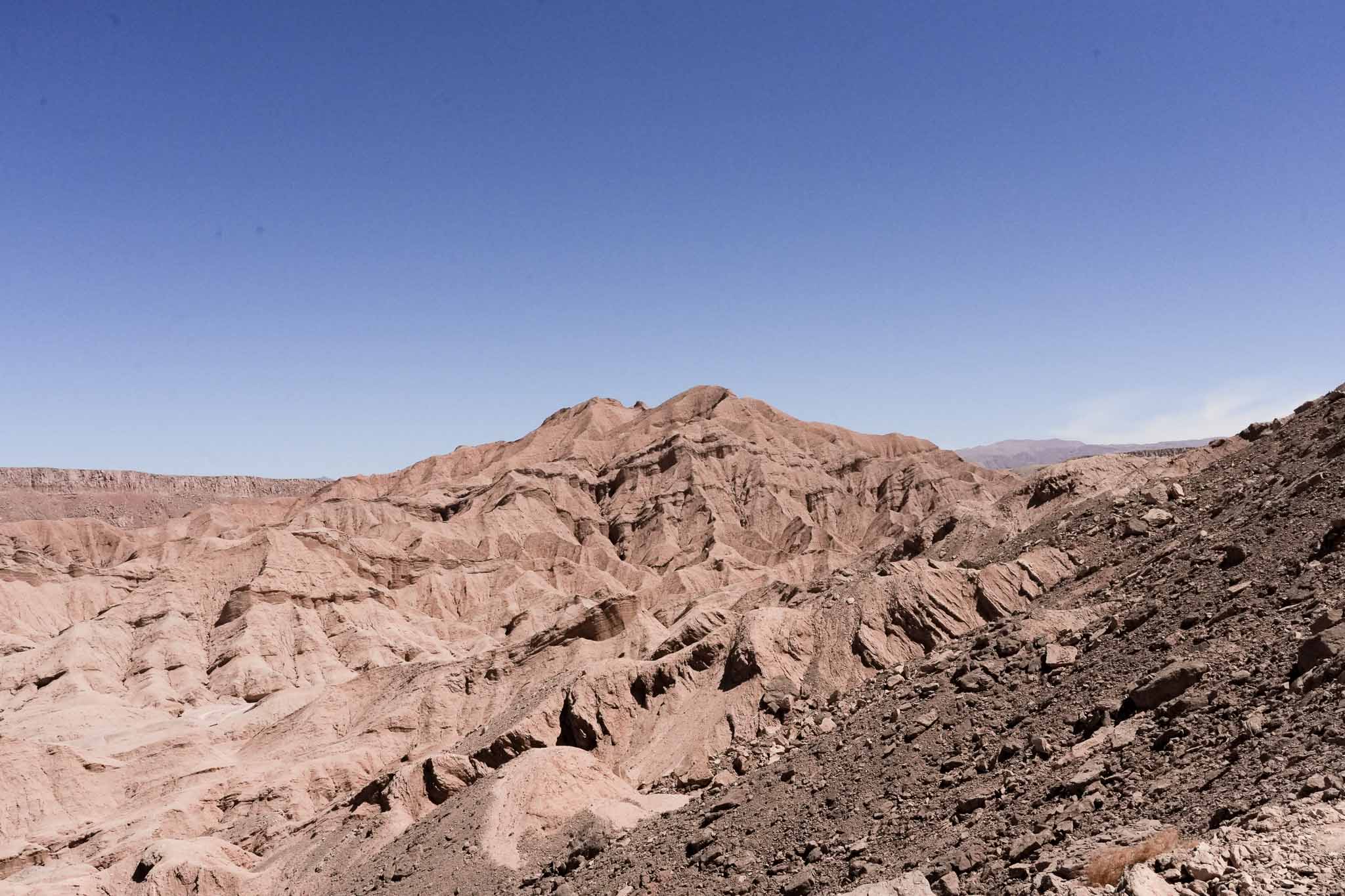
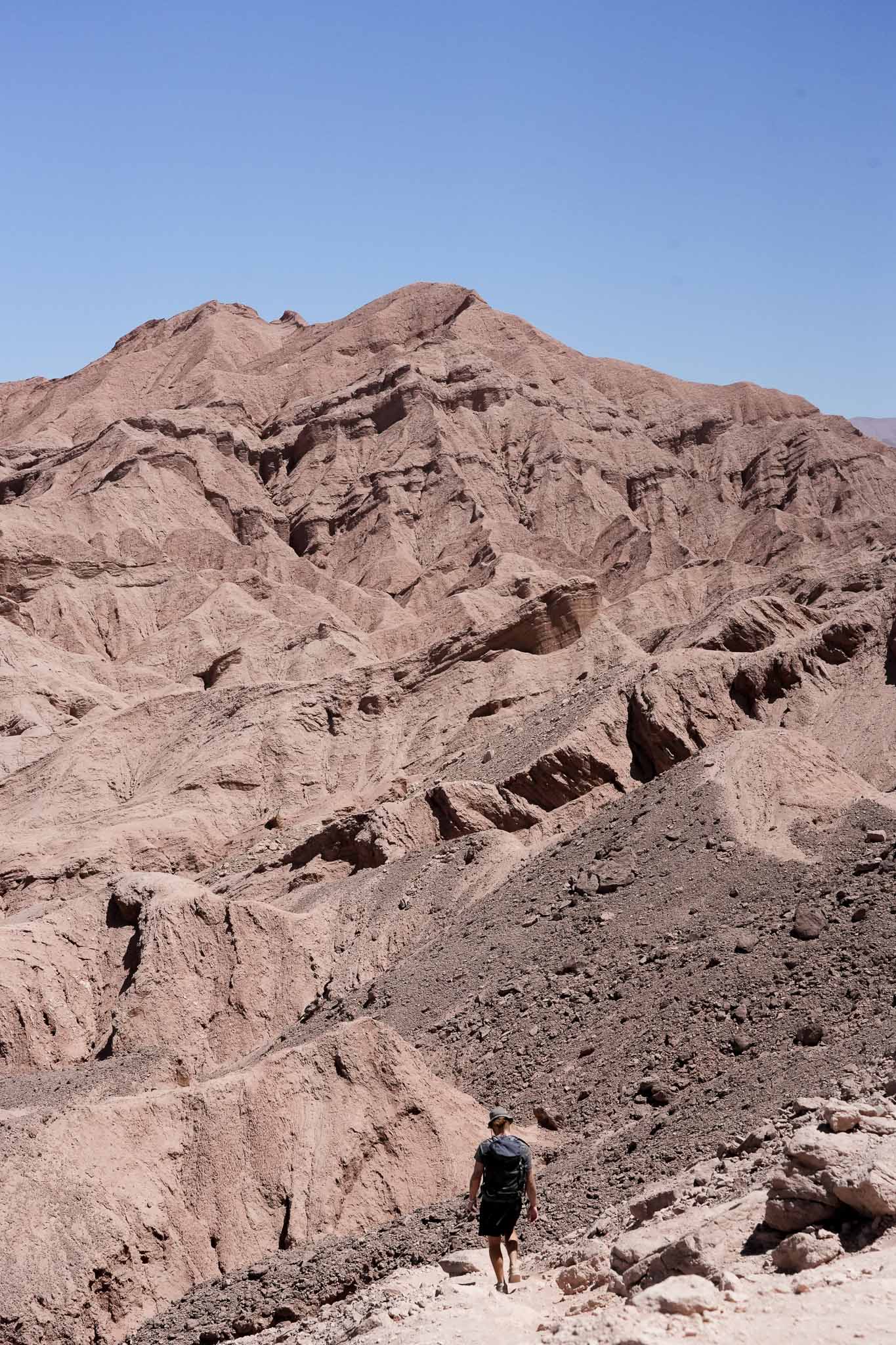
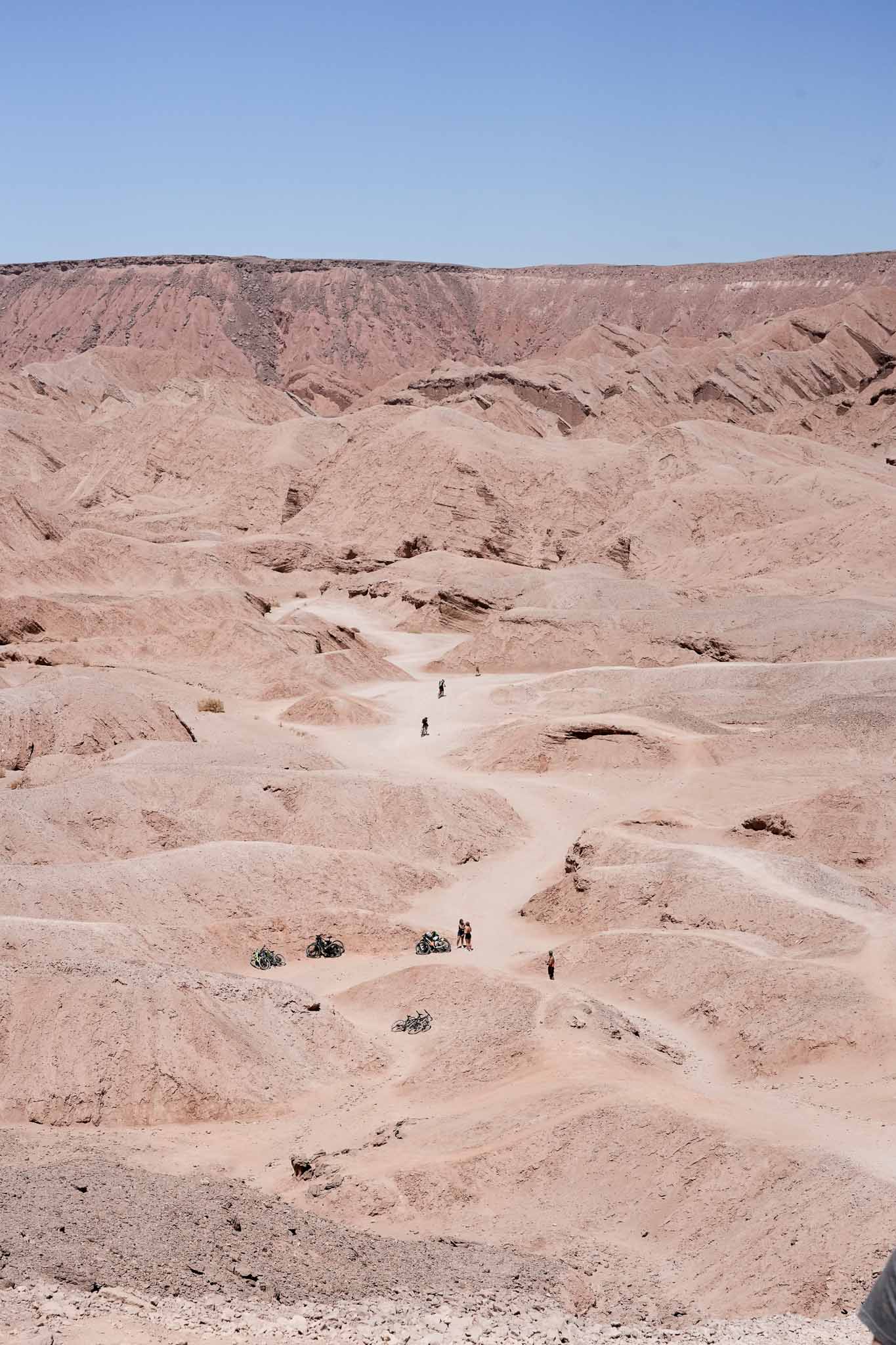
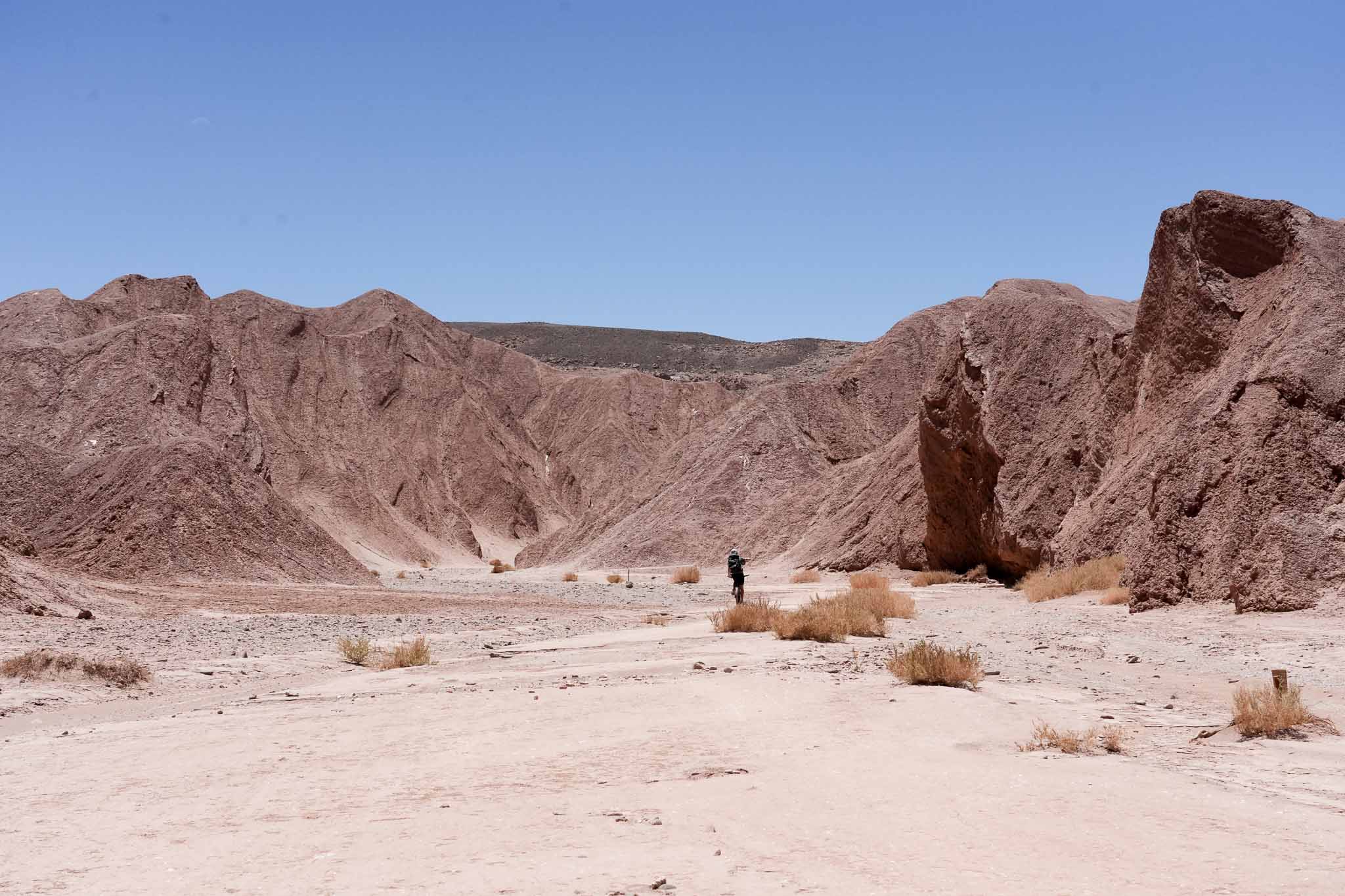
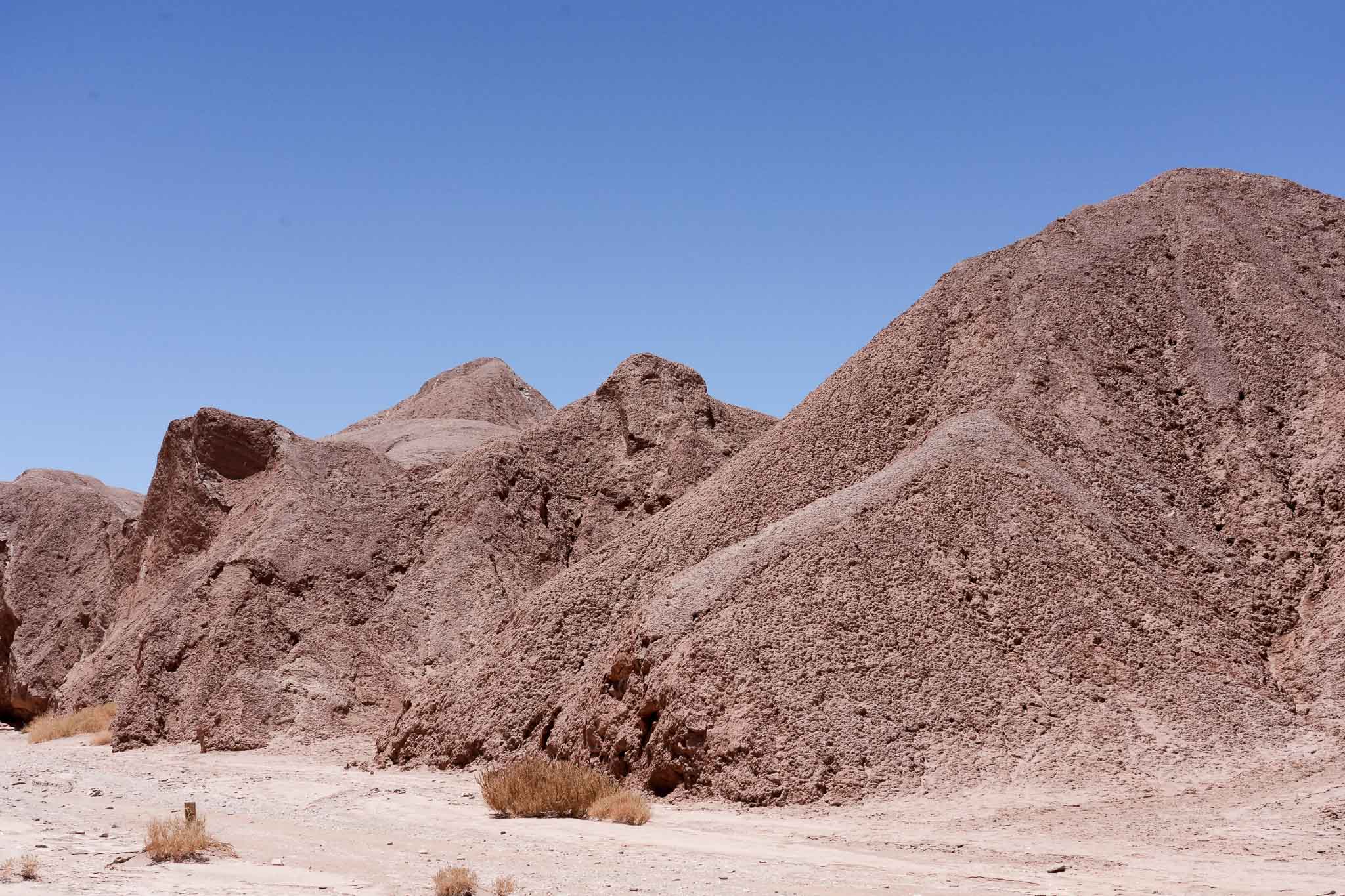
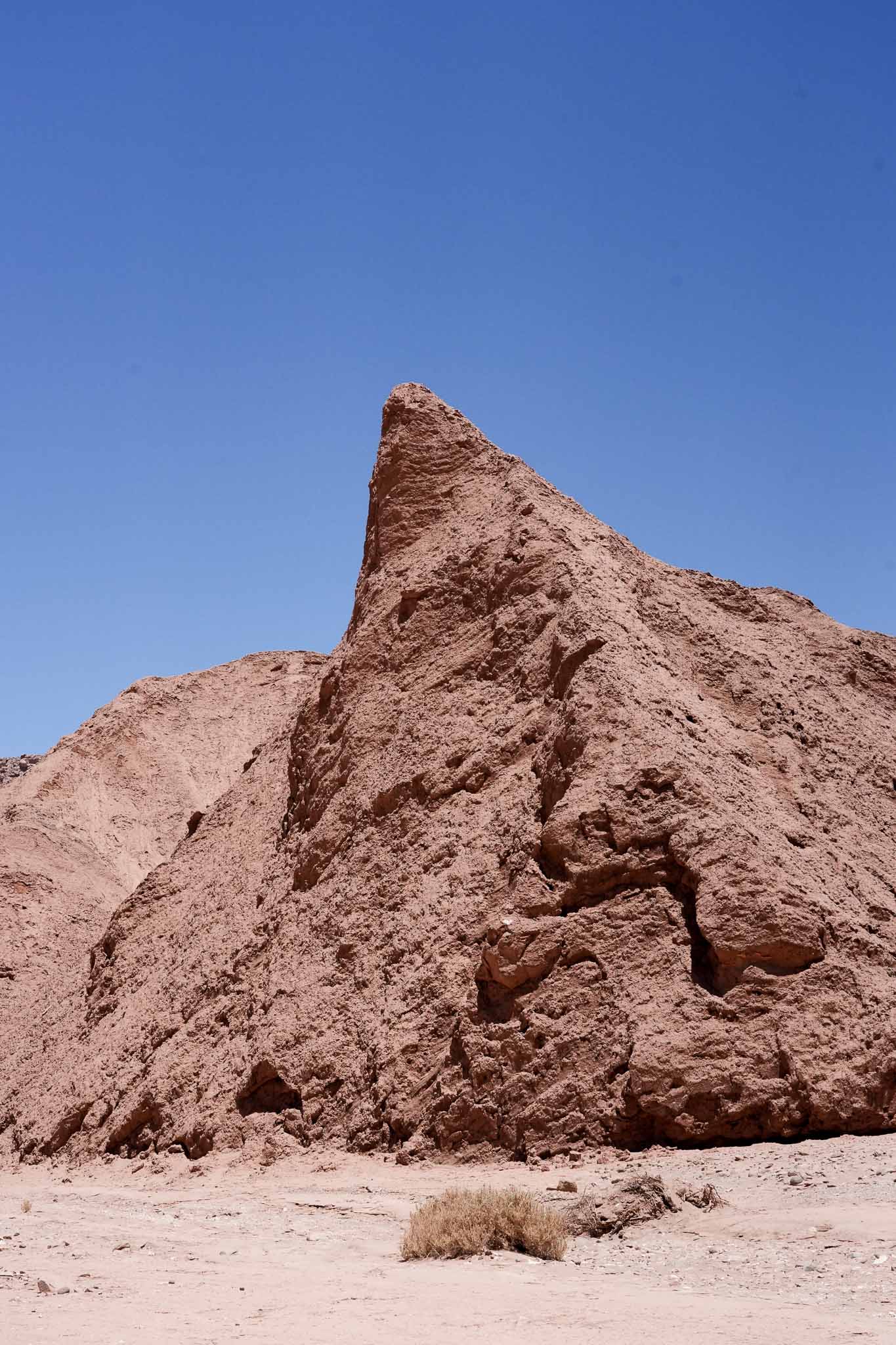
On the morning of our second day in San Pedro, we hired bikes and rode out to Garganta del Diablo (Devil’s Throat). I had way too much fun riding through tight, flowing single track inside towering stone canyons, trying to do wheelies and showing off in front of Rachael. We parked the bikes and walked up a big hill to an incredible lookout over the desert at volcanos, craters and strange rock formations. There were a few desert dogs sheltering in the shade of a rock at the top of the hill for some reason which we befriended and we took some photos using Rachael’s tripod which I was beyond relieved to finally be using after carrying it around for the last three months.
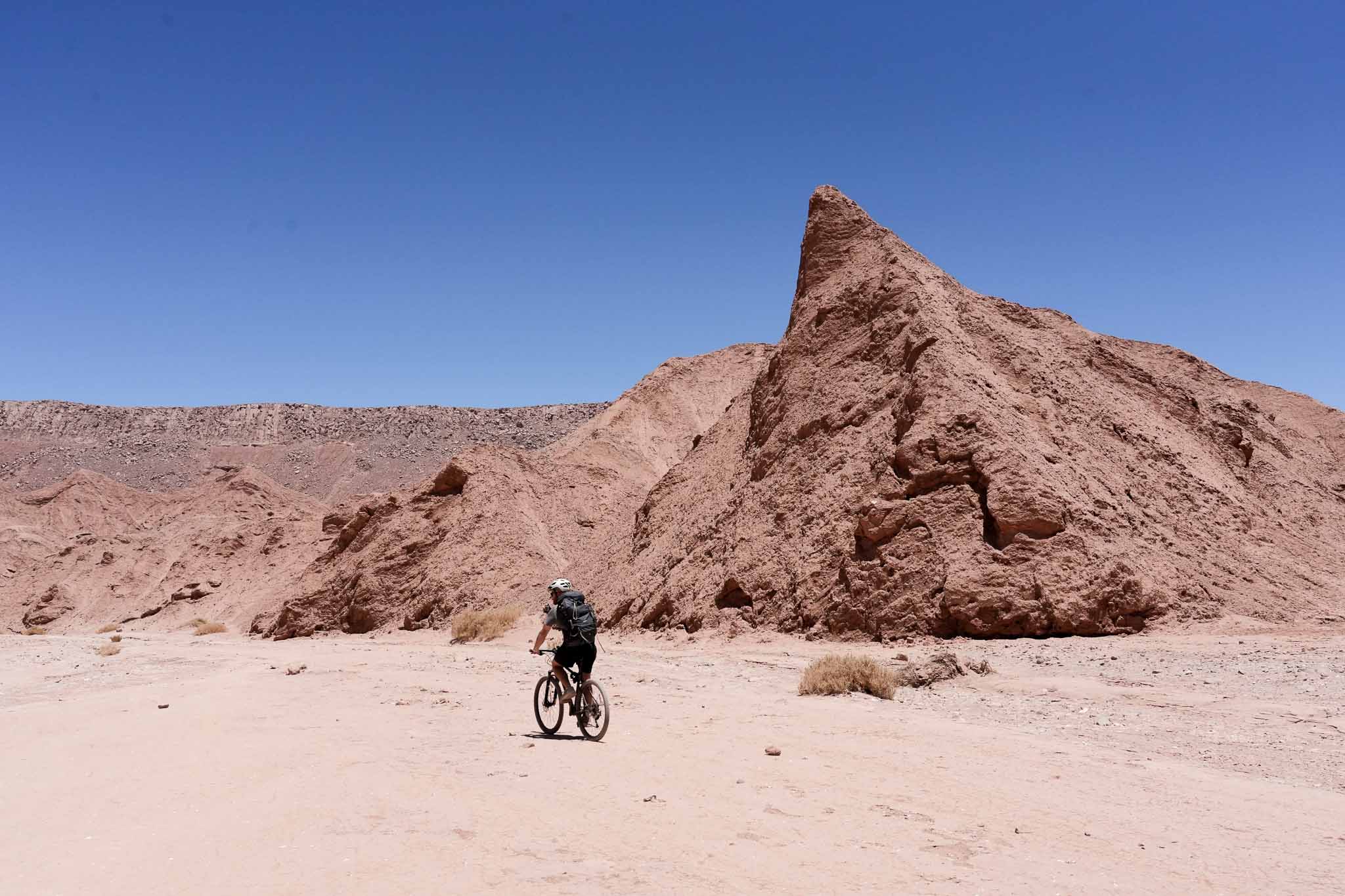
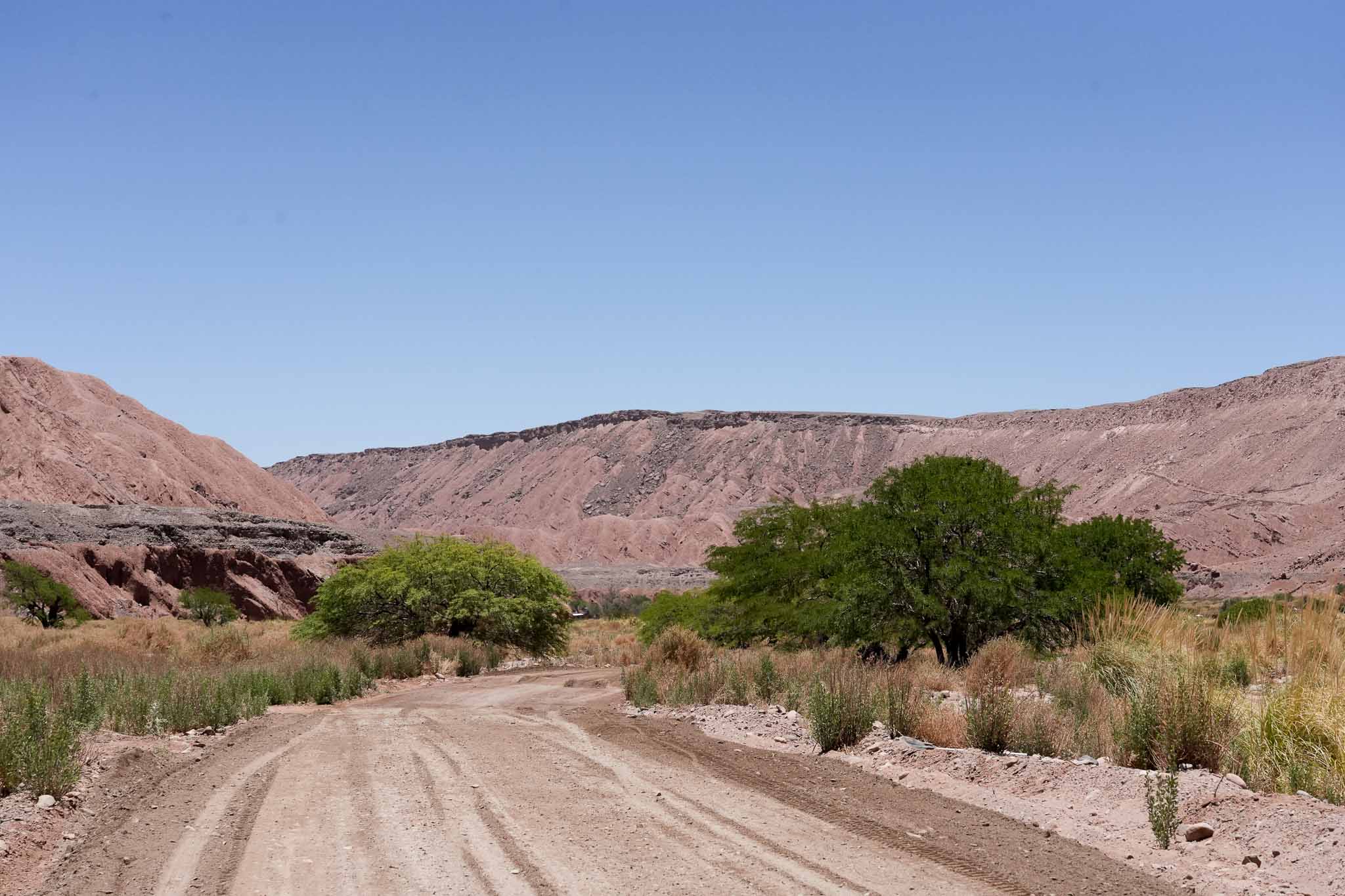
We met up once again with our Aussie friends Rachael and Sam, and hit the town for a night of beers, alpaca steaks, wine and tequila shots, and saw a really good Chilean folk band playing some enormous pan pipes, some of which would have been 1.5m long. We were all in really good spirits, I think due to finally being free from the icy chill of the south, and actually seeing some sort of culture. It was a great night, and we all agreed to get up a bit too early in the morning considering just how much fun we’d had, and ride our bikes to Valle de la Luna (Valley of the Moon).
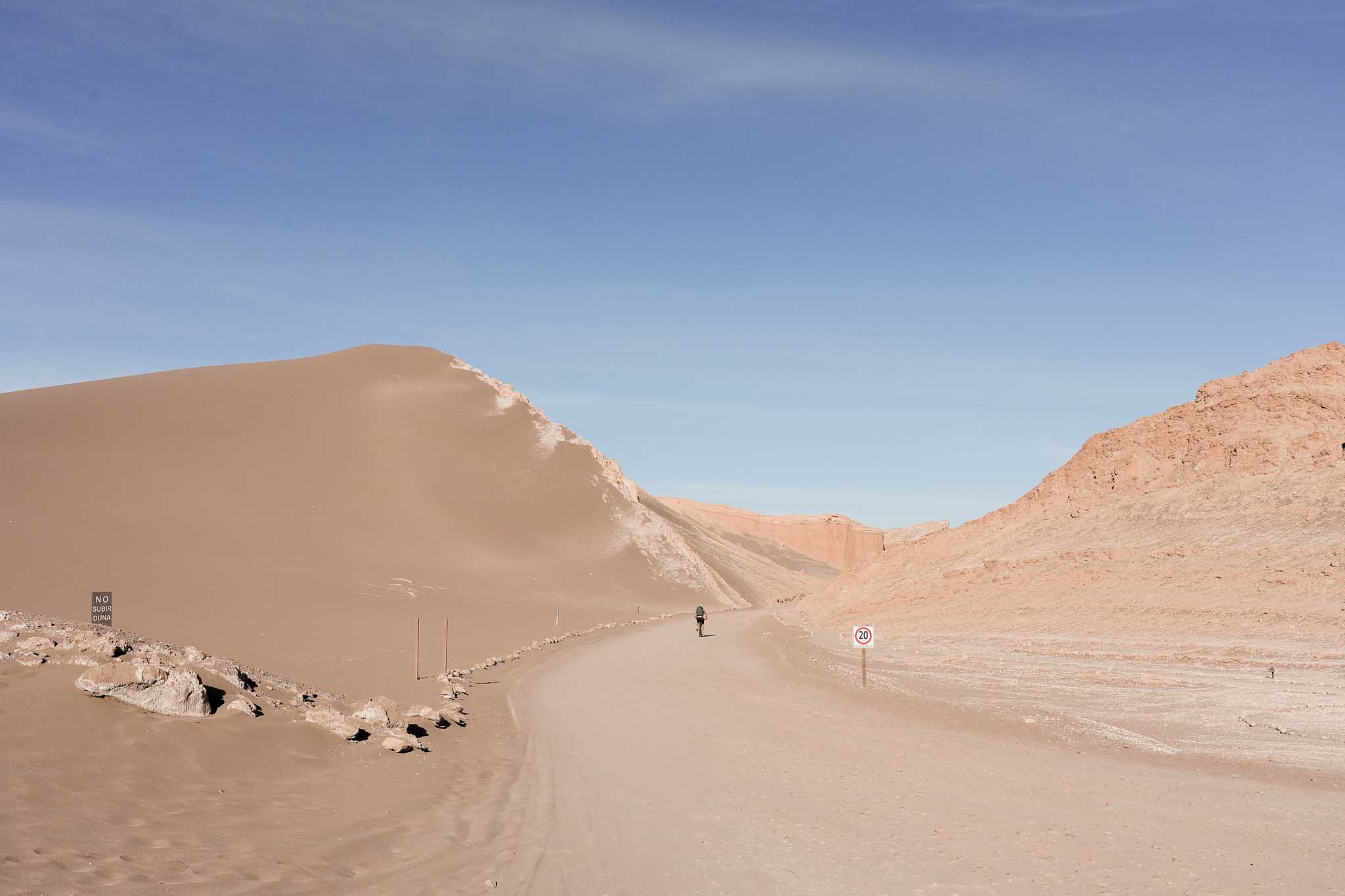
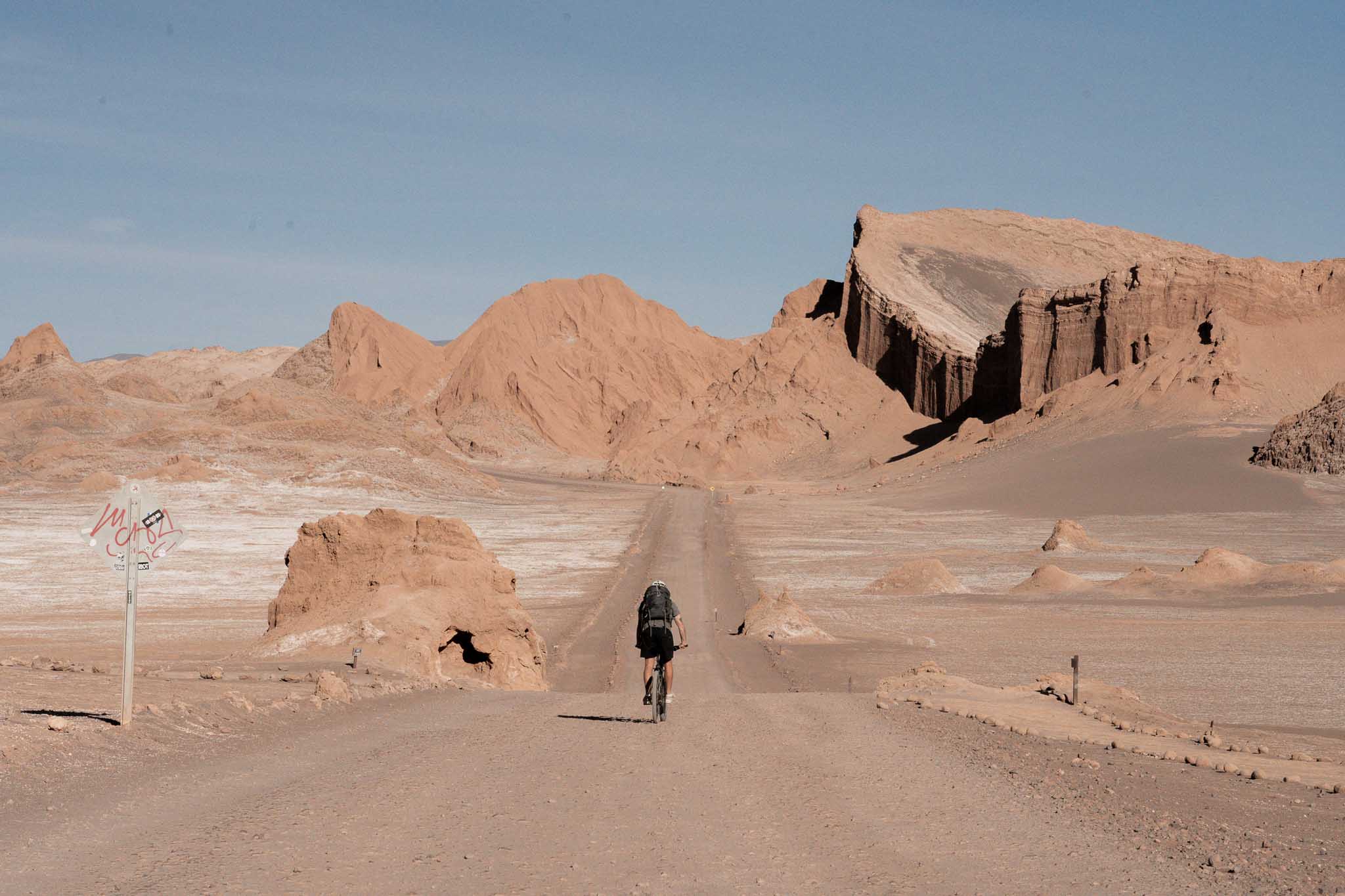
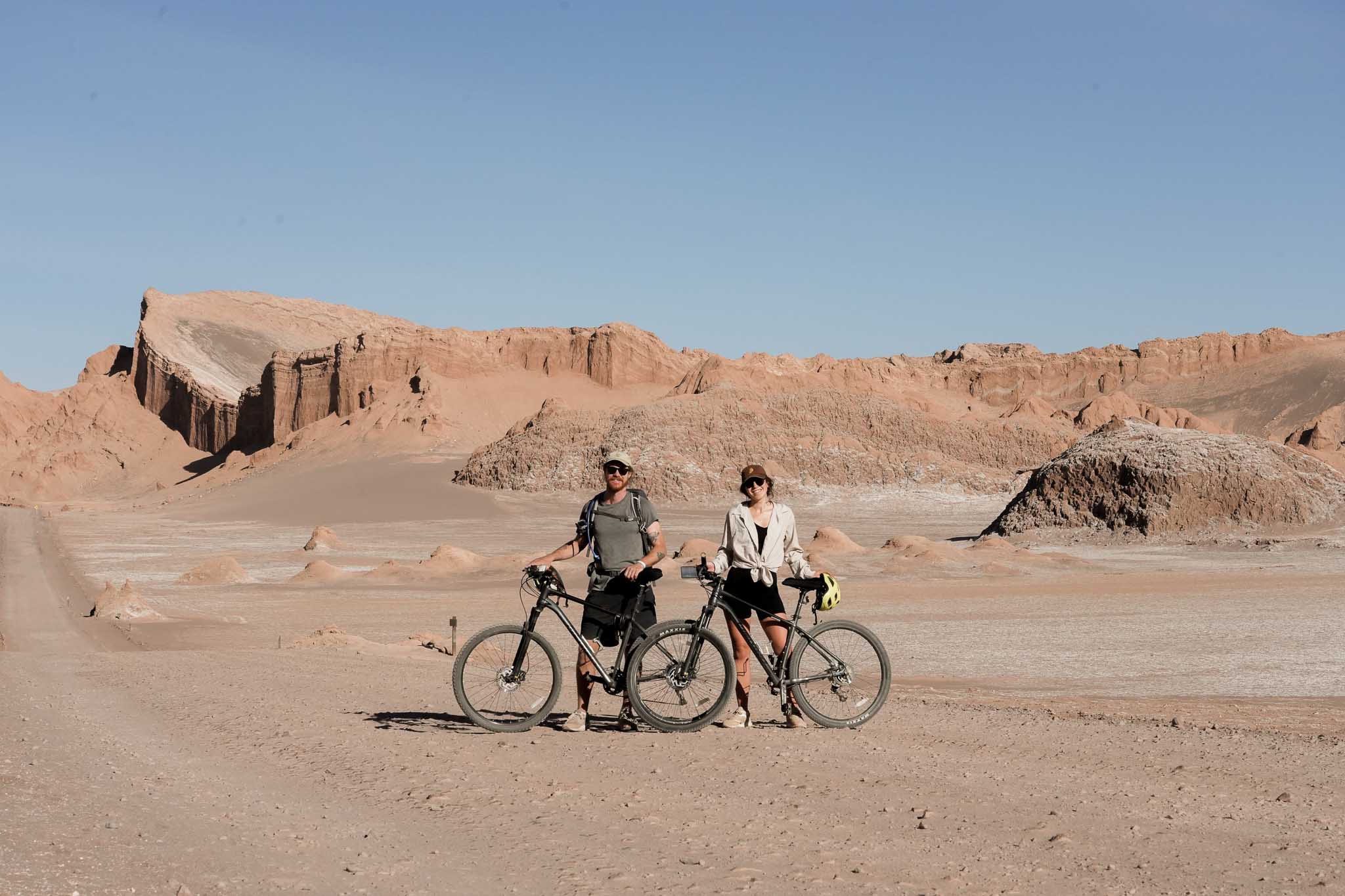
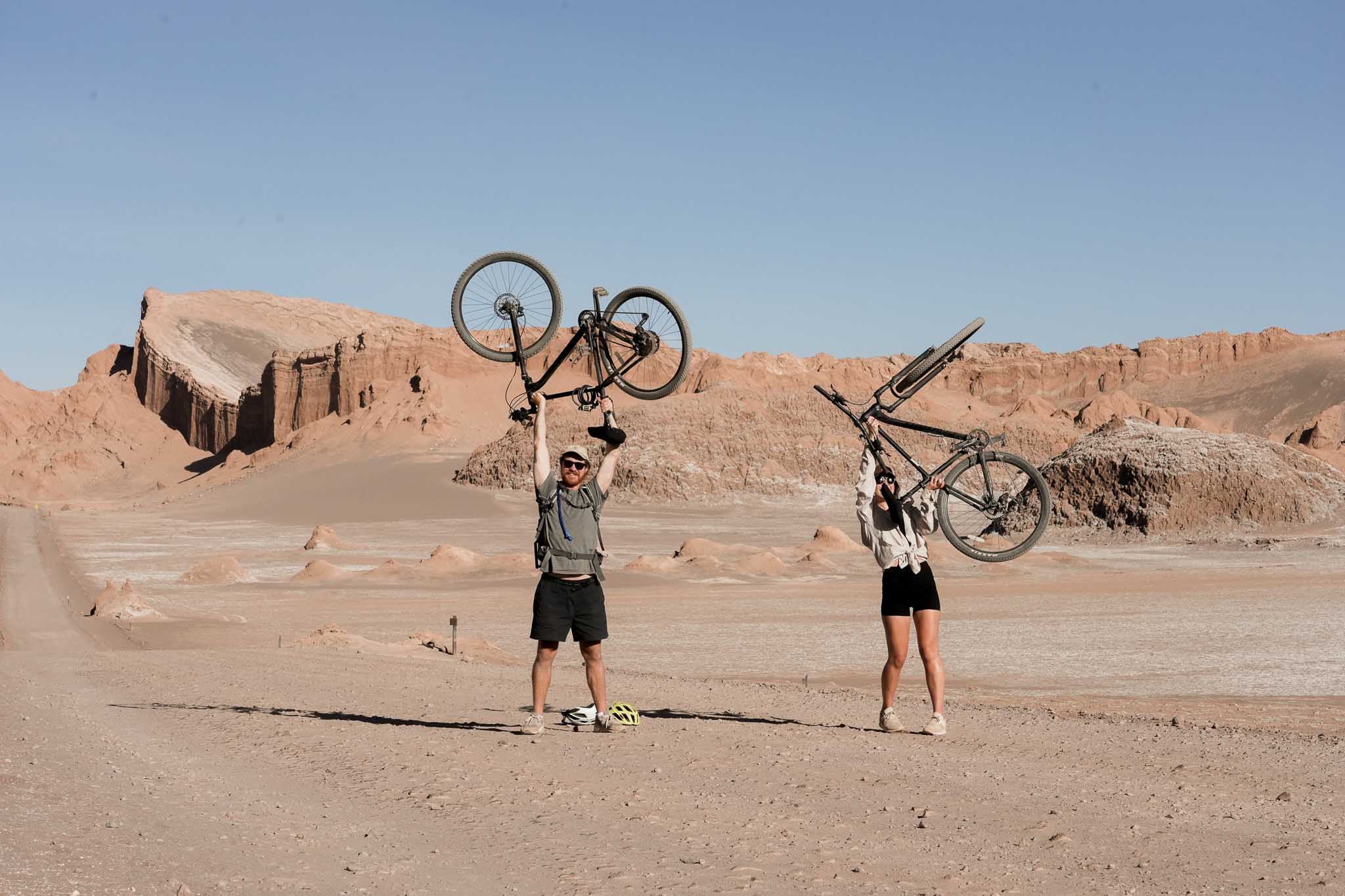
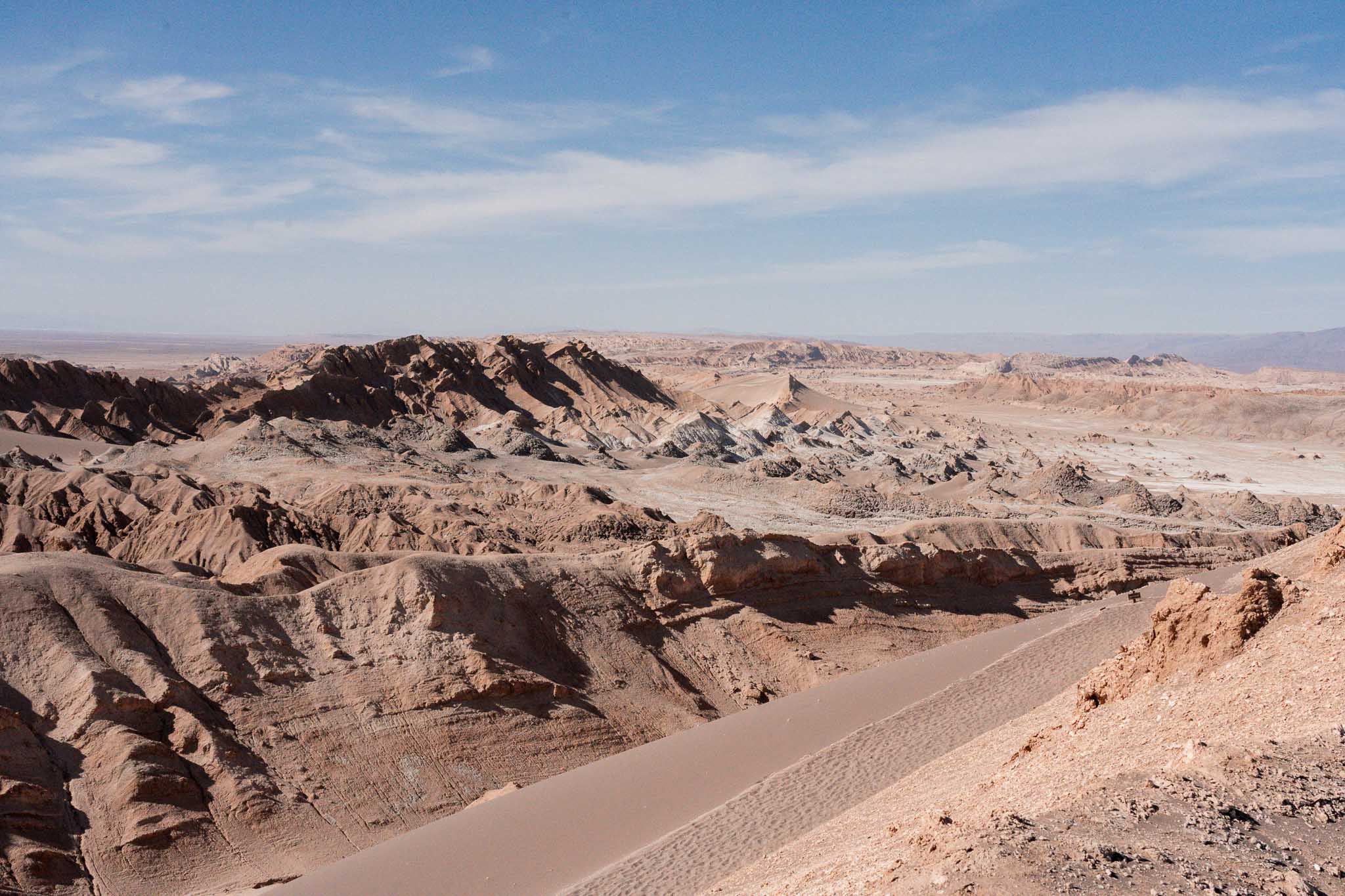
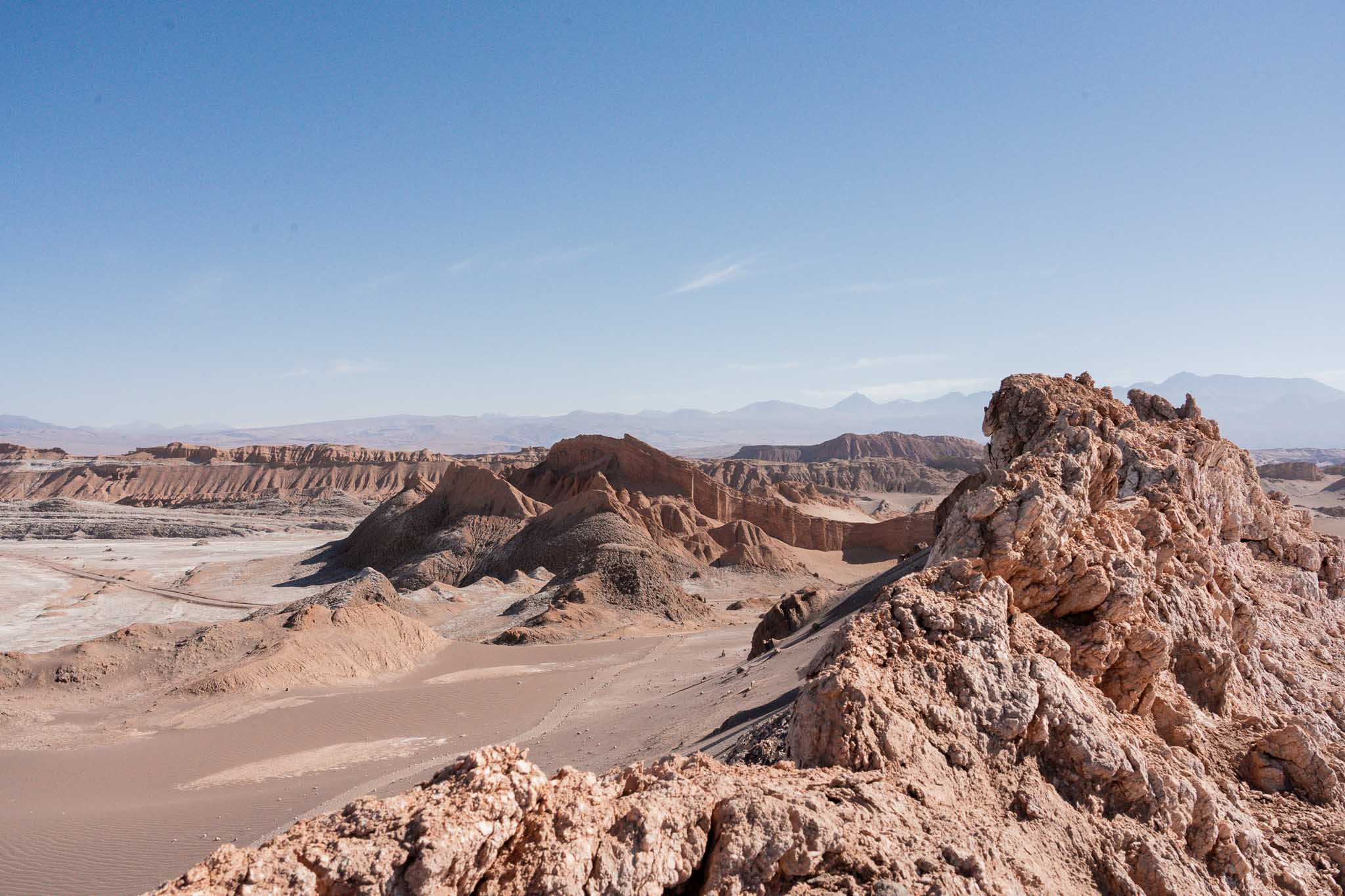
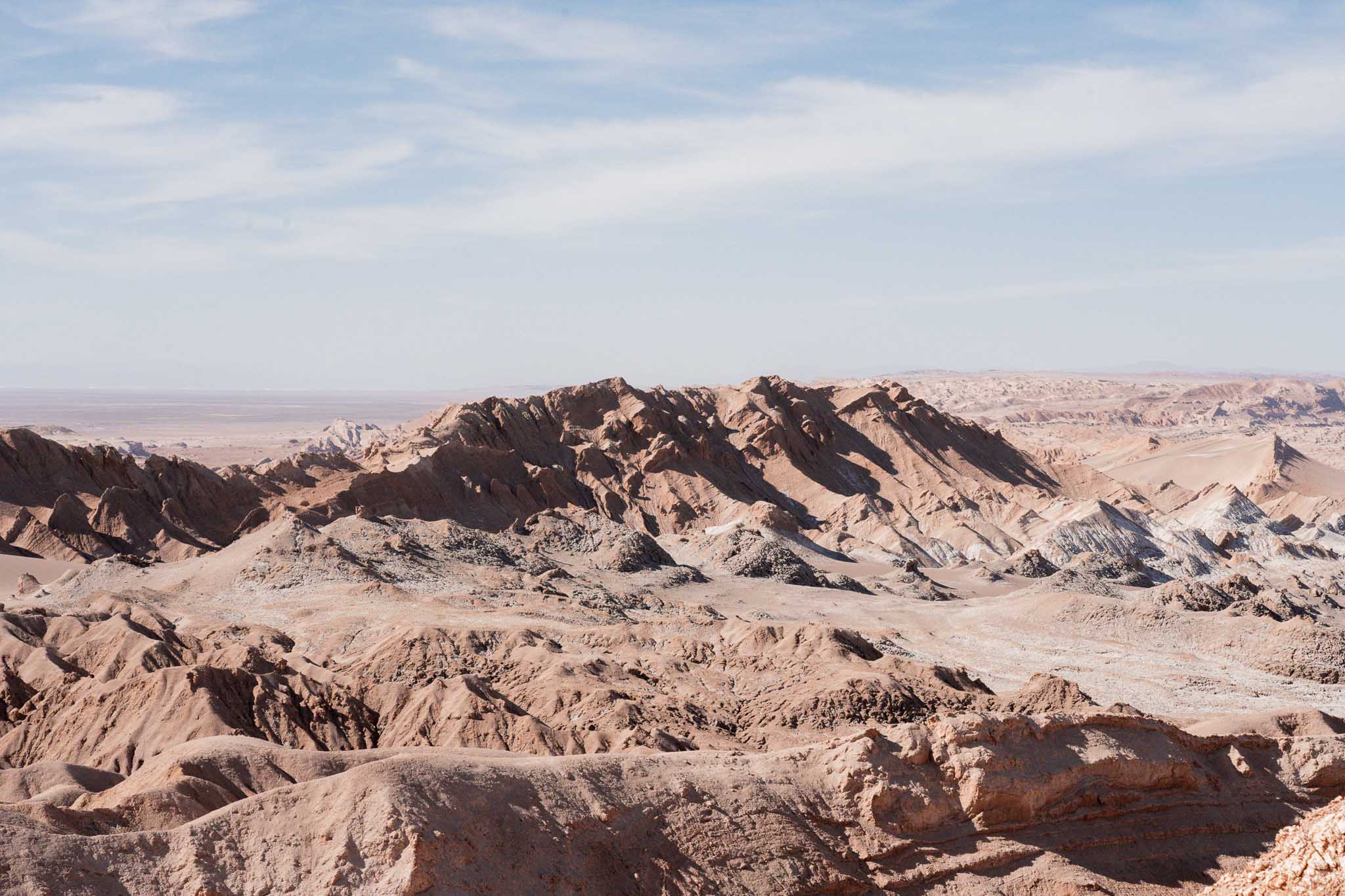
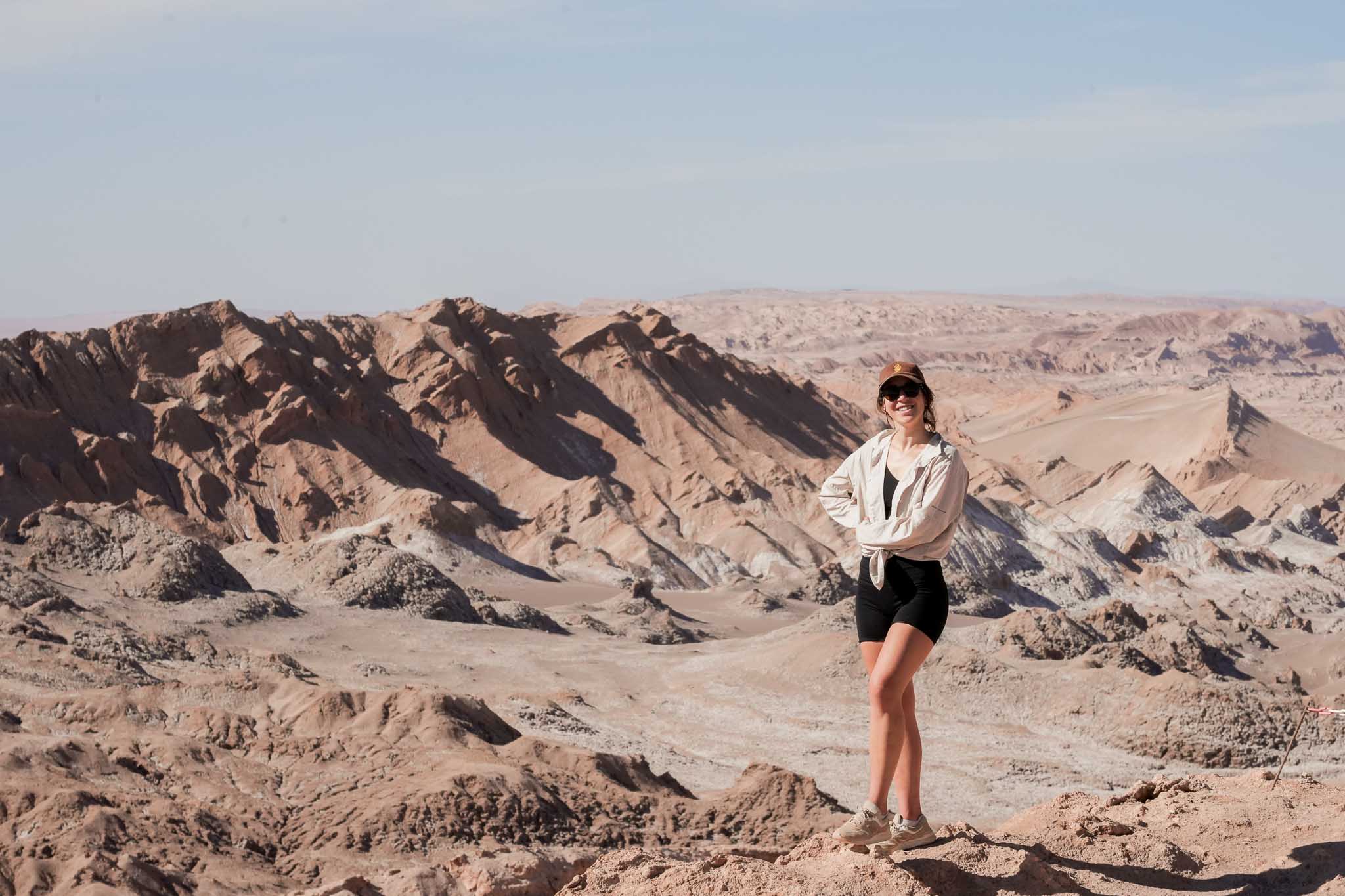
Rachael and I made the trip down to Valle de la Luna and arrived at about 7:30am shortly after I got the death wobbles on the highway and nearly ate the bitumen. The bloke at the gate told us that the national park doesn’t open until 9am which was incredibly annoying, so instead of waiting around, we continued to roll down the highway until we found a second road leading in the same direction to that of the park entrance. We managed to sneak into the park and have the entire thing to ourselves, which was one of the most amazing experiences of my life.
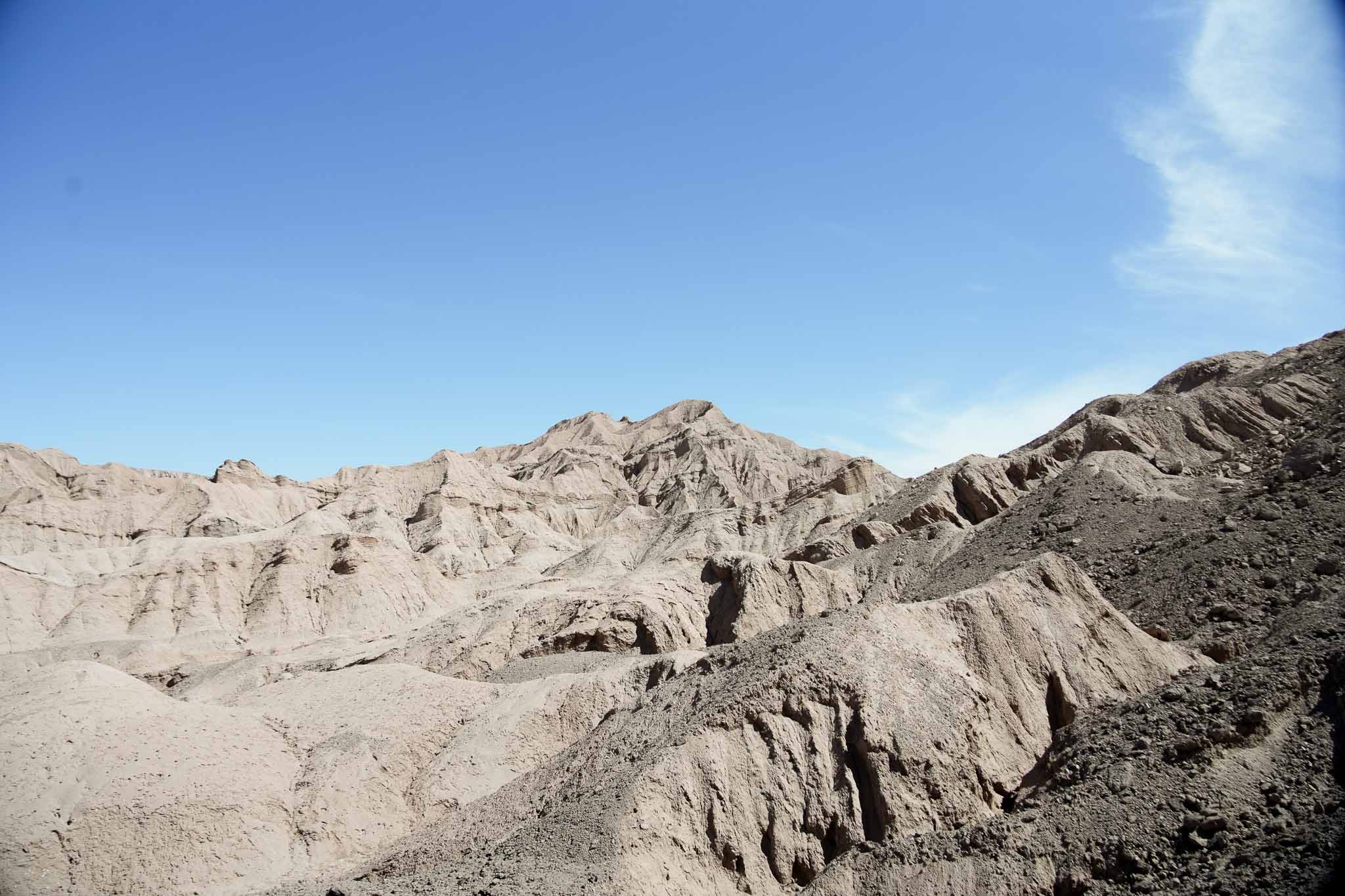
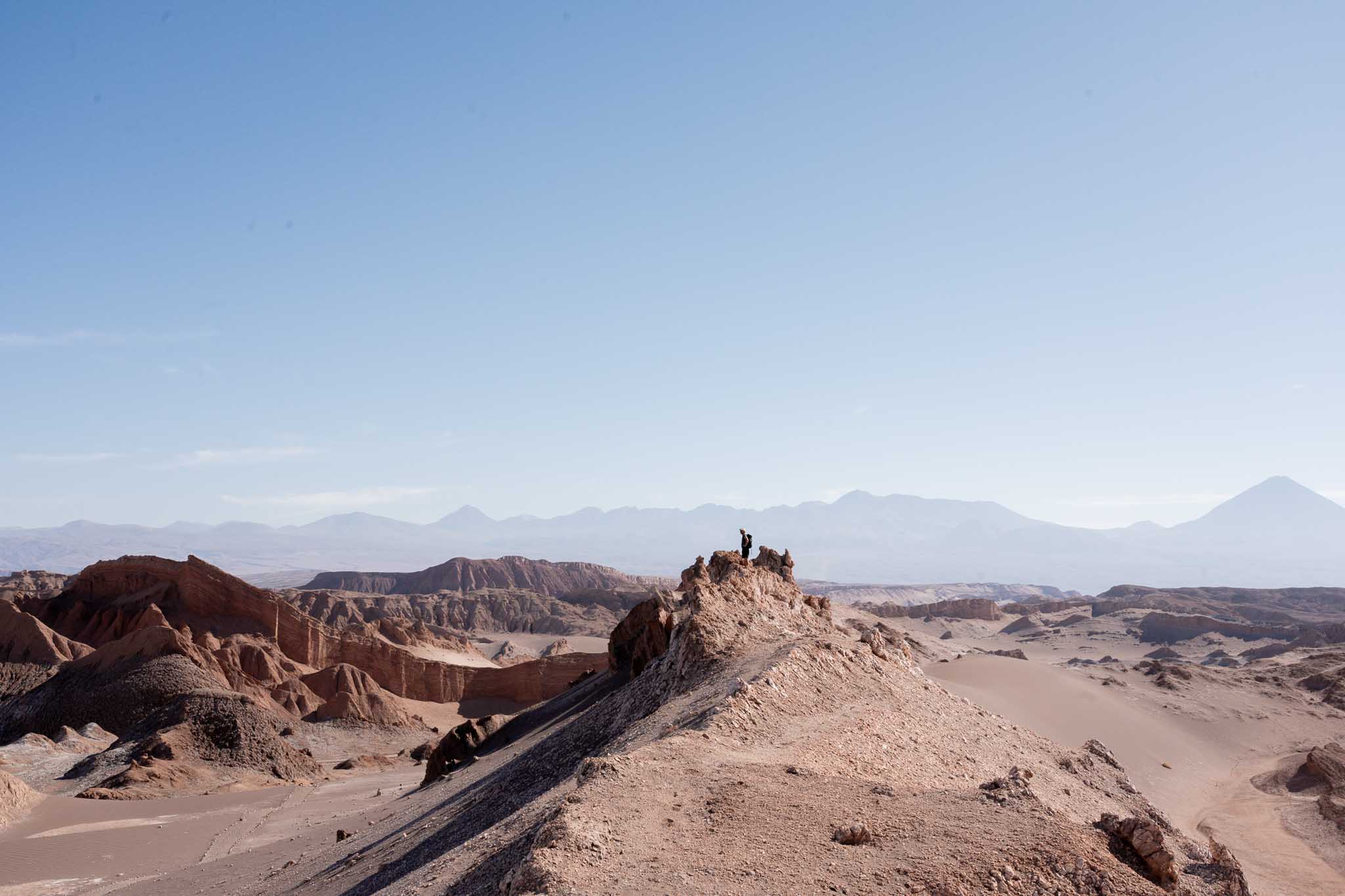
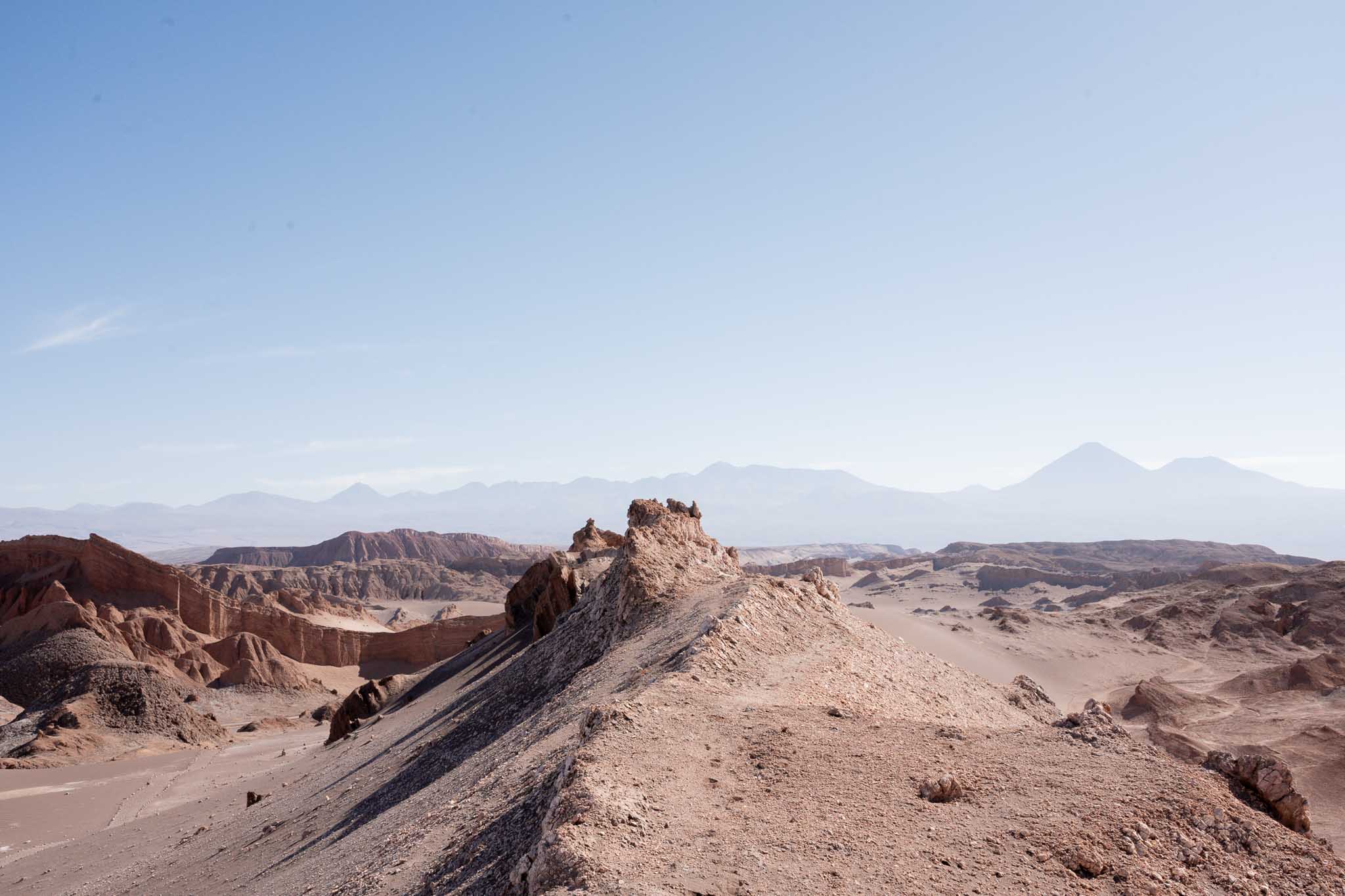
We made our way to the highest point, stopping for photos along the way, and climbed to a lookout where we got to see the most incredible landscape. This place was nuts. In all directions were the most alien, unusual rock formations as far as the eye could see, with huge orange mountains towering over dark, volcanic sand stretching all the way to the horizon. It was one of the most special things in the world to have this whole lunar landscape completely to ourselves, without another soul around. We took advantage of the empty roads on our way back to take some videos of us riding around before ducking off to our secret entrance so that we didn’t have to pay a belated entry fee. It was such an incredible morning, and these few days in the desert have definitely been my favourite of the entire trip so far.
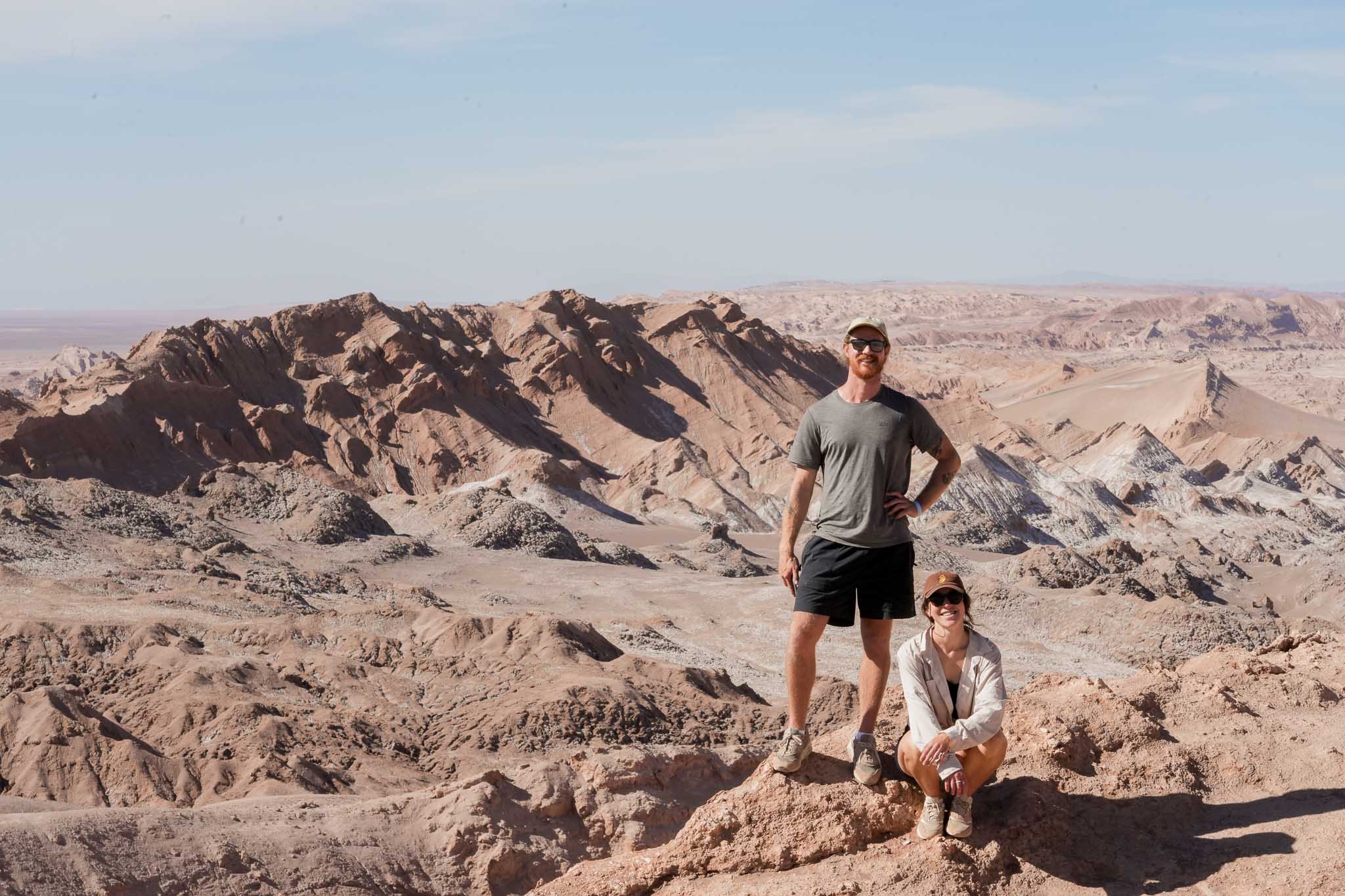
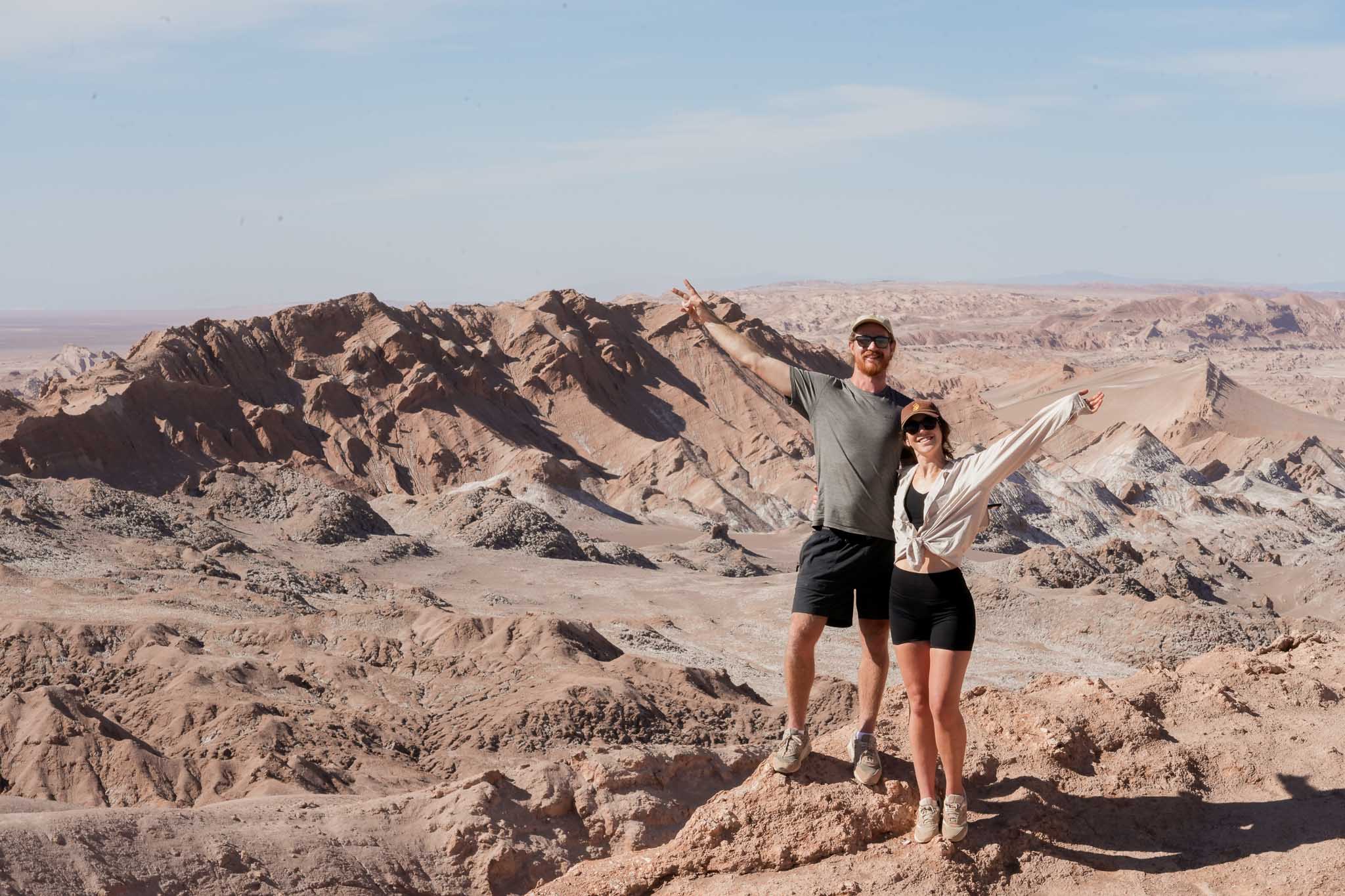
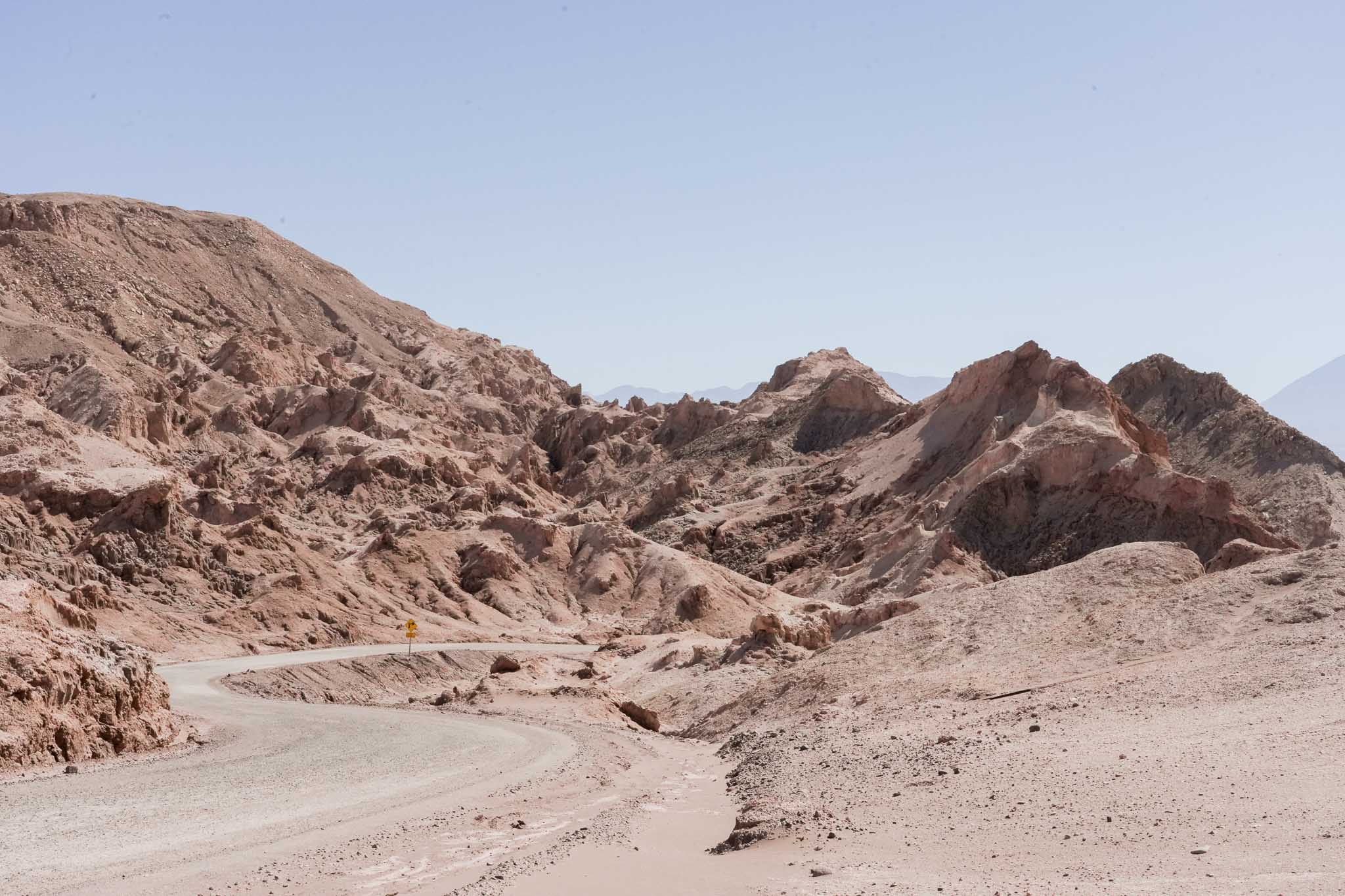
Below is a video Rachael stitched together of us zooming around the desert on our bikes. I wanted to add a song to the video but I don’t understand how the copyright stuff works so if you watch it, either play your favourite desert song at the same time or hum something deserty. My choice was ‘Anemone’ by The Brian Jonestown Massacre, but some Led Zeppelin would also probably work a treat, go for ‘When The Levee Breaks’.
We went out to a little pizza restaurant in town and enjoyed our last night in Chile together, reminiscing on all the fun we’d had in a country that we both had so little expectations for. It definitely felt by this point that we were finally seeing the ‘South America-ness’ of South America, with more music and more magic in the air, and it was great to tick off another place on the continent I was so eager to visit.
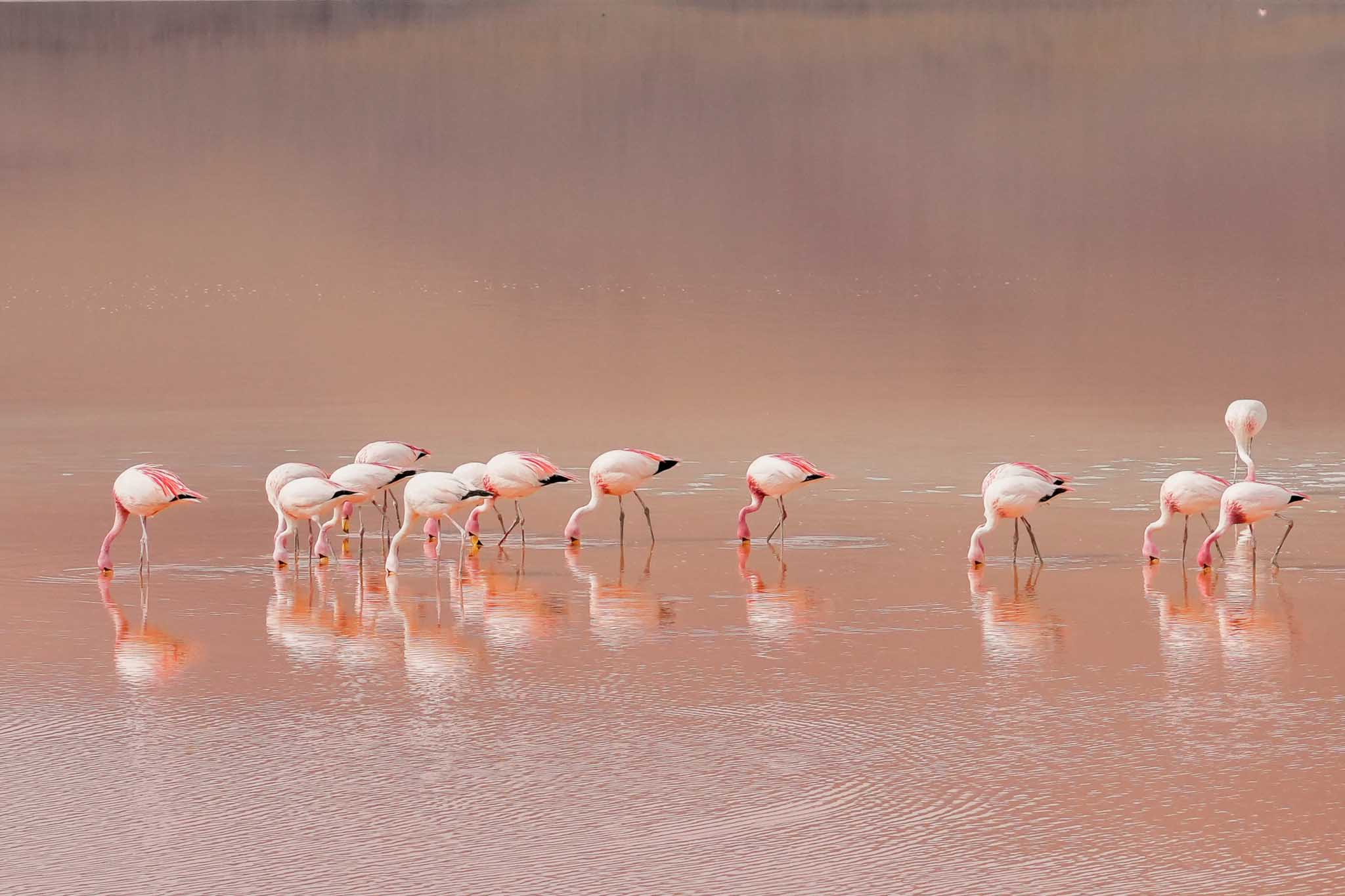
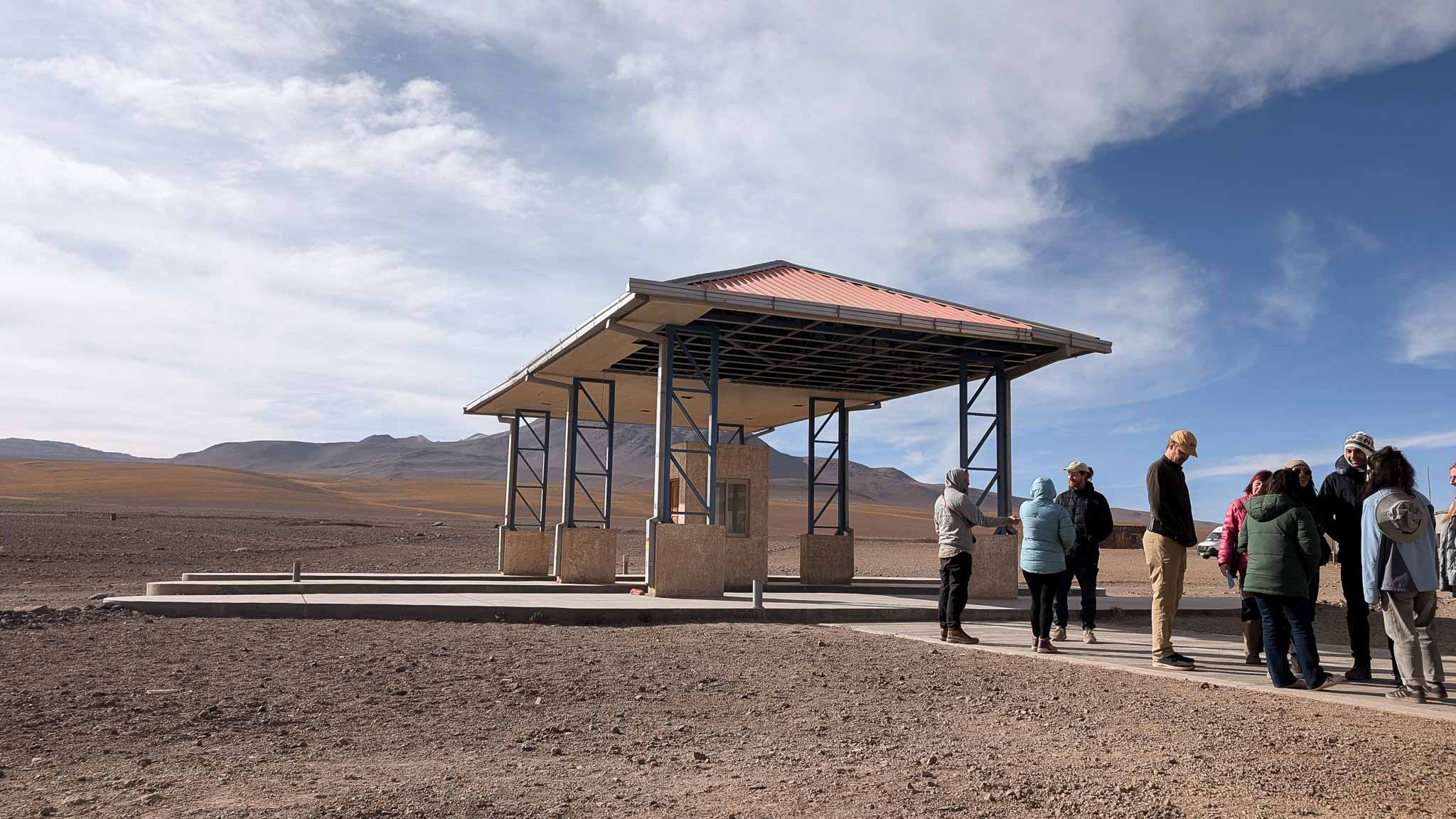
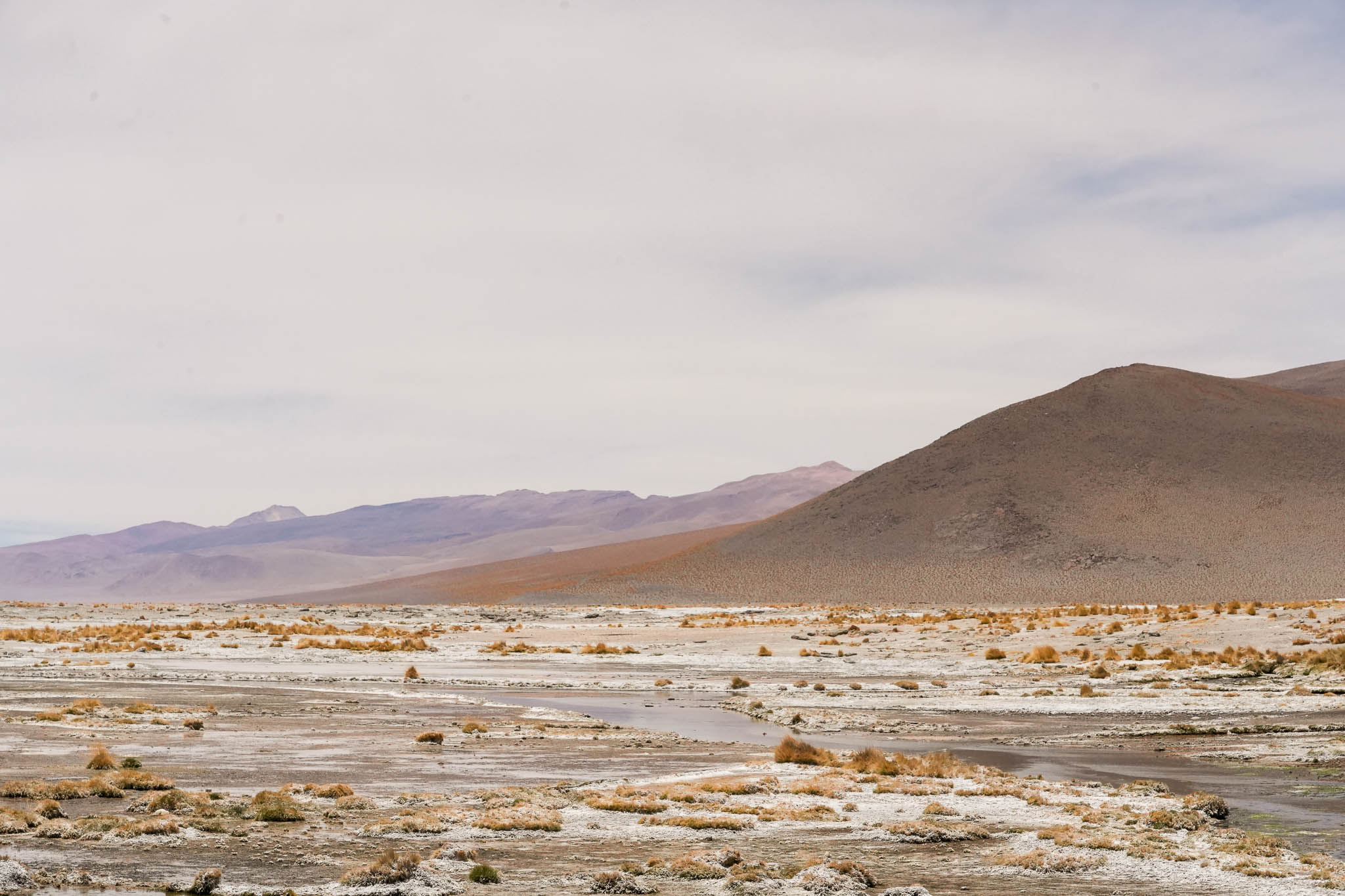
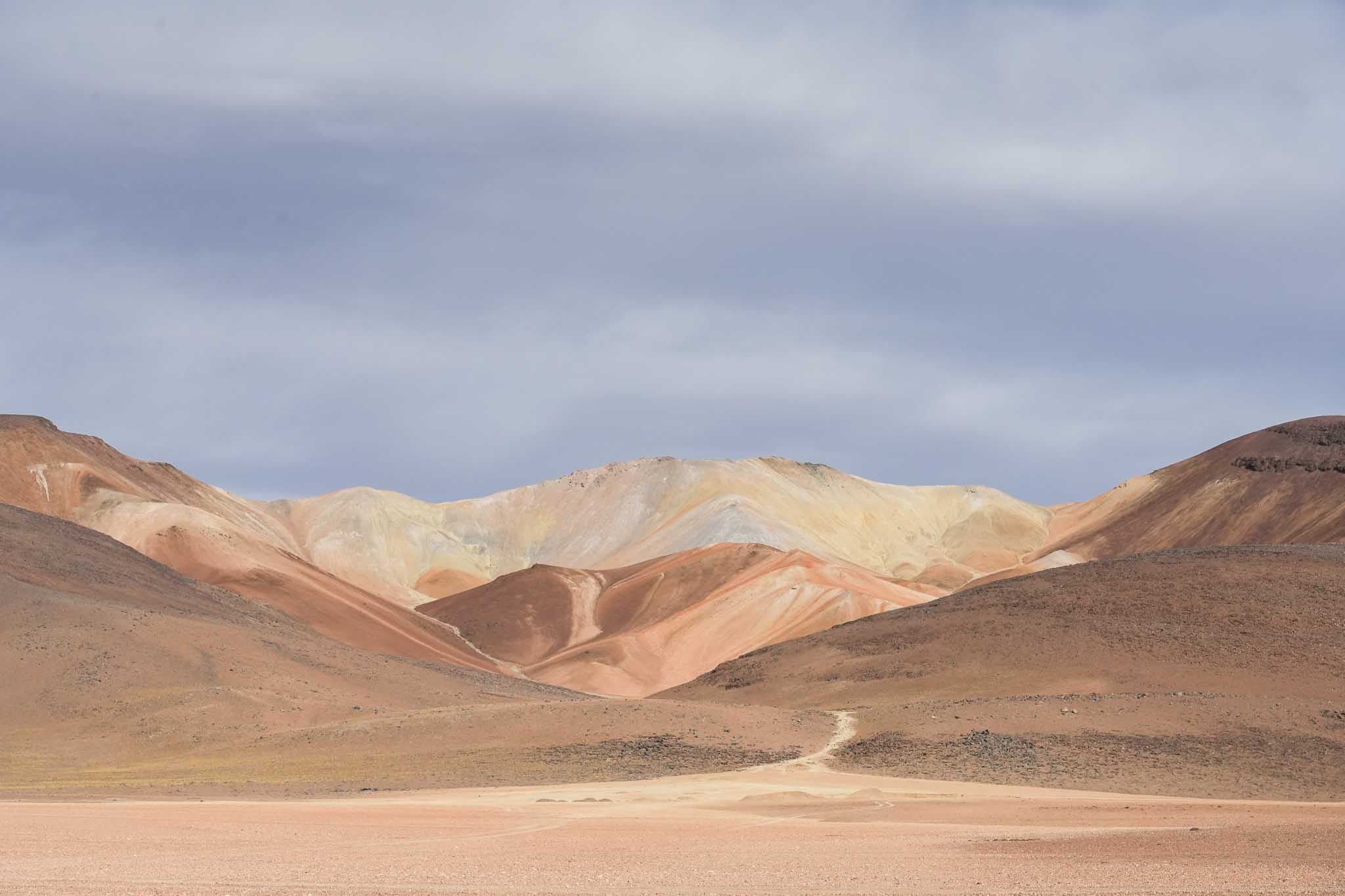
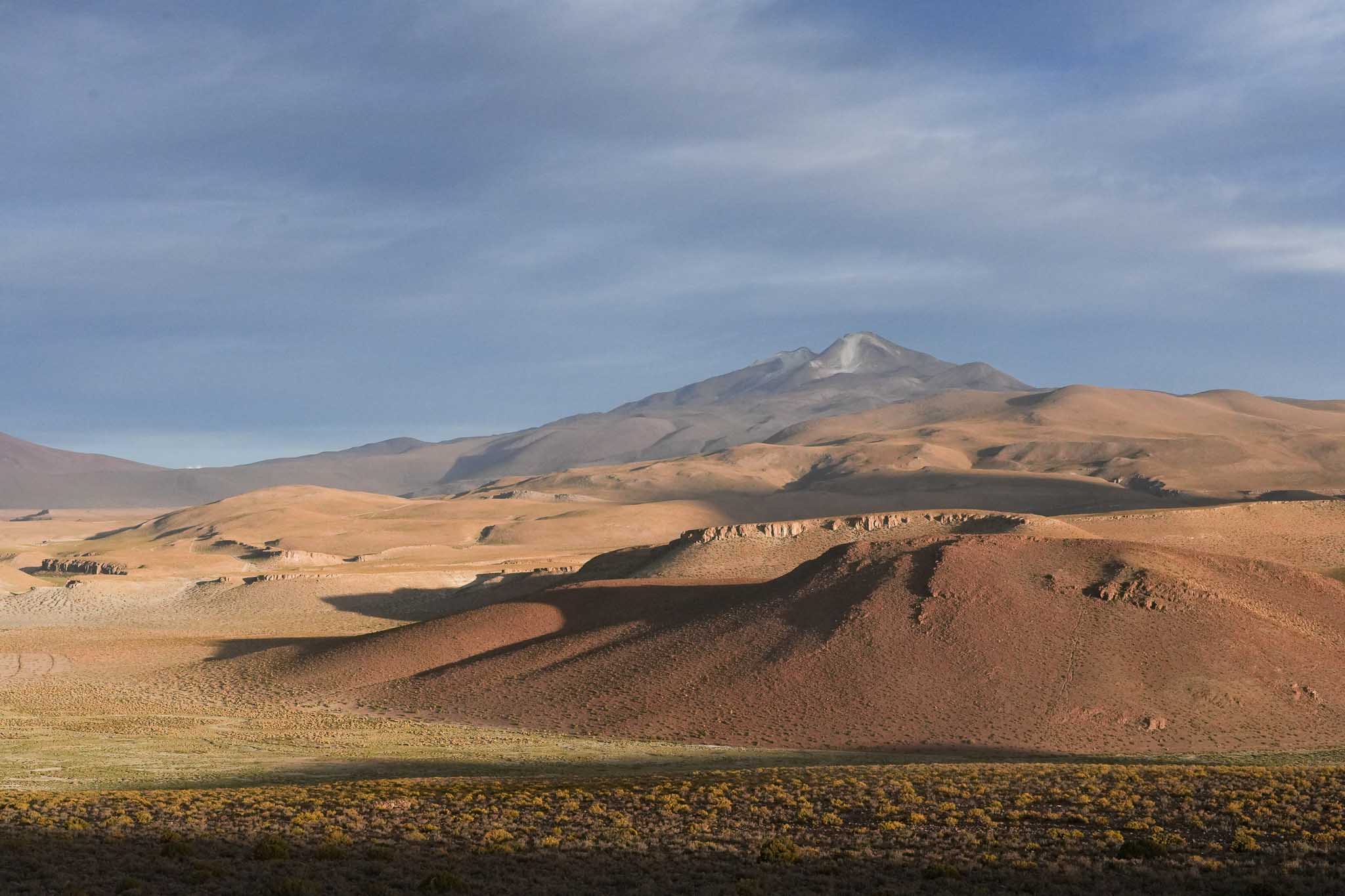
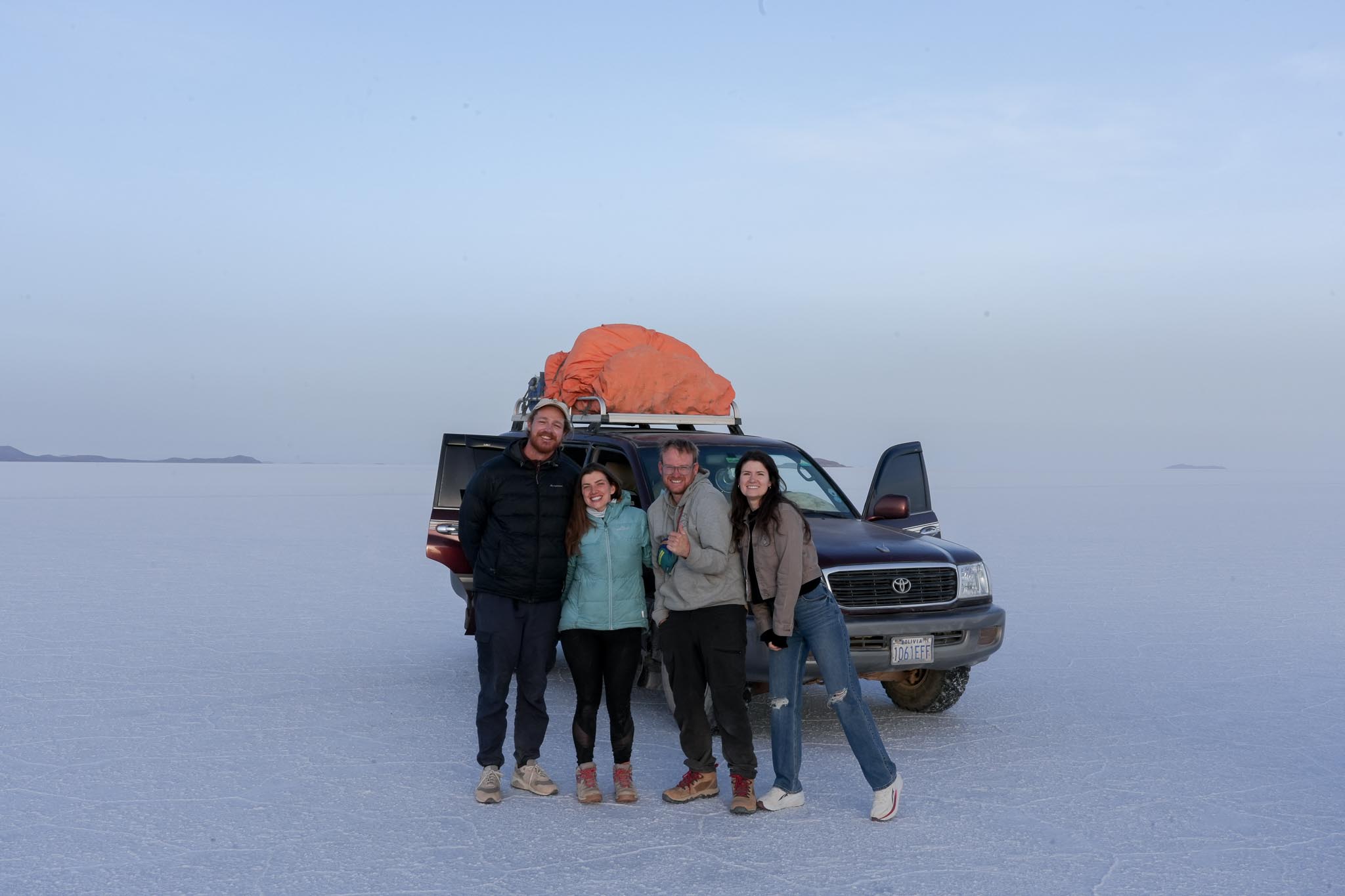
We arose early again the next morning to be picked up by a van to take us up to 4,550m metres above sea level at the Bolivian border. While waiting around in the cold with lots and lots of other gringos, we got to know the other travelers who would be accompanying us in the Landcruiser on our 3 night tour from Atacama to Uyuni in Bolivia. Rachael and I were joined by our friends Rachael and Sam, as well as a lovely Swedish/American girl called Ana and a cool Norwegian guy called Andreas, and we all got on really well, which was great considering the amount of time we were about to spend being cramped in close quarters with each other. After making it through immigration, we met our Bolivian driver, Etson, who spoke zero English, so we all took it in turns to try and get as much information out of him as possible about the places we were visiting along the way to Uyuni. We strapped our packs to the roof of the Landcruiser and started gunning it through the high altitude desert, among some really unique landscapes, with rolling, purple and gold hills becoming mountains and volcanoes with milky blue lakes home to huge flocks of pink andean flamingos, which are both the rarest and tallest in the world of the six species of flamingos.
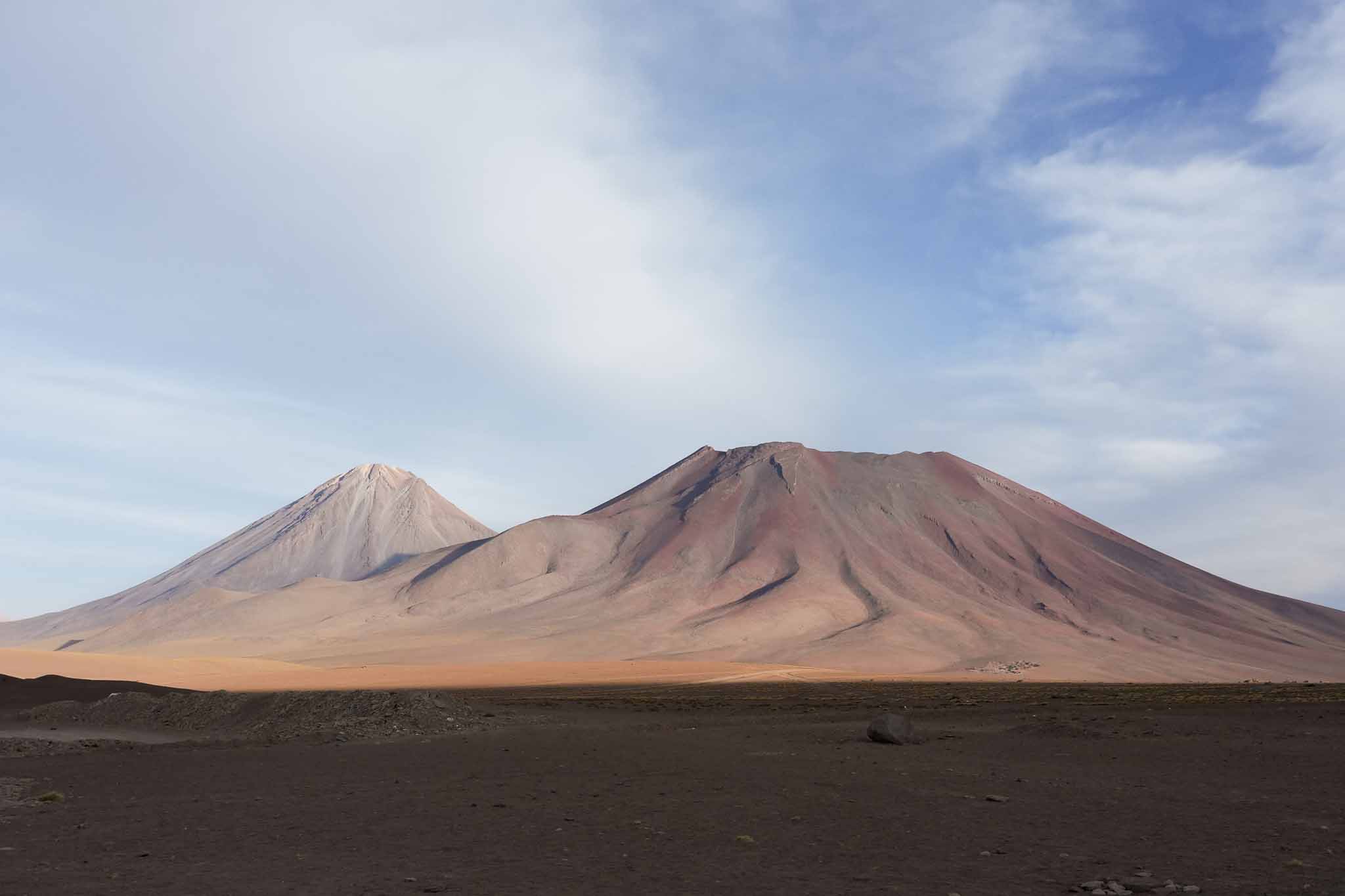
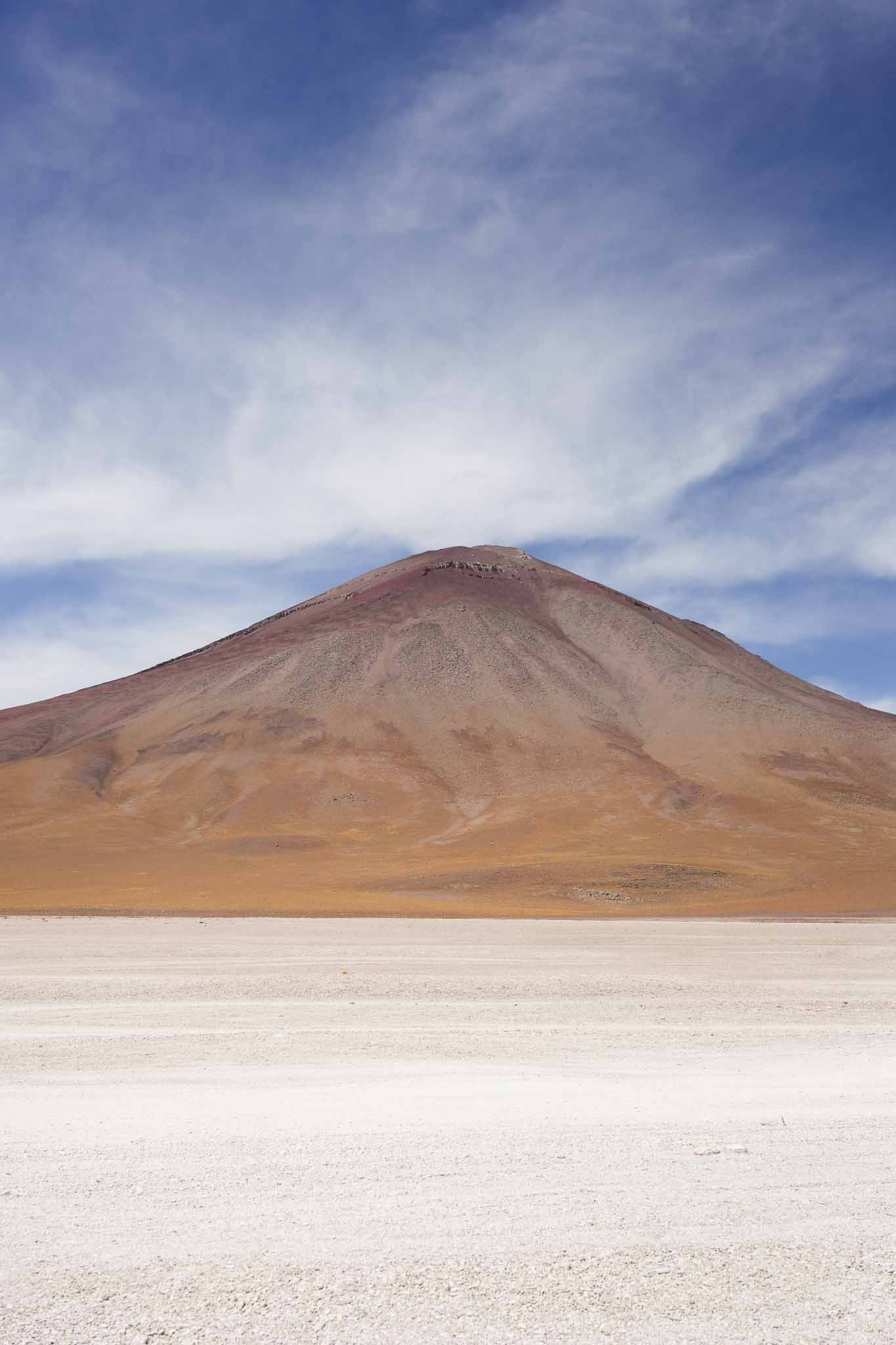
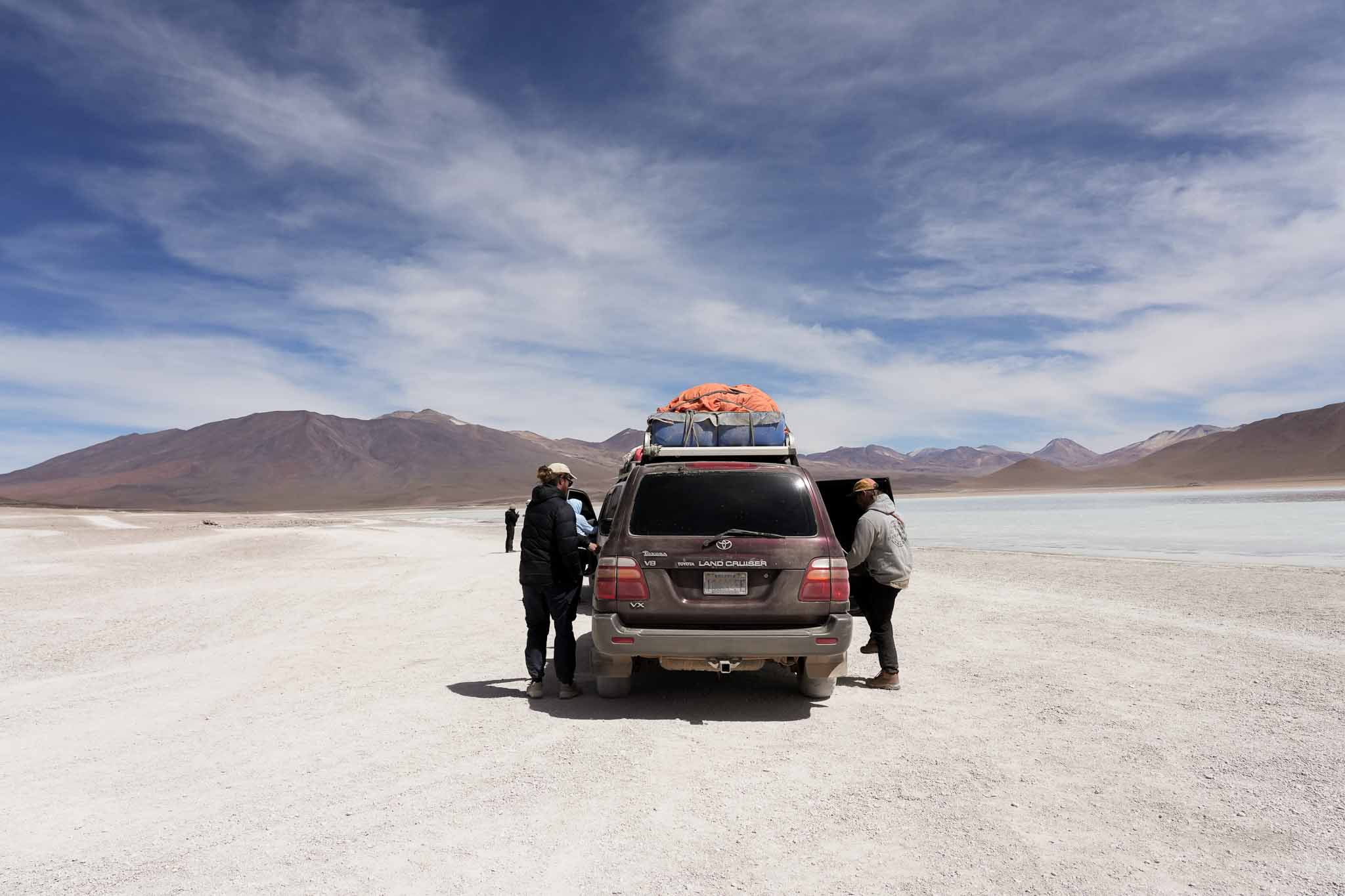
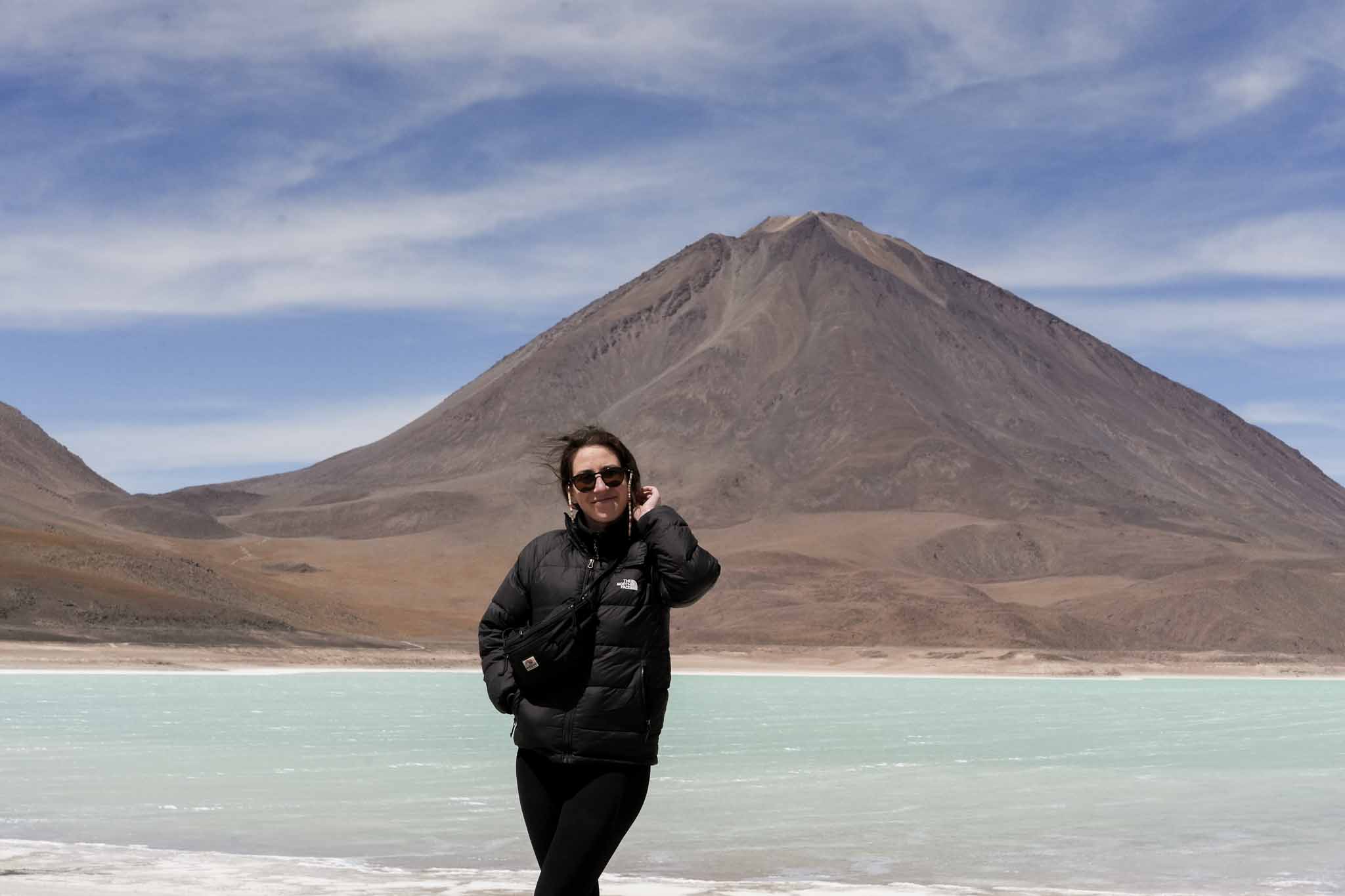
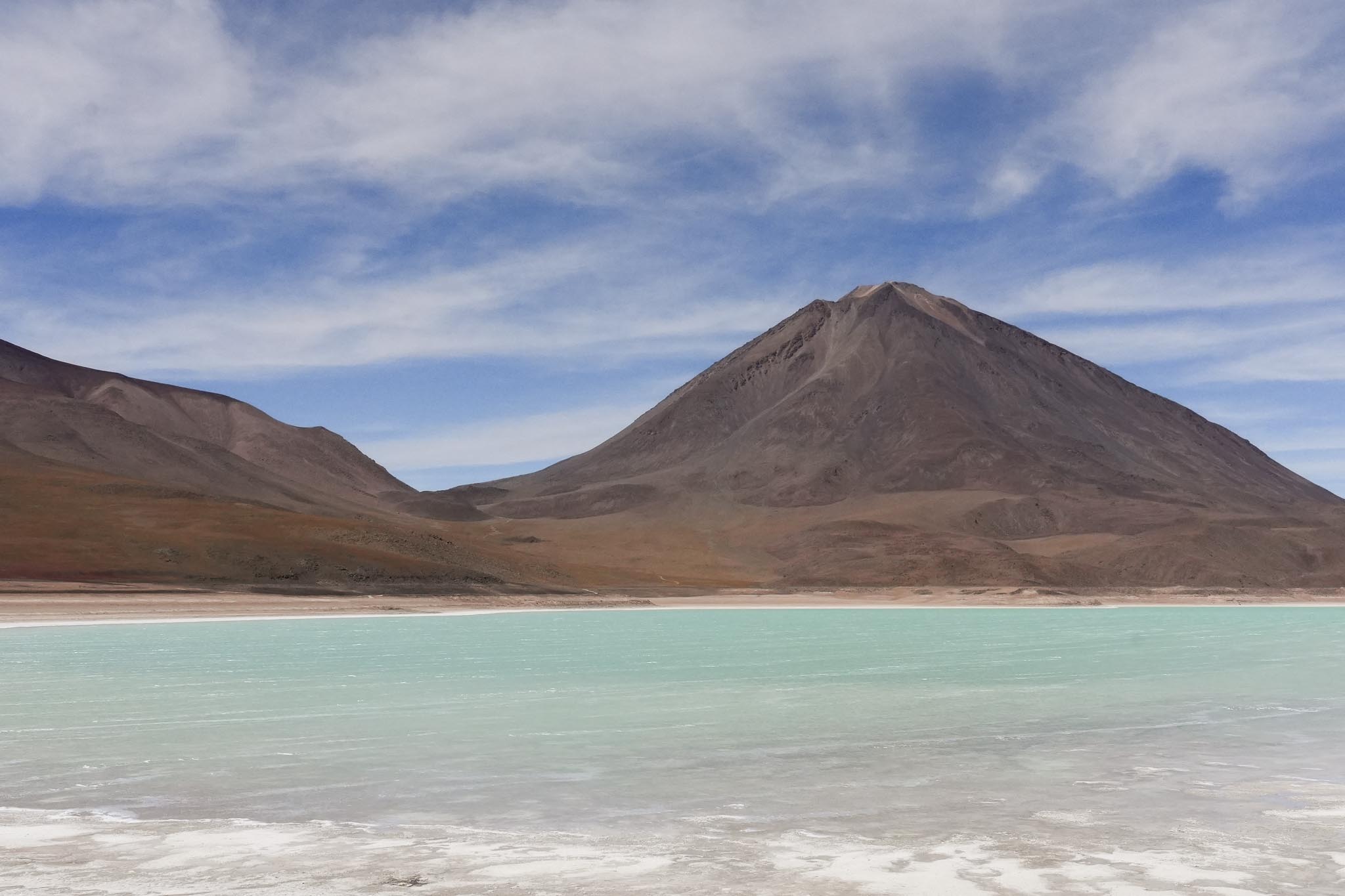
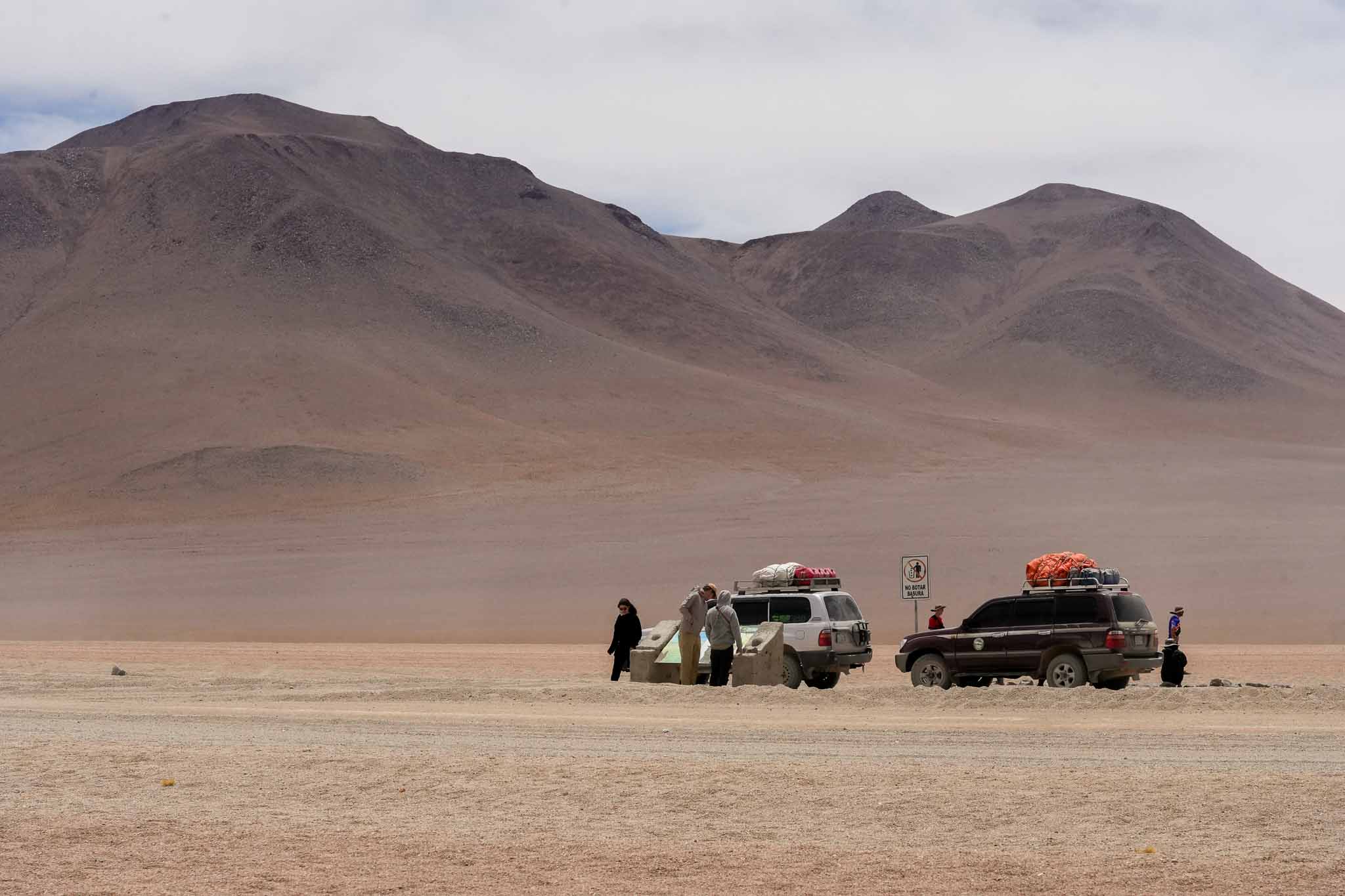
The colours here were truly captivating. Various shades of golds, yellows and greens surrounded the different lakes of pastel pinks, browns, oranges and blues with stark white islands of salt deposits dispersed throughout. Seeing the reflections of flamingos on the water was remarkable, and to observe life in such a barren part of the world was beautiful and mesmerising.
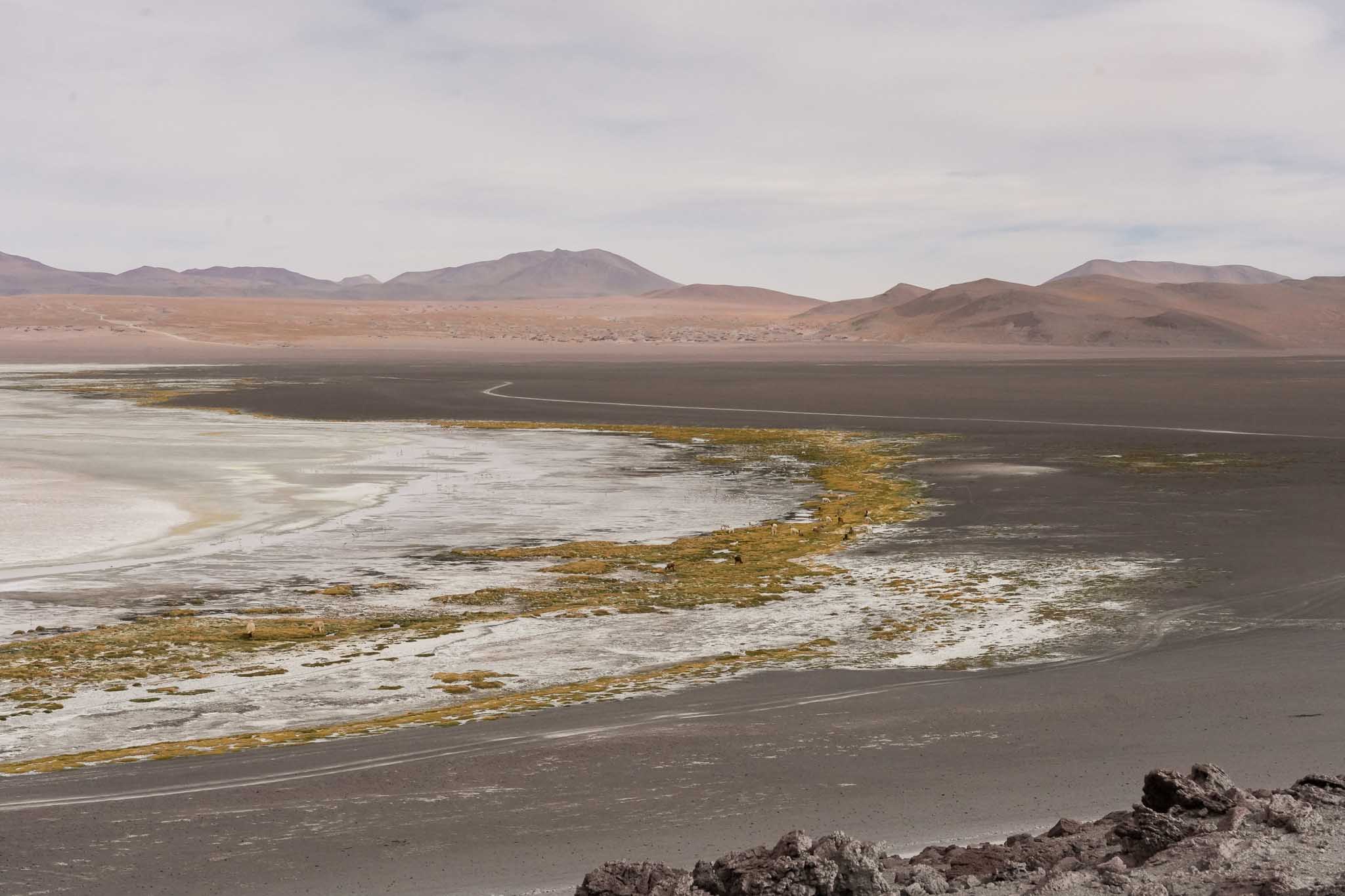
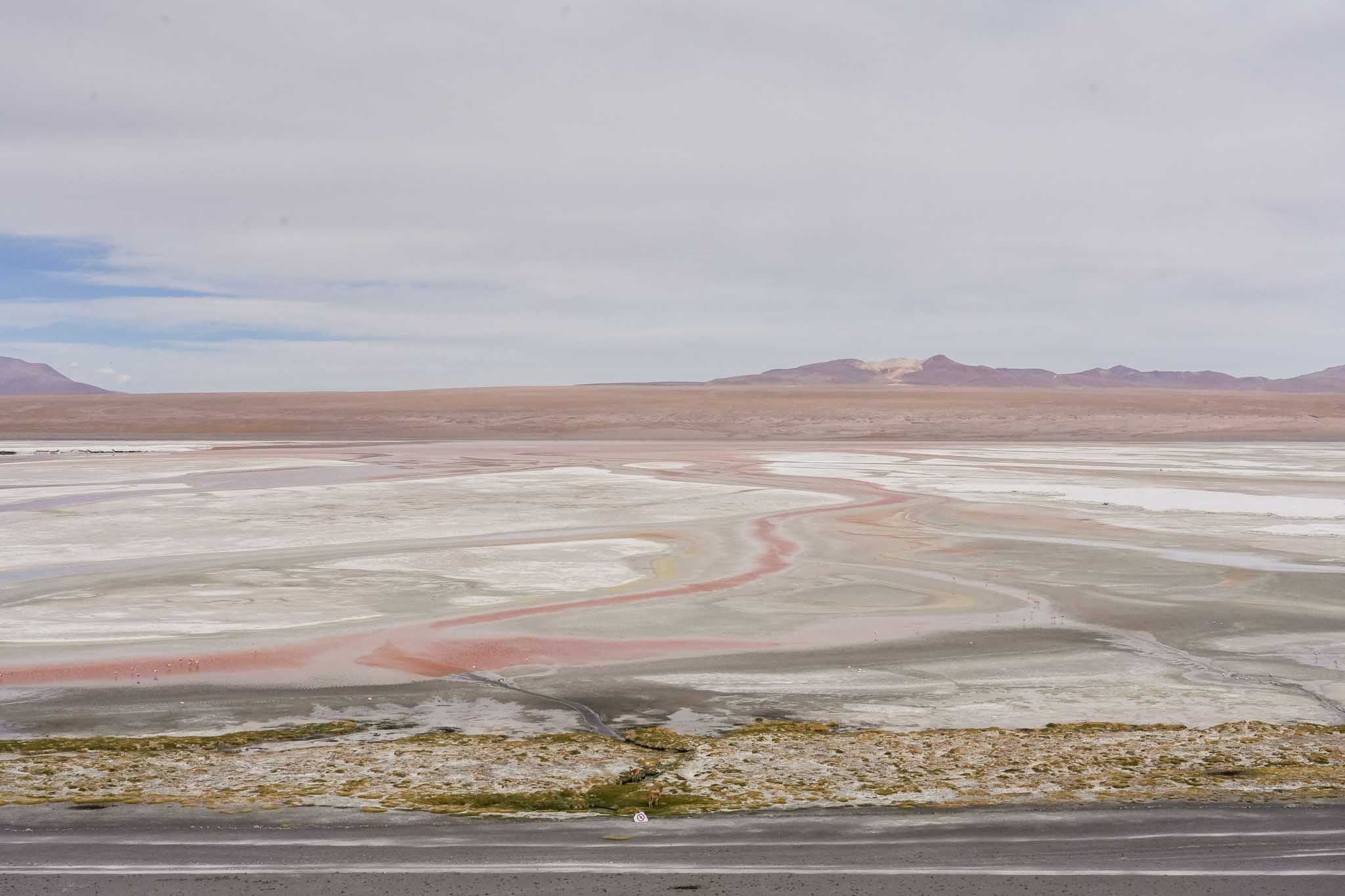
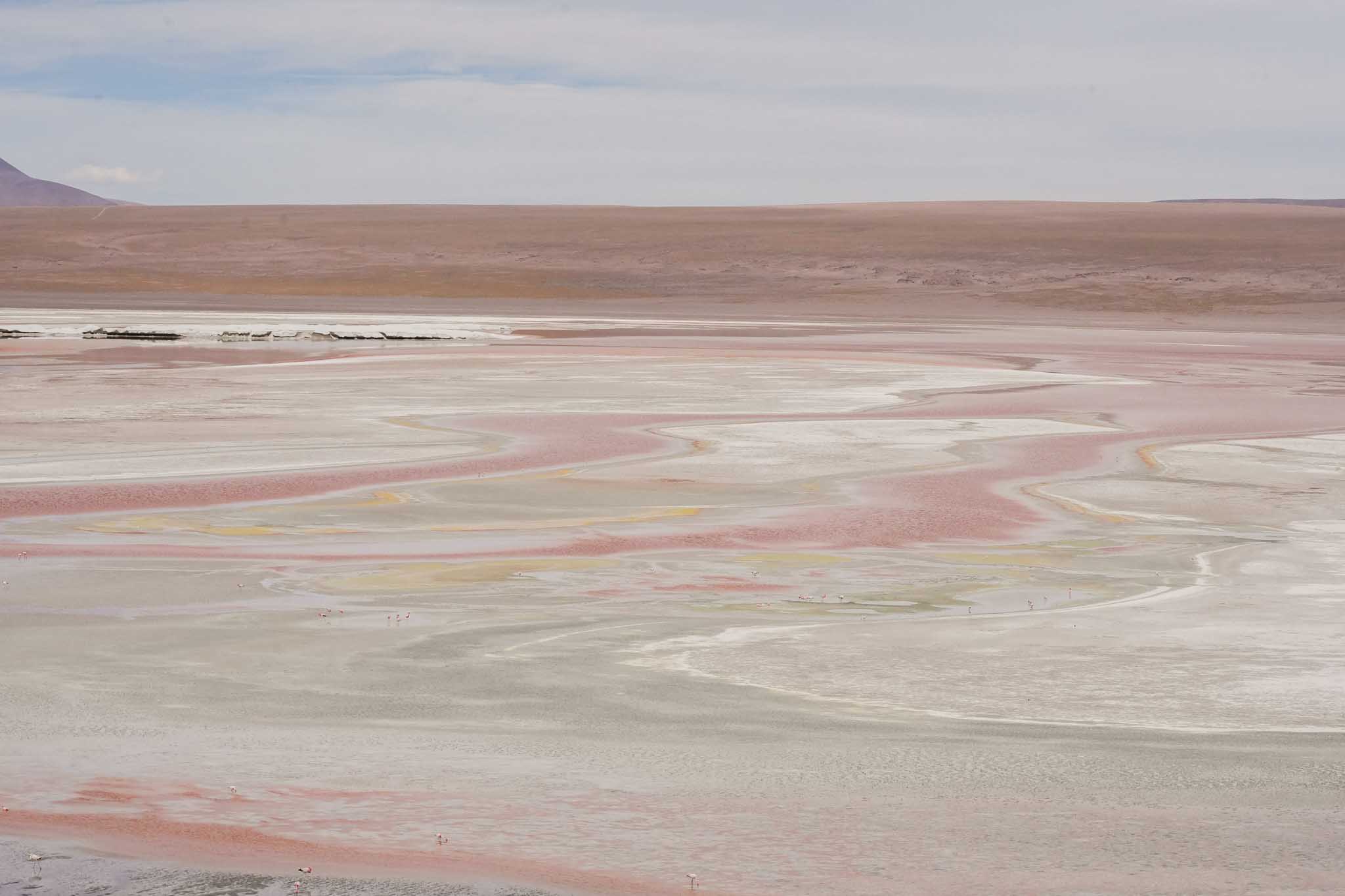
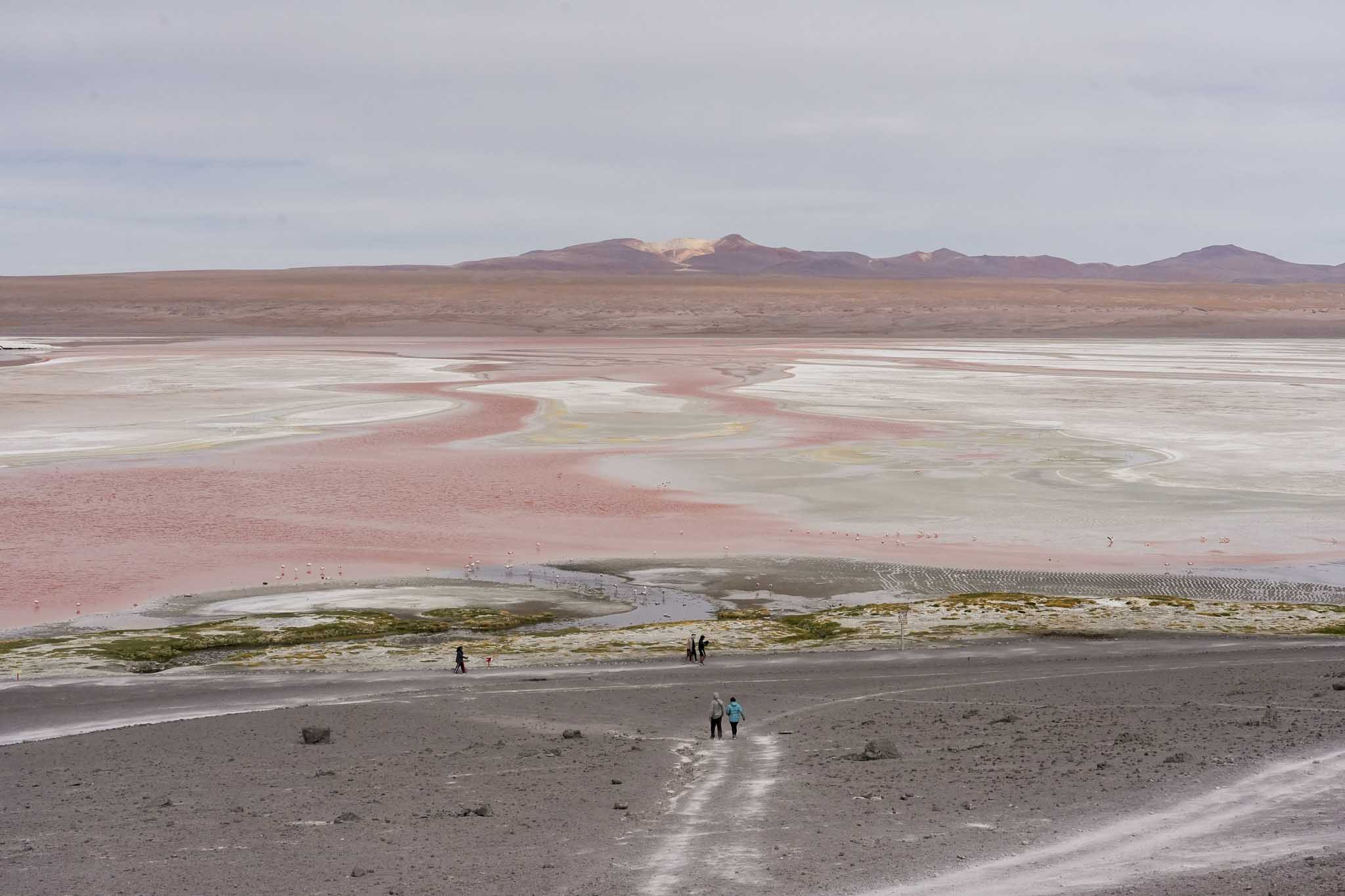
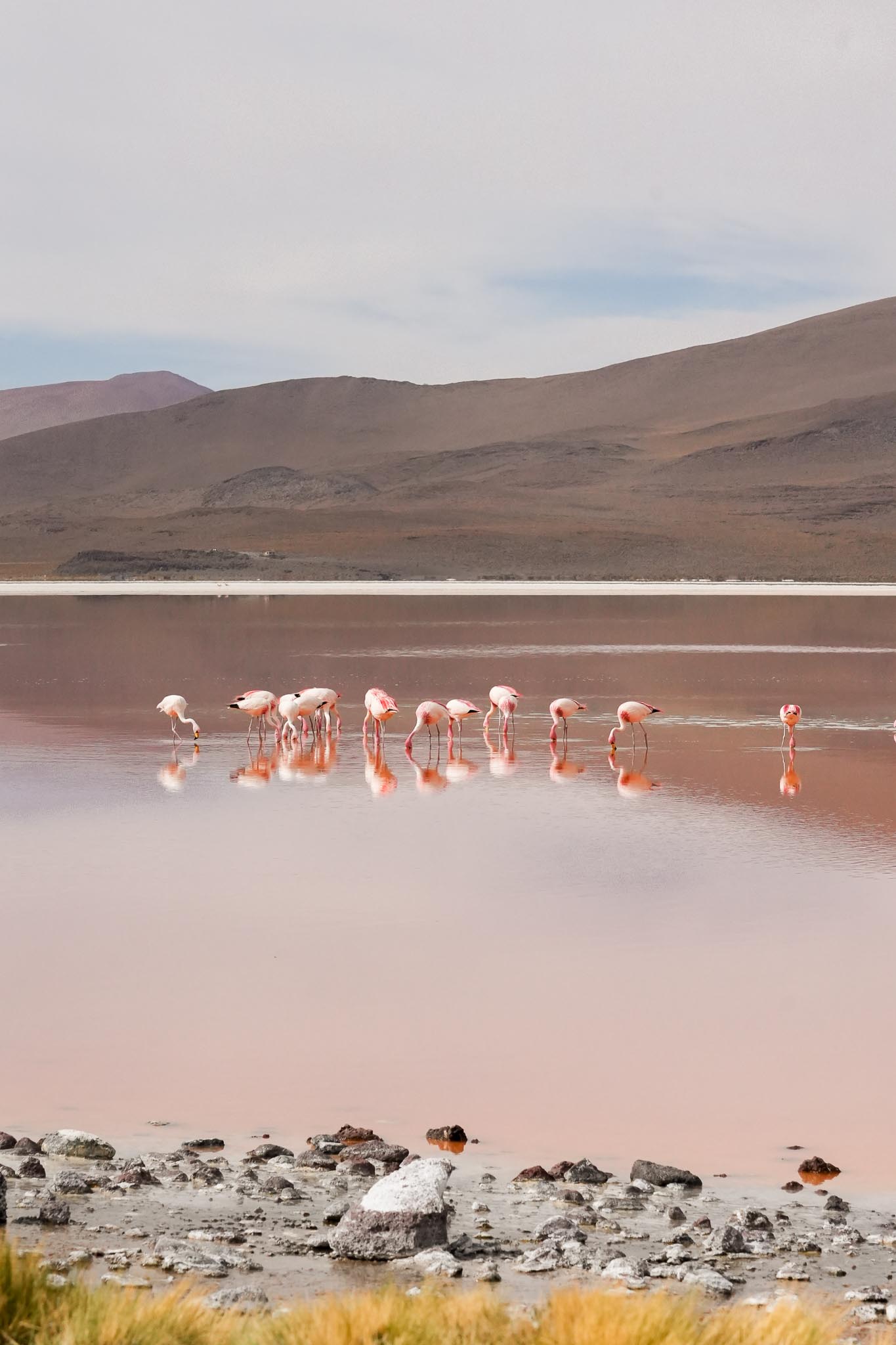
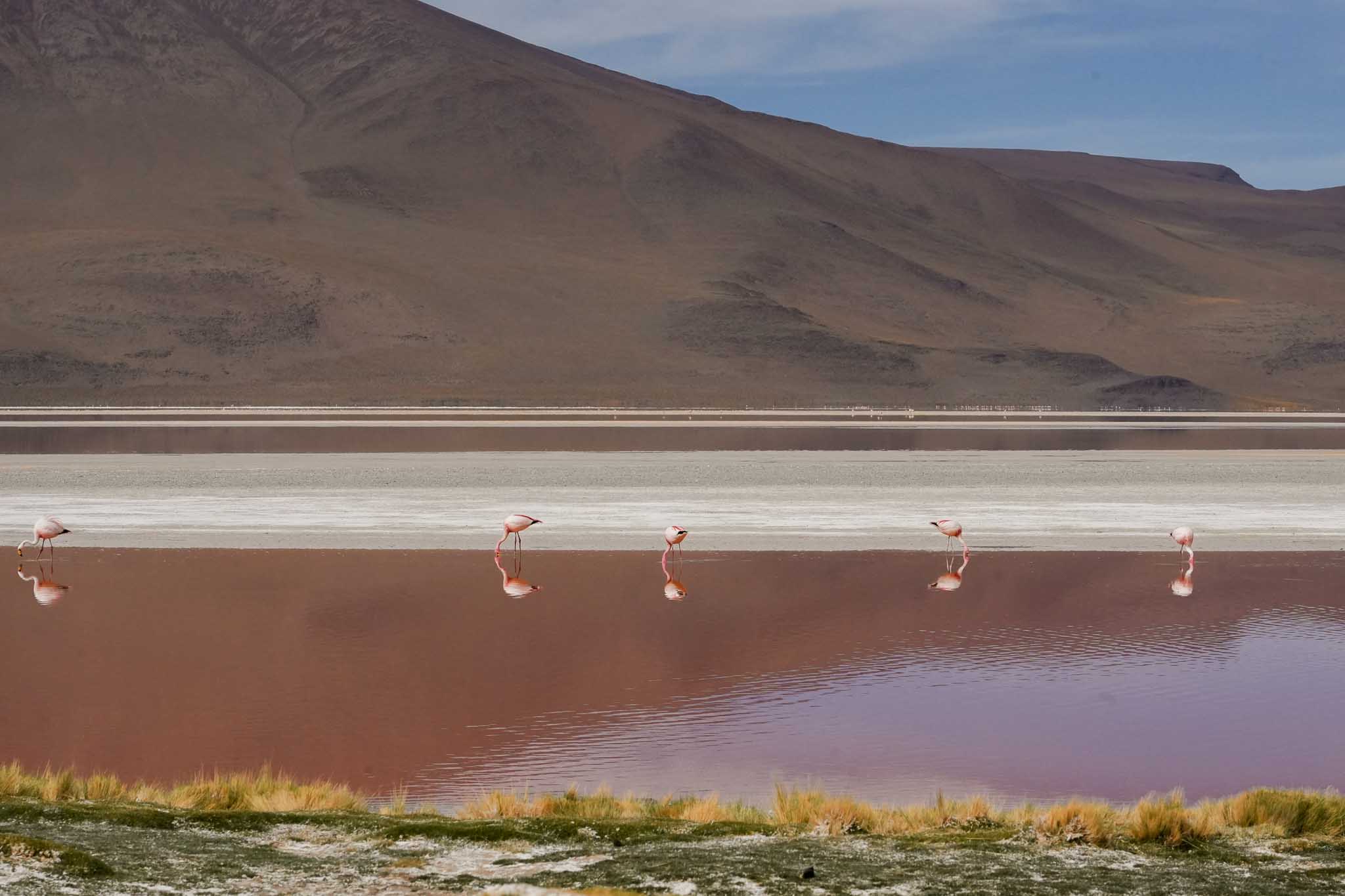
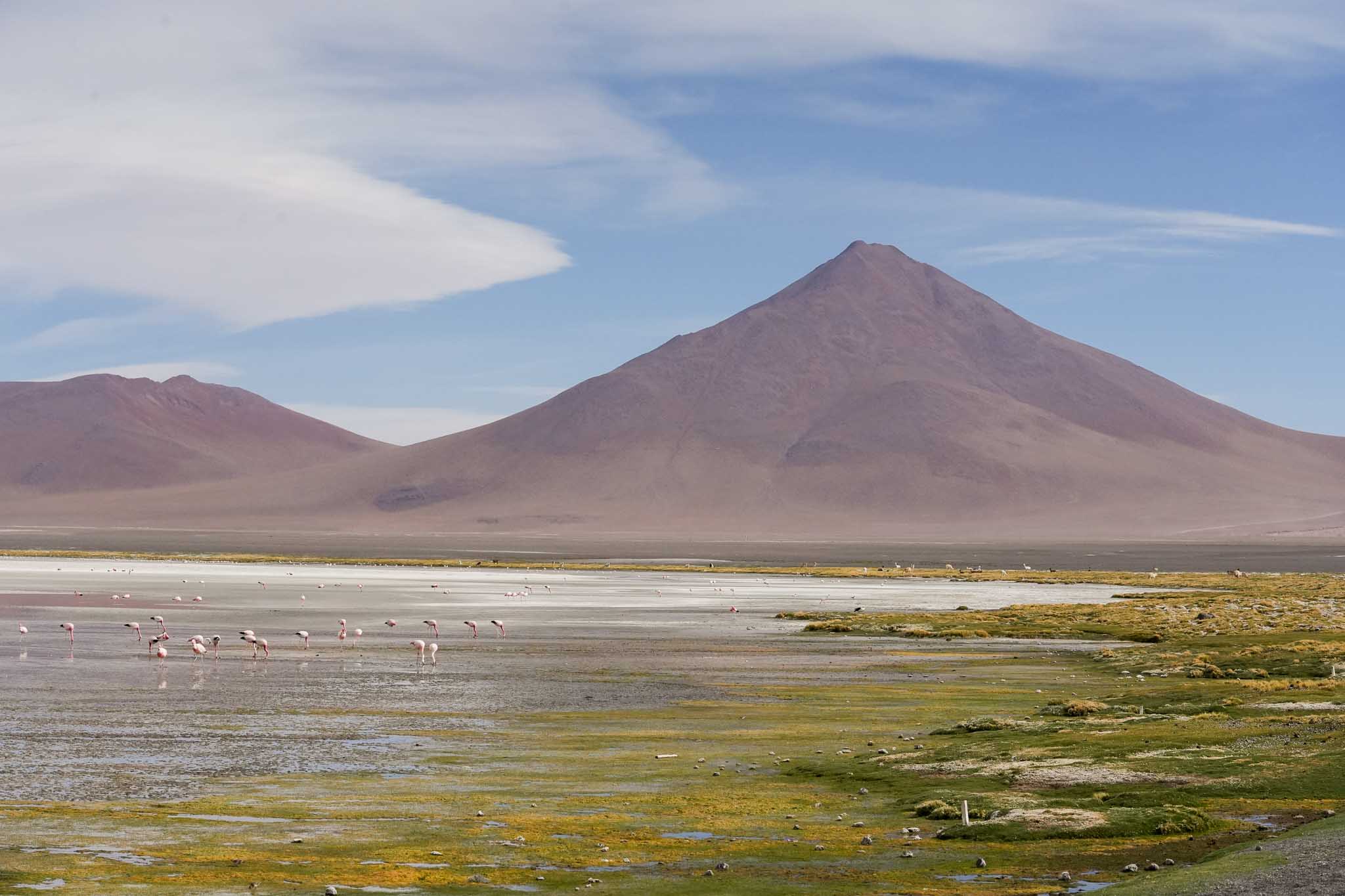
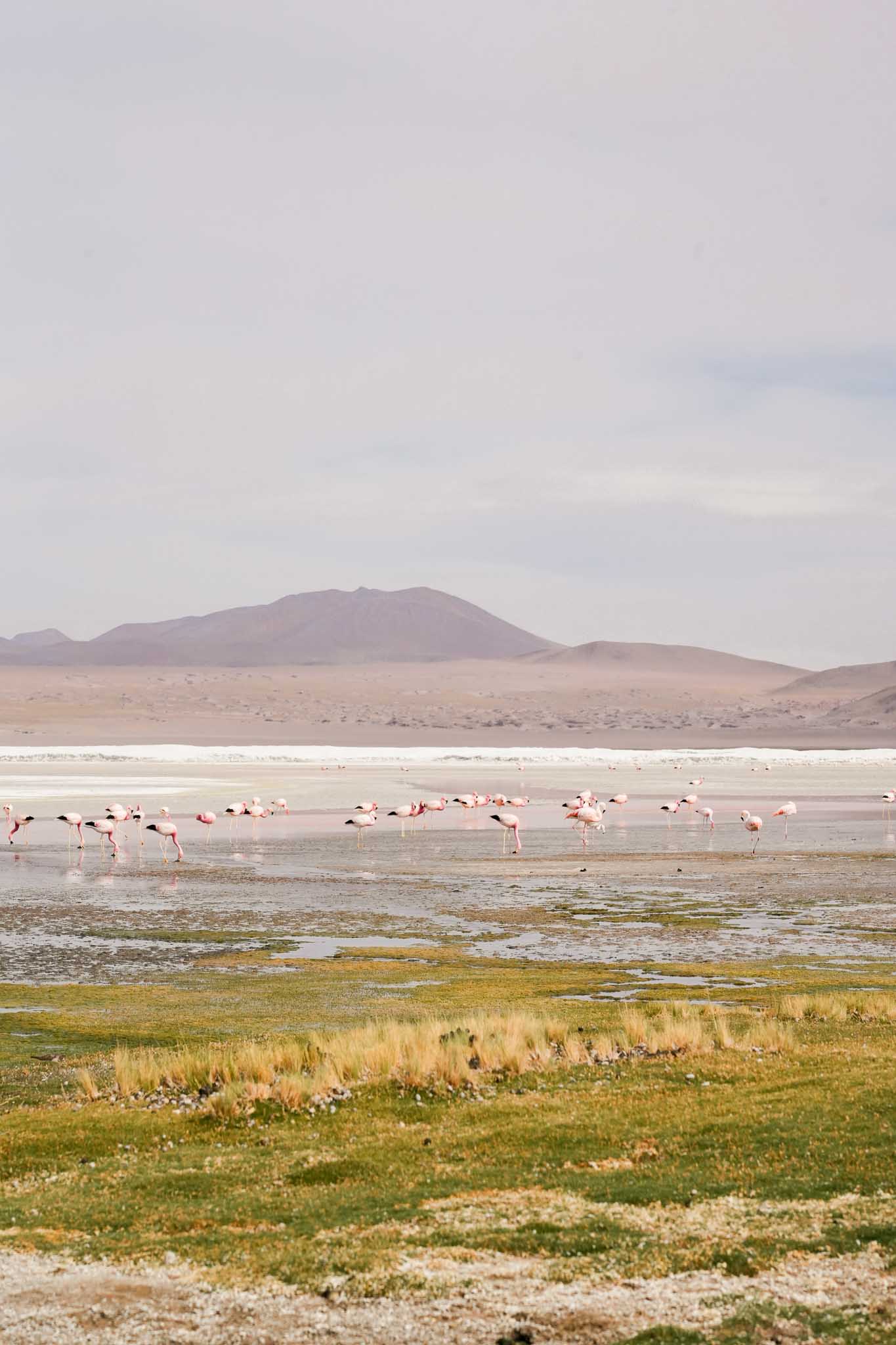
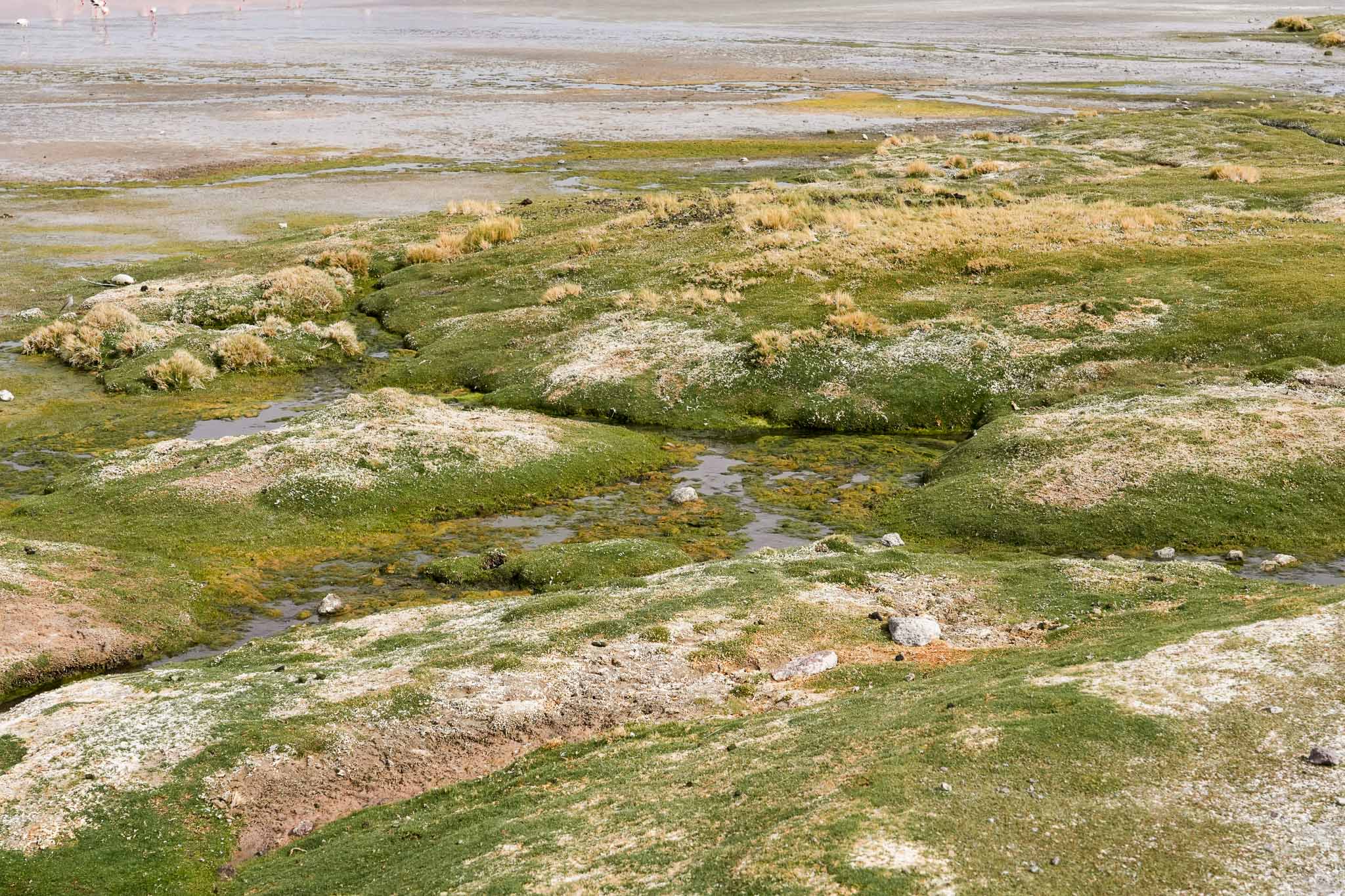
Rachael and I had mild cases of altitude sickness on this first day of the tour, and no amount of coca leaves could really ease our throbbing headaches. Etson offered us his big bag of coca leaves early in the trip, and we all munched on our fair share in an attempt to dispel the symptoms of altitude sickness to little avail. Coca leaves are a big part of Andean culture, and you can buy them for next to nothing just about everywhere in the Andes. Archaeobotanical evidence suggests that coca has been grown by Andean people for over 8000 years, and has been used to suppress hunger, thirst, pain and fatigue by chewing on the leaves. Don’t be alarmed (mum), fresh coca leaves only contain an average of 0.8% of the alkaloid extracted to make cocaine, so while chewing these leaves won’t dilate your pupils, make you near intolerable to be around by never ceasing to rapidly talk at full volume, or give you the superhuman ability to sink schooeys and slam pineapples through the pokies for hours on end, it is a stimulant and, like coffee, should be avoided before sleepy bye byes. But if you’re like me and the caffeine receptors in your brain are rooted from a decade or so of abuse, chewing coca leaves will pretty much achieve nothing more than a pretty gross tasting 15 minute experience before you spit them out.
For lunch we stopped at some thermal baths, and poor Rachael’s altitude sickness became increasingly worse. I’m not one to wallow in warm water with a bunch of strangers, but considering Rachael was rendered near unconscious, huddled under my jumper laying flat on the ground, I thought I’d take one for the team and give it a go. It was warm, a bit slimy, and probably the last time I ever do that, so I was happy to tell Rachael she wasn’t missing out. The group ate lunch in a little restaurant while Rachael took some medication and tried to get some sleep in the car, she was really struggling.
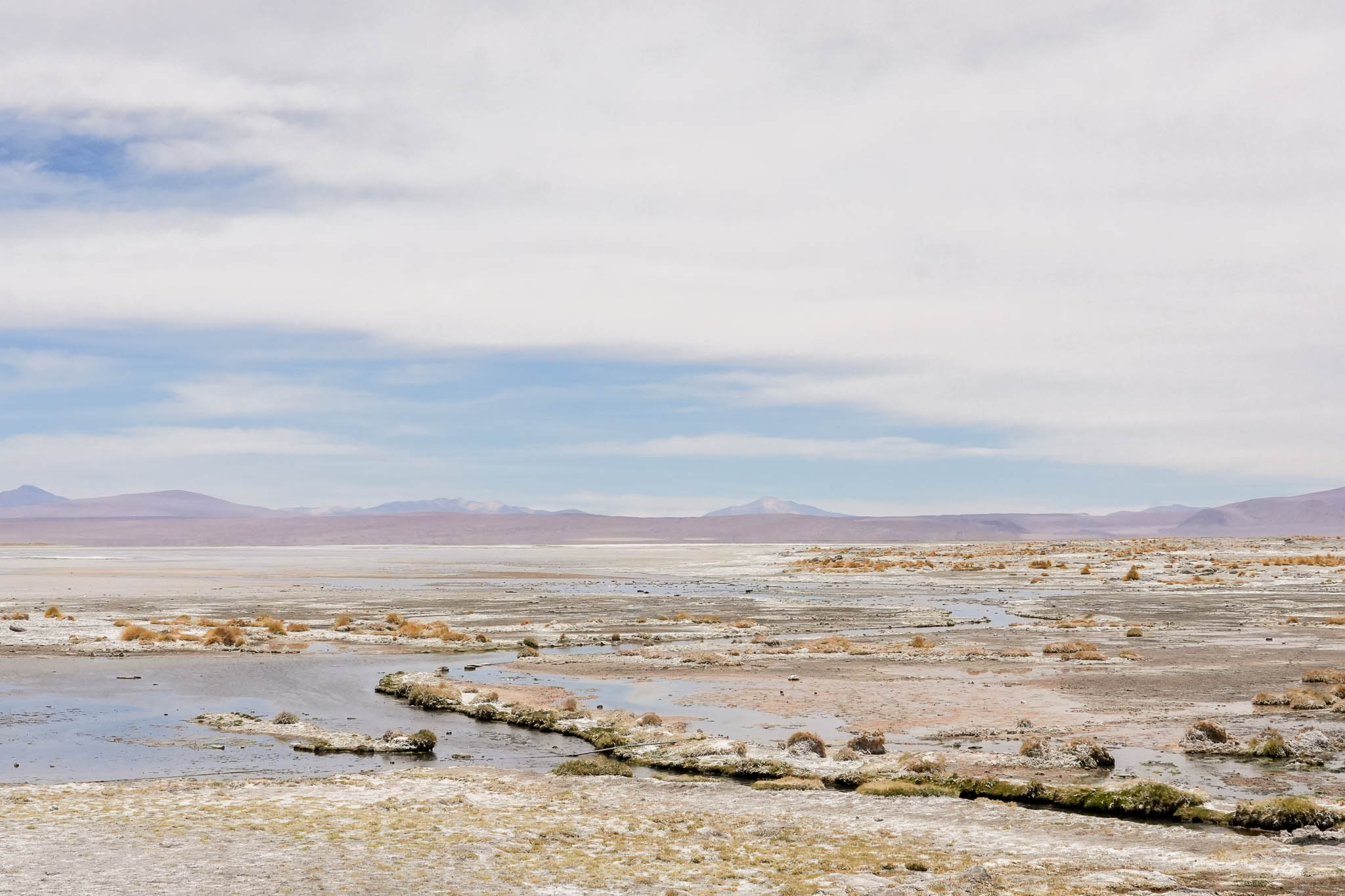
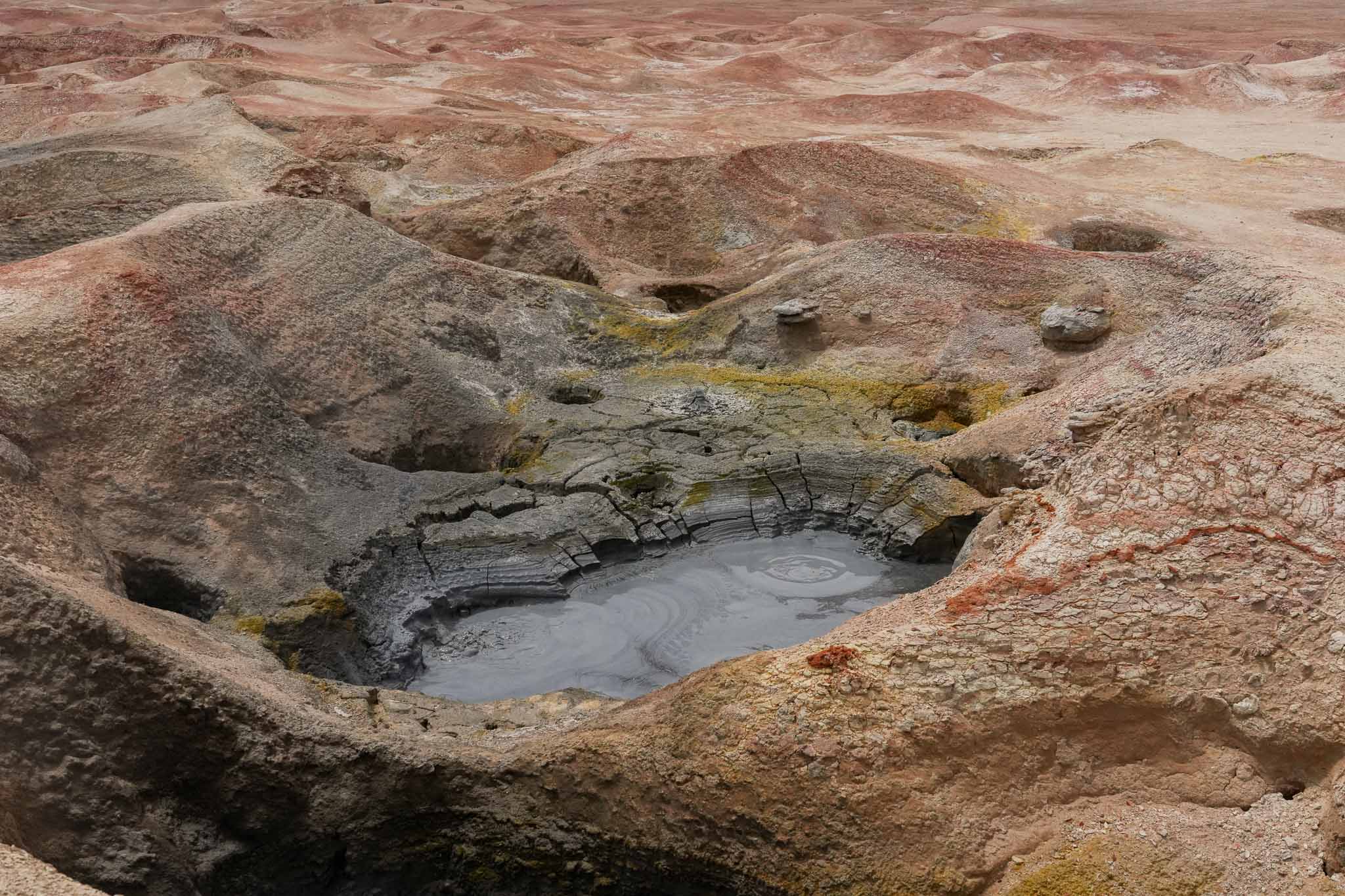
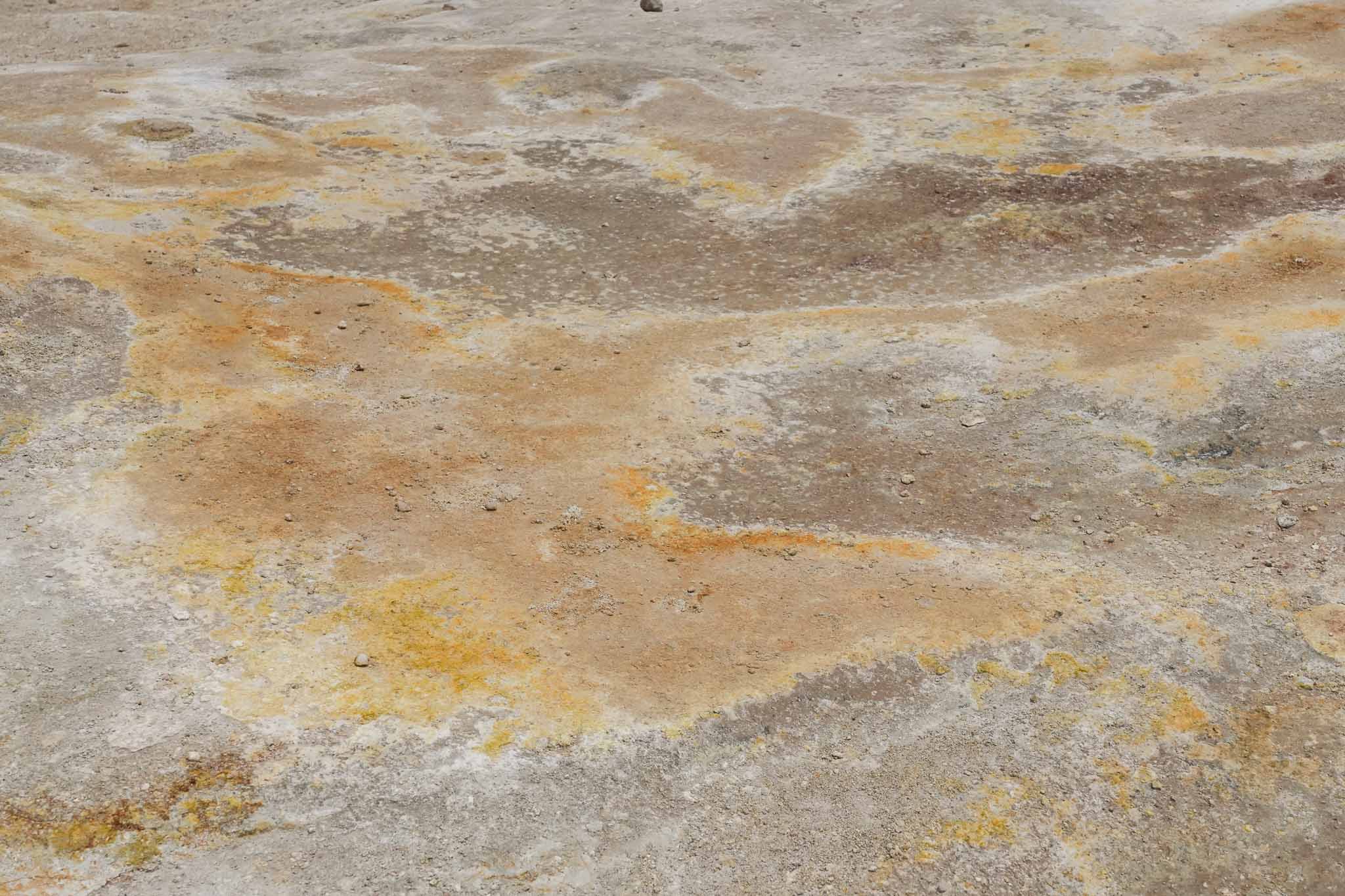
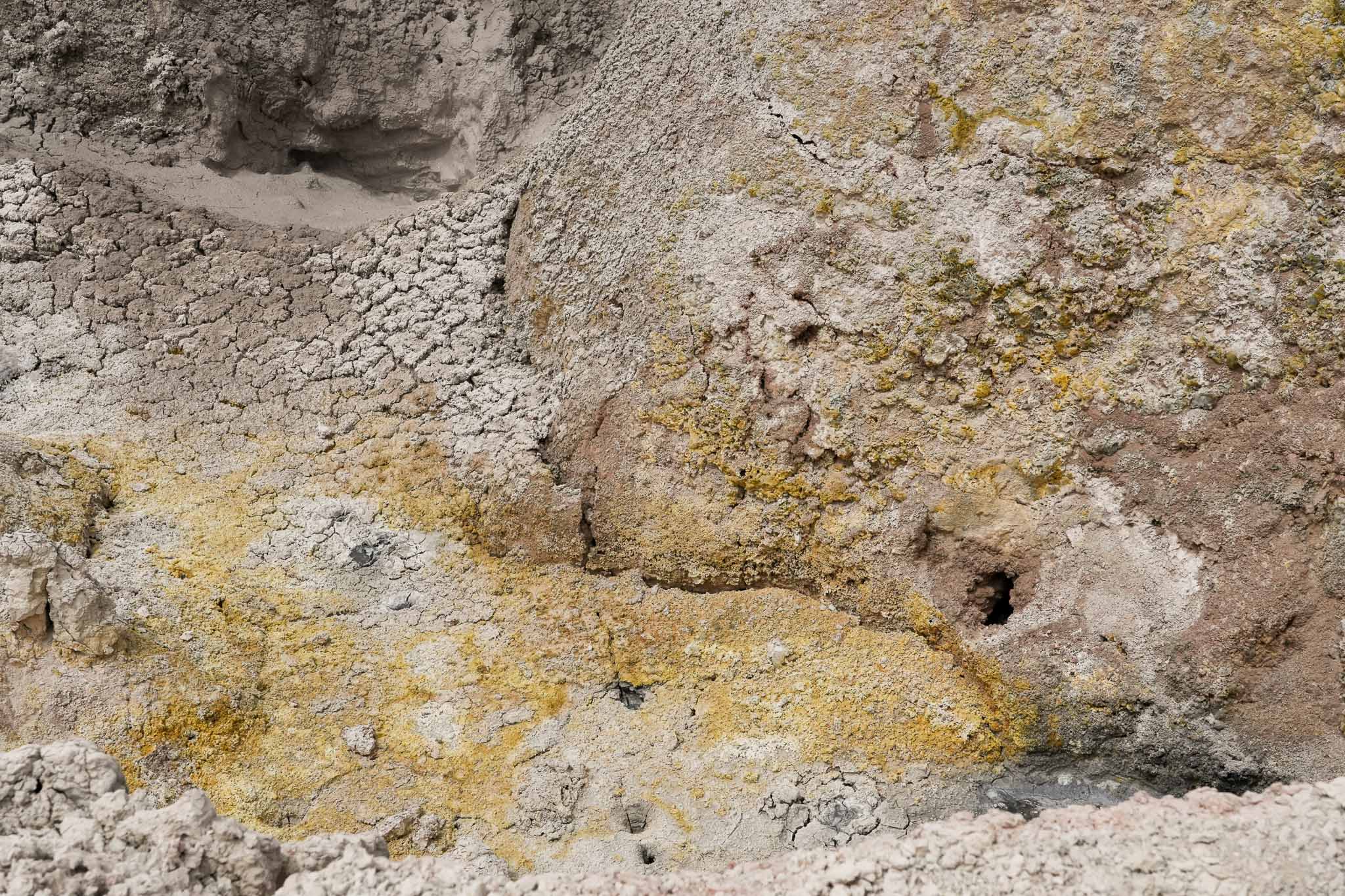
In the afternoon we visited some geysers which had mud bubbling up from underground, and we got to walk around, trying to stand upwind of the fumes while not getting too close to get burned by the hot air escaping. This was really cool to see, even though it stunk to high heaven.
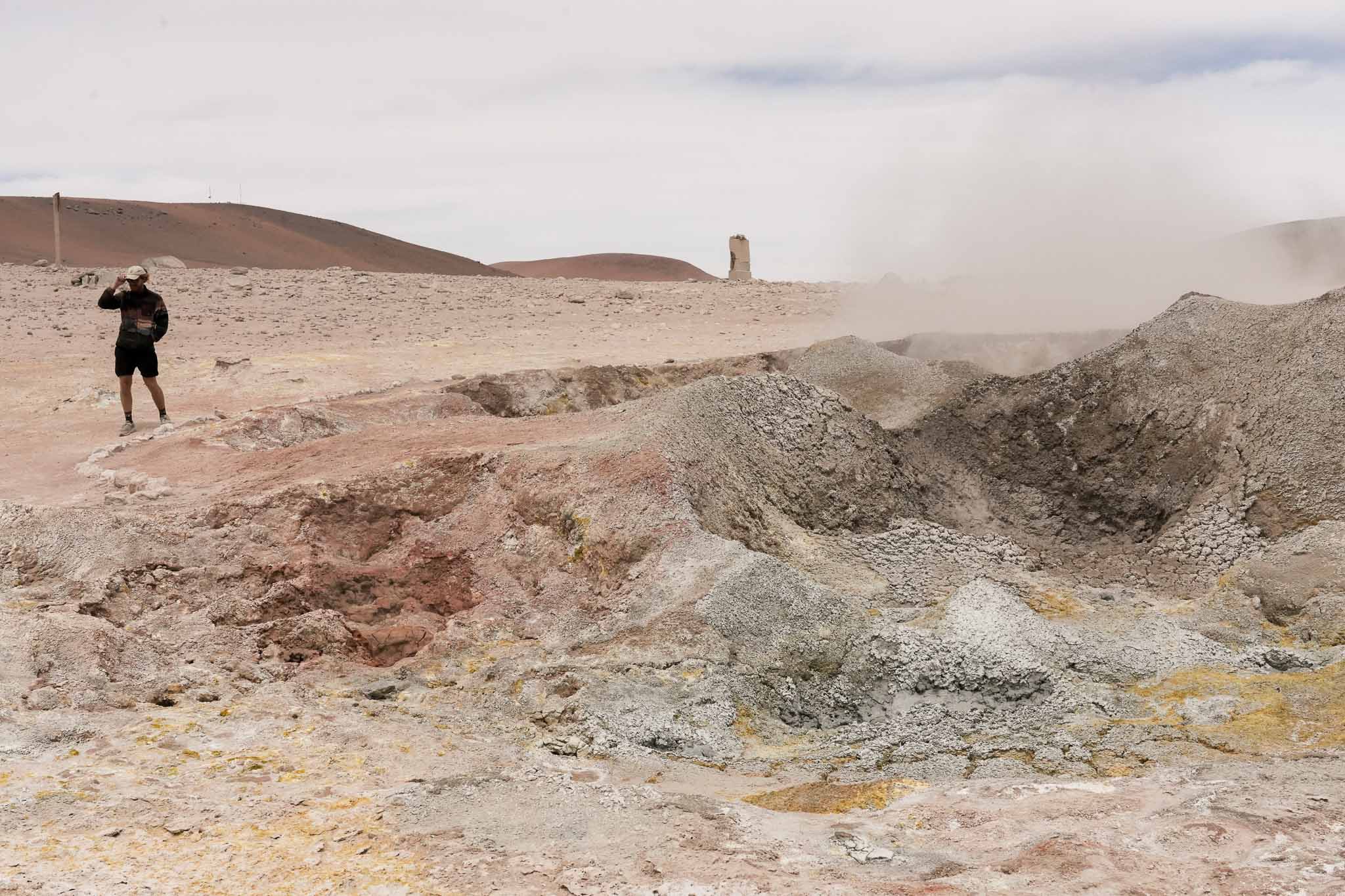
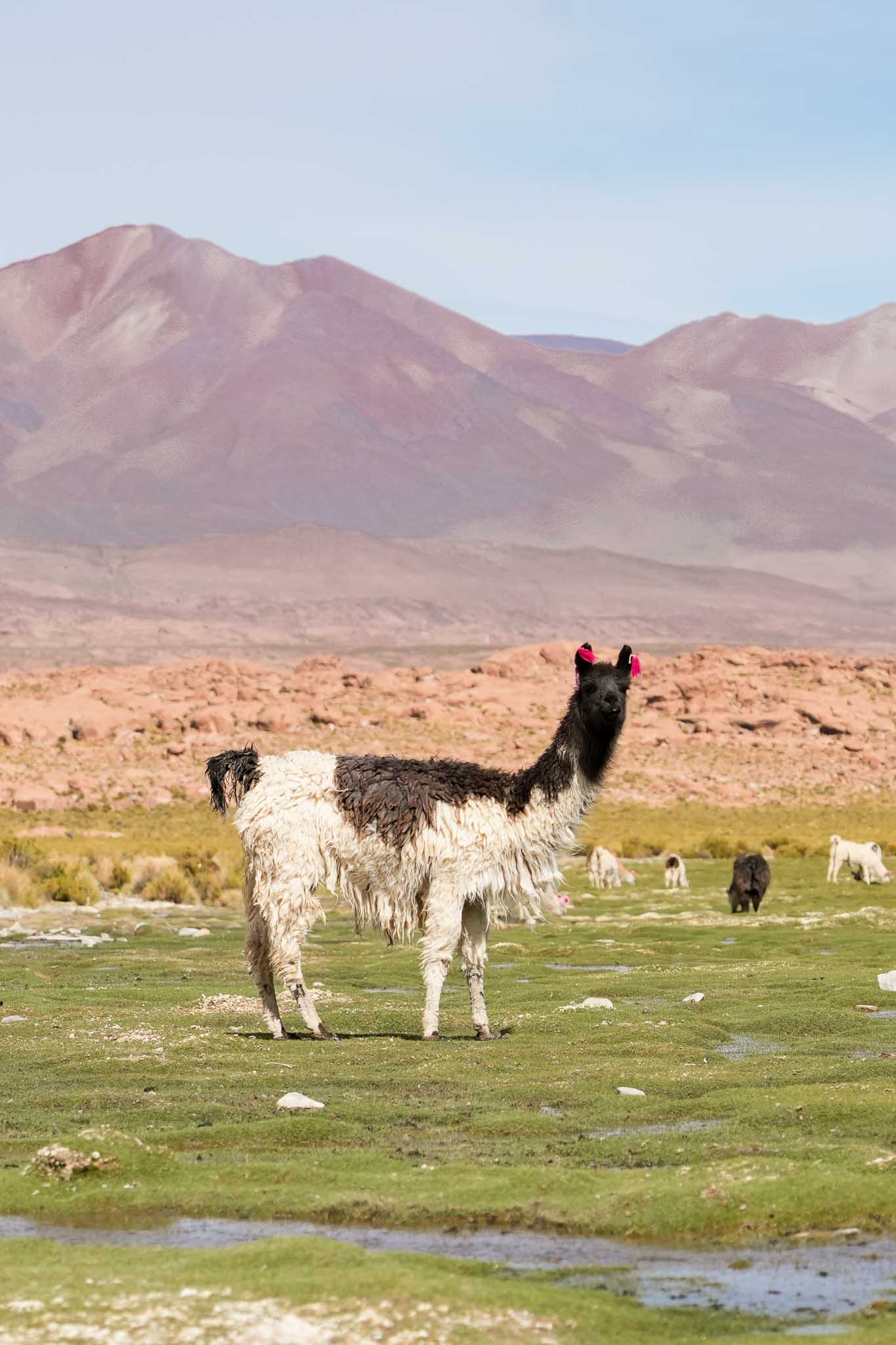
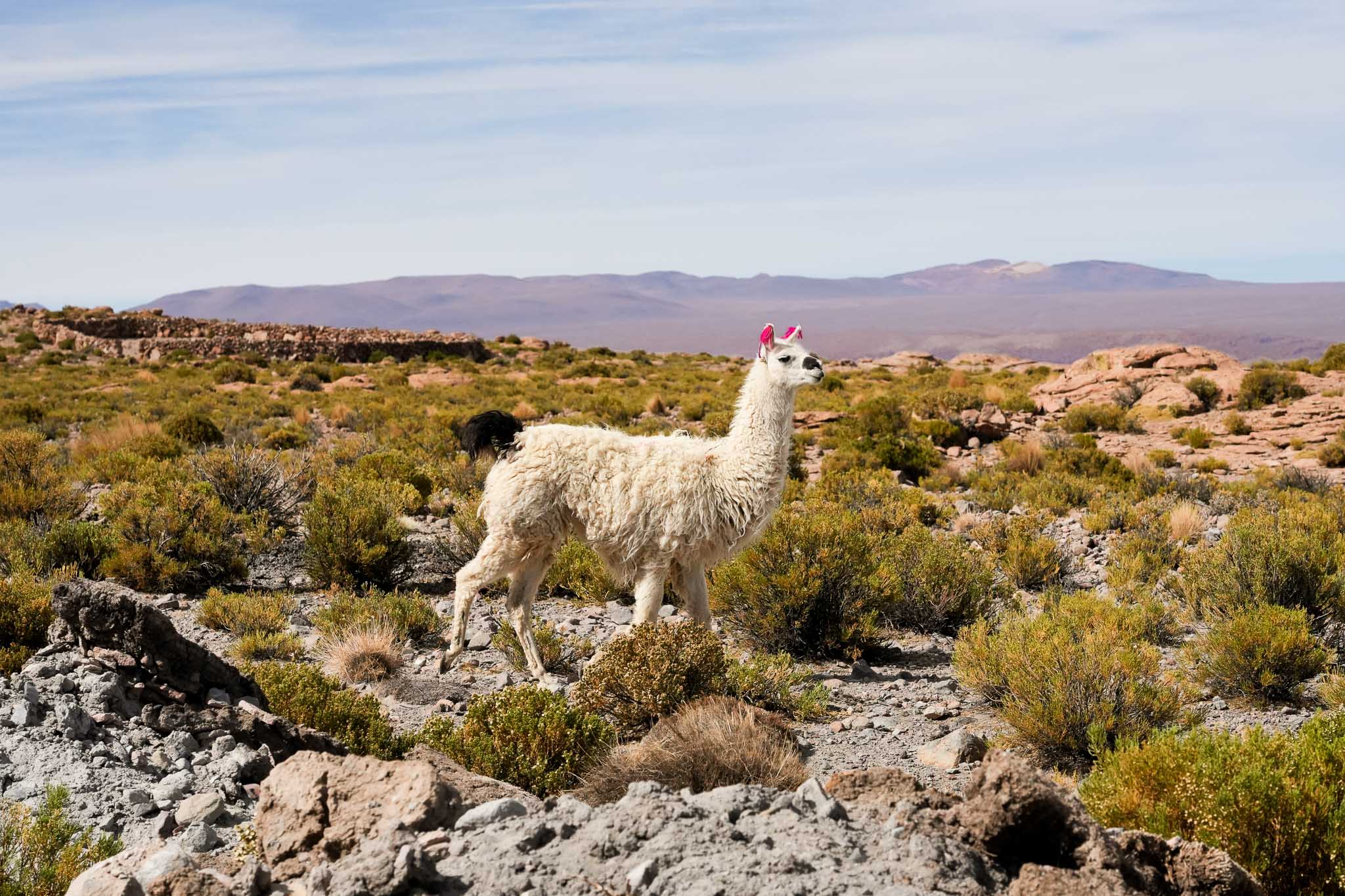
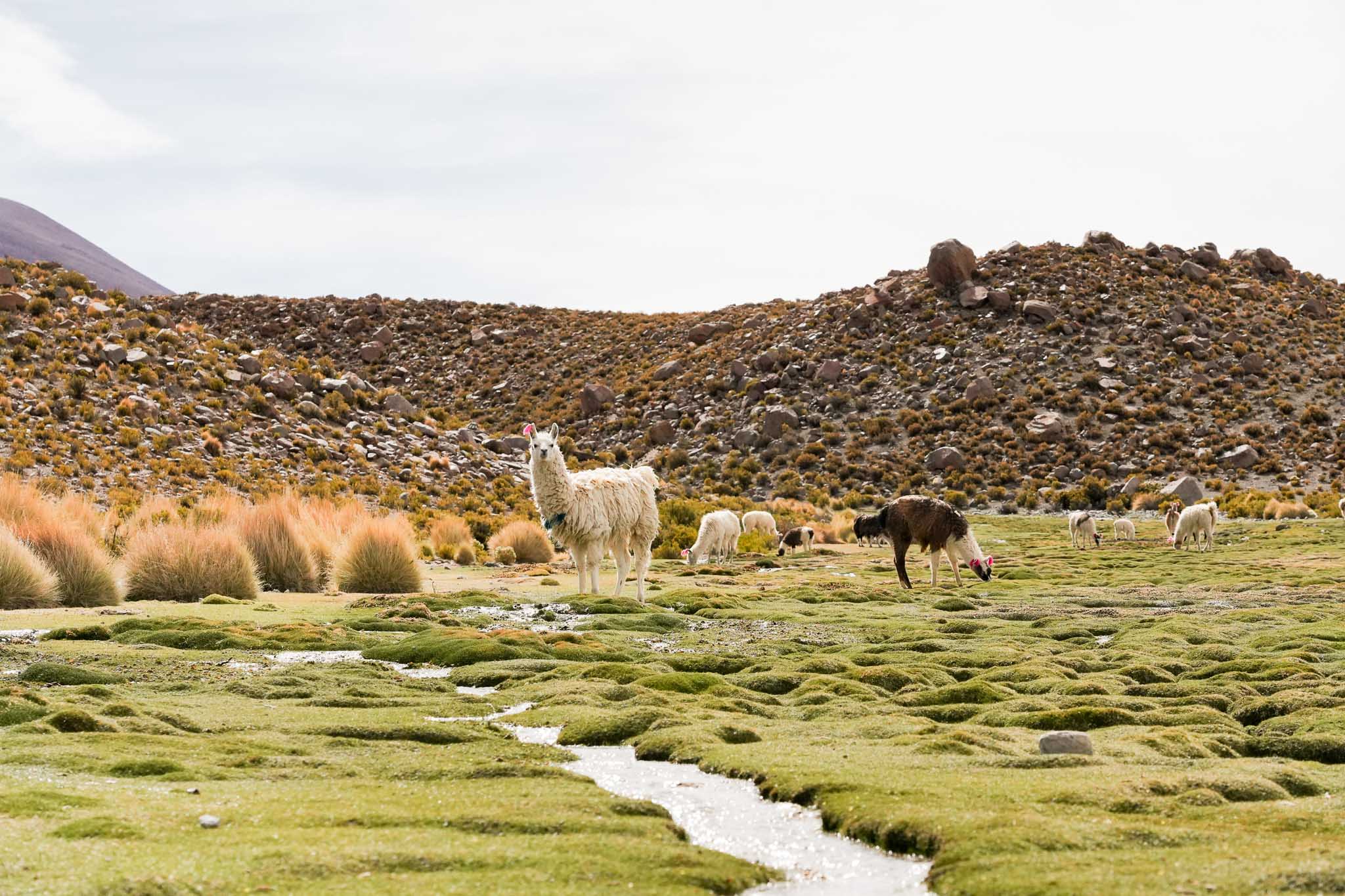
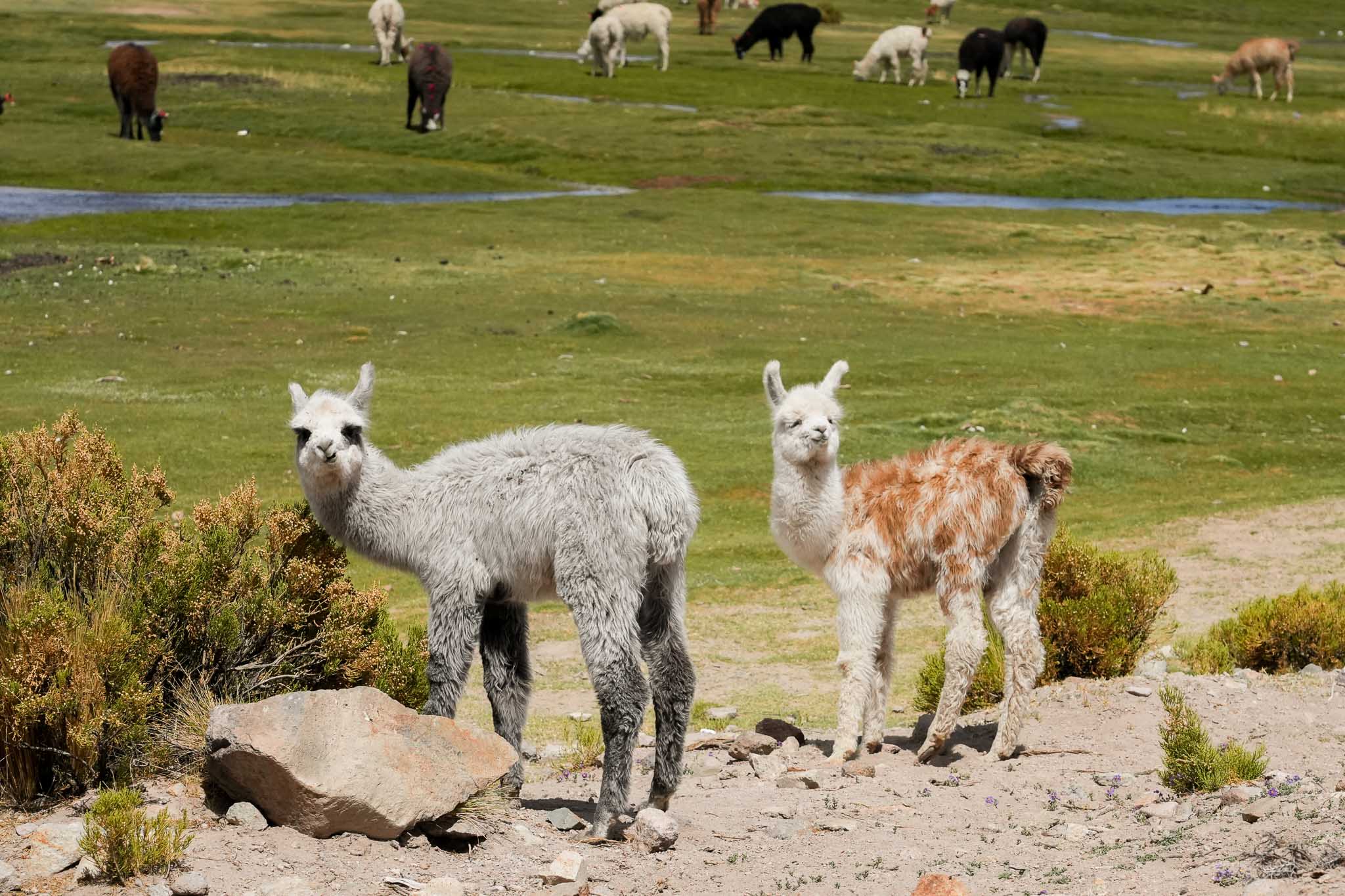
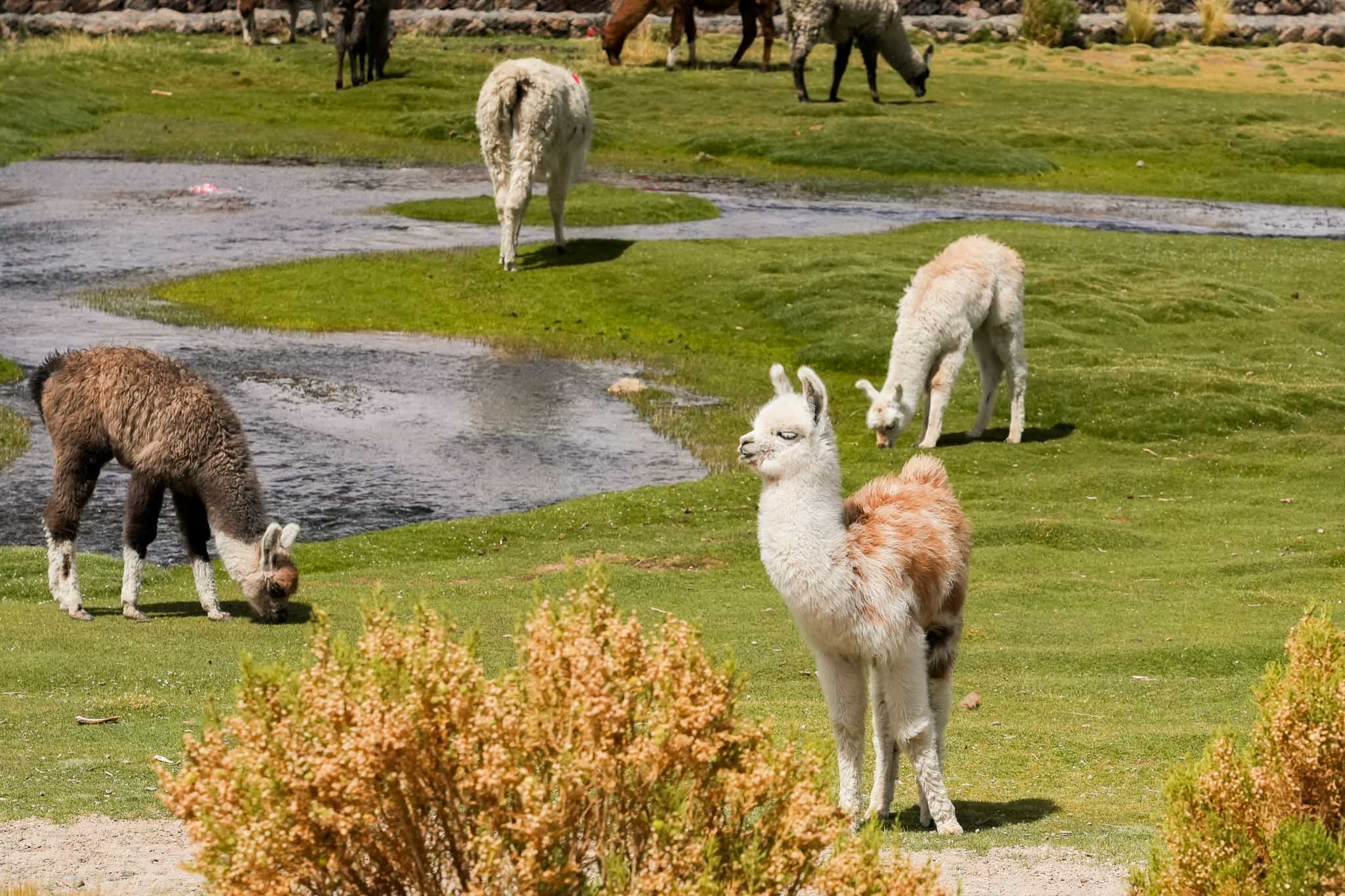
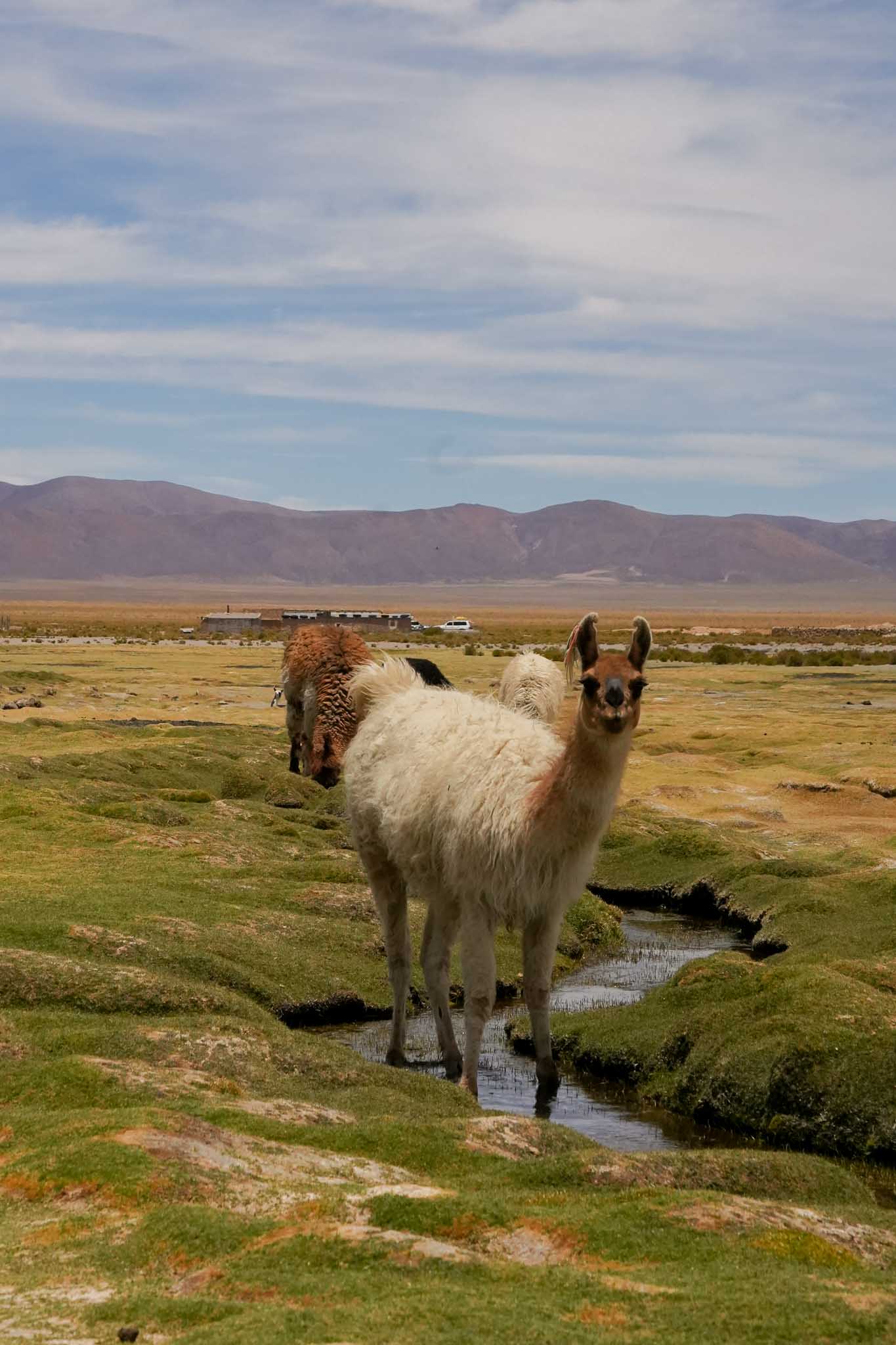
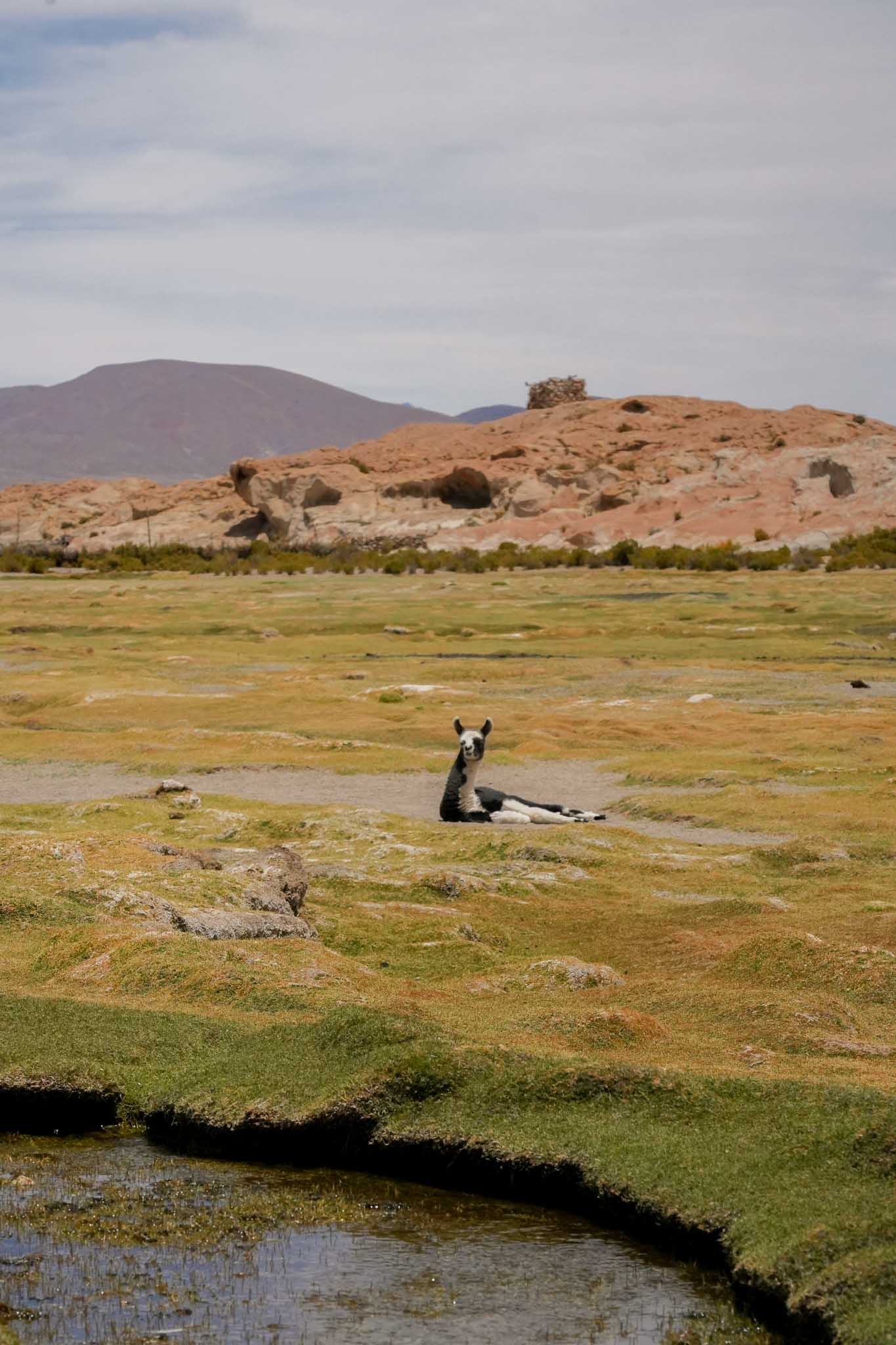
At the end of the day we descended onto a small village where we stayed in a bed and breakfast type thing. We sat around the dinner table drinking tea and chatting before eating and heading to bed. The next morning Rachael awoke feeling much better in regards to the altitude, and we made our way to a small town to see some llamas. It seems very trivial now in hindsight, but seeing our first llamas of the trip was super exciting and everyone took a million photos of them just chilling on the grass.
The tags on their ears are the farmers’ way of keeping track of who owns which llama. Also there’s a funny play on words you can make in Spanish by asking “Cómo te llamas, llama?”, which means “What’s your name, llama?”. A hilarious joke that was frequently yelled out the window at unsuspecting llamas as we passed them.
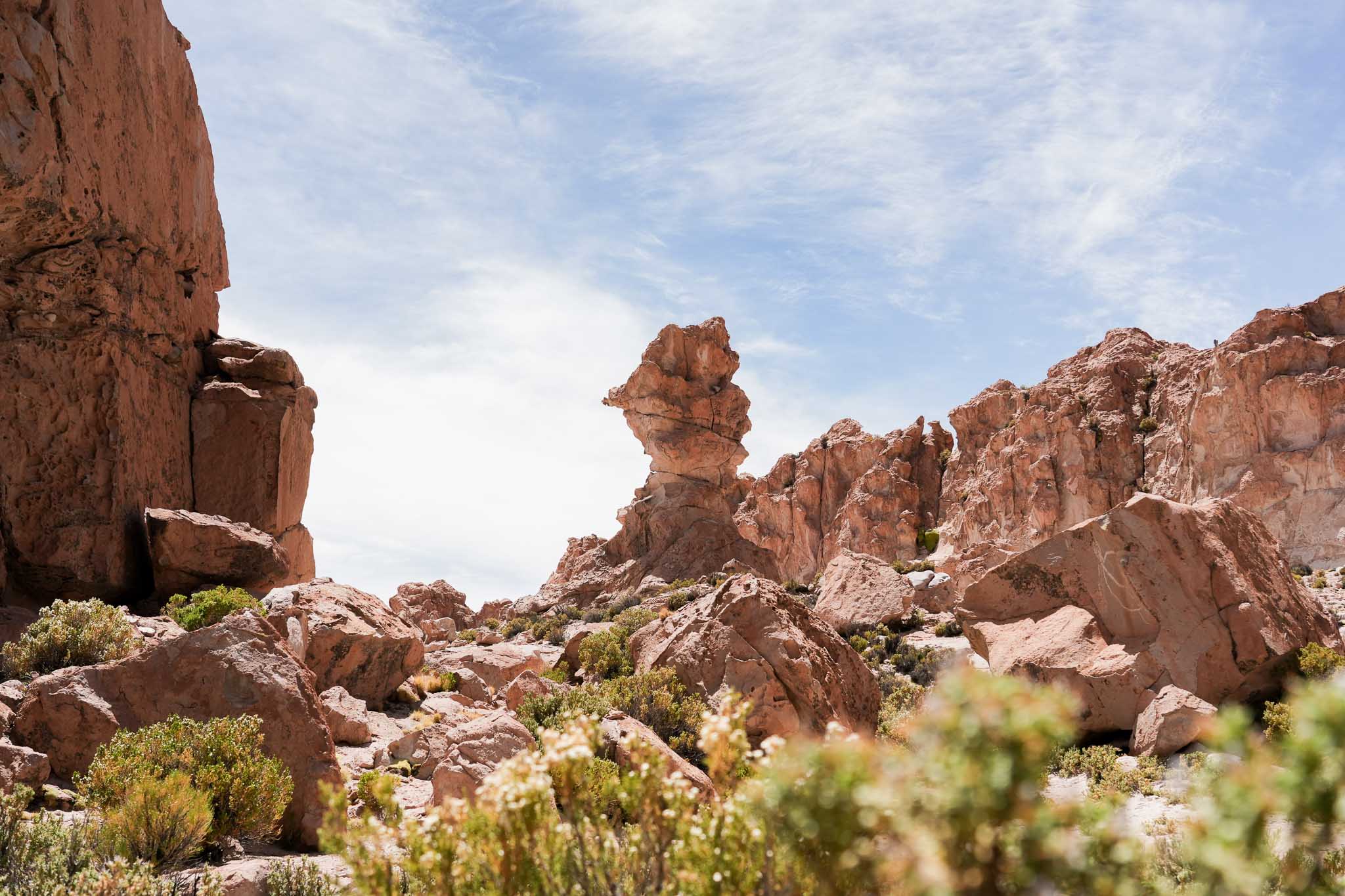
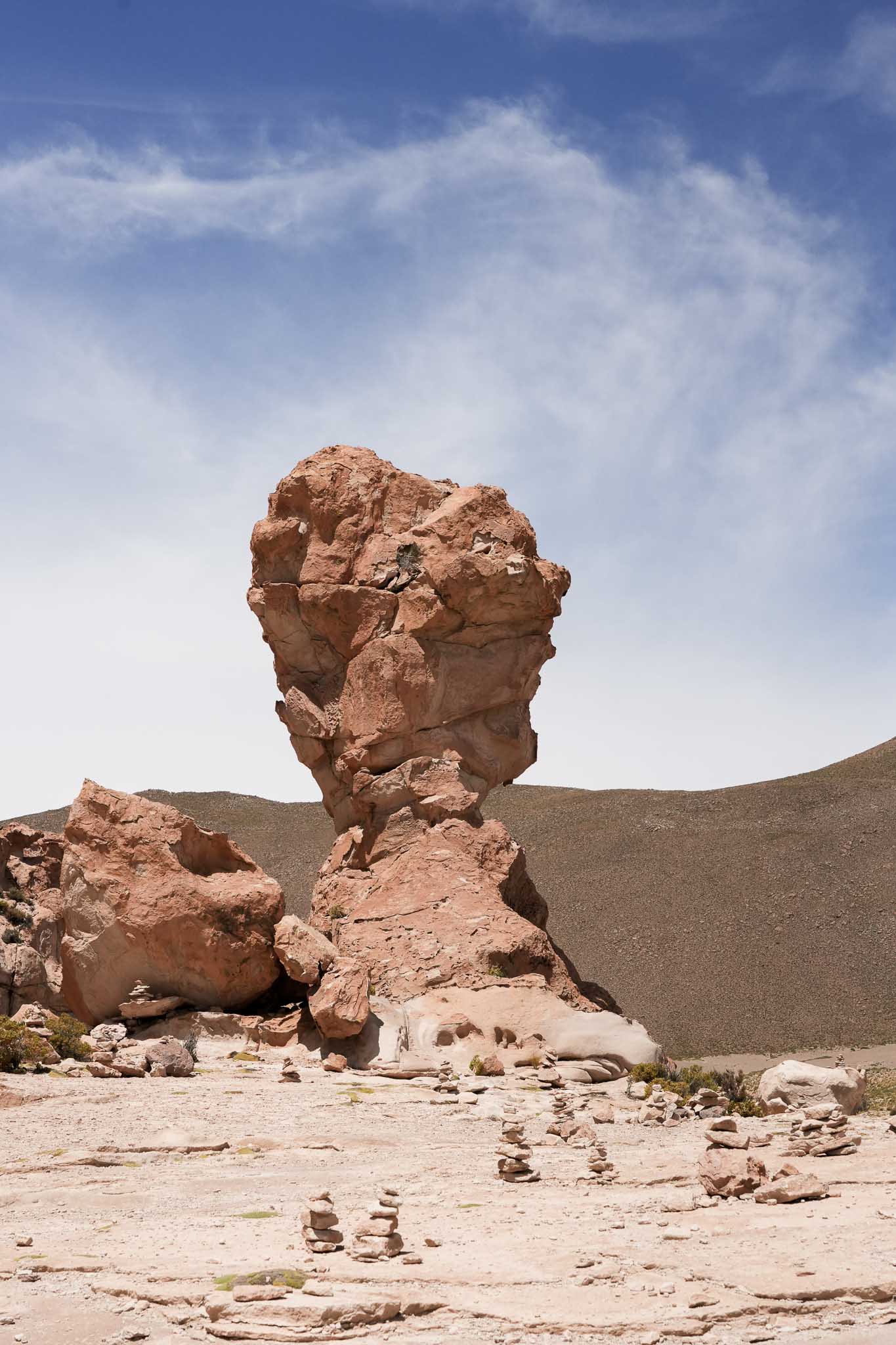
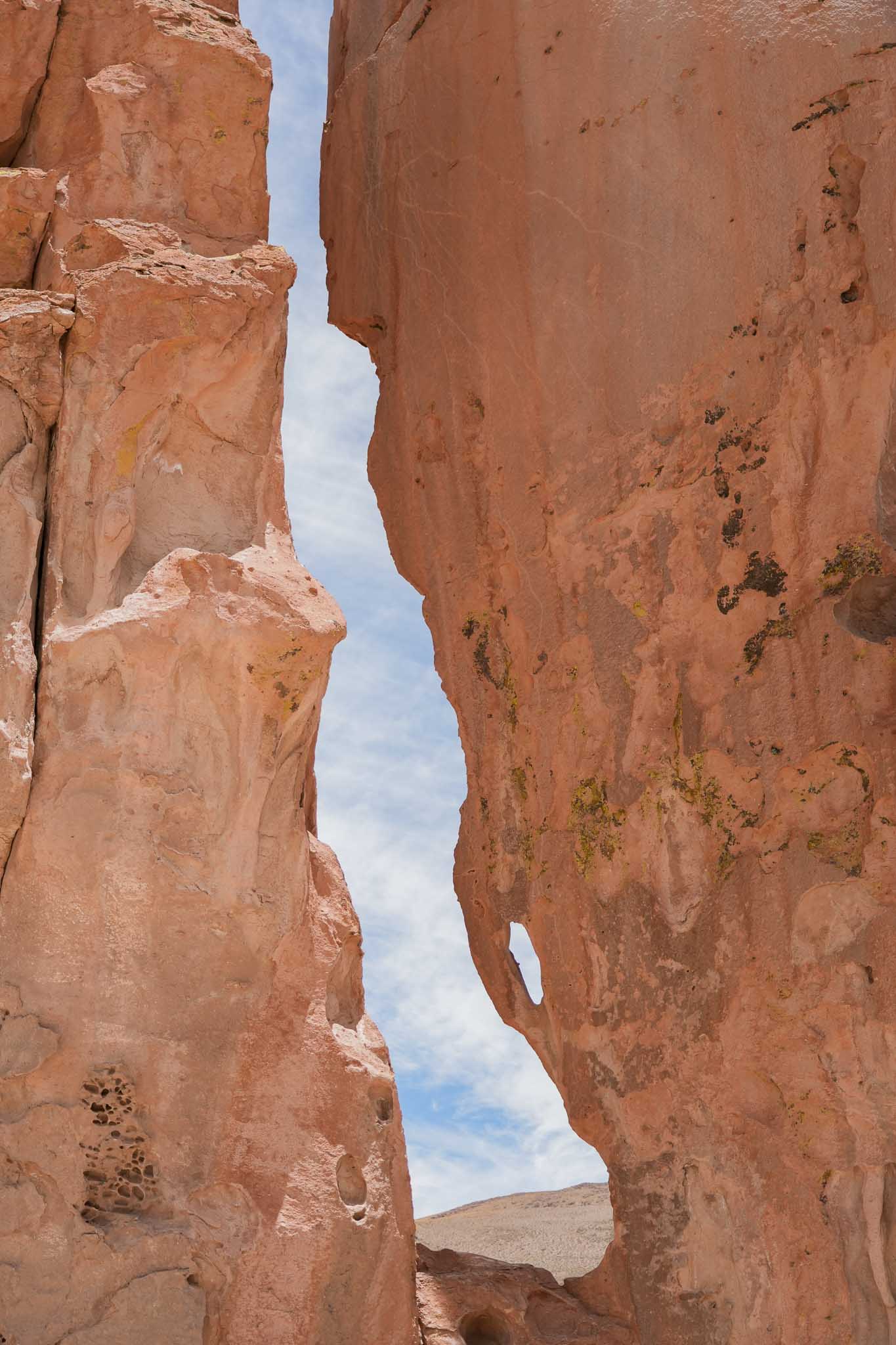
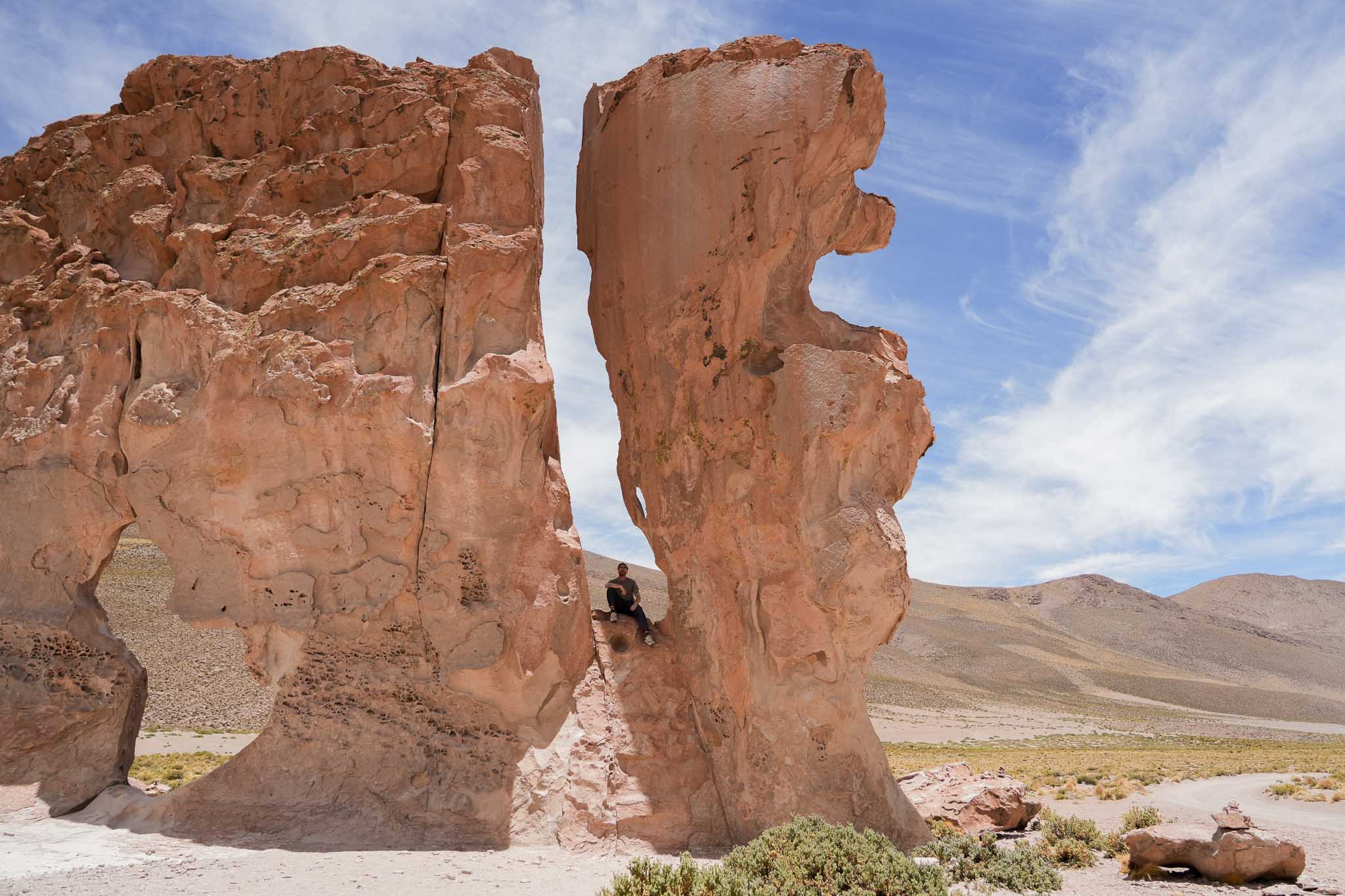
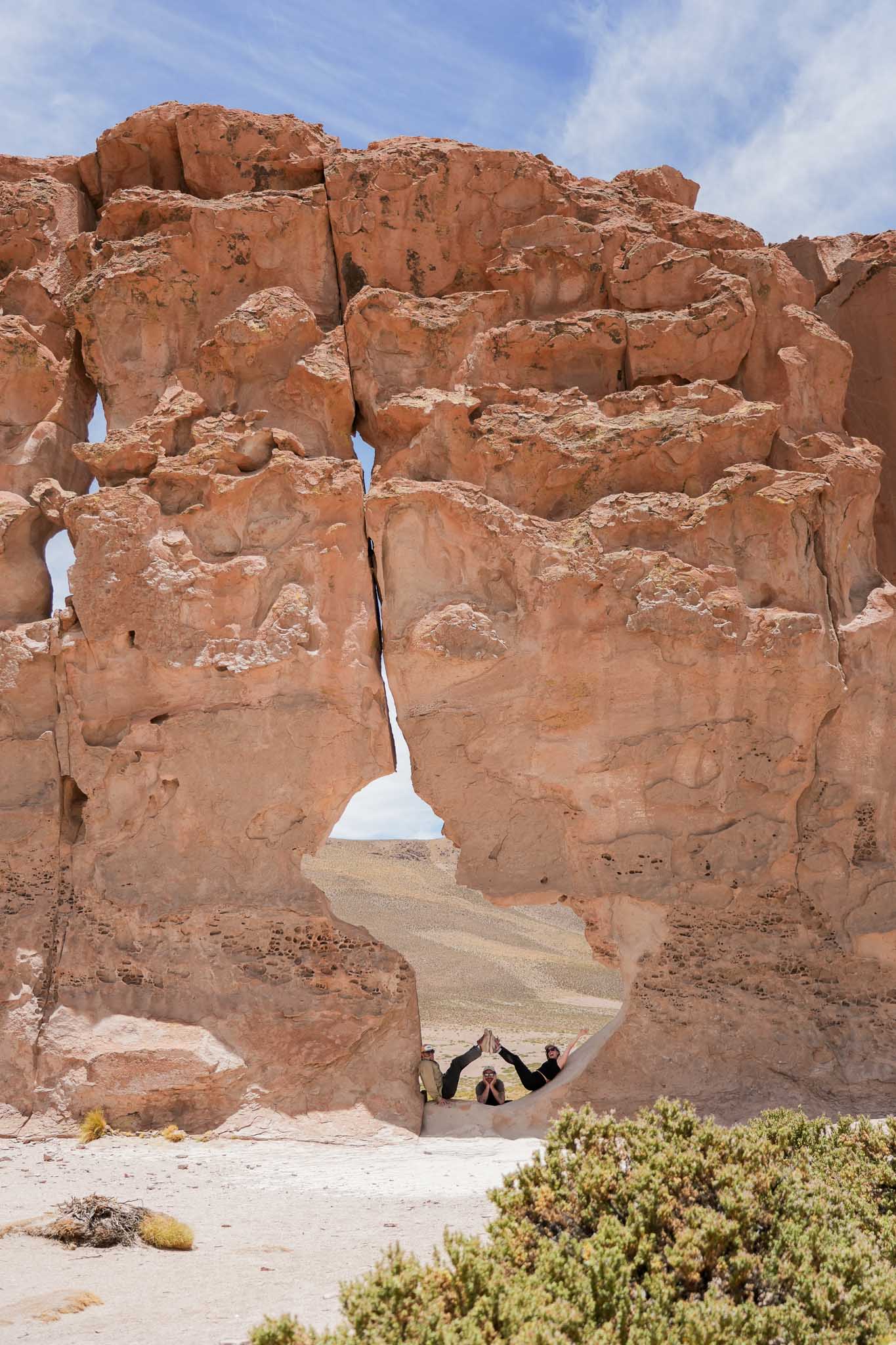
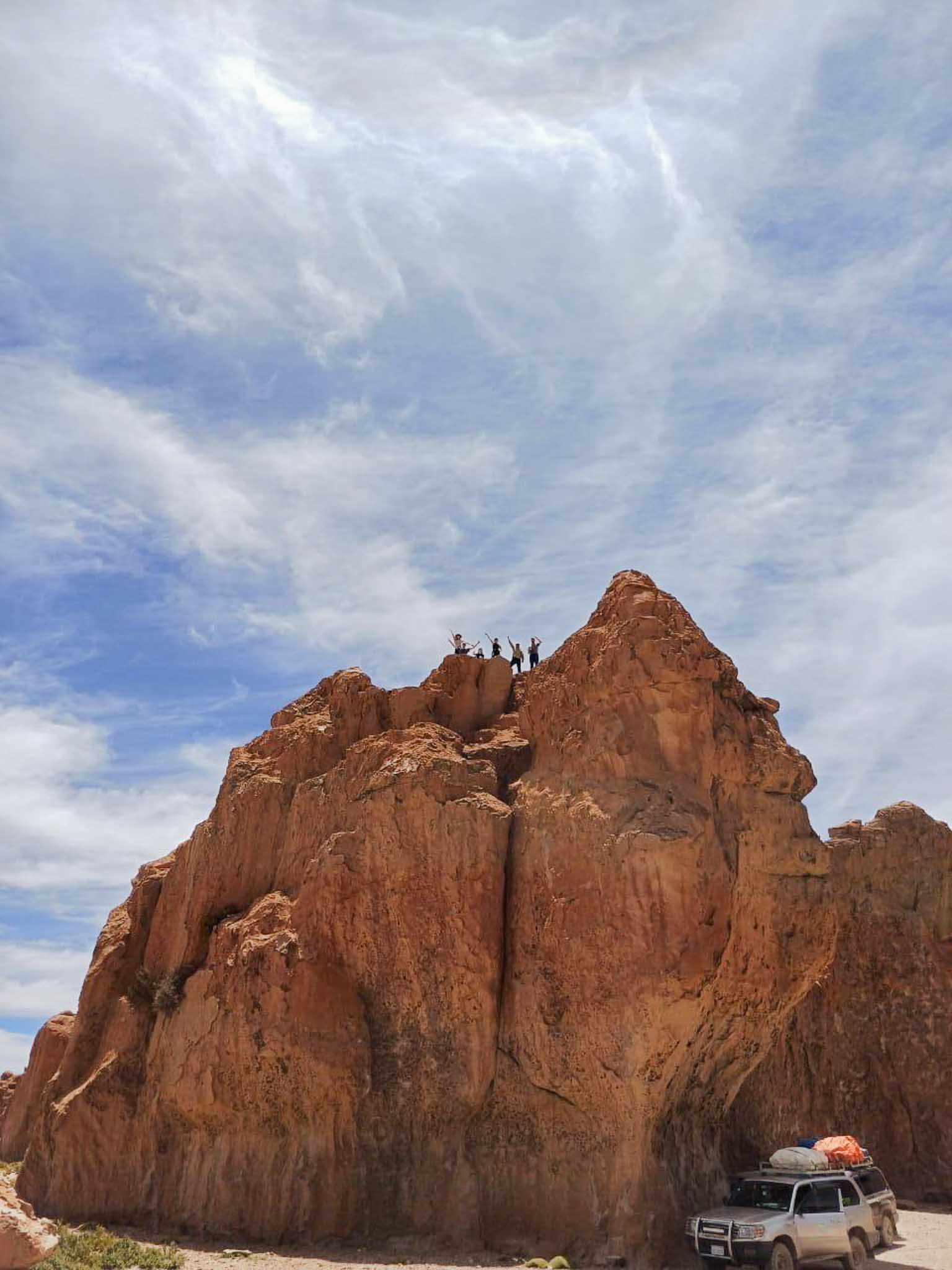
We drove to several really cool rock formations out in the middle of the desert which are remnants of volcanic activity and have created some really strange and unique shapes. These were lots of fun to climb on, and I took probably too much pride in being able to reach places others couldn’t, or wouldn’t, dare to climb.
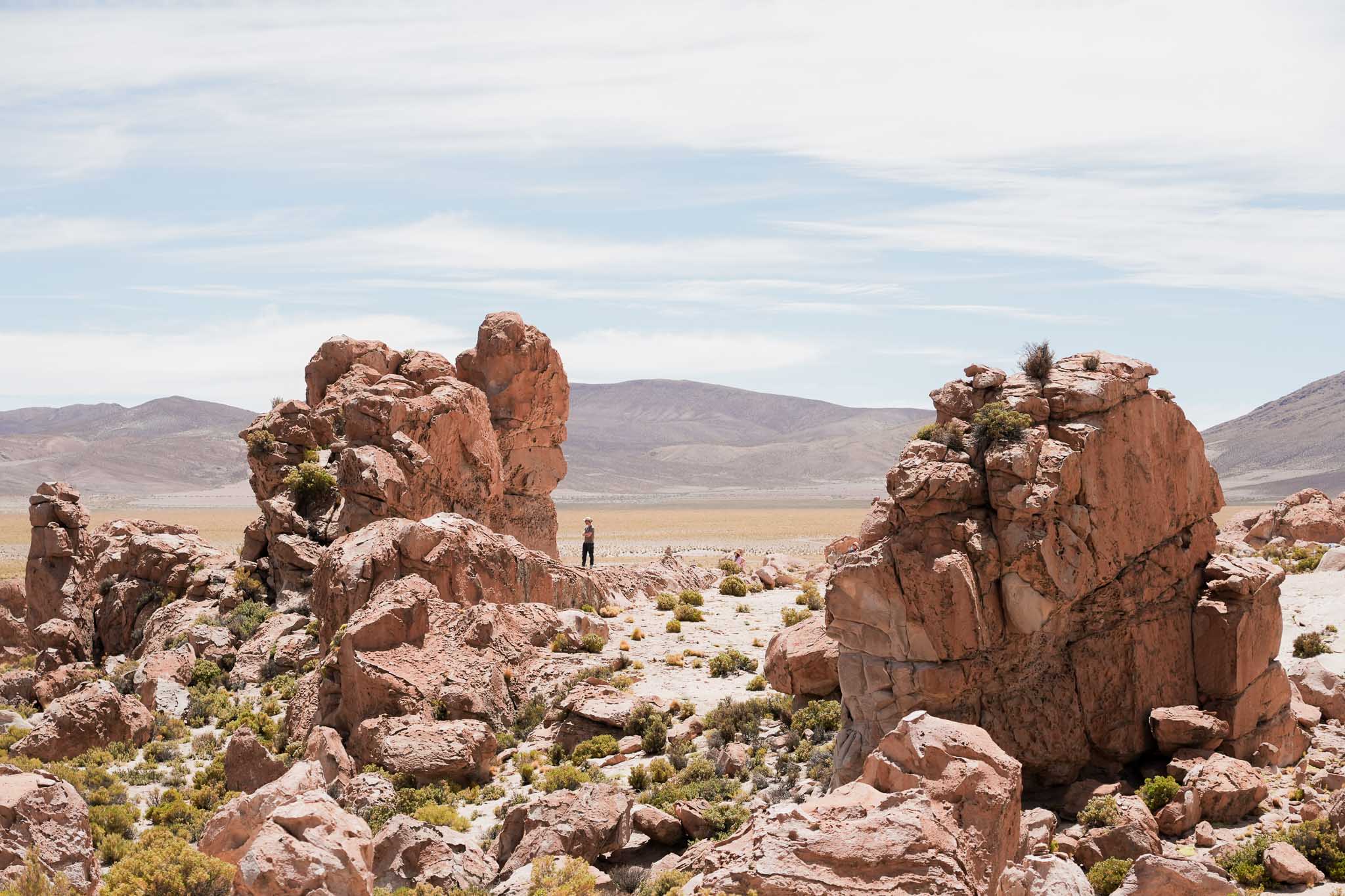
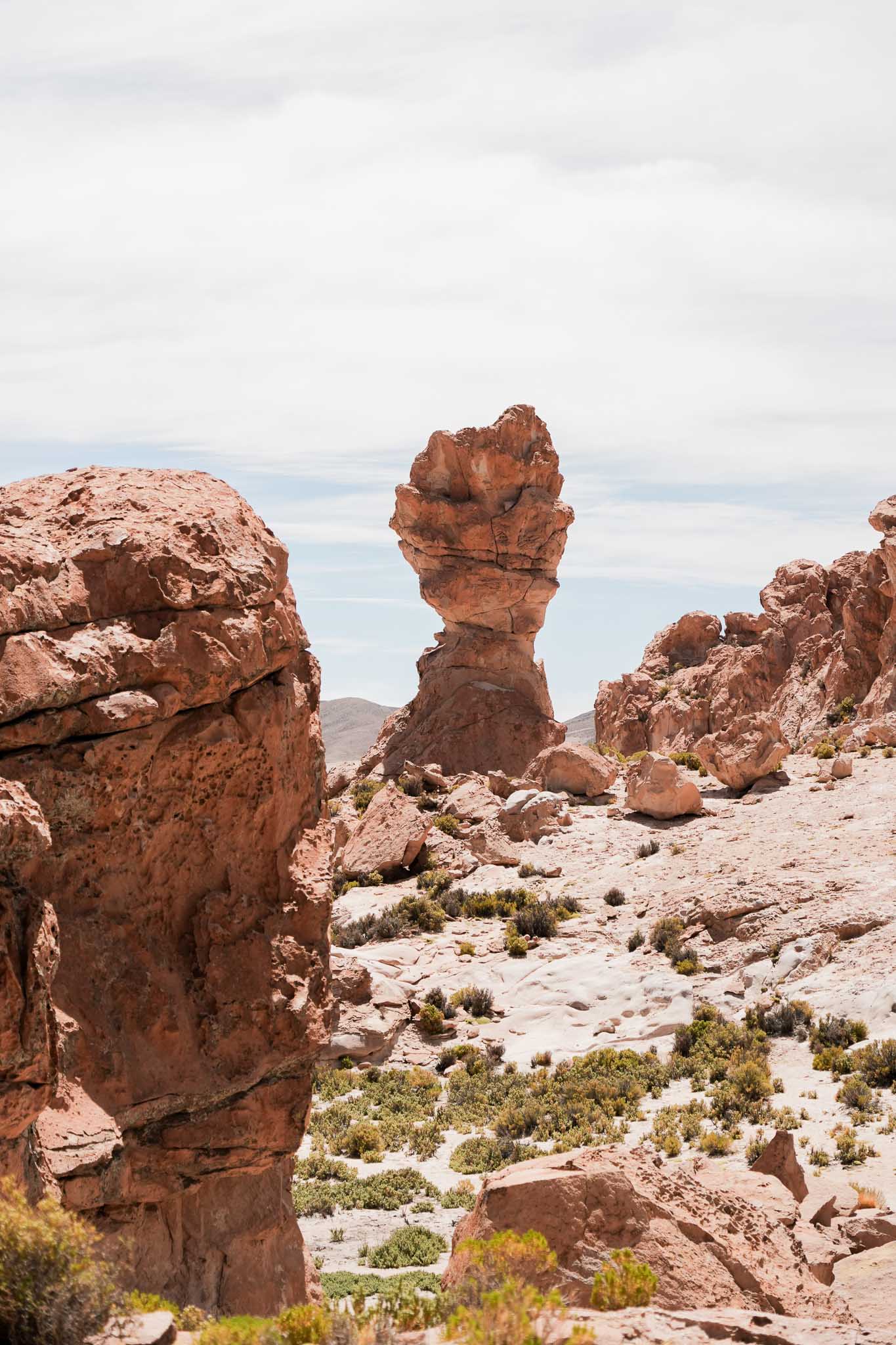
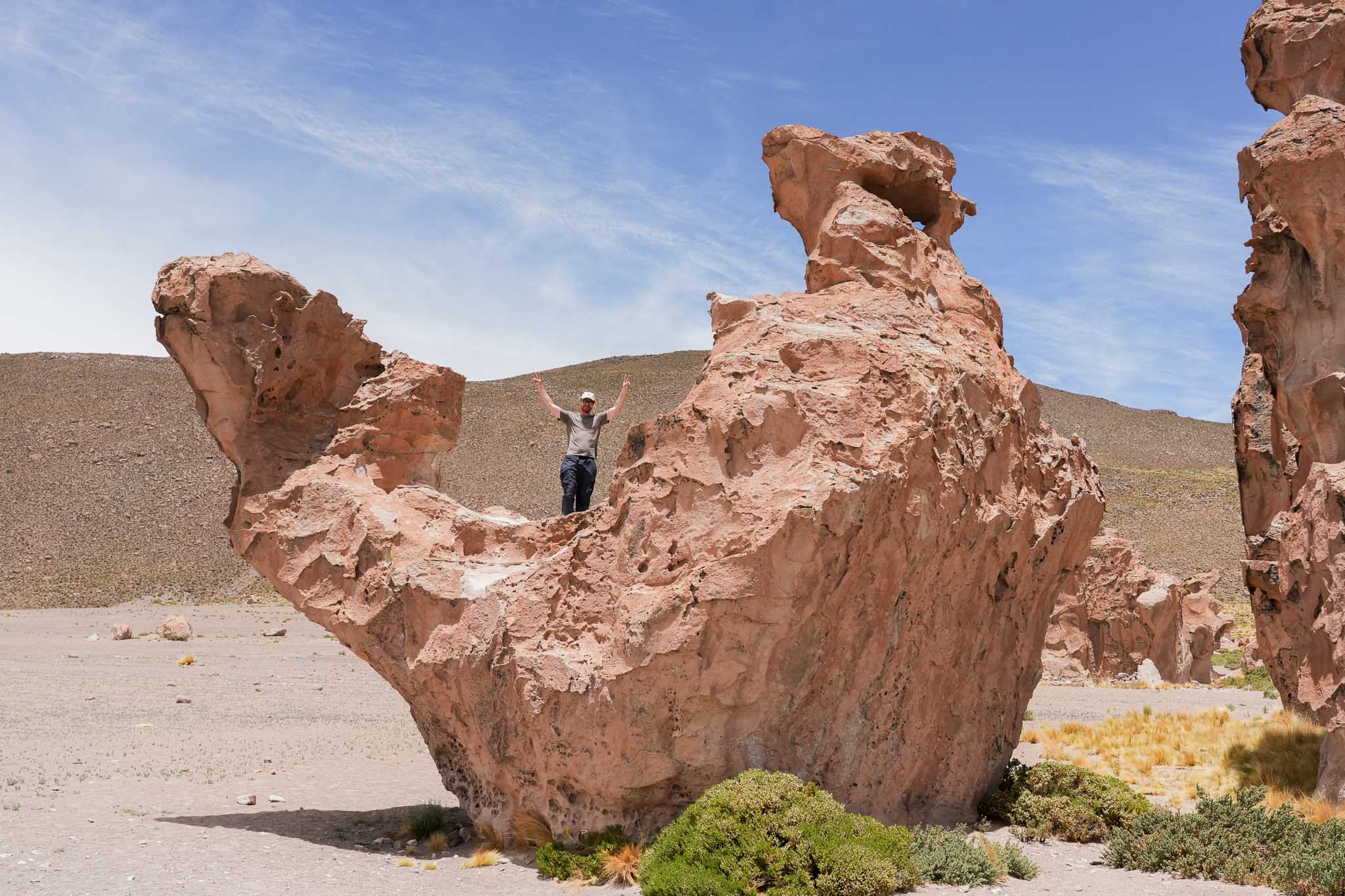
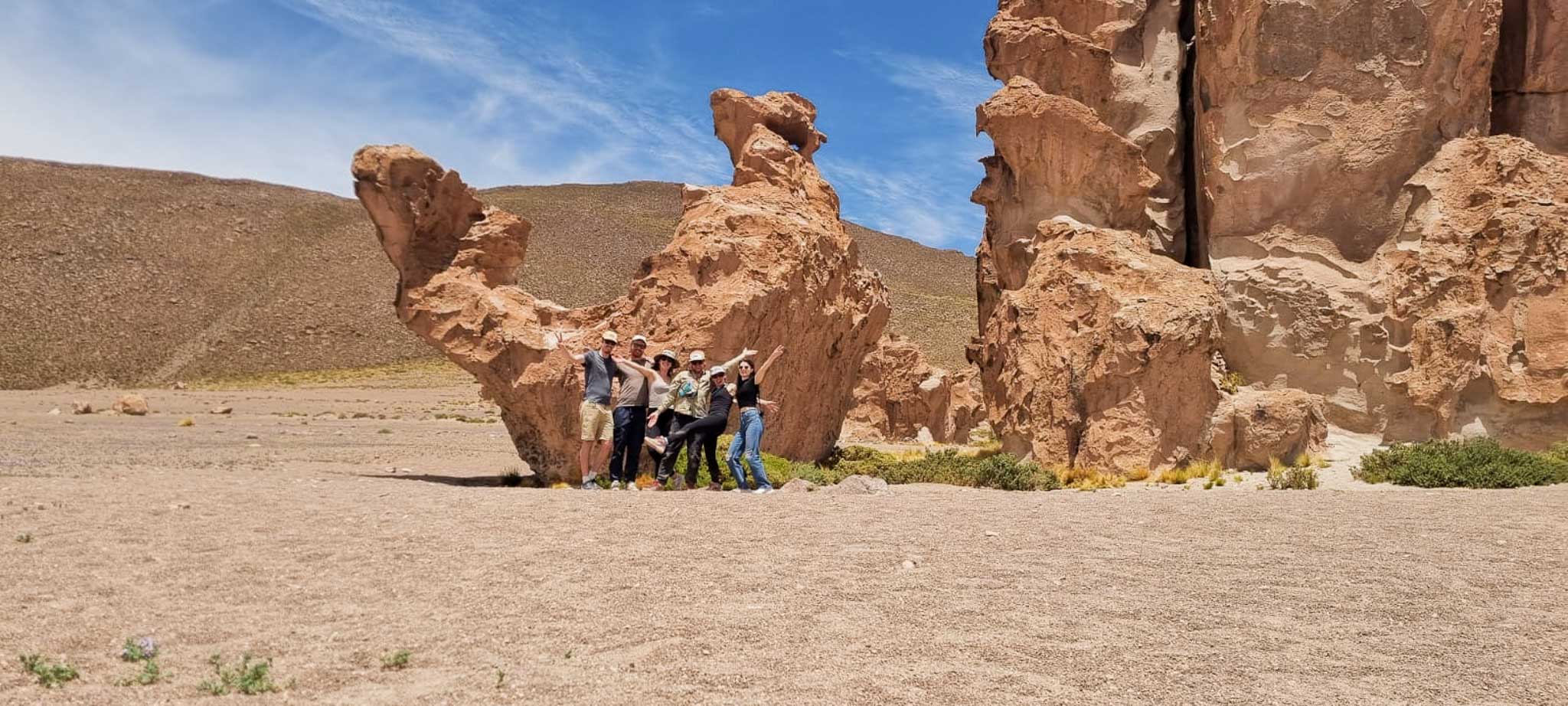
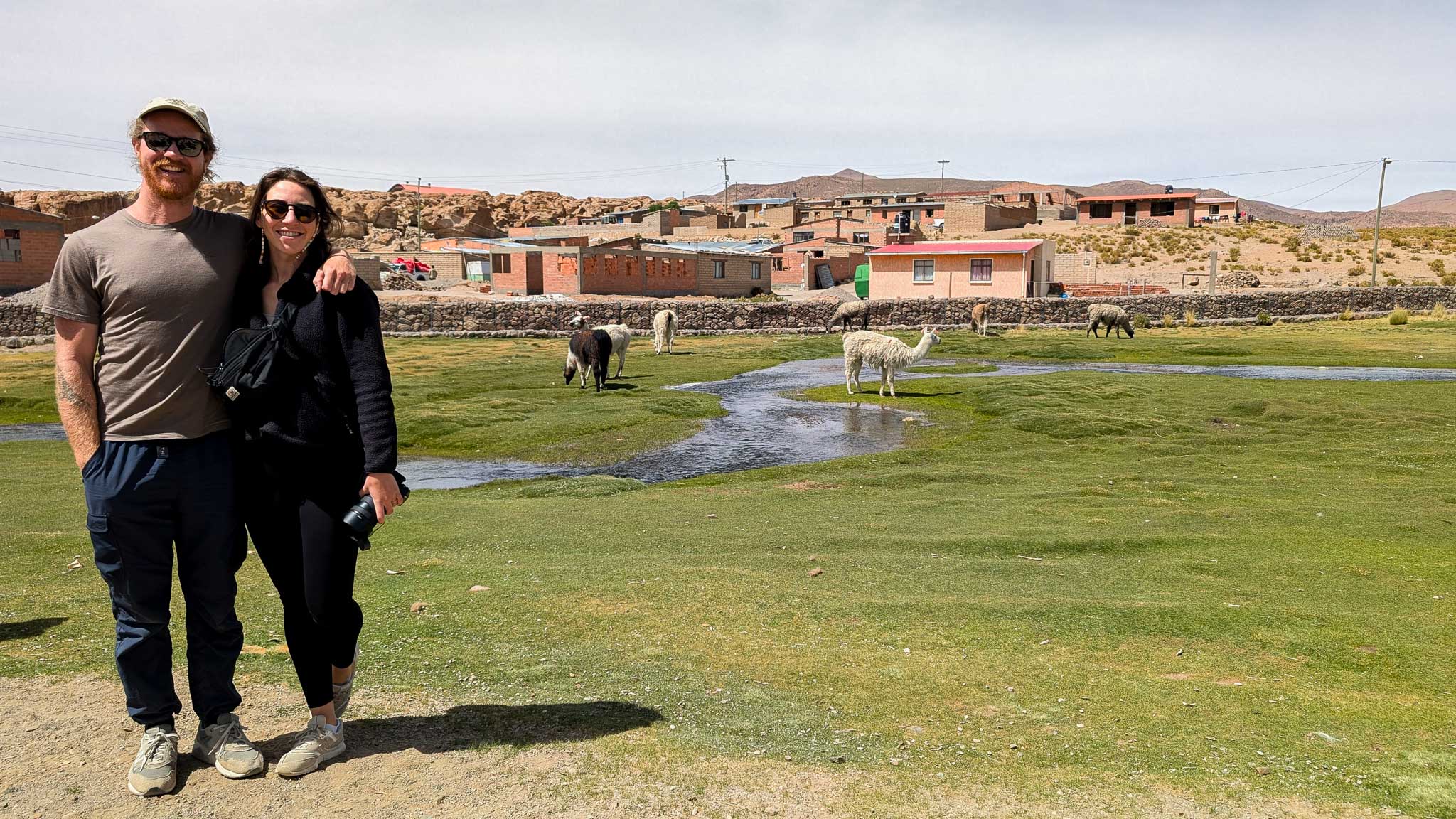
In the afternoon we walked around a really obscure but very special place that was home to a big herd of llamas. The landscape here was very odd, where huge swathes of volcanic rock, dotted with hundreds of thousands of magma holes, gave way to seemingly rivers of grass about 15 metres or so below. Llamas of all different colours and sizes would just cruise around together in these secret channels of grass, completely hidden from the outside world. Small streams flowed through the grass which created a spongy effect when walked on, and the whites, pinks and greens made for some awesome photos. Definitely a very unique and memorable landscape.
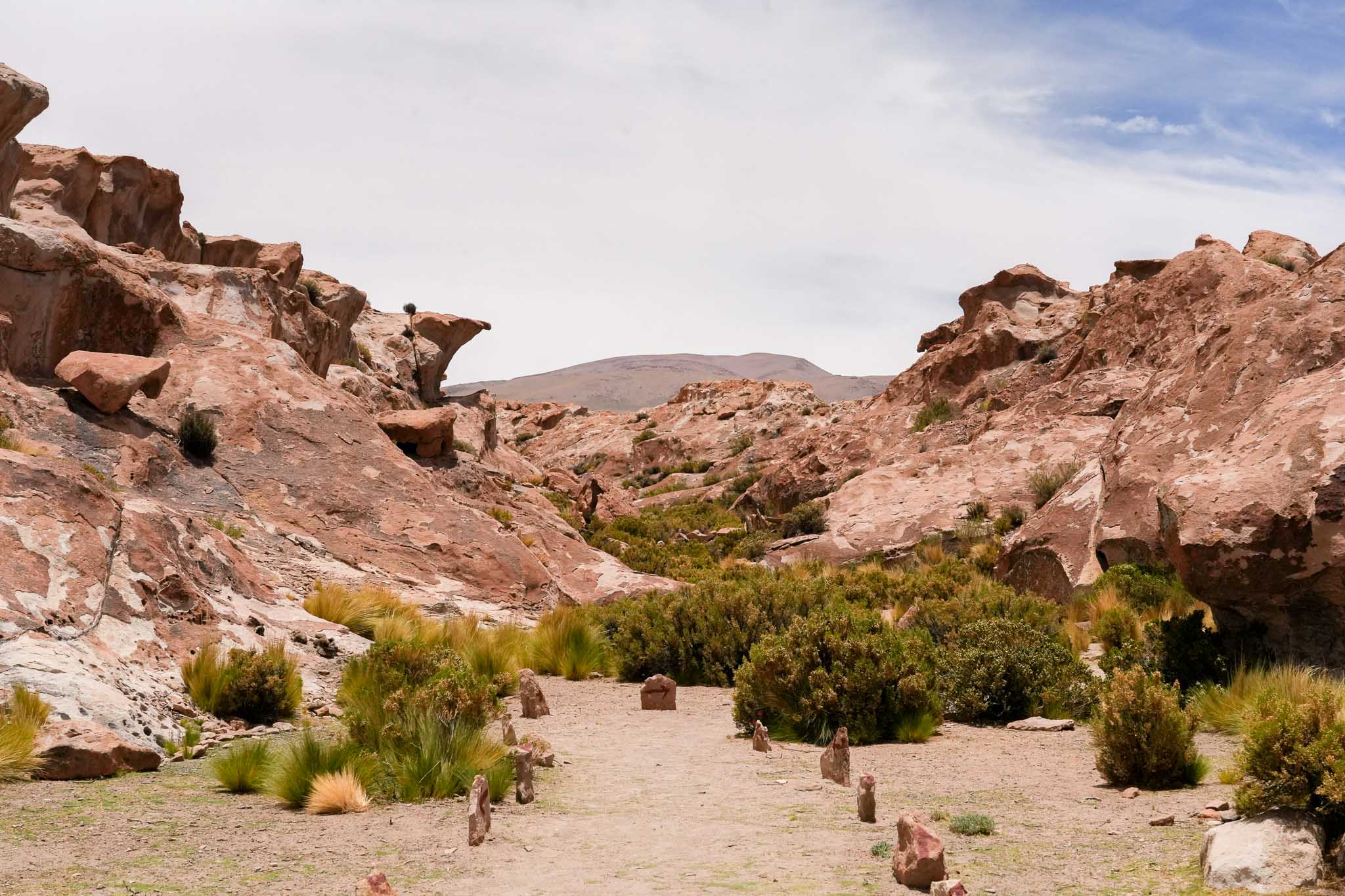
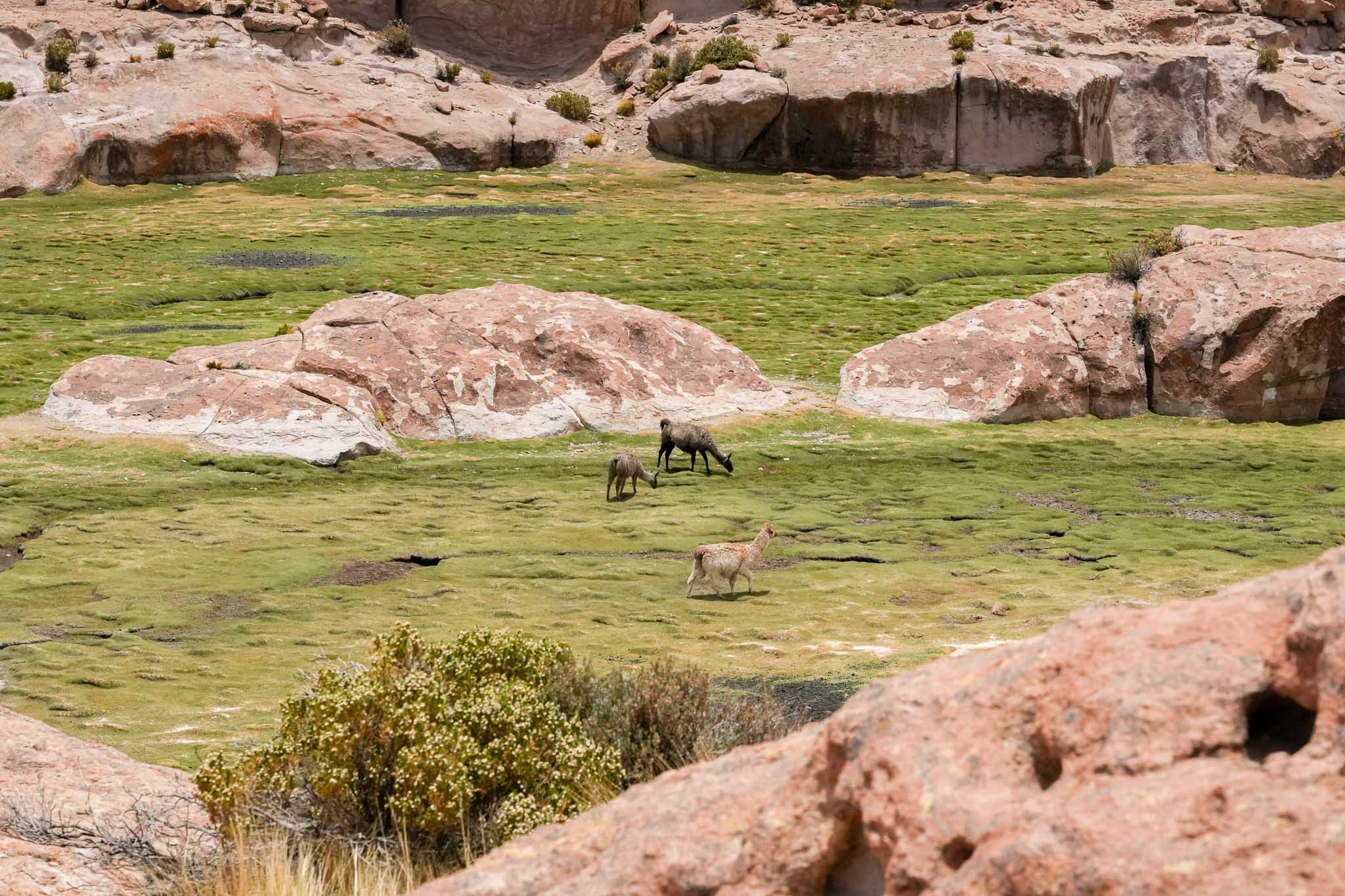
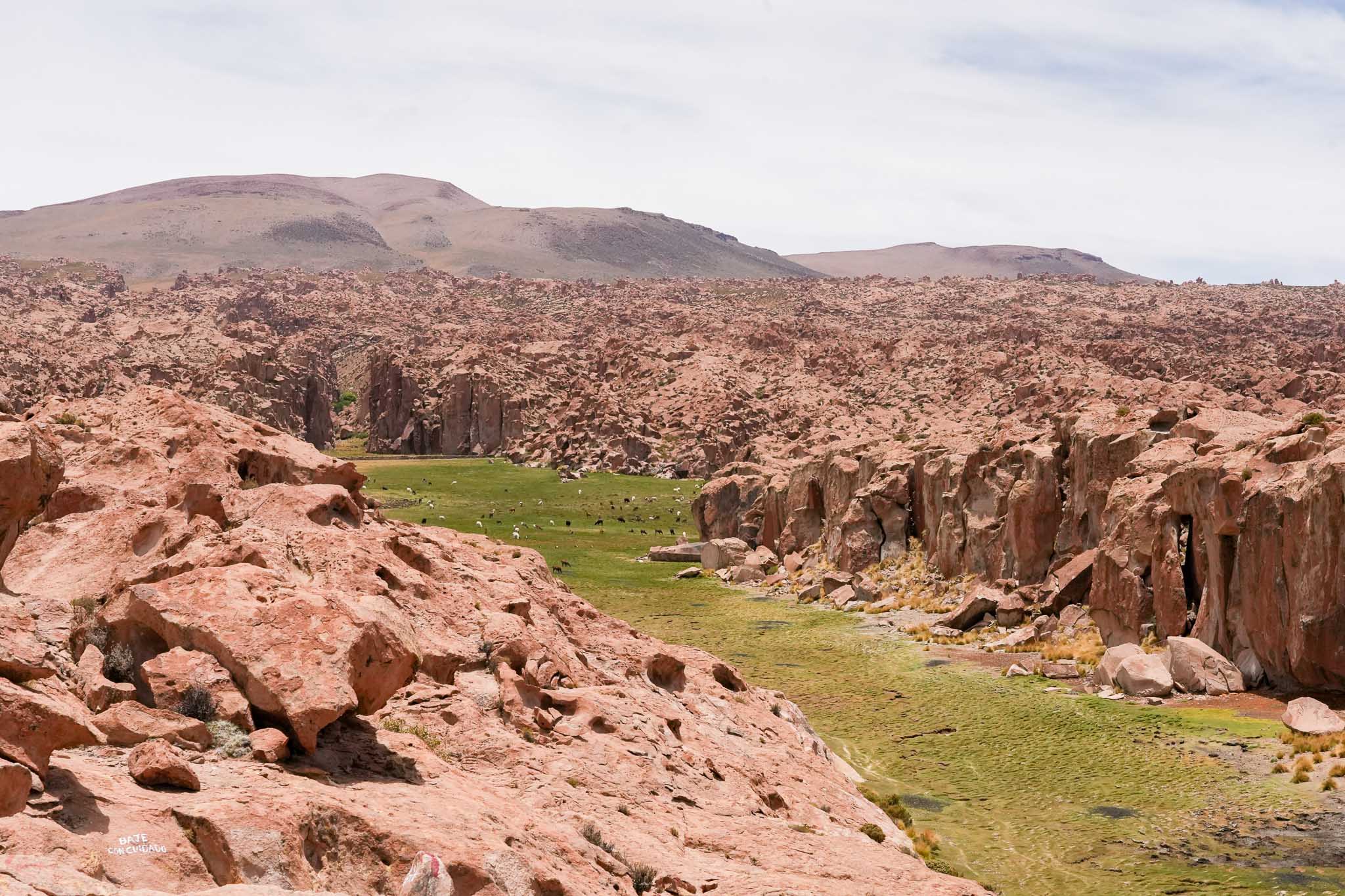
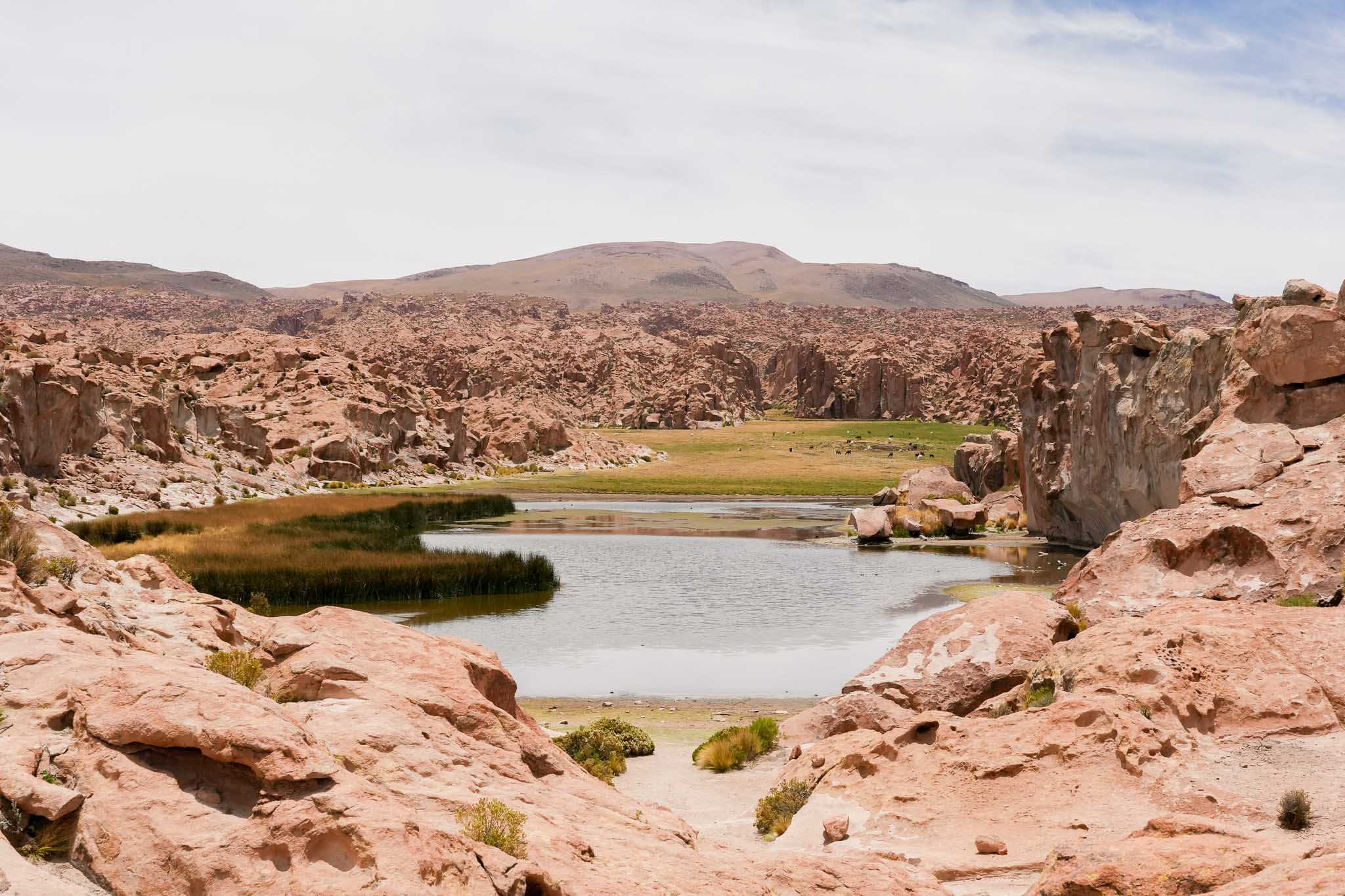
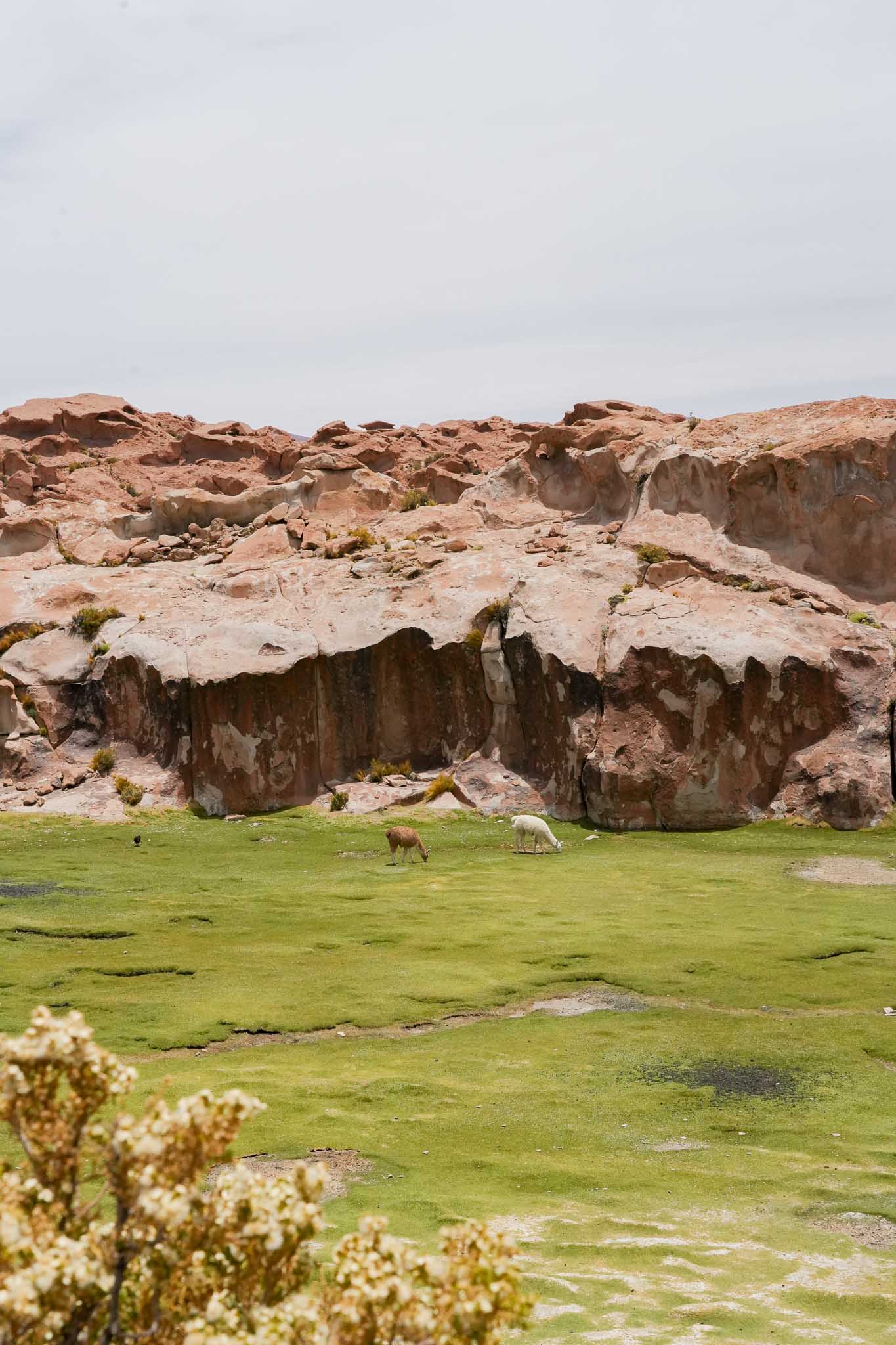
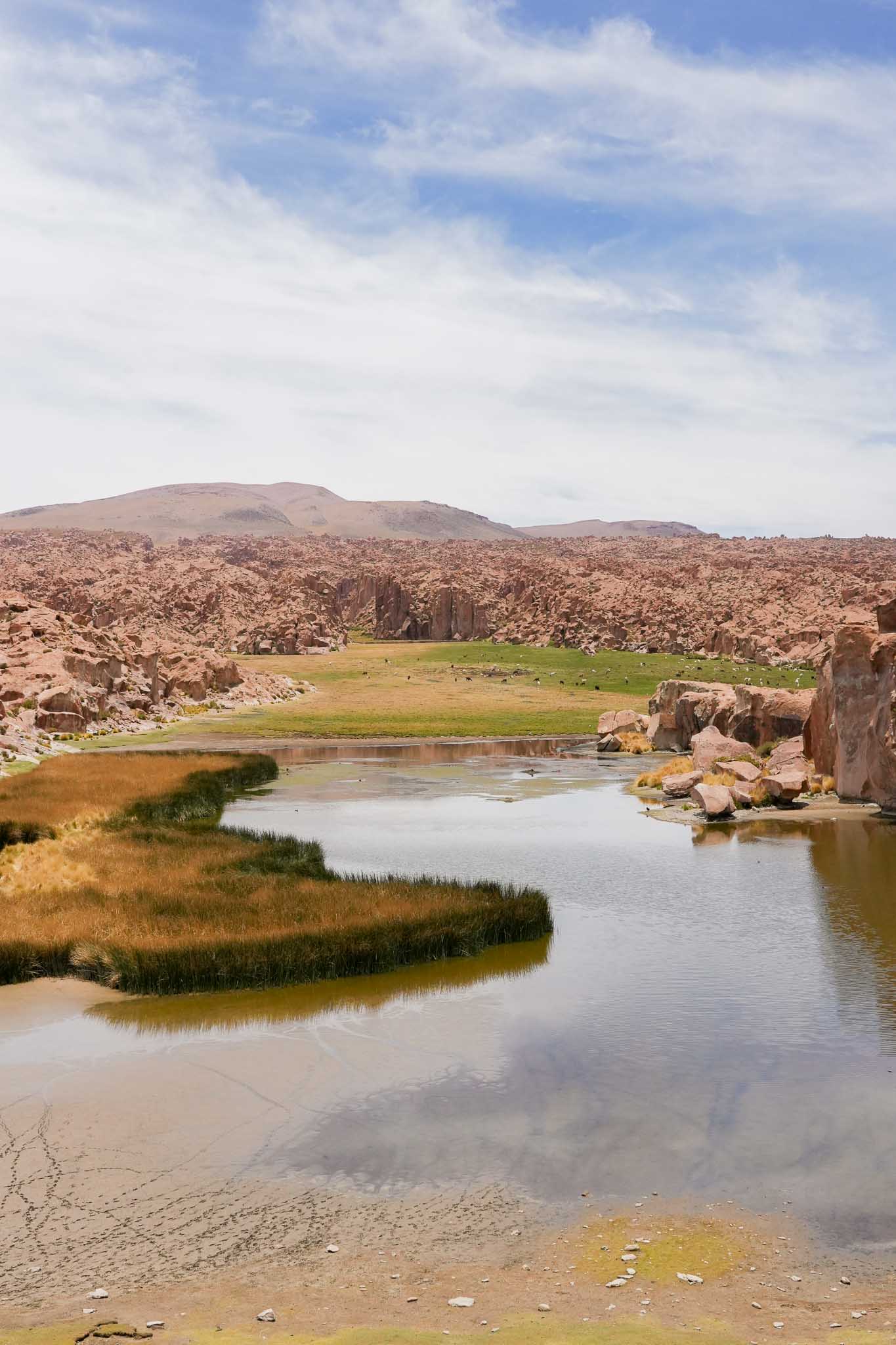
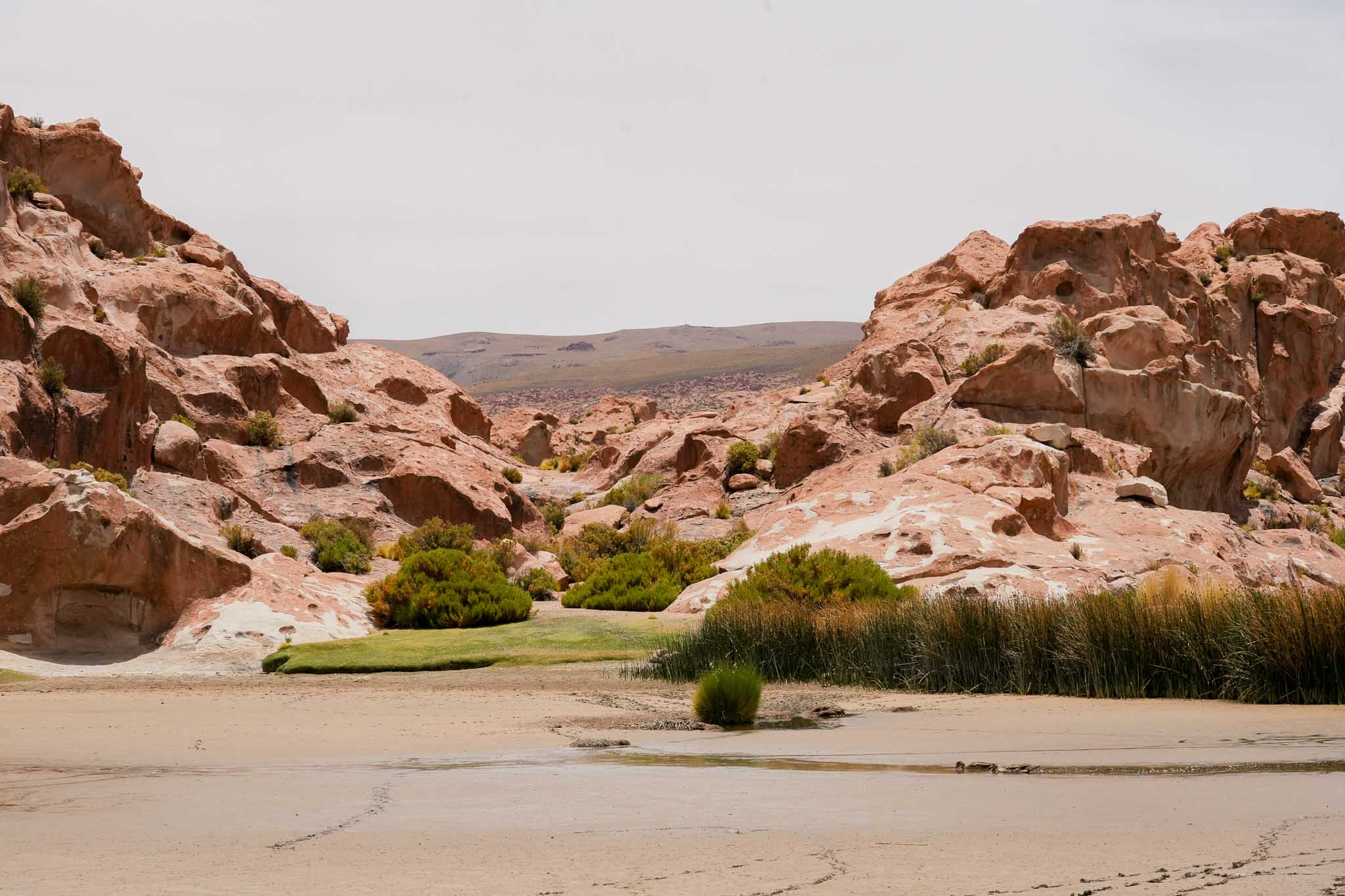
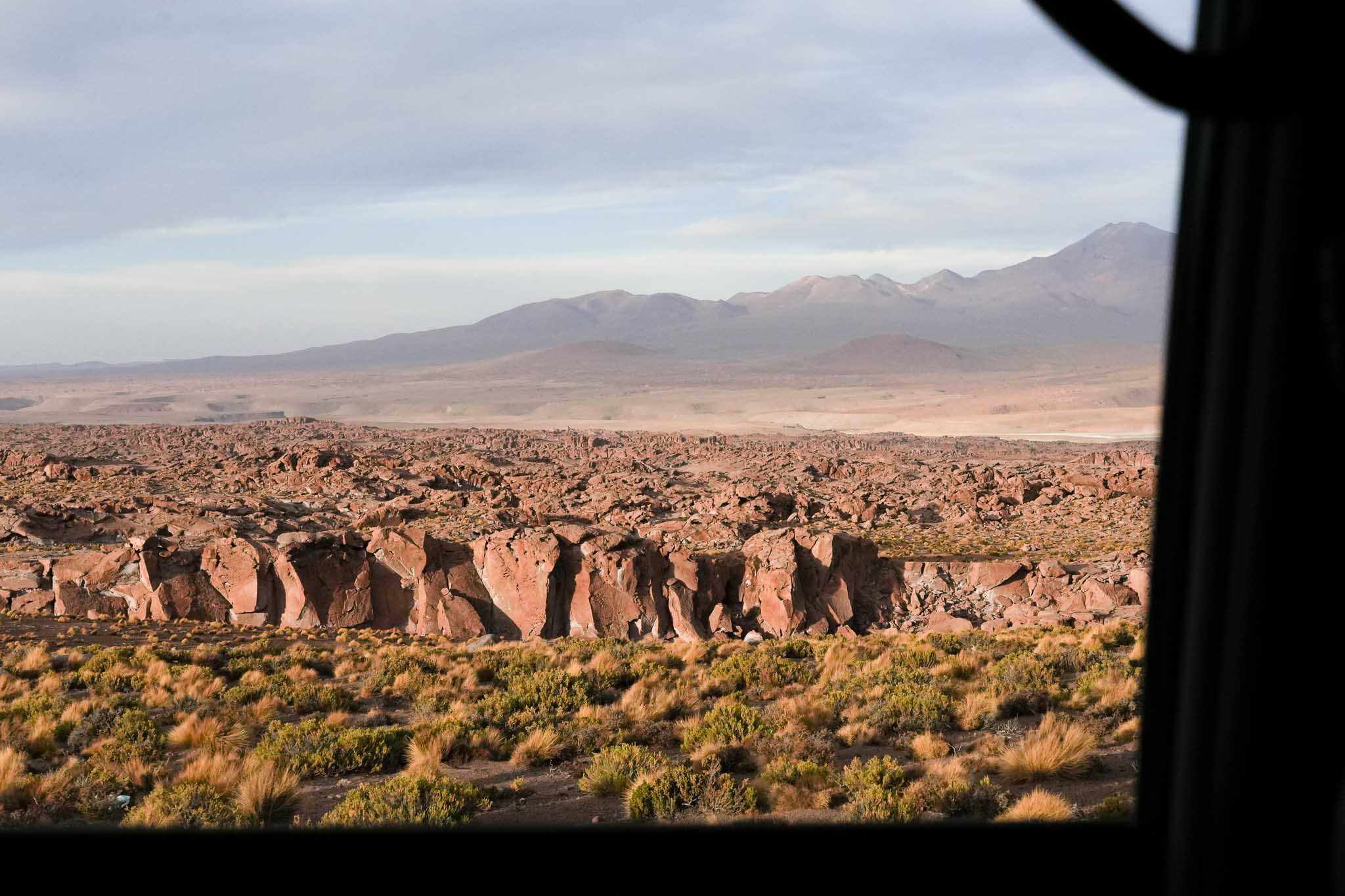
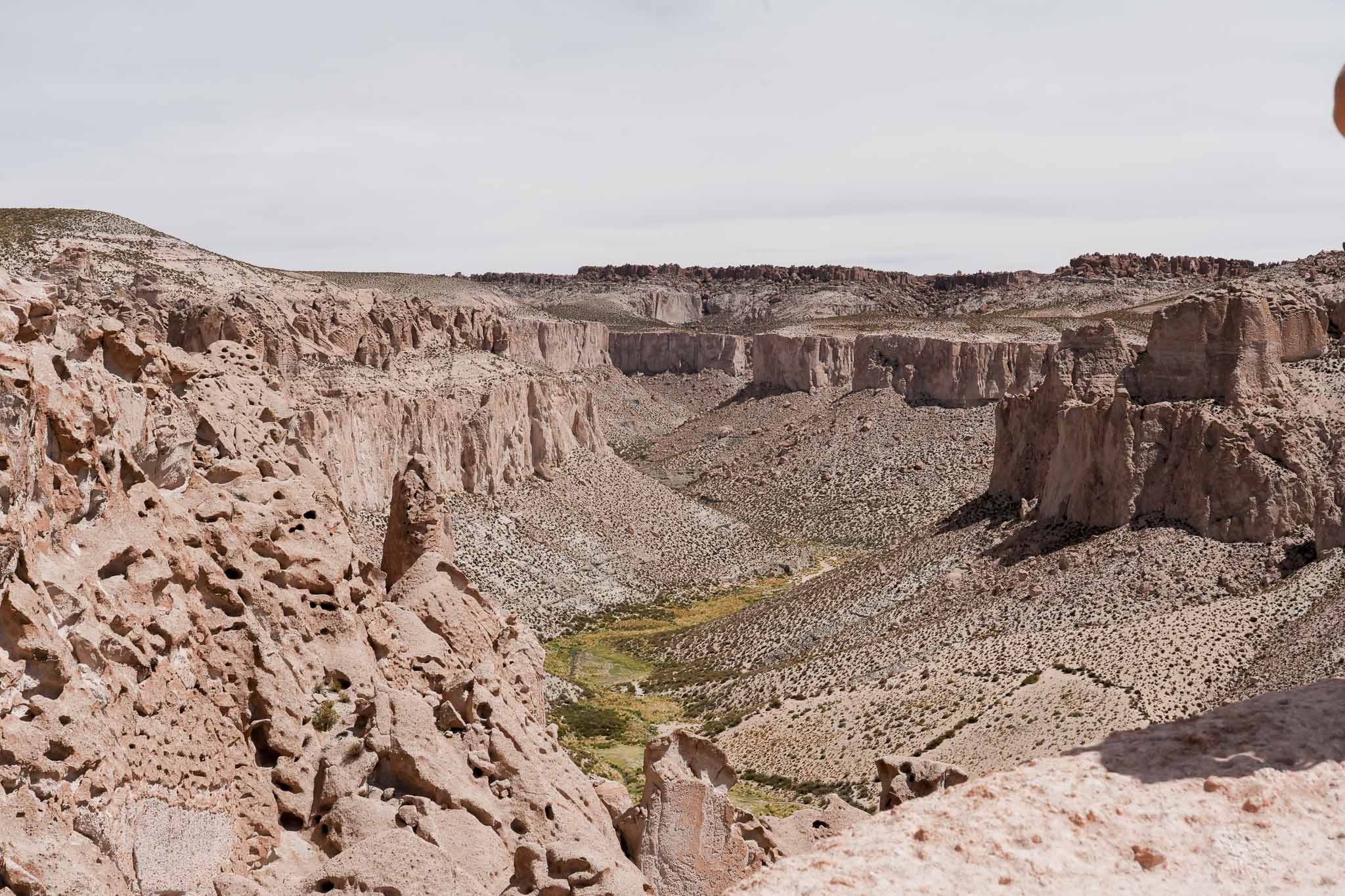
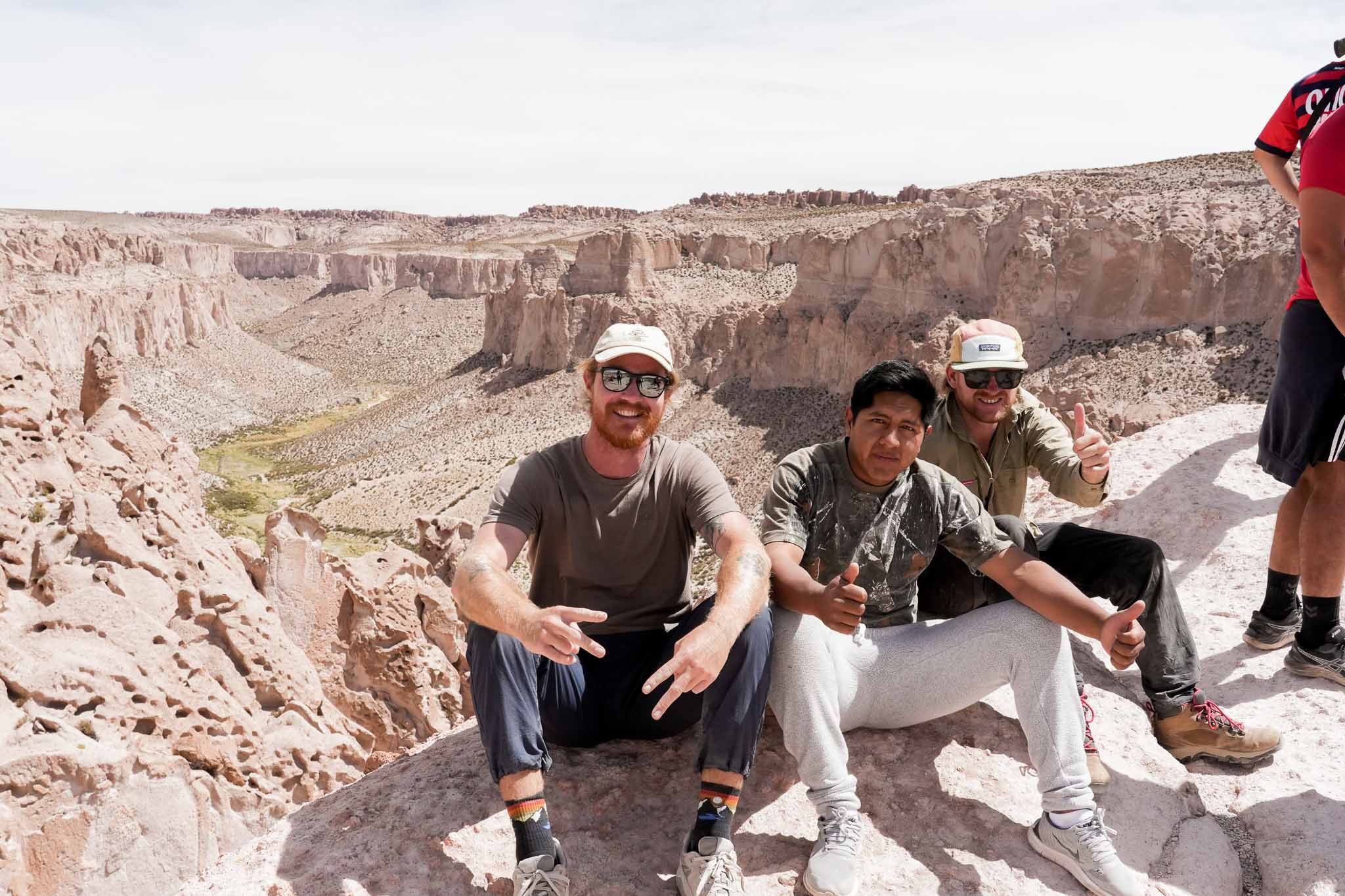
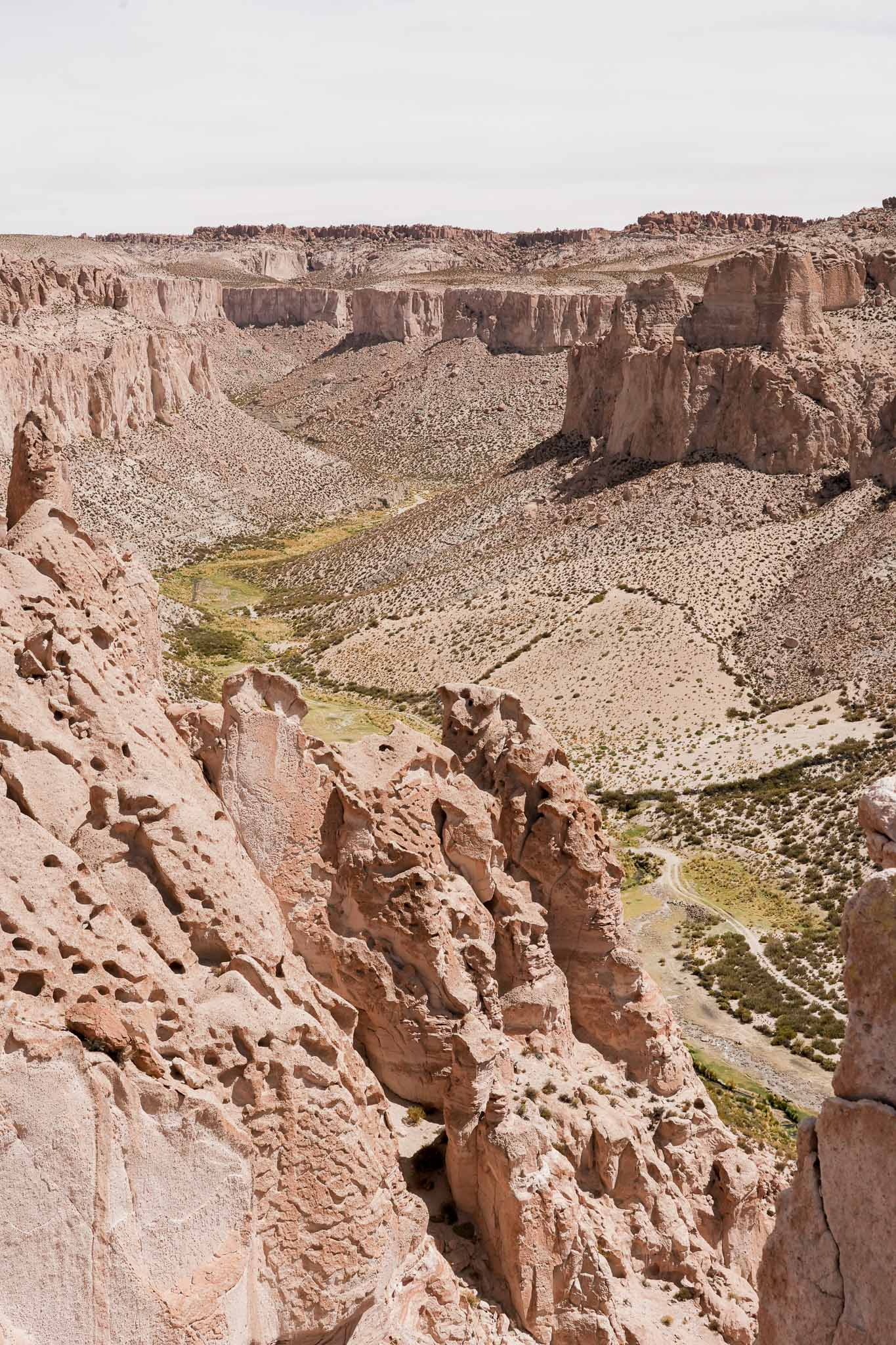
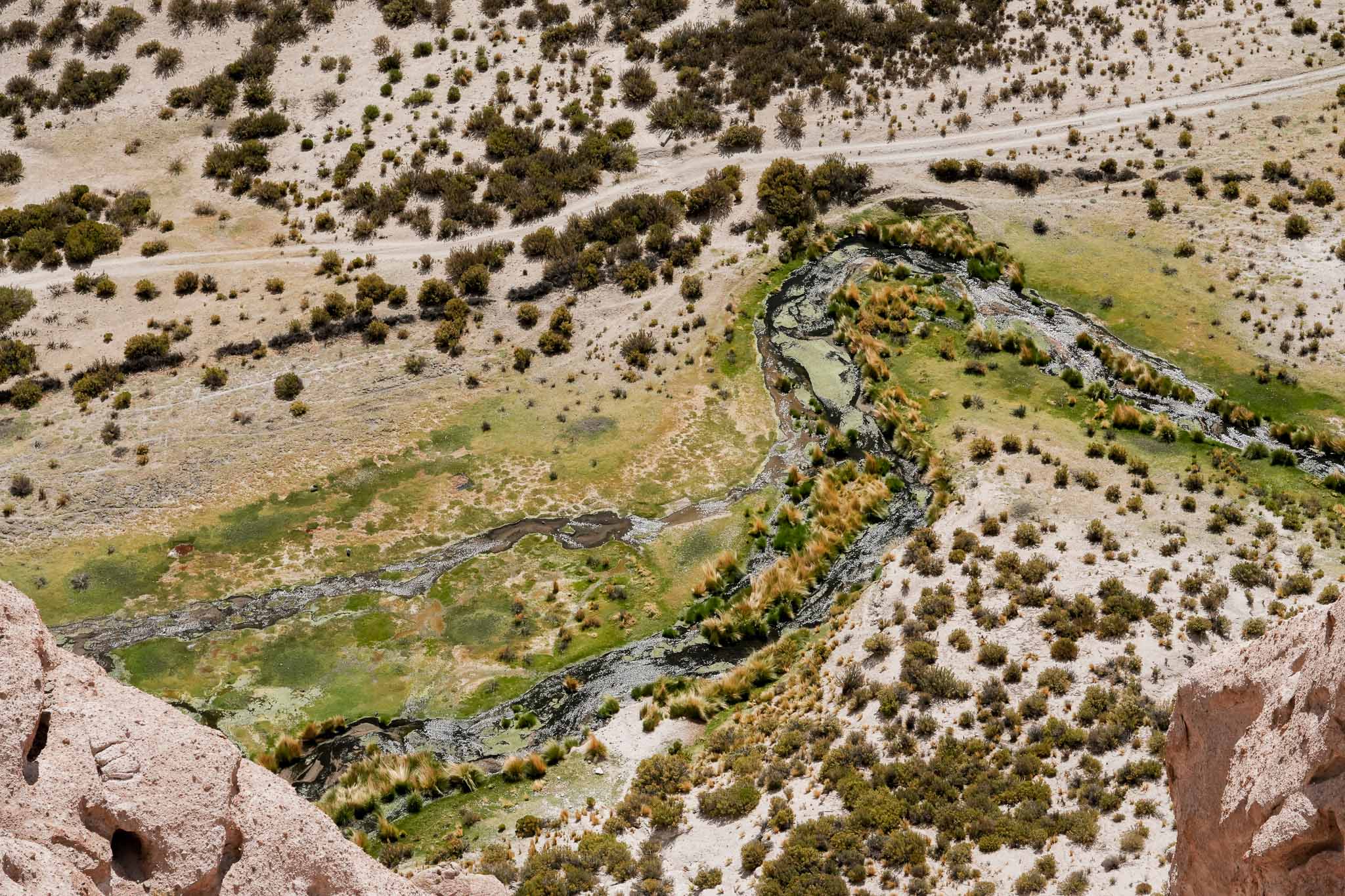
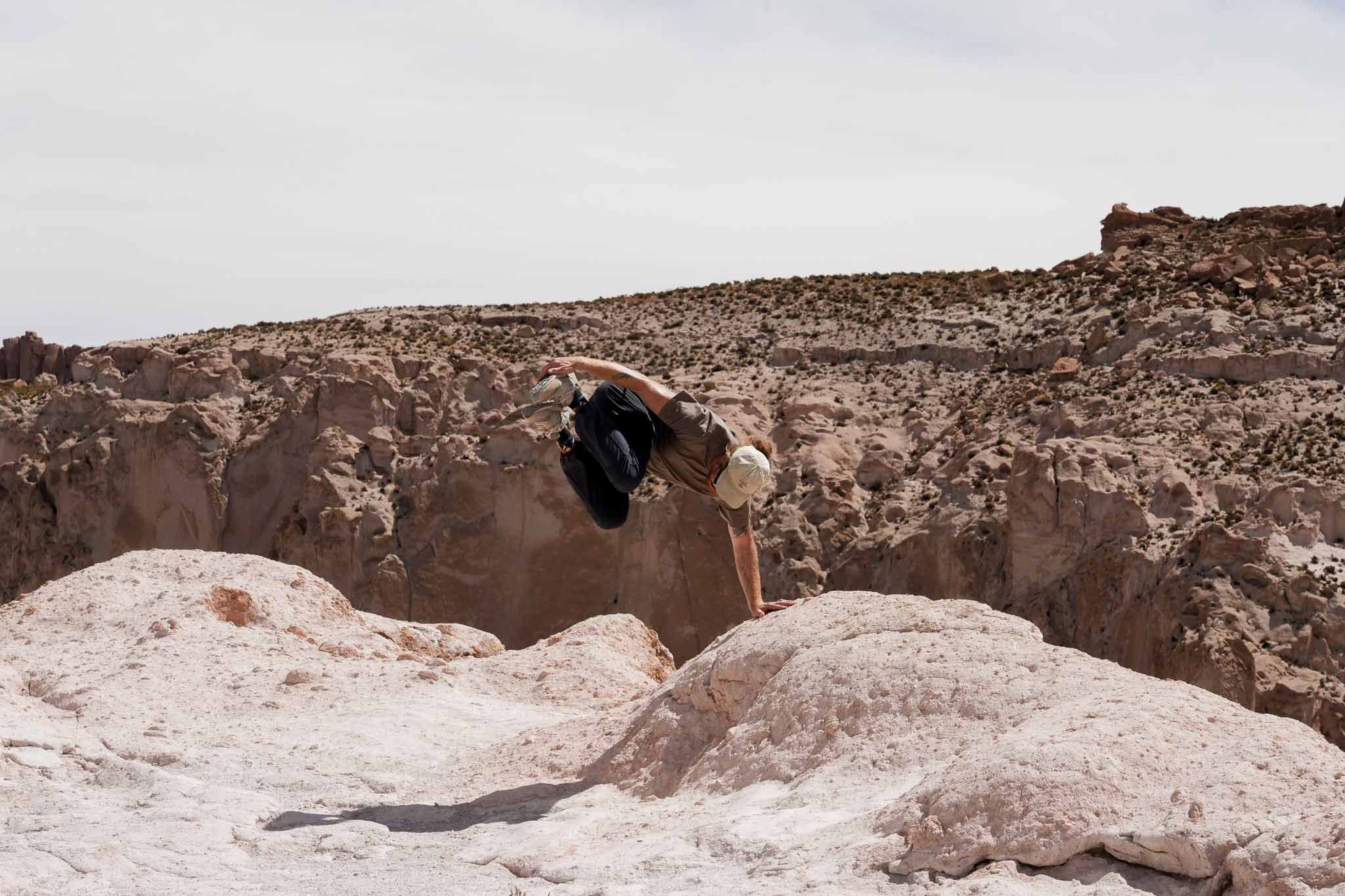
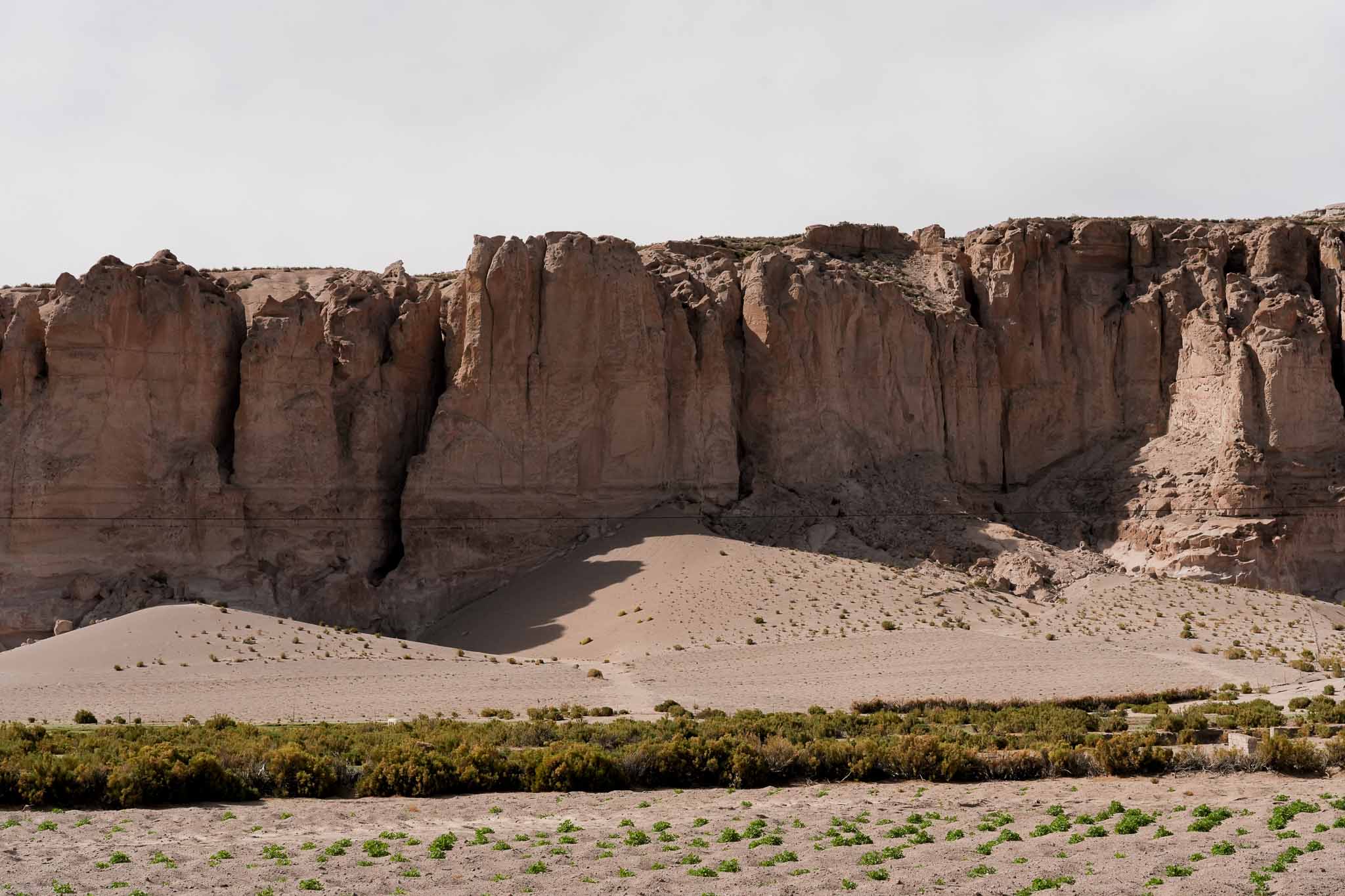
The landscape changed yet again when we reached an area of canyons. We drove up to a viewpoint to admire the valley below which was home to nice green shrubs and grasses with a small snaking river flowing through. I finally got to pose for a photo with Etson, and I even did some cool tricks near the cliff’s edge to show to the camera how big and tough I am.
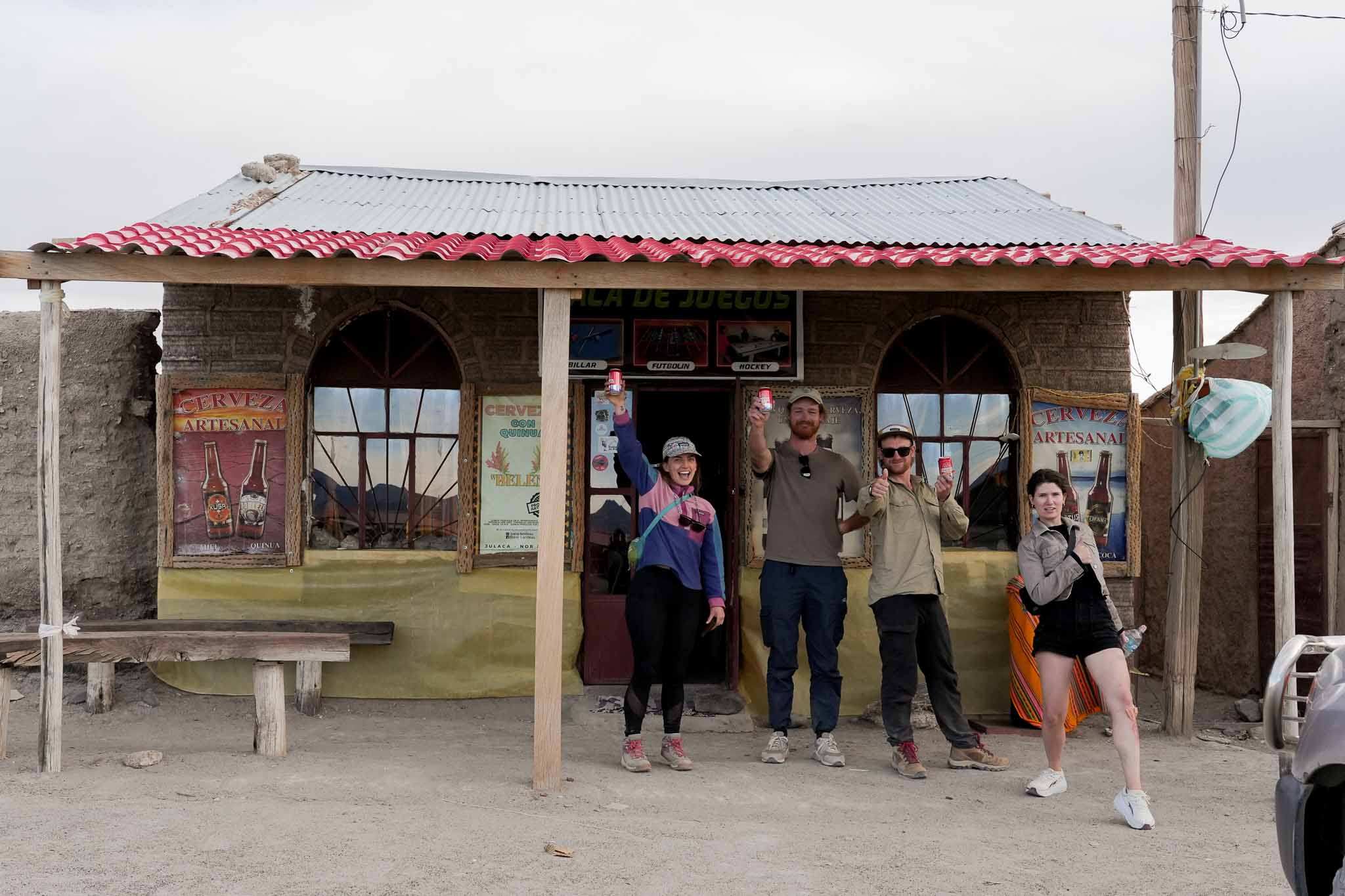
I was super excited to be stopping off at a brewery out in the middle of the desert that uses locally grown ingredients to add to its beer. I paid a little too much for a lukewarm beer infused with some sort of desert cactus which was absolutely appalling, while Rachael and the others tried beers infused with quinoa or coca leaves. They were all disgusting. Upon reentering the store I noticed some cans of Paseña, a pilsner from Bolivia’s capital, which went down a hell of a lot better than experimental desert beers, and we enjoyed a good couple of these while gently dissuading young kids from selling us poorly made knickknacks before jumping back in the car and making our way to the night’s accommodation.
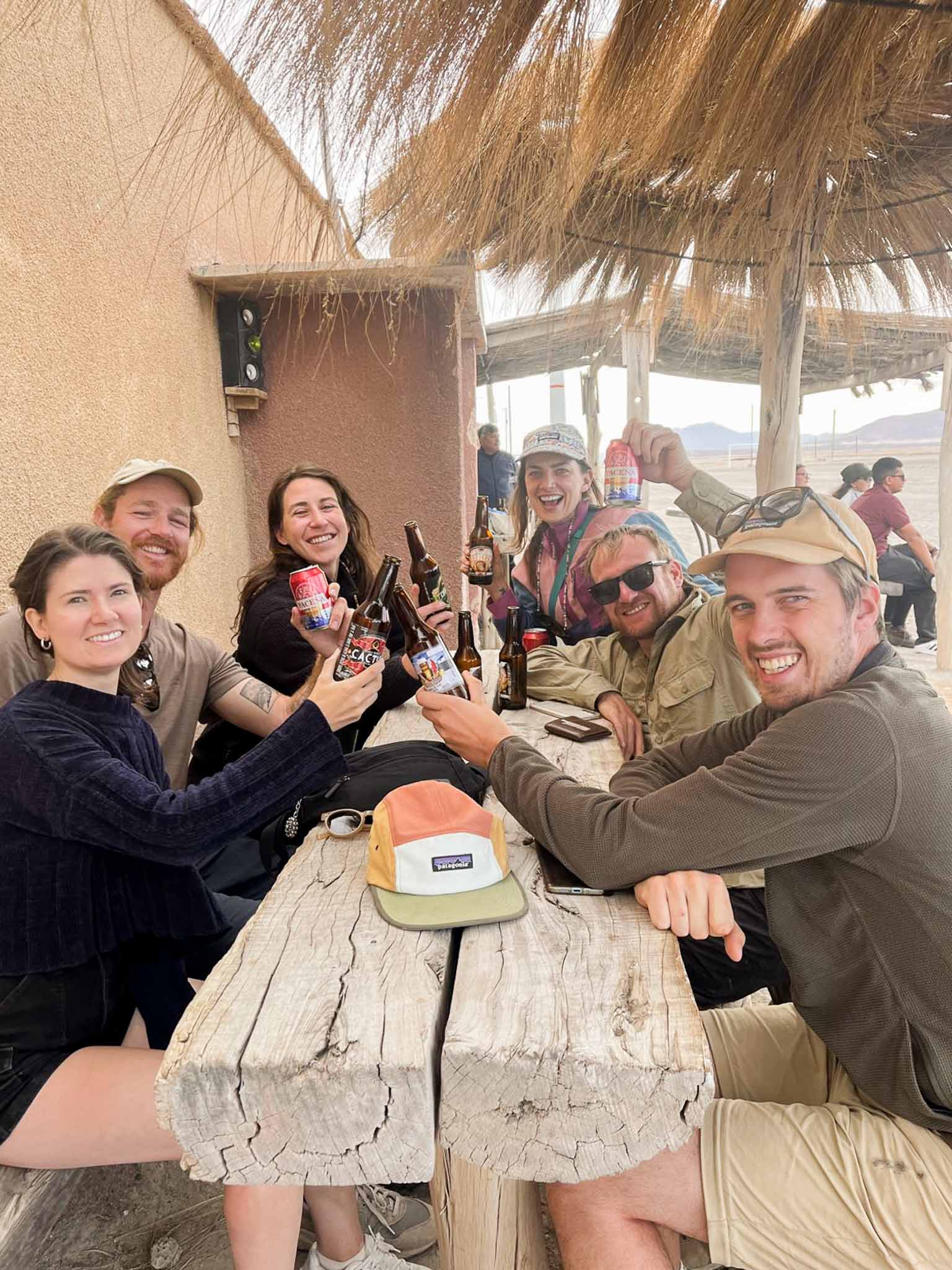
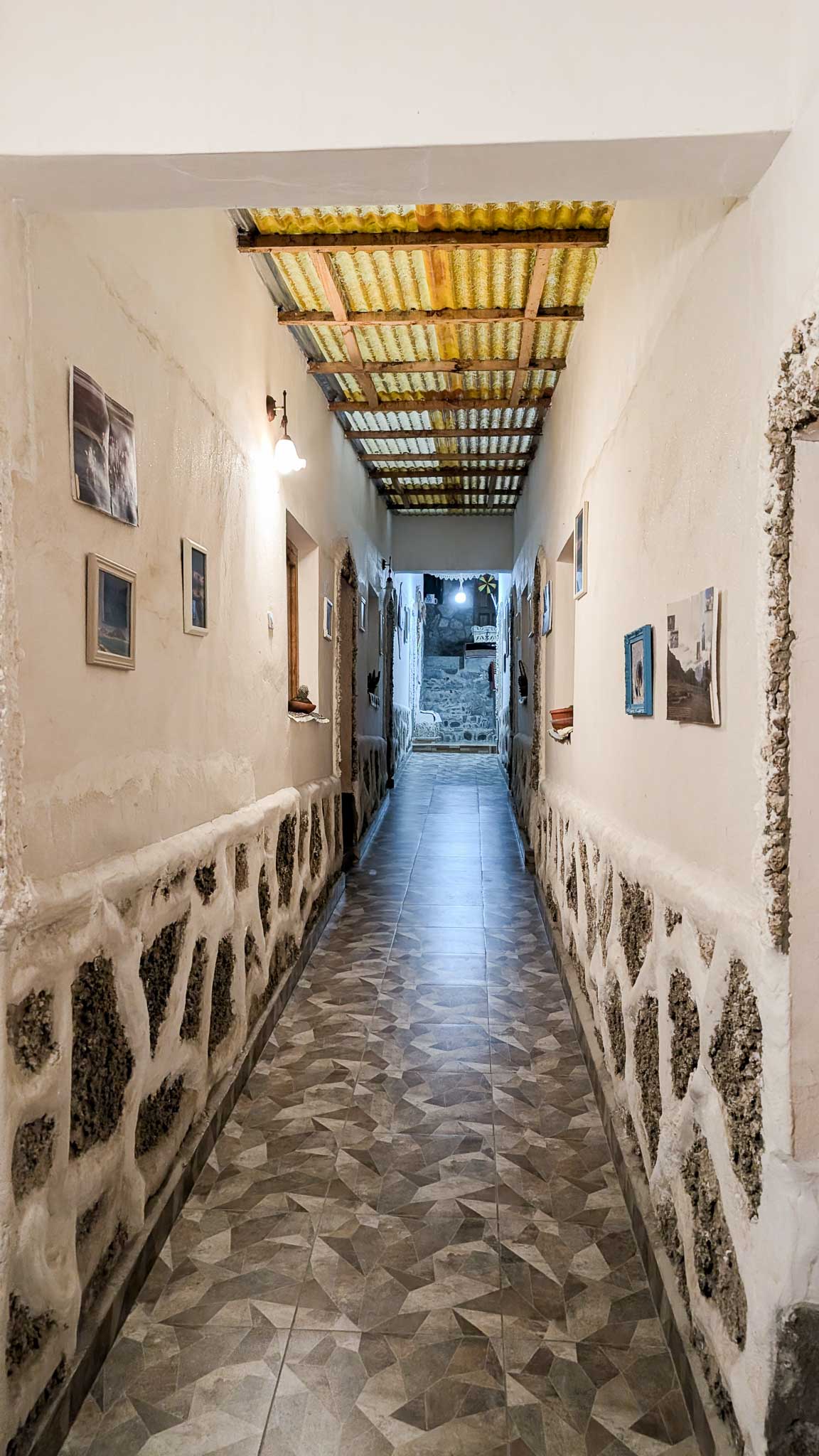
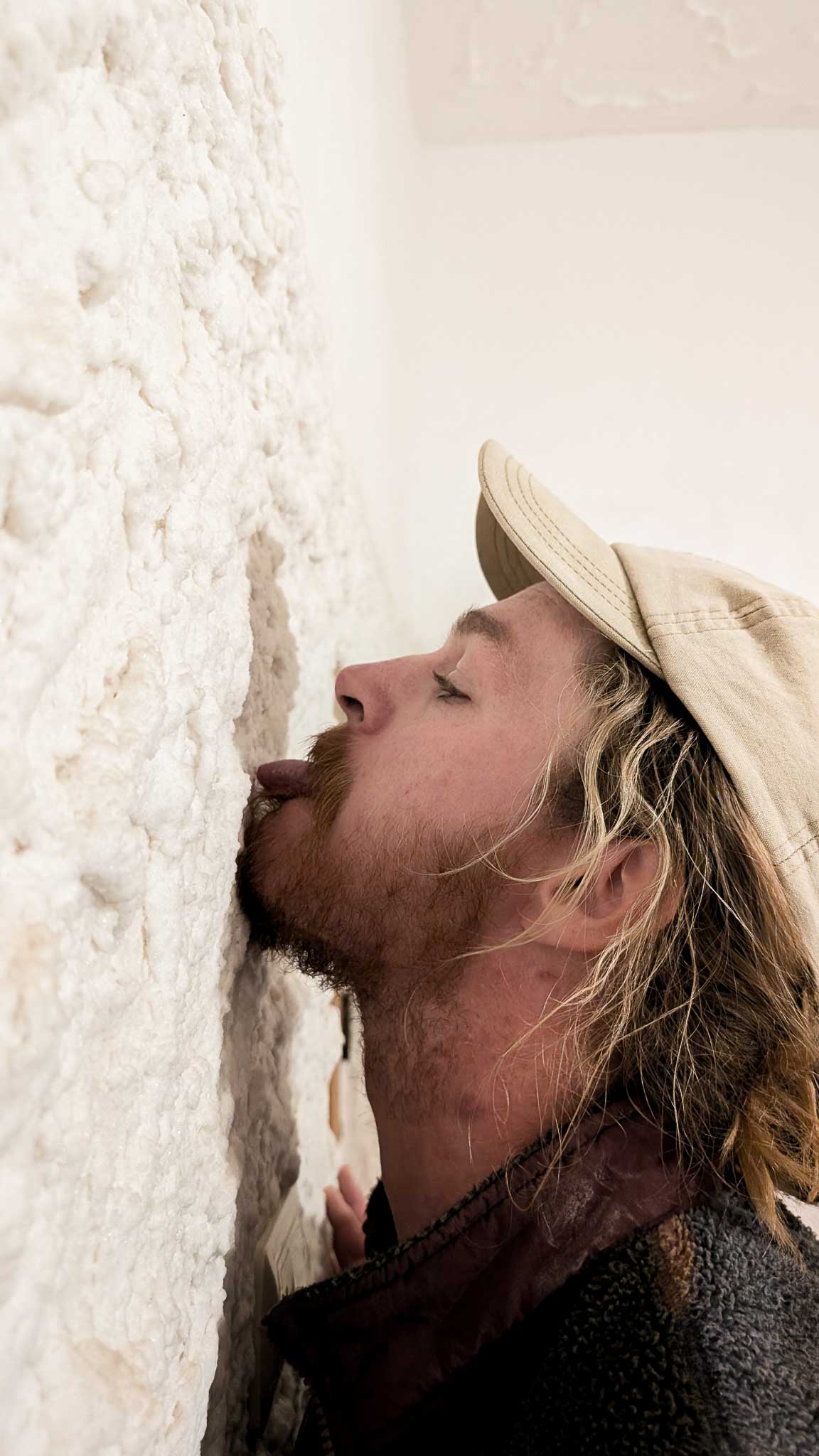
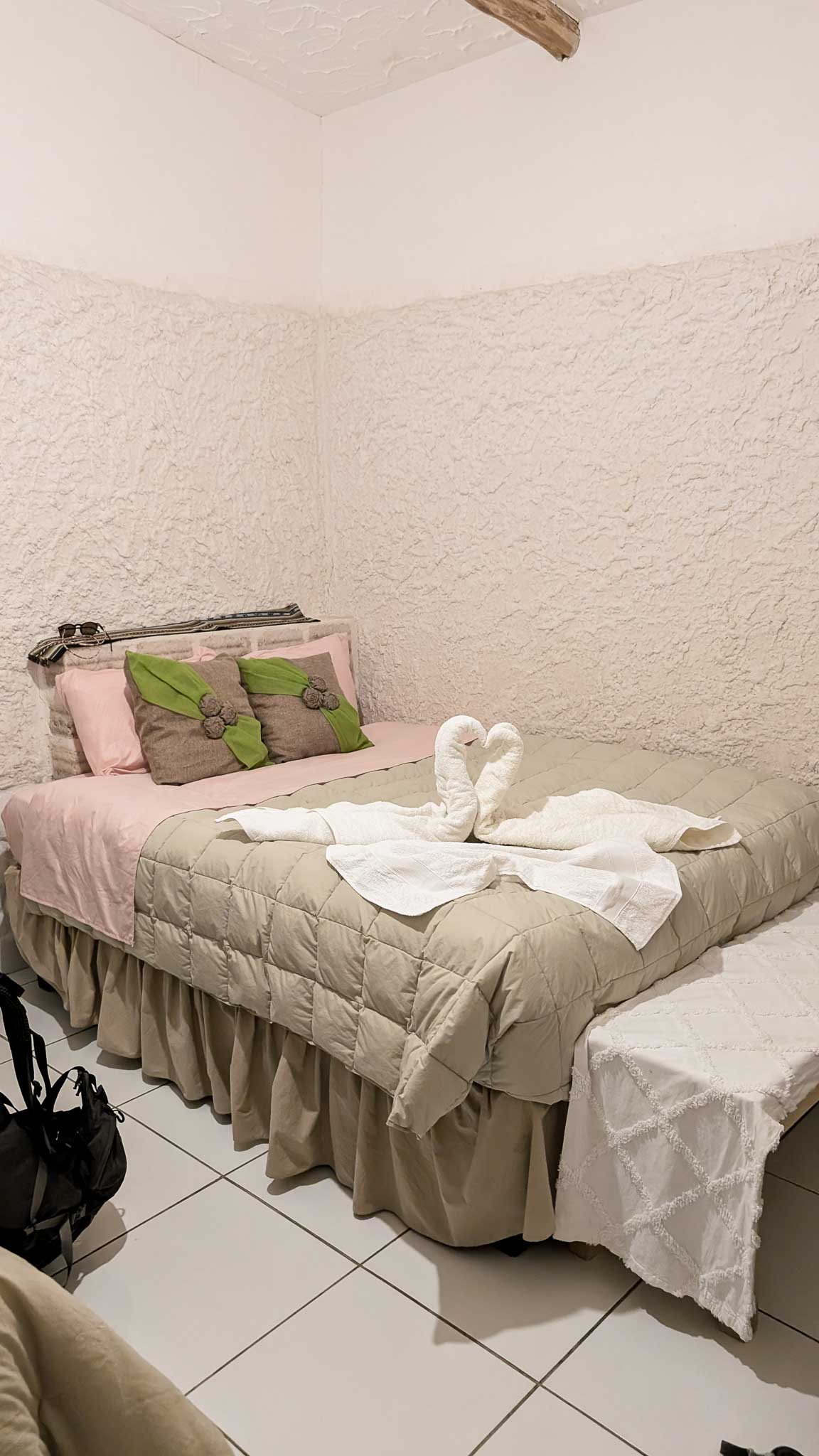
Under the influence, we sang along to some songs in the car, curated by Andreas which was a great time, before we arrived at our accommodation and got settled in before dinner. We stayed at a hotel where the brickwork was all made of salt blocks. I made sure to lick the walls just to confirm if it were true, and yes, the walls were incredibly salty! We enjoyed a good few glasses of red wine with dinner which was an absolute delight, and I stayed up with Sam, Rachael and Etson to polish off another bottle, or two, before heading off to bed. My key snapped in the door while trying to get in, and Rachael was gone to the world while sleeping with earplugs in. I banged on the door for a very long time and had many people come to try to help me somehow get in, until Rachael eventually angrily ripped the door open to be faced with a few more people than she was prepared to meet.
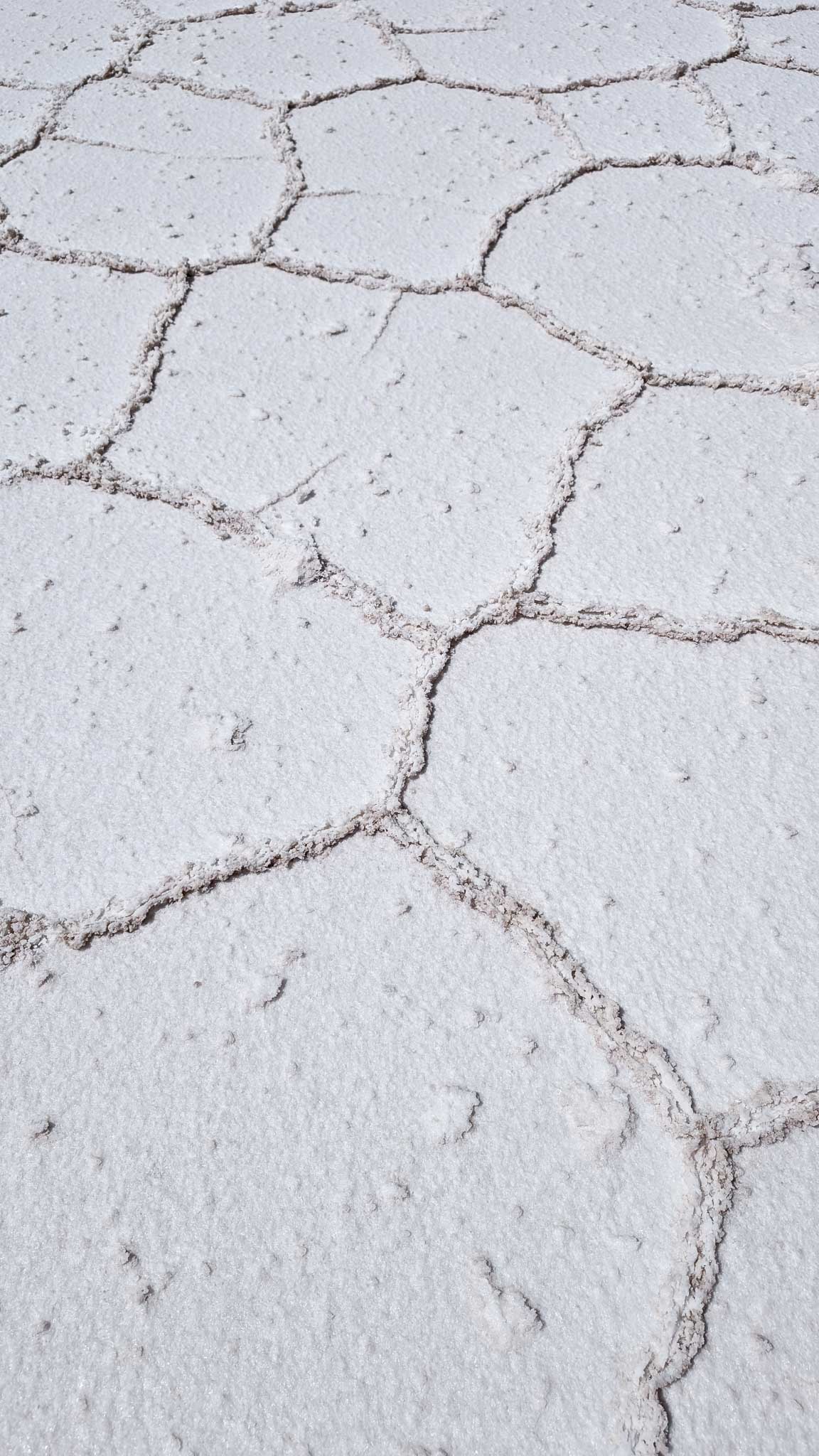
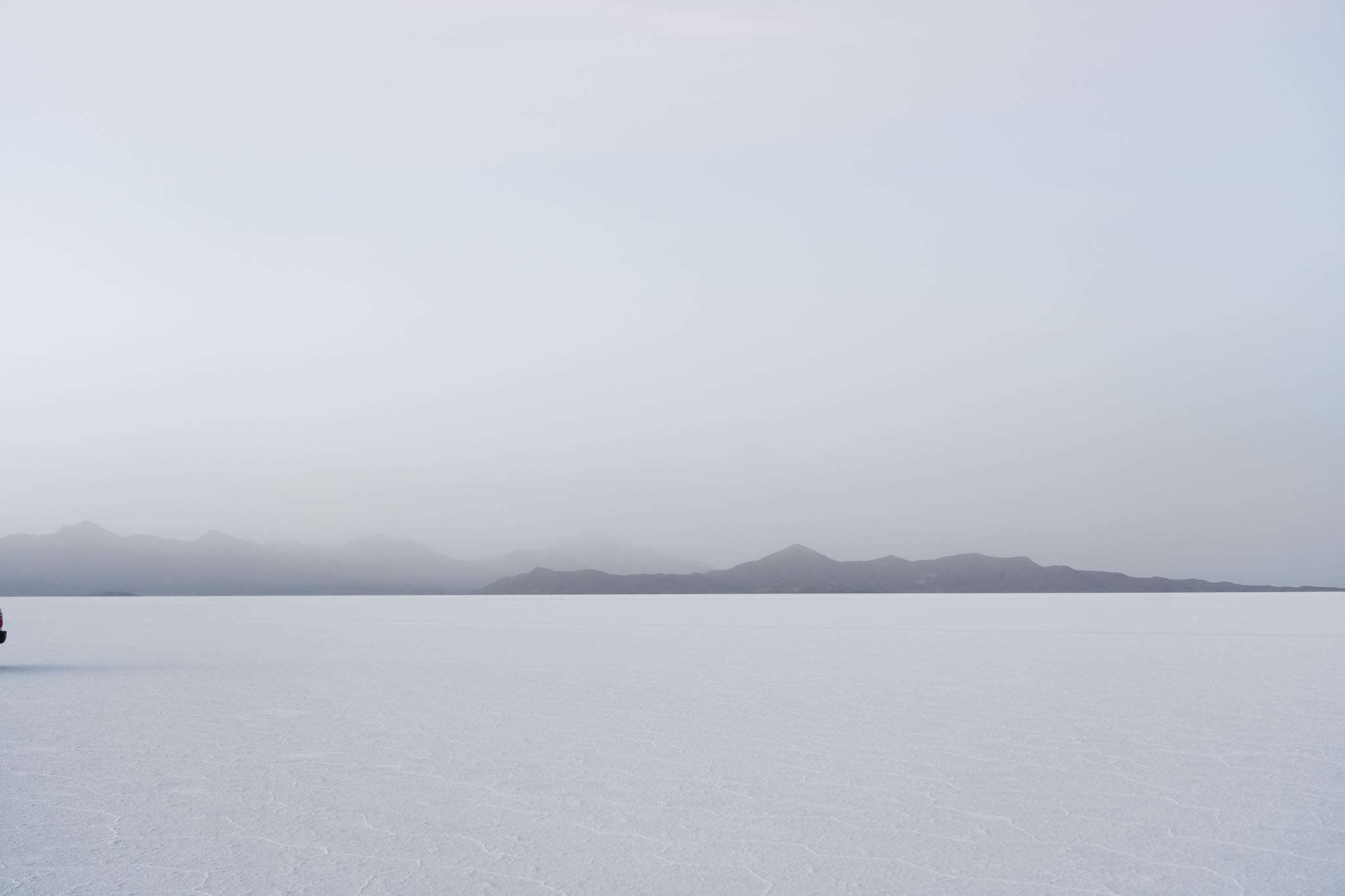
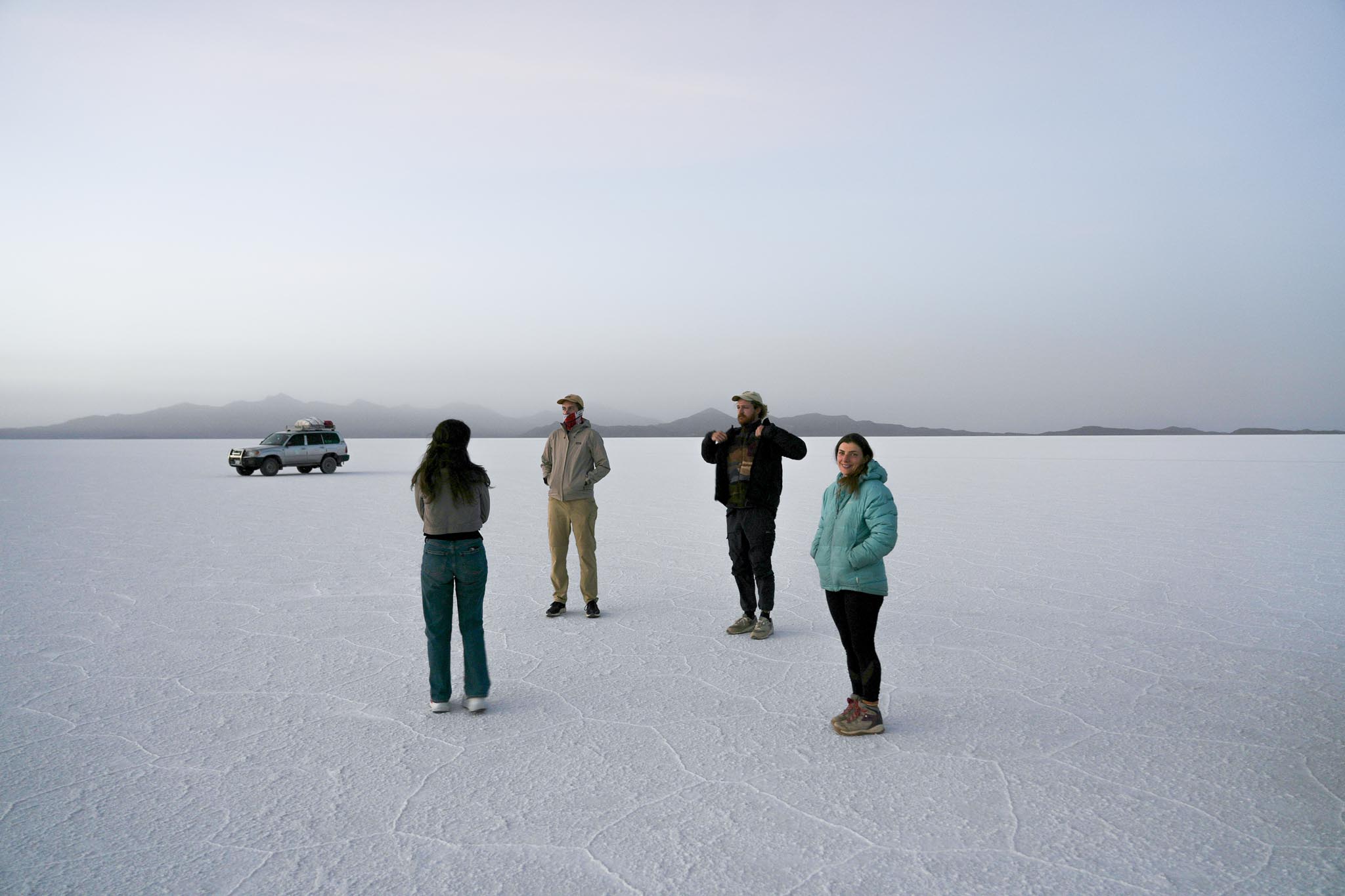
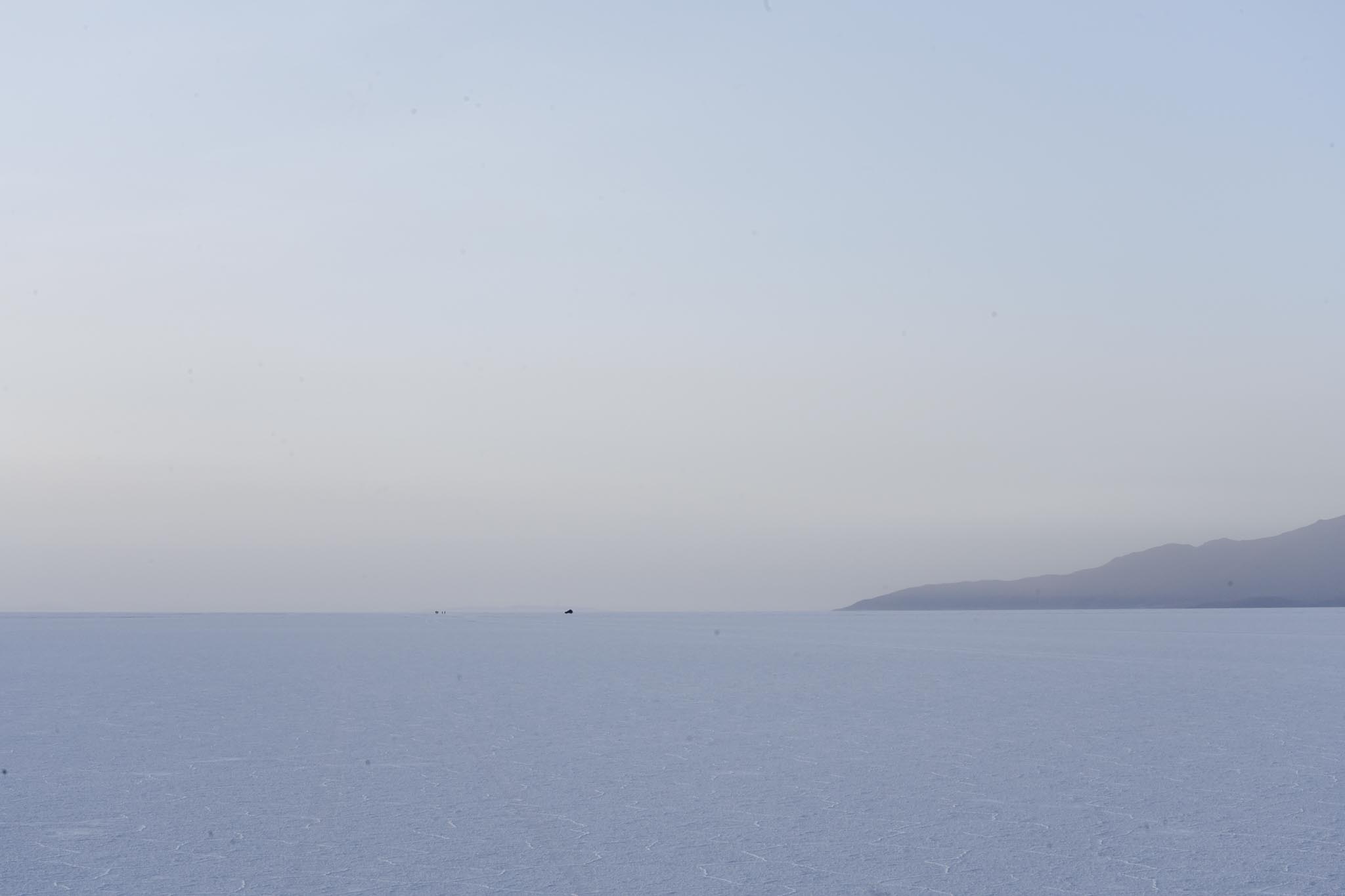
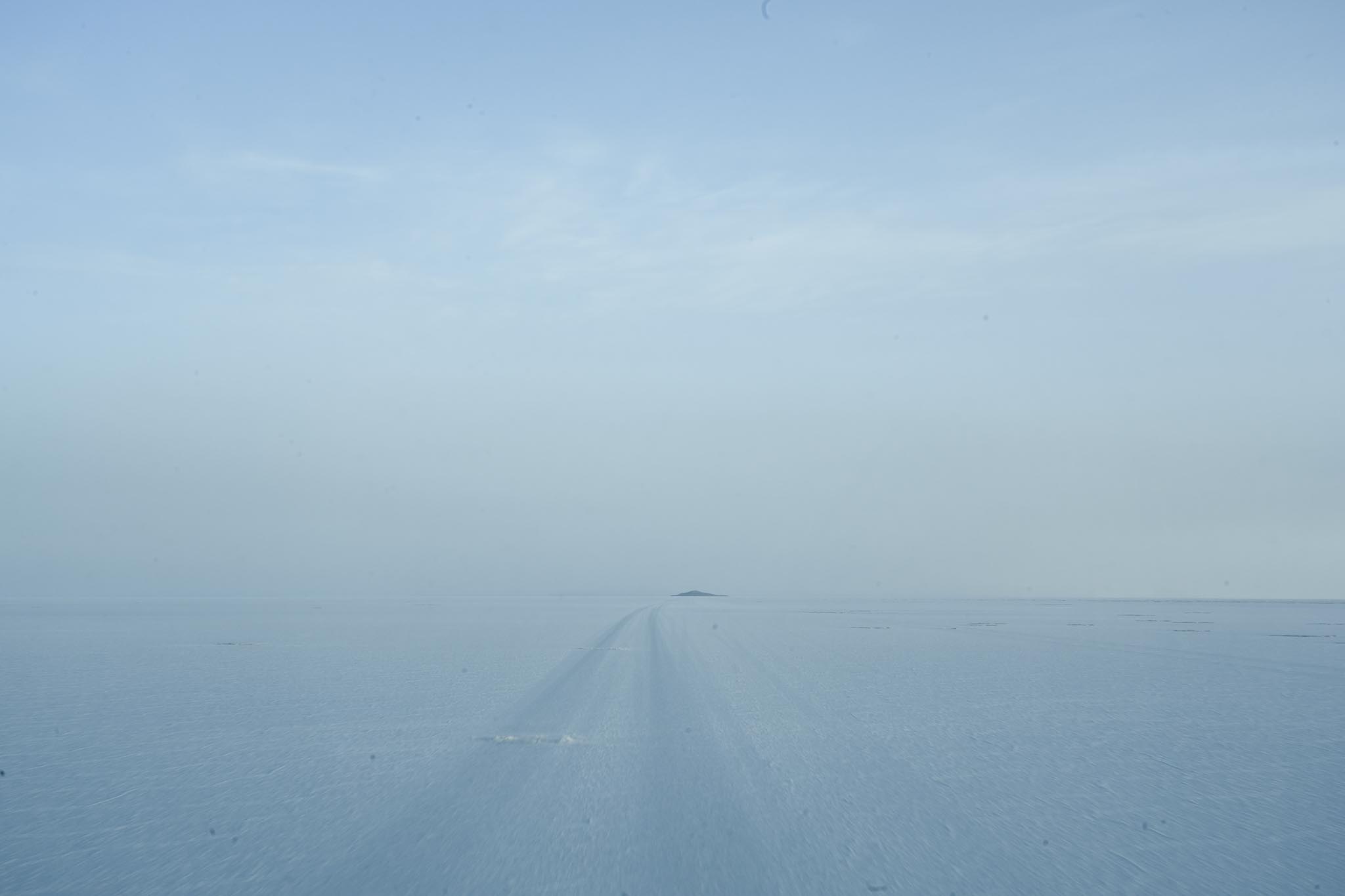
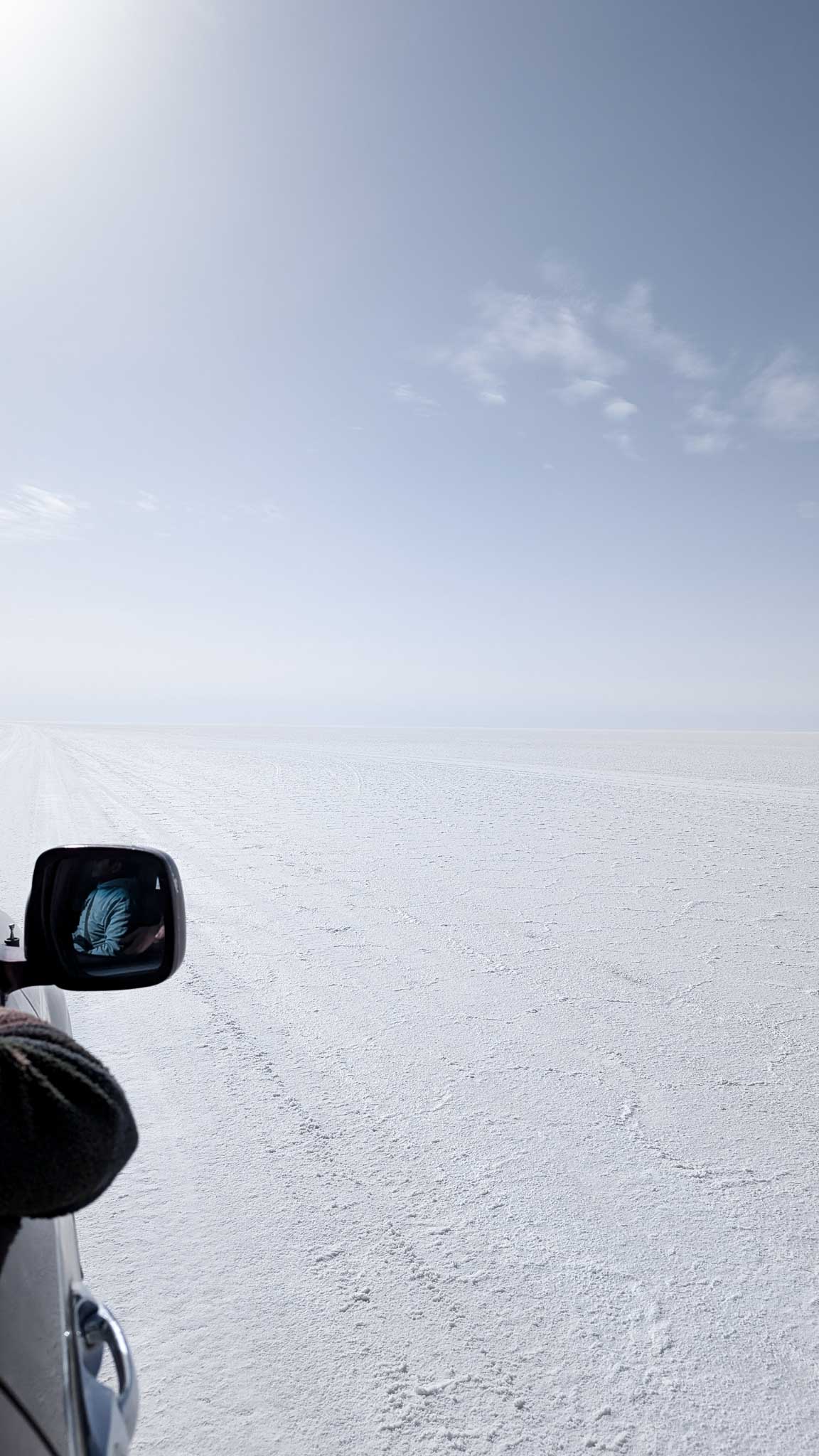
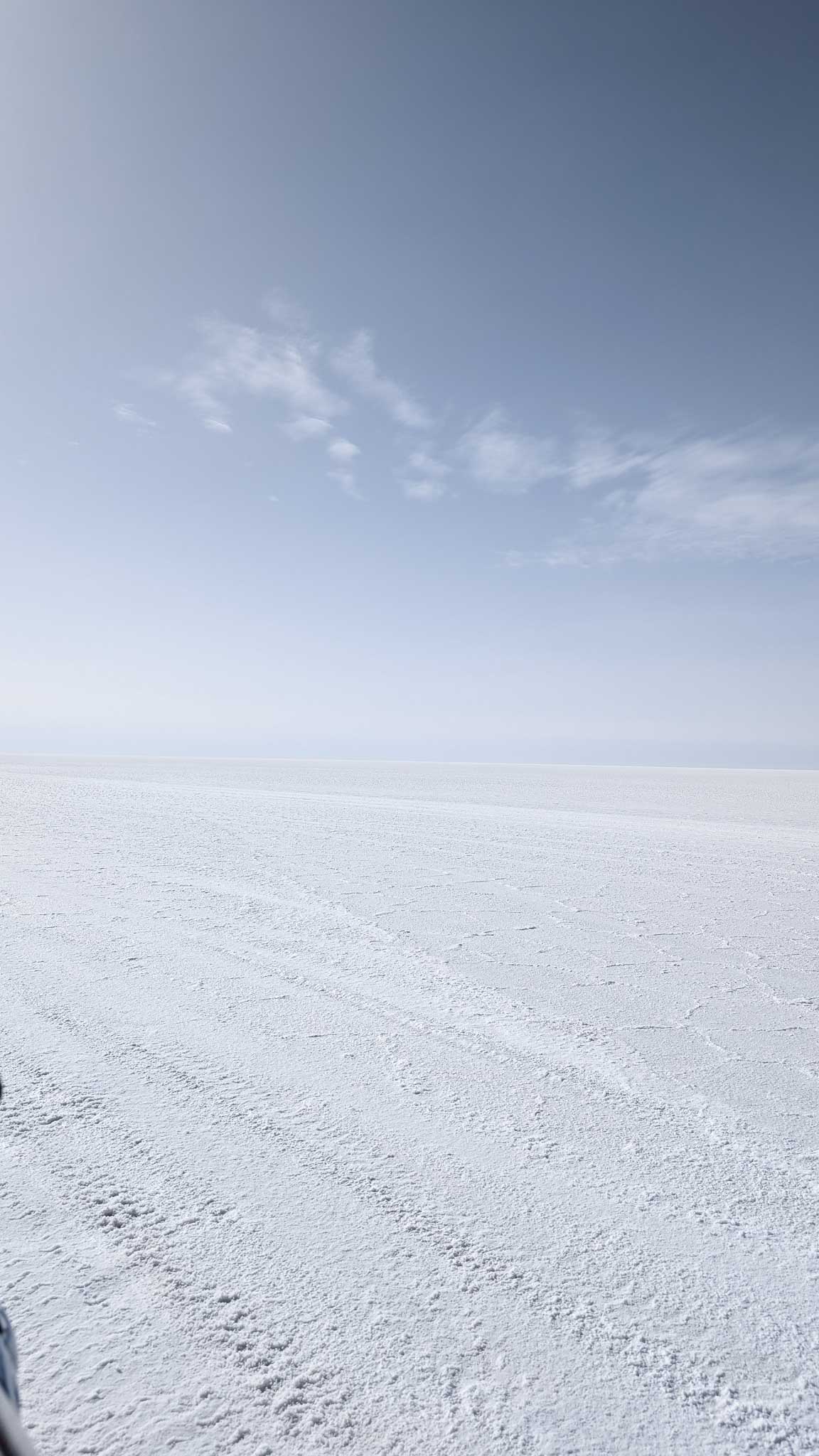
We all had a laugh about it in the morning while packing the car insanely early to make our way to our sunrise destination; Salar de Uyuni, The Uyuni Salt Flats! I played the mellow soundtrack to Wes Anderson’s 2005 film ‘The Life Aquatic with Steve Zissou’, which has the Brazilian singer/songwriter Seu Jorge performing acoustic David Bowie covers. An obscure detail to remember at such a momentous part of our journey through South America, but I found it fitting as we cruised in a dead straight line across the salt flats in the dark of pre-dawn. Eventually we stopped and piled out onto the salt to await the sunrise. As the light increased, we got our bearings and took in the expanse that we were surrounded by. In nearly 360 degrees, all we could see was a flat plane of salt stretching into the horizon. The salt itself had dried into hexagonal or heptagonal shapes, like huge, white honeycomb extending as far as the eye can see.
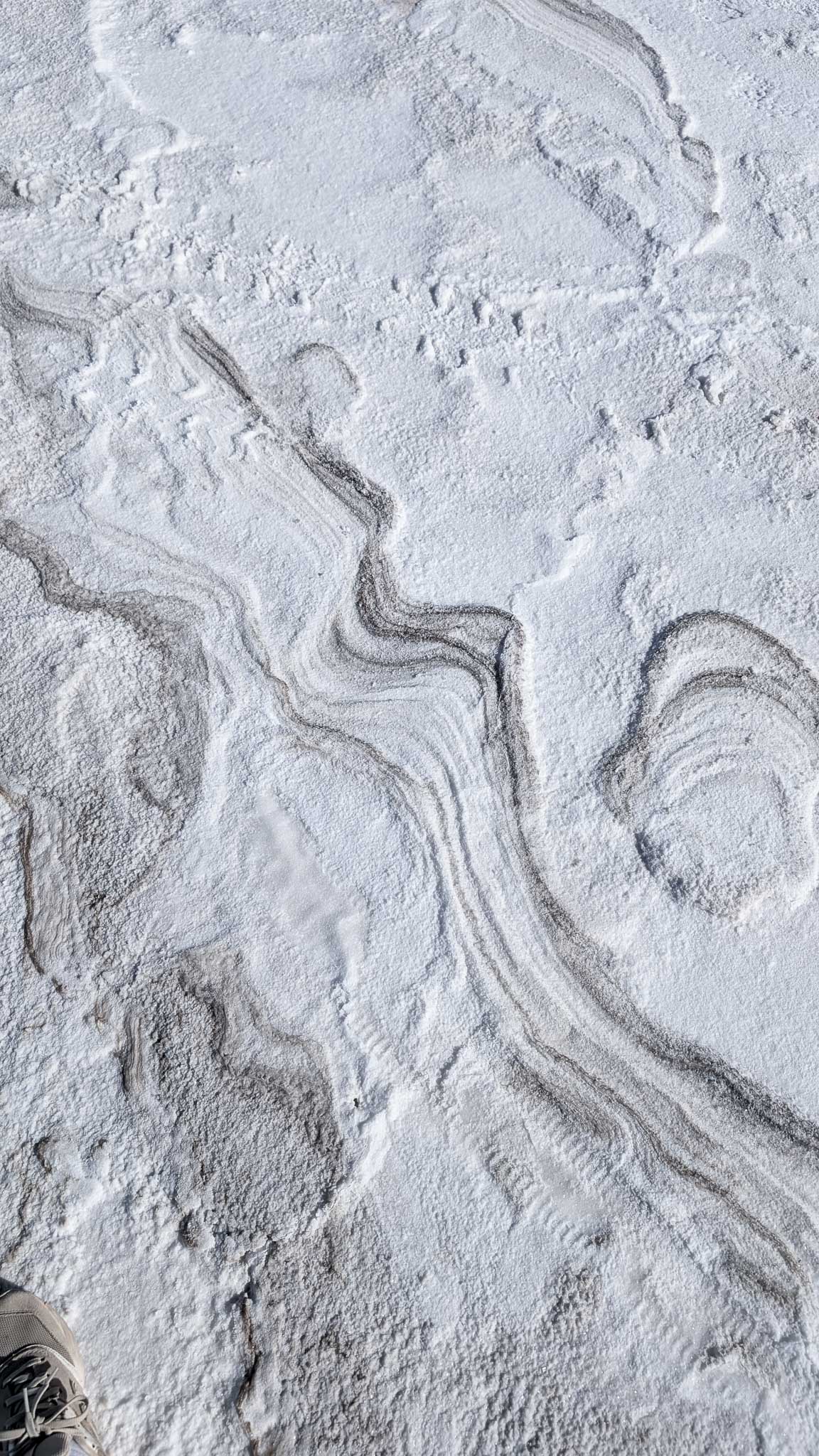
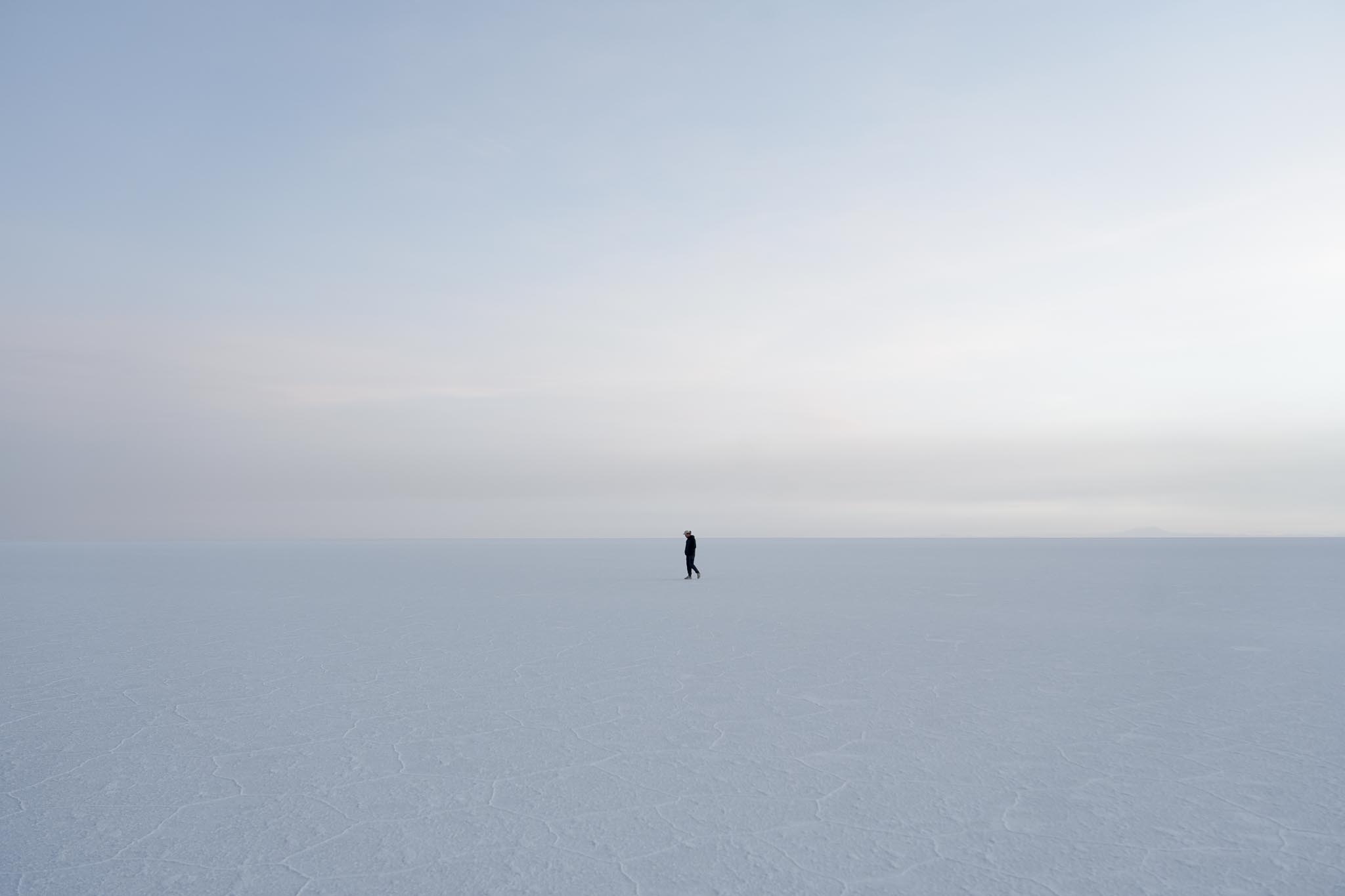
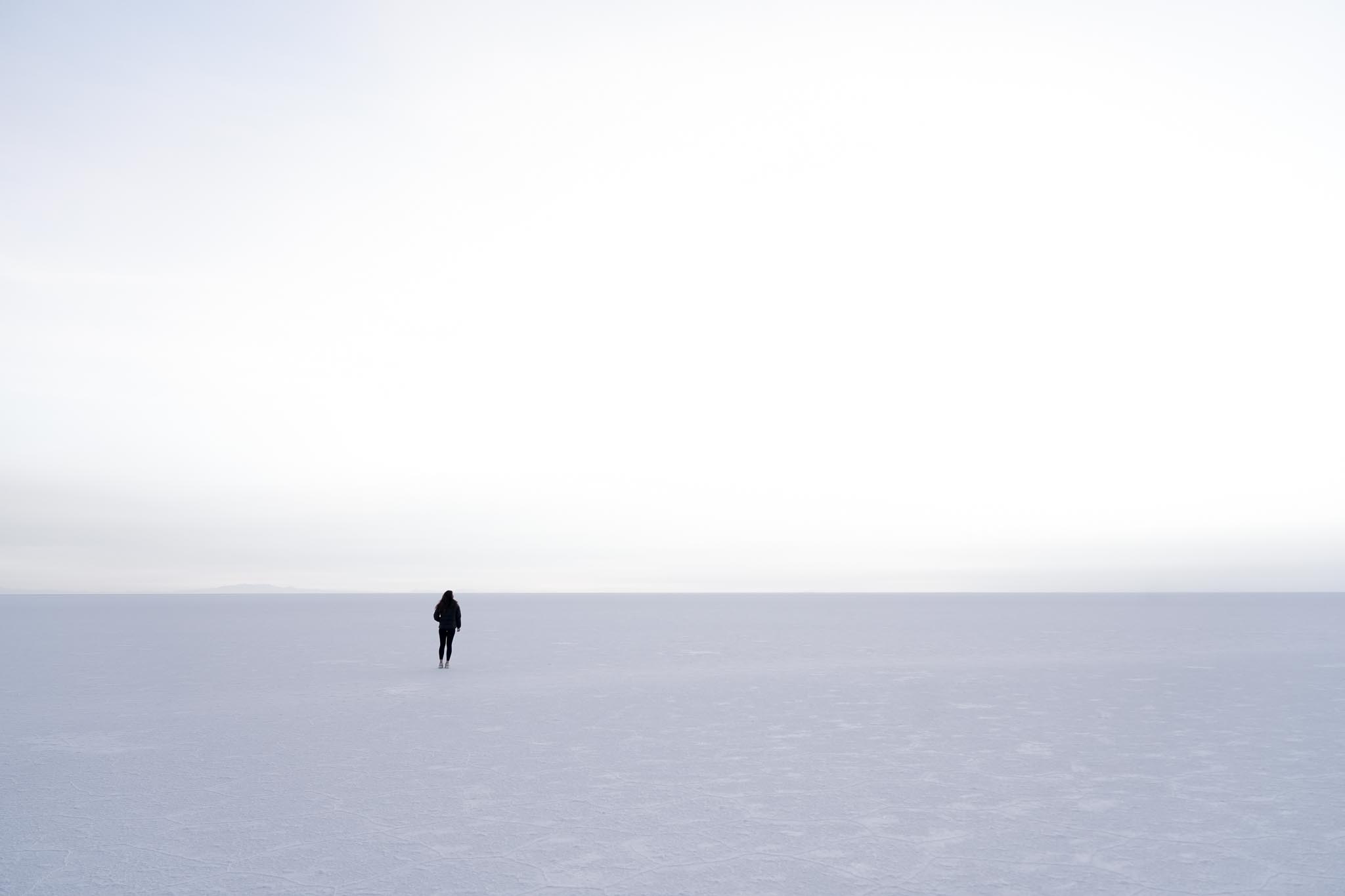
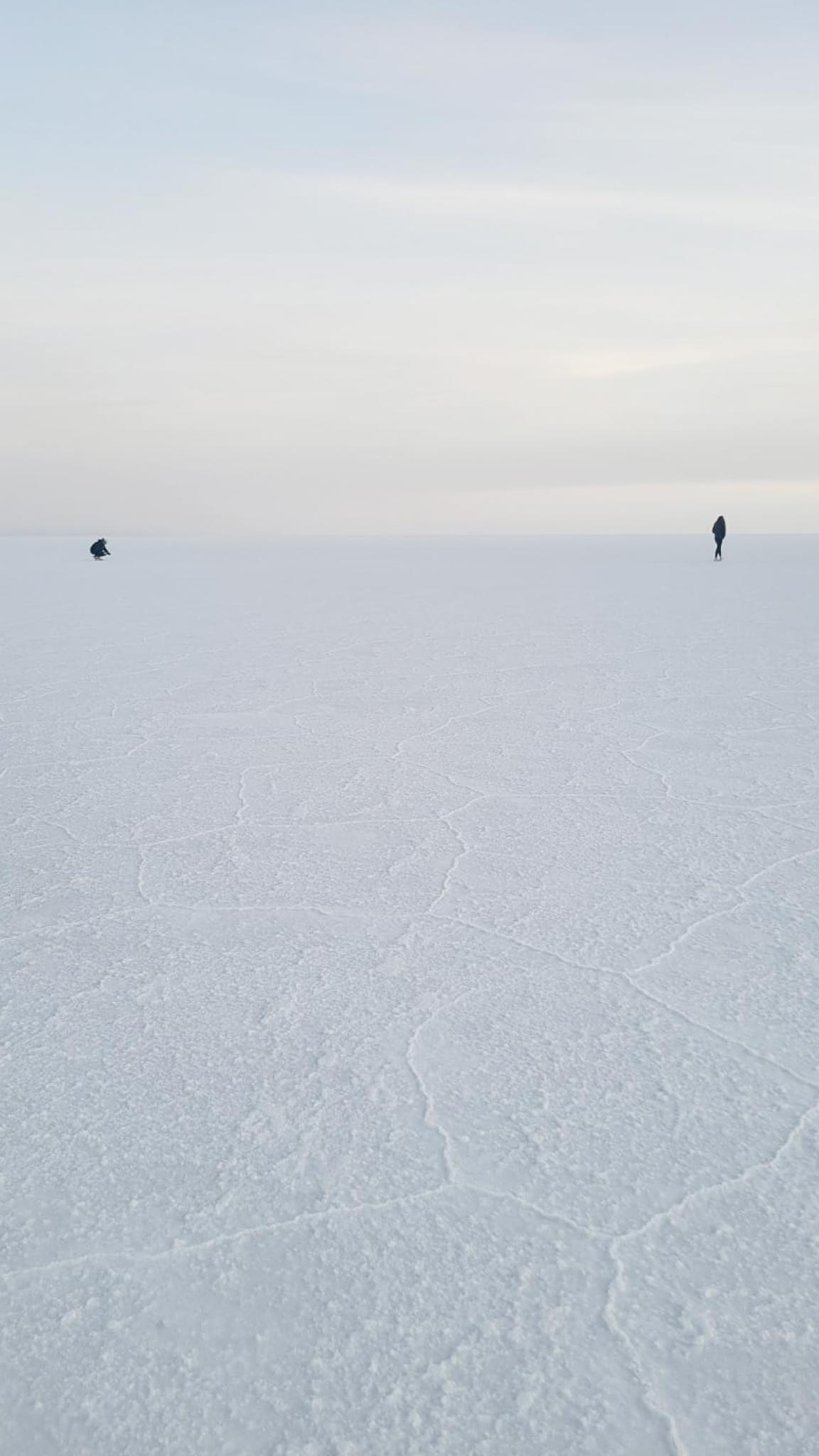
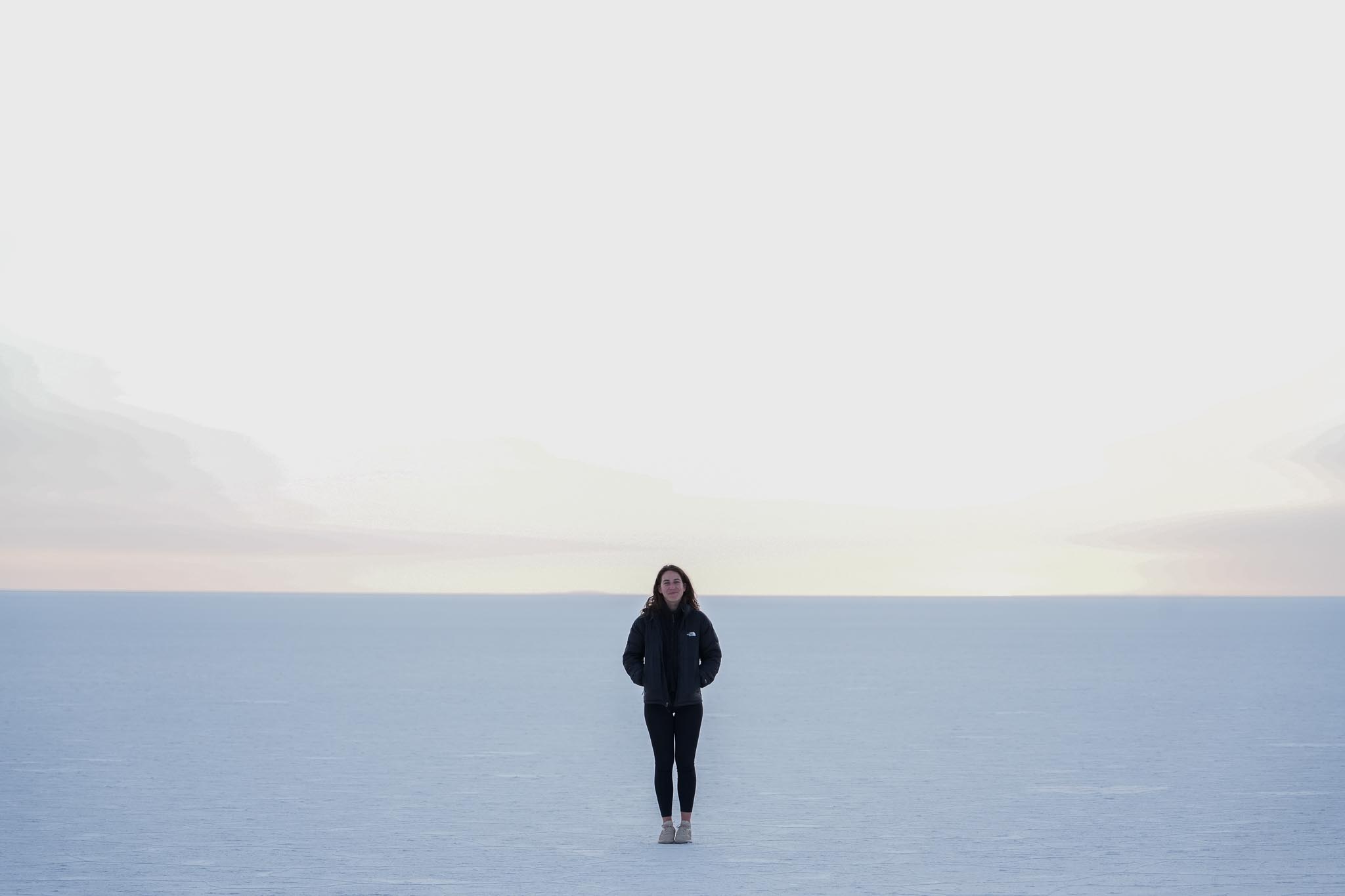
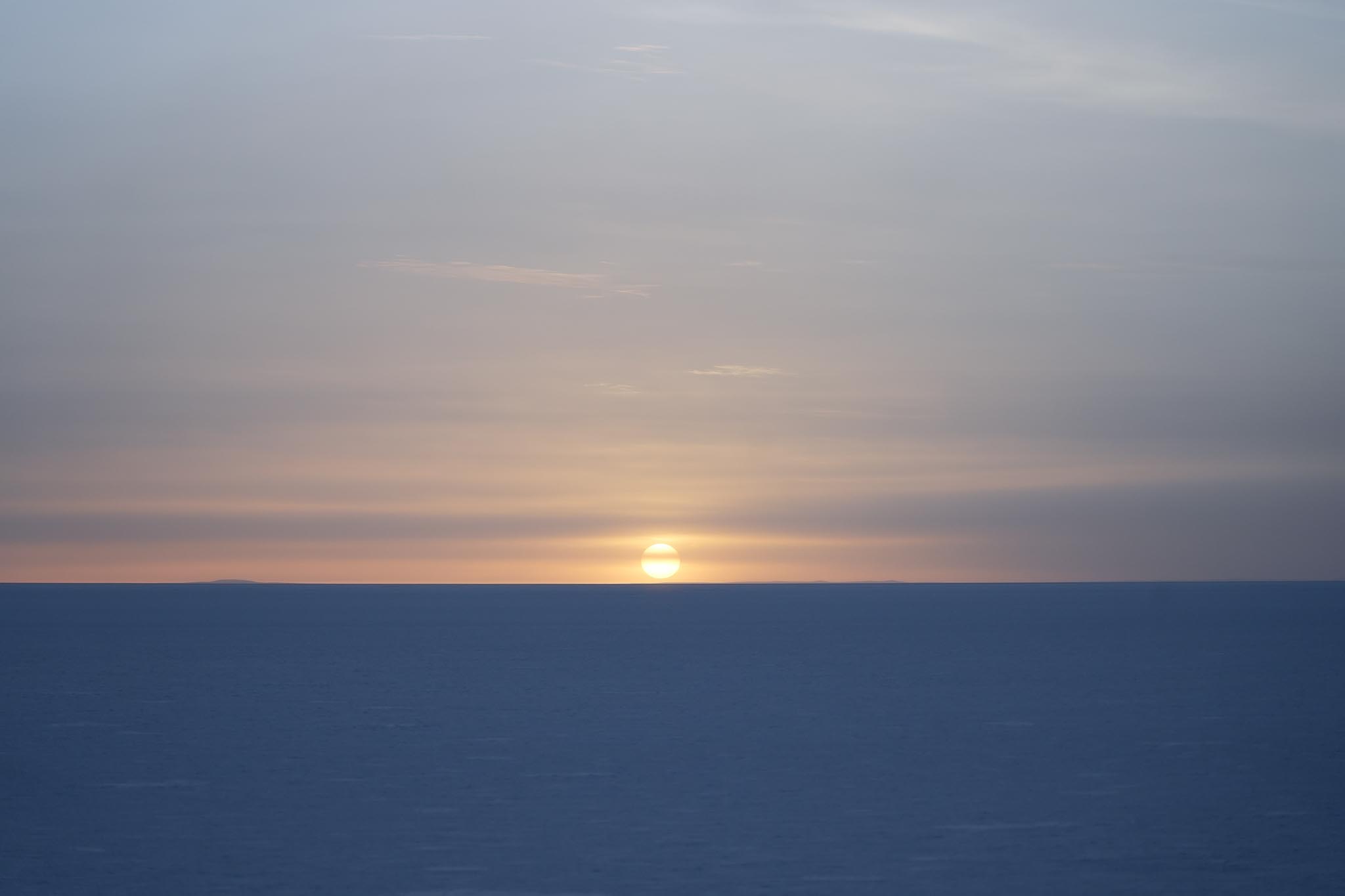
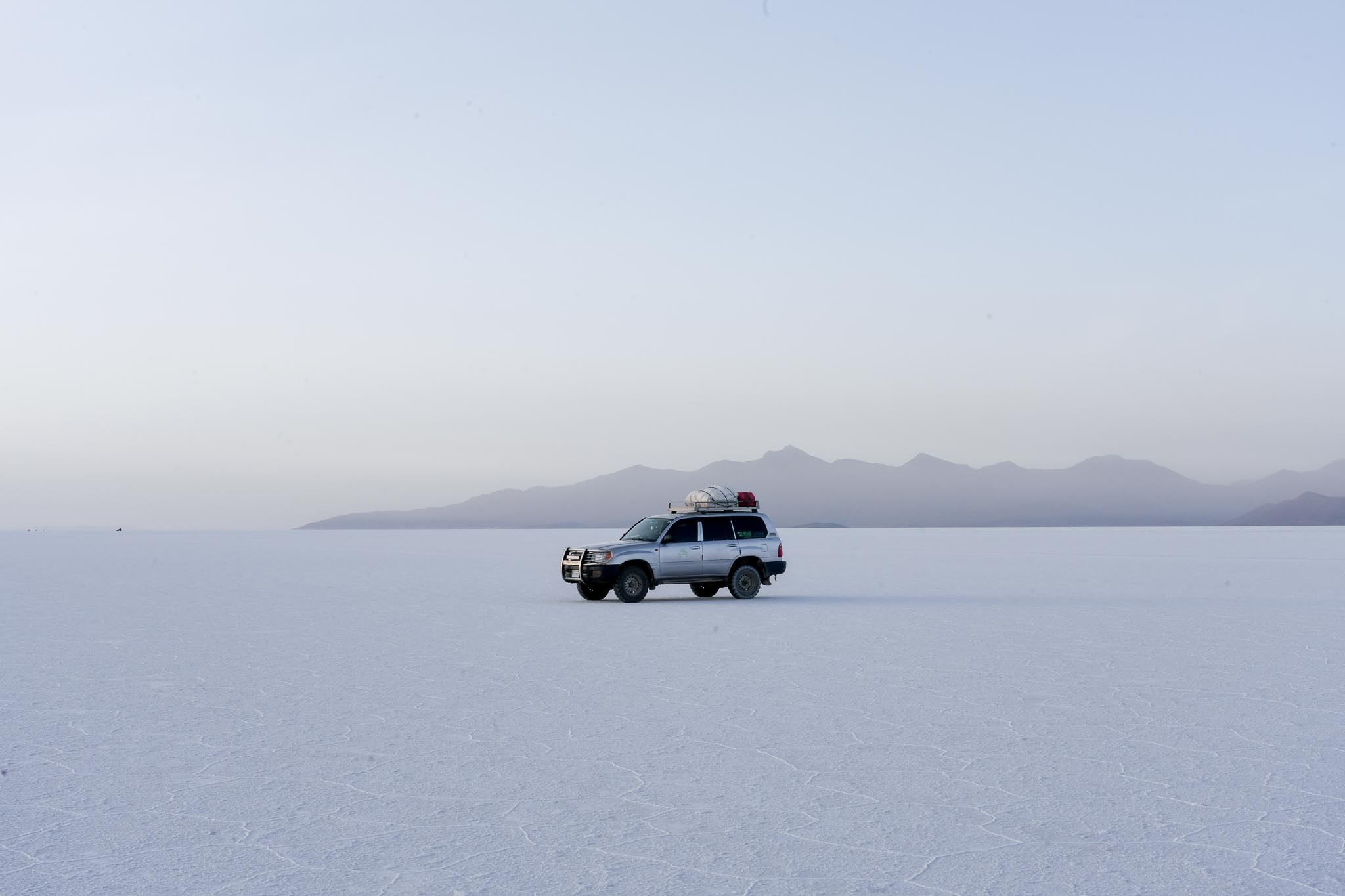
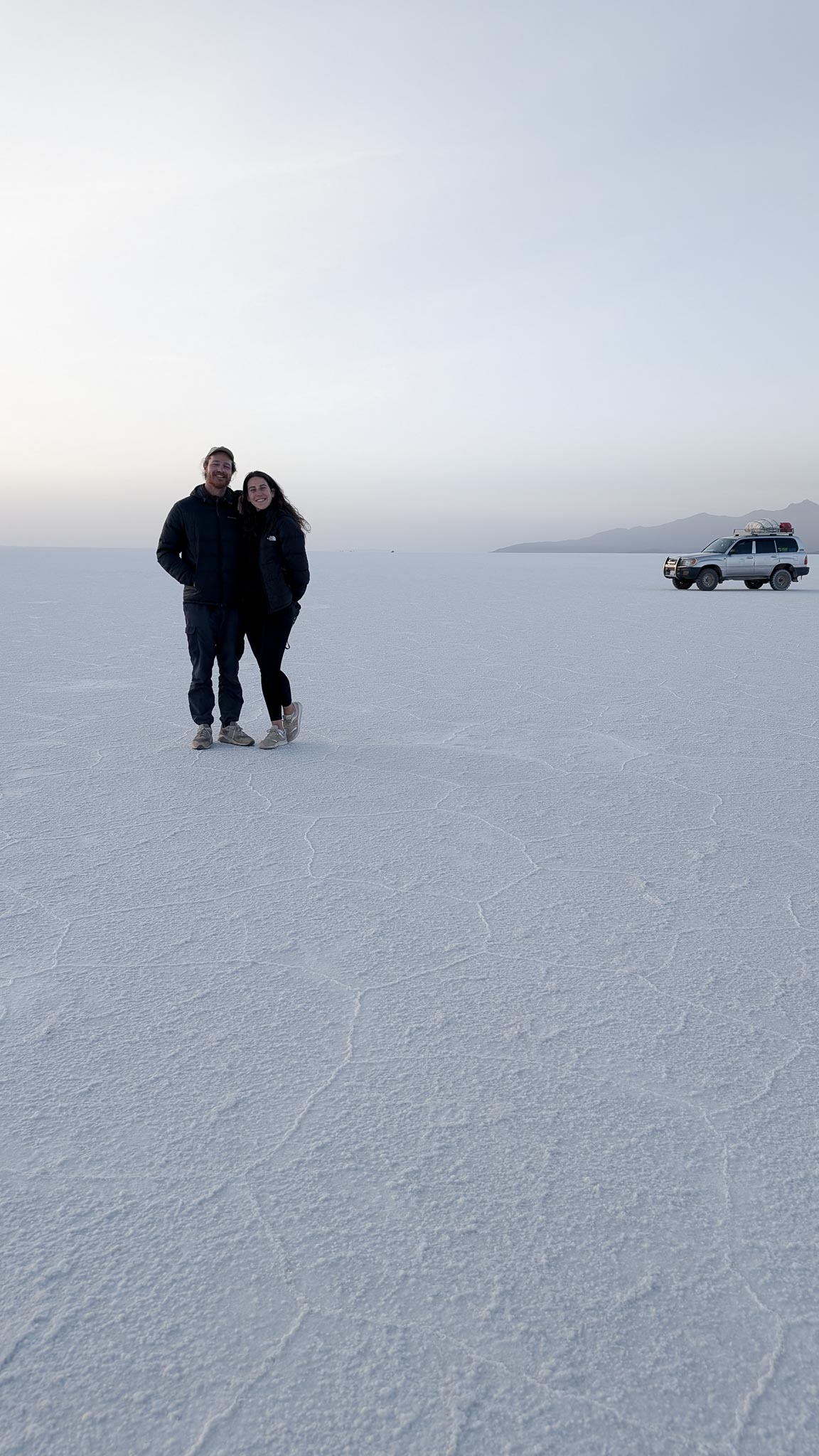
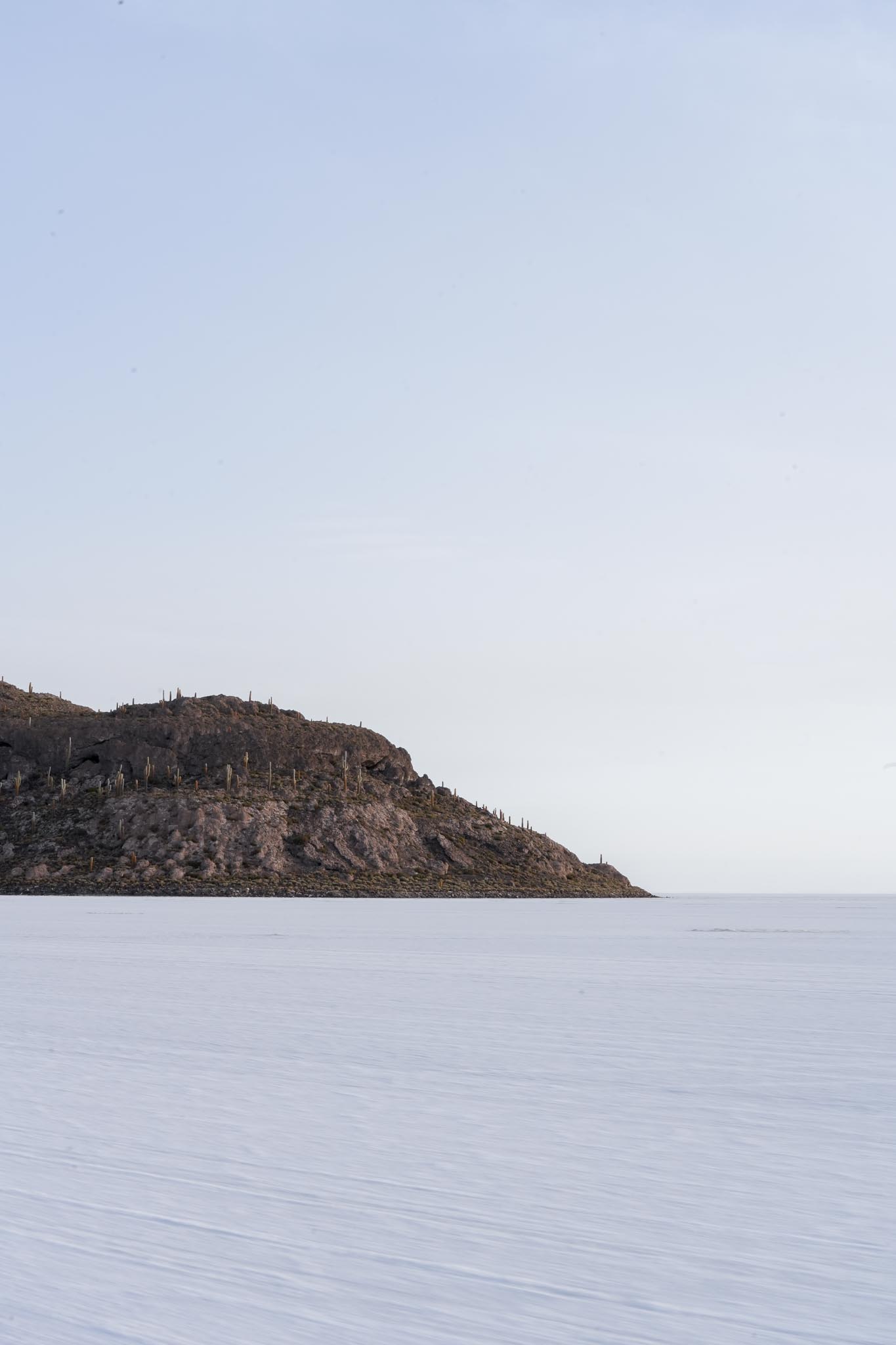
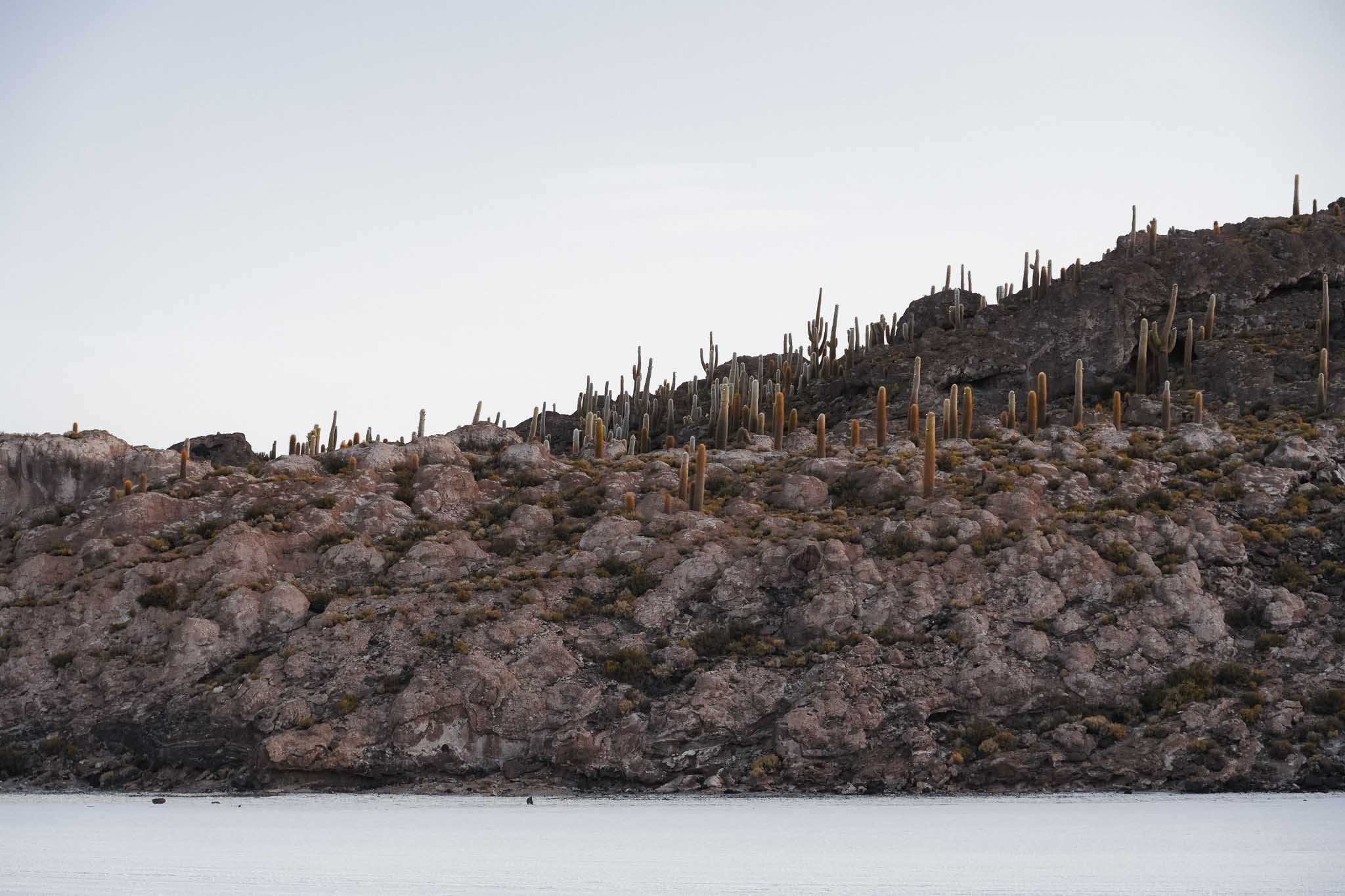
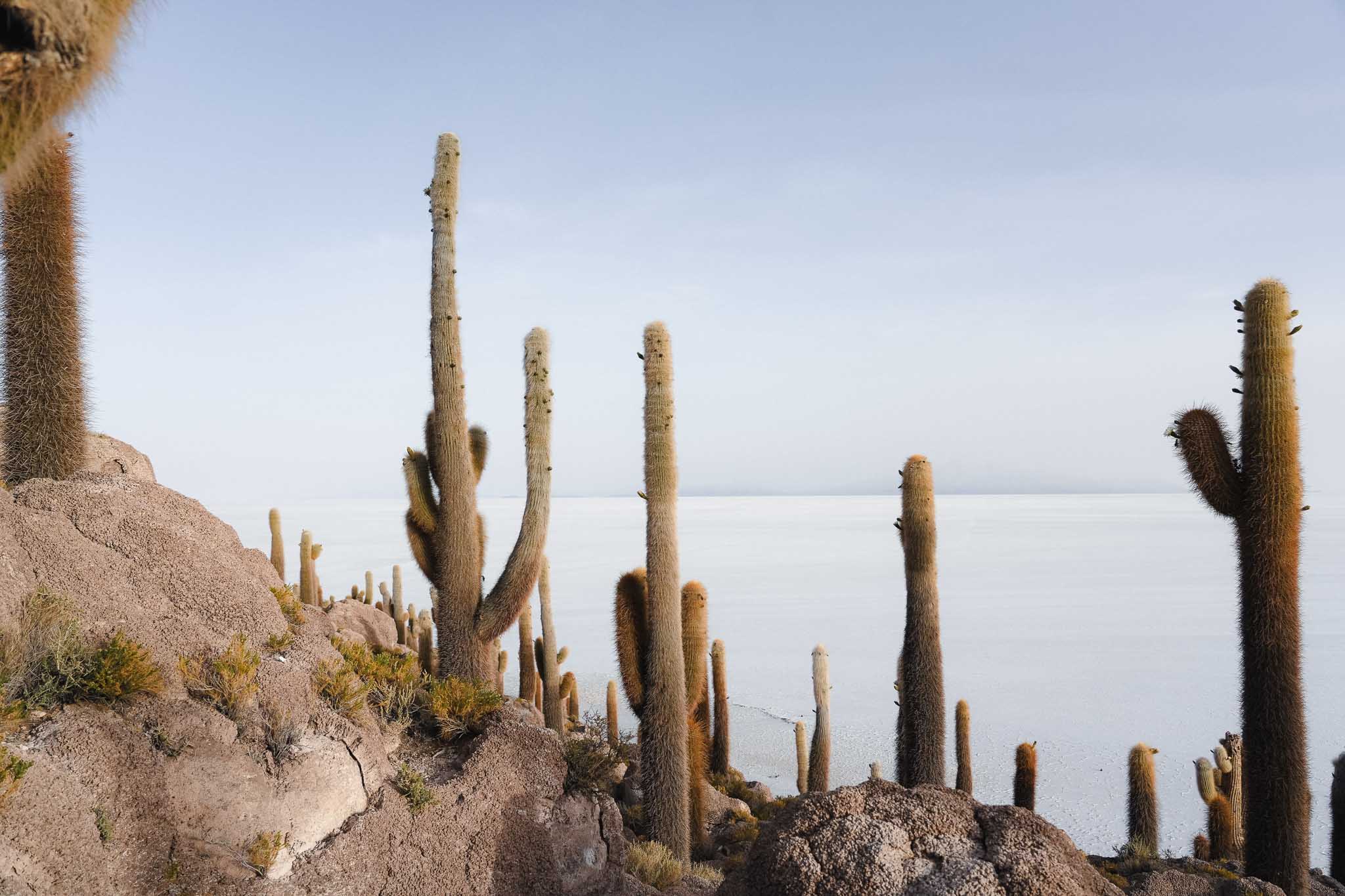
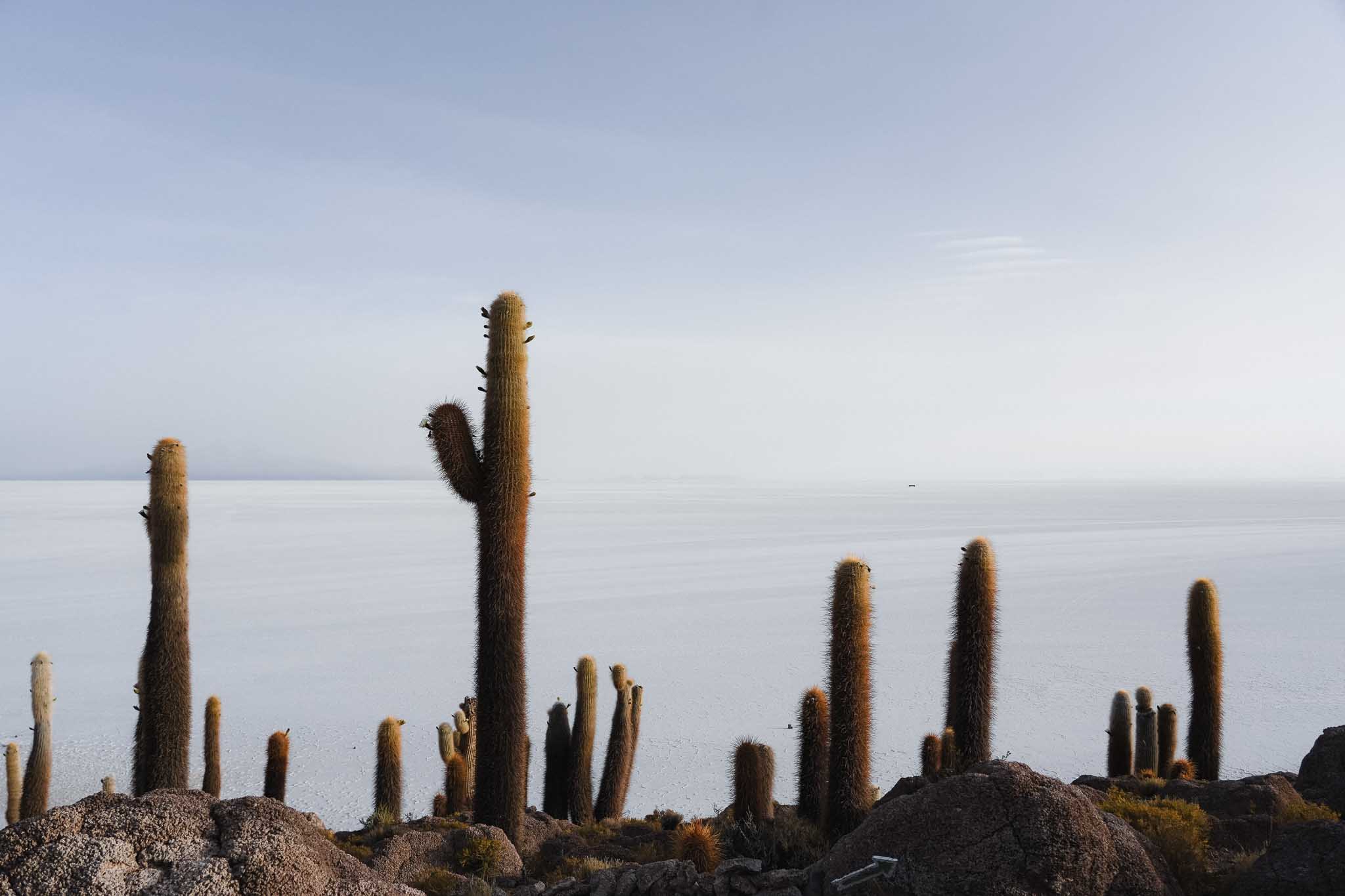
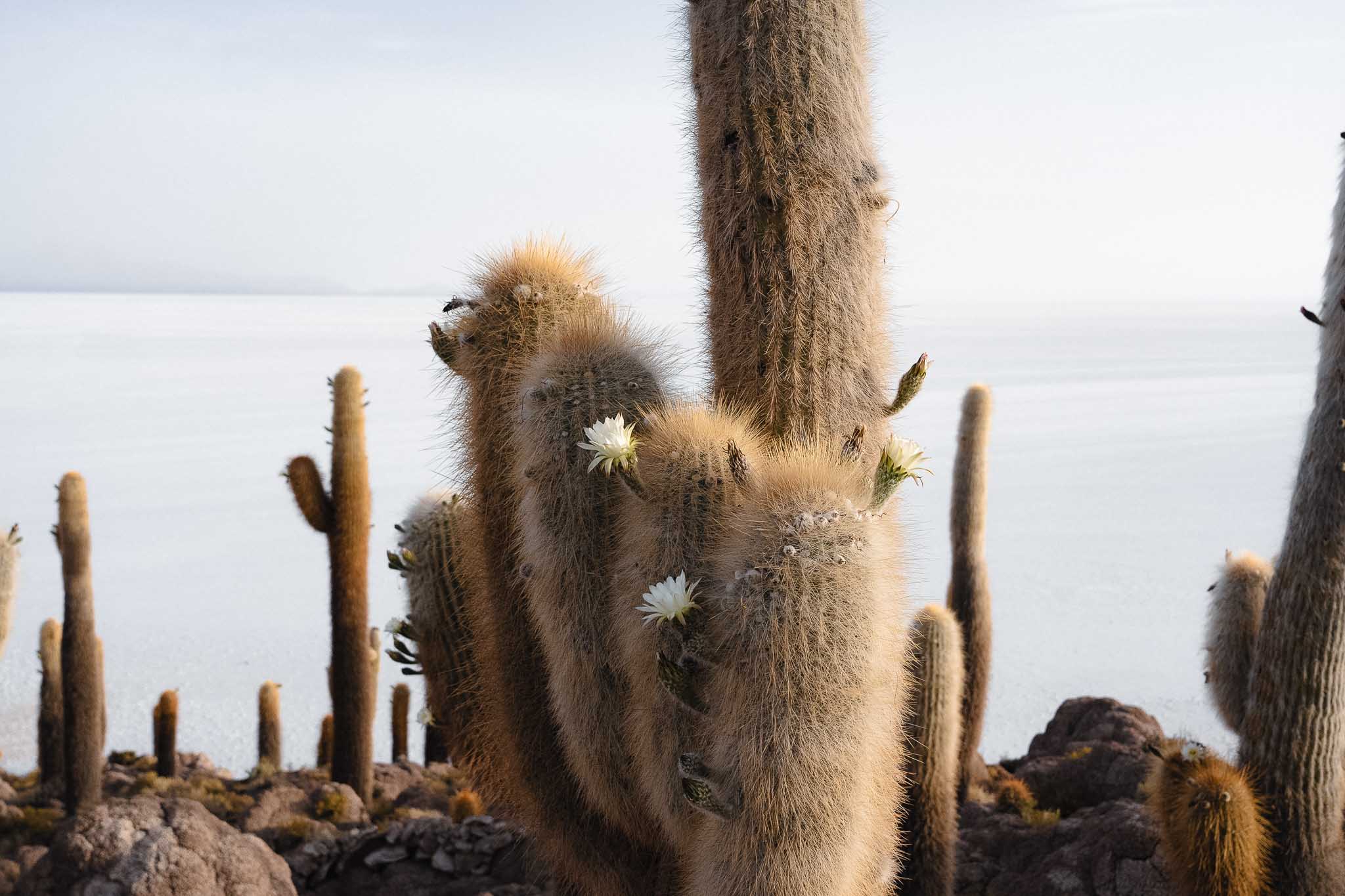
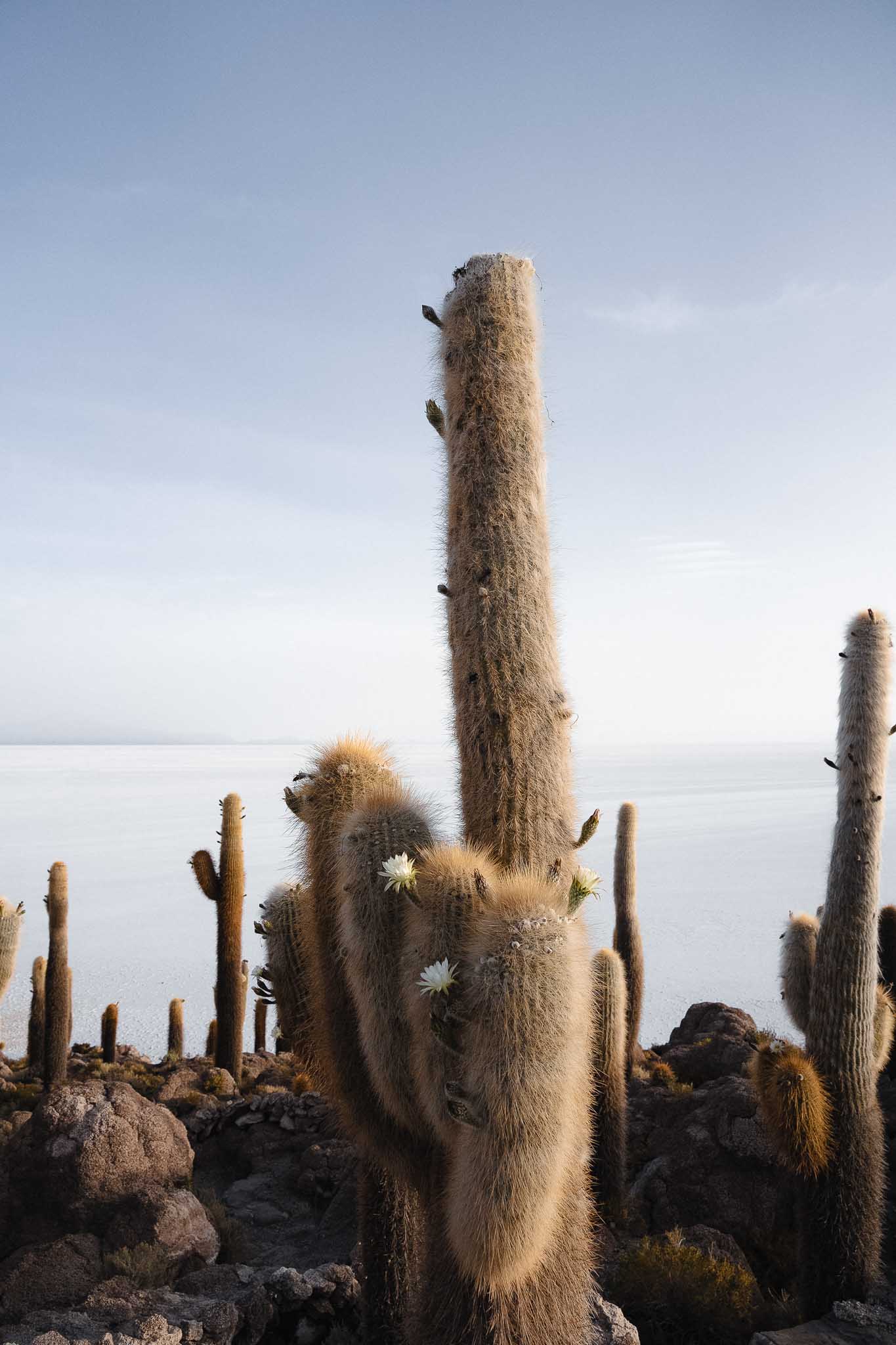
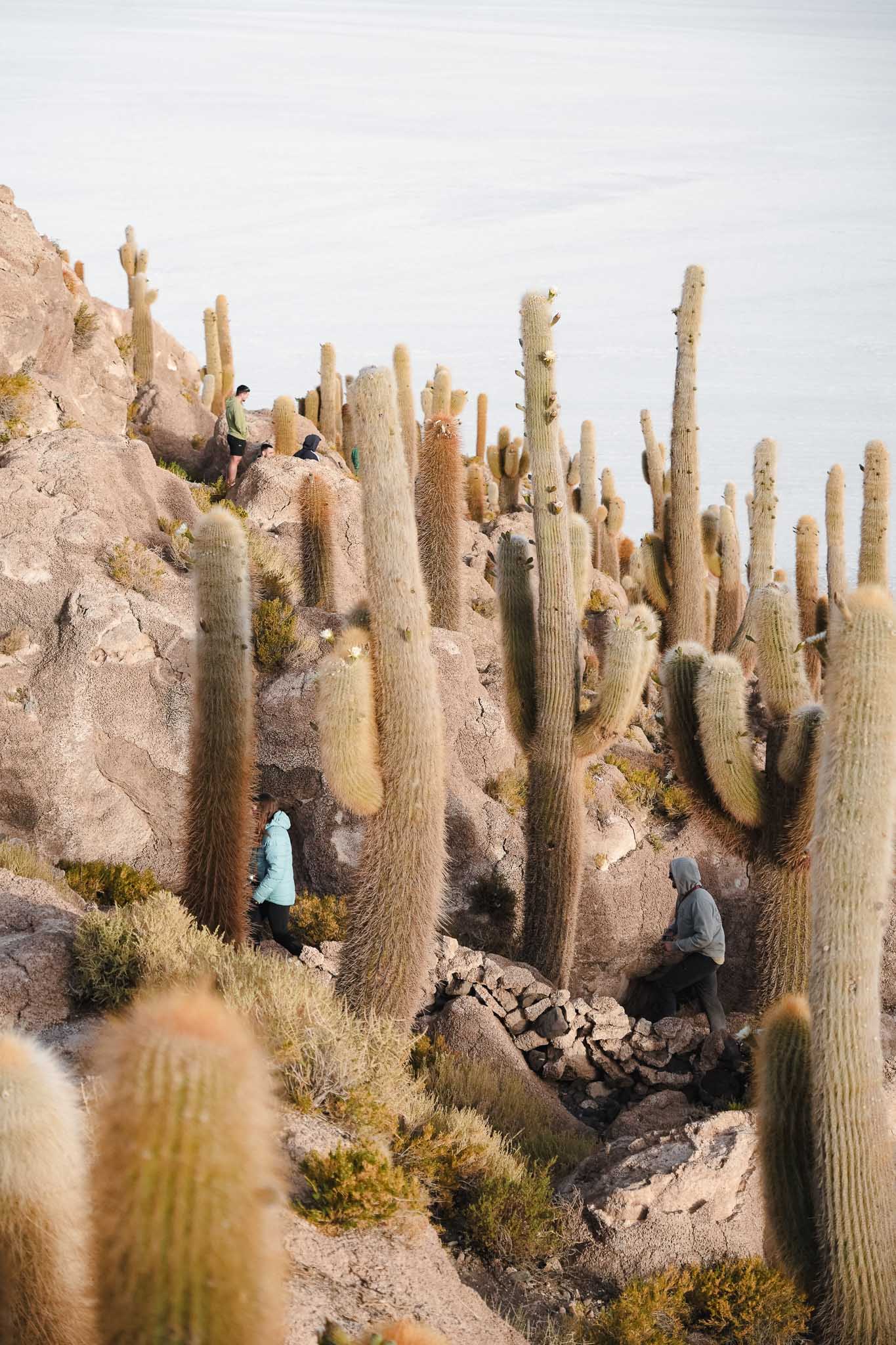
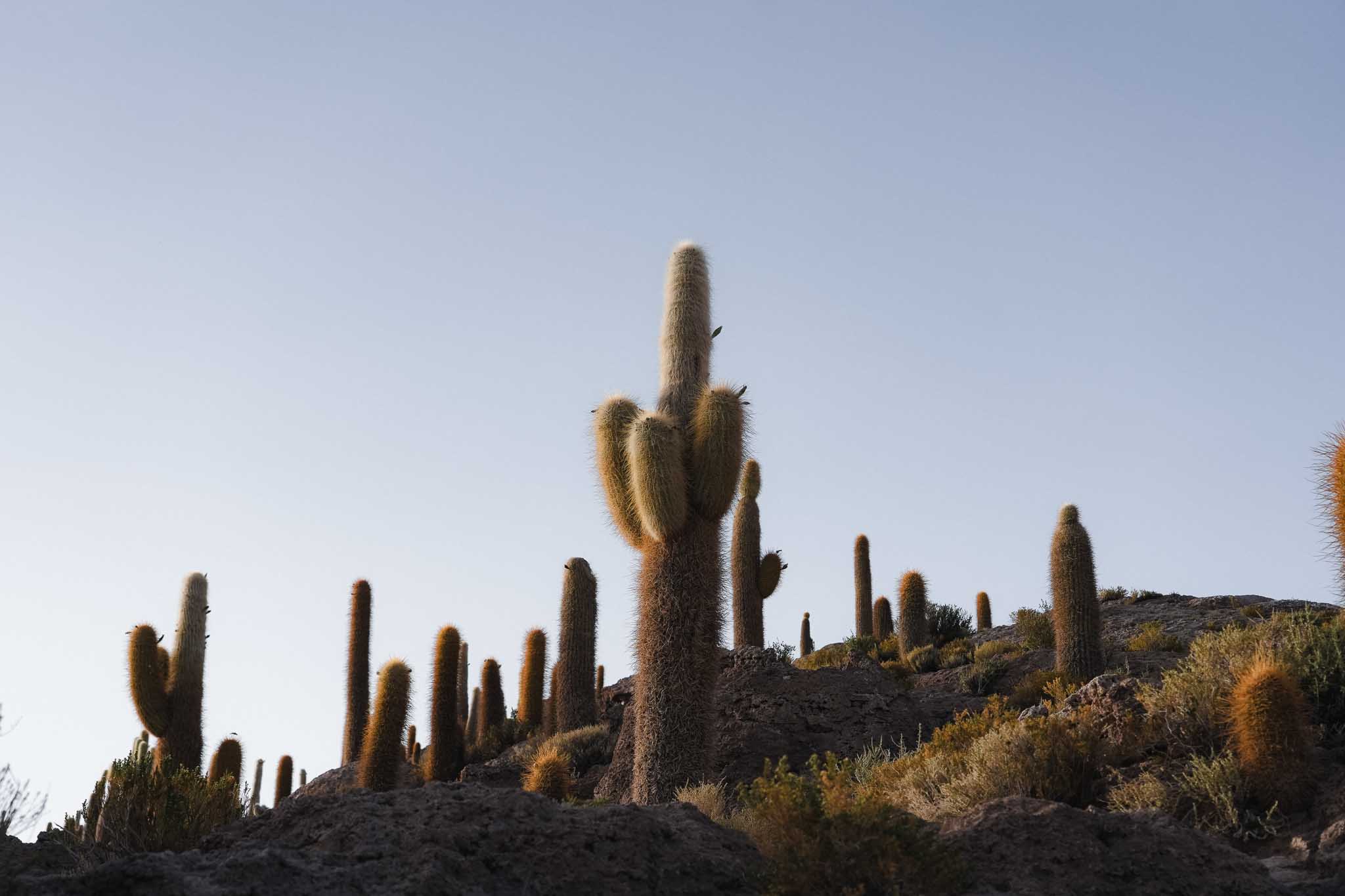
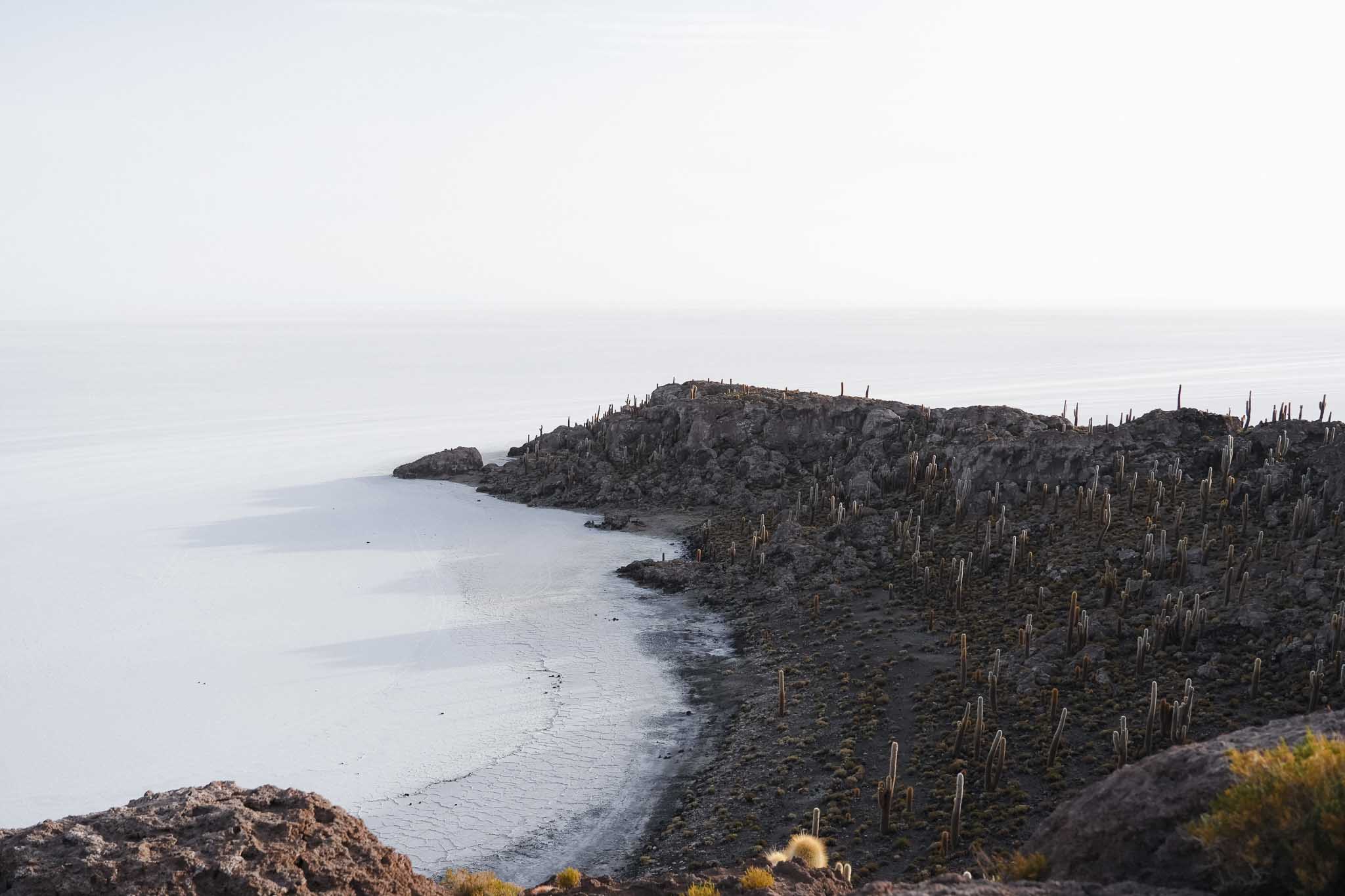
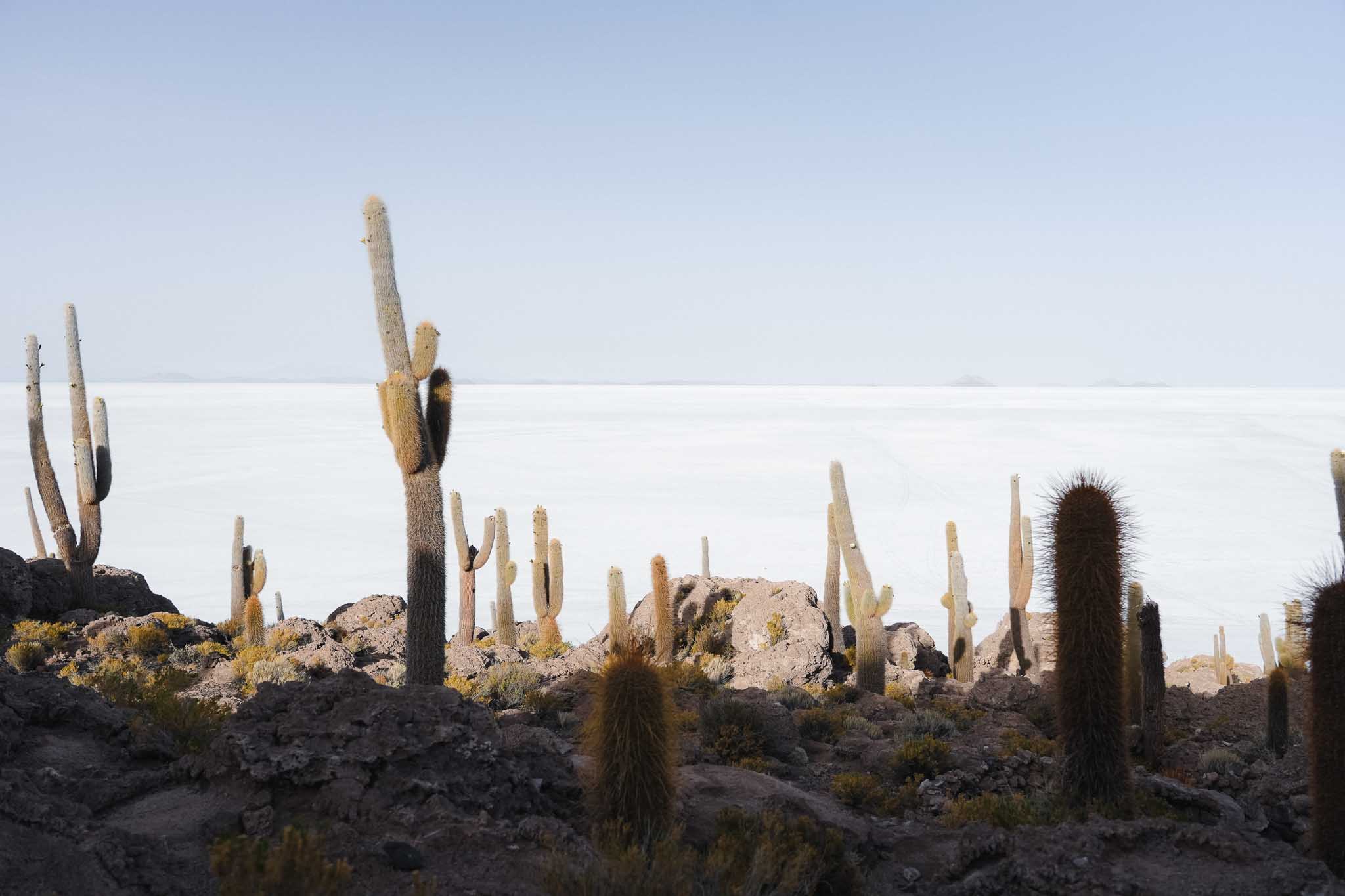
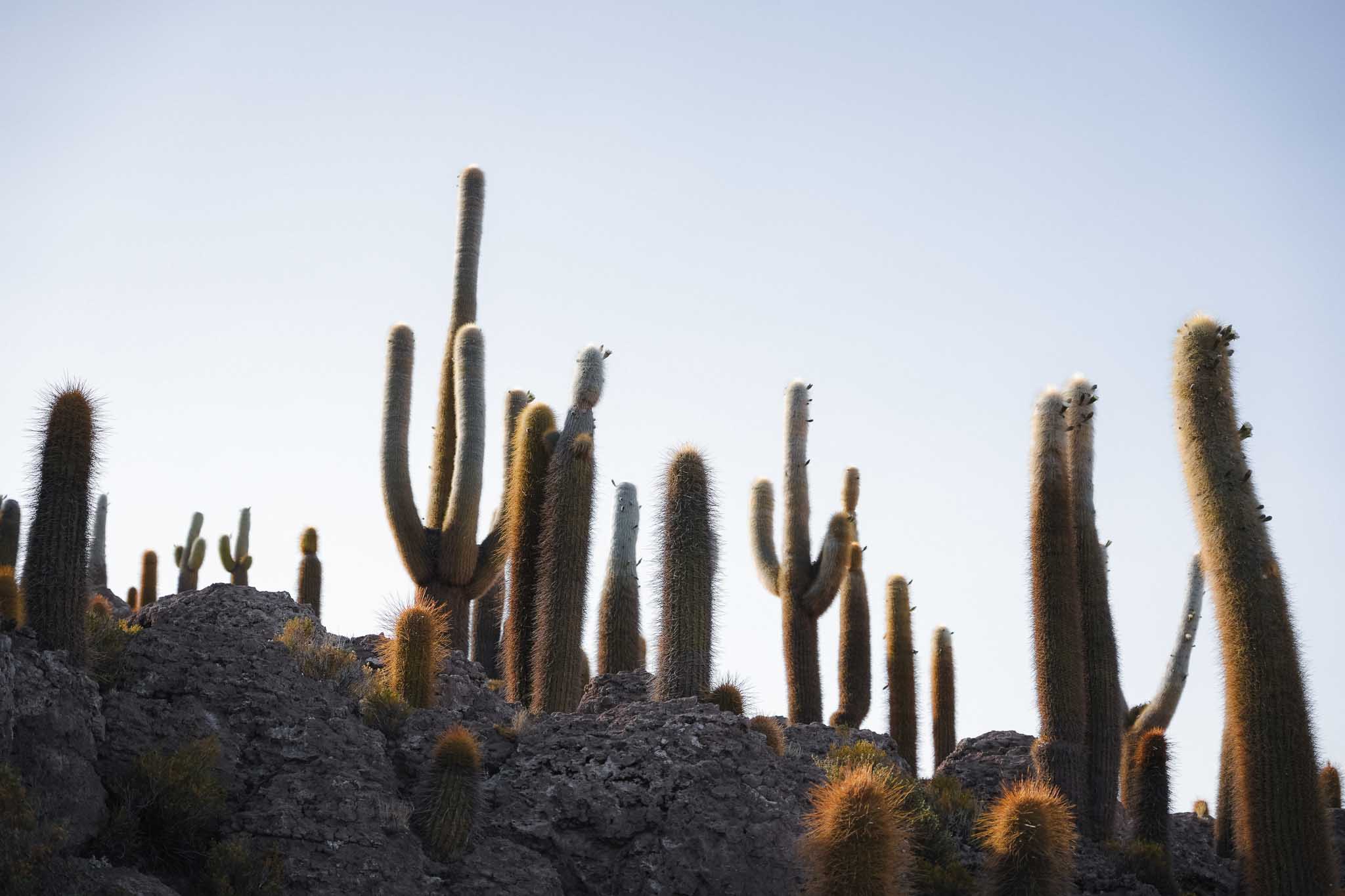
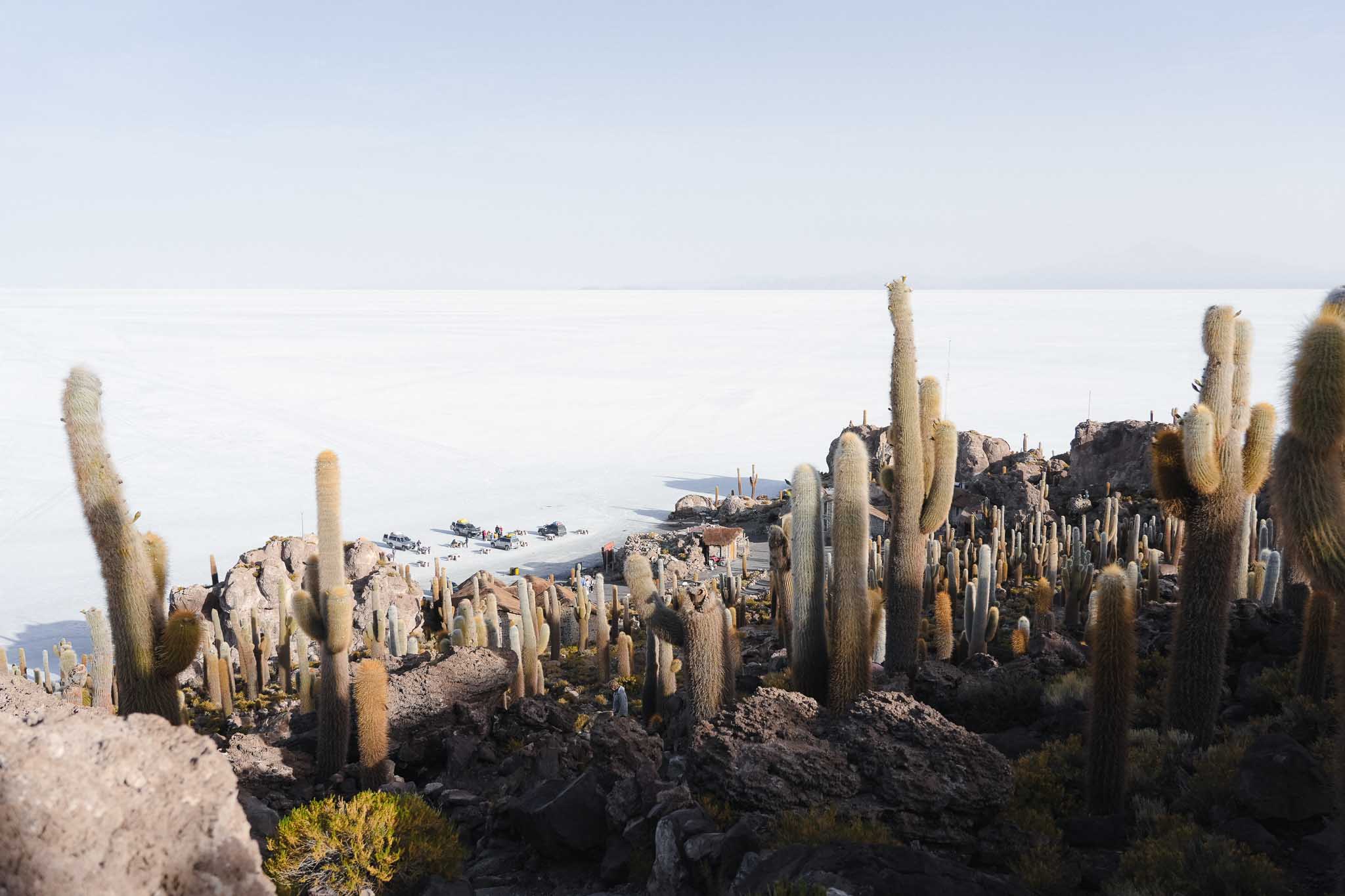
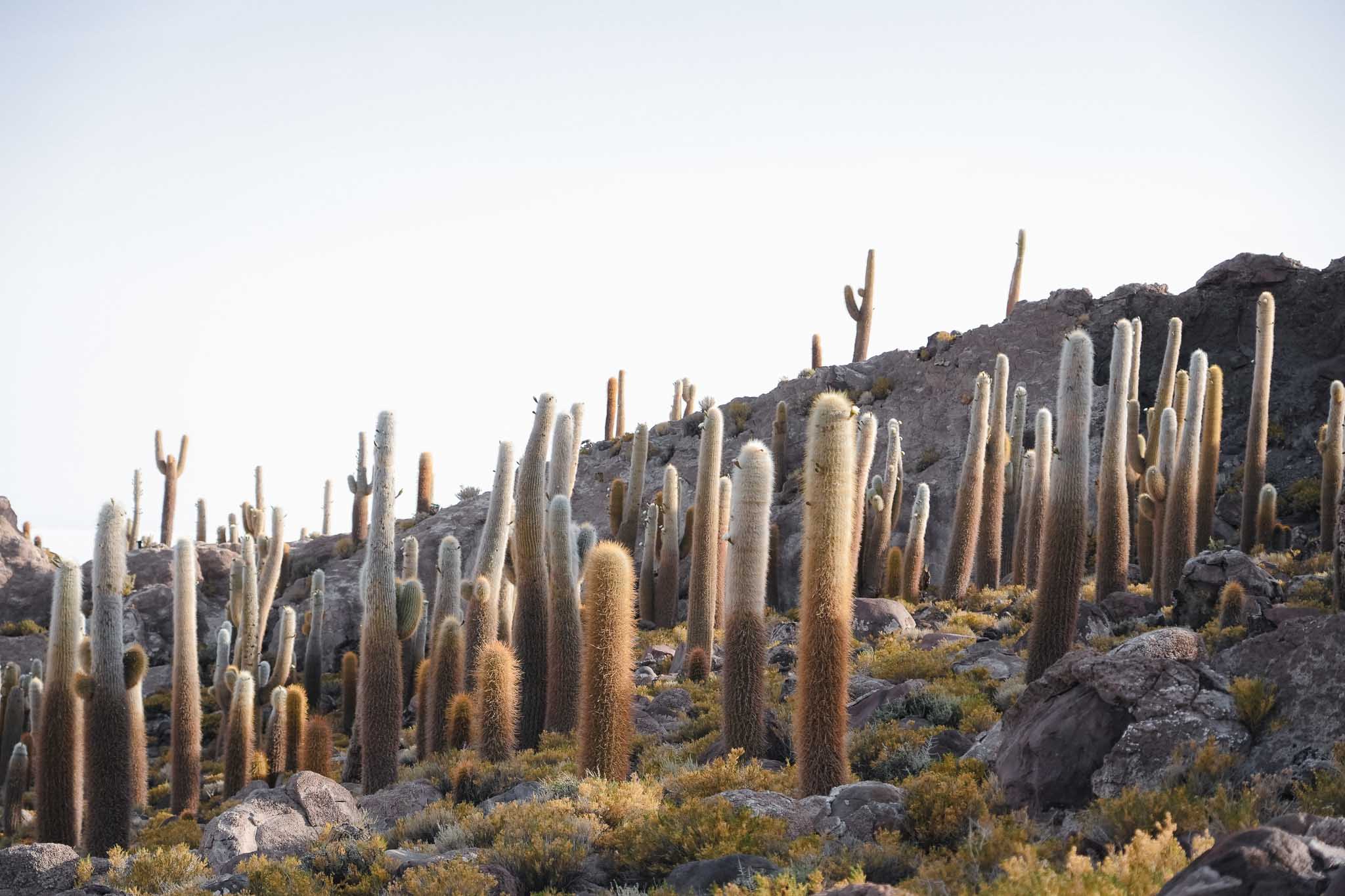
We drove to Isla Incahuasi, also known as Isla del Pescado, or Island of the Fish, which is a 24 hectare island in the middle of the salt flats sitting at 3650 metres above sea level, almost entirely covered in gigantic cactuses that grow up to 10 metres tall. The island is also home to coral structures which would have at one time been swim-throughs beneath the ocean, as well as many fossils of sea creatures and algae. Once upon a time, this whole area was beneath the ocean until the oceanic Nazca tectonic plate collided with and merged beneath the South American tectonic plate to lift this whole area and create the Andes mountain range. The rising ocean floor left water trapped on its surface to be evaporated by the sun, which created this huge, flat area of salt. Absolutely incredible.
We walked the trail that climbs to the top and explores most of the island to take in the views and marvel at just how surreal it was to be standing on an island amidst a dry sea of salt all the way to the horizon. This was an absolutely unforgettable experience at one of the most incredibly unique places in the world.
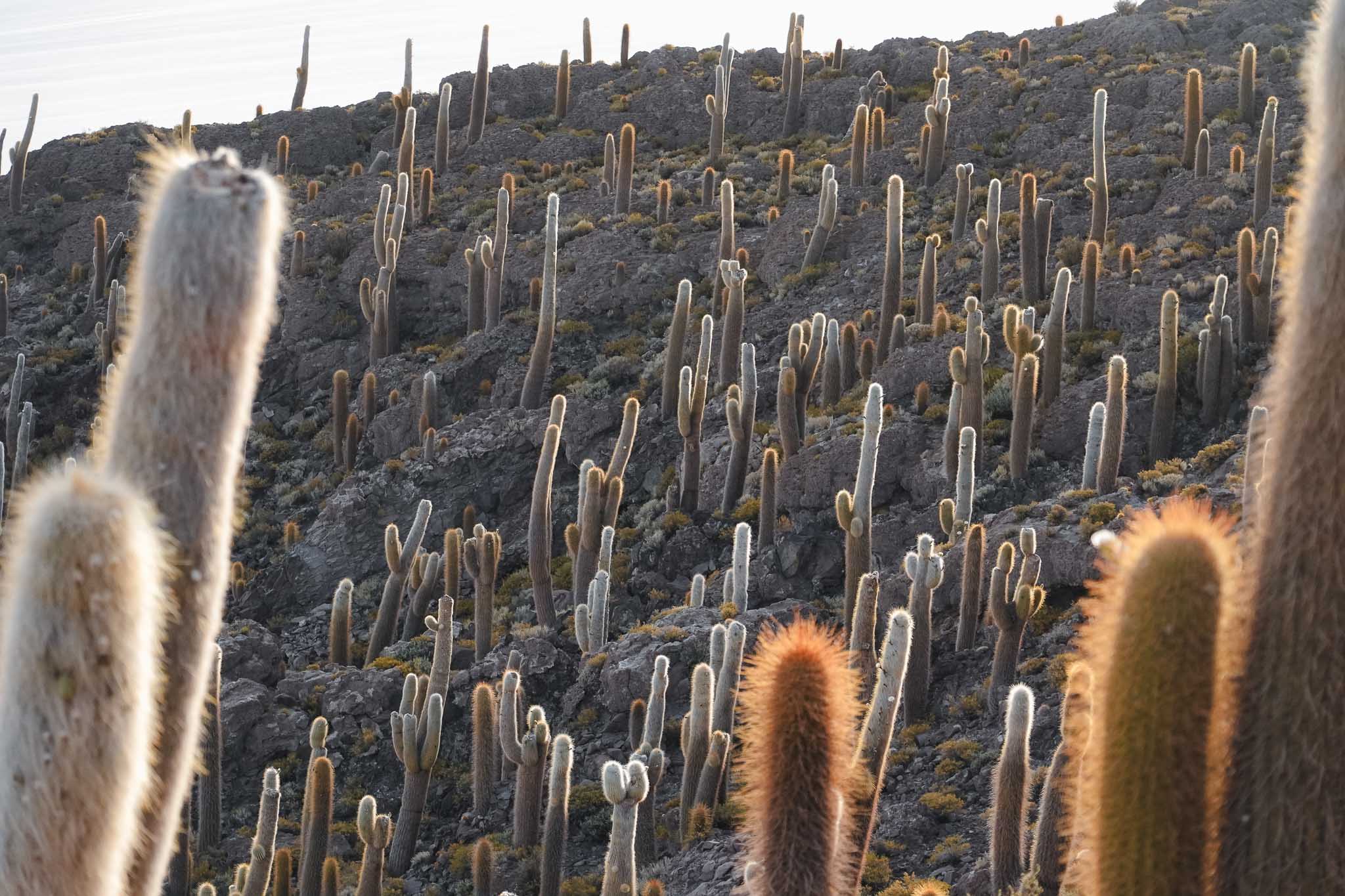
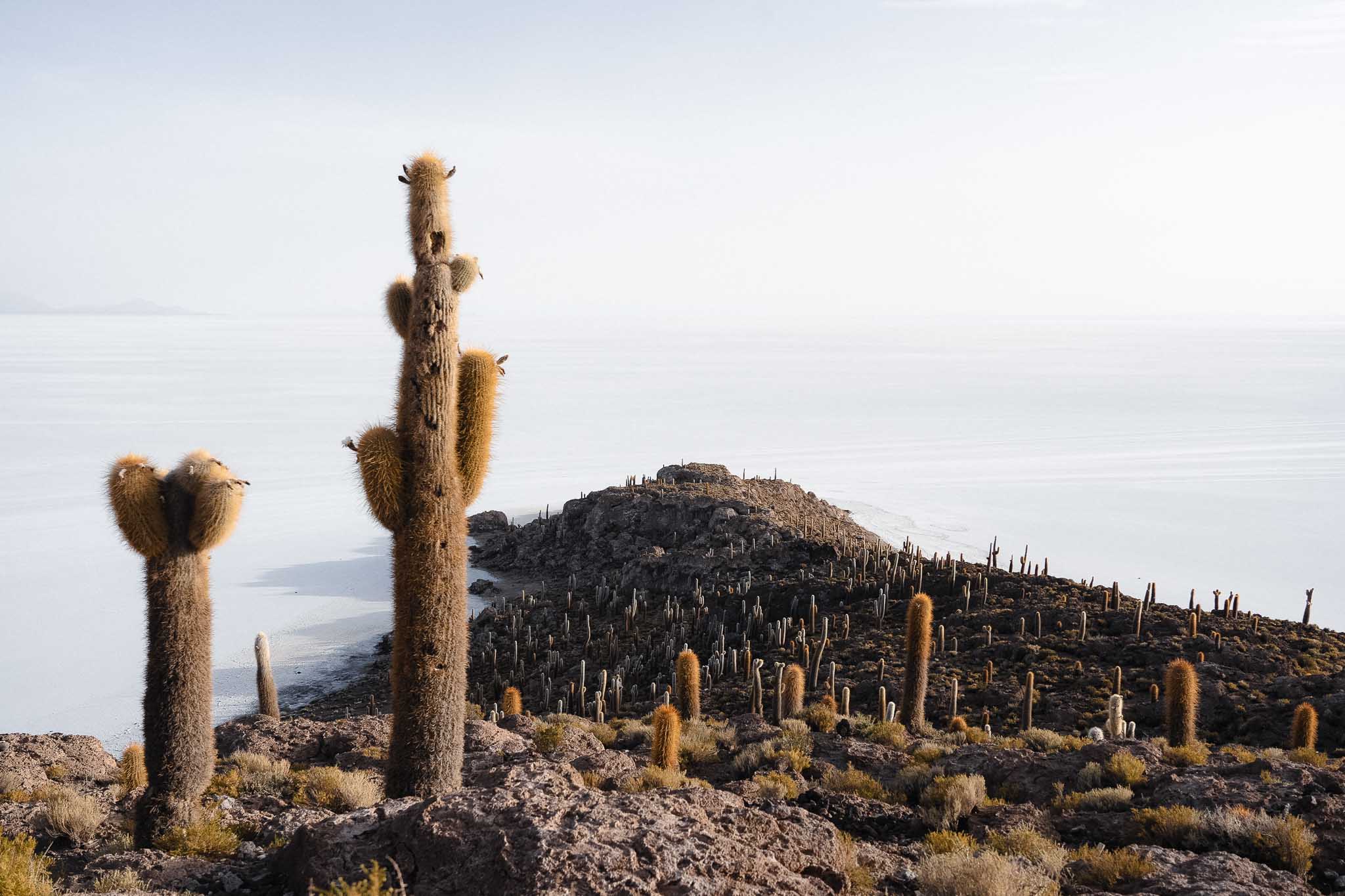
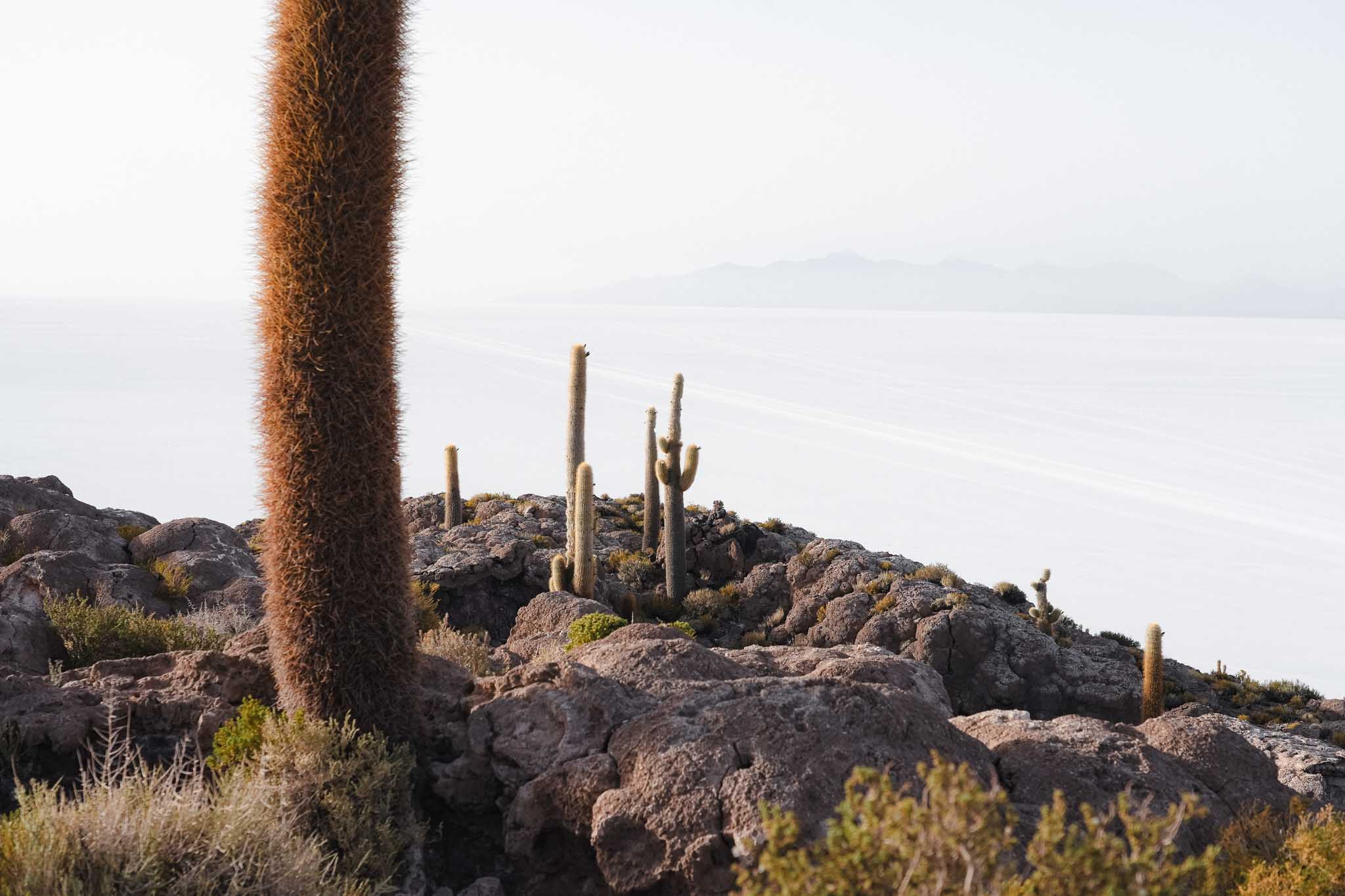
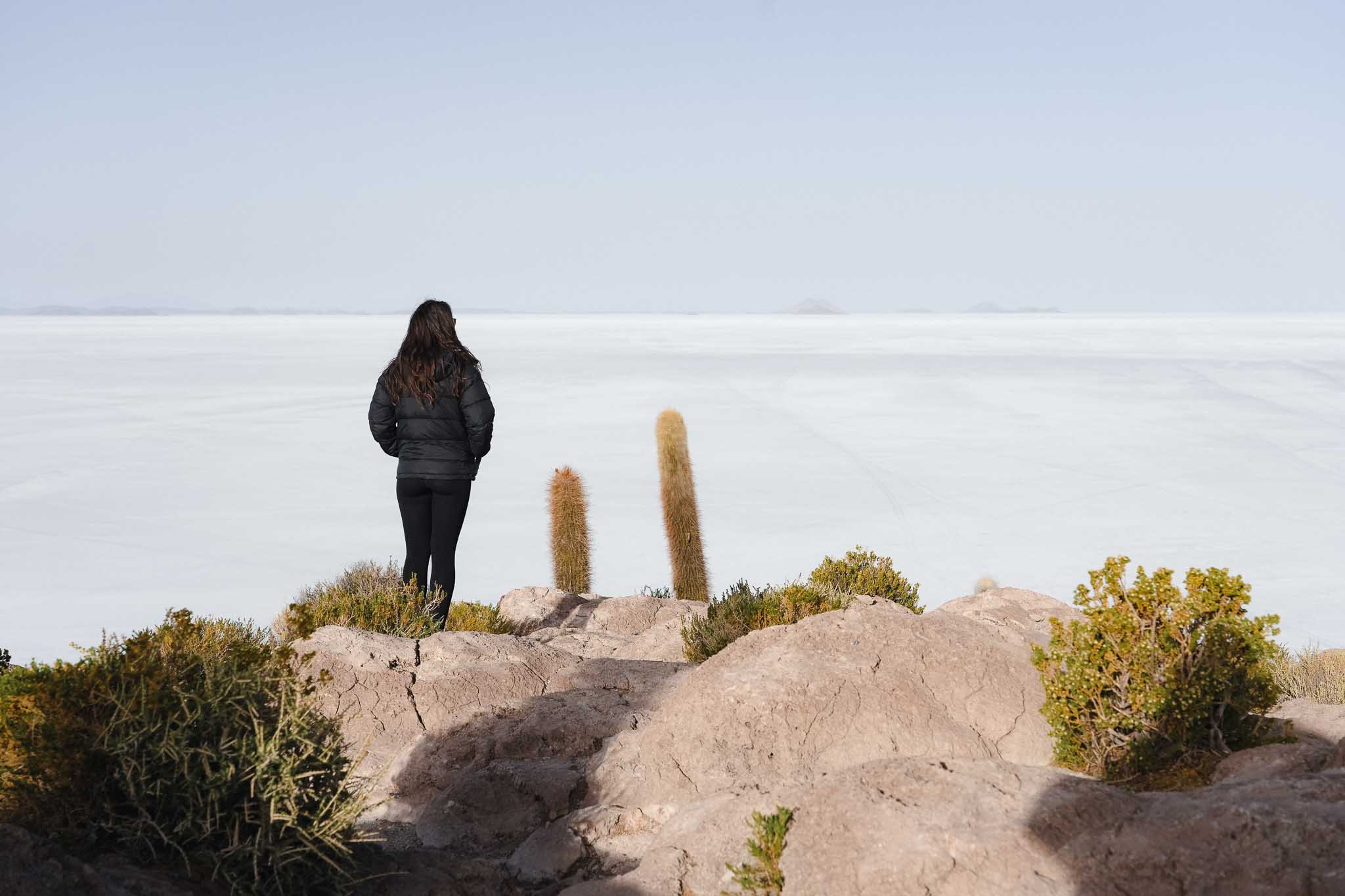
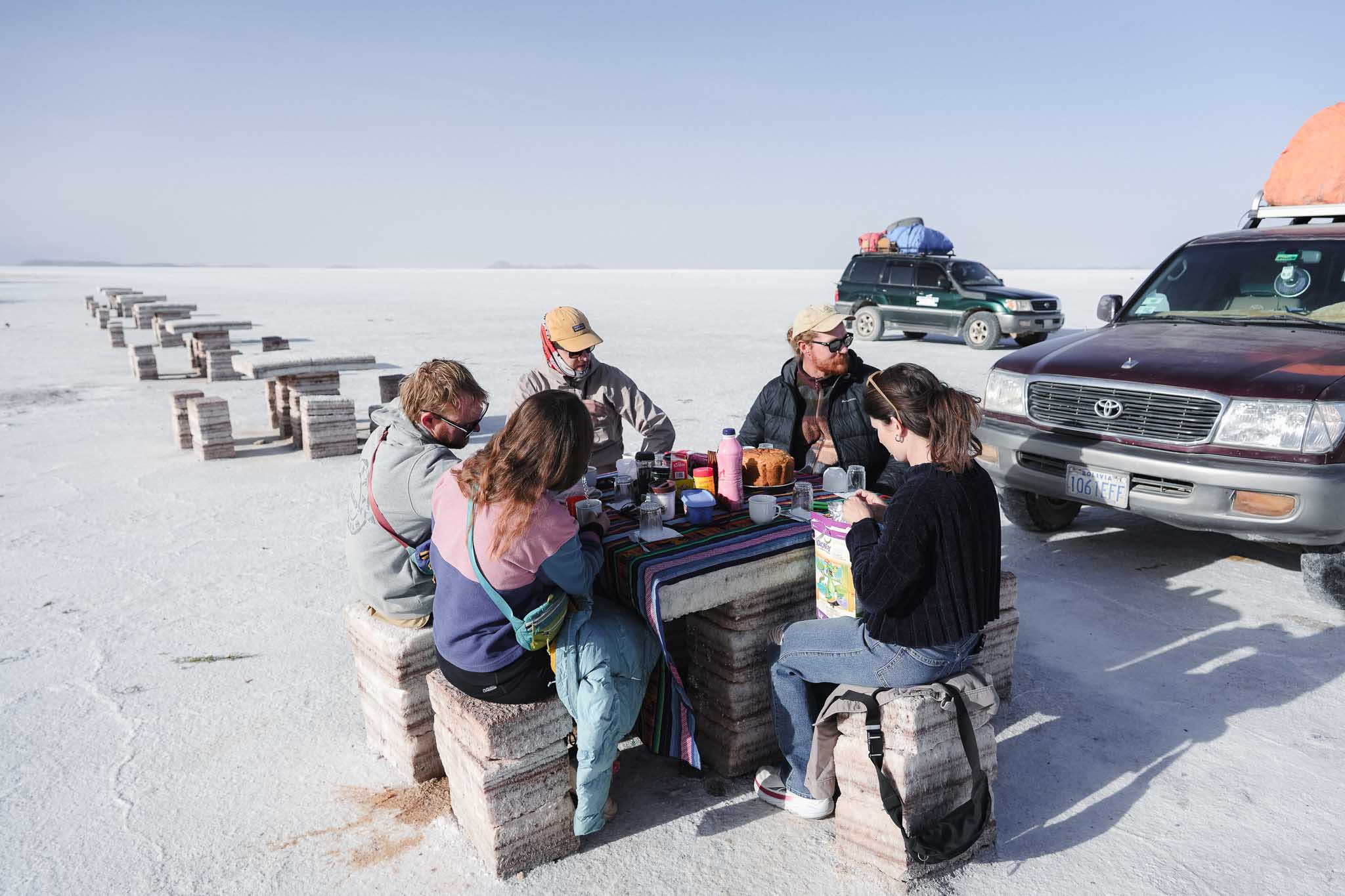
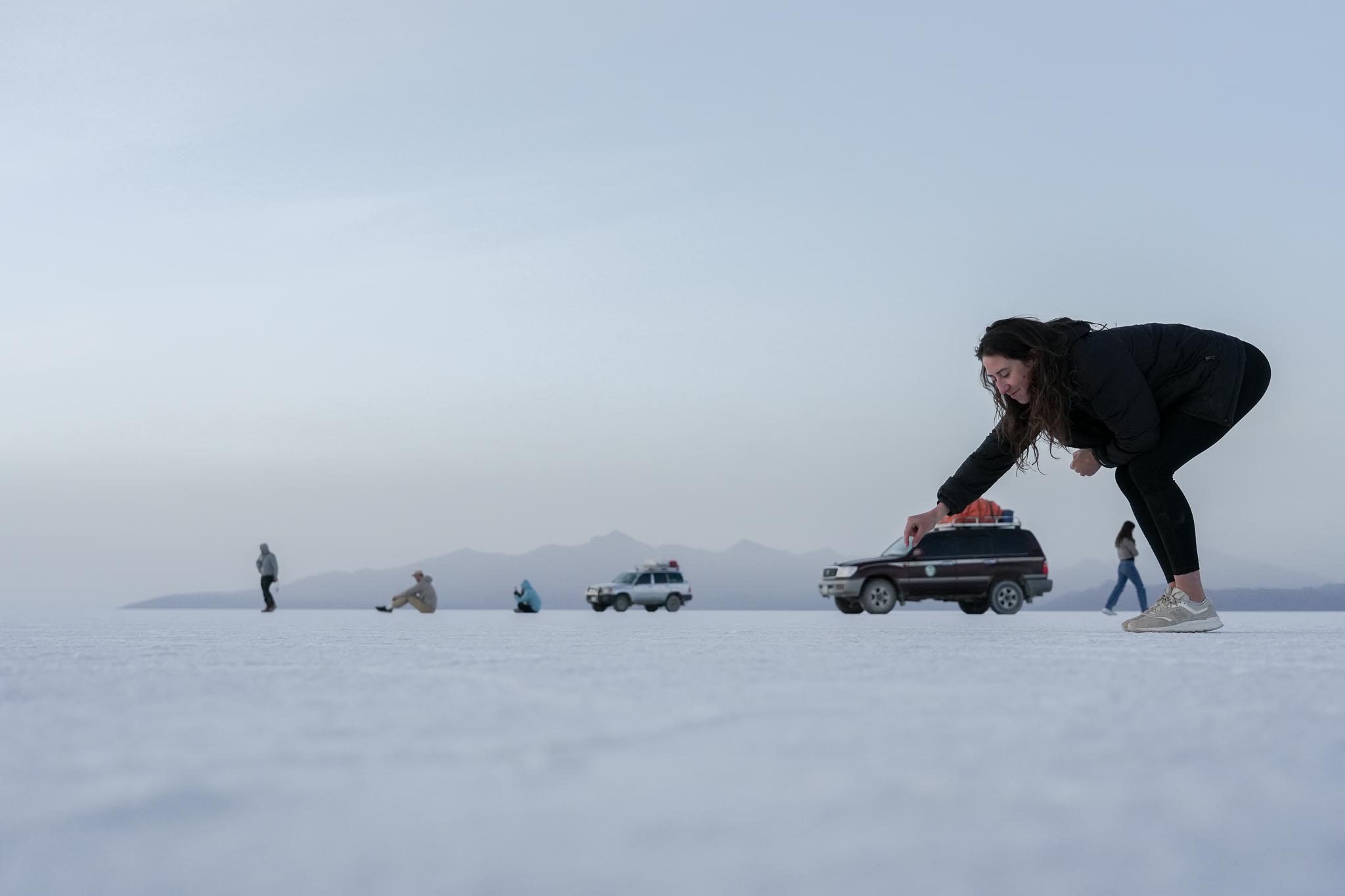
We had something to eat while seated on chairs made from big slabs of salt before jumping back into the car and making our way to the photoshoot destination. One of the big draw cards by tour companies for the salt flats is giving you the opportunity to take some forced perspective photos. I was neither here nor there about getting a chance to take these photos, but it turned out to be a hell of a lot of fun. We took a lot of really hilarious photos, some that worked better than others, for nearly a few hours. It was a good laugh!
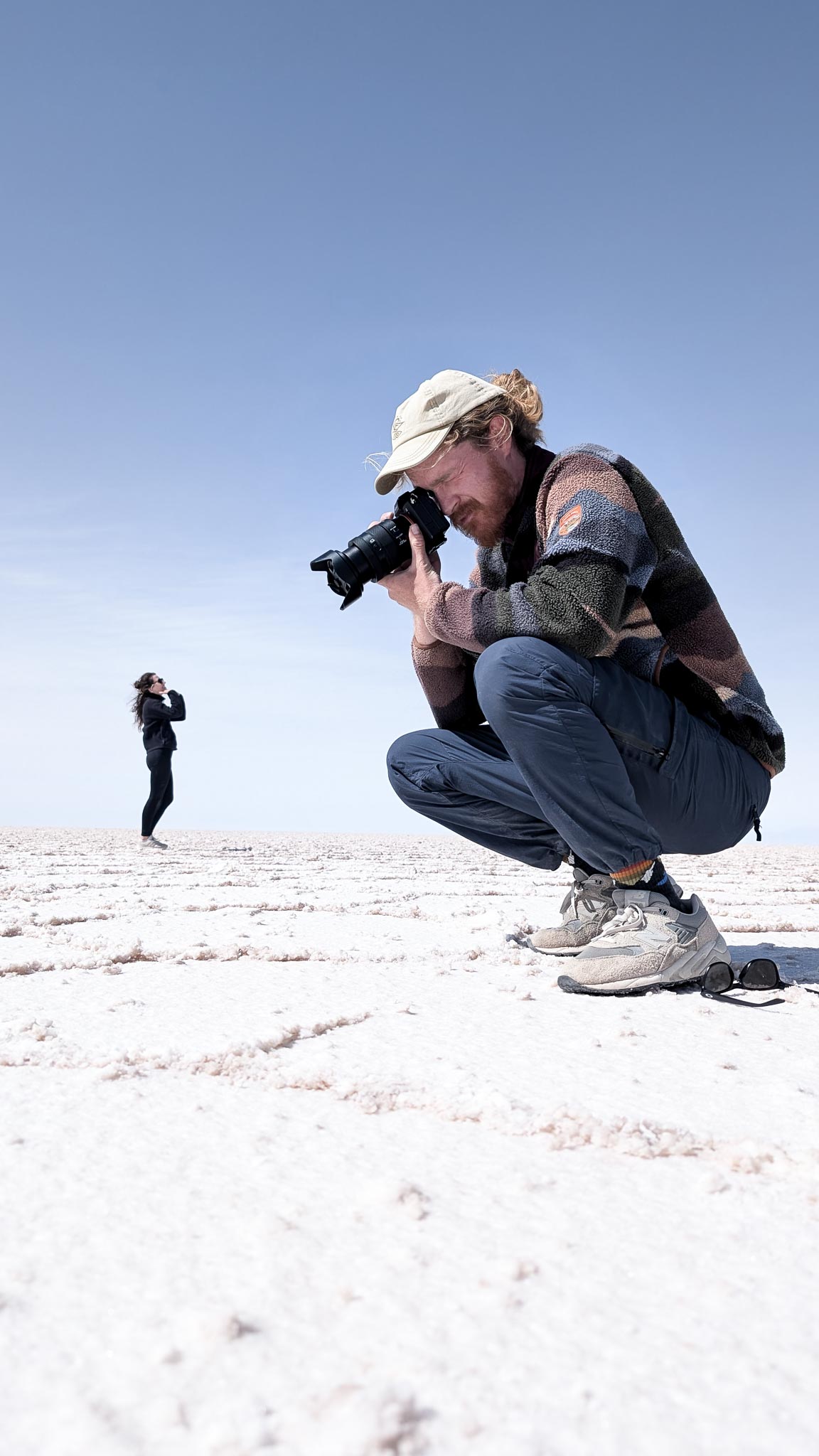
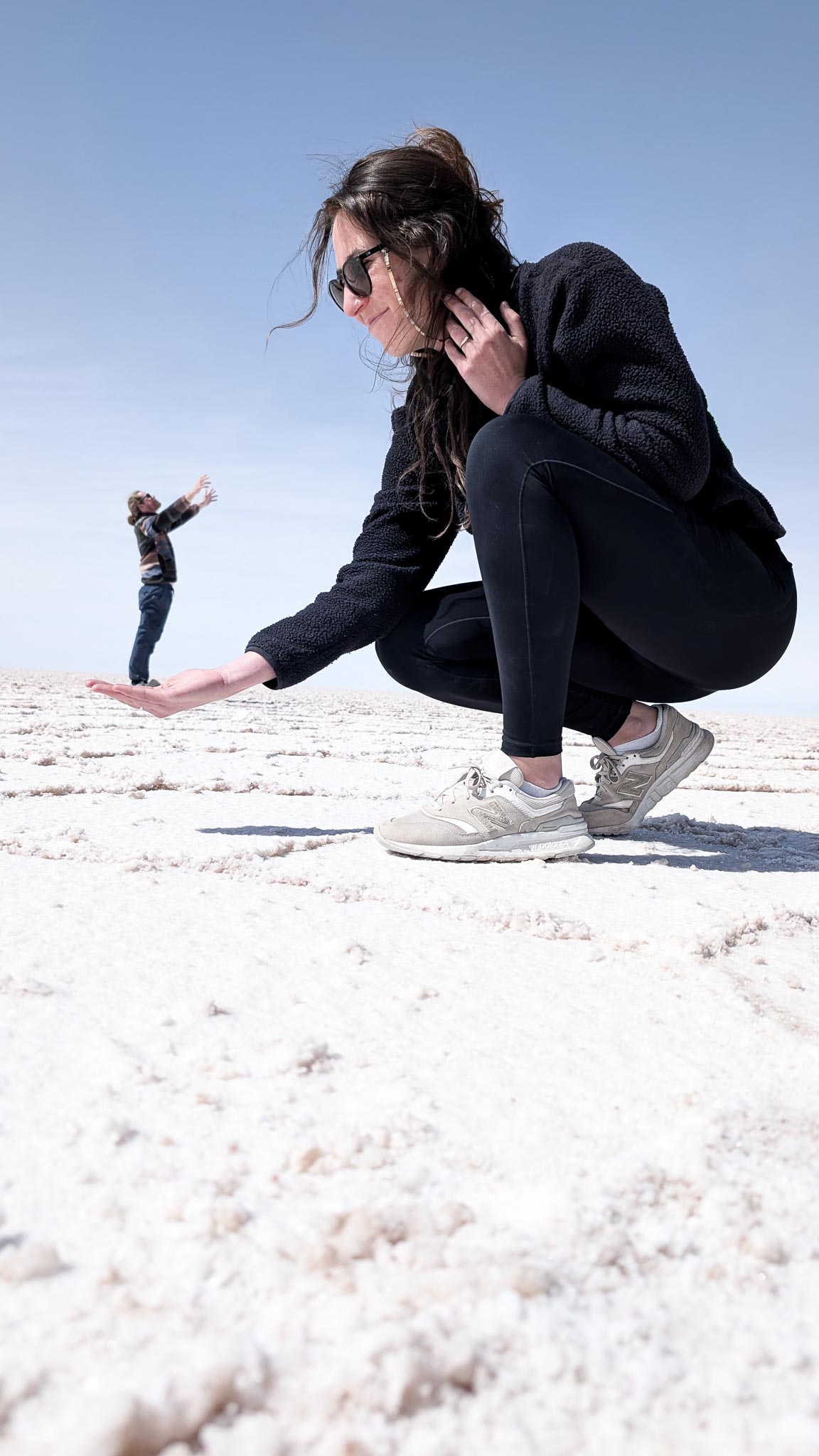
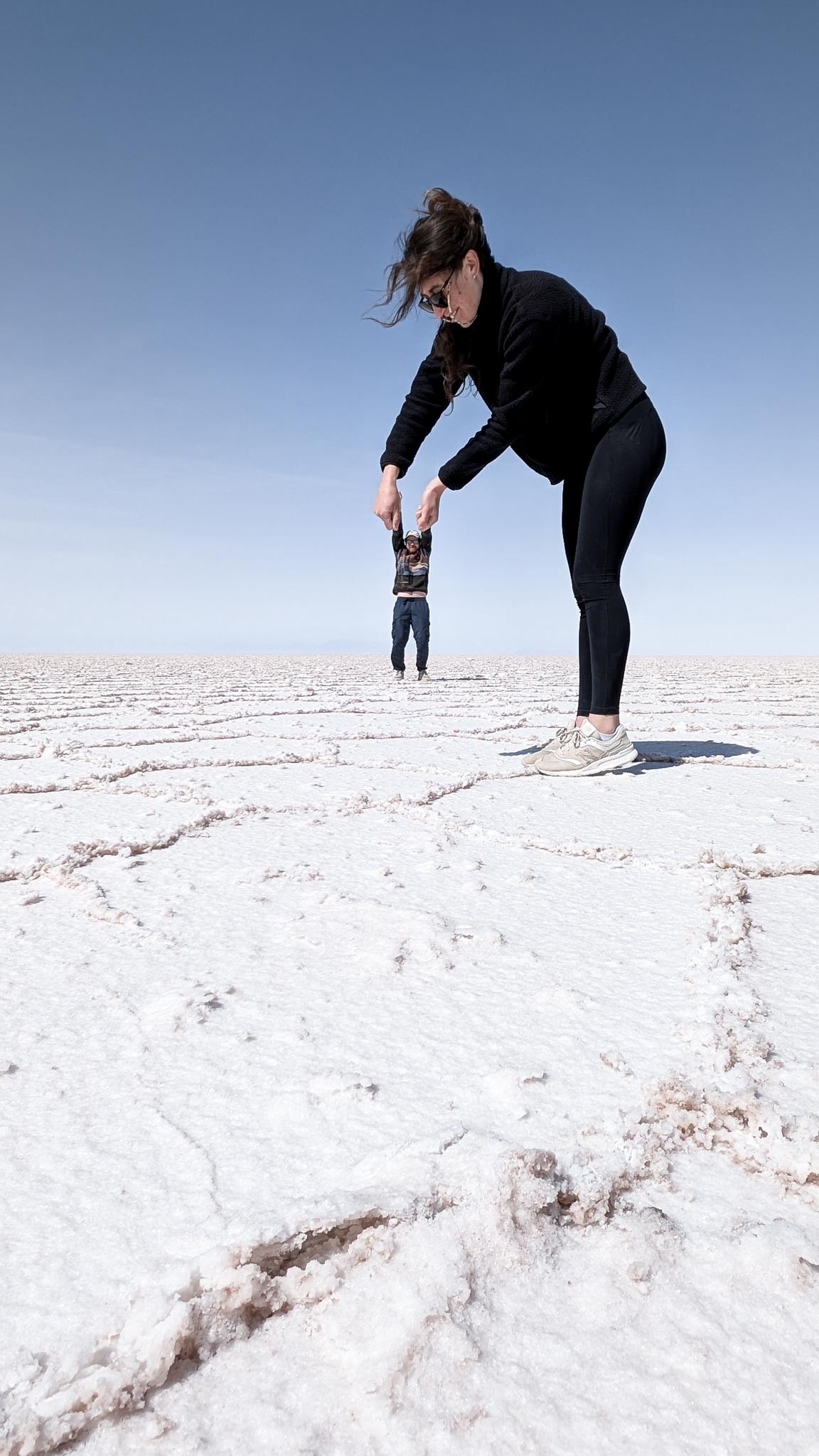
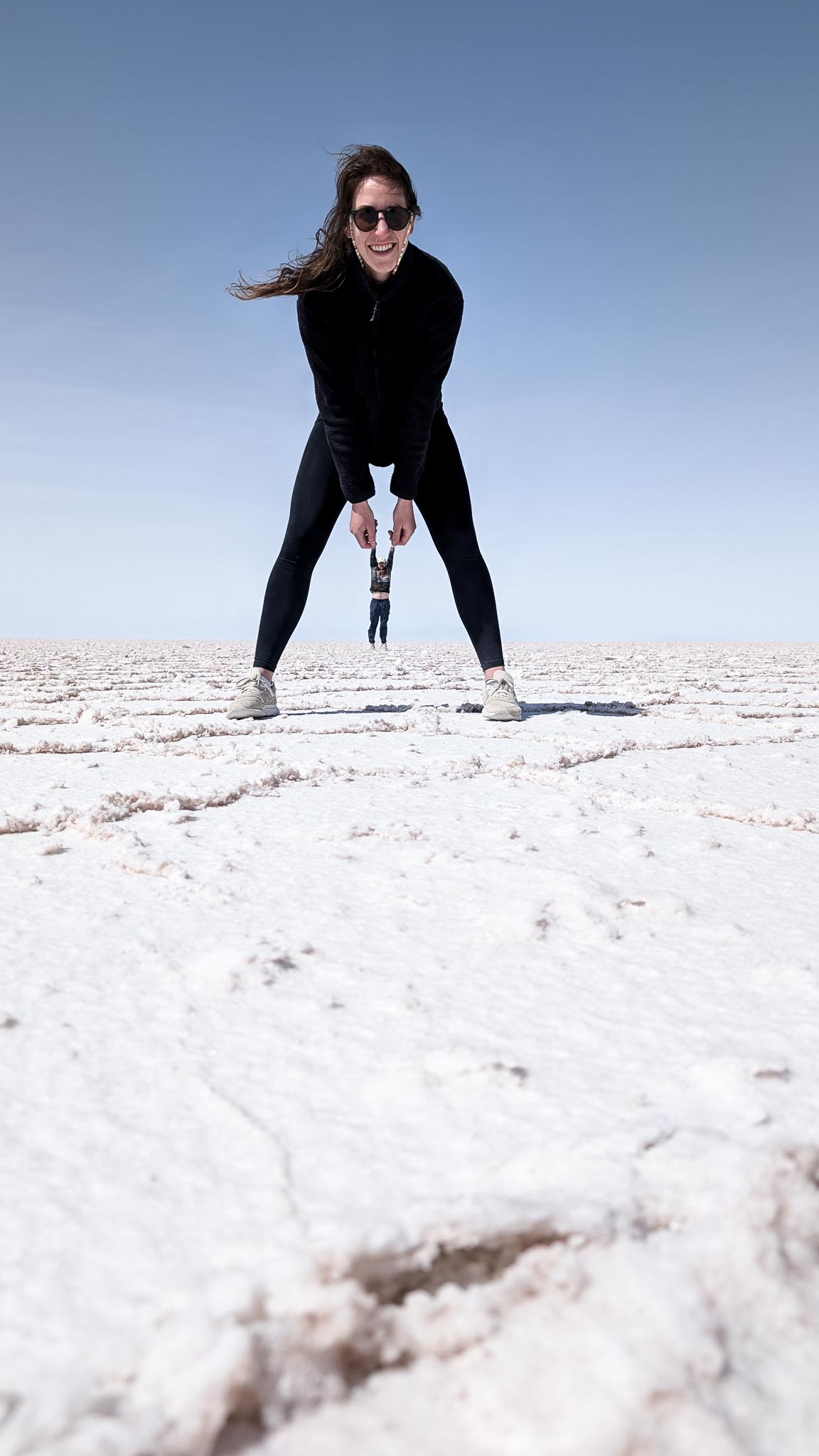
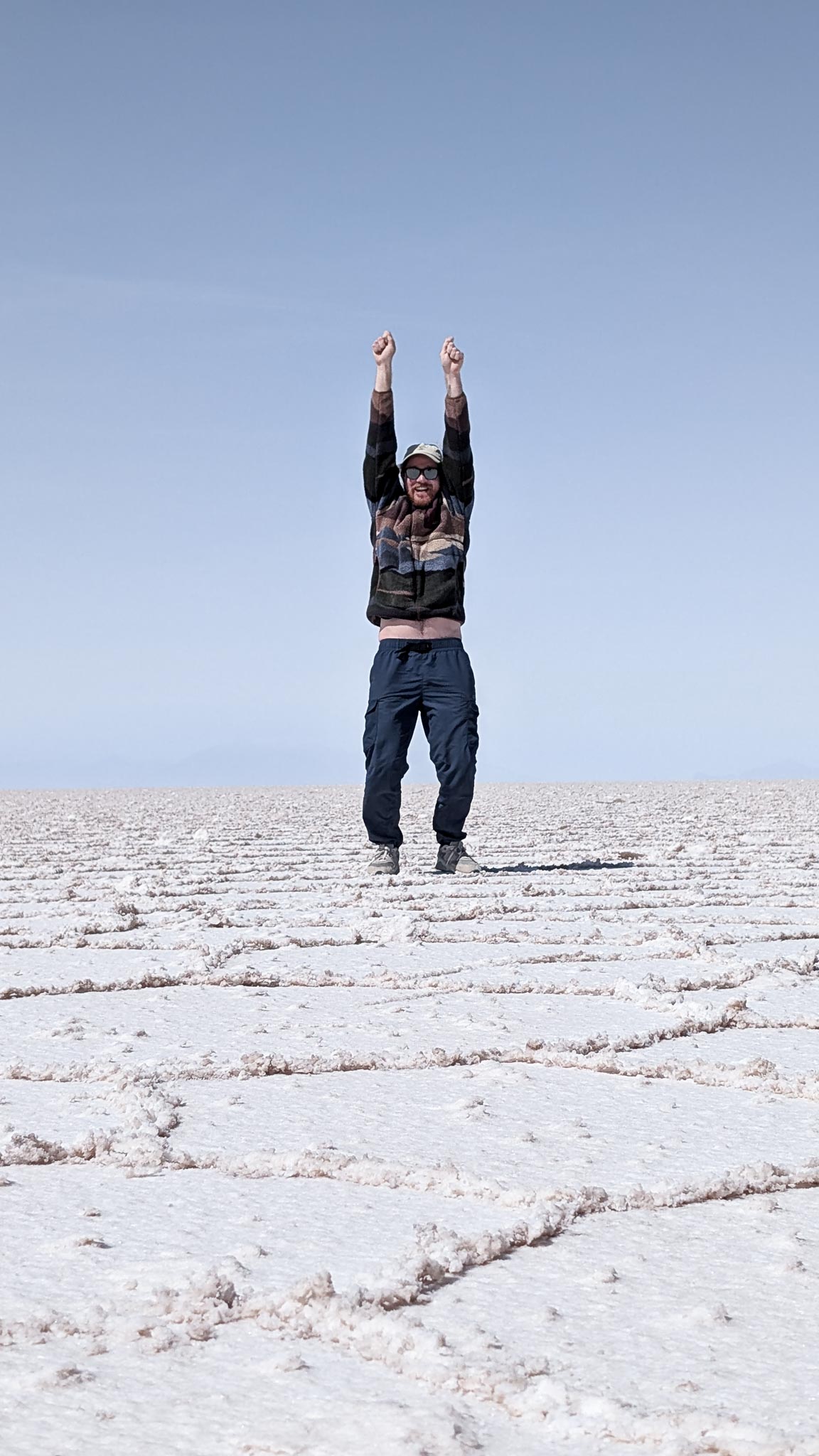
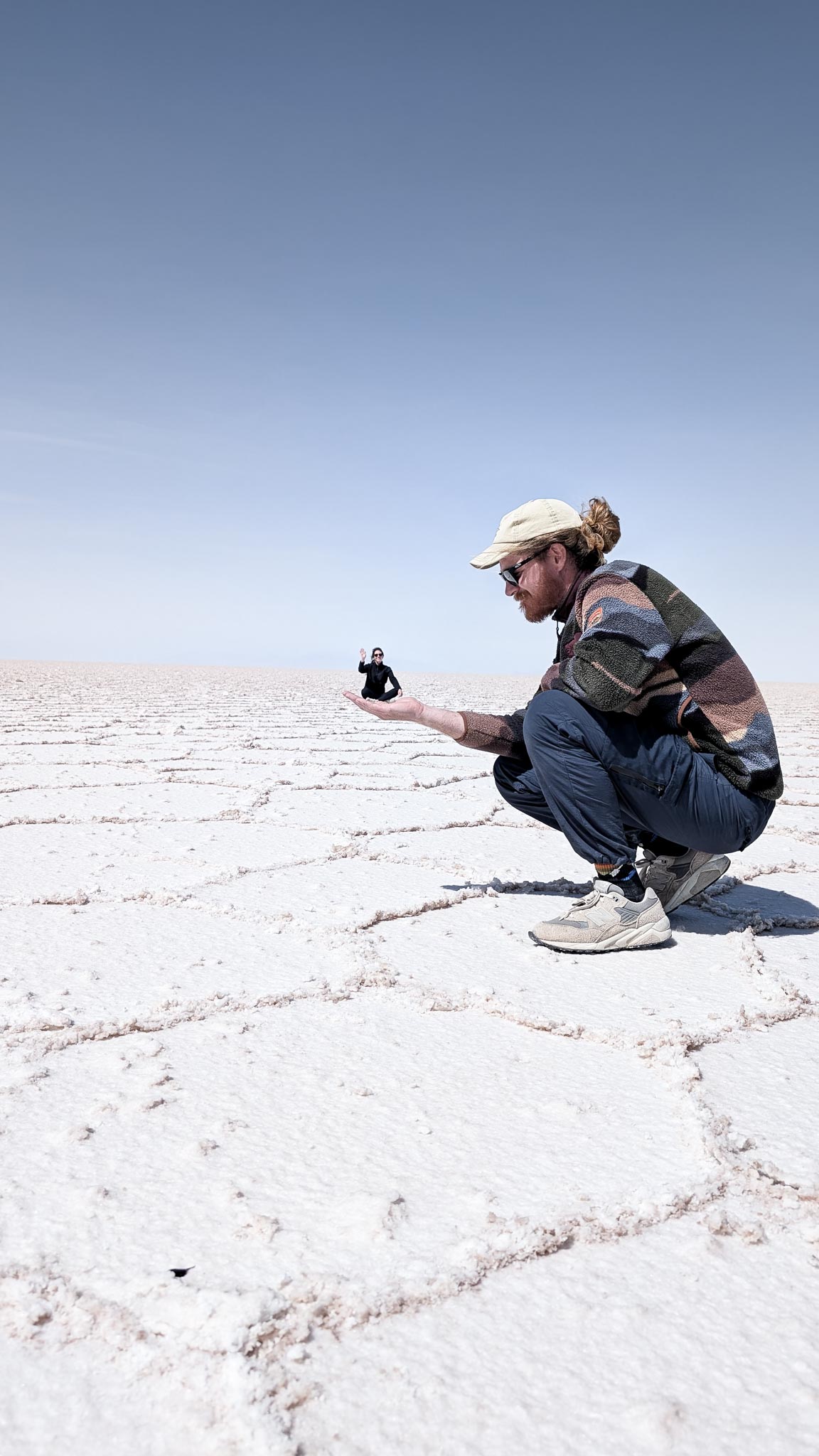
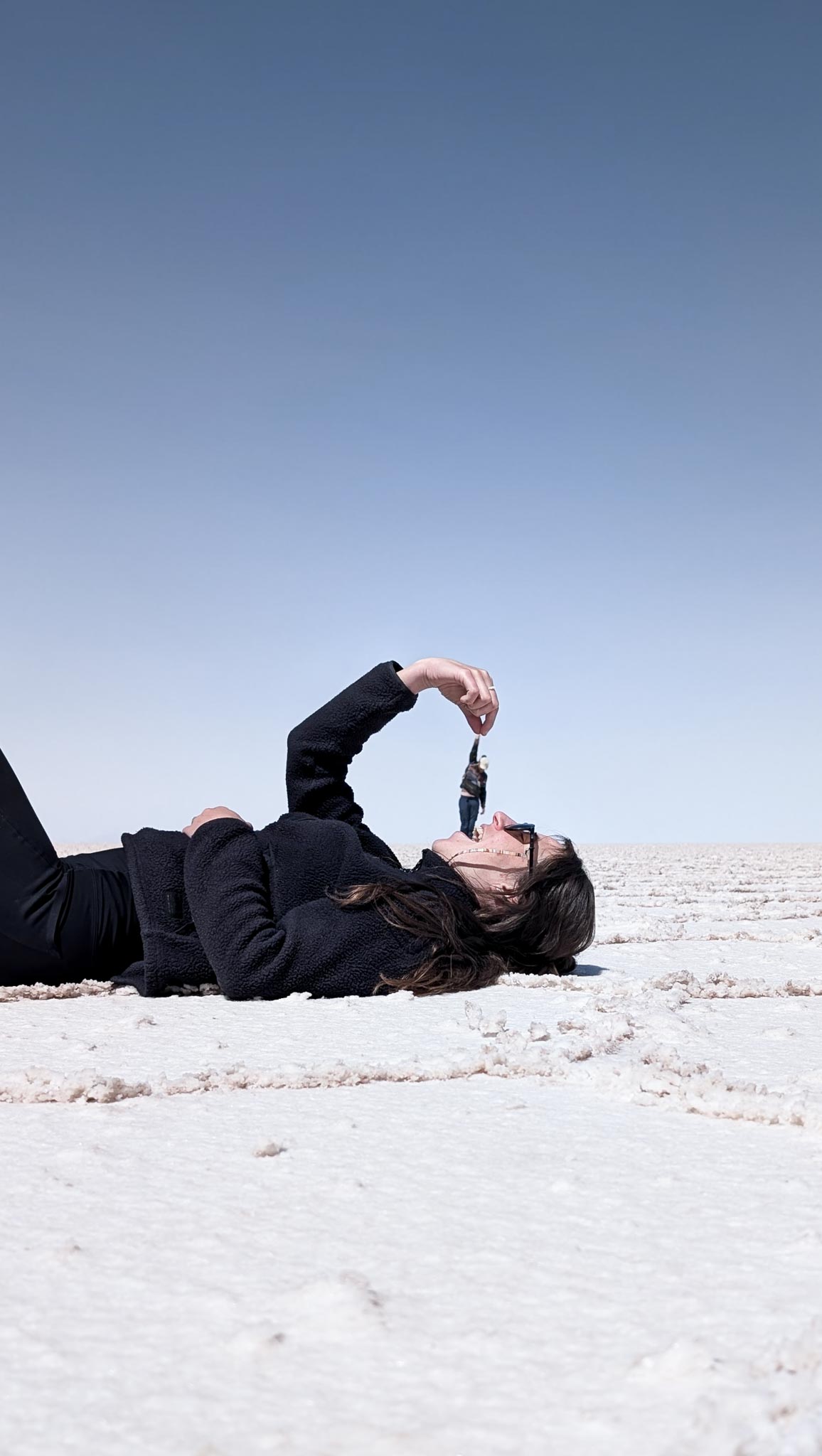
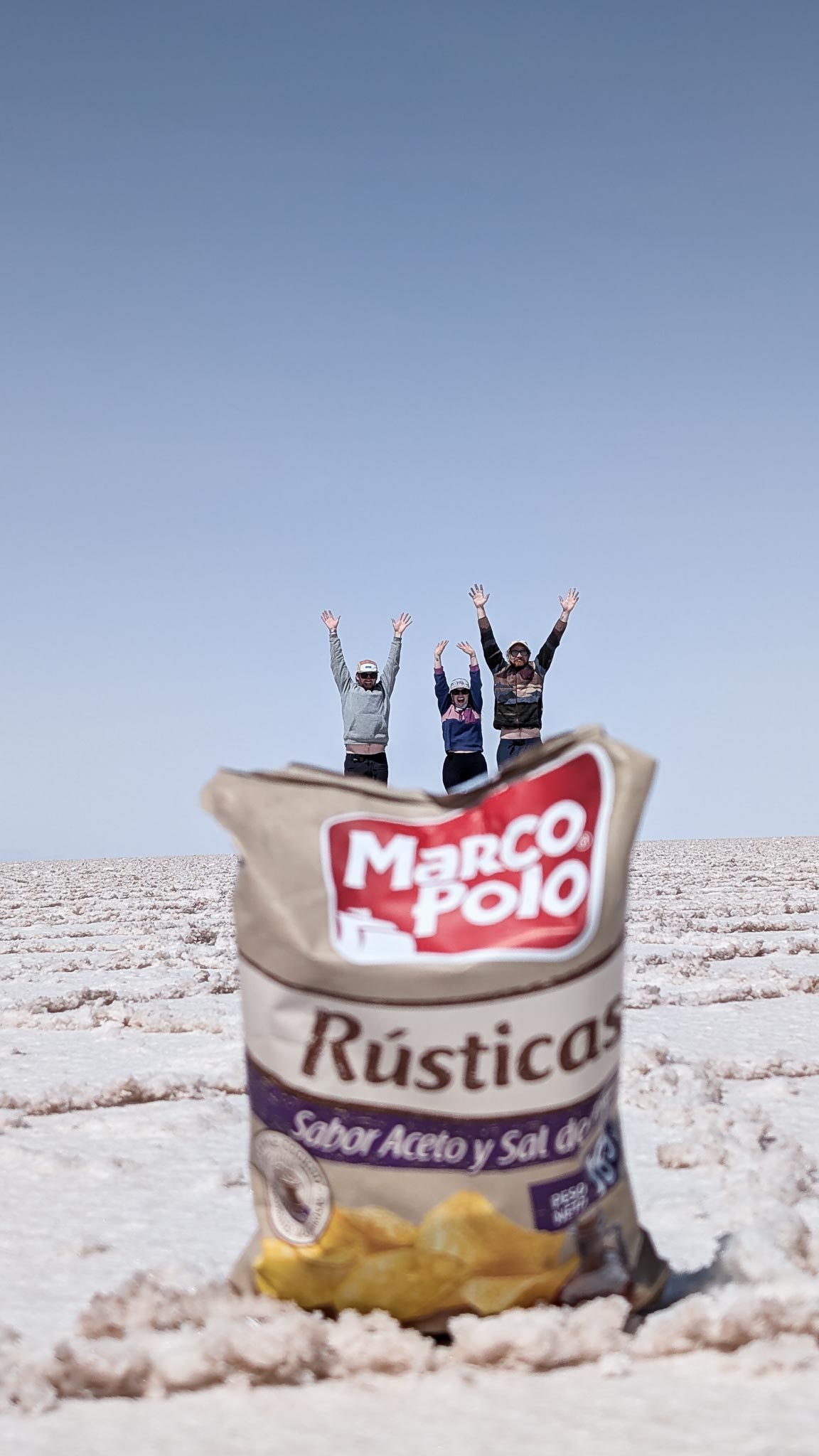
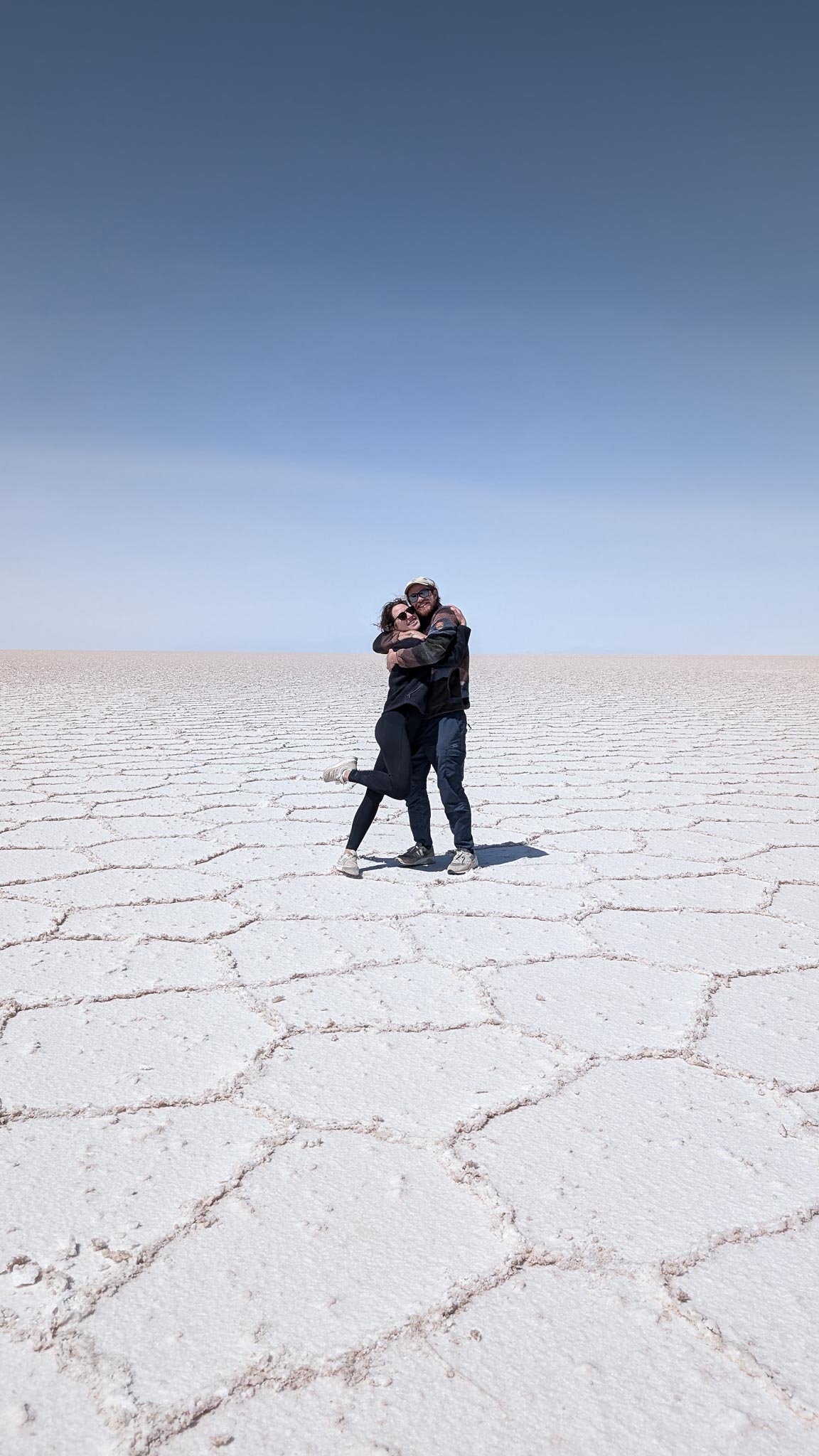
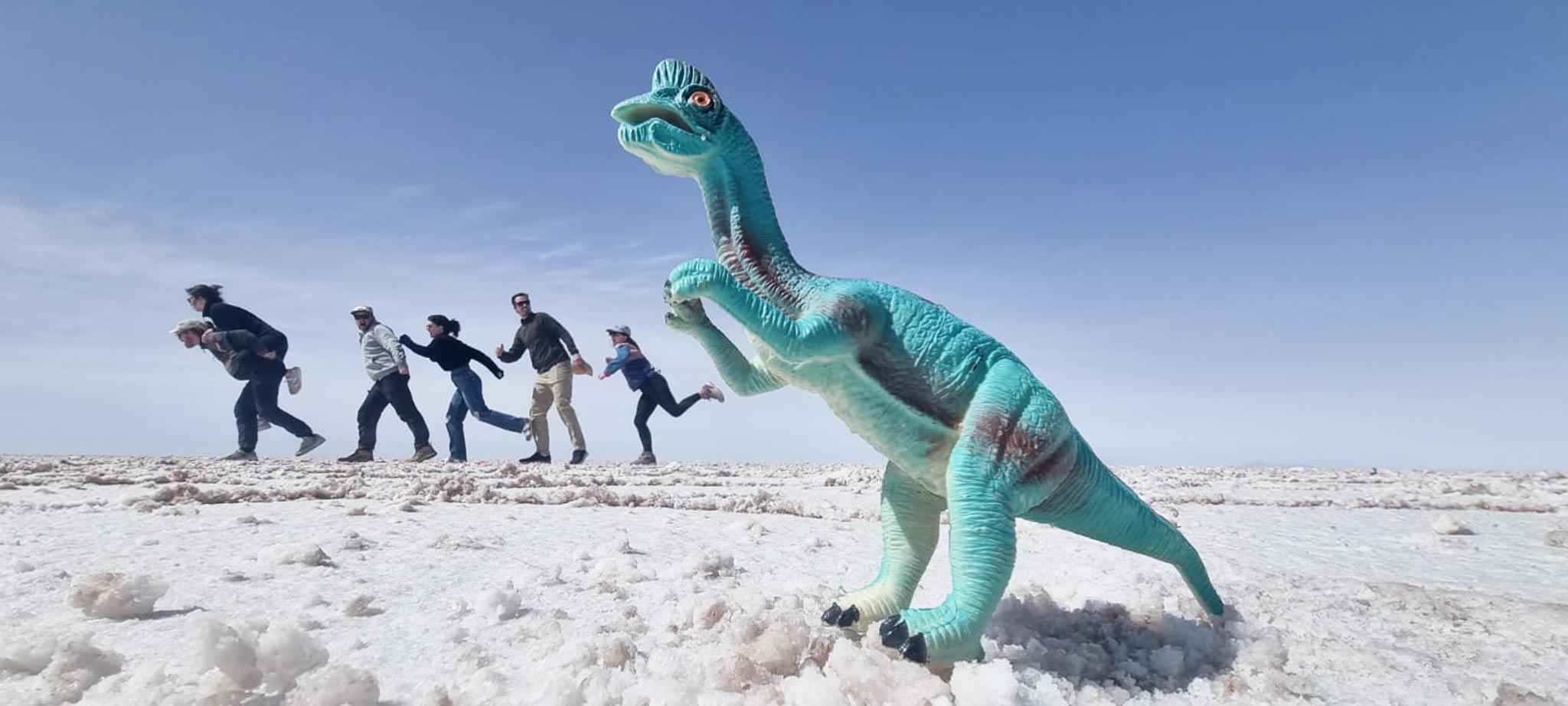
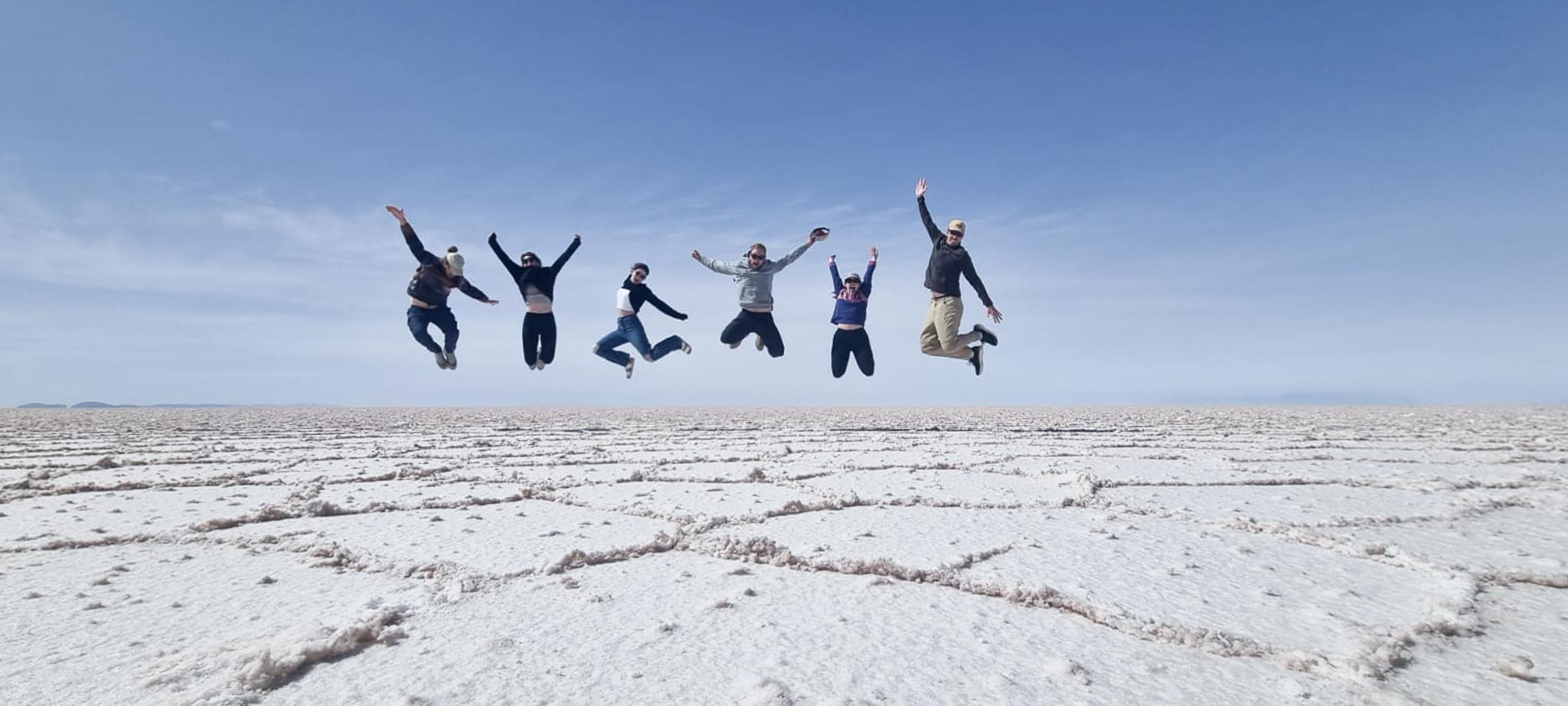
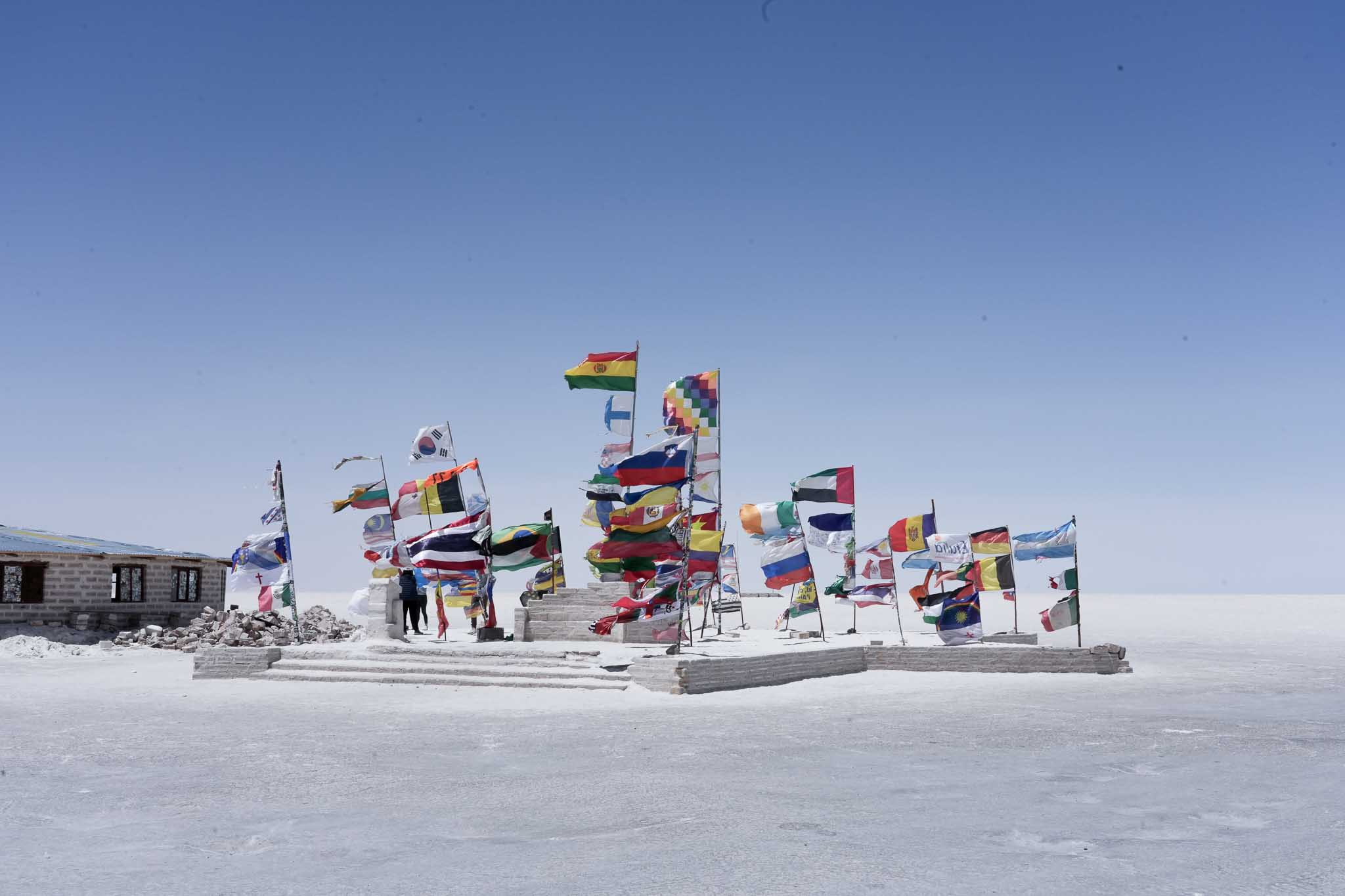
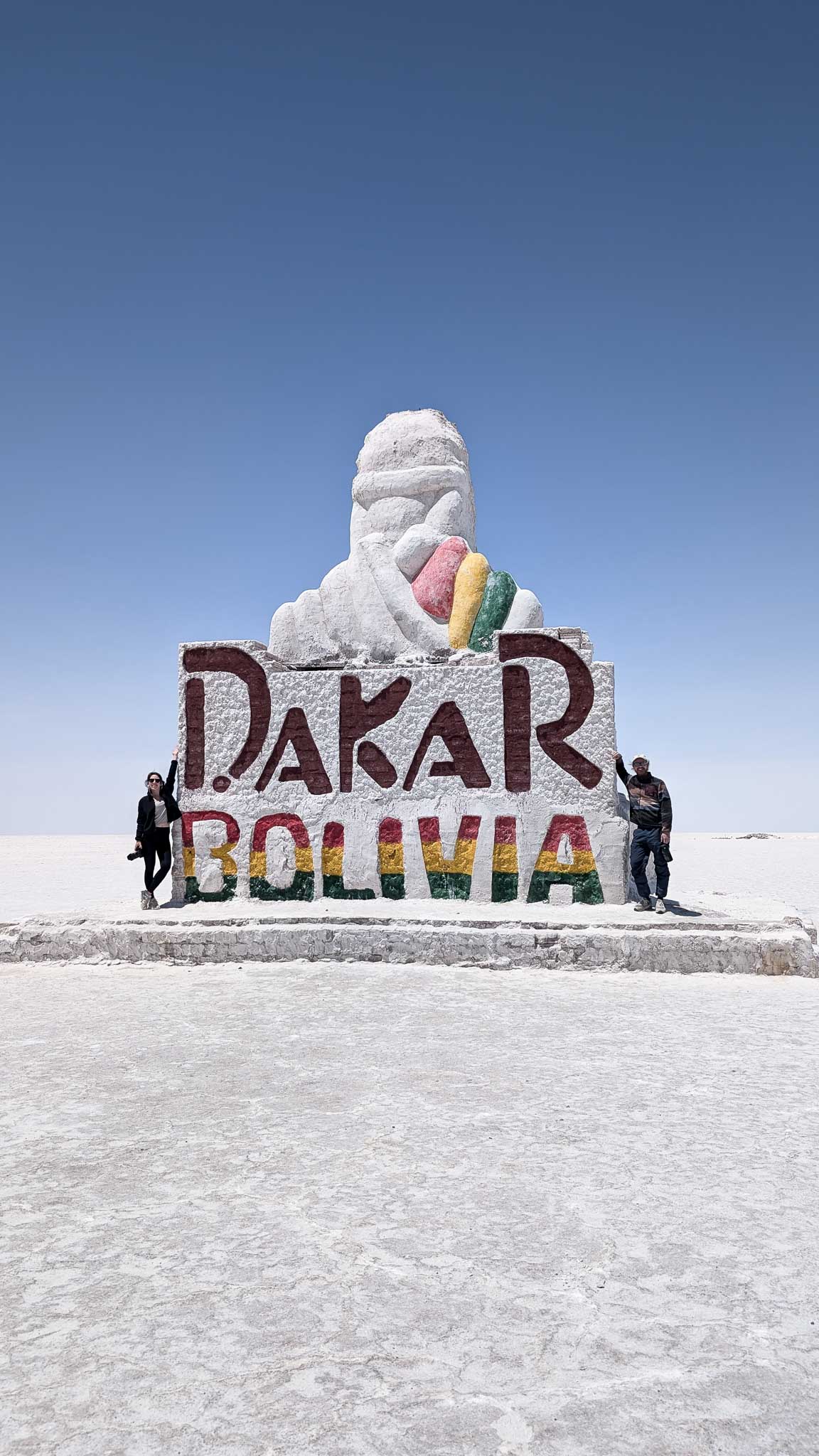
We stopped off at one of the checkpoints for the Dakar Rally that went from Mar del Plata in Argentina to Lima in Peru between 2009 and 2019. We had a stroll around the museum of salt which featured several crude sculptures made out of salt, and had a look at the small souvenir stands before finishing up our salt flat tour at the cheery ‘Train Graveyard’ in the bomb of a town called Uyuni. This is where Bolivia’s trains came to die after they lost access to the train network to the port town of Antofagasta in 1904. We climbed on the old rusty trains while watching a massive storm approach on the horizon. We then ate some lunch in a little restaurant before saying goodbye to Anna, Andreas and Etson and making our way to our accommodation for the night.
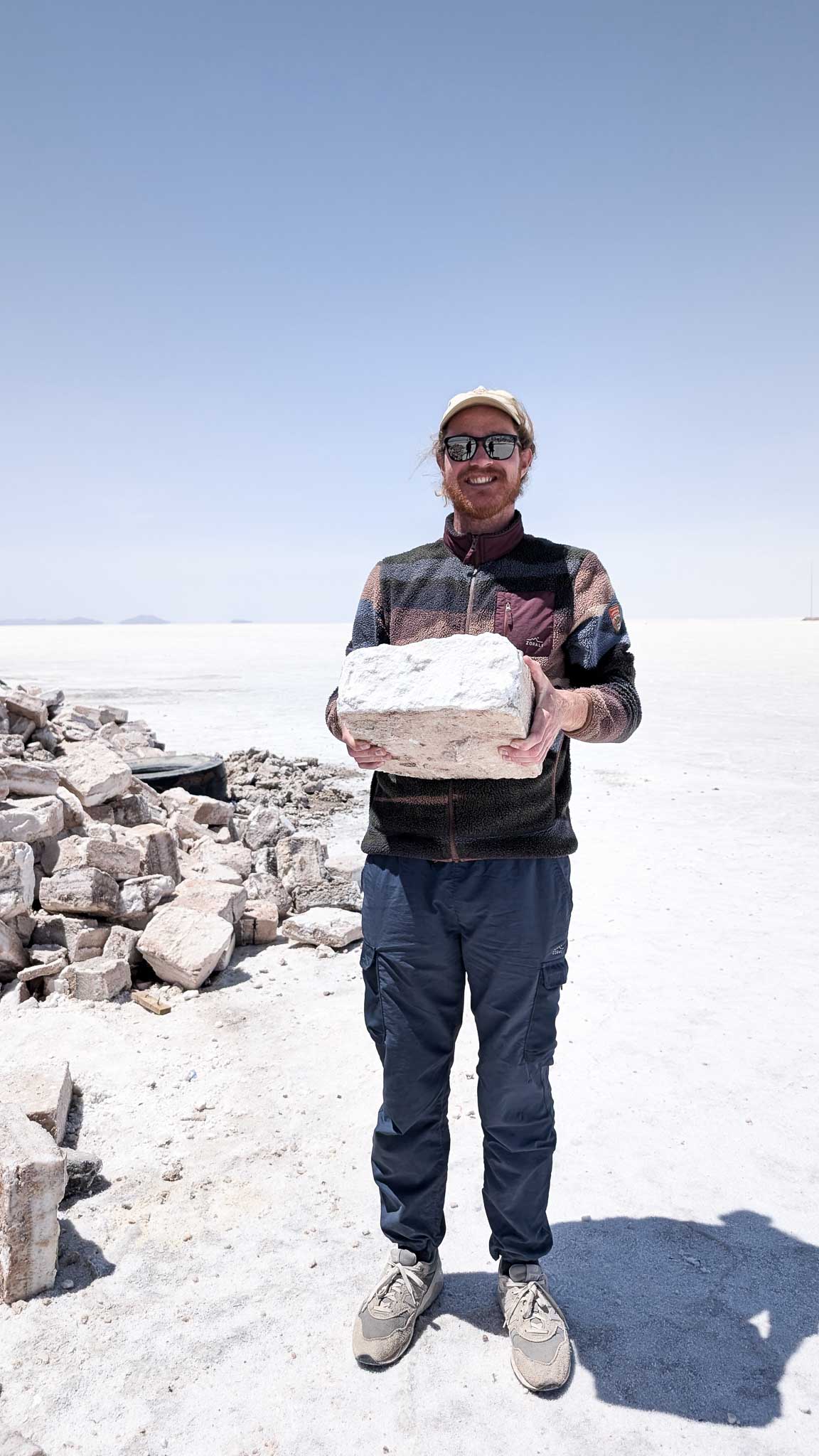
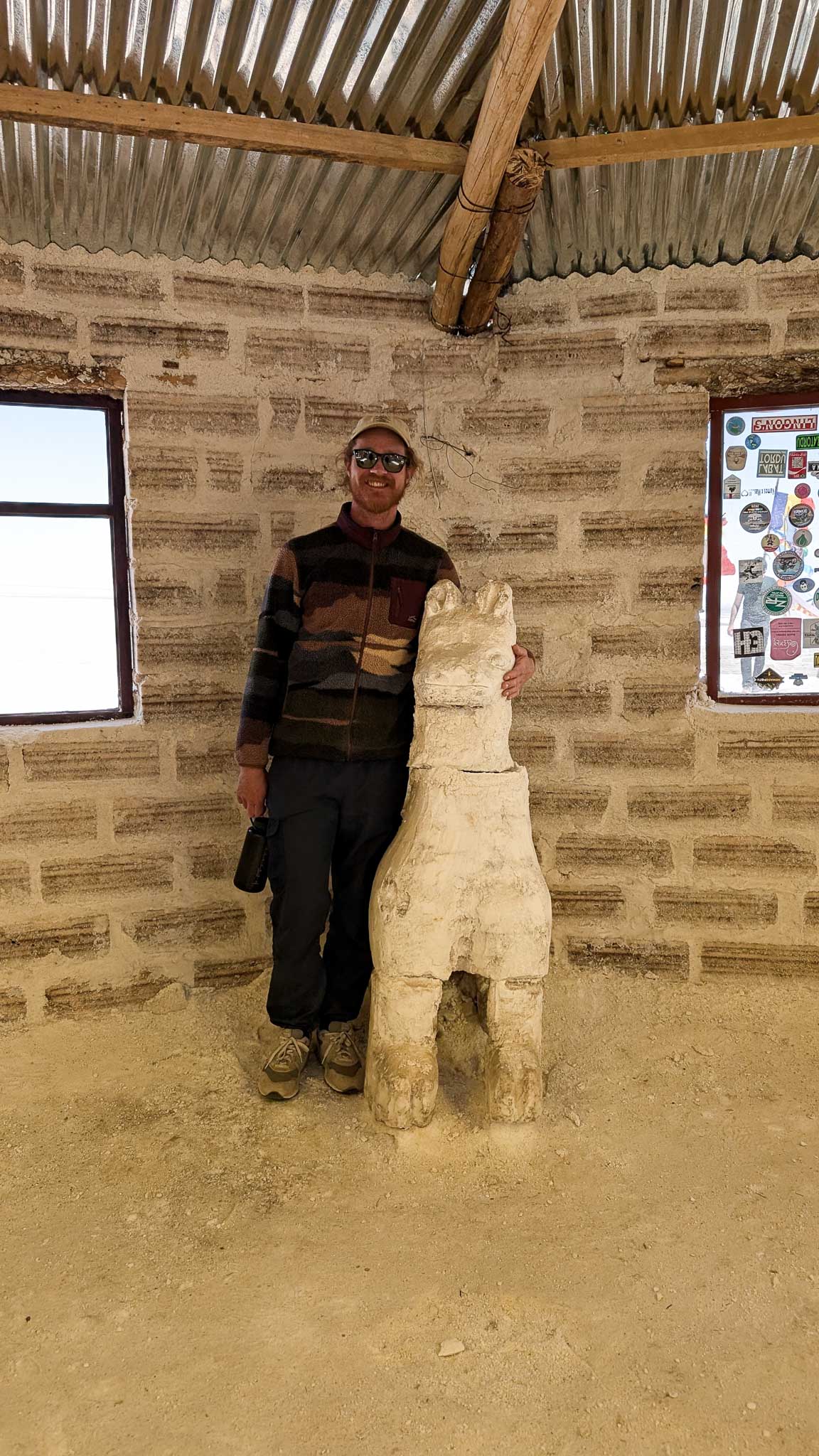
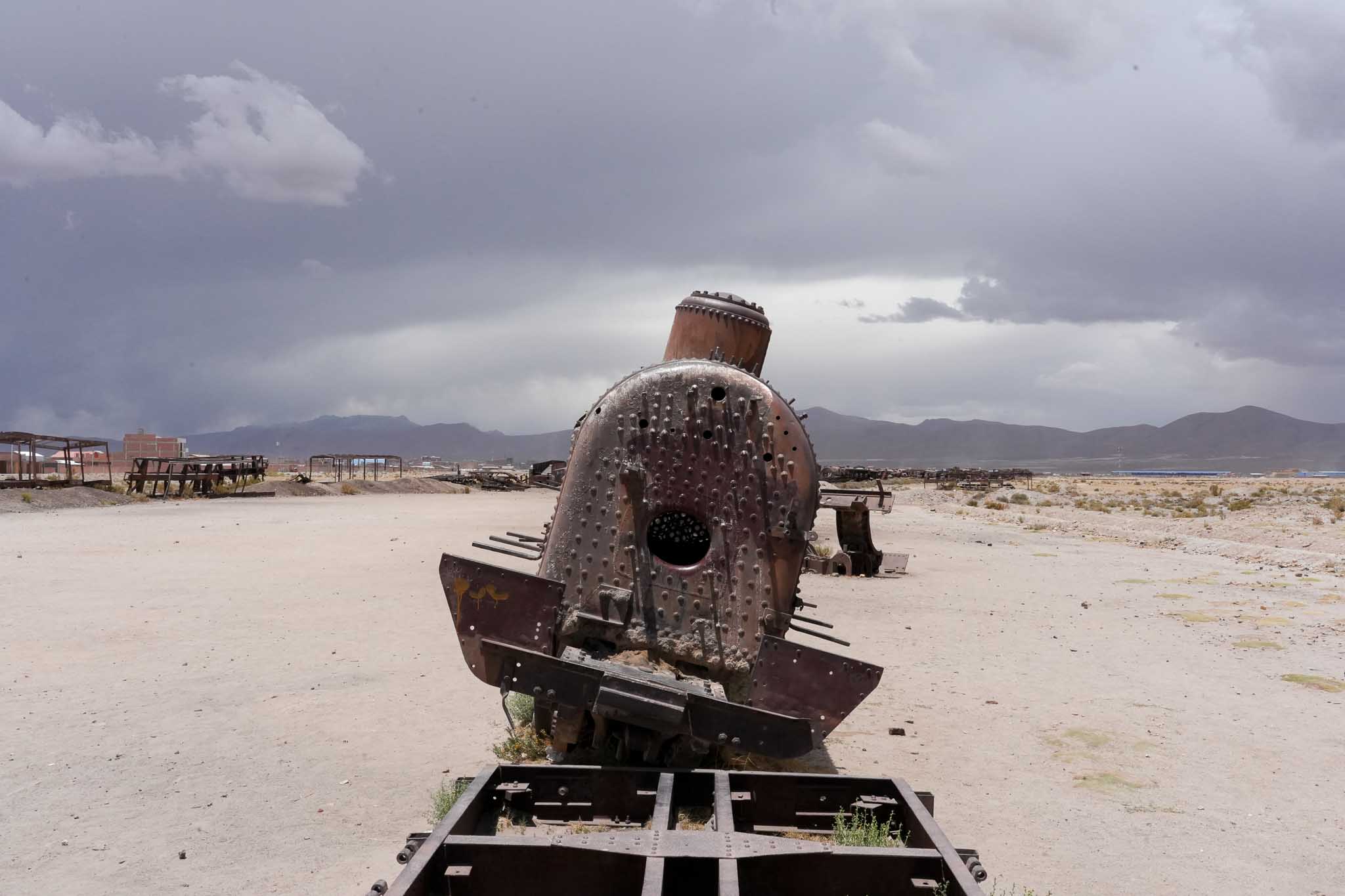
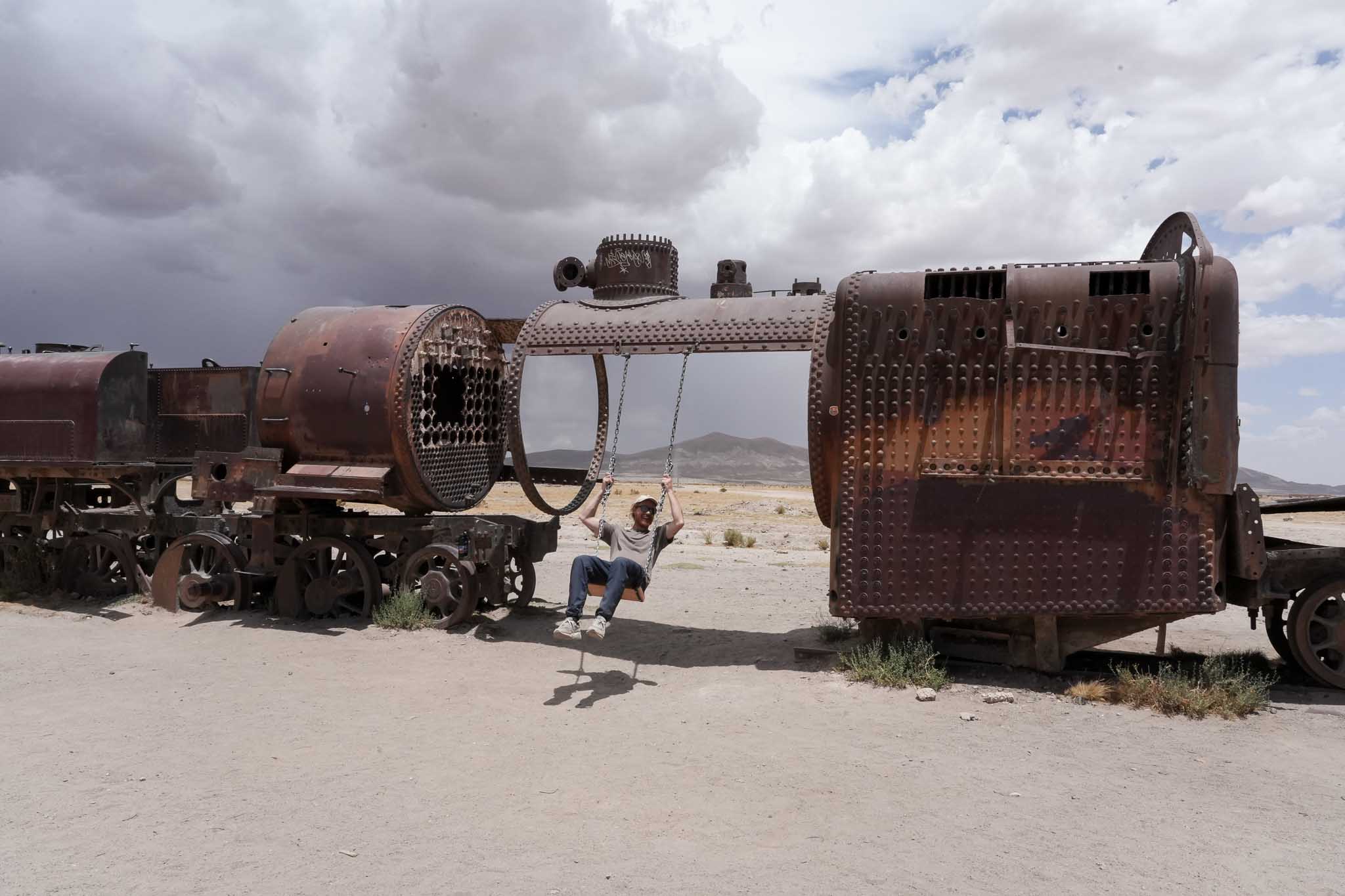
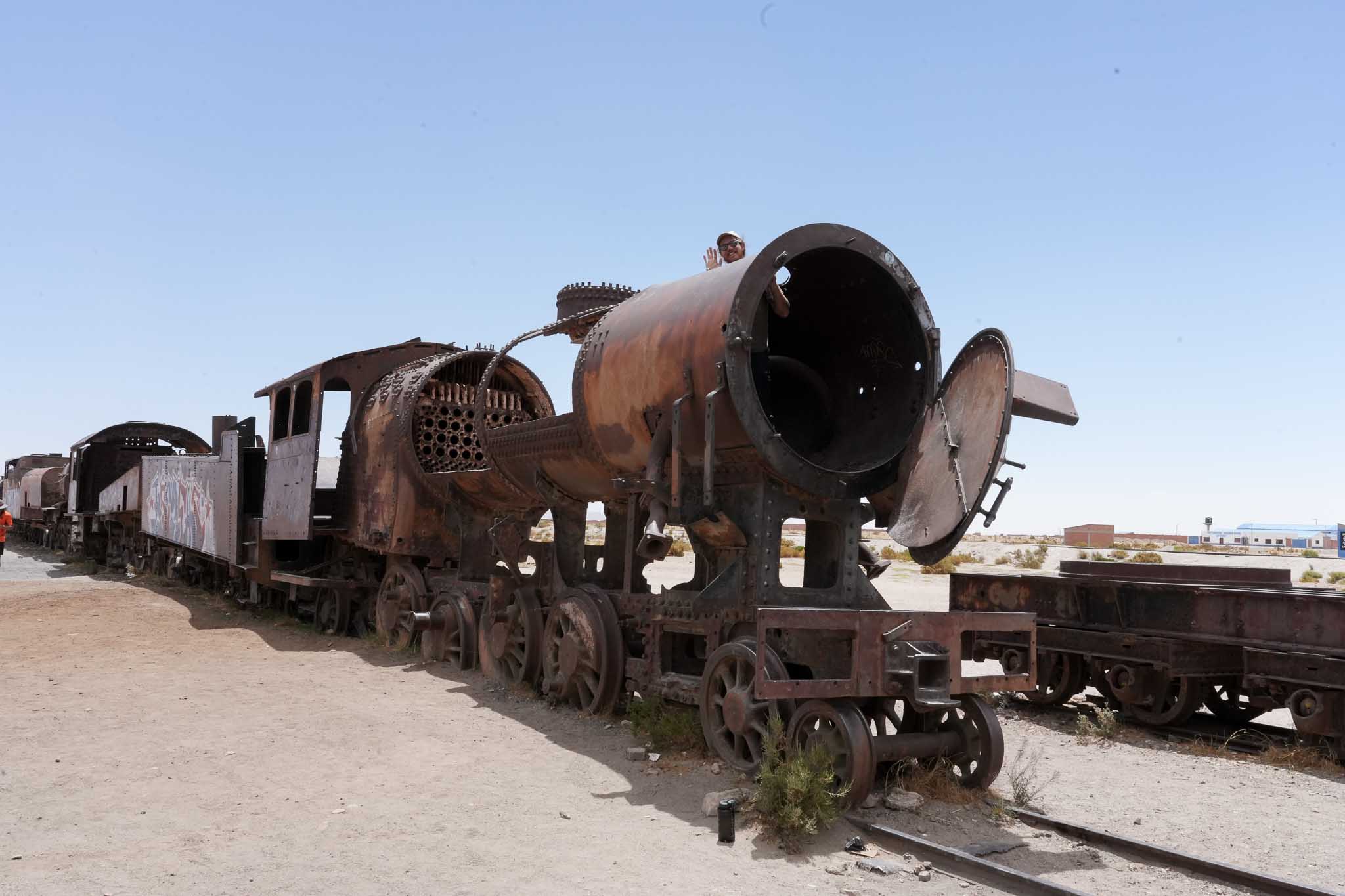
We walked around Uyuni with Rachael and Sam amidst a dust storm and tried to find something nice about this town to no avail. Rachael and Sam got ripped off buying a dragon fruit in the market, and an old Bolivian lady muttered “Gringos…” under her breath as Sam and I walked past her. I said hi to her and asked how she was in Spanish and she and her friend exchanged shocked glances and we all laughed together. That night, the four of us went out to dinner to a place that served alpaca steaks, and after sitting down and waiting for half an hour for the waitress to take our order, she said they didn’t have any alpaca. We then spent another half an hour waiting for her to return so we could order a chicken and quinoa dish, for her to tell us they had no quinoa. Then we waited again while they cooked our god awful pizzas, and it was just one of the most poorly run establishments I’ve ever been in my life. It was so bad that I couldn’t even be mad about it, it was absolutely hilarious.
Rachael and Sam had an overnight bus booked to a town further north that night, so we had yet another sad goodbye. This time, I fear it’s an actual goodbye, as we’re heading in different directions from here on out. It was great to have them alongside us during this tour, they’re such a laugh, and an absolute joy to be around. The whole tour was really something special, and it was definitely a whole lot more than just a salt flats tour. We saw so many new and exciting landscapes and animals, and it was just so incredible to be on such a memorable adventure with great people.
This trip just keeps getting better, everywhere we go we’re met with great surprises and my expectations are just about always exceeded. Our next leg of the journey will see us heading down to north eastern Argentina, which we both don’t know a hell of a lot about, but I’m excited to still be on the road, seeing new things and meeting new people.