Physical Address
304 North Cardinal St.
Dorchester Center, MA 02124
Physical Address
304 North Cardinal St.
Dorchester Center, MA 02124

7th – 14th January, 2025
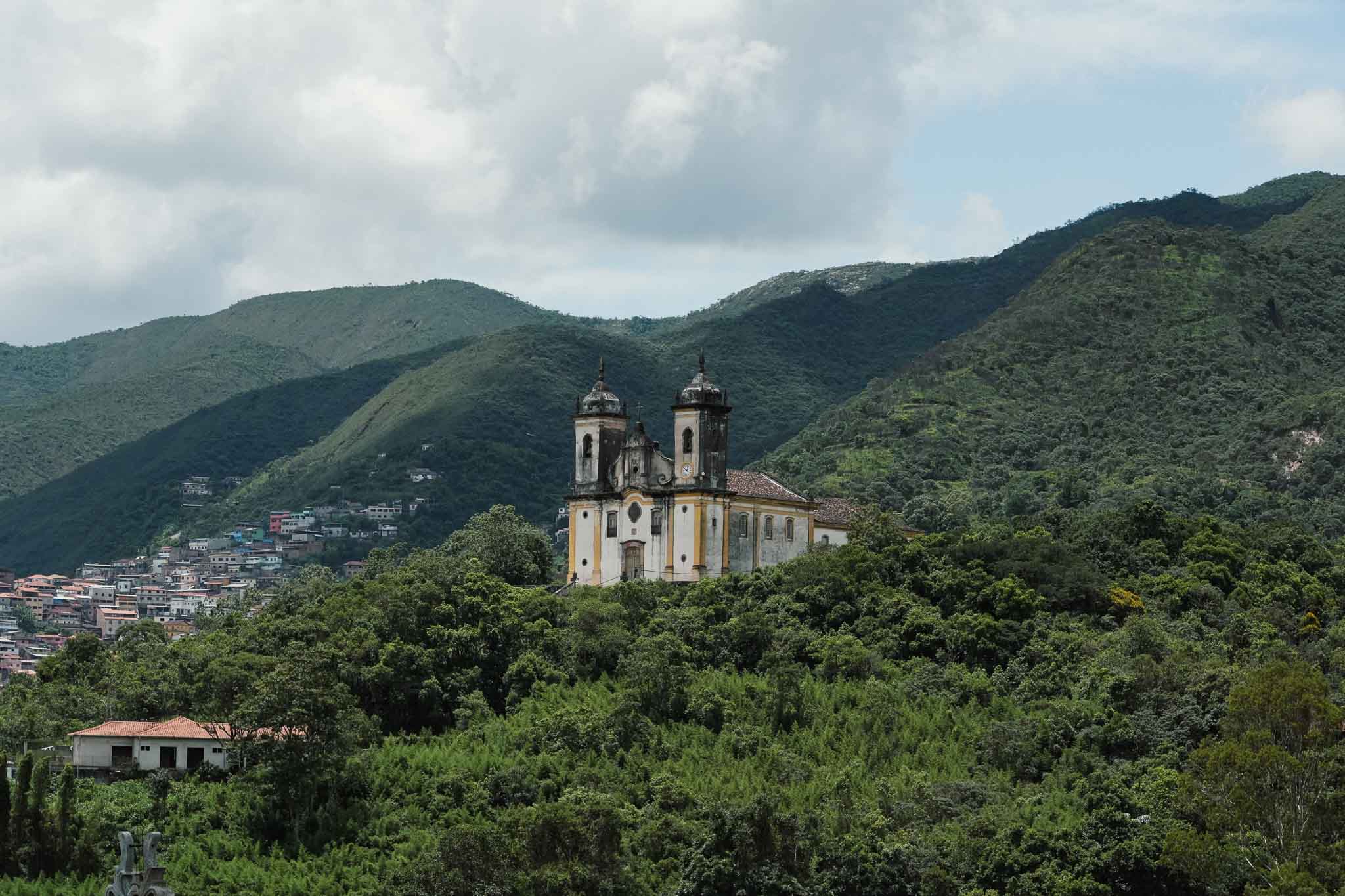
After an awesome few days in Rio, we were faced with a dilemma. Arguably some of Brazil’s most beautiful coast lies just south of Rio, at places like Paraty or Ilha Grande, but because of our bad run with the water quality up to this point we decided to head inland, into the state of Minas Gerais, or ‘General Mines’ in English. The name refers to the mining trade that prospered after gold, diamonds and other precious metals were found here by the Portuguese in the 1690s, which kicked off a gold rush and the building of a road network called Estrada Real, Royal Road. The road would connect a town called Vila Rica, Rich Village, in the north down to Paraty in the south, and would serve to transport the mined materials to the coast to be shipped back to Portugal. In the eighteenth century, 800 tonnes of gold were officially shipped back to Portugal, but this number doesn’t include the many tonnes circulating in the illegal trade, or that which was used to line the interior of Brazil’s churches. Our first stop in Minas Gerais was at the UNESCO World Heritage Site of Ouro Preto, Black Gold, which is actually Vila Rica, renamed in the 1820s, and the old capital of the state.
We arrived at Ouro Preto in the dark, and stumbled around the slippery, steep cobblestone streets looking for our Airbnb. We stayed in a room in a house owned by a Brazilian guy and his Argentine partner who ran an empanada store a few doors down. We ate some pretty average pizza for dinner at a small restaurant, and then obviously placed an order at the empanada store for one of each flavour, and then walked down to see the kitchen. It was tiny and sort of gross but the empanadas were actually pretty tasty so I was happy.
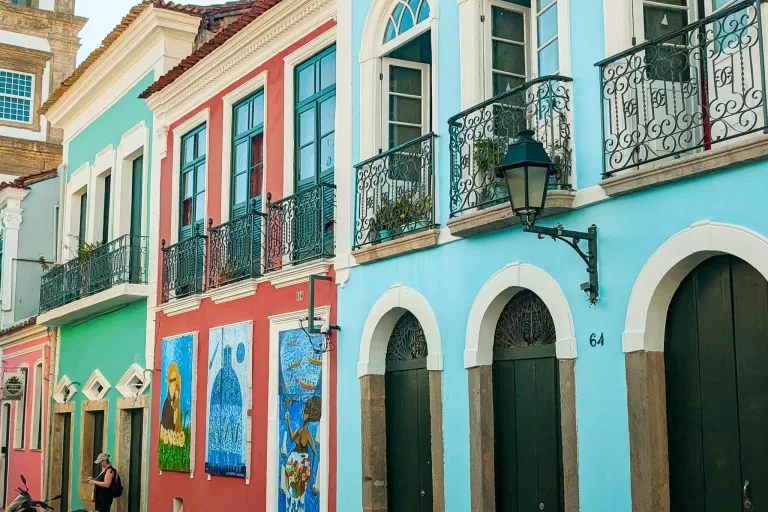
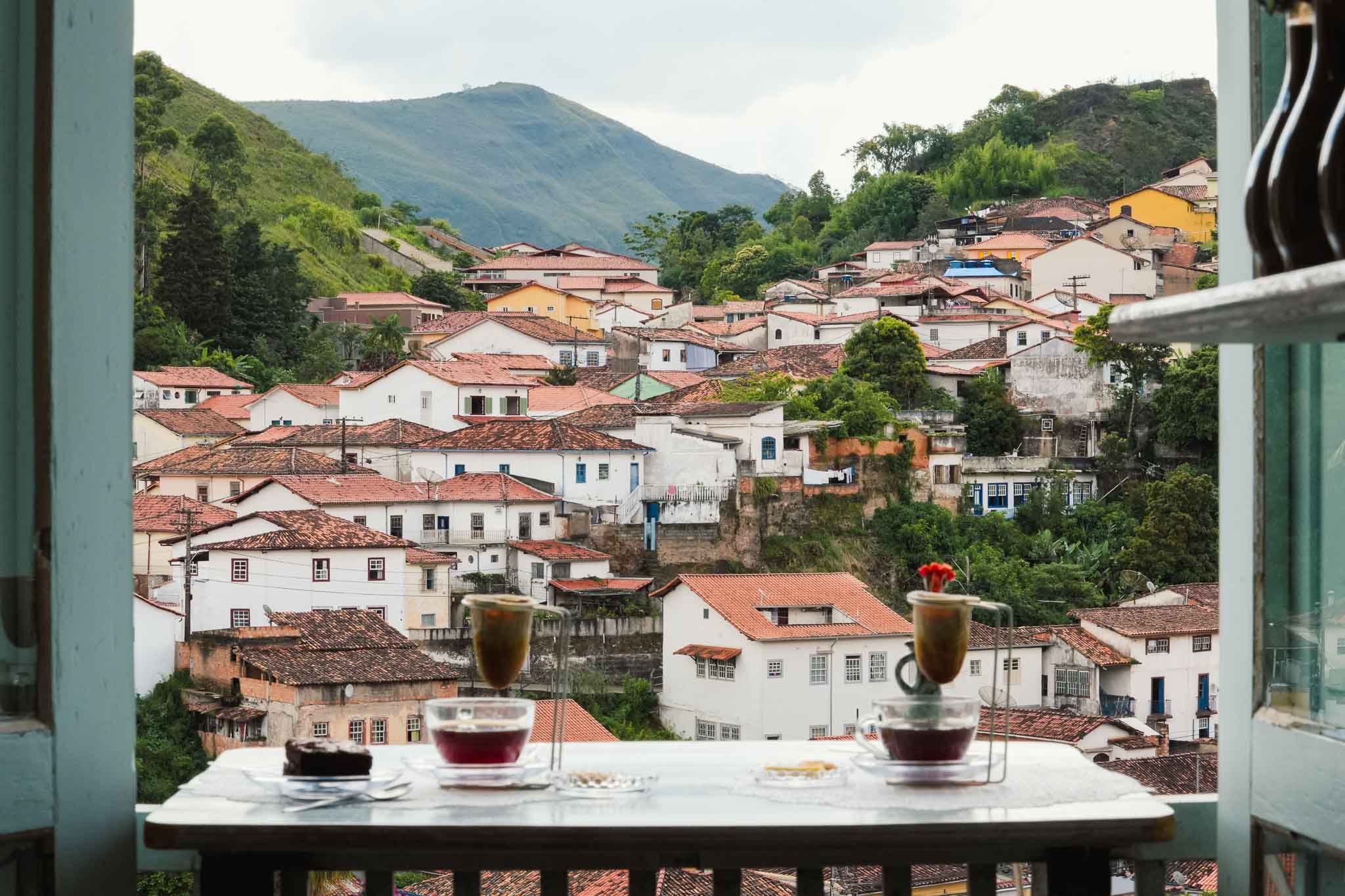
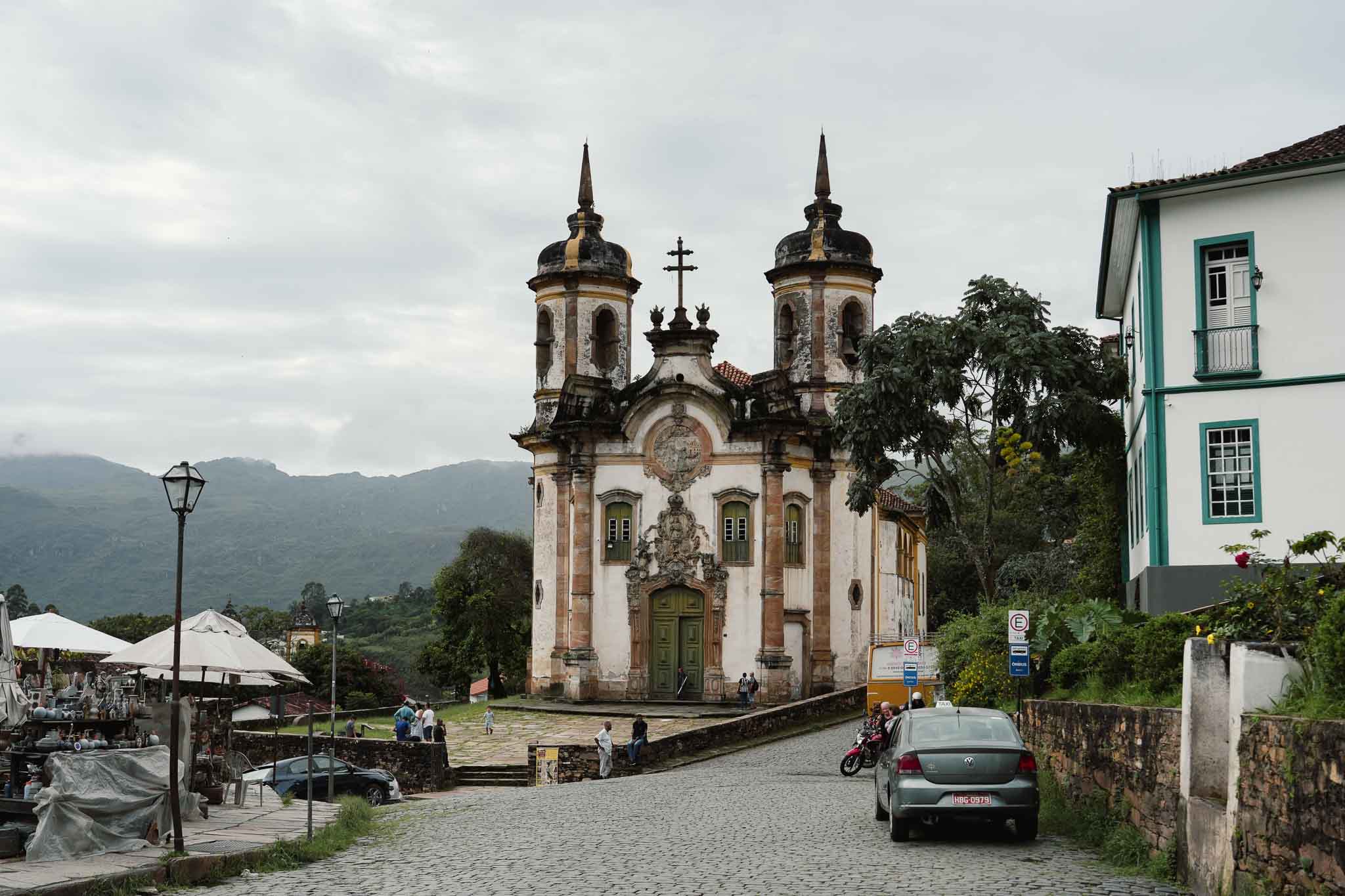
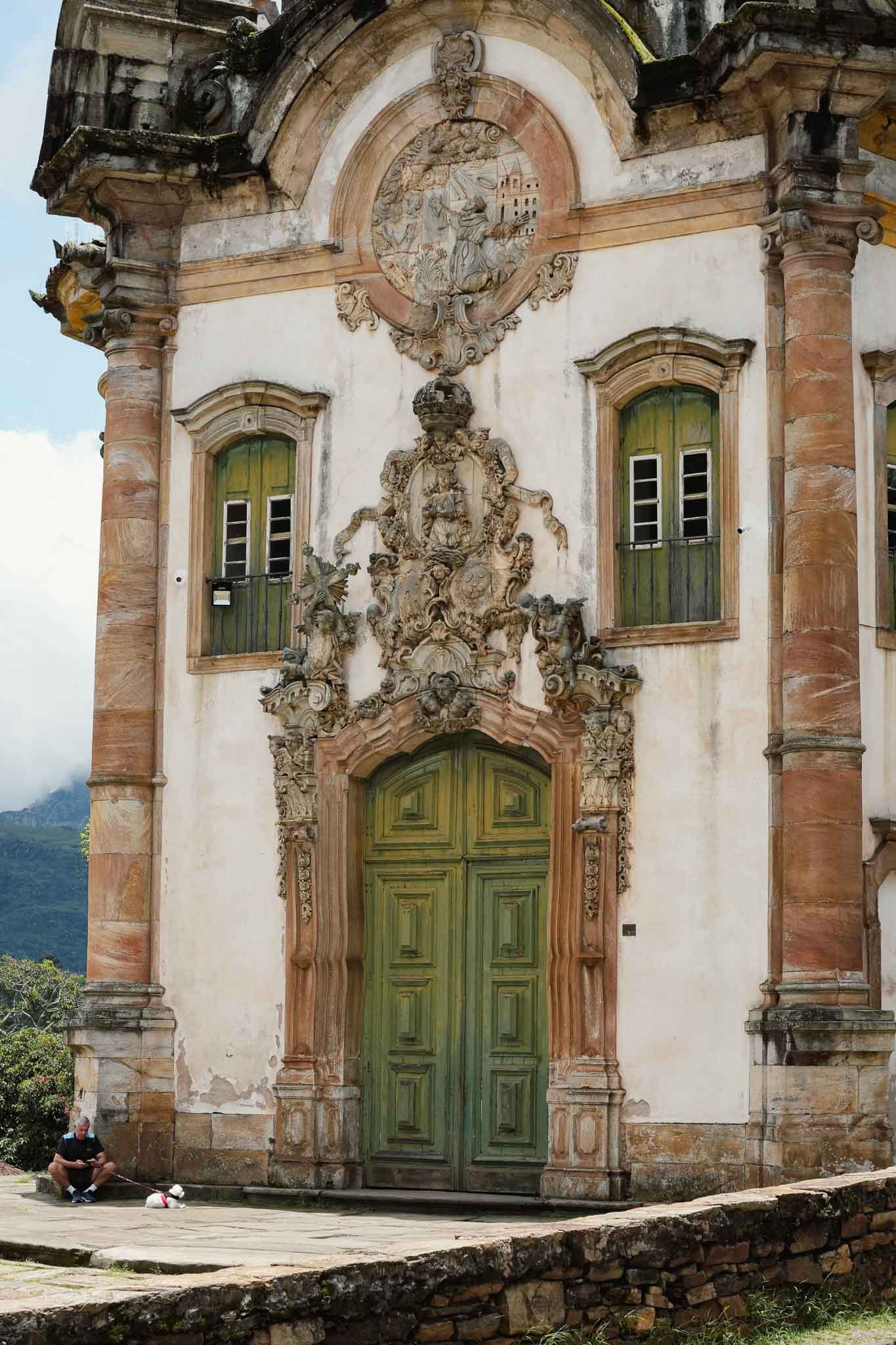
In the morning we awoke to get our first glimpse of the town, and we were both shocked. We were at the bottom of a lush, green valley and amongst beautiful old colonial buildings, all of which had white facades with brown and orange terracotta roof tiles. It was an extremely good looking town, with its cobblestone streets and big old churches. The Portuguese really knew what they were doing. We found a café serving up very cheap and highly delicious coffee using a pour over method we hadn’t seen before, and we were able to sit back and enjoy the awesome view, completely caught by surprise as we didn’t even know this place existed a few days ago.
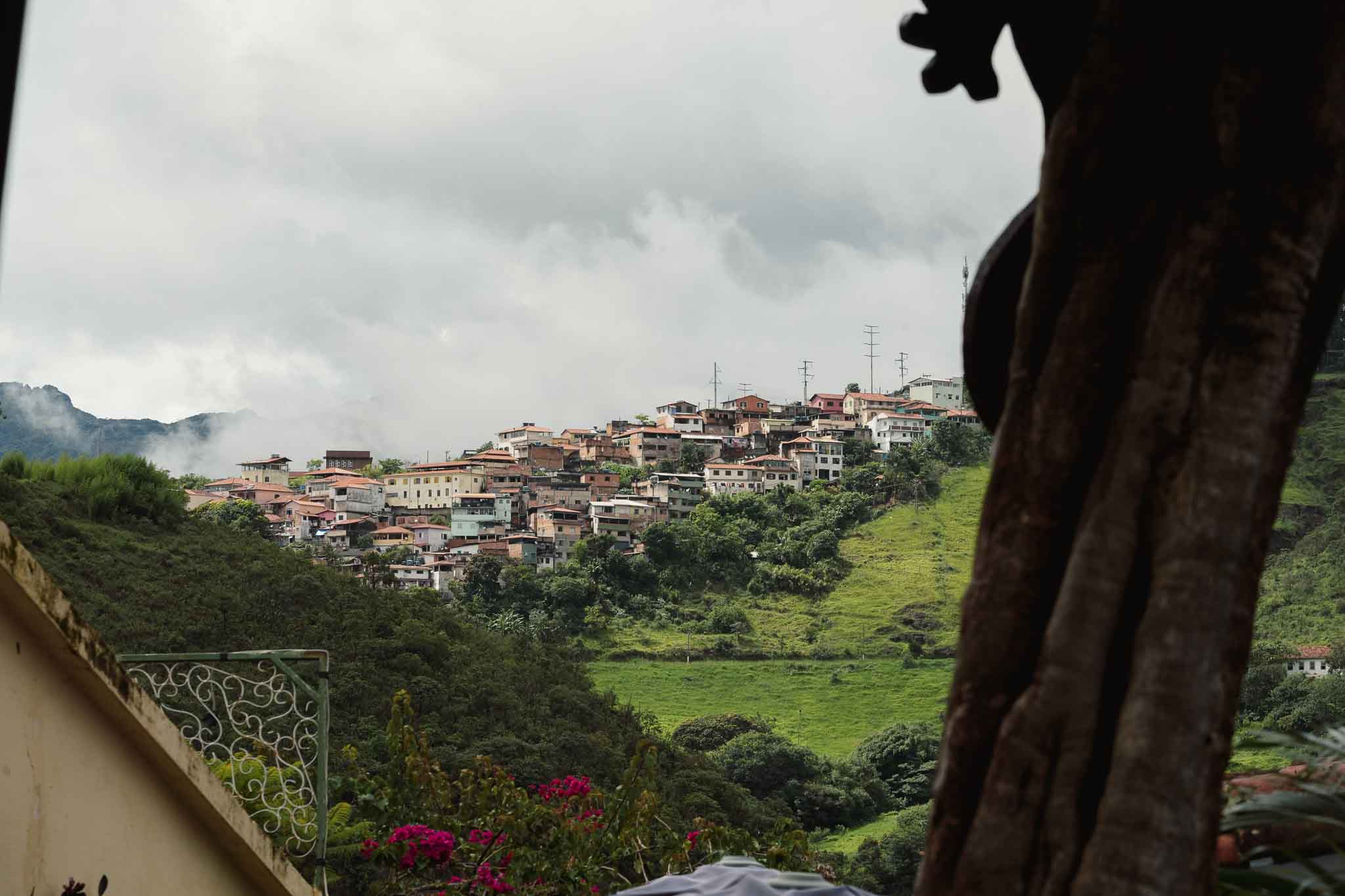
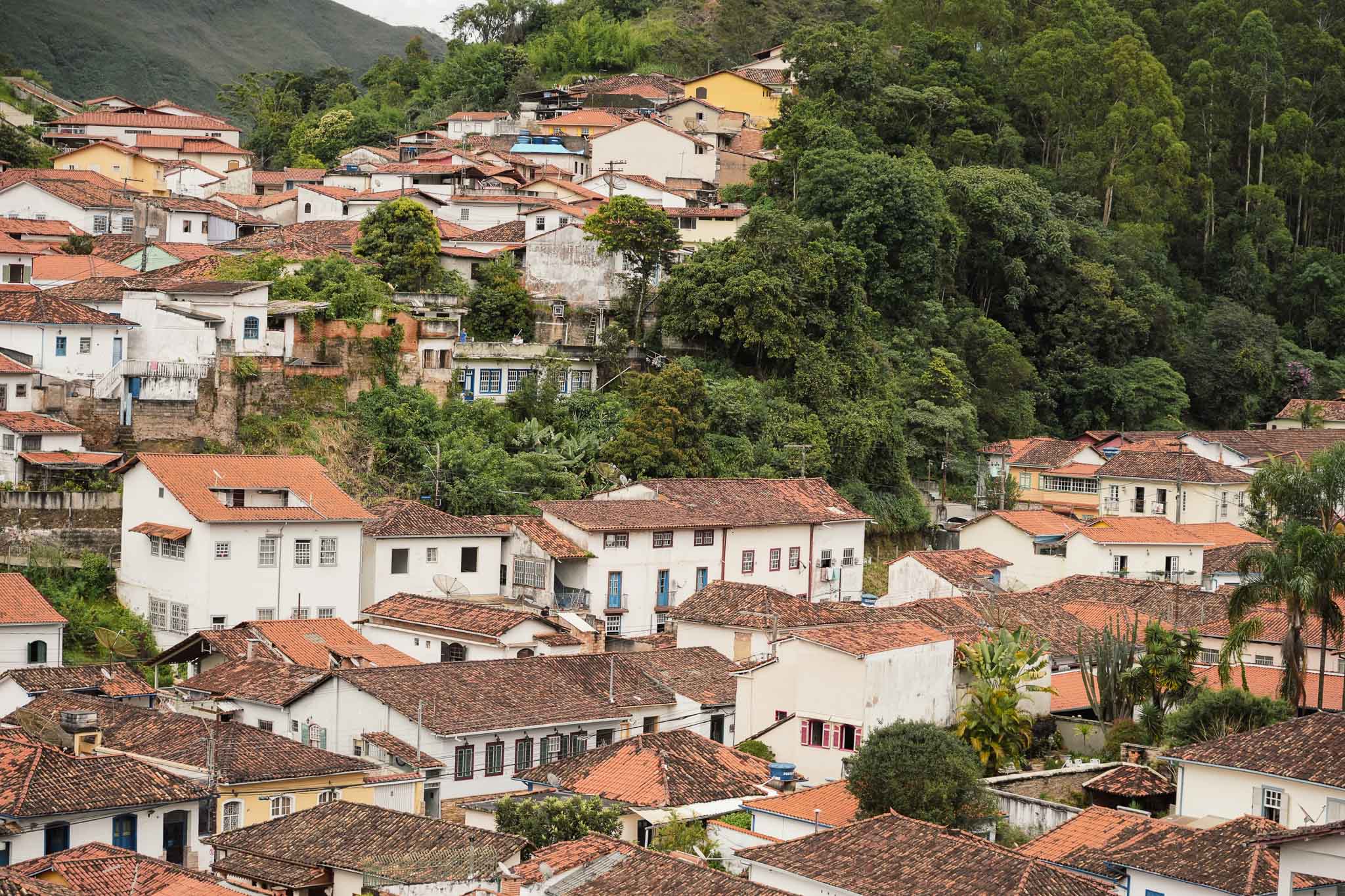
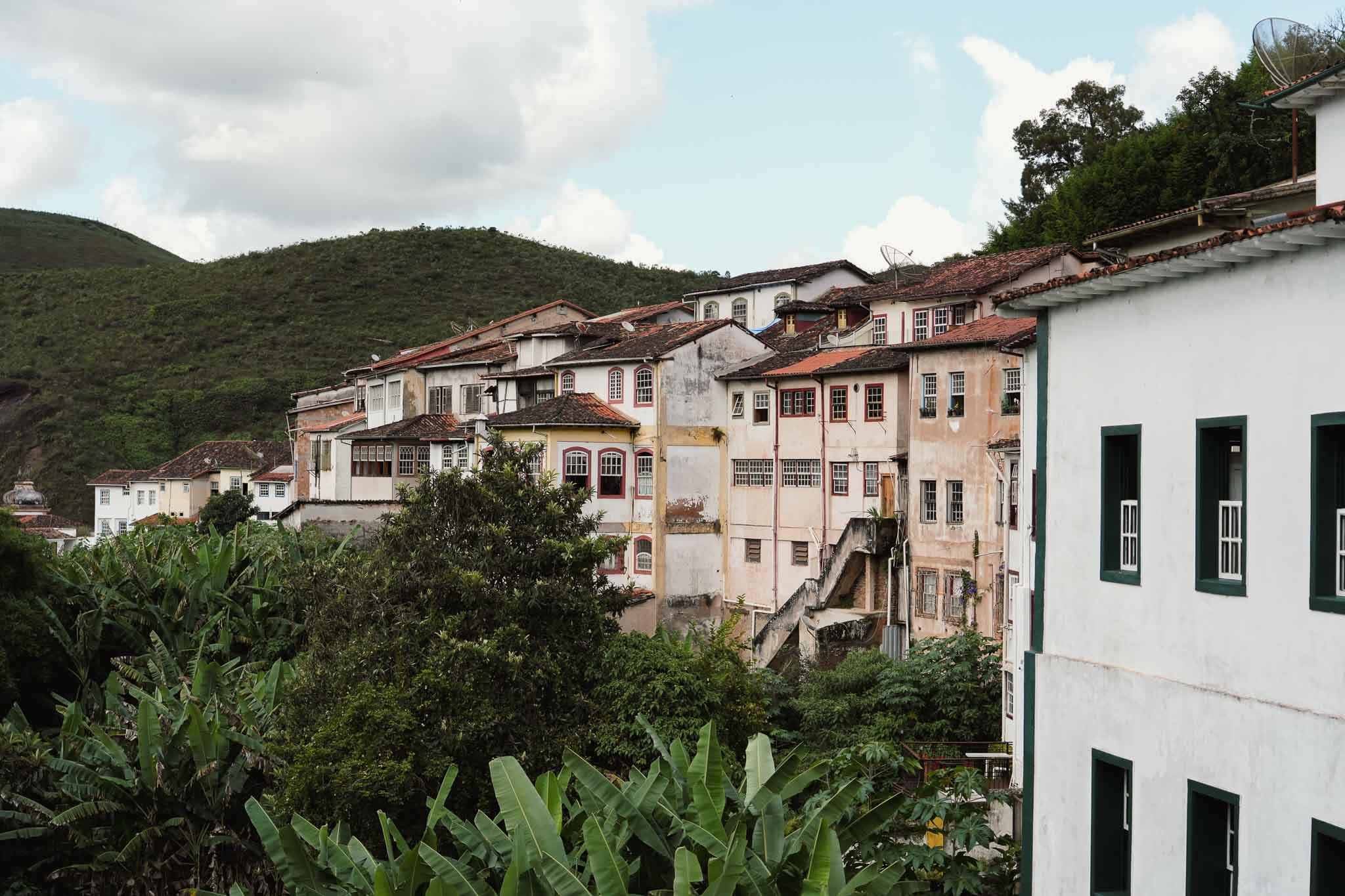
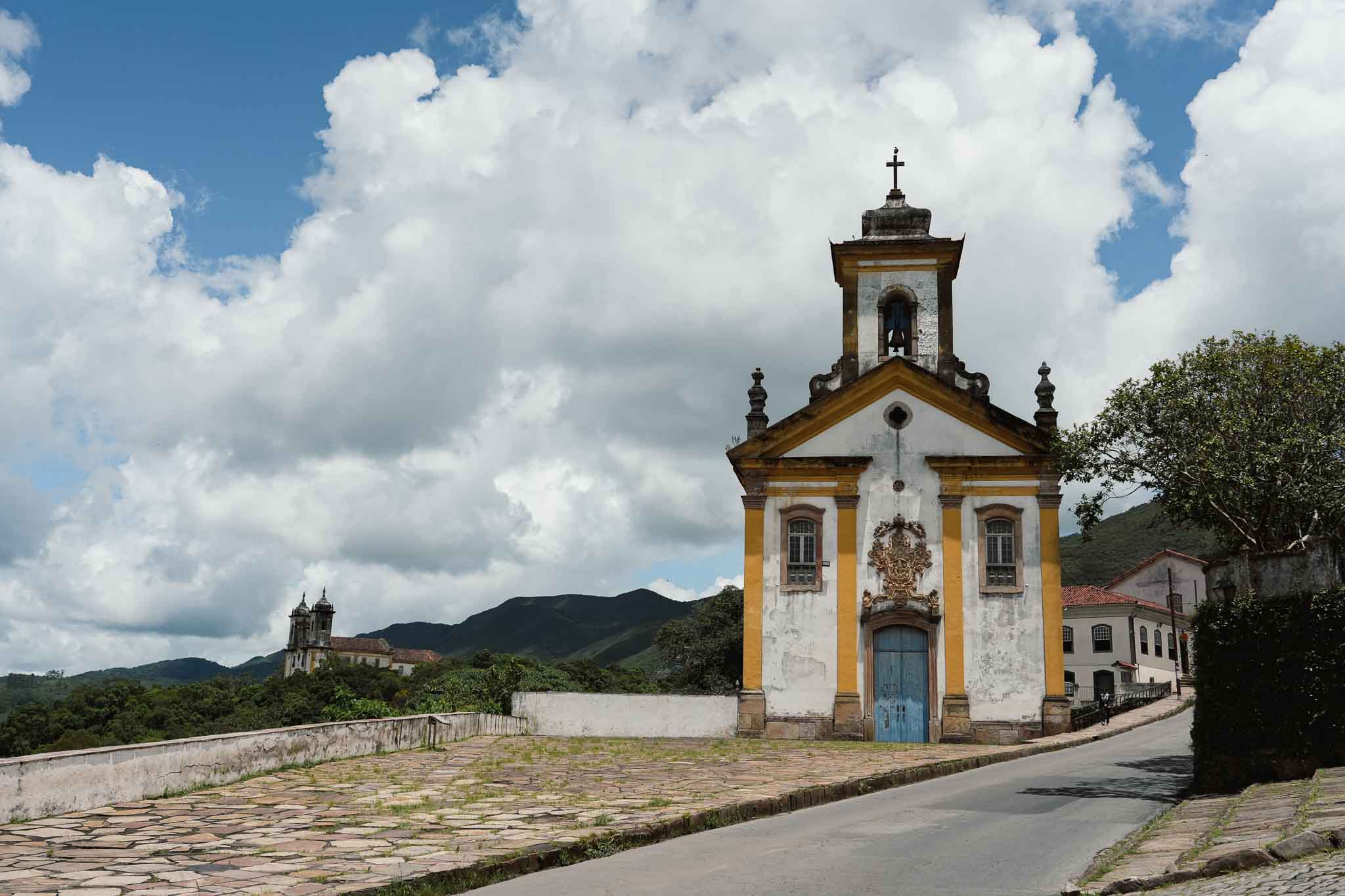
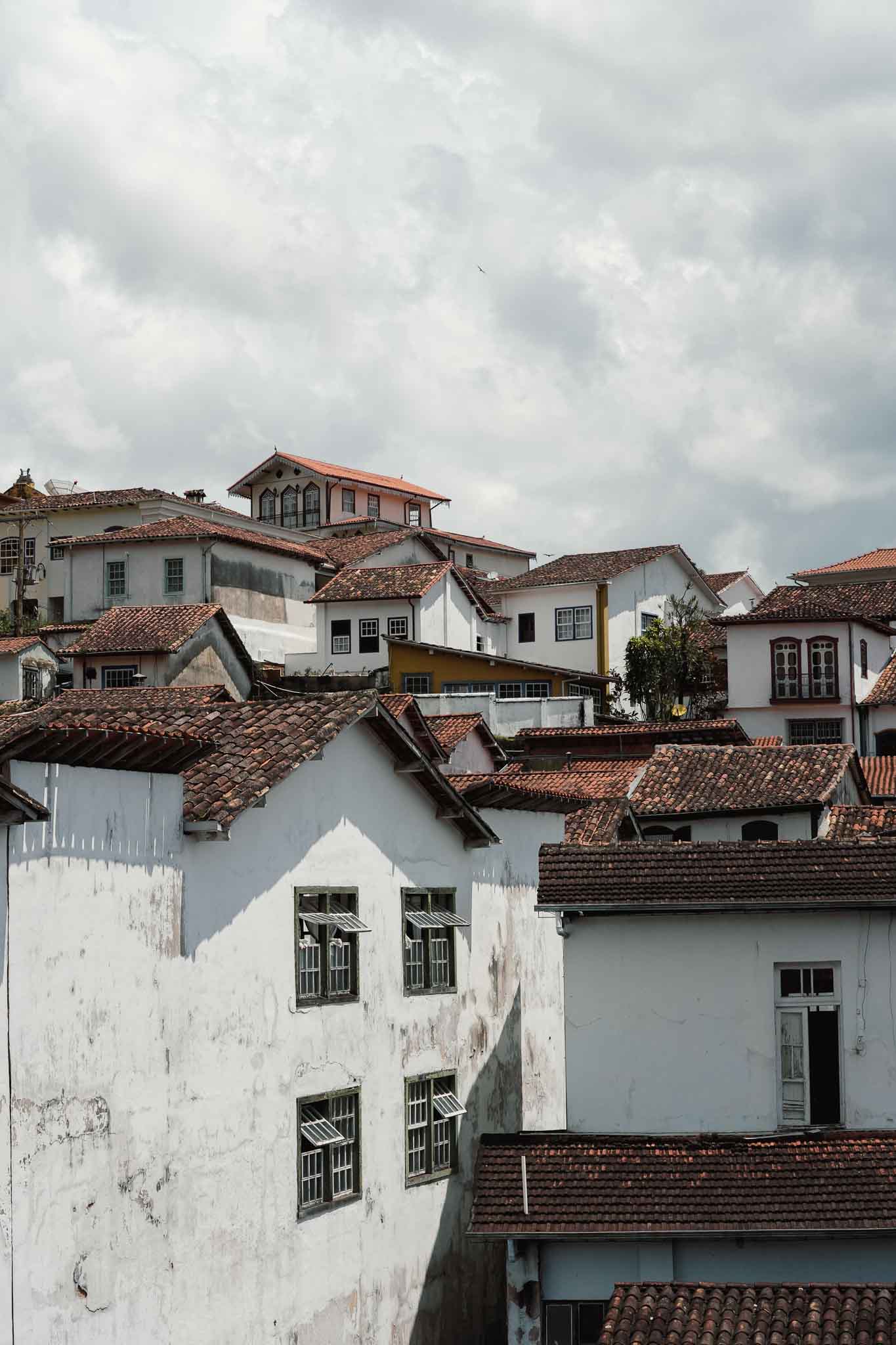
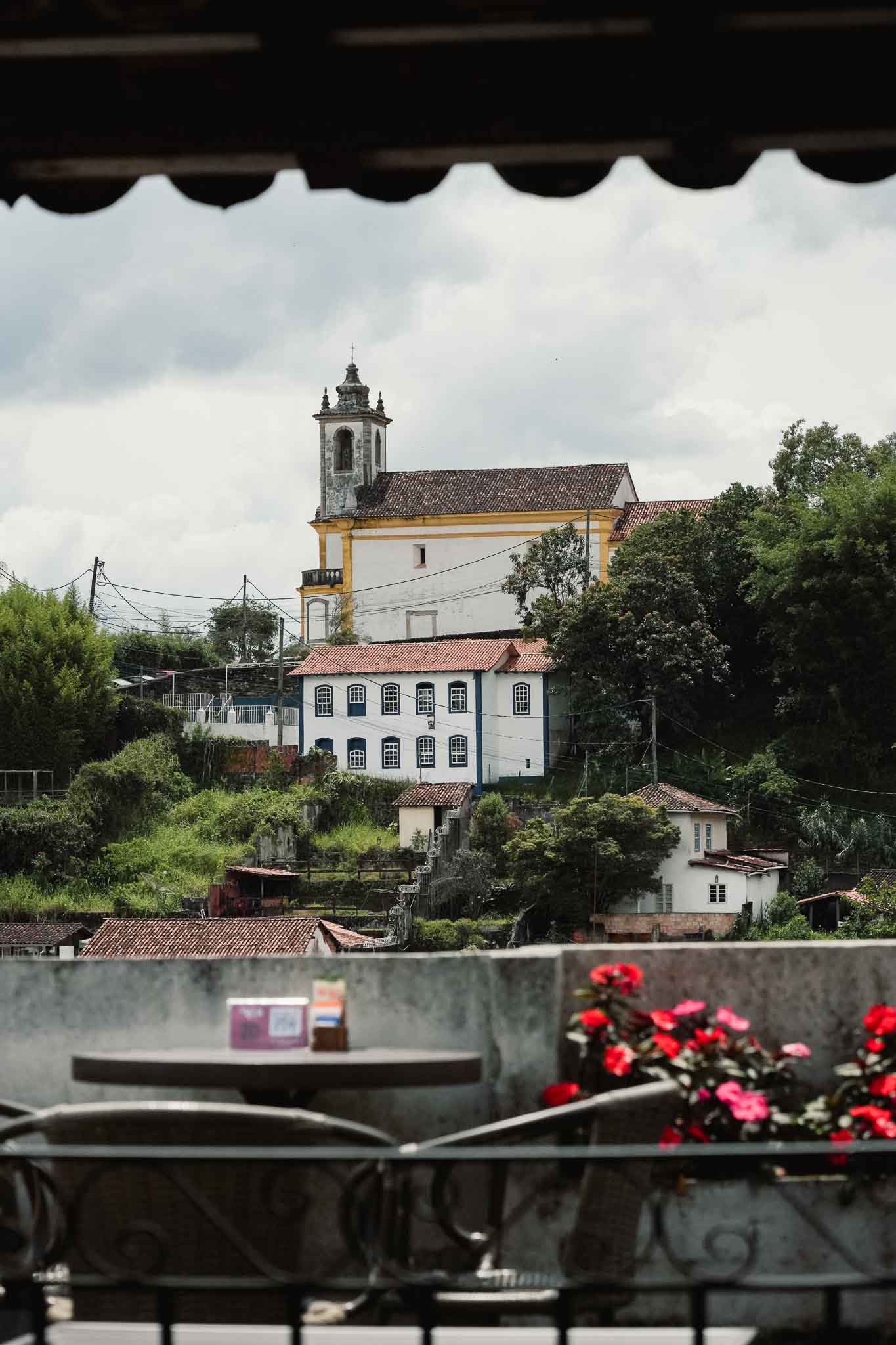
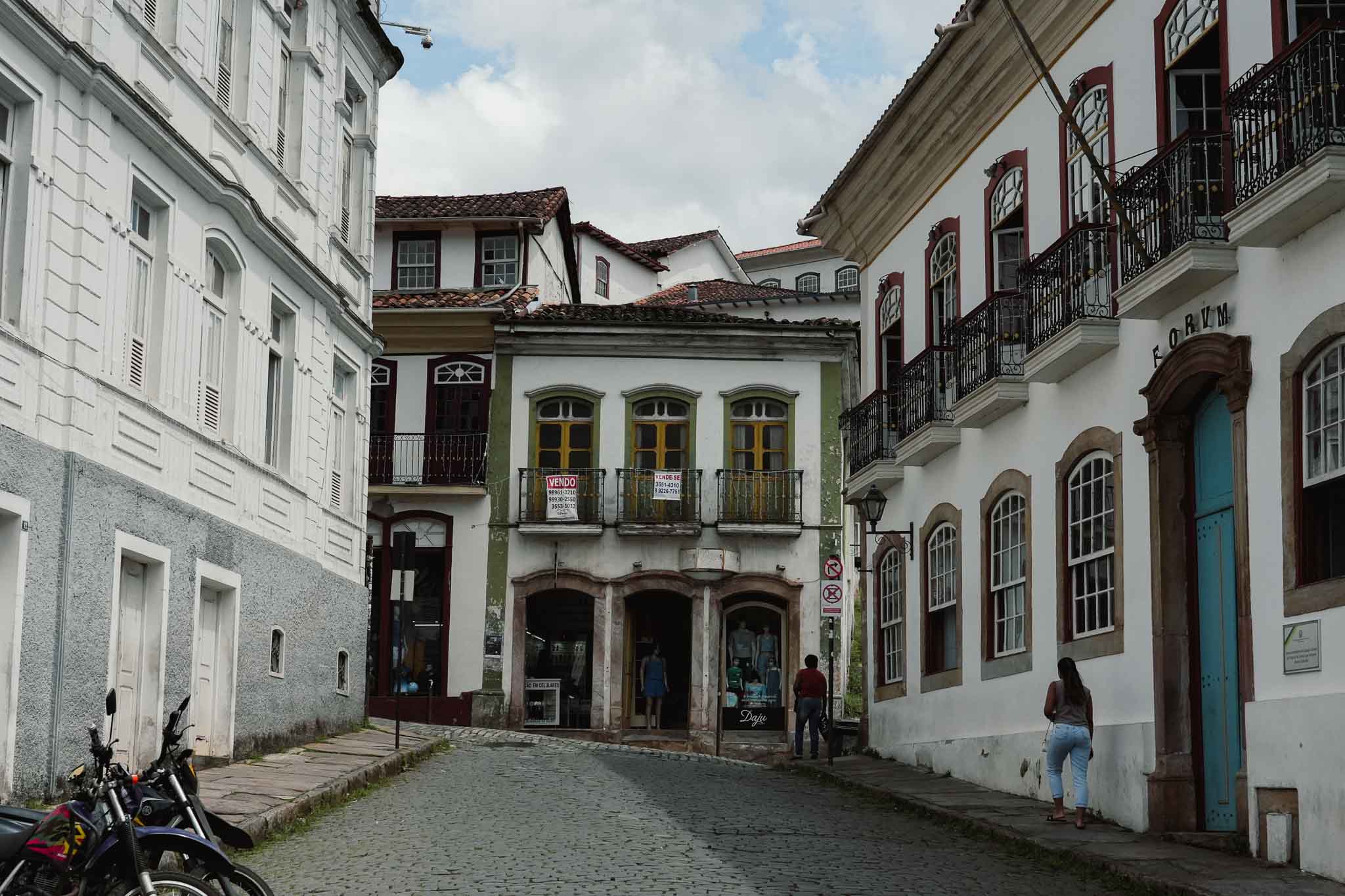
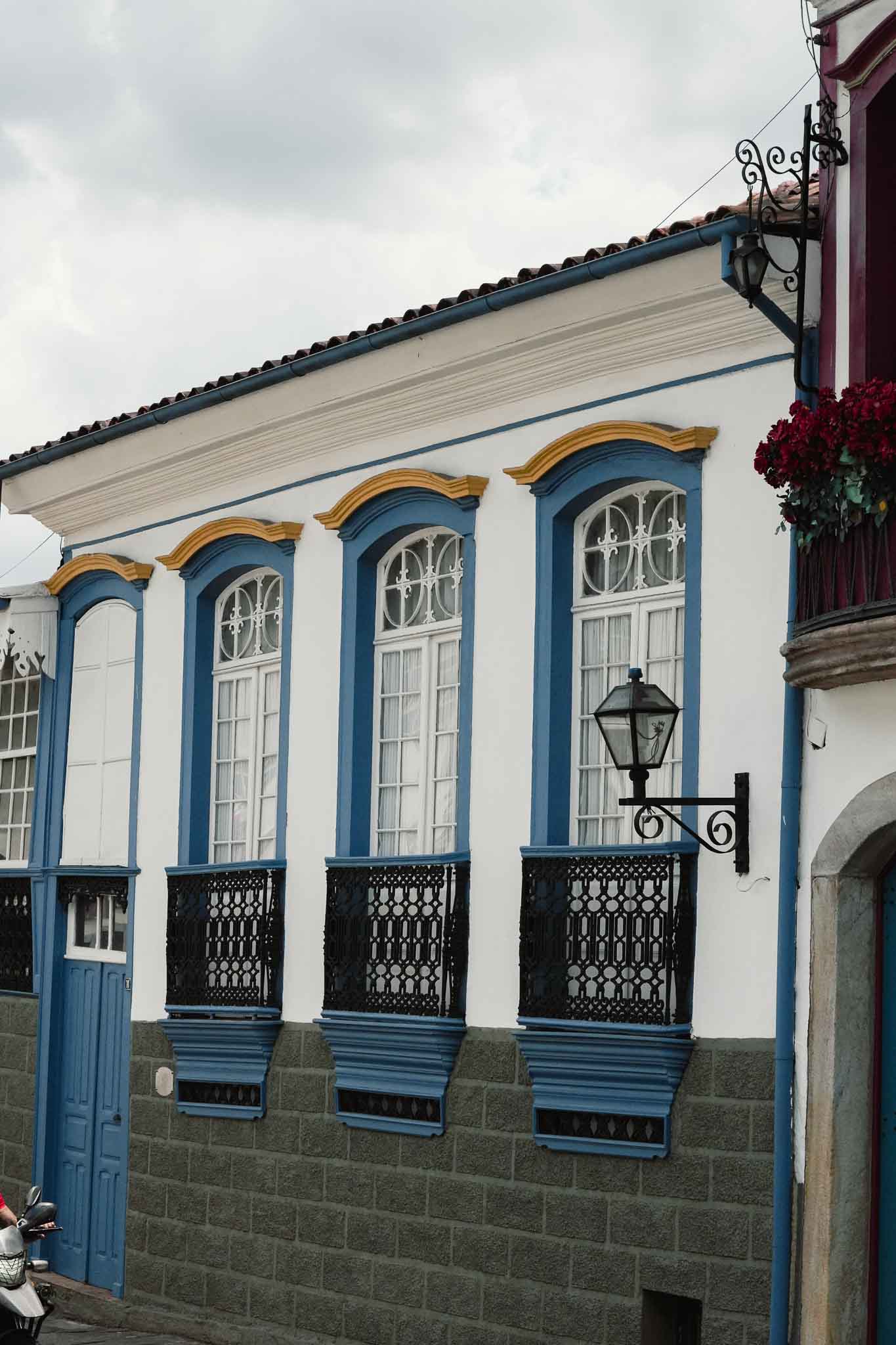
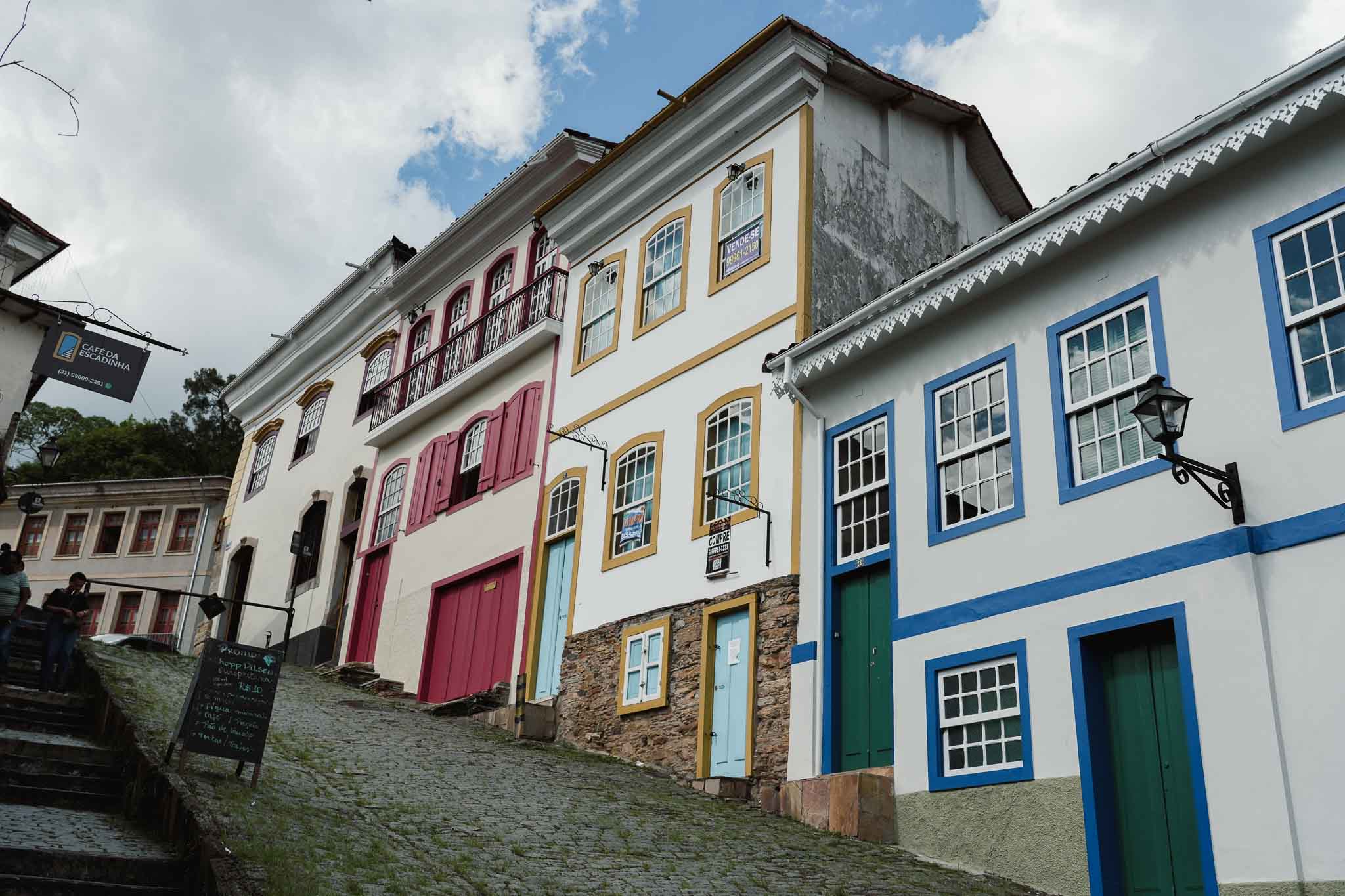
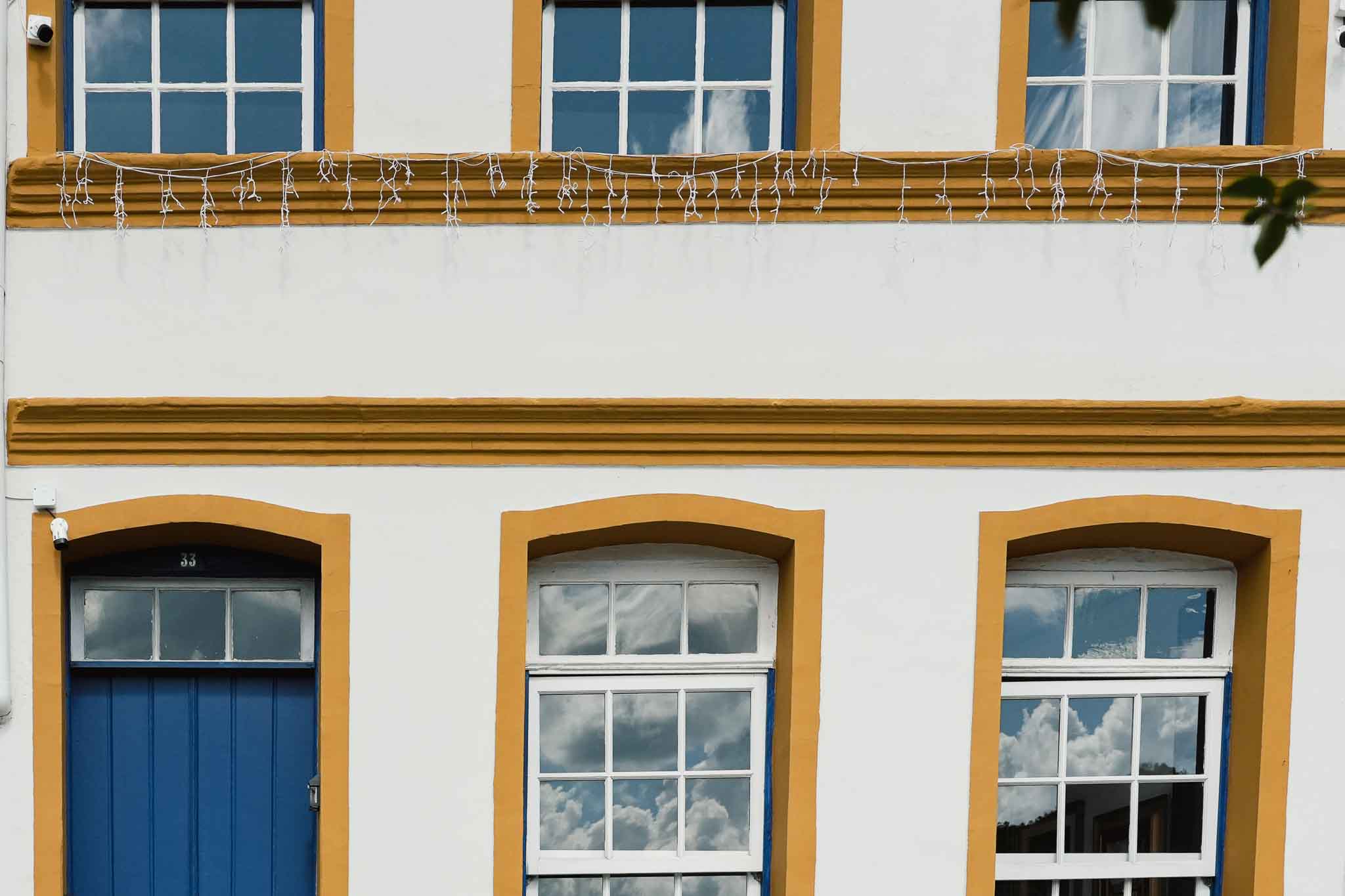
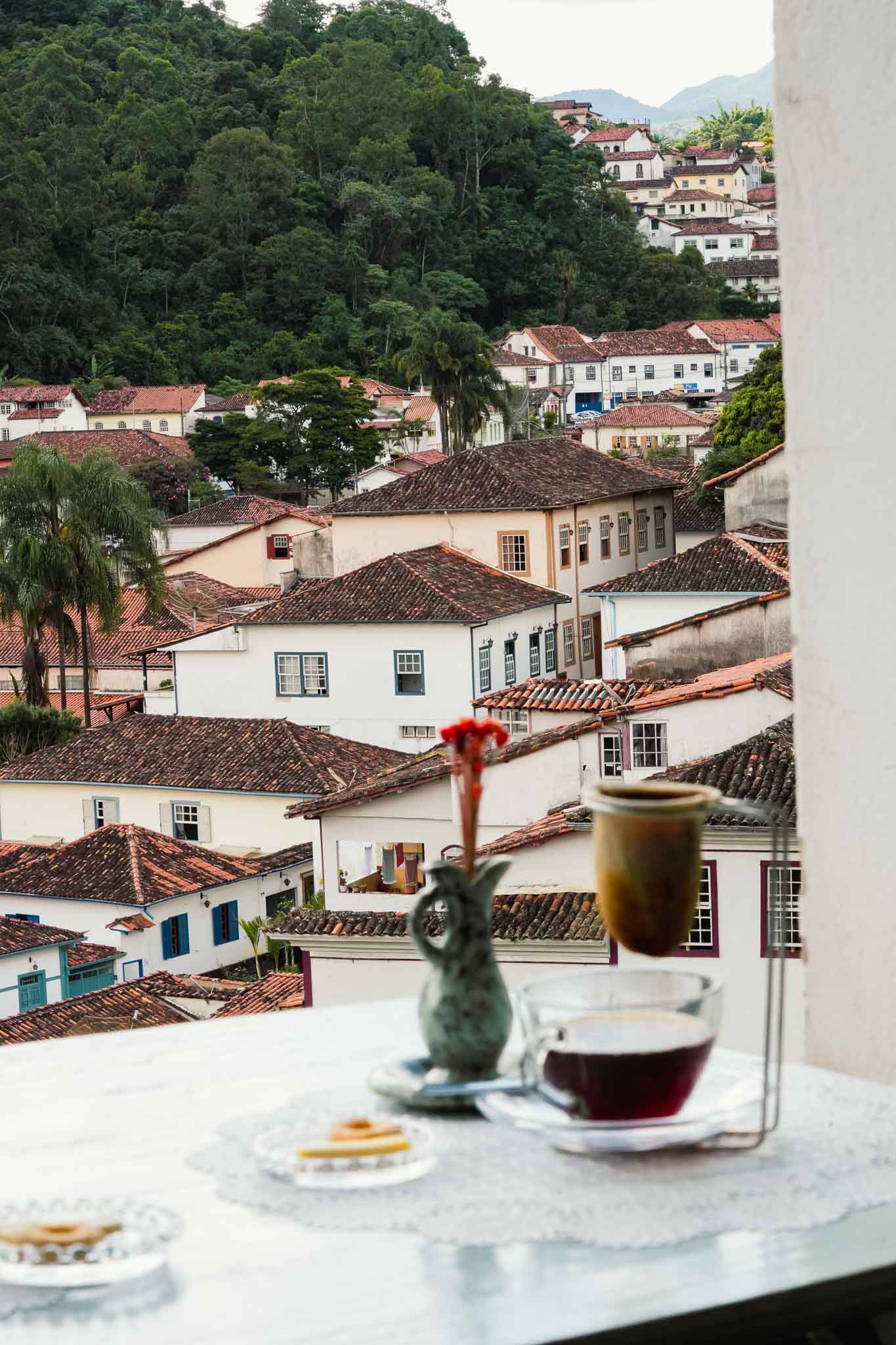
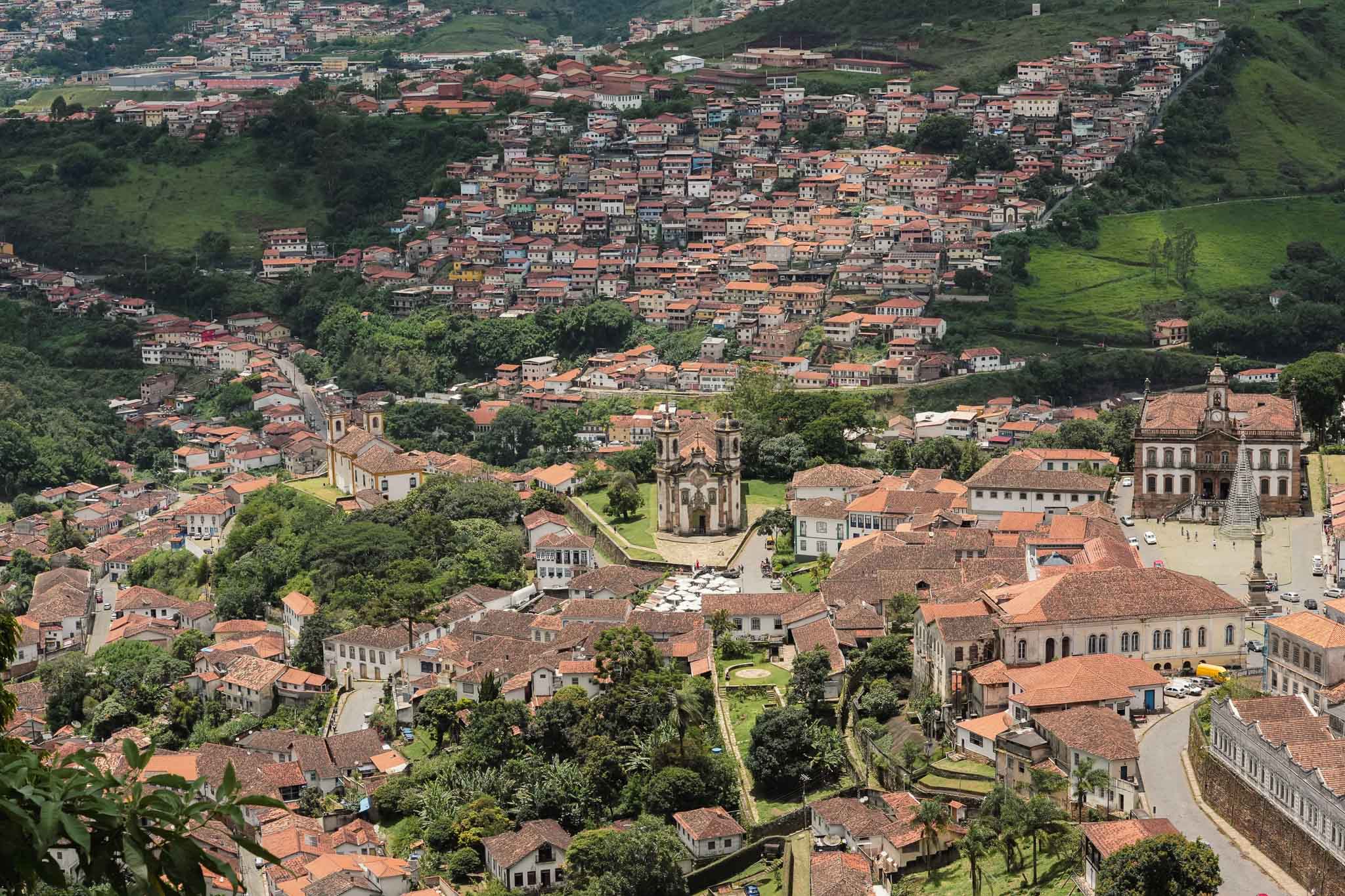
We walked up to a lookout, which due to the humidity and heat of this place turned out to be a sopping wet time, and were treated to even more spectacular views of the whole town. We also walked around a historical museum called Museu da Inconfidência, which was the former town hall and gaol, and showed many artifacts from the heyday of the gold and diamond boom of the eighteenth century.
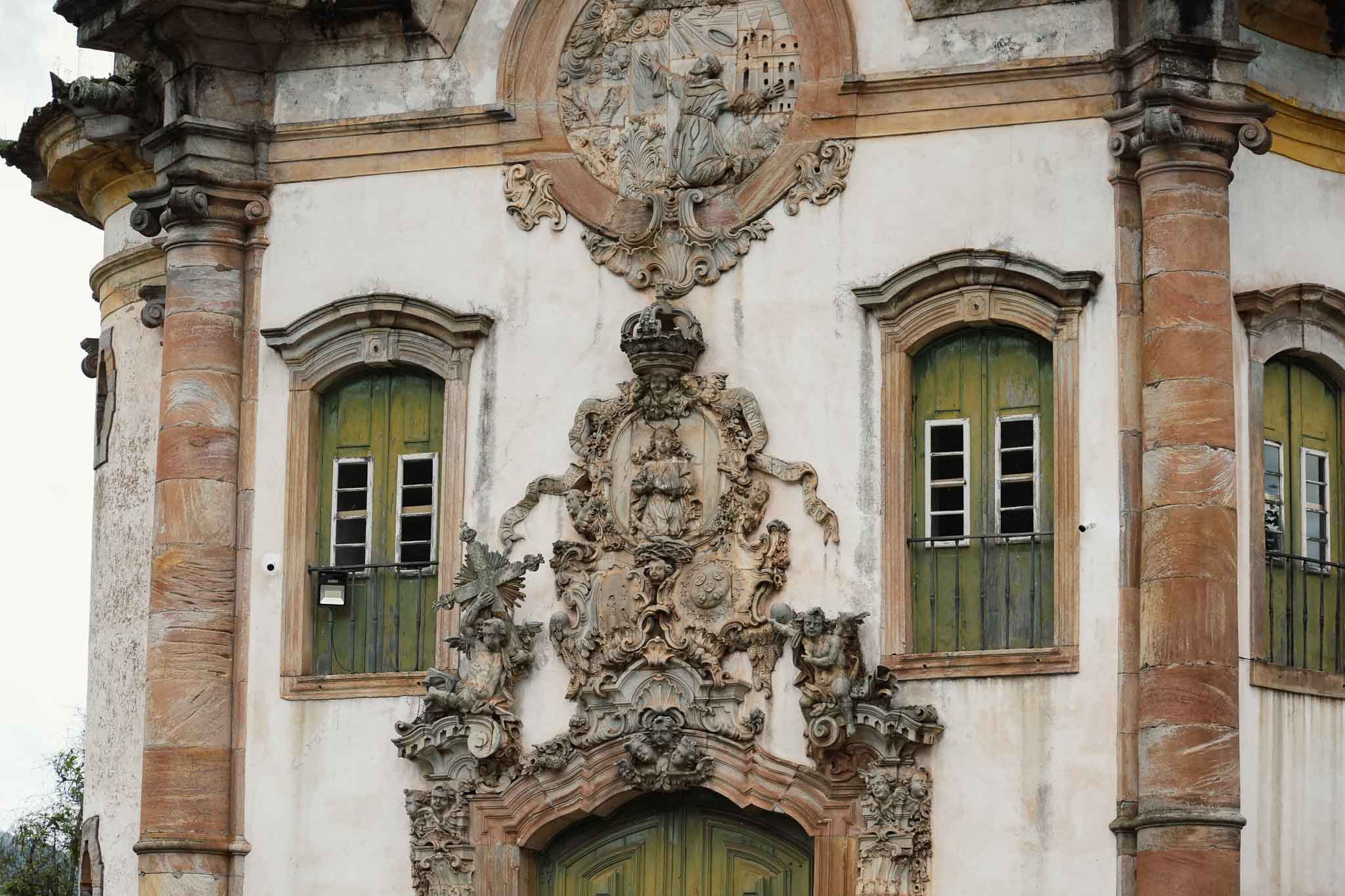
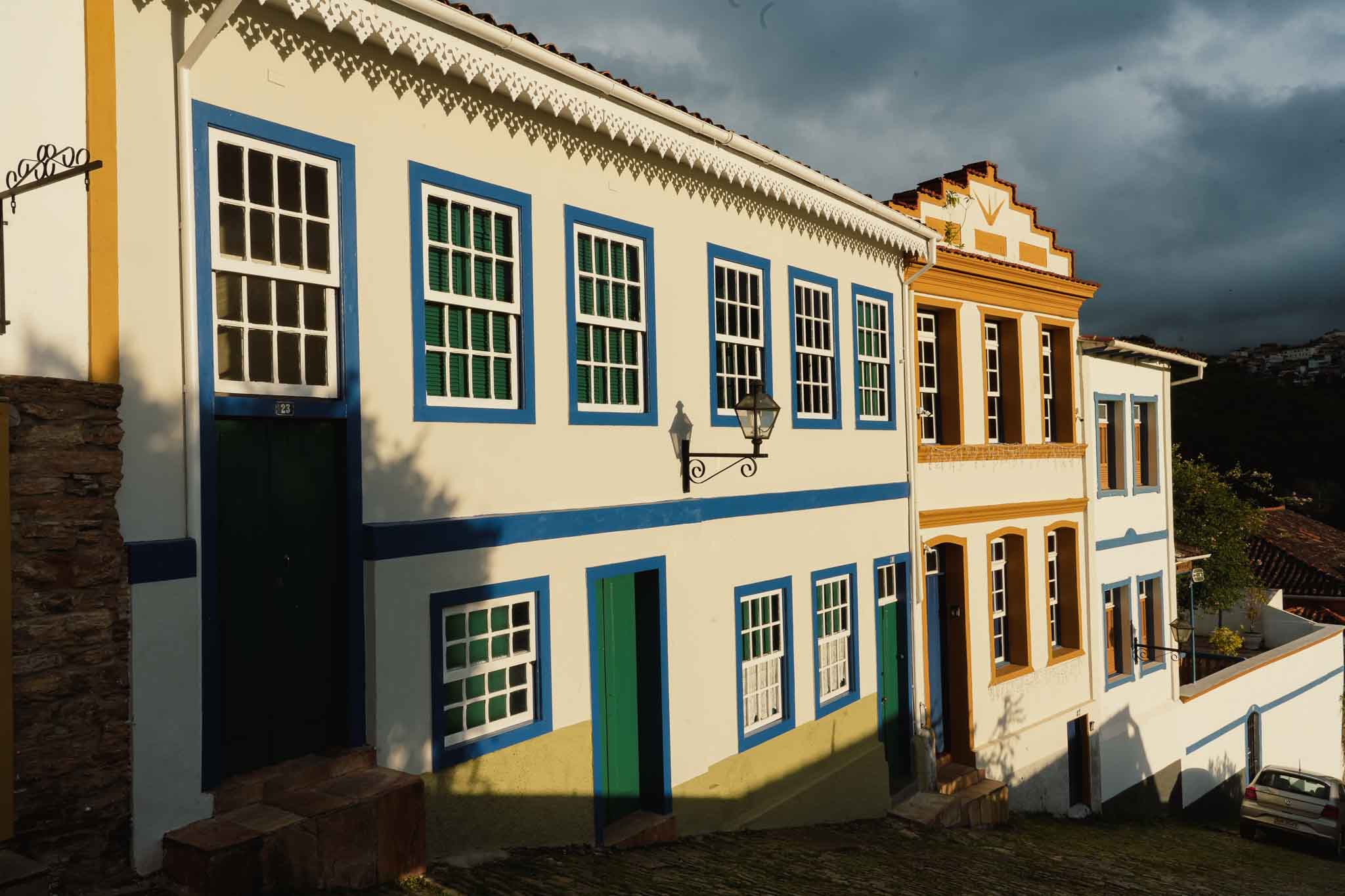
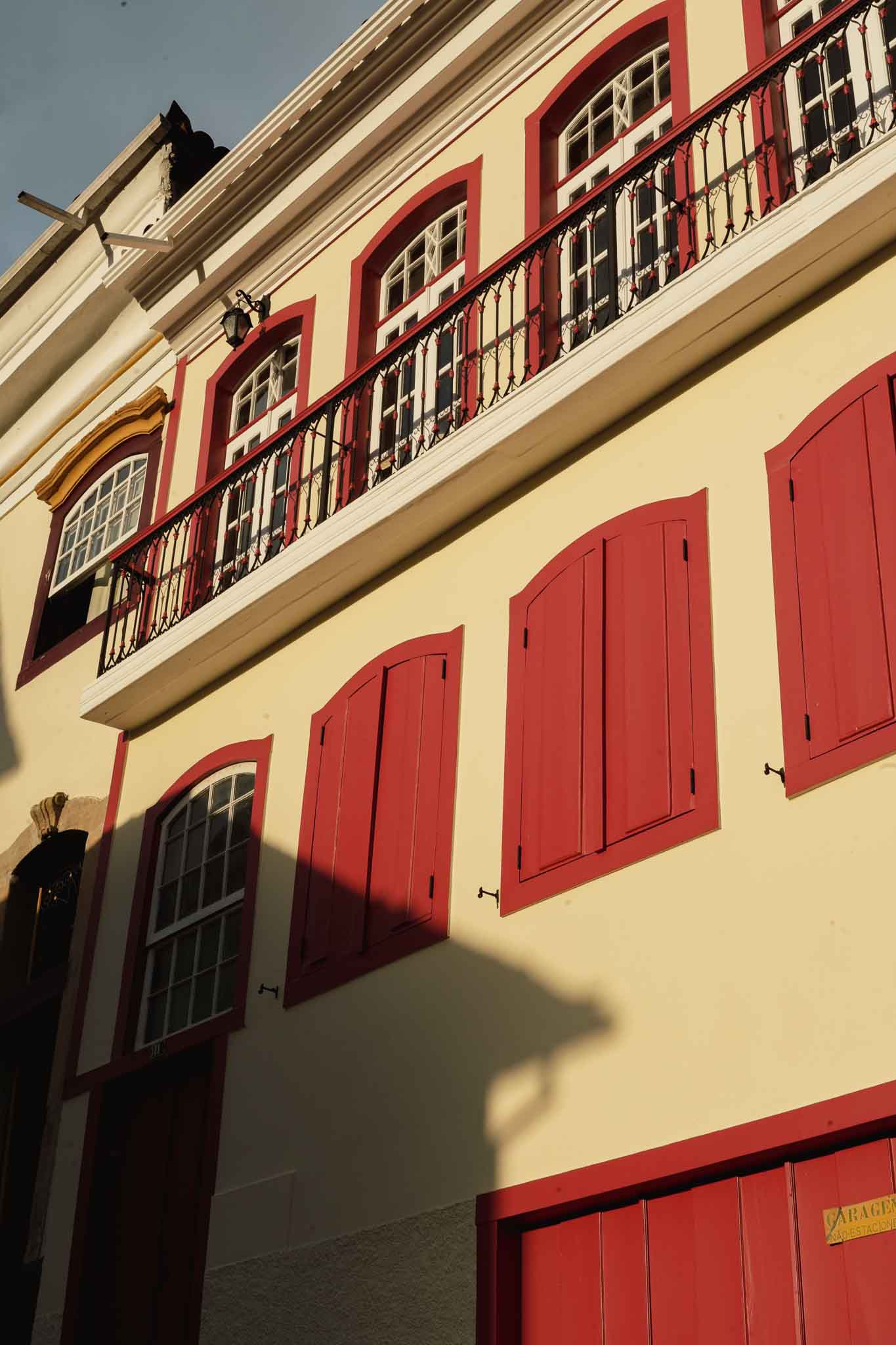
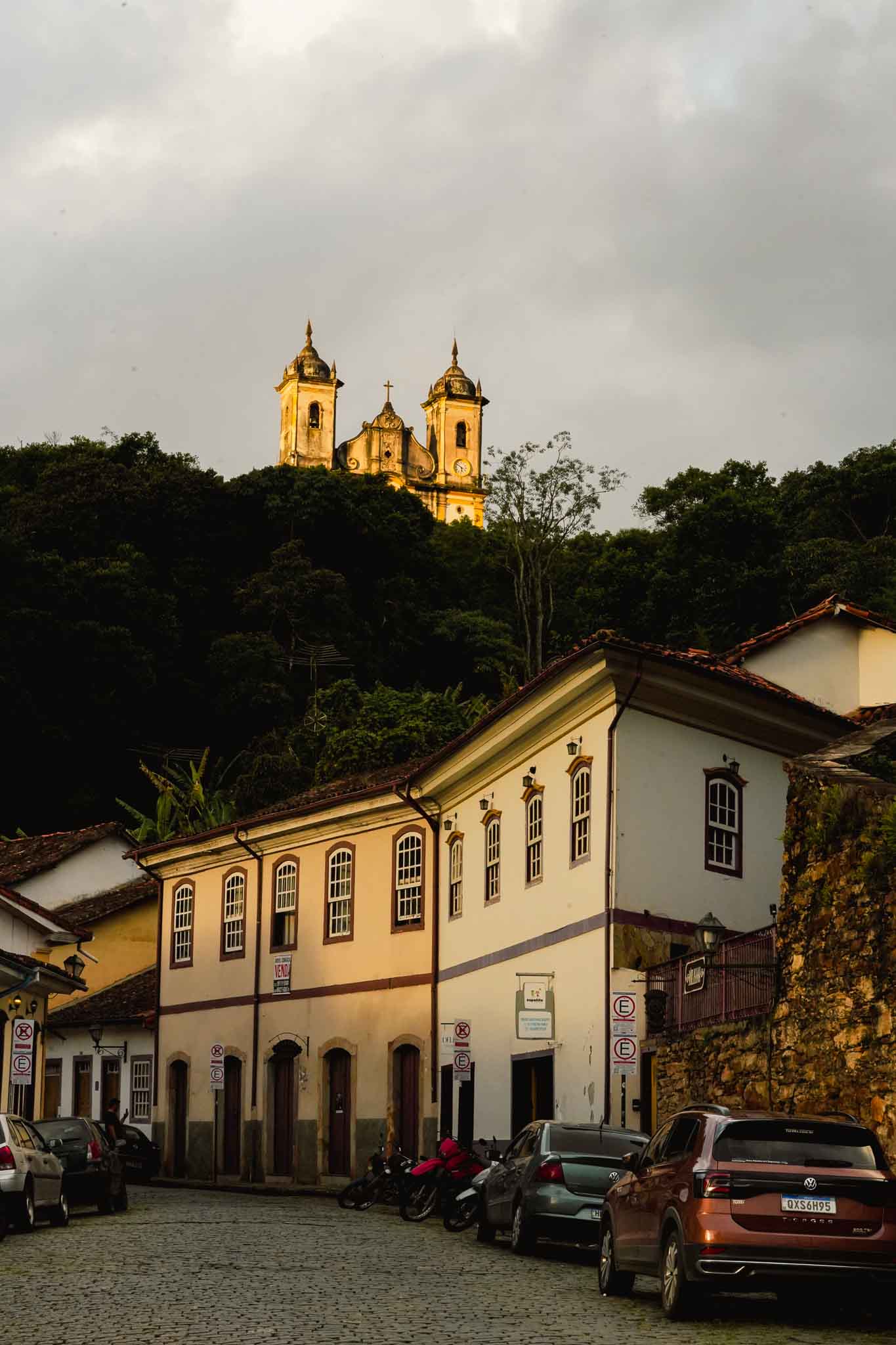
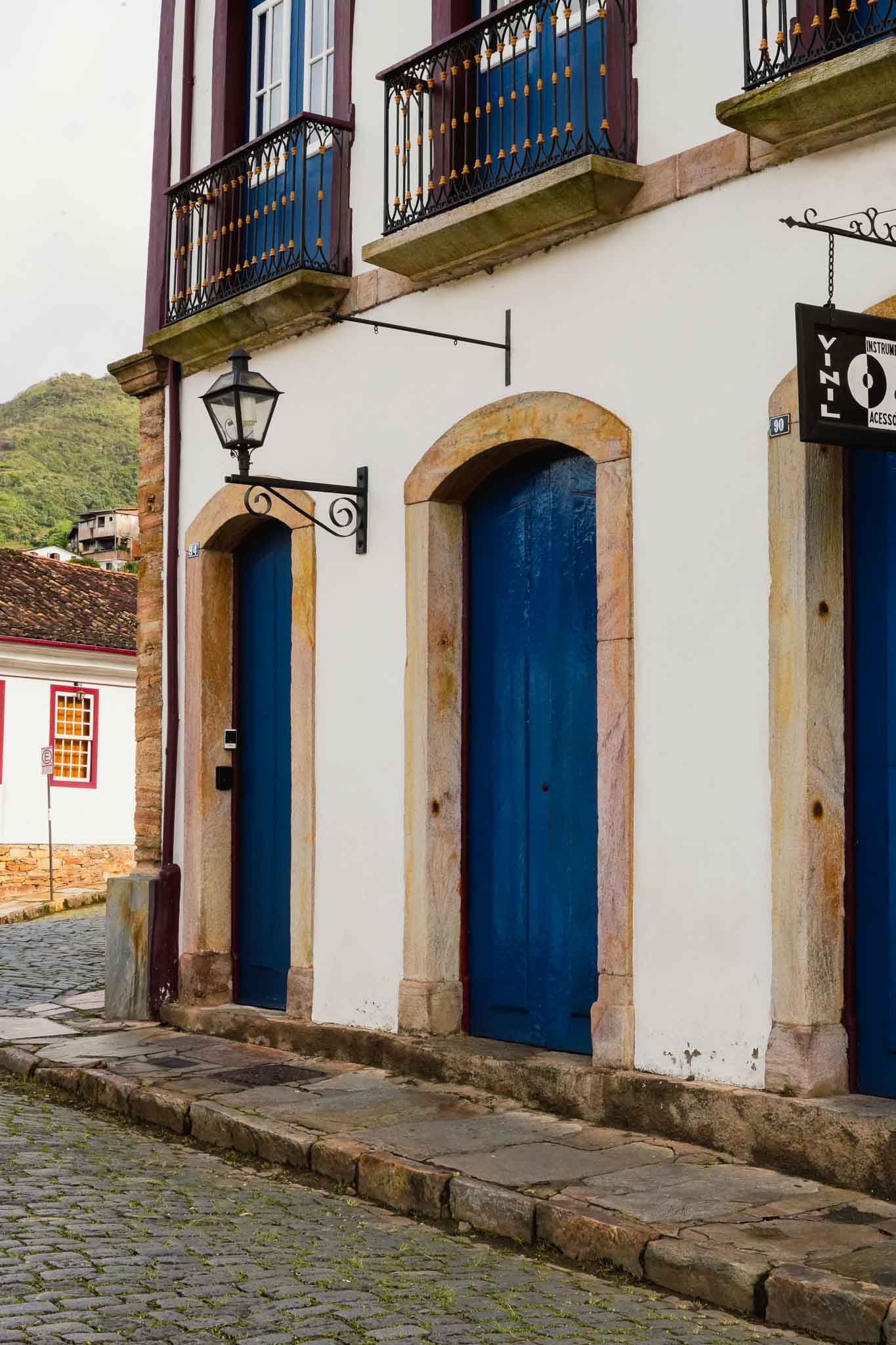
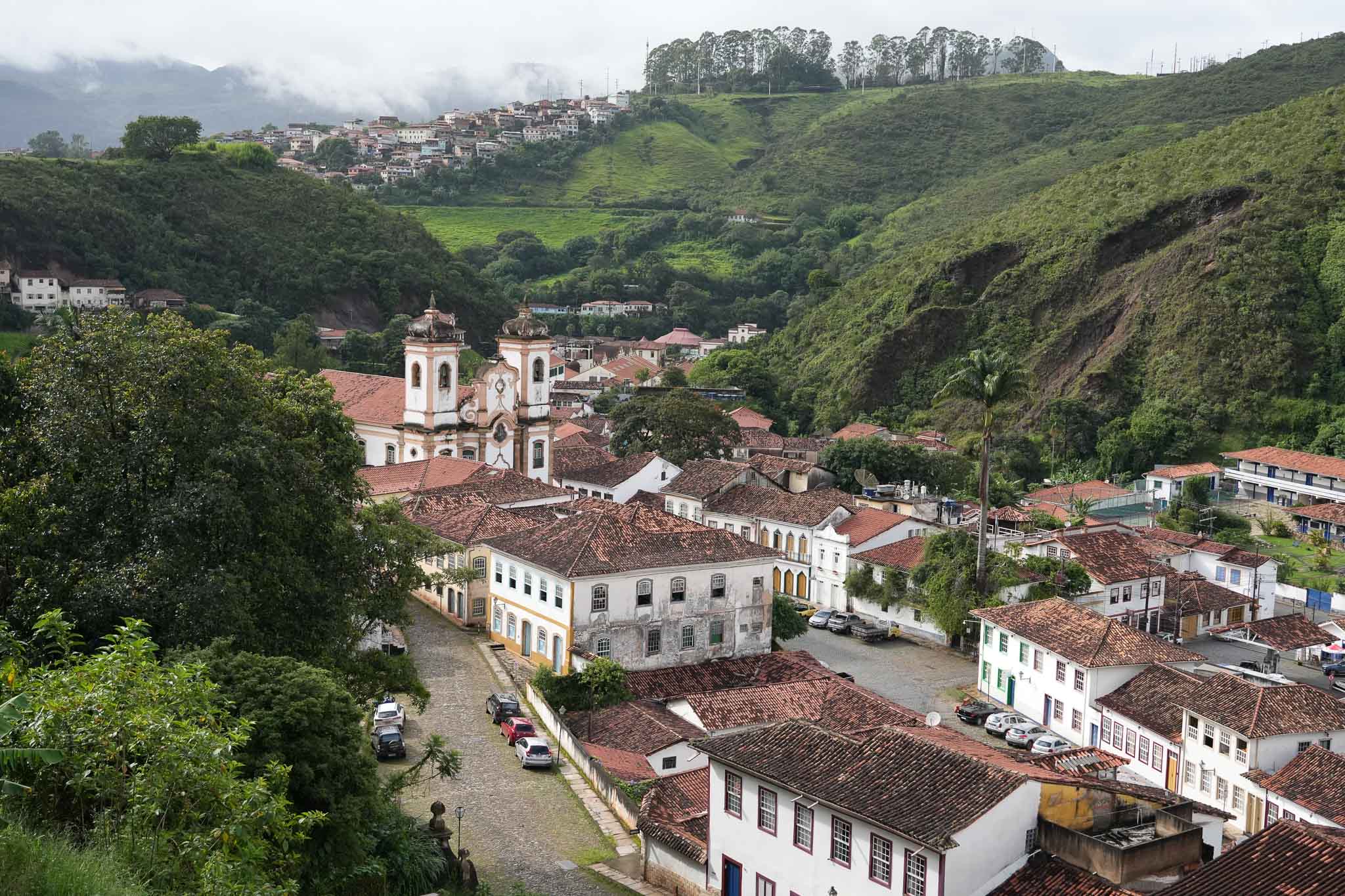
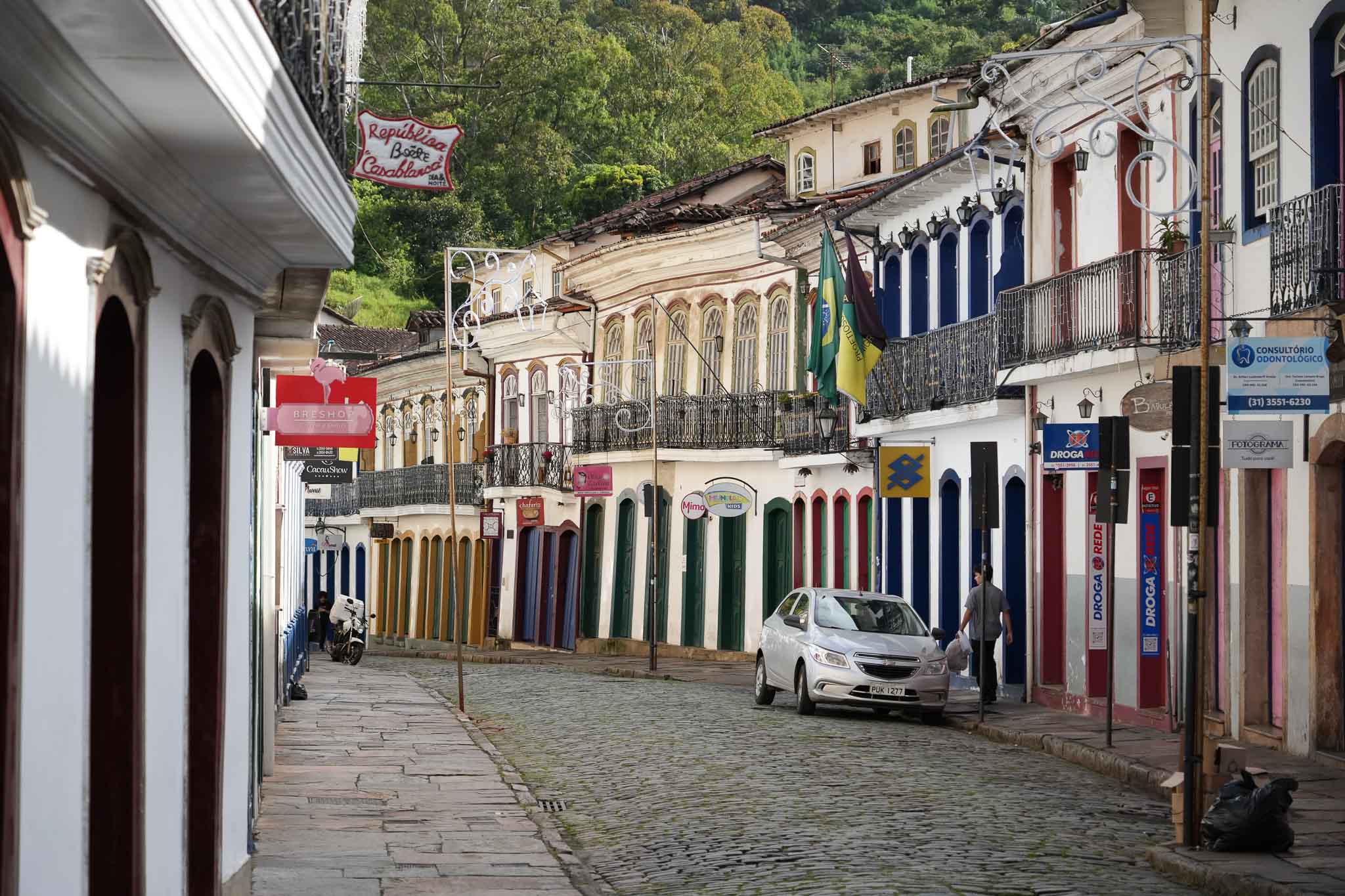
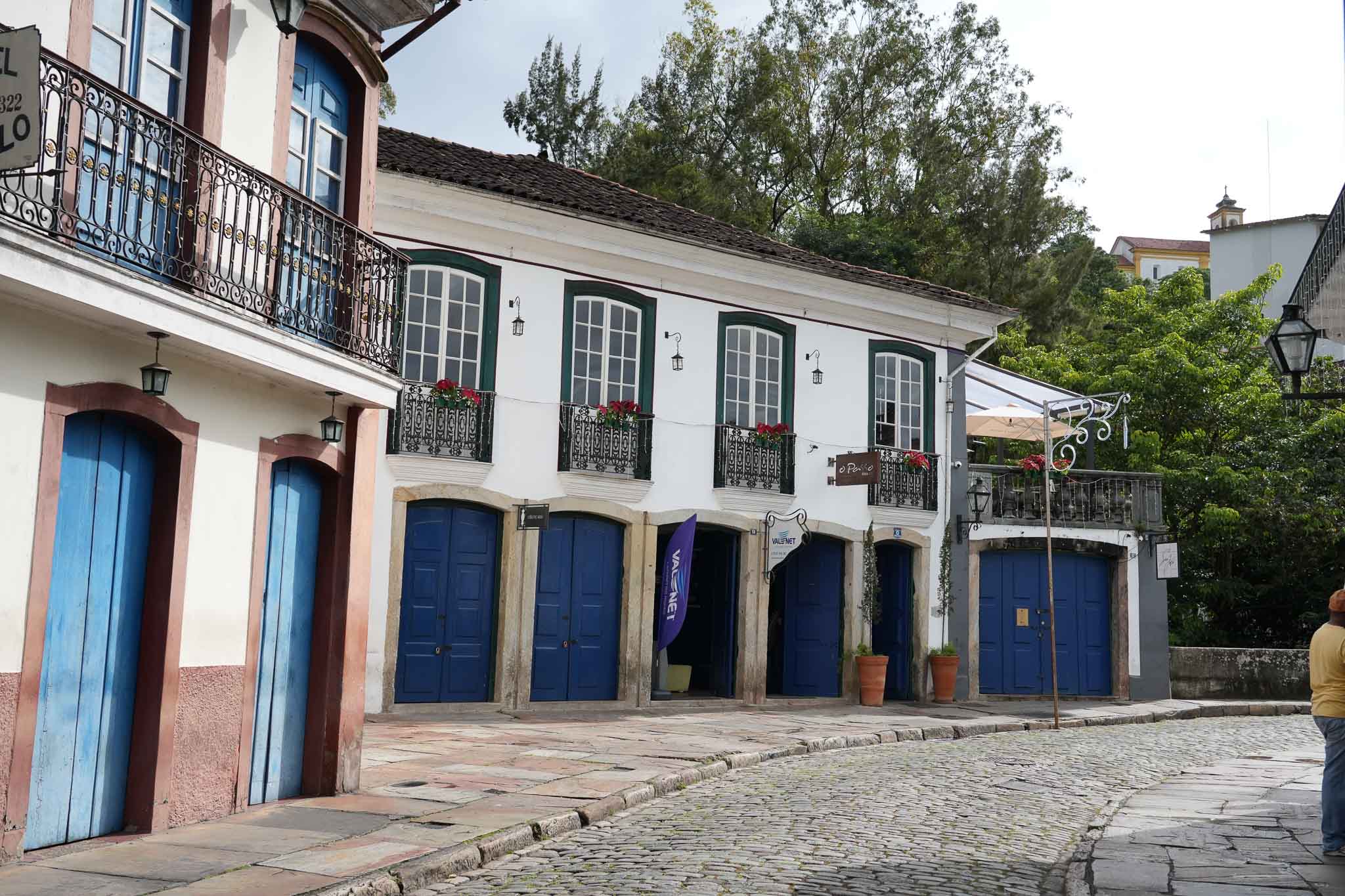
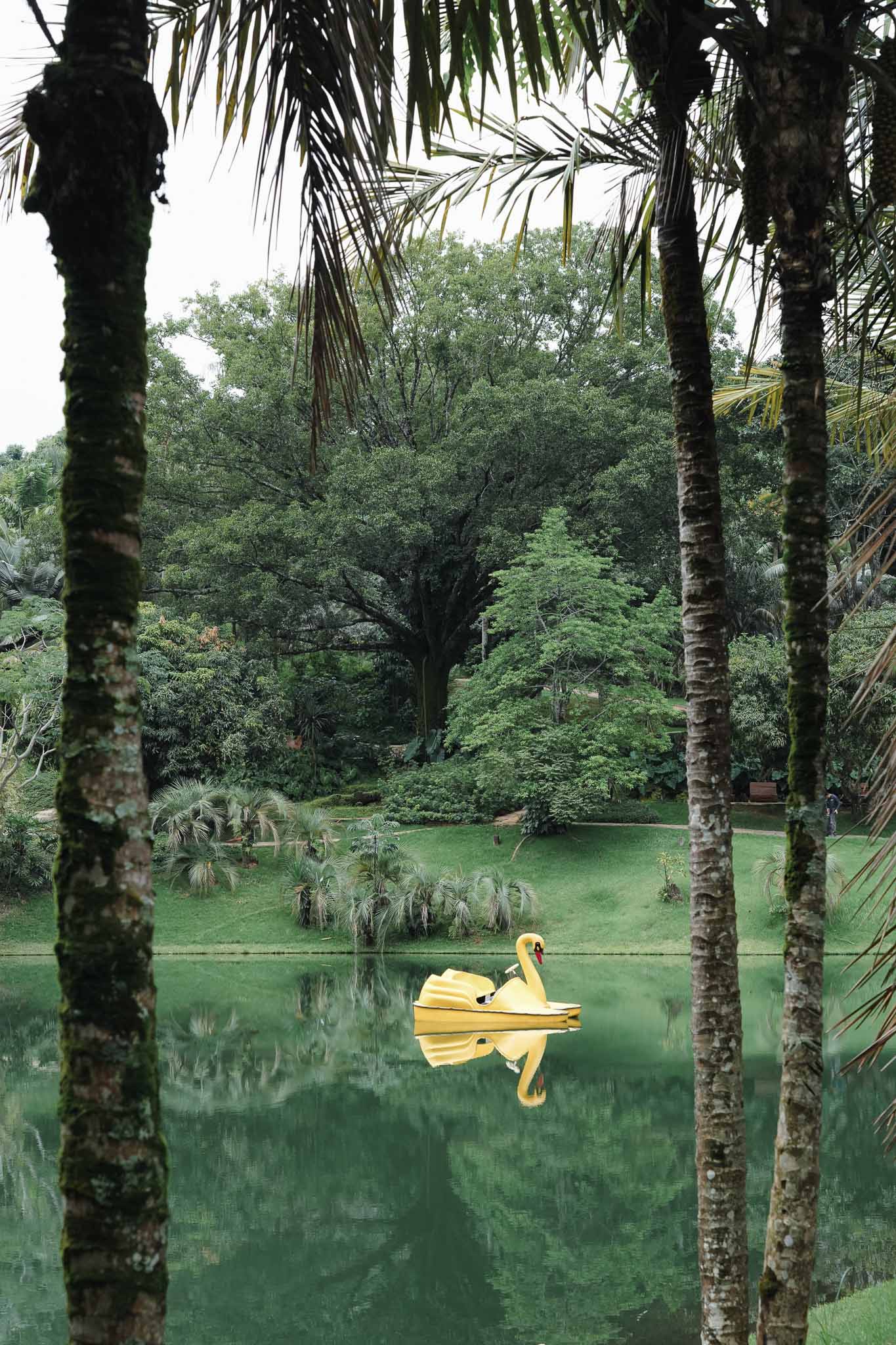
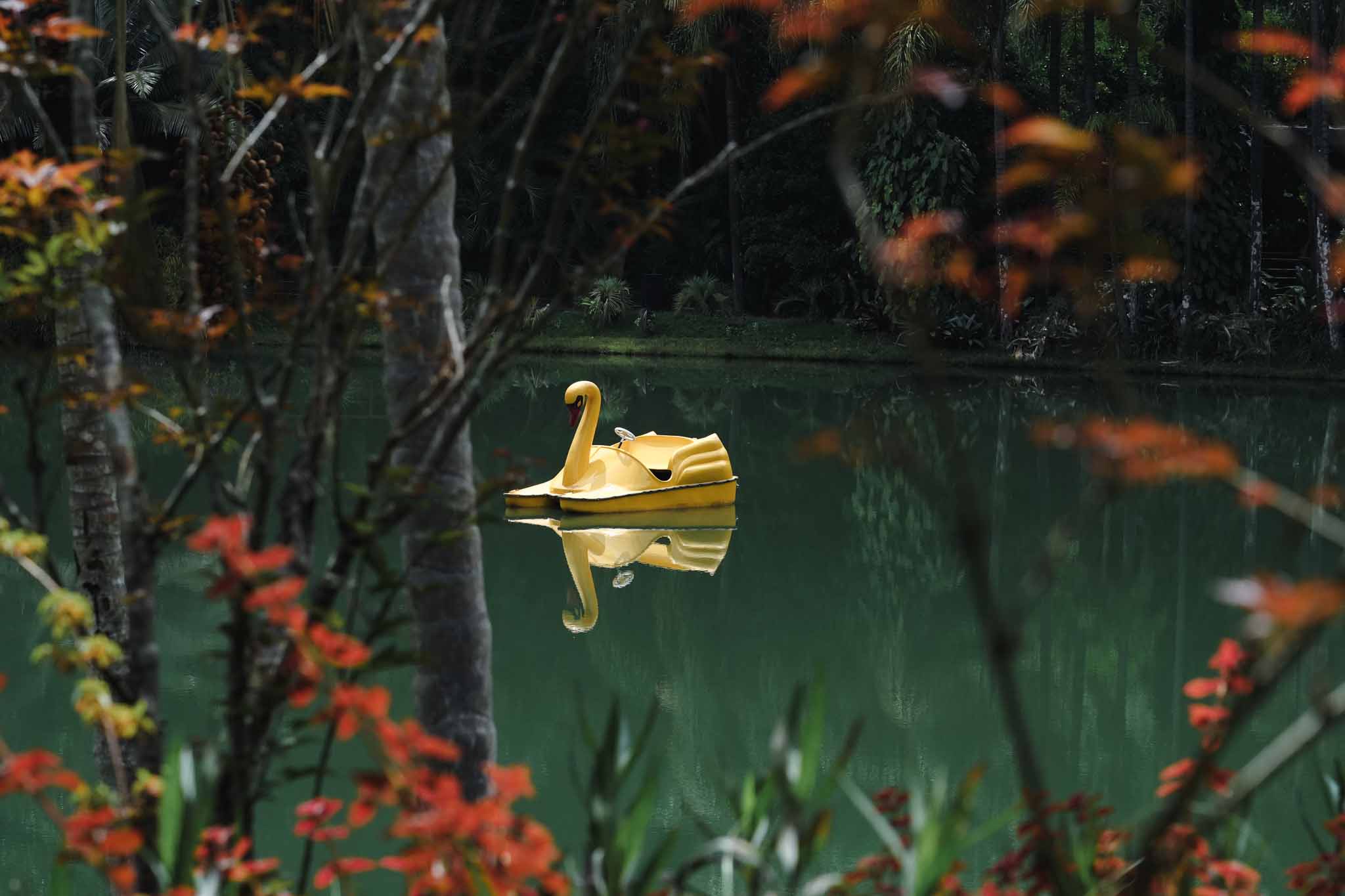
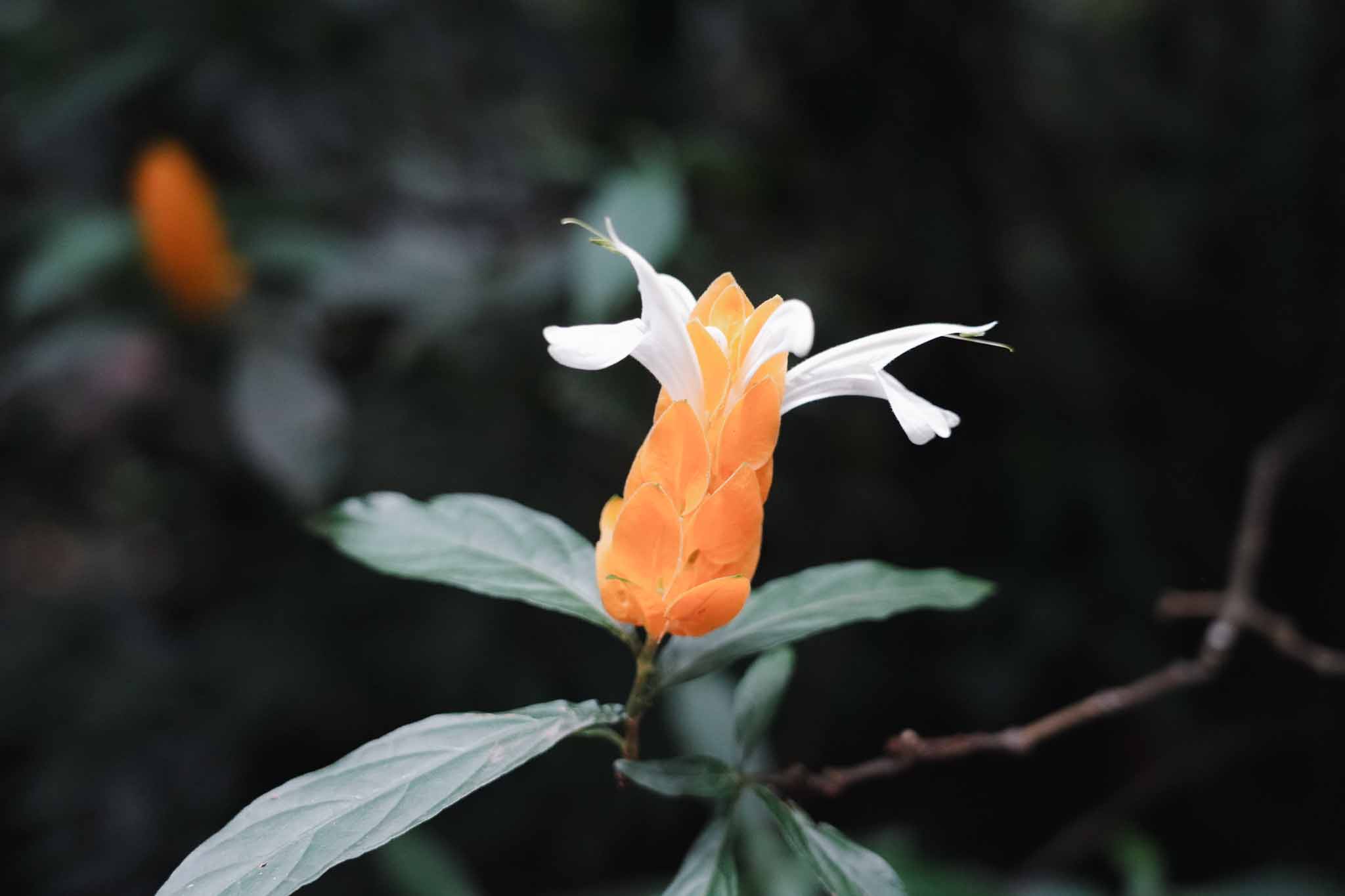
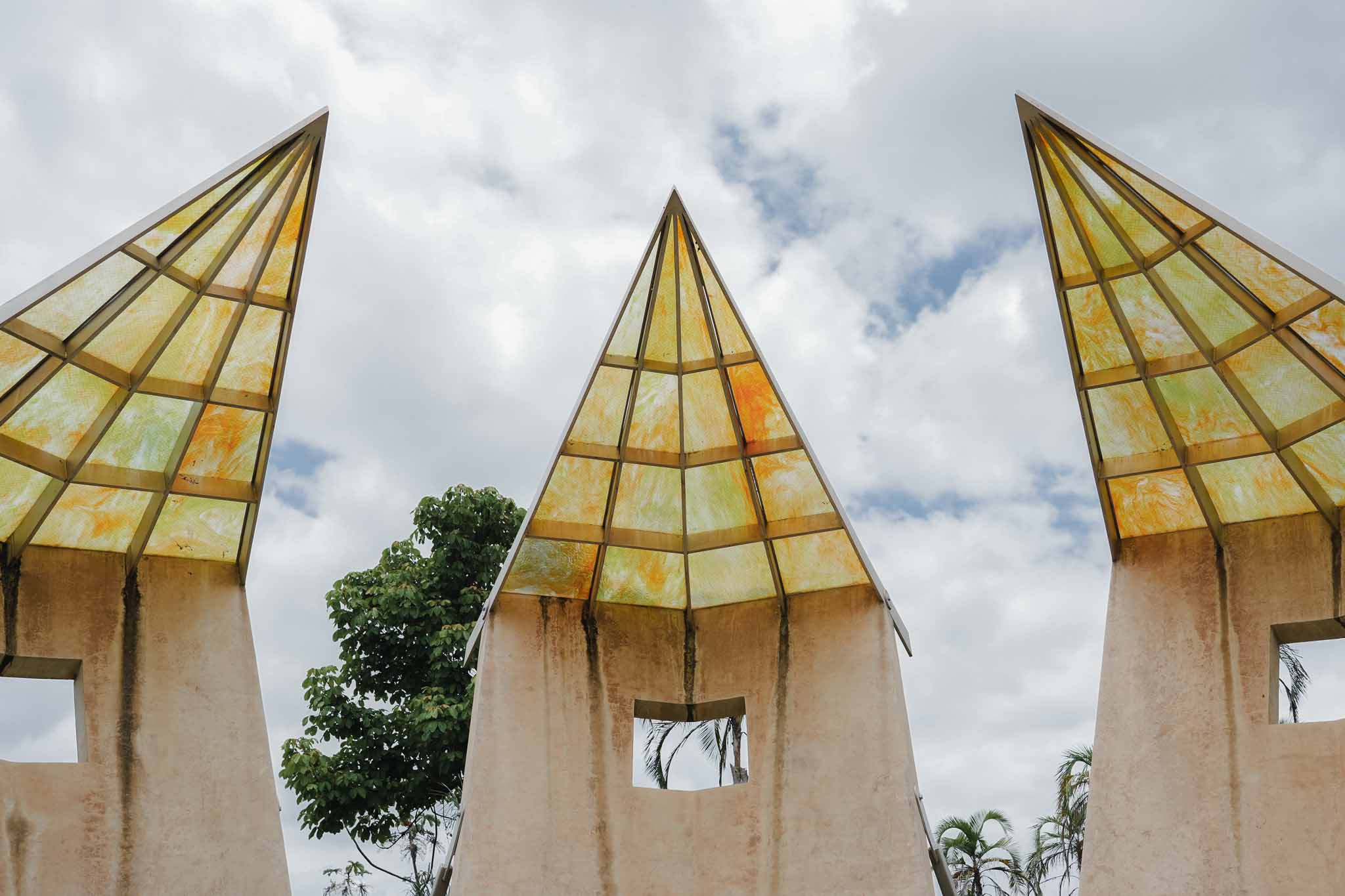
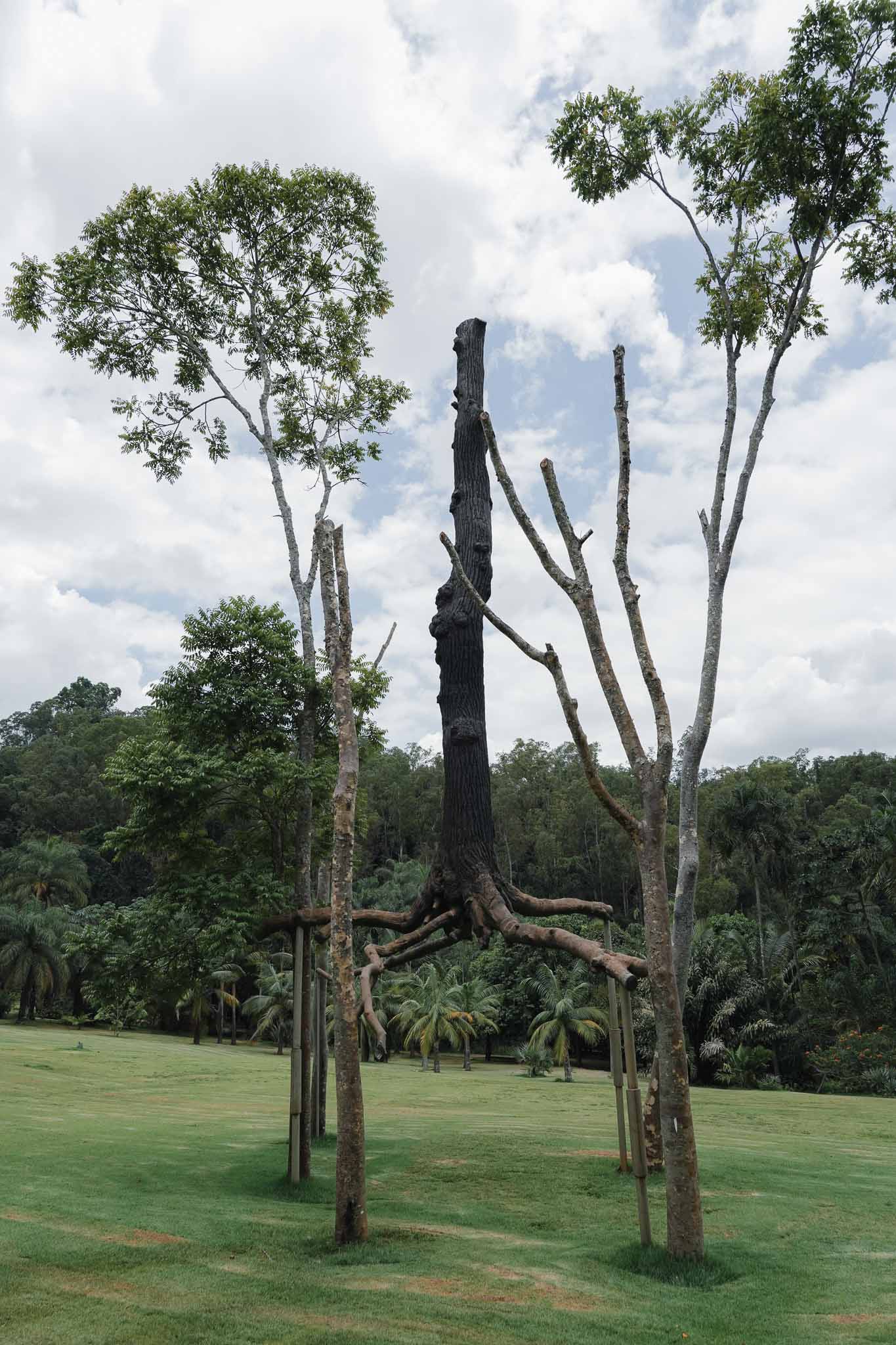
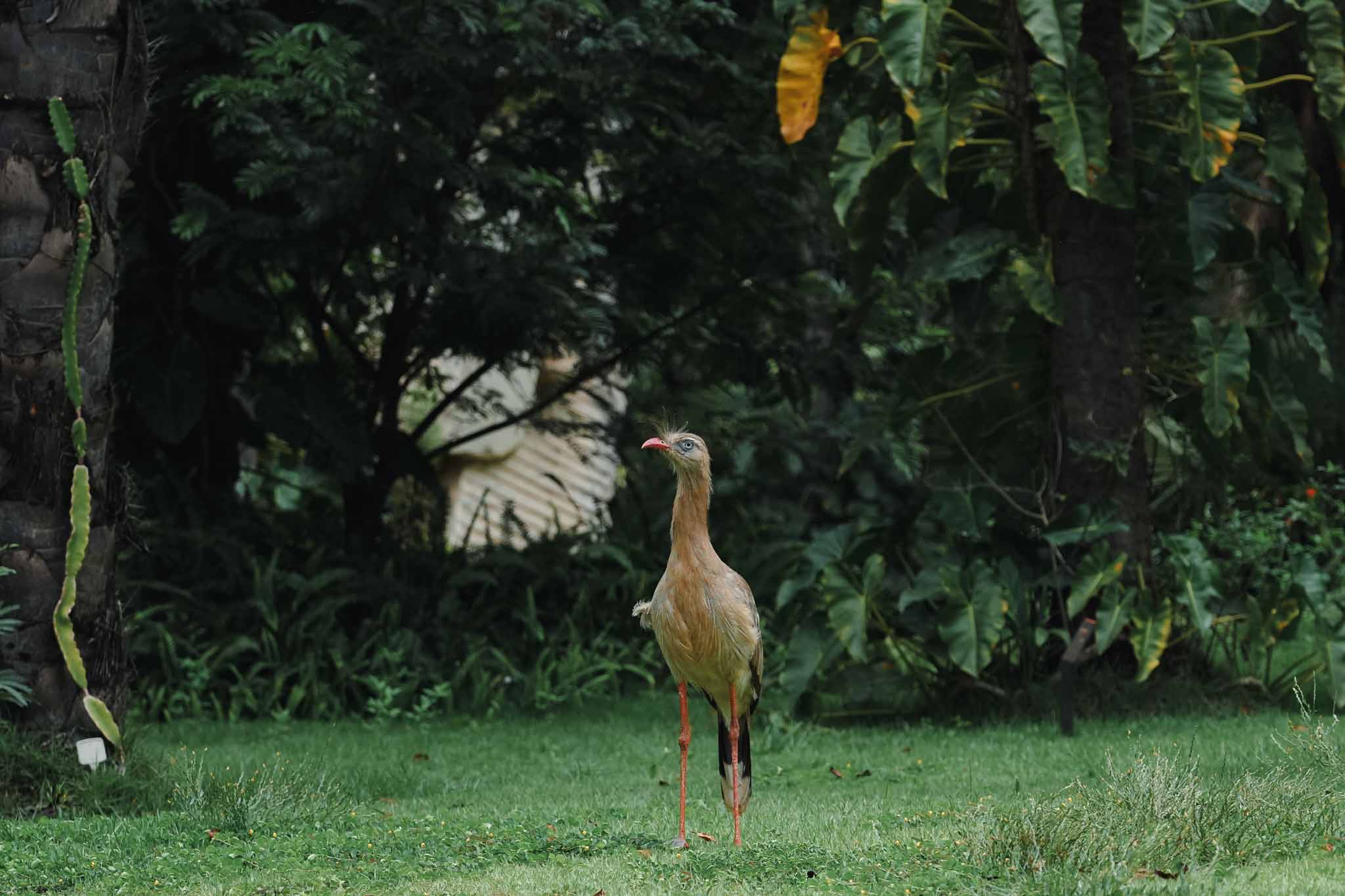
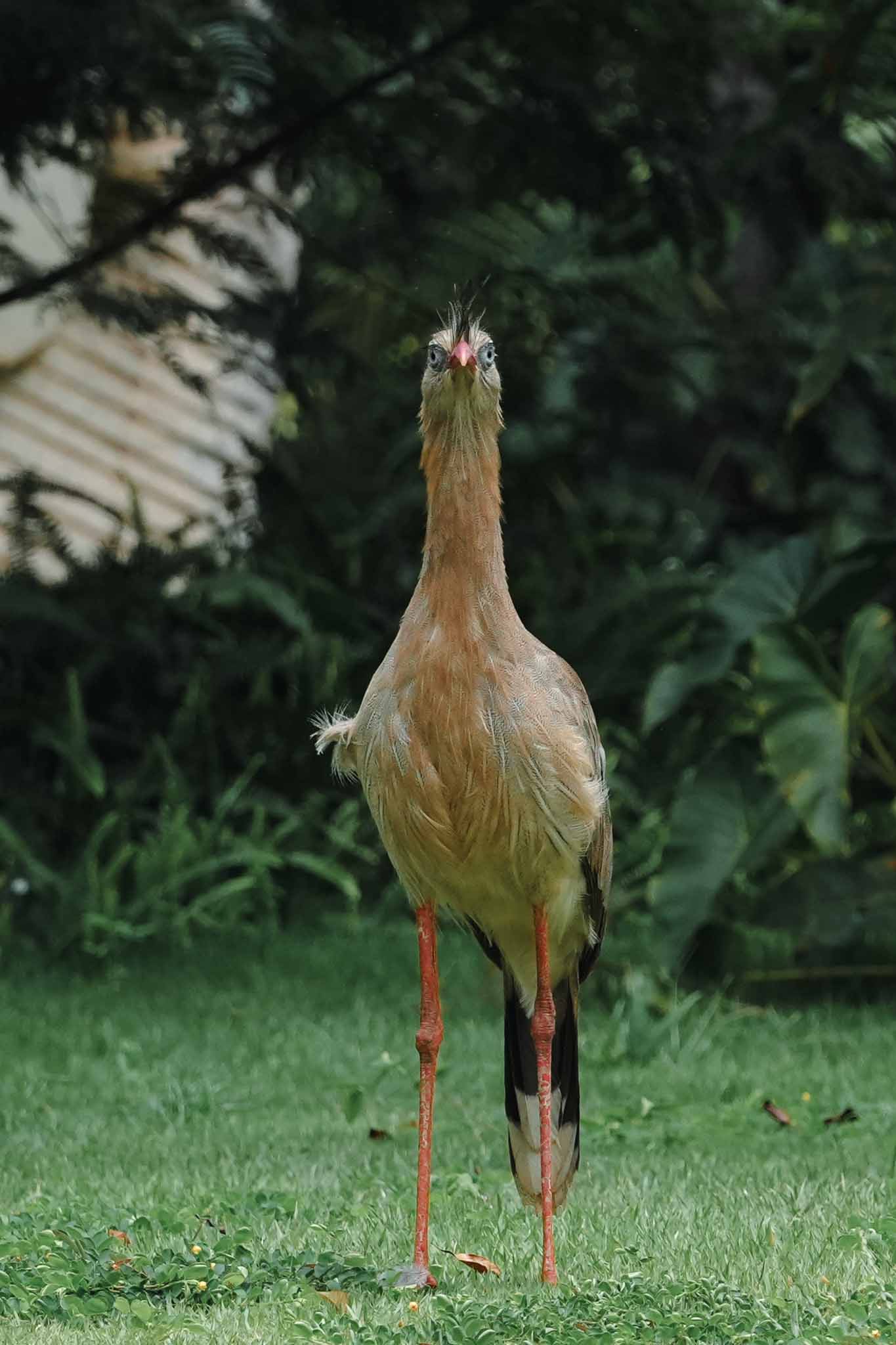
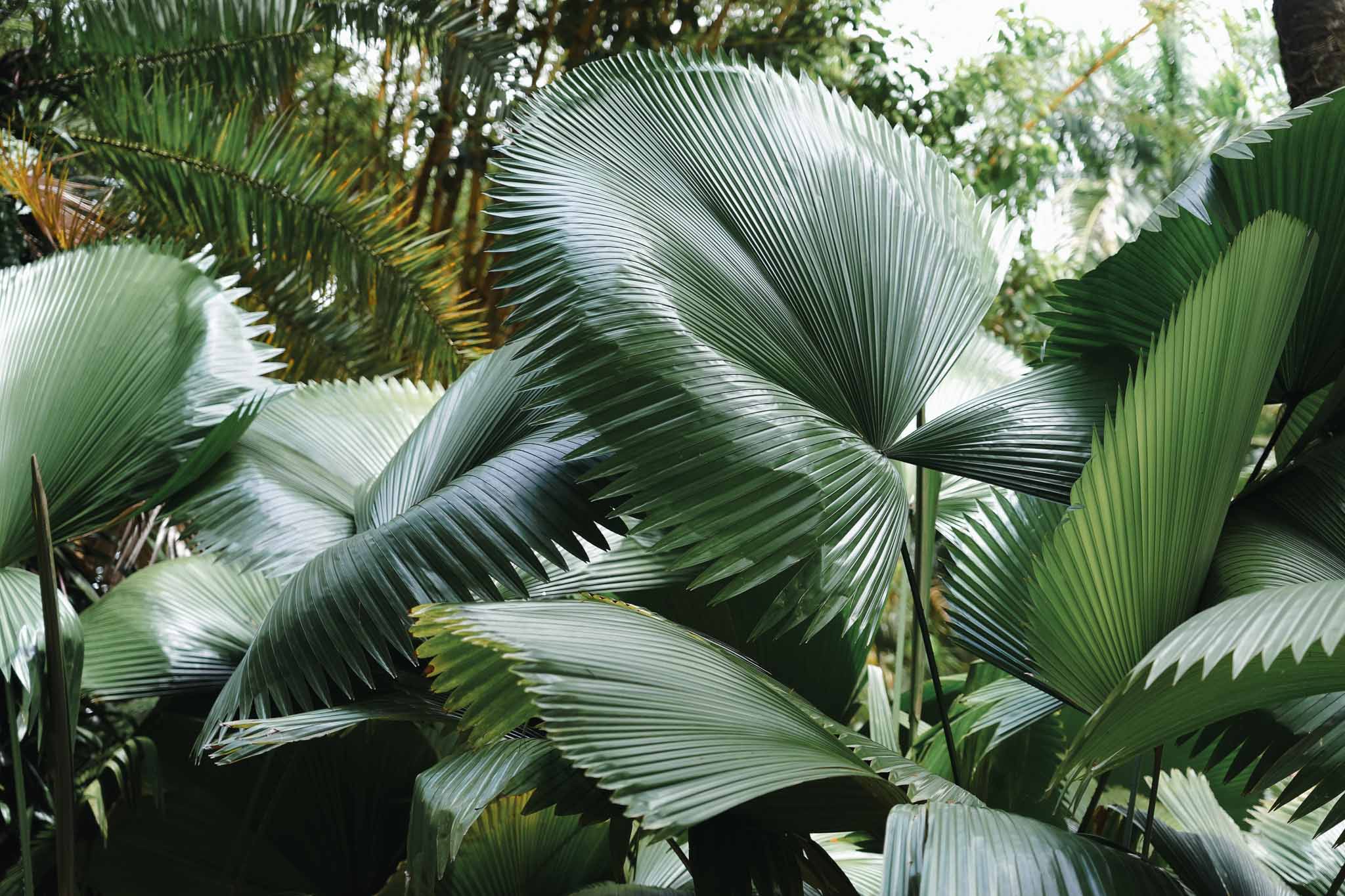
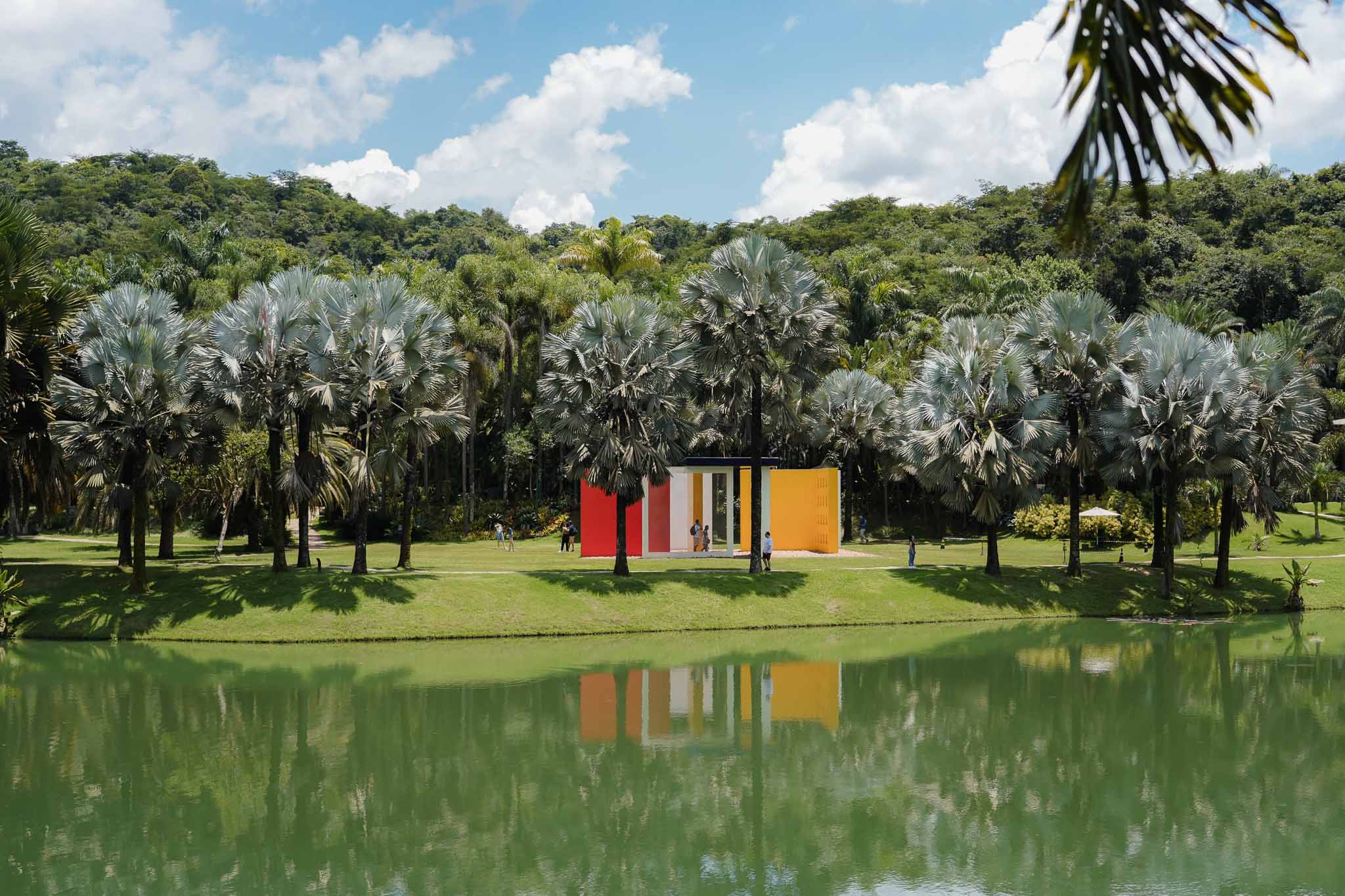
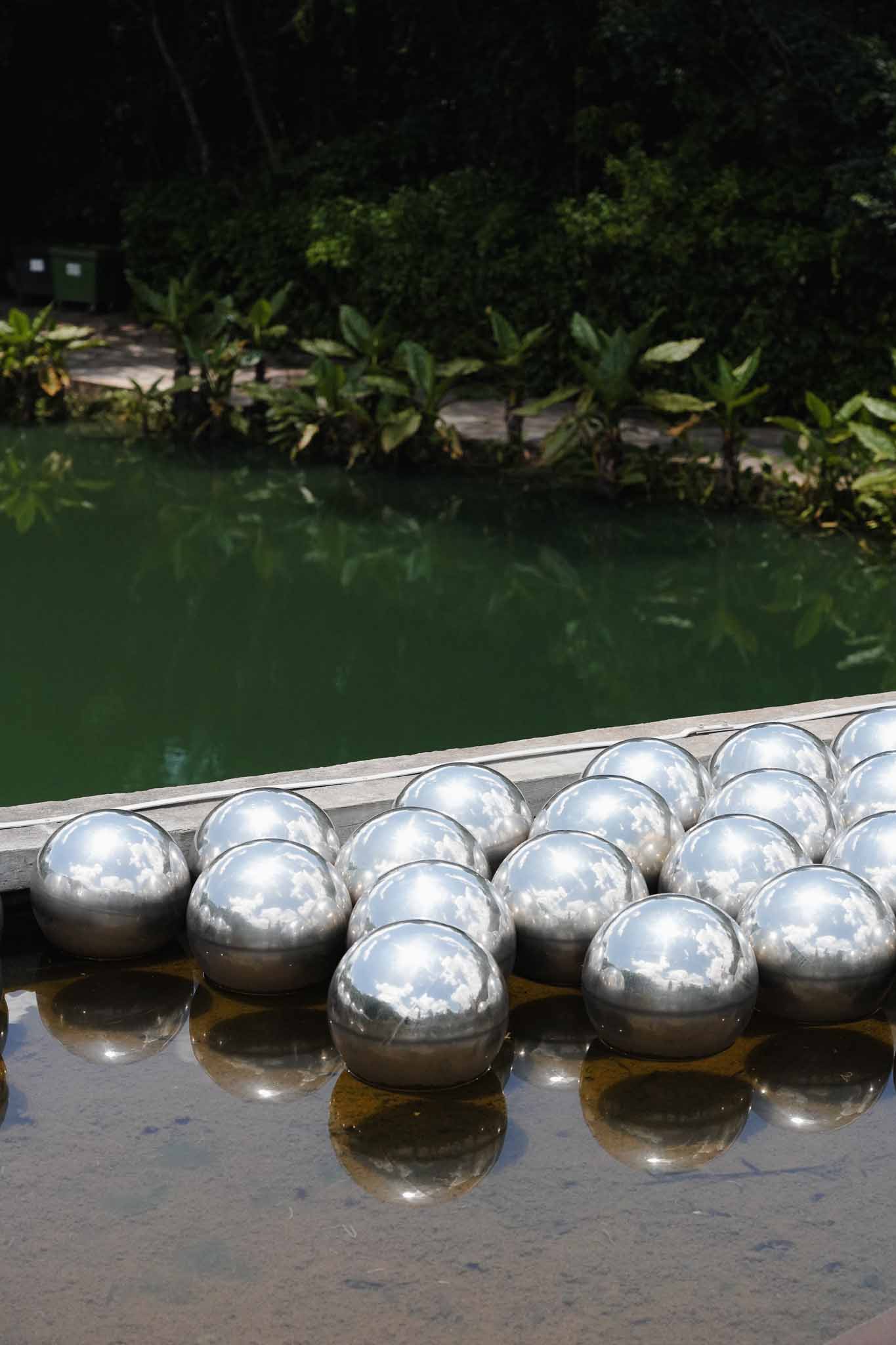
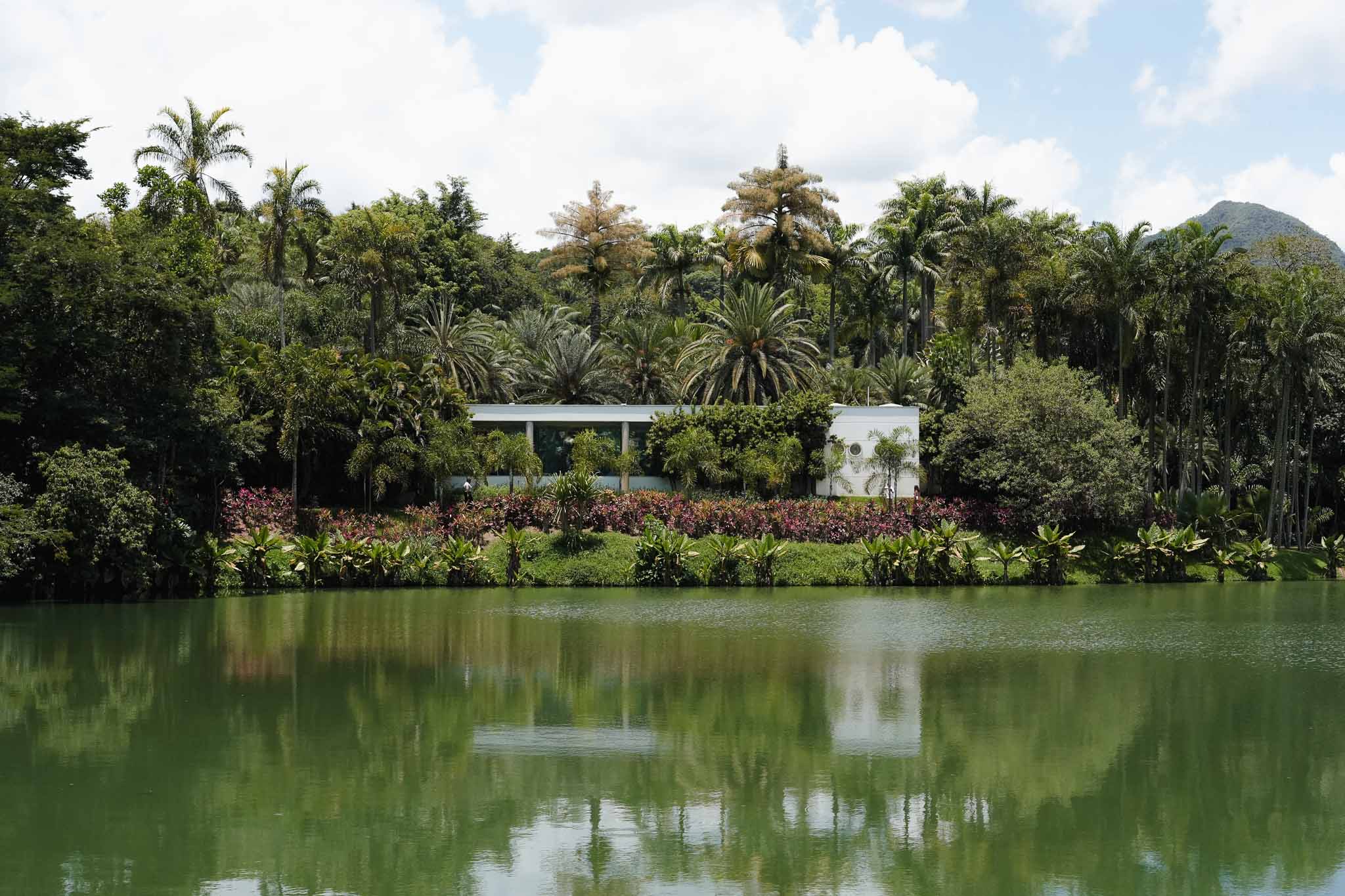
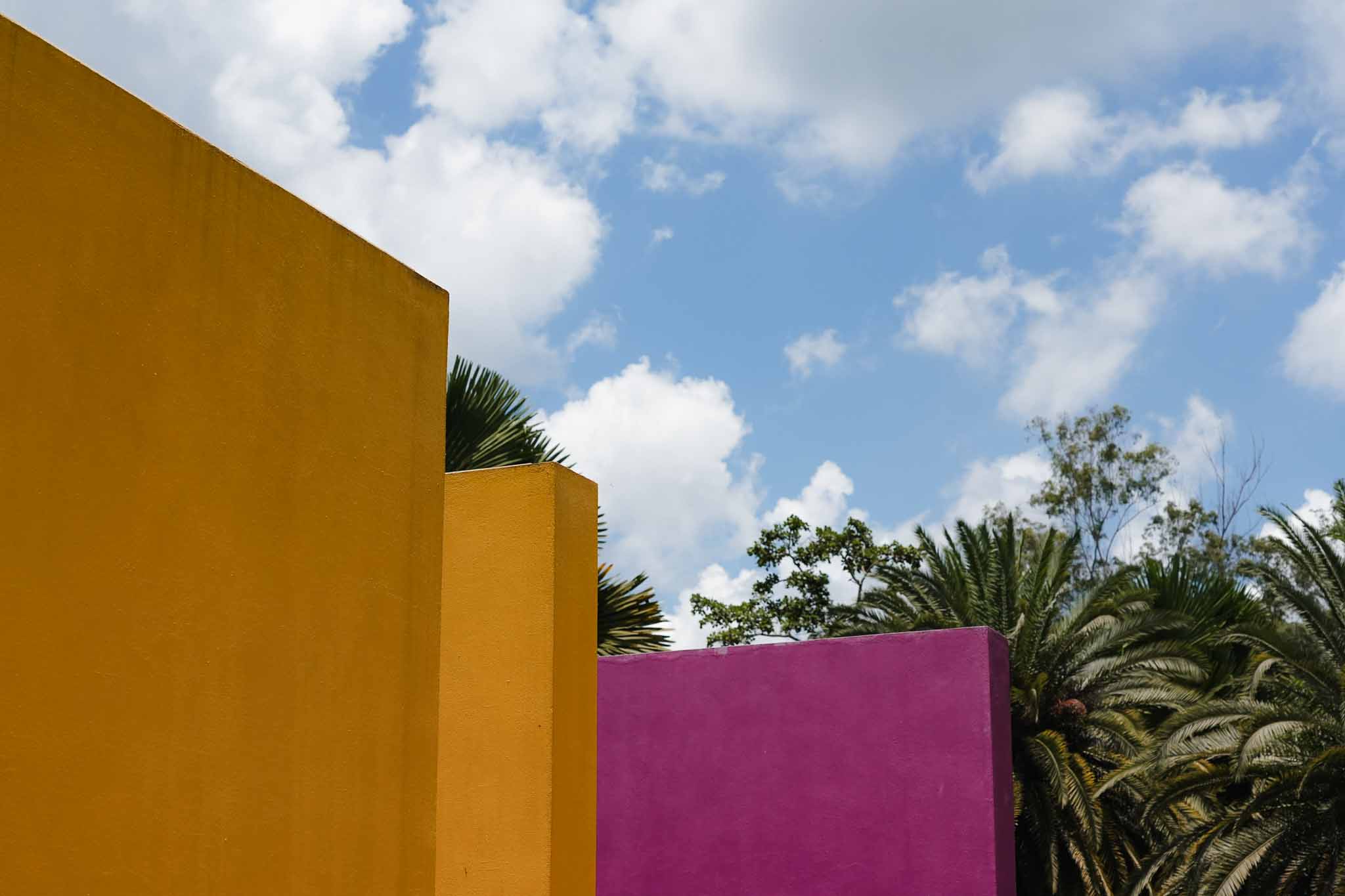
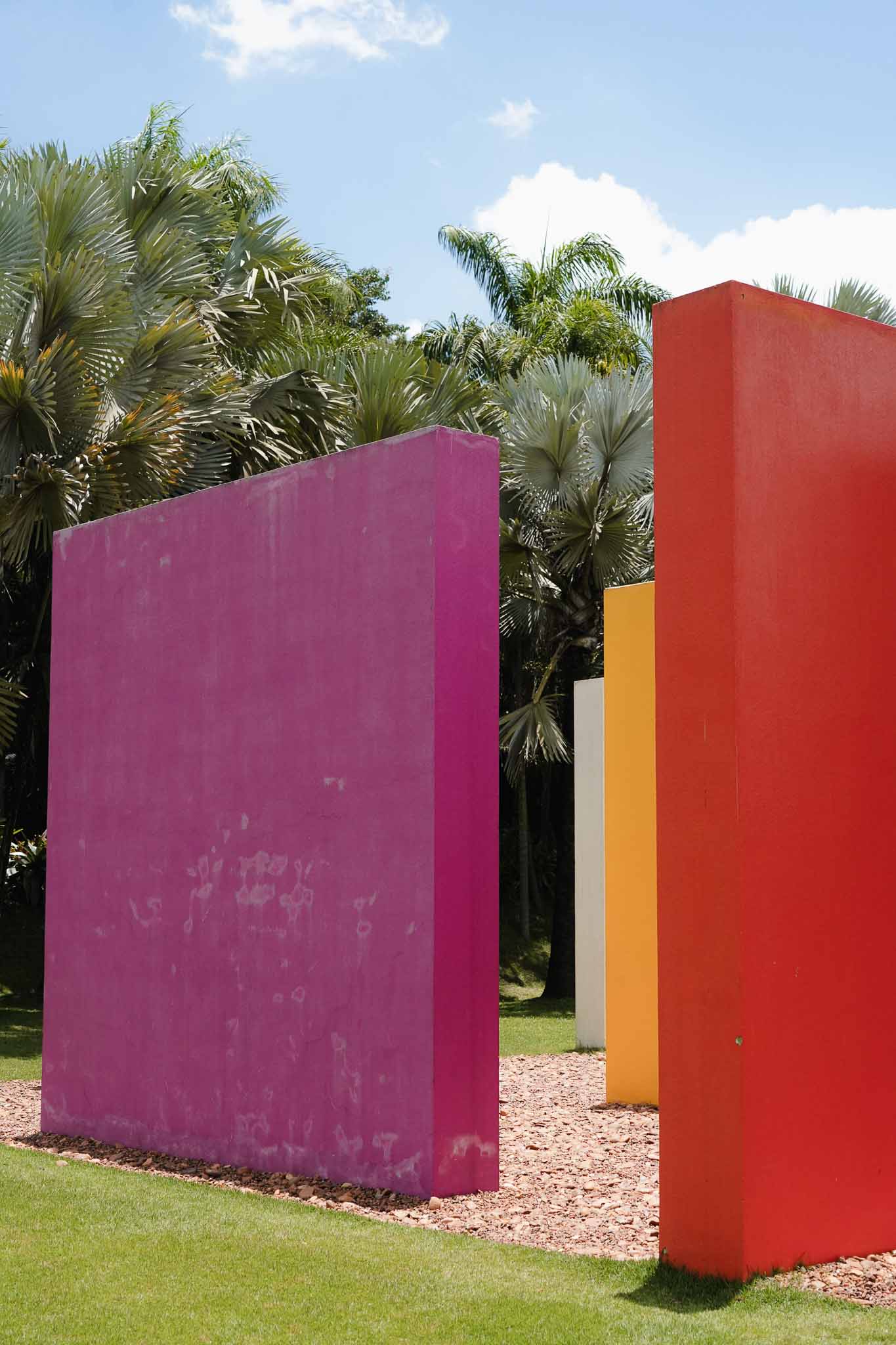
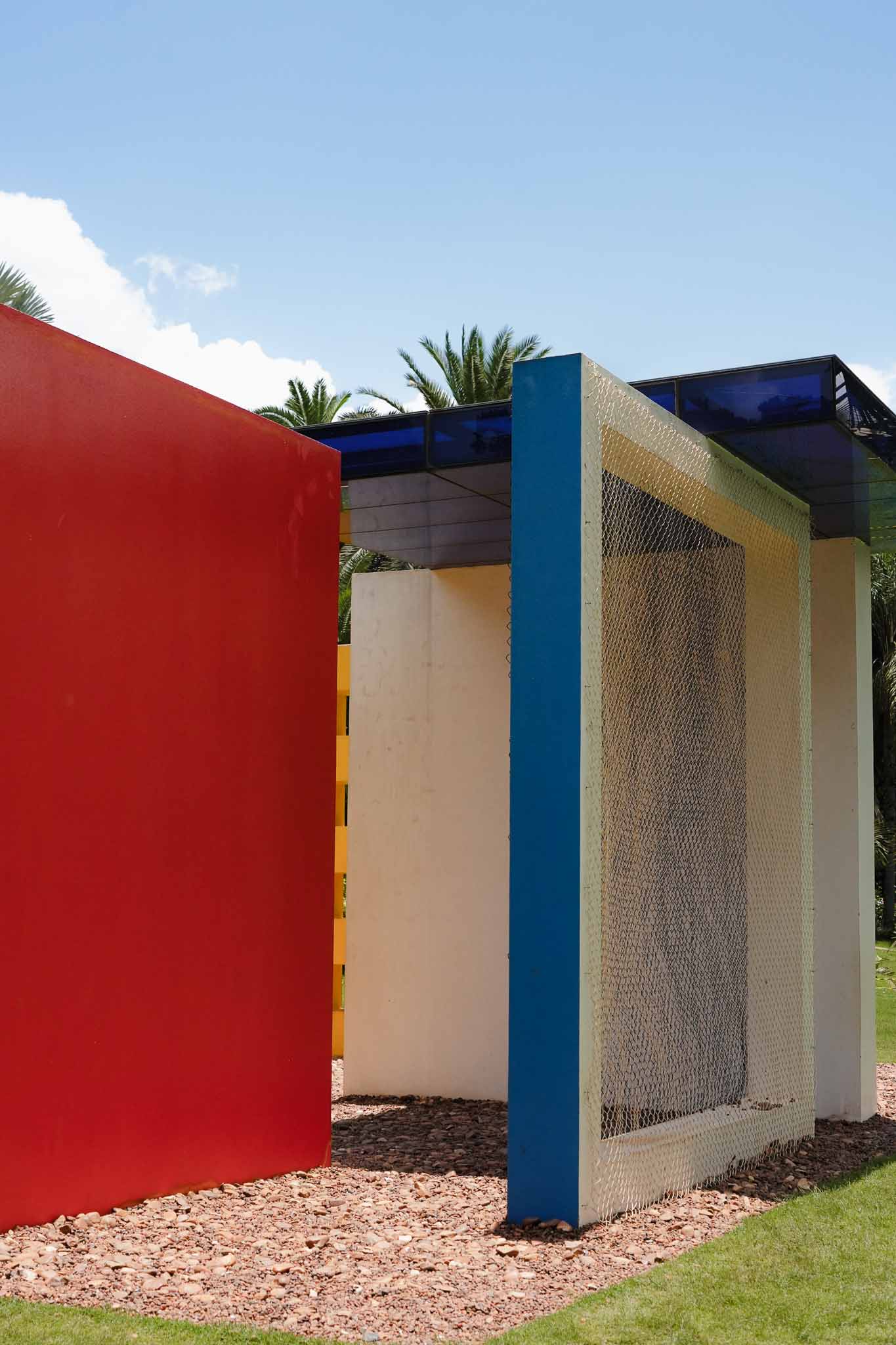
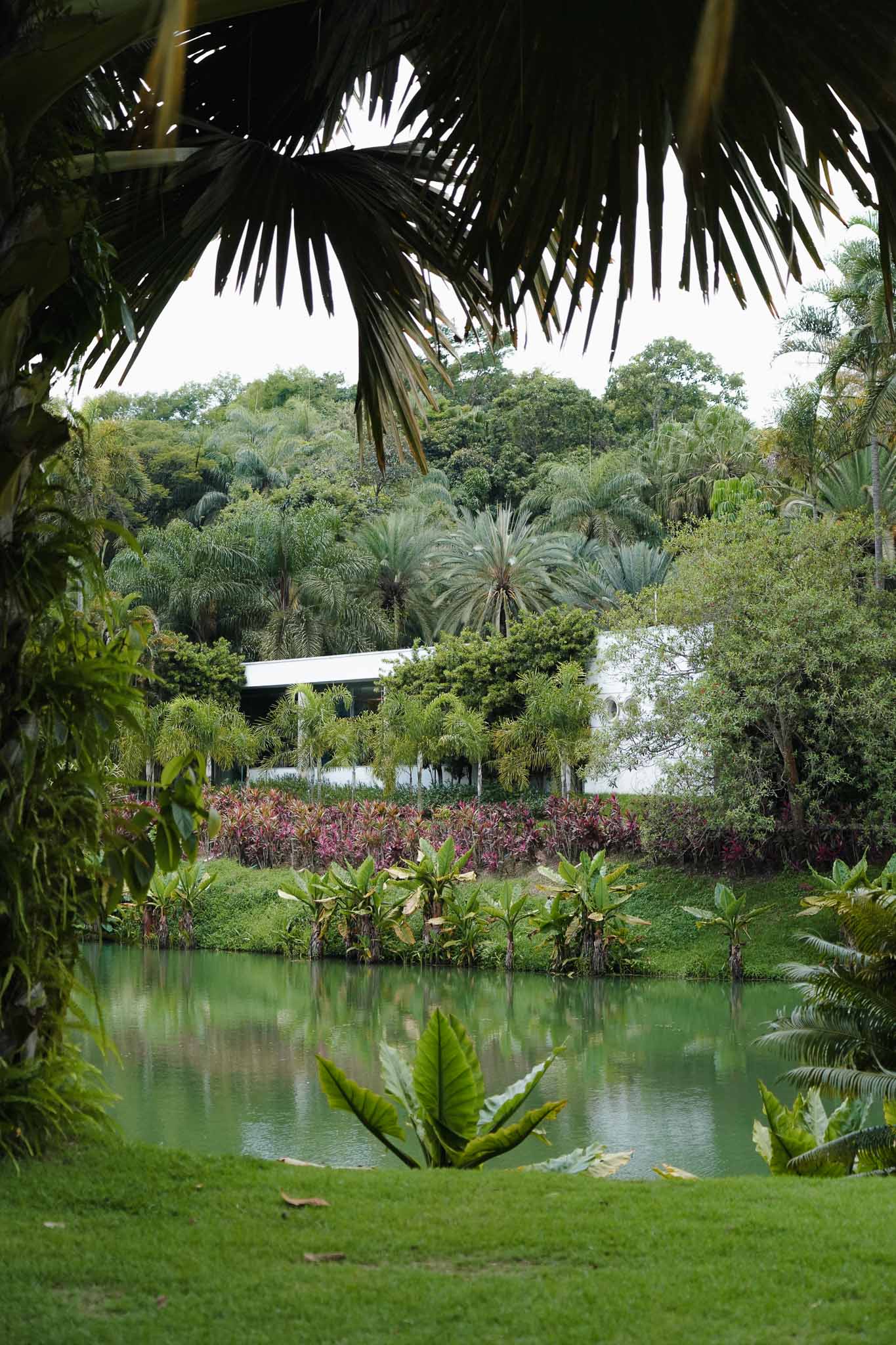
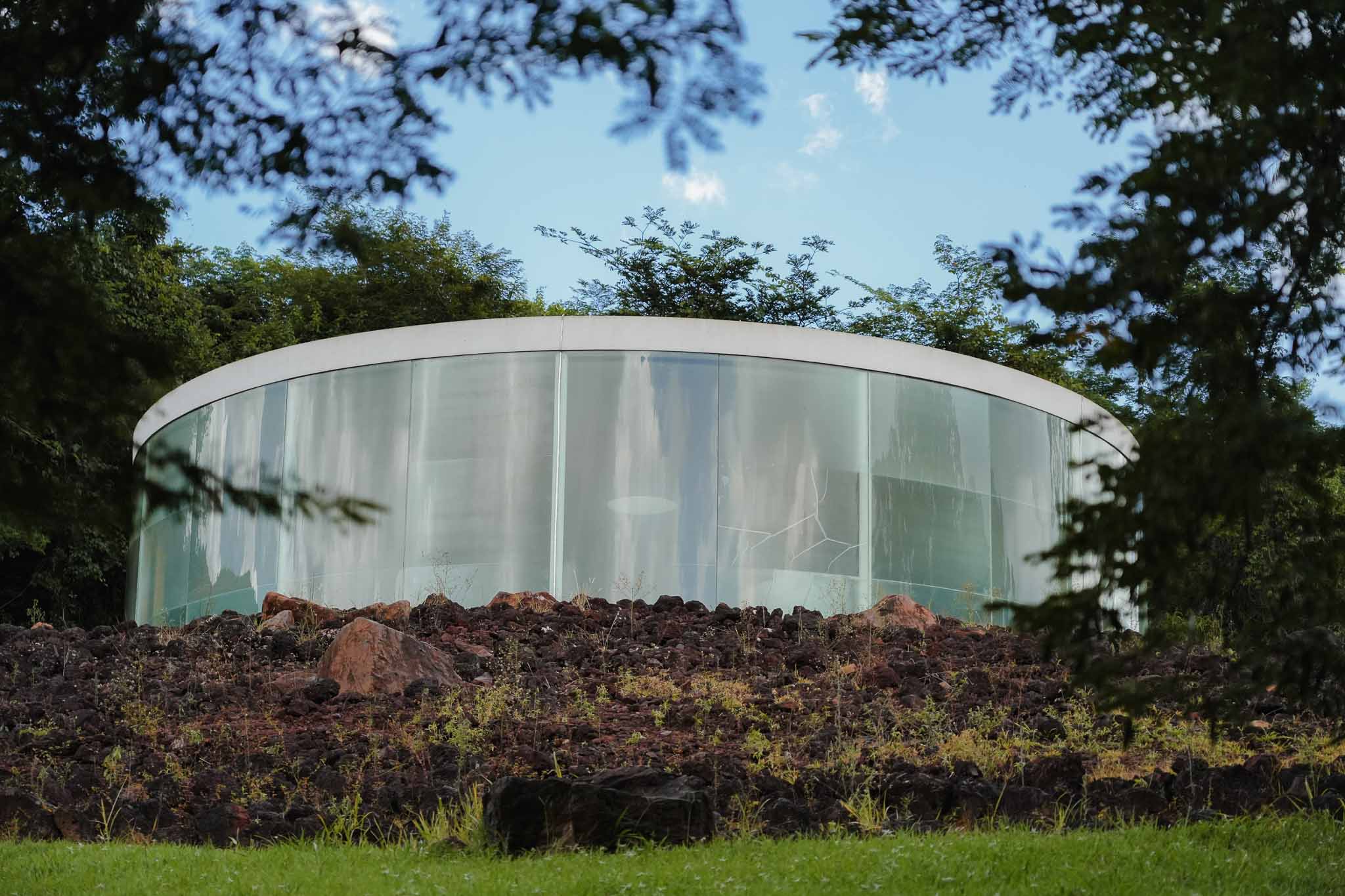
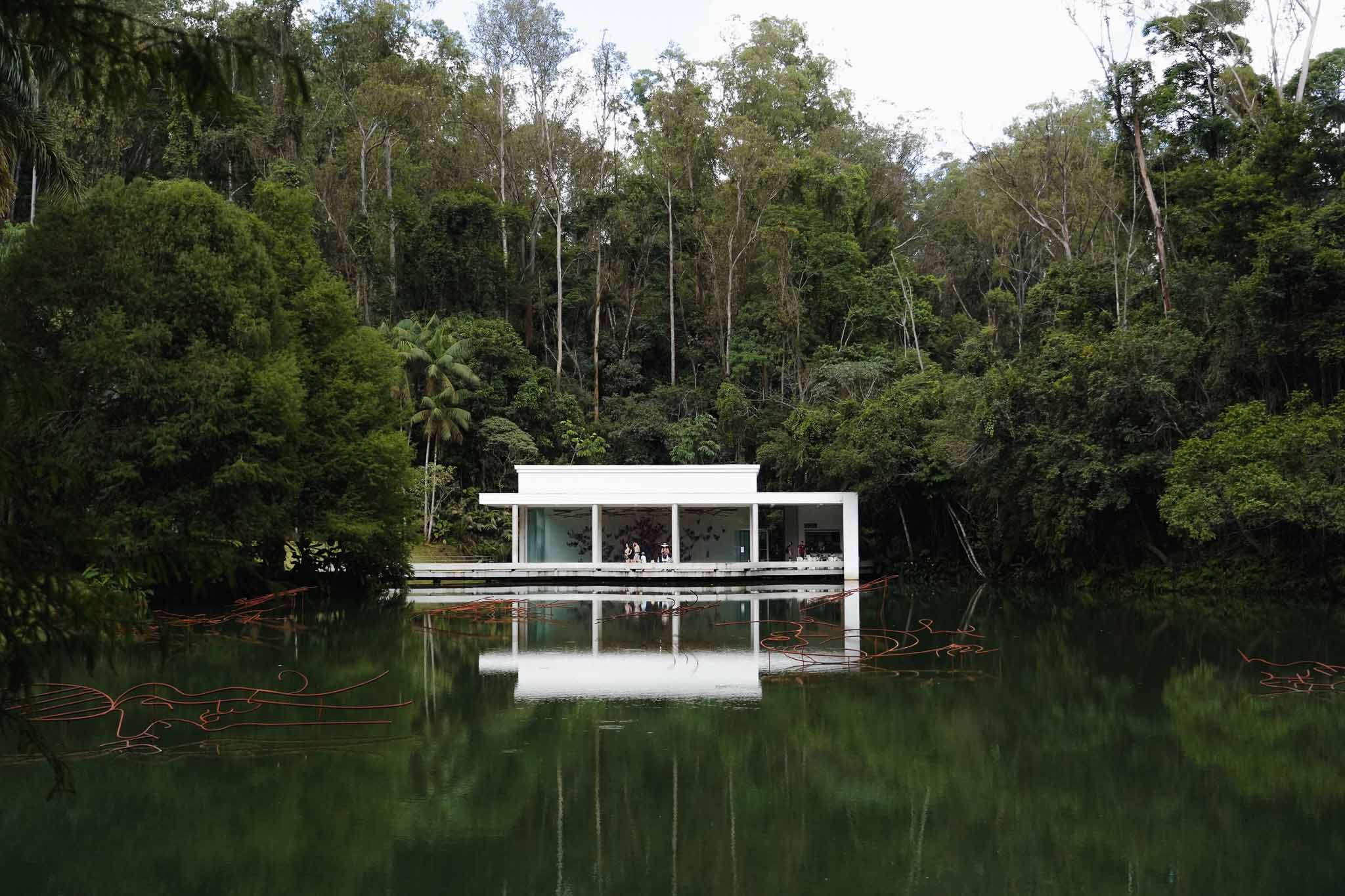
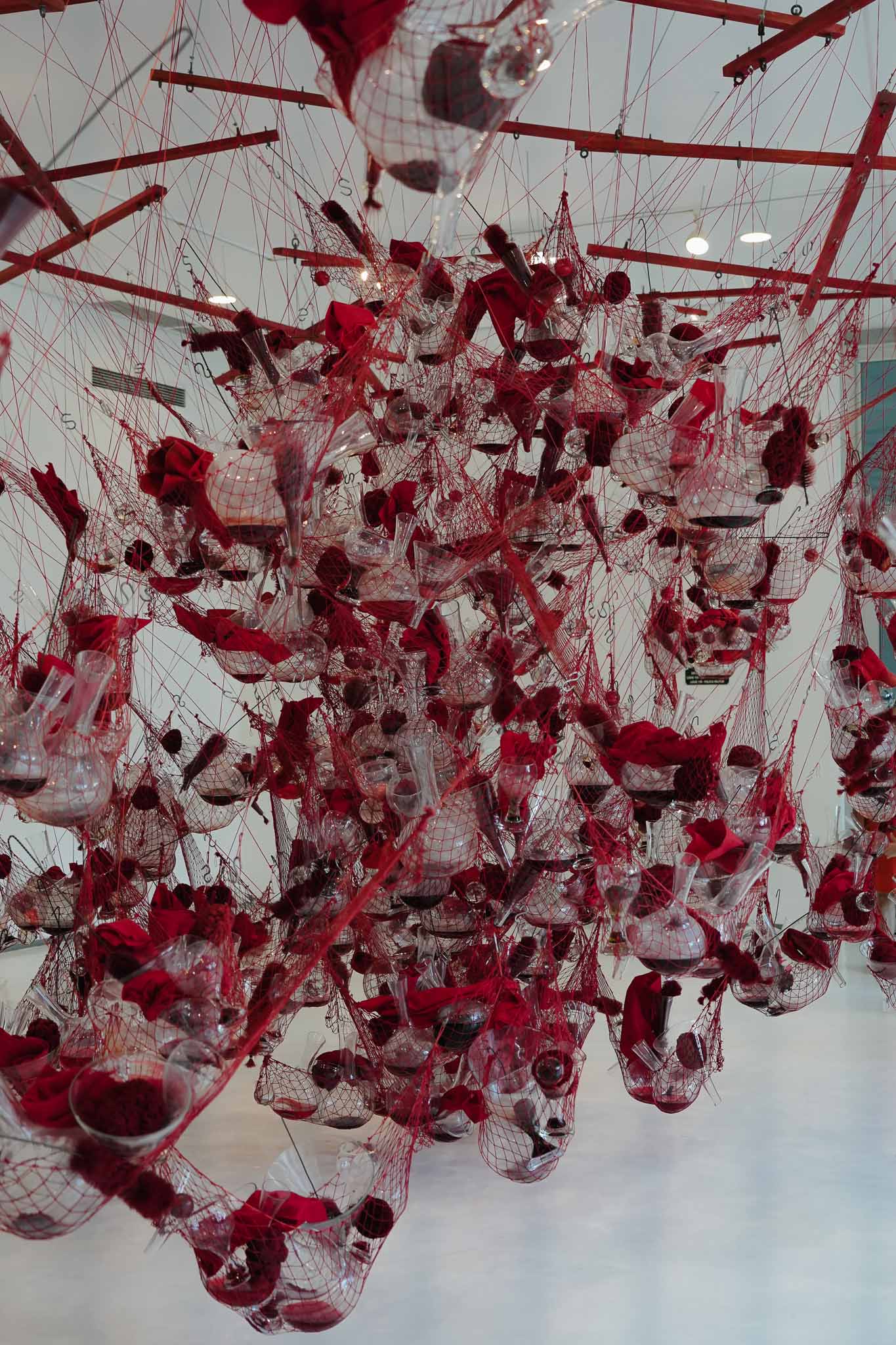
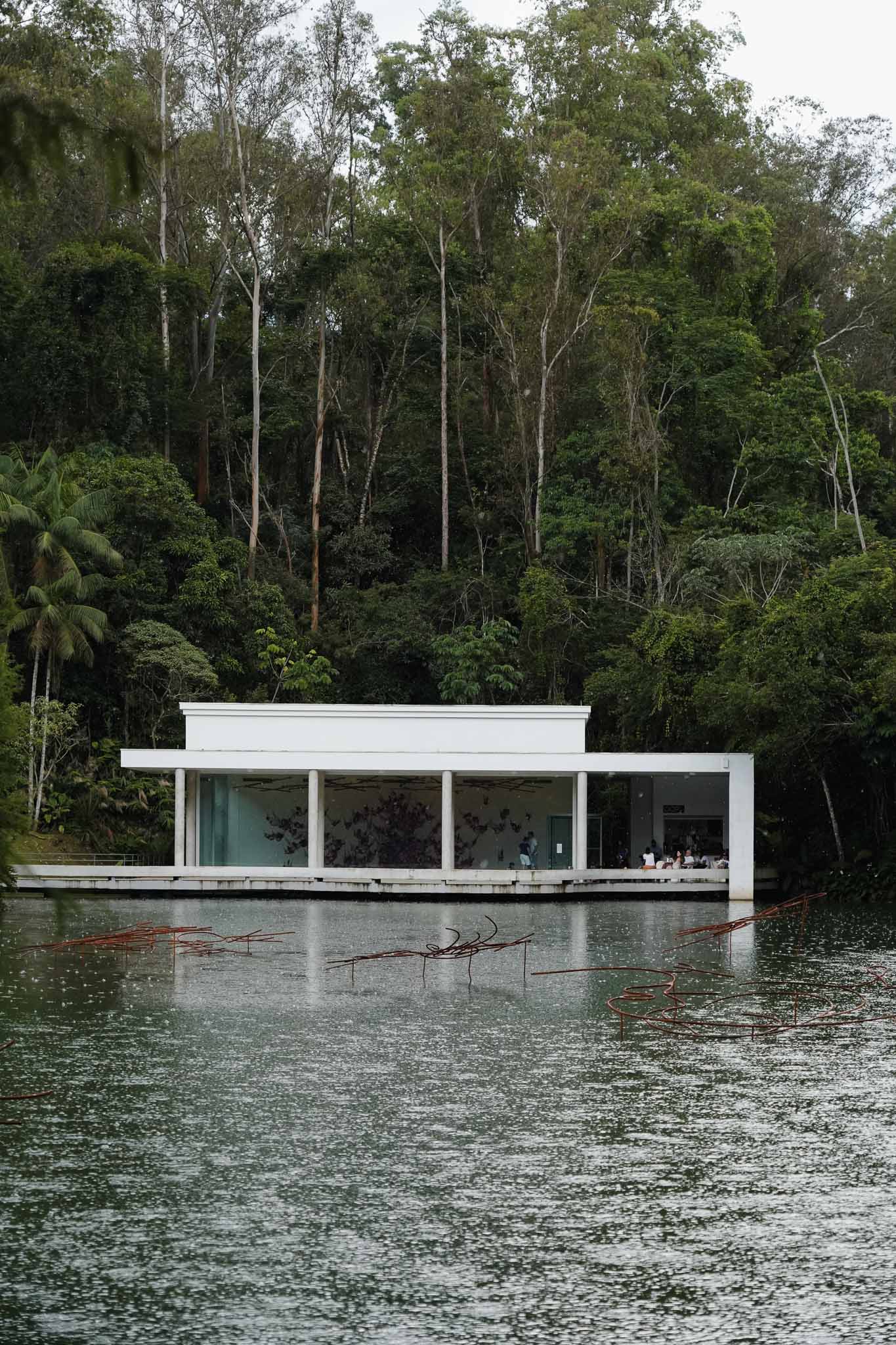
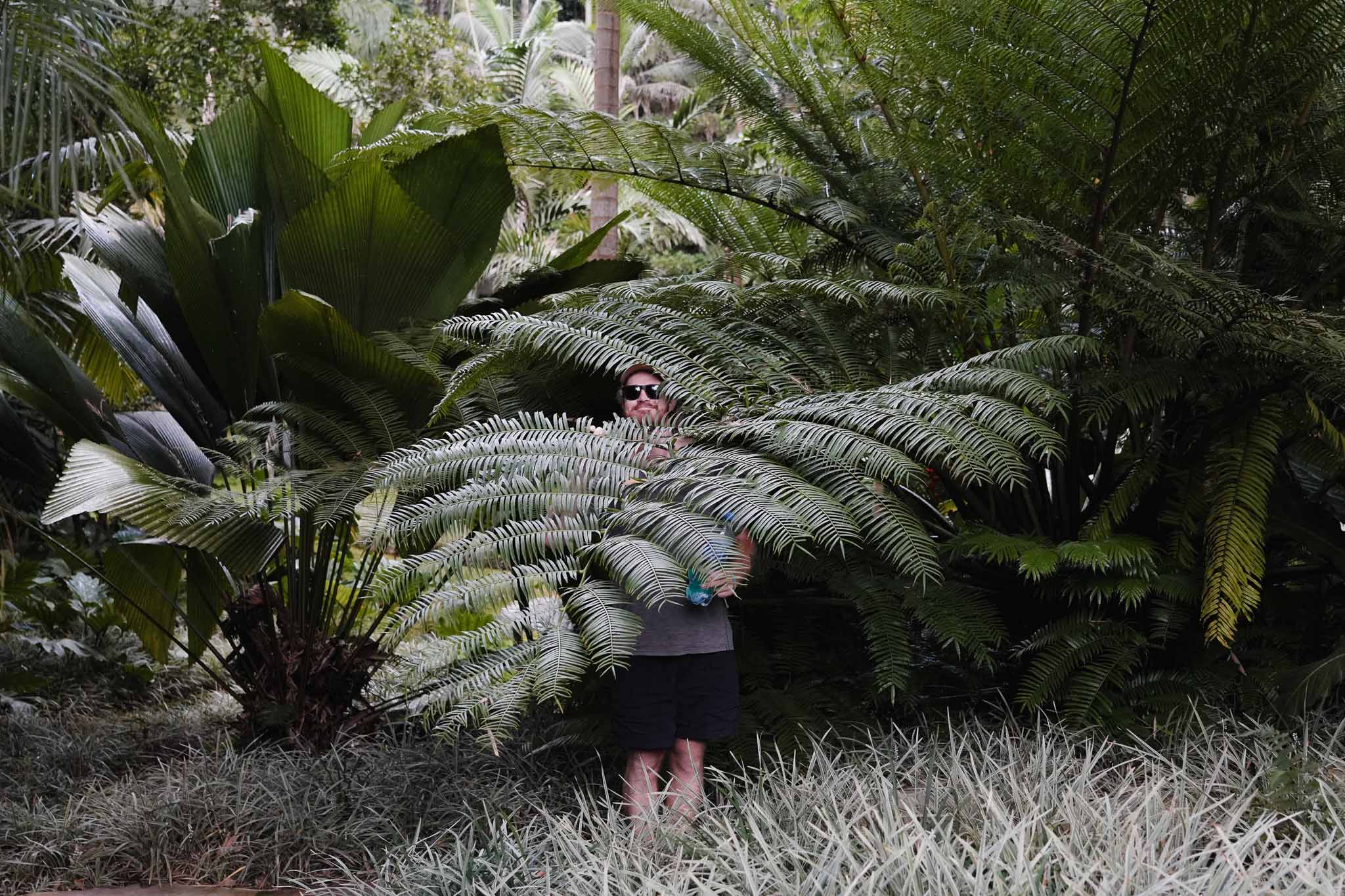
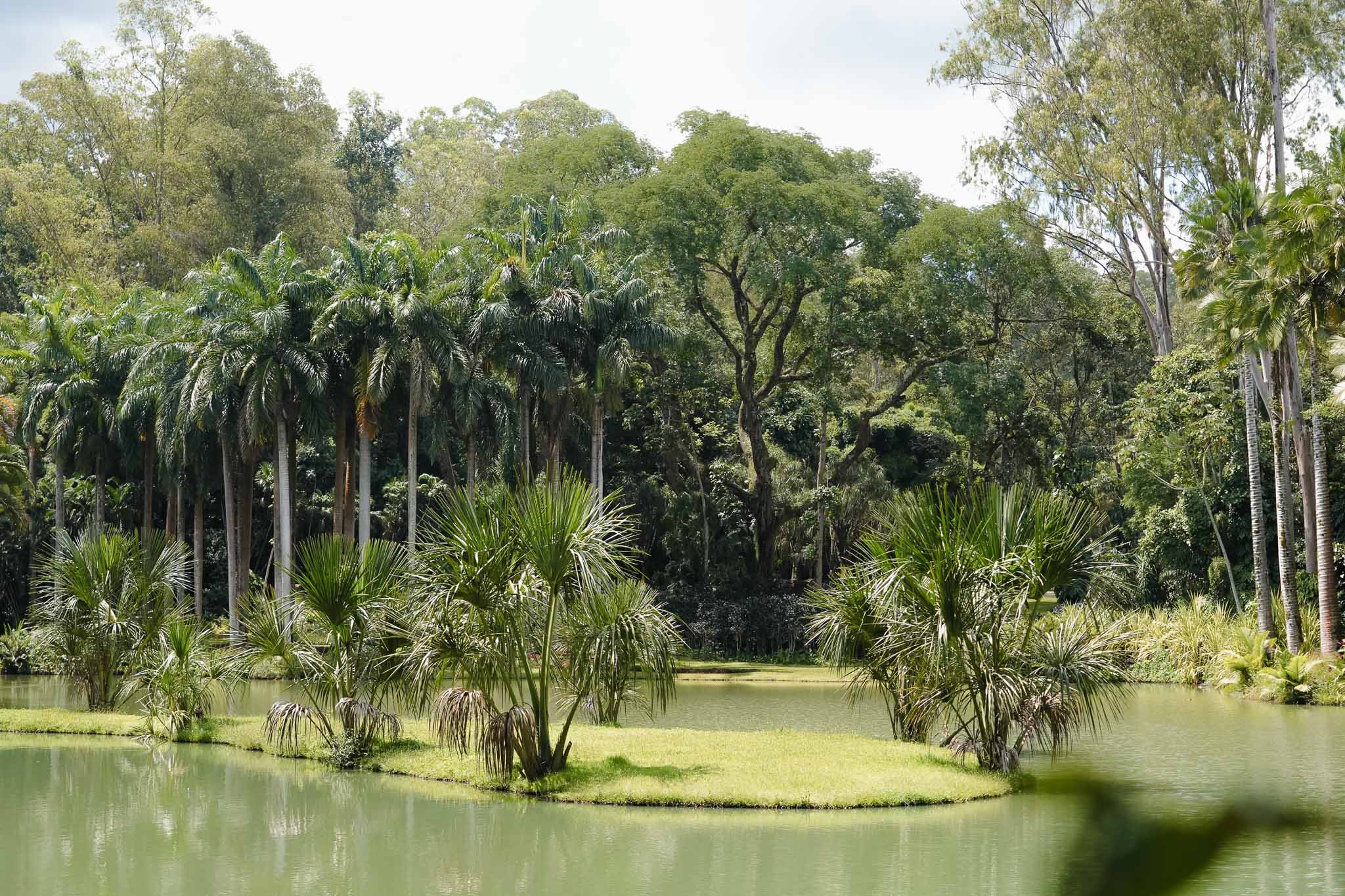
It would have been easy to spend longer in Ouro Preto, sitting around sipping on good cups of coffee and gazing out over the beautiful architecture, but we thought it best to get a move on to our next destination, a three hour bus ride and an hour and a half Uber ride away to a small town called Brumadinho. Due to a dam that broke in 2019 and pretty much destroyed the entire town, Brumadinho was nothing like where we’d just come from. All the buildings were new and there was no real charm about the place, and really there is no reason to ever come here unless you’re visiting Inhotim. Opened in 2006, Inhotim is one of the largest open air art museums in Latin America, spread over 5000 acres of beautiful botanical gardens. It’s recommended to spend at least 2 days walking around the museum to see all of its 700 contemporary art installations, which sounds like a mammoth effort, and it was, but it was a lot of fun.
The hotel we were staying at in Brumadinho was run by the attached barber shop, so I took this opportunity to get my face cleaned up, which turned out to be a highly stressful experience. The young bloke running the barber shop/hotel thought it was the coolest thing in the world to have a gringo in his shop, and I don’t know how many instagram videos he took during the hour that he had me seated in the chair. He would ask me questions in Portuguese while he was filming me, and I couldn’t understand all of what he was saying and we were both laughing and I was so embarrassed the whole time and it was really just one of the most awkward barber shop experiences of my life. It was so funny though, he was videocalling his family so I could say hi to them, and his girlfriend came in to meet me, and he posted videos of us on his Facebook page. I felt like a celebrity which was horrifying but it was all a good laugh.
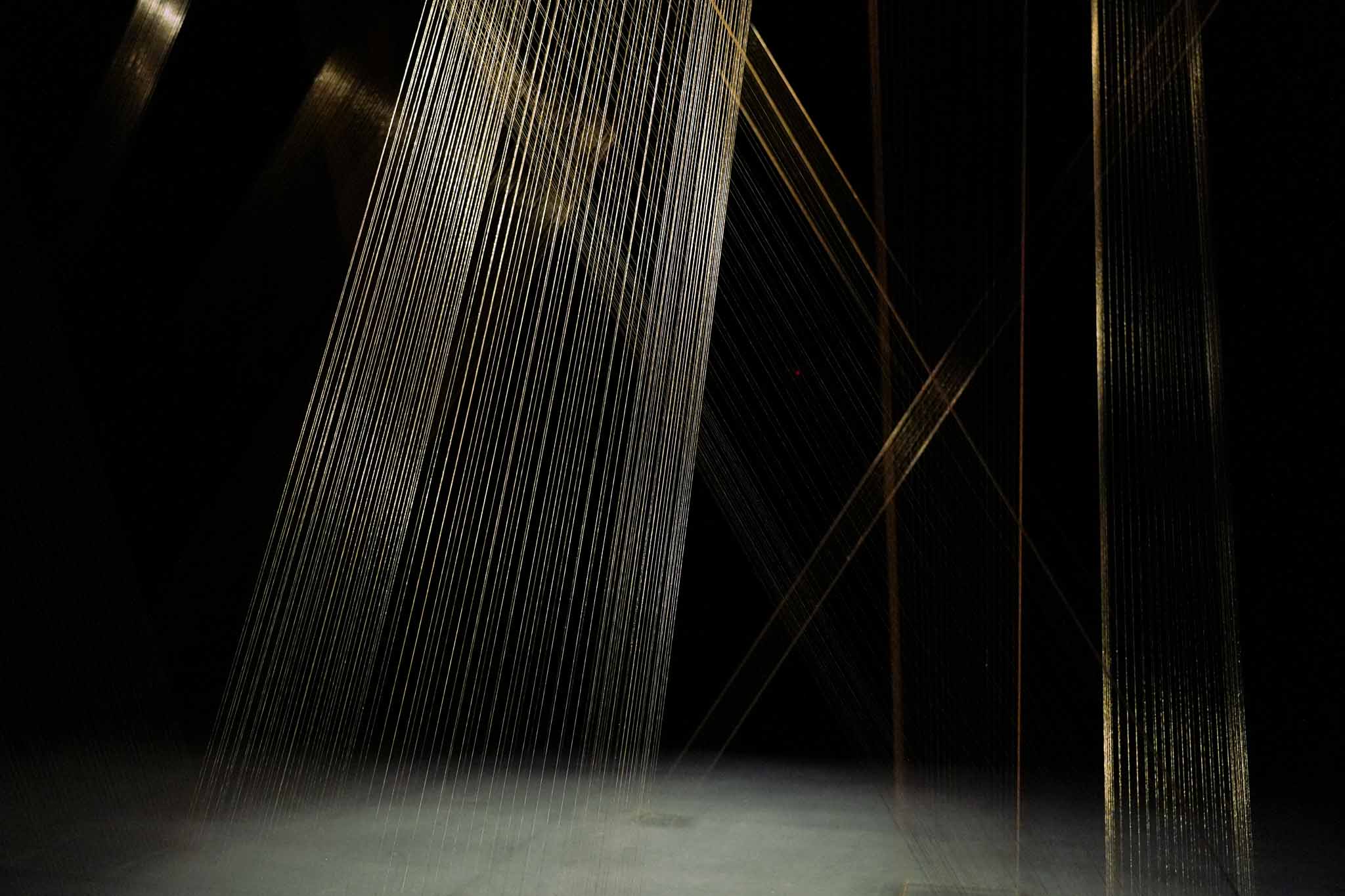
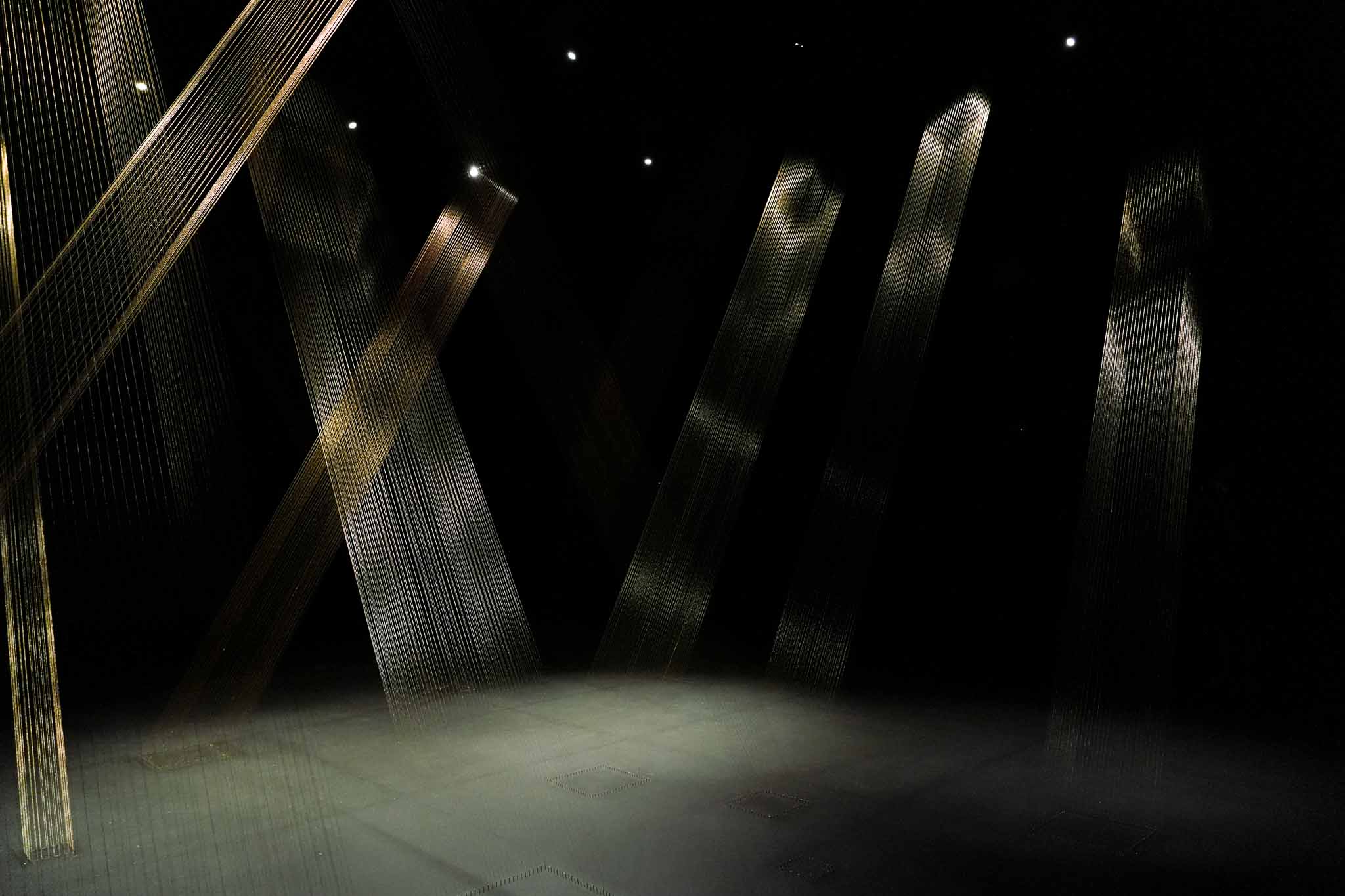
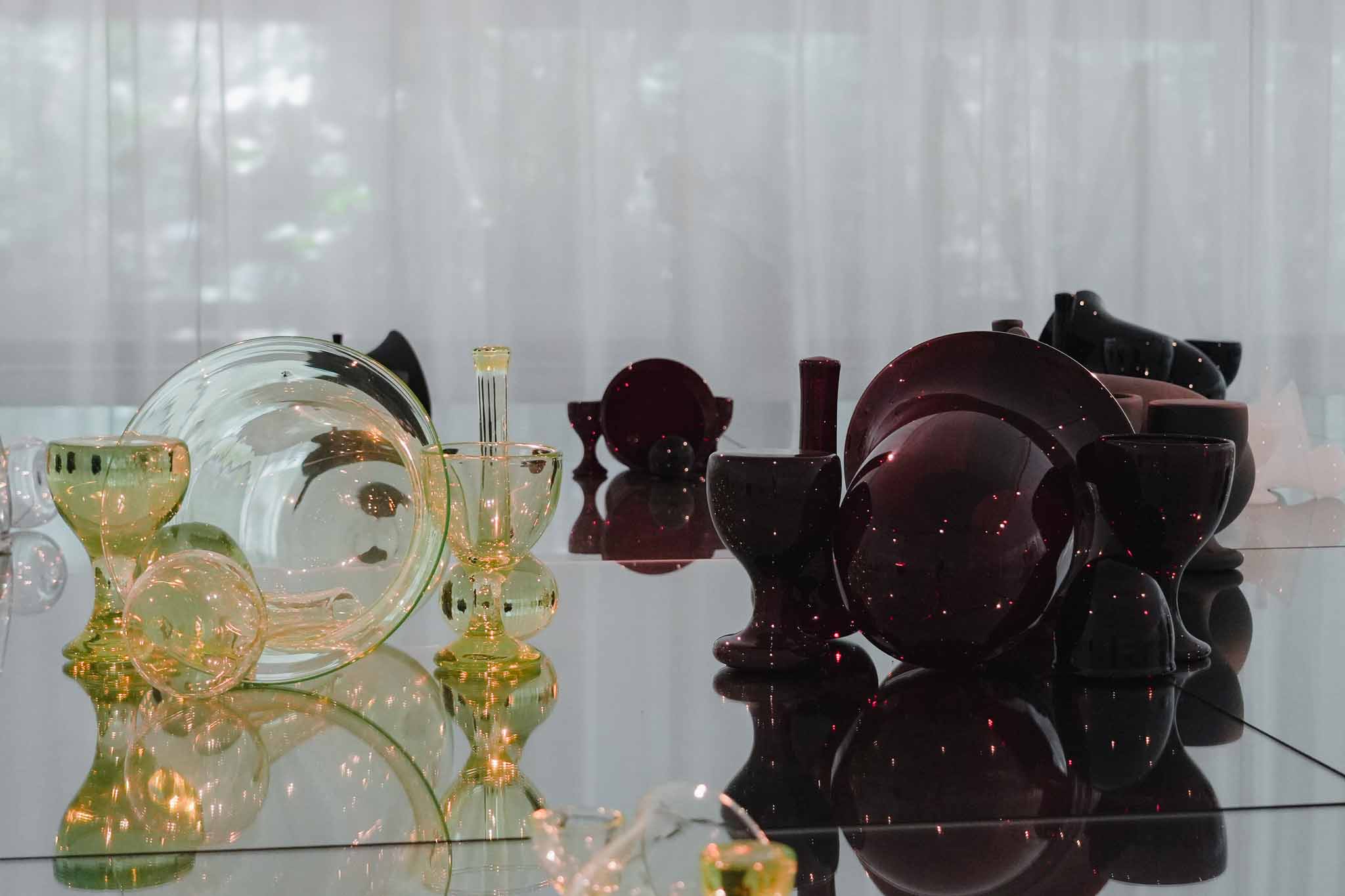
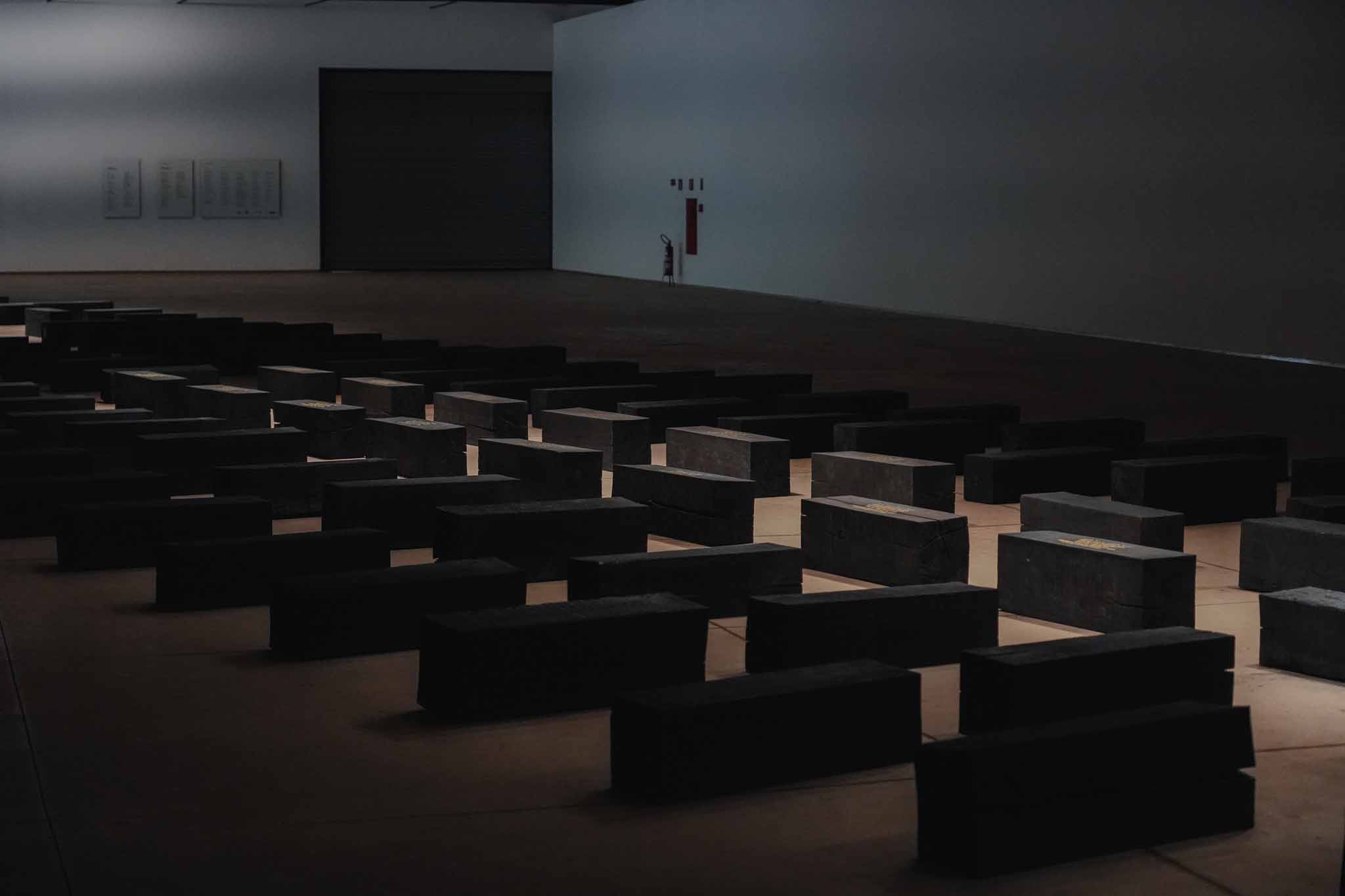
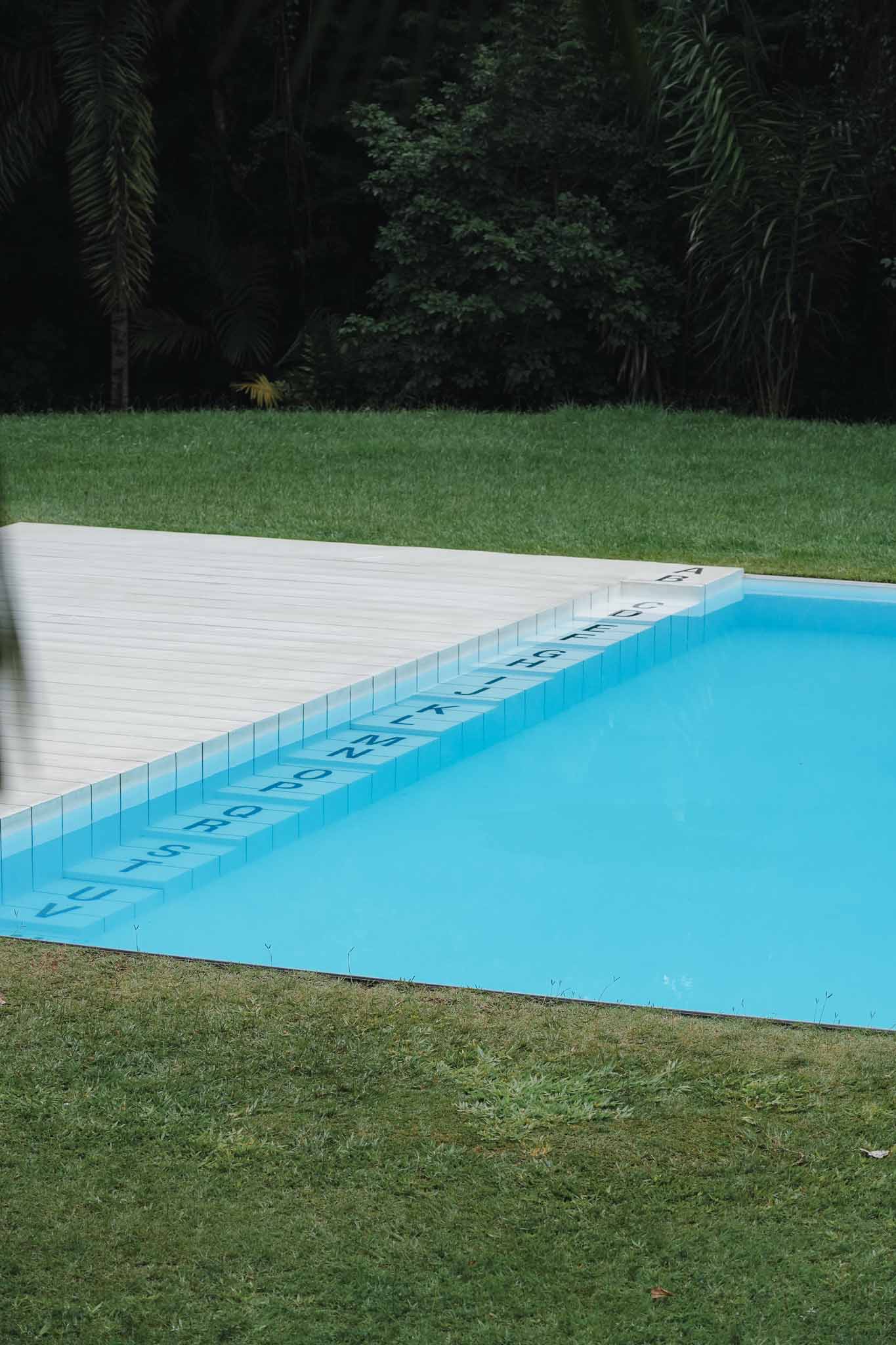
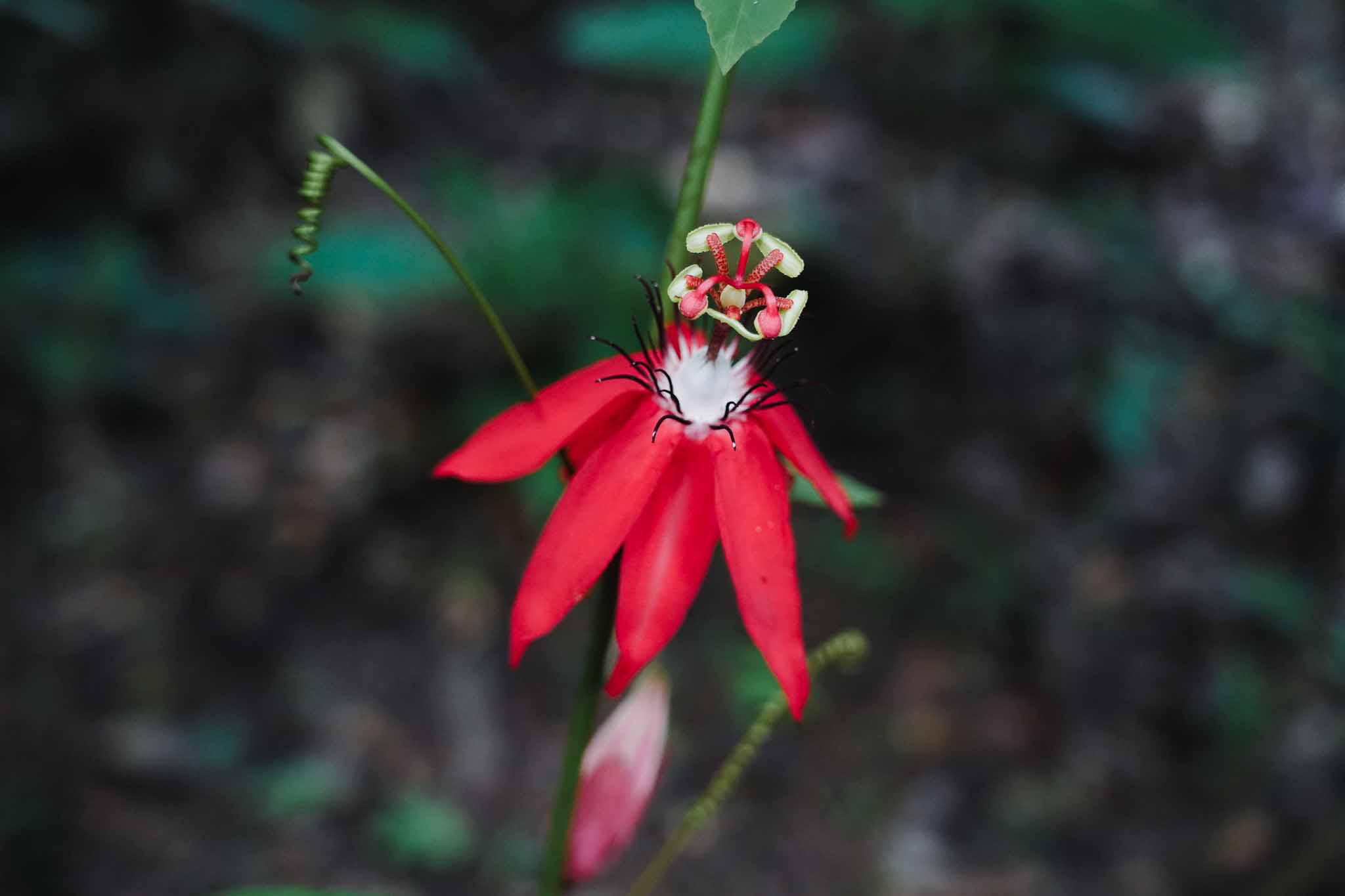
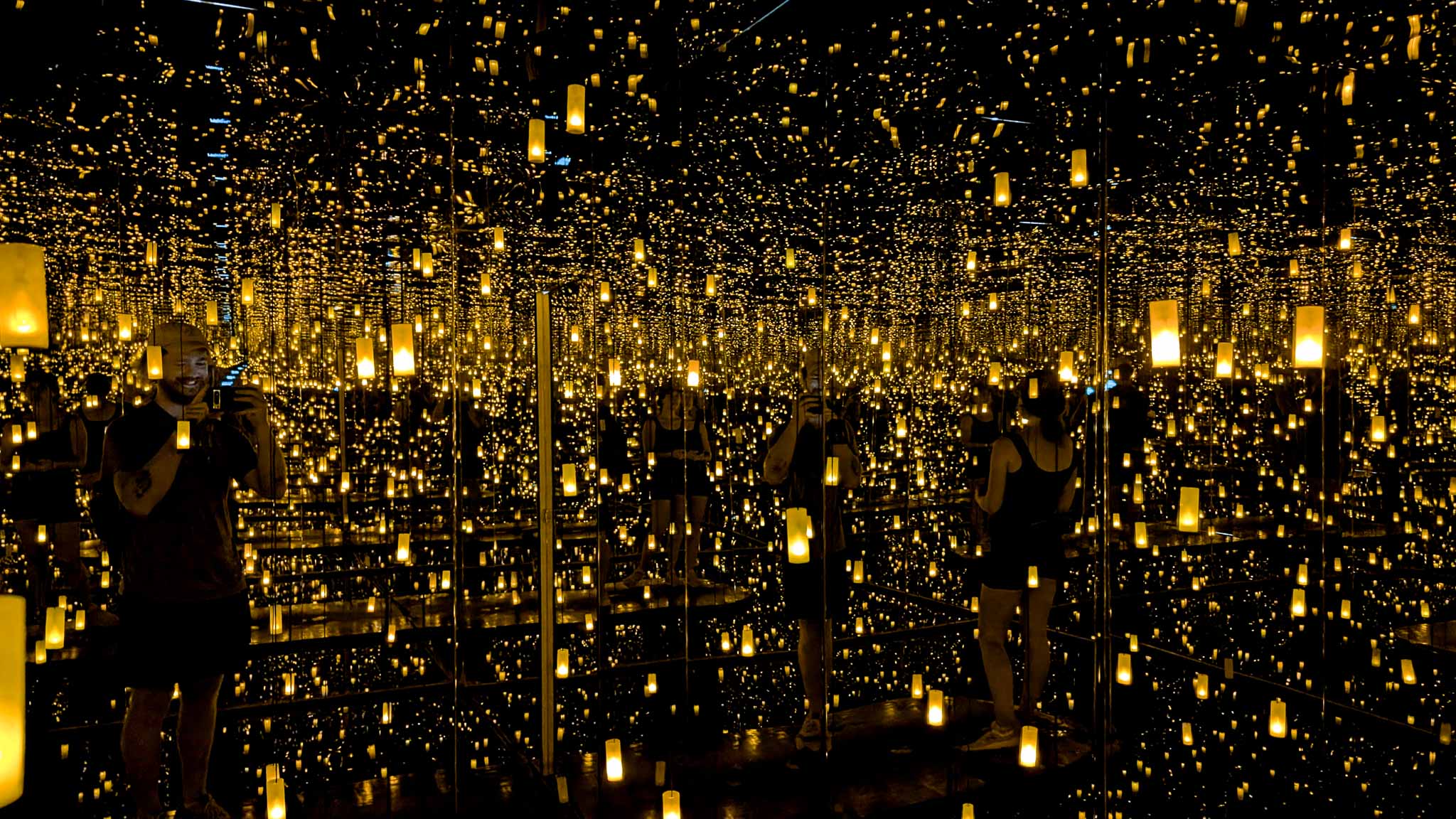
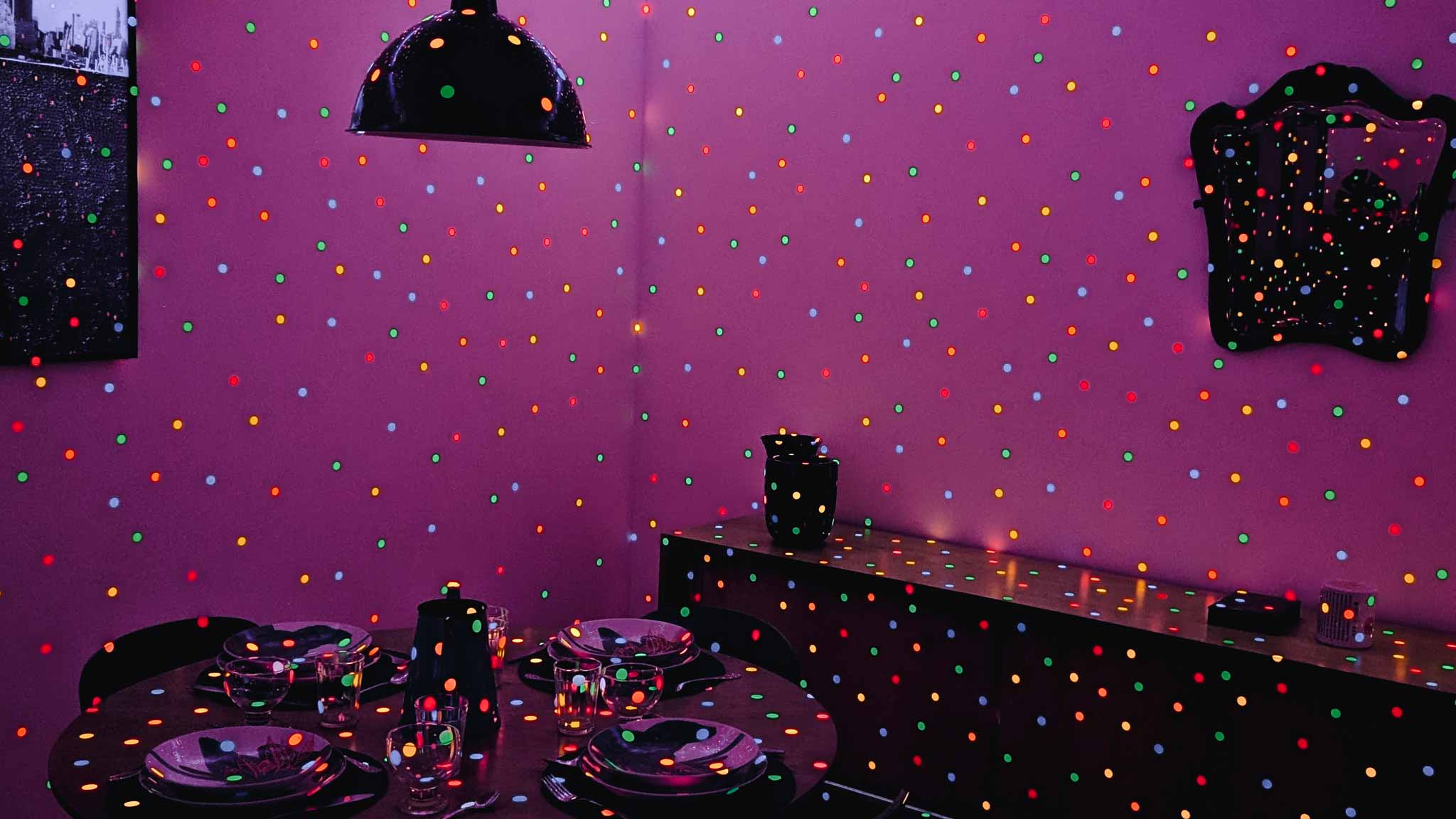
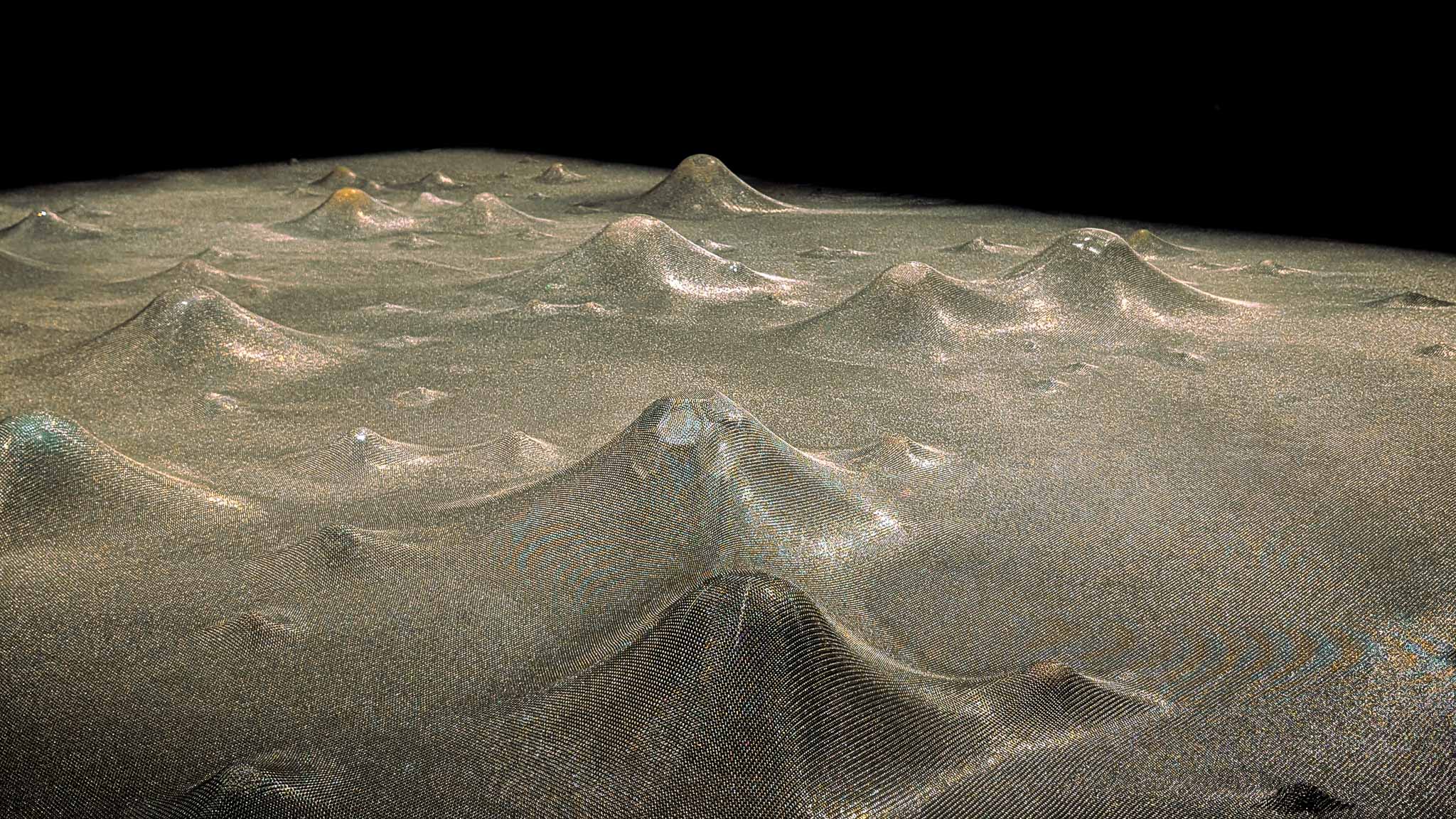
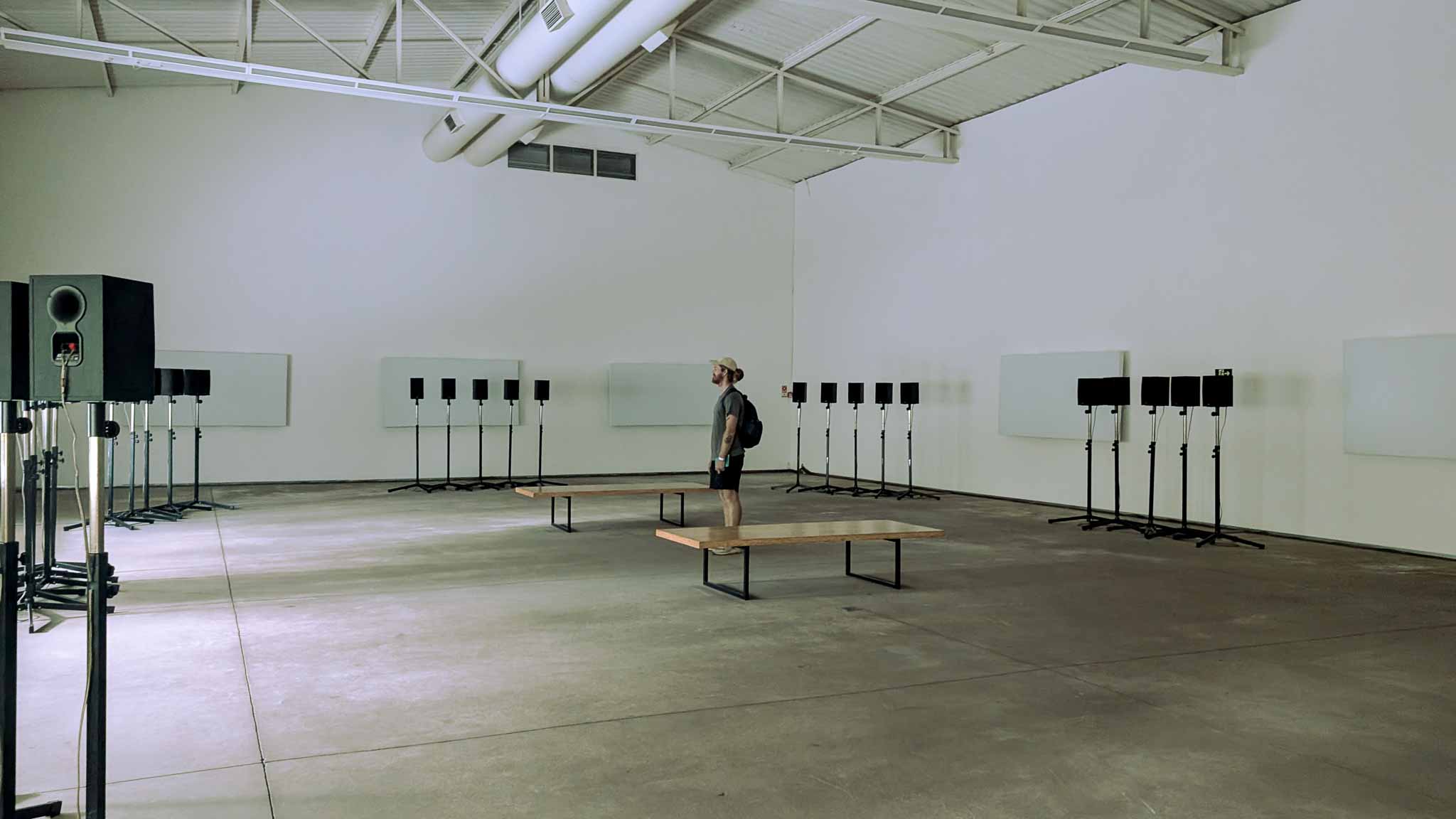
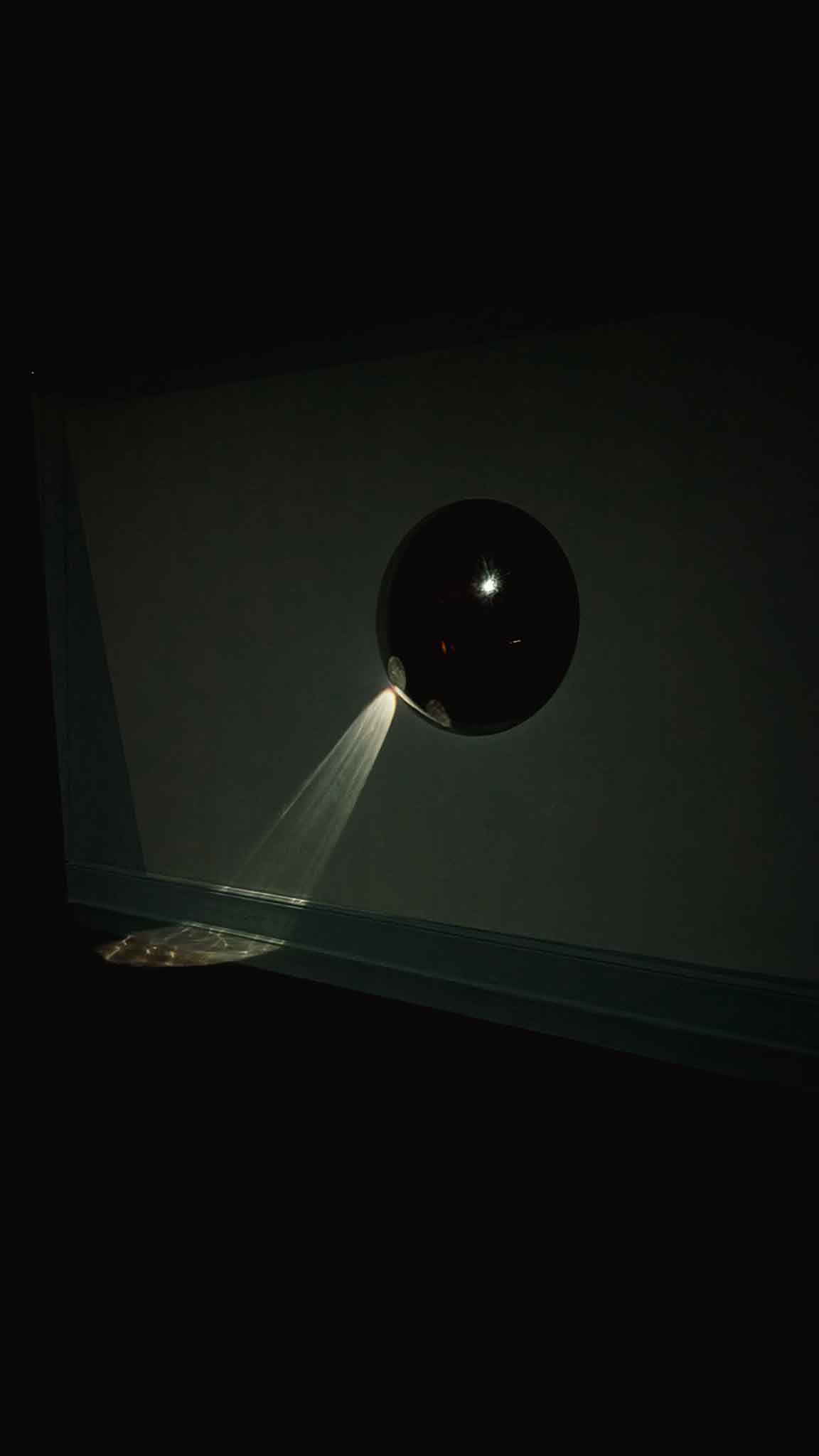
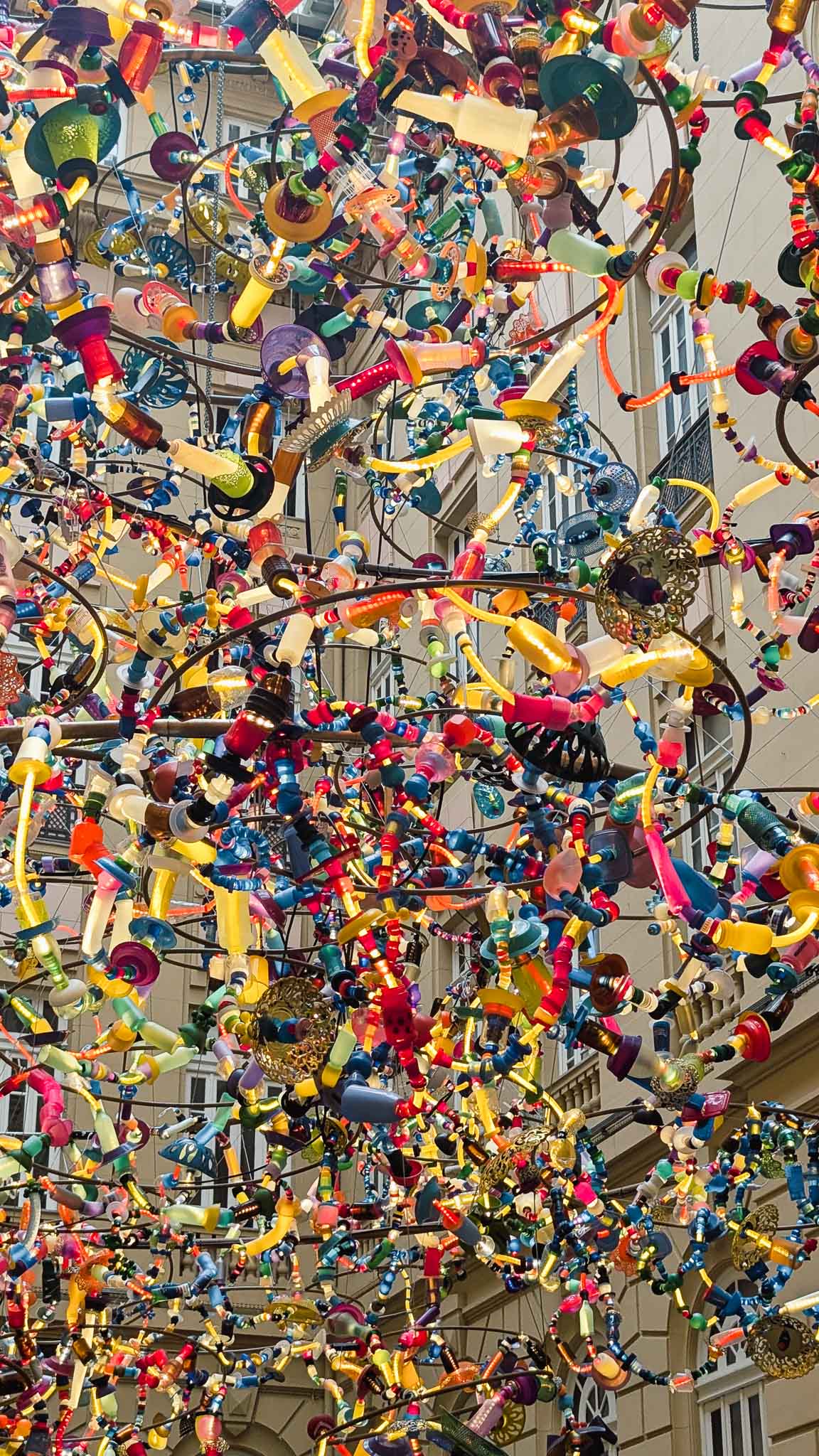
Over the next two days we tackled Inhotim, Rachael still really struggling with some sort of stomach bug. We said we’d just take it easy but we ended up walking 14km through the gardens, stopping off at all the art installations. Some of them were incredible, others were just weird. I really want to be able to appreciate all forms of art but some contemporary stuff I just can’t wrap my head around. Most of the installations we saw were really cool, and often multi dimensional in their artistry, with music, lighting, moving parts and the like, but there were a few really dumb ones. My favourite exhibition was in a huge hall, where 32 speakers around the edges of the room played a choir singing something in Portuguese, but each speaker was one person’s voice. Standing in the middle and hearing different voices sing different parts from different directions in the room was a really cool experience.
We went out for dinner to a restaurant with really good reviews, a short taxi ride from us in Brumadinho, and I was beyond excited for my first ridizio experience. A Brazilian rodizio is a restaurant where you pay a fixed price and the waitstaff will keep bringing you all sorts of delicious grilled meats for as long as you want. You couldn’t even begin to imagine my disappointment when we turned up to the restaurant and we were the only two people there, and they obviously weren’t doing a rodizio that night. I can’t remember what I ate but nothing would have satiated my deep hunger for unlimited grilled meats.
I was in luck though, as the following day we set off for the capital city of Minas Gerais called Belo Horizonte, Beautiful Horizon, which is one of the top destinations in the country for foodies. It’s also the bar capital of Brazil with over 14,000 bars and pubs, more per capita than any other city in the country. We stayed at a really good hostel with a great vibe, ran by a great Brazilian guy called Tulio who made us feel very welcome. He was happy for me to practice my Portuguese by means of using Spanish as a mid-ground between us, and he also helped us with recommendations in the city and planning the next few stops on our trip. The hostel had a beautiful, big old labrador who walked around with a big pair of butterfly wings on her back at all times which was adorable.
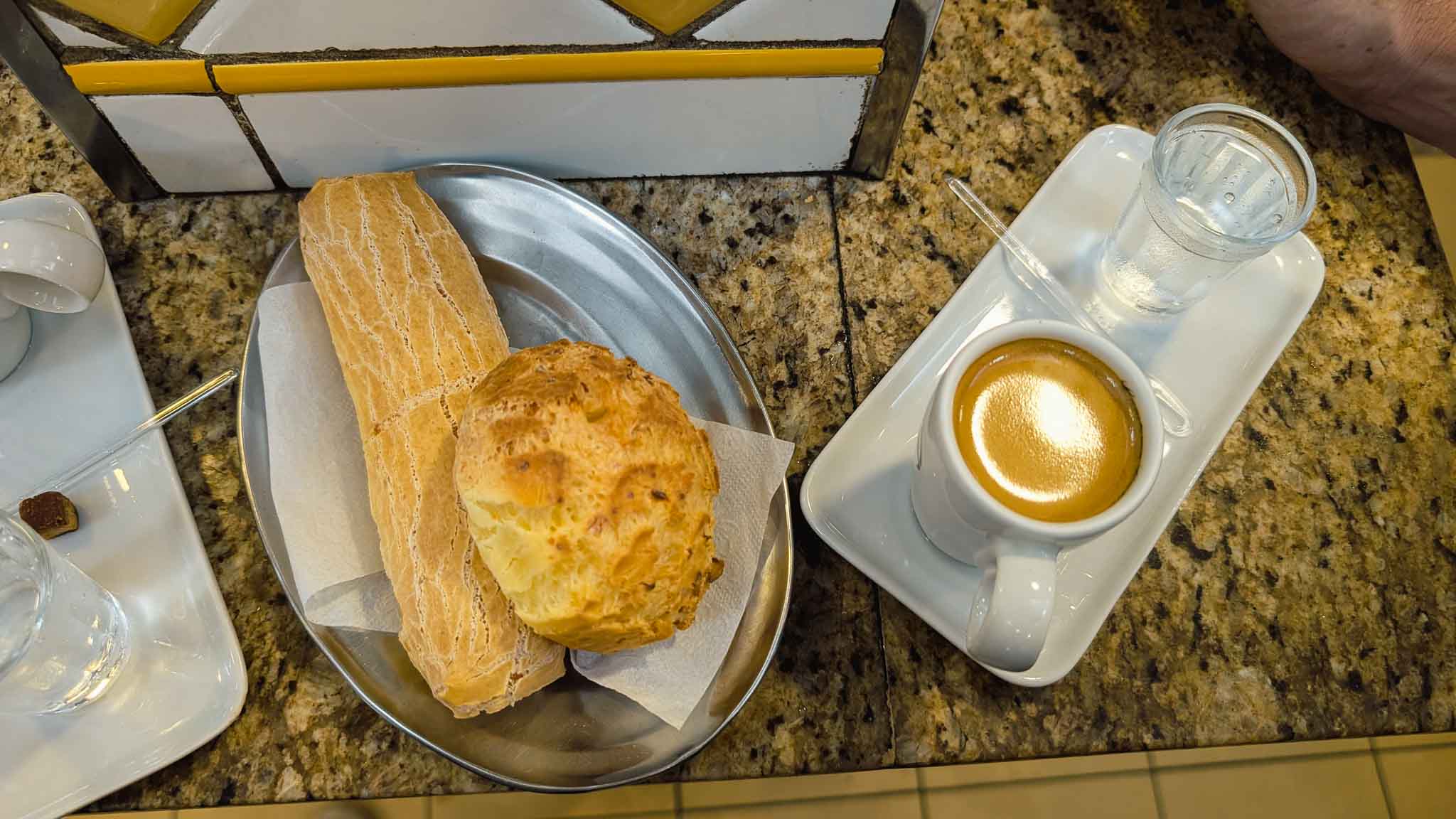
We visited probably my absolute favourite market in all of Latin America in Belo, where all sorts of small shops sold an incredible array of all things edible. I did some research before we arrived and found that Anthony Bourdain shot an episode of Parts Unknown in Belo, and visited several places inside the central market, so obviously we had to check them out. Our first stop was a small café that served up very strong shots of coffee served with soda water, but the main attraction was the pão de queijo, the cheese bread. These little balls of baked cheesy goodness are a Minas Gerais original recipe, and are such a delicious snack. After trying these here, it was nearly impossible to not buy them every time we’d pass them for the remainder of our time in Brazil. They’re made with tapioca flour, which results in a crispy exterior and a light, fluffy yet cheesy interior. Best of all, they’re dirt cheap and sold pretty much everywhere. I have no idea how many we ate over two months, but it wasn’t nearly enough. This is definitely something I’ll be making at home.
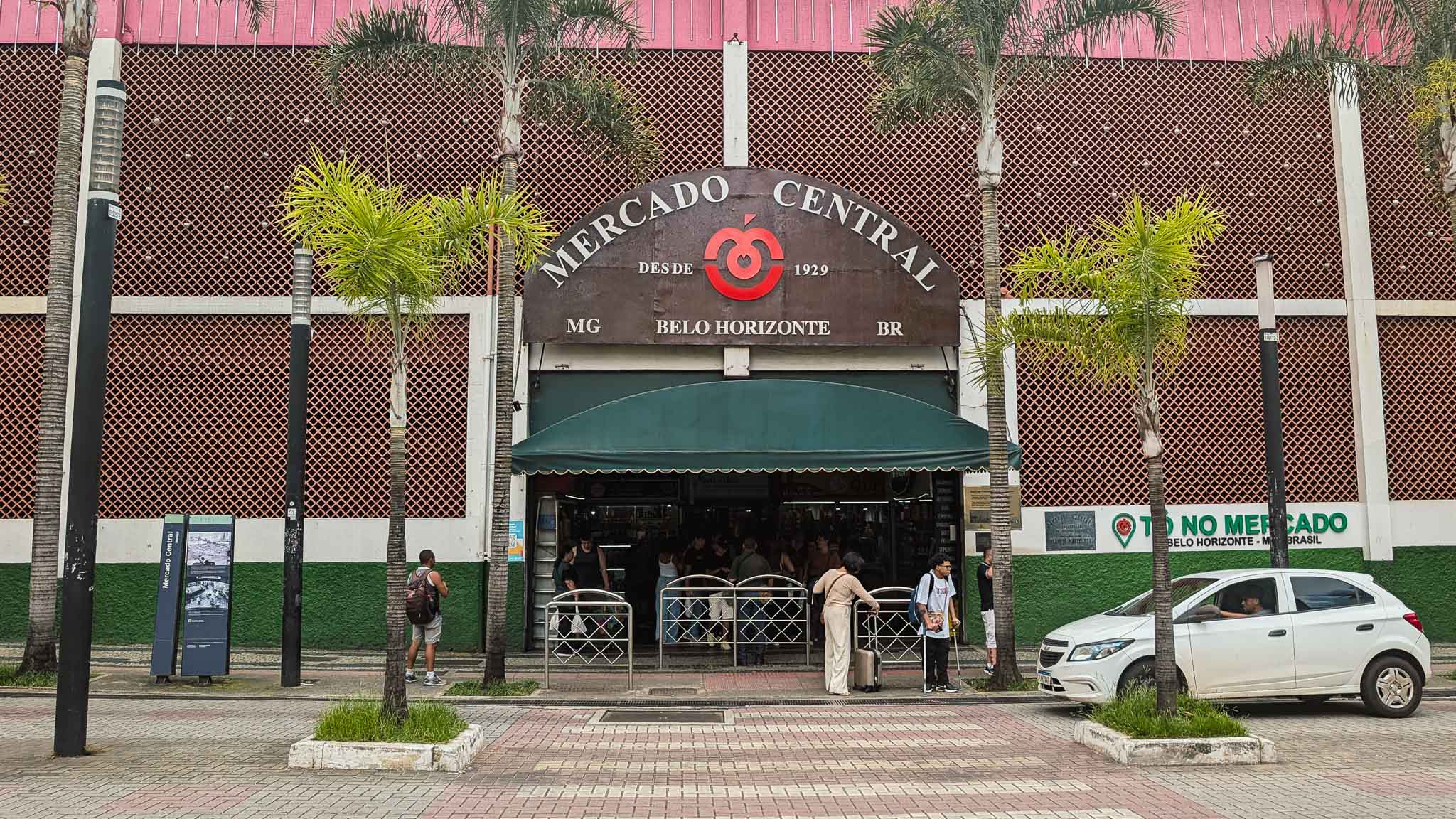
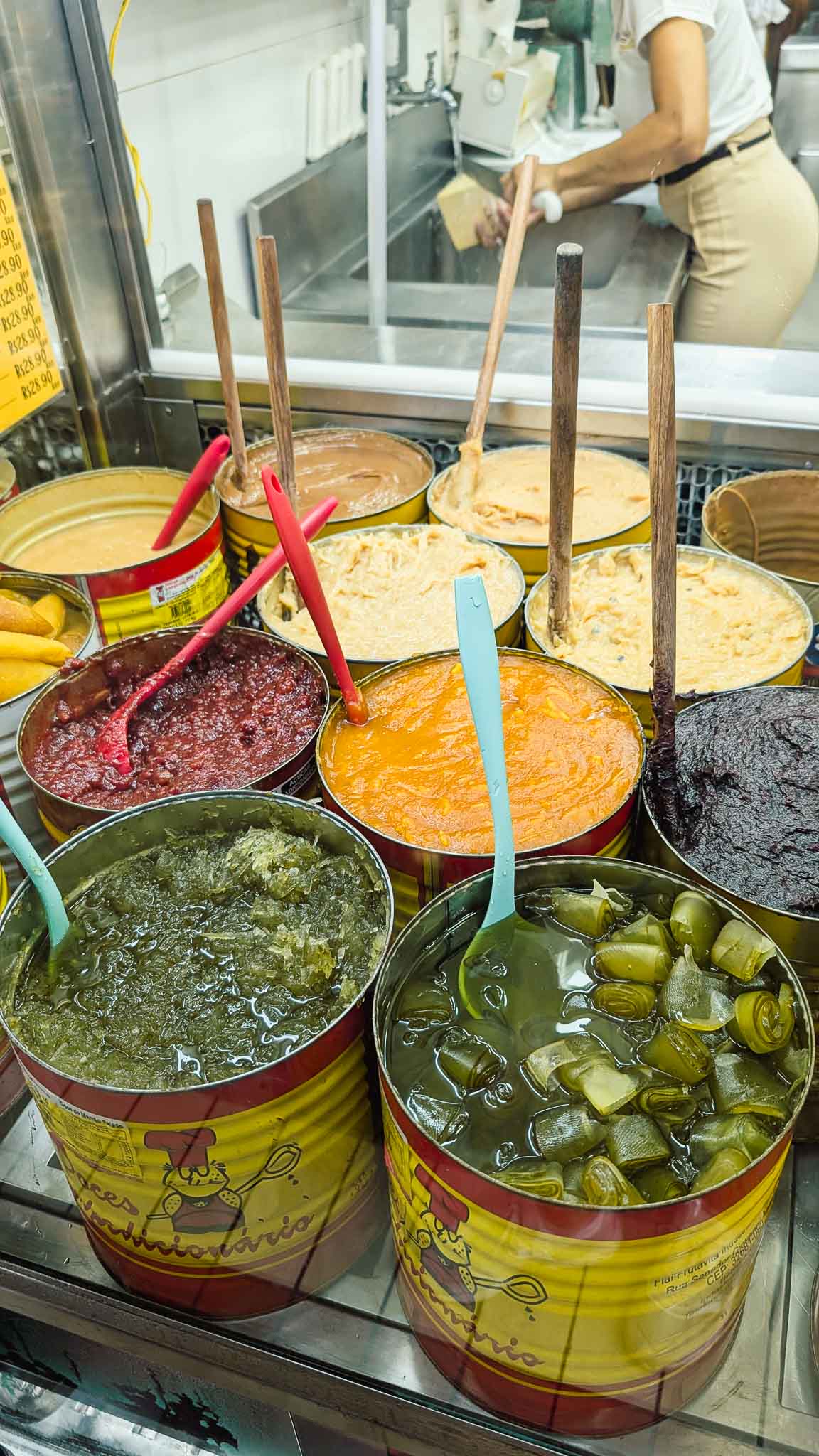
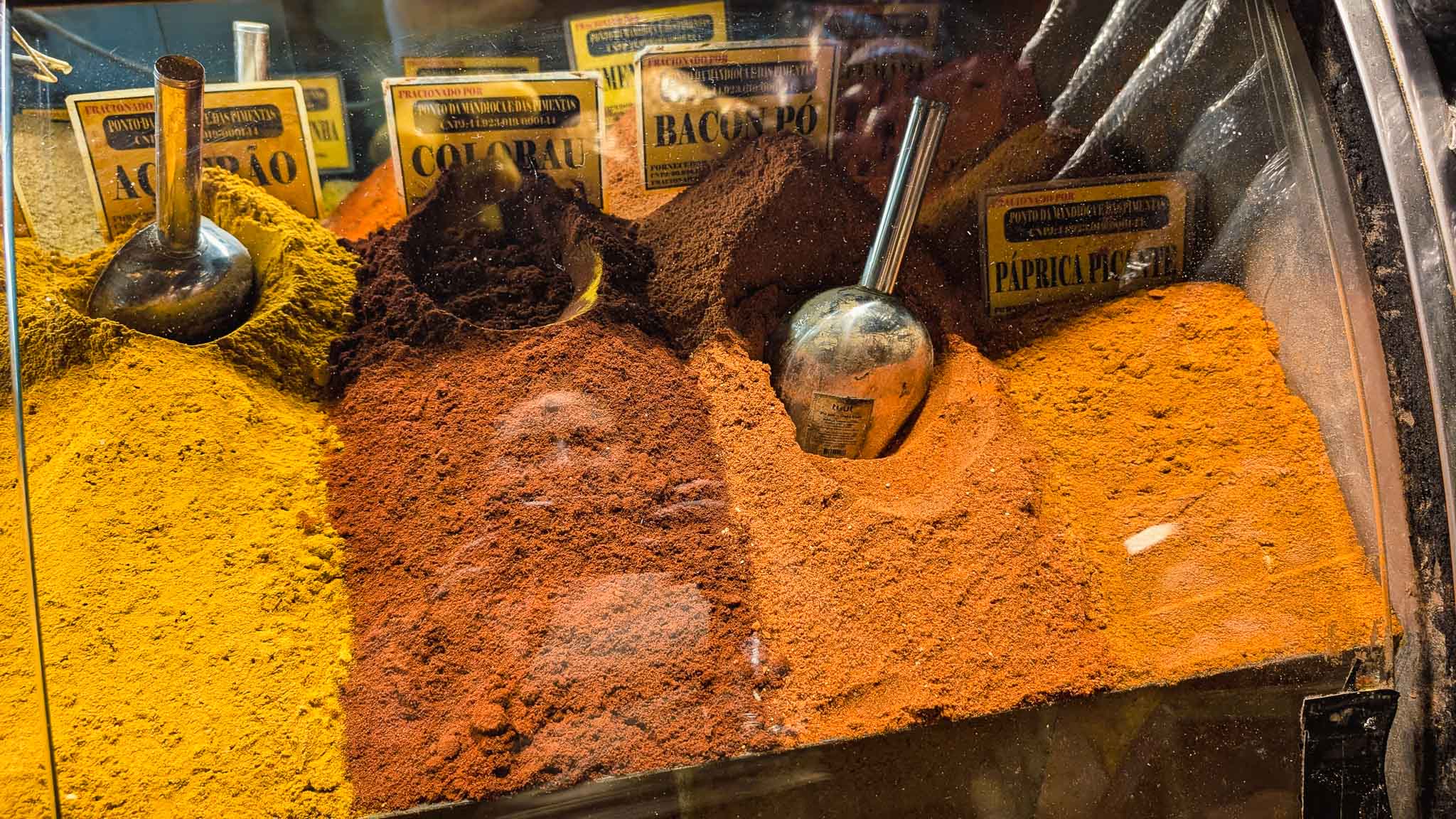
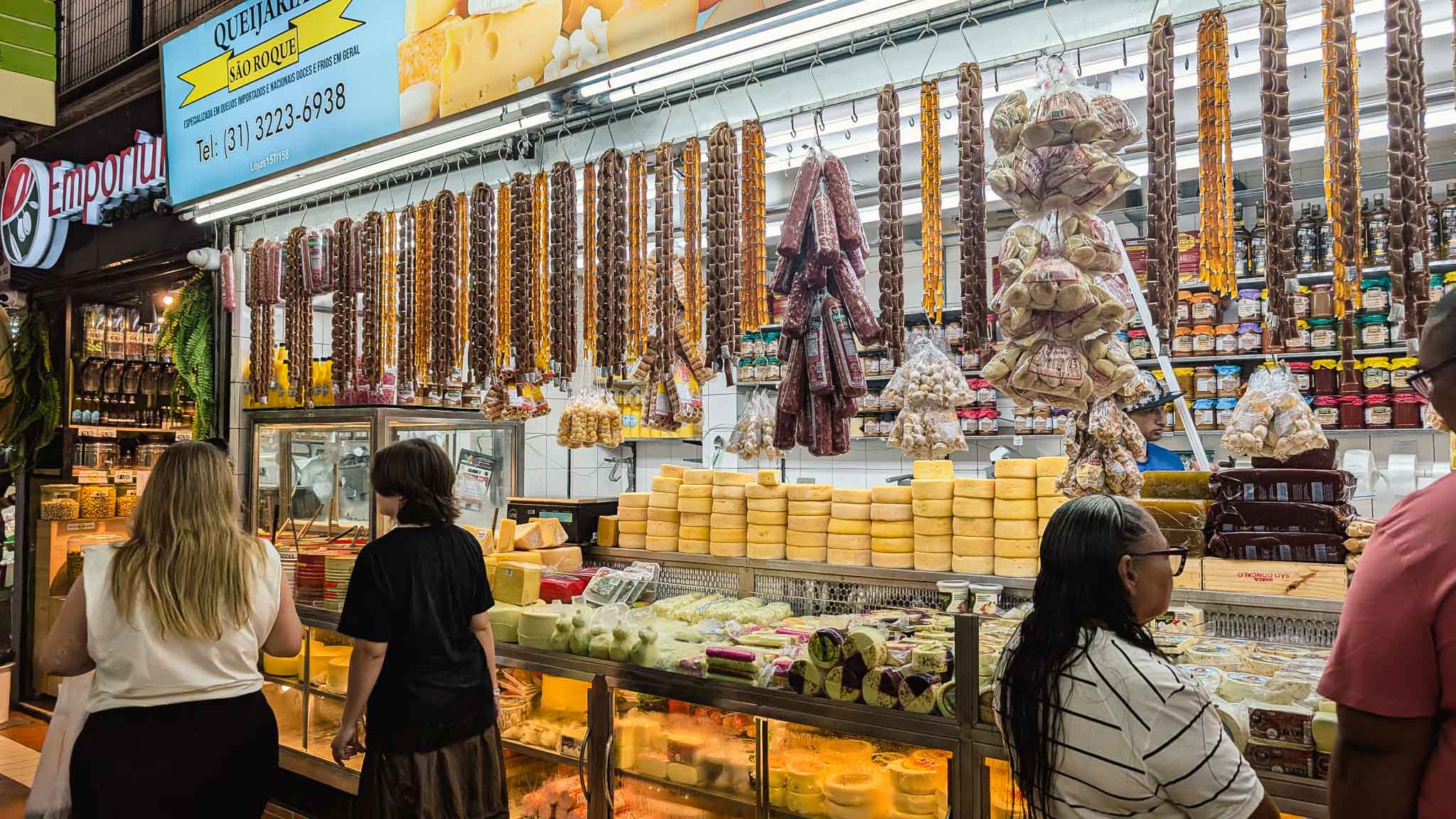
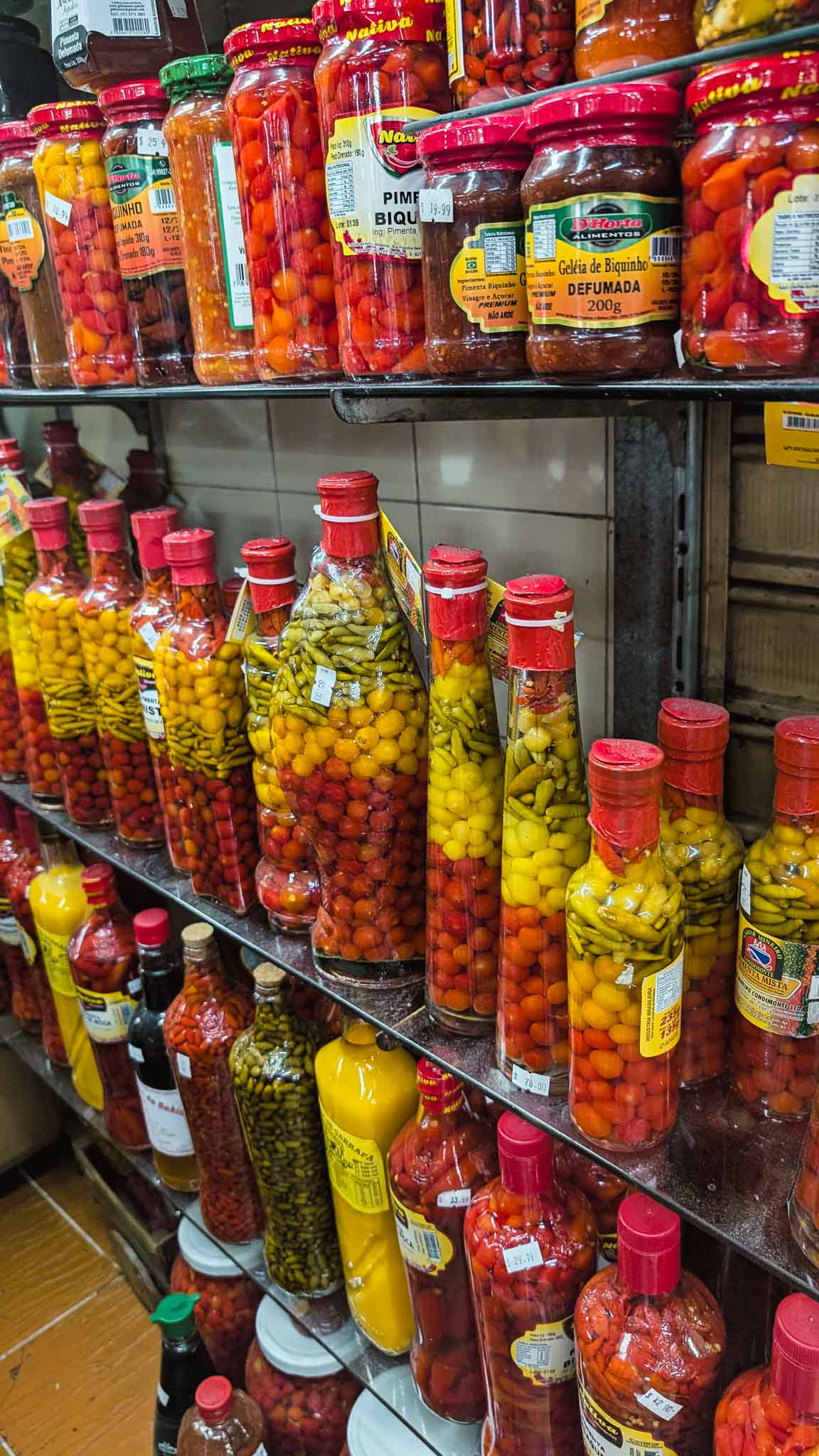
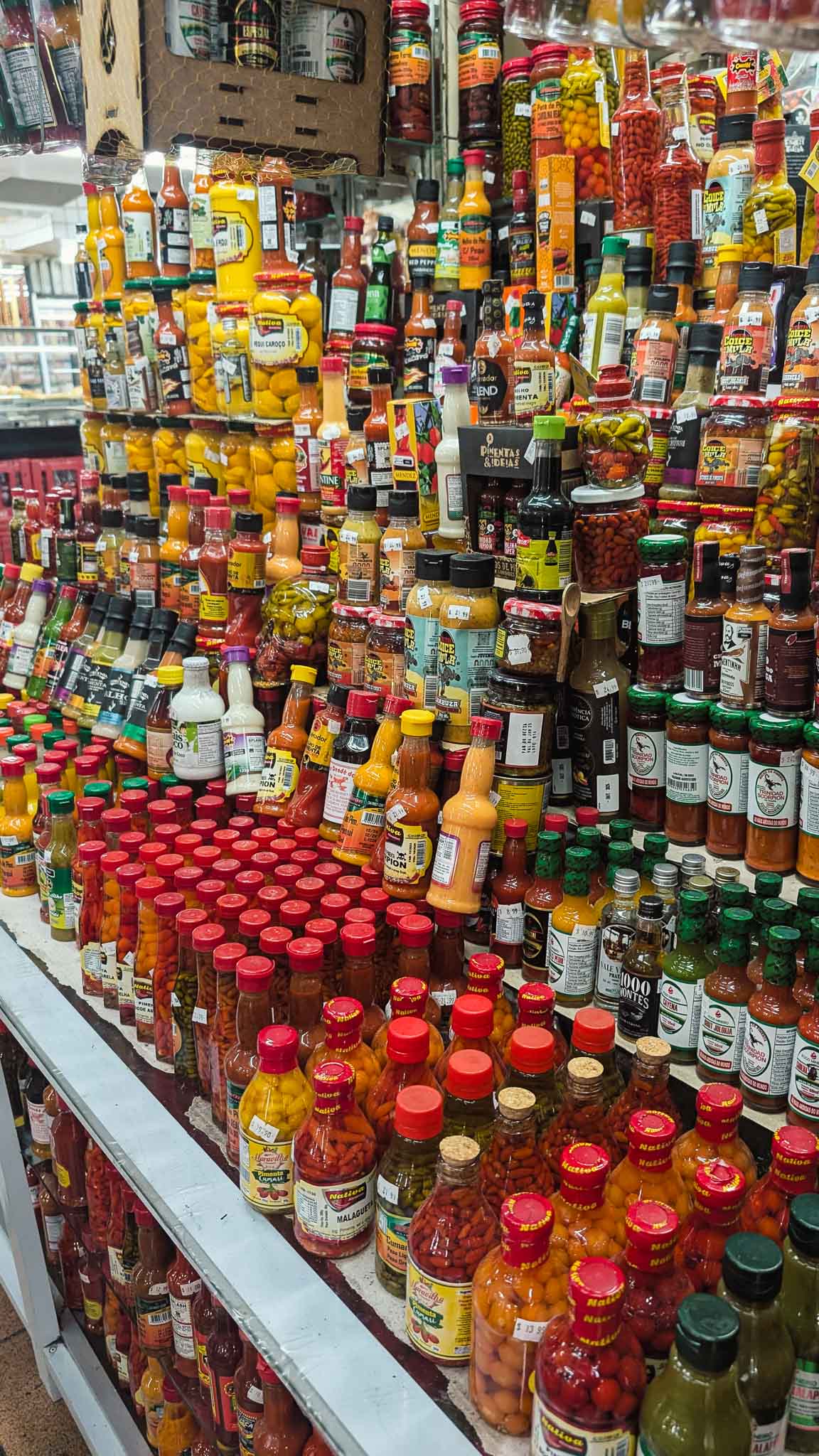
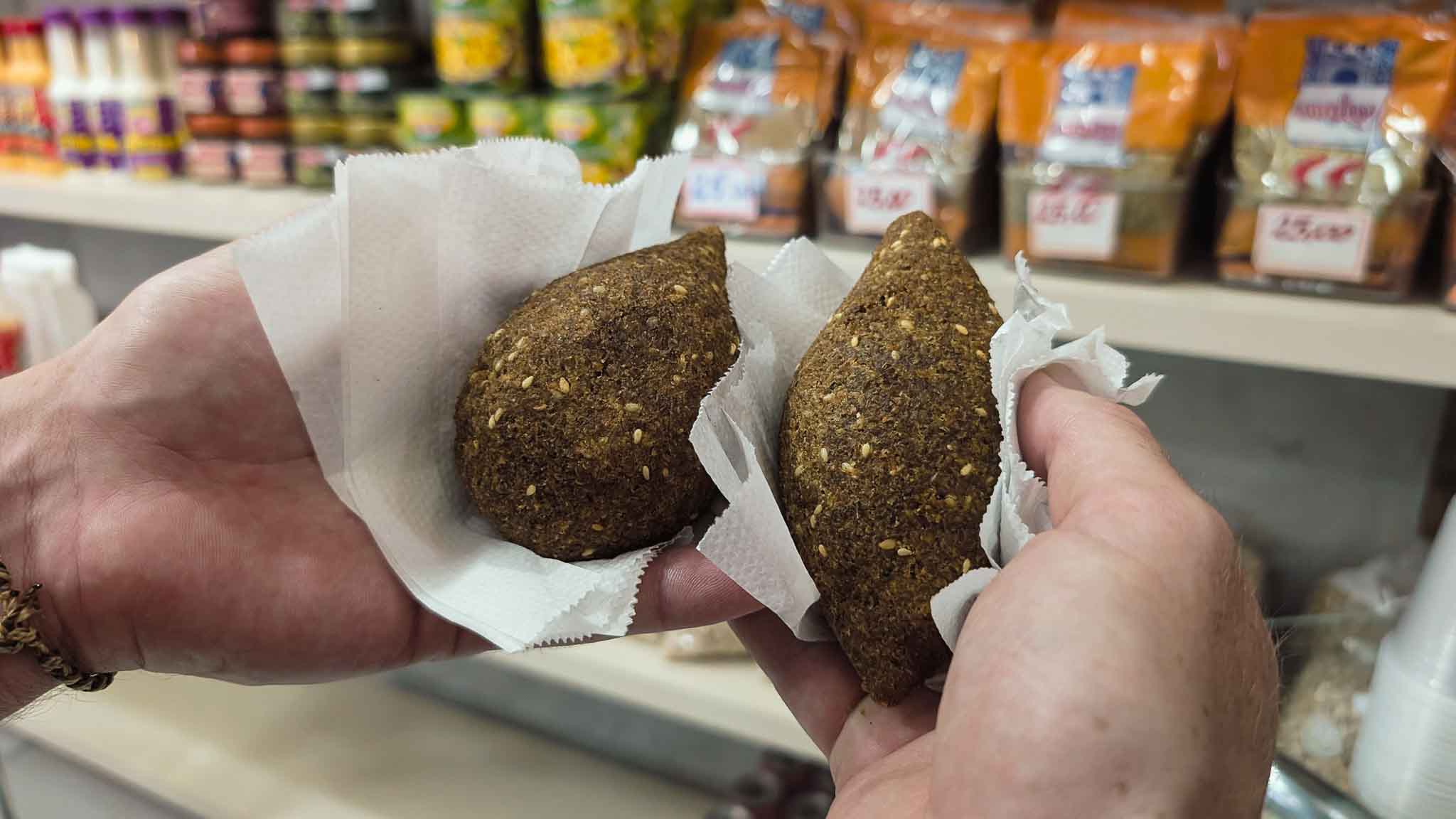
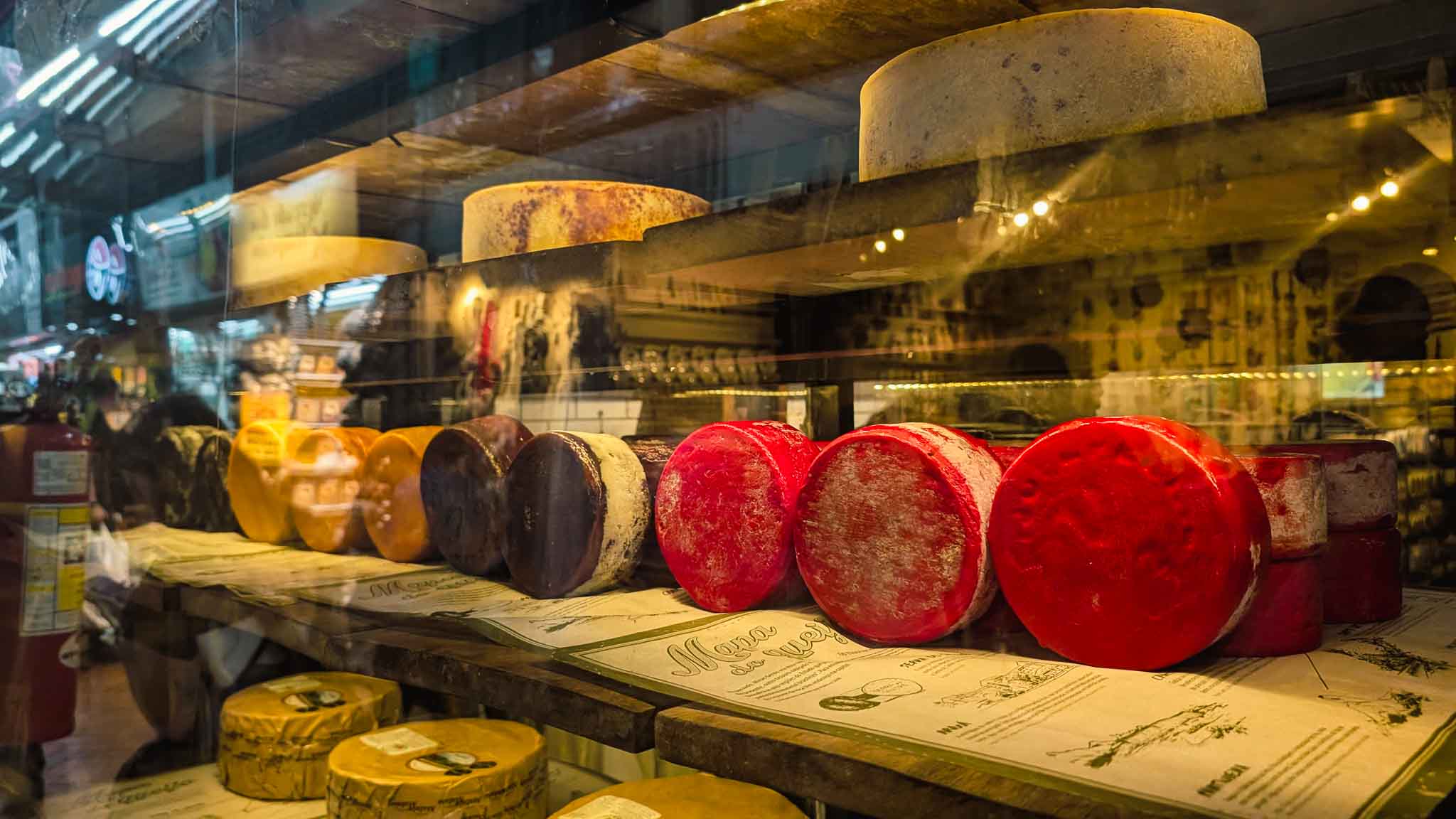
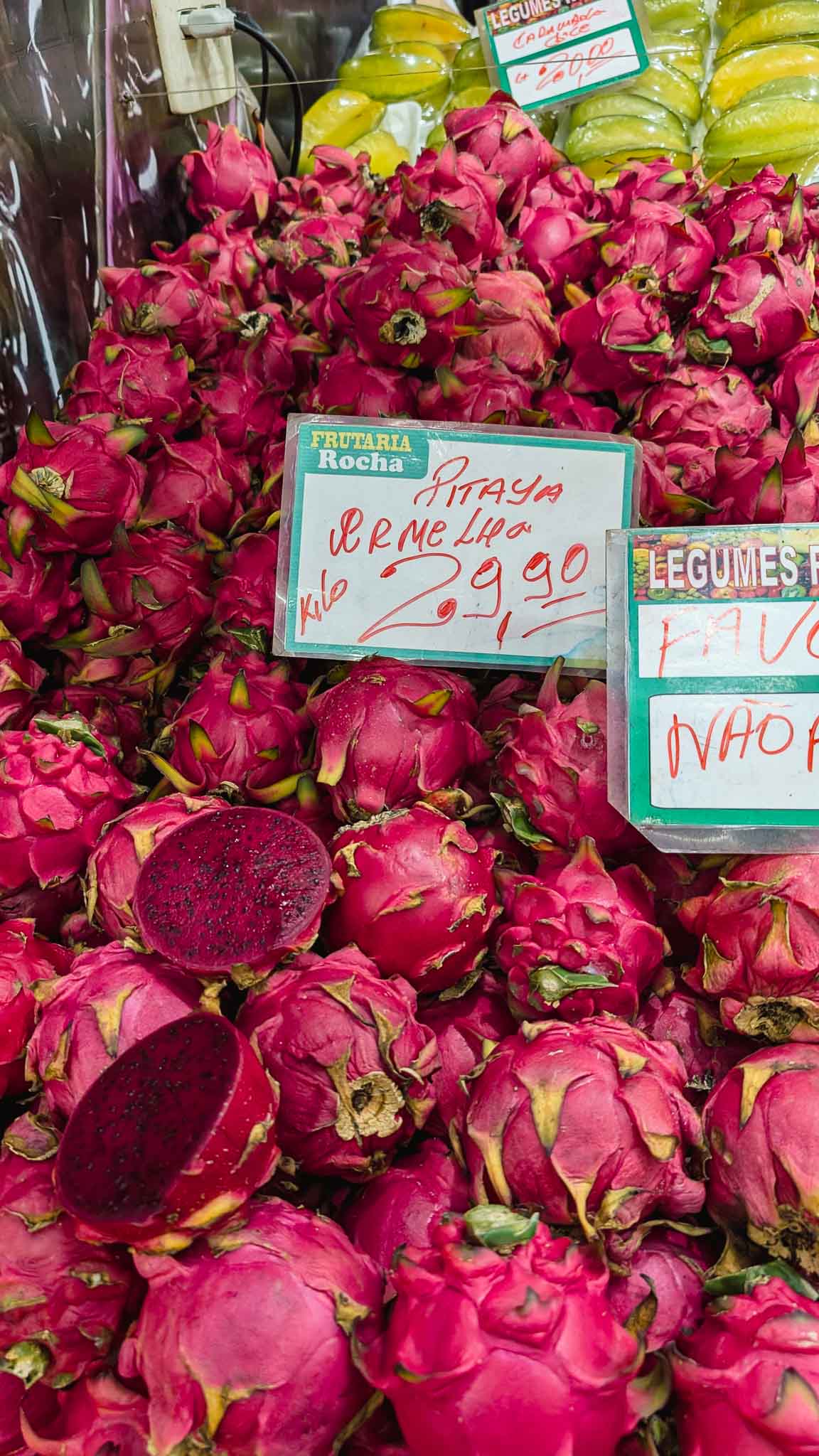
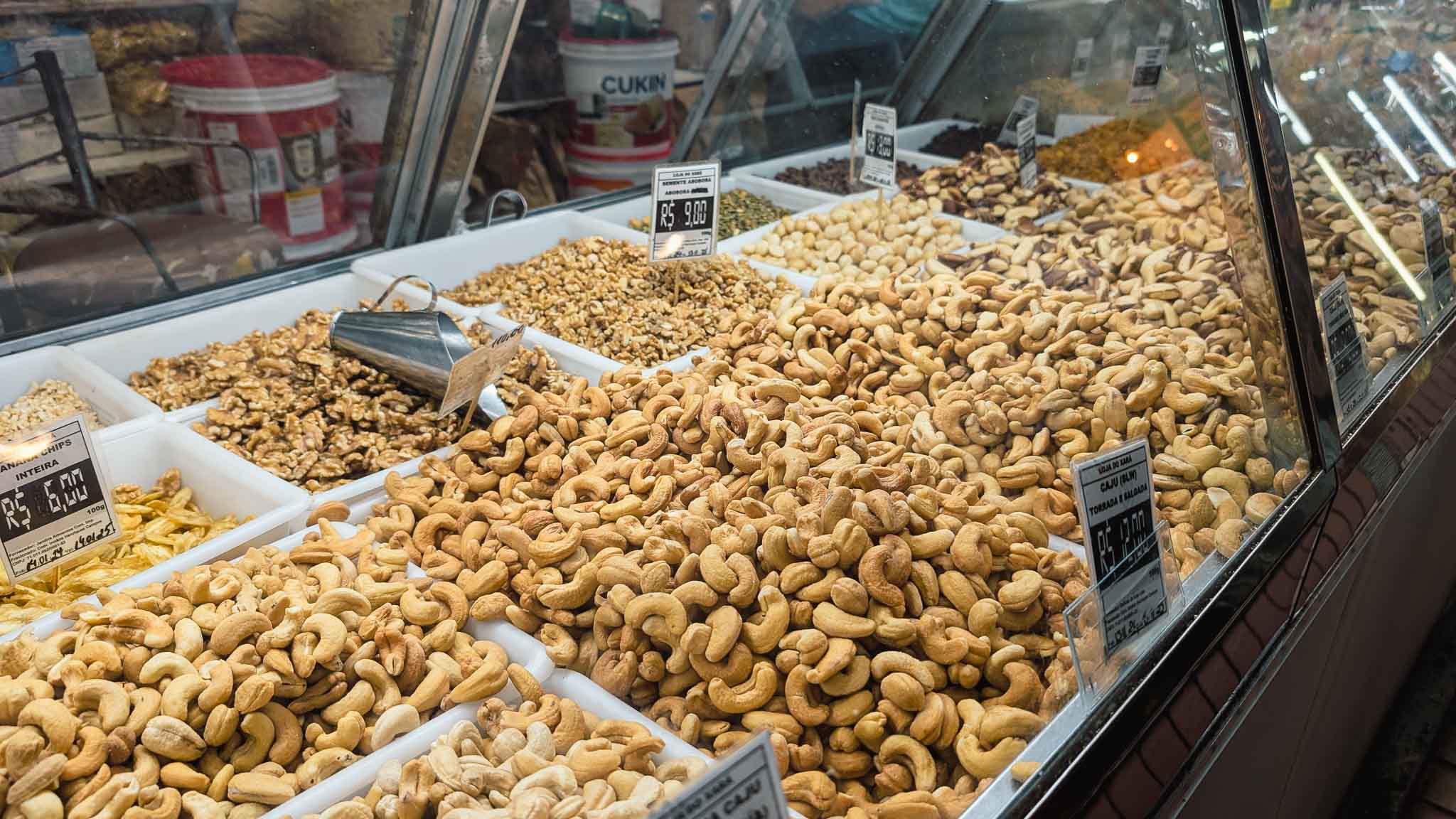
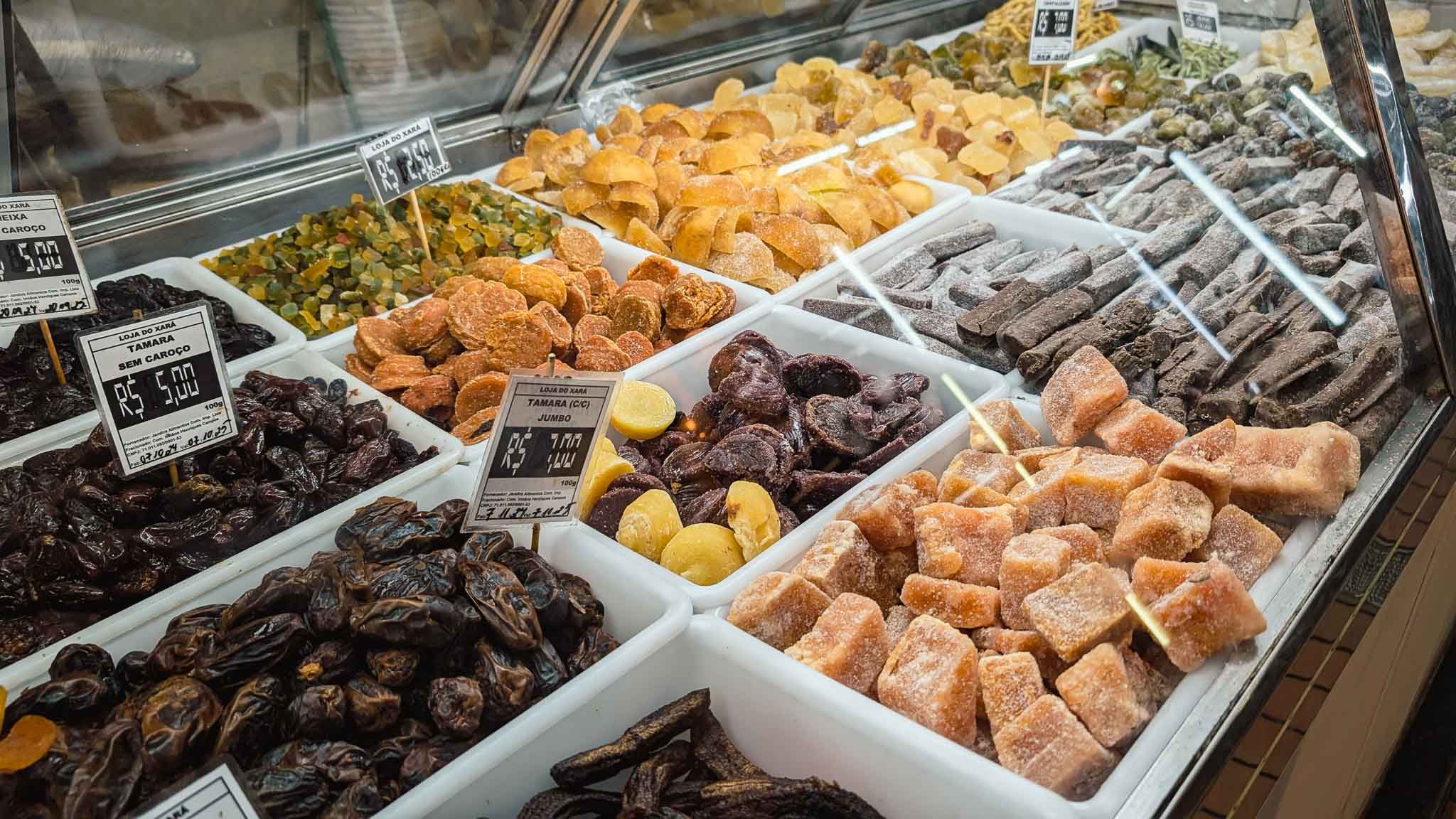
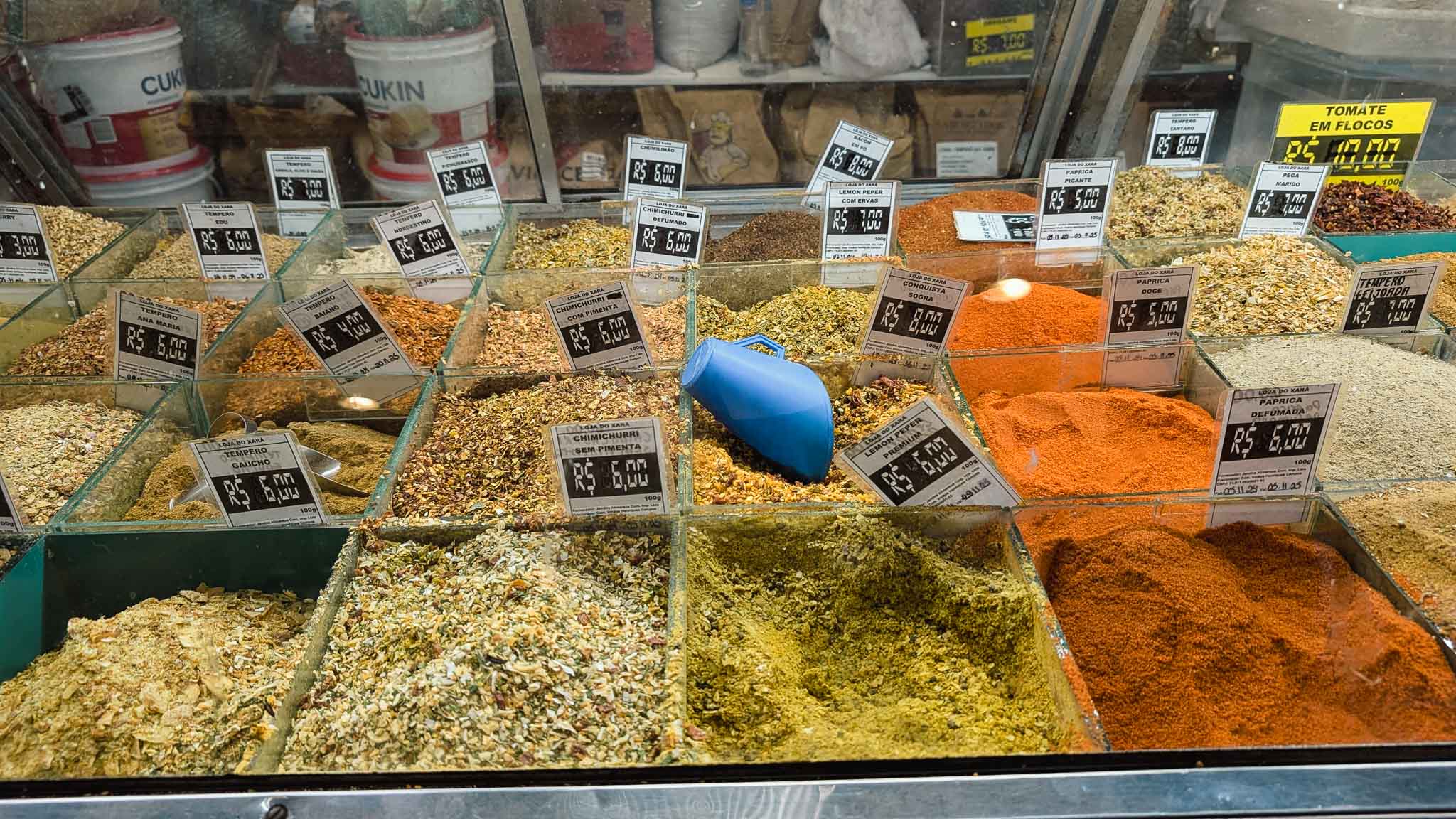
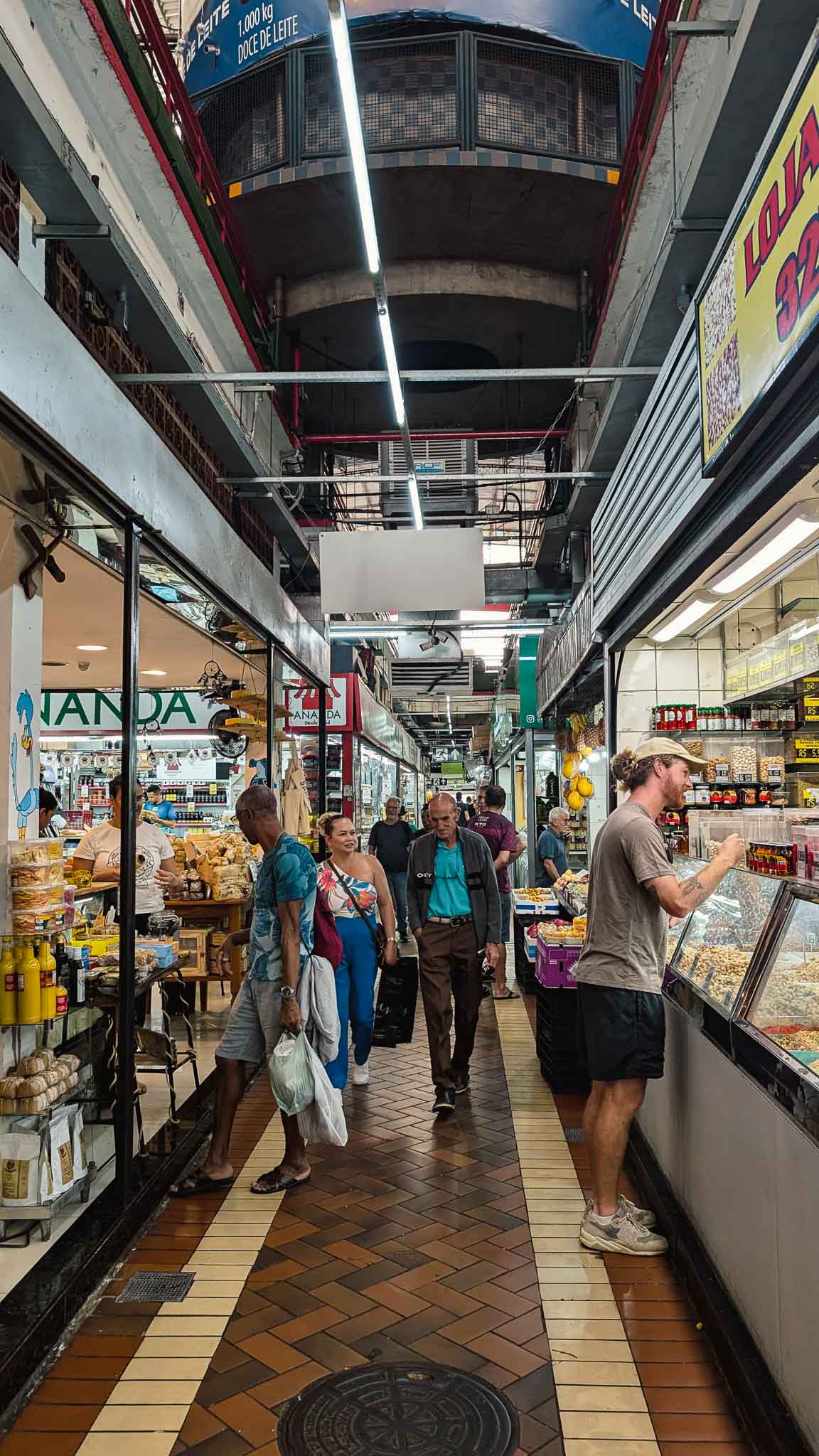
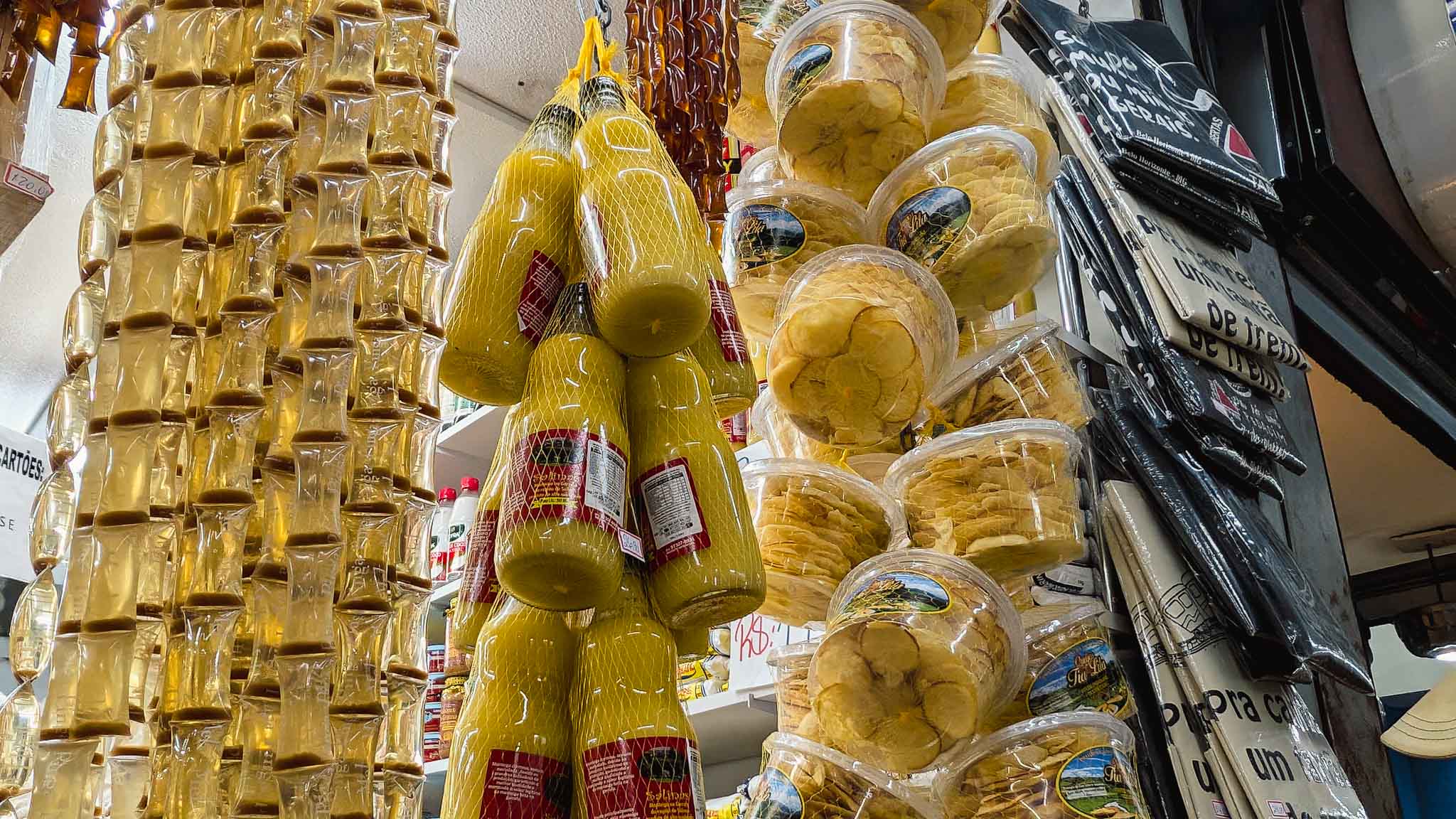
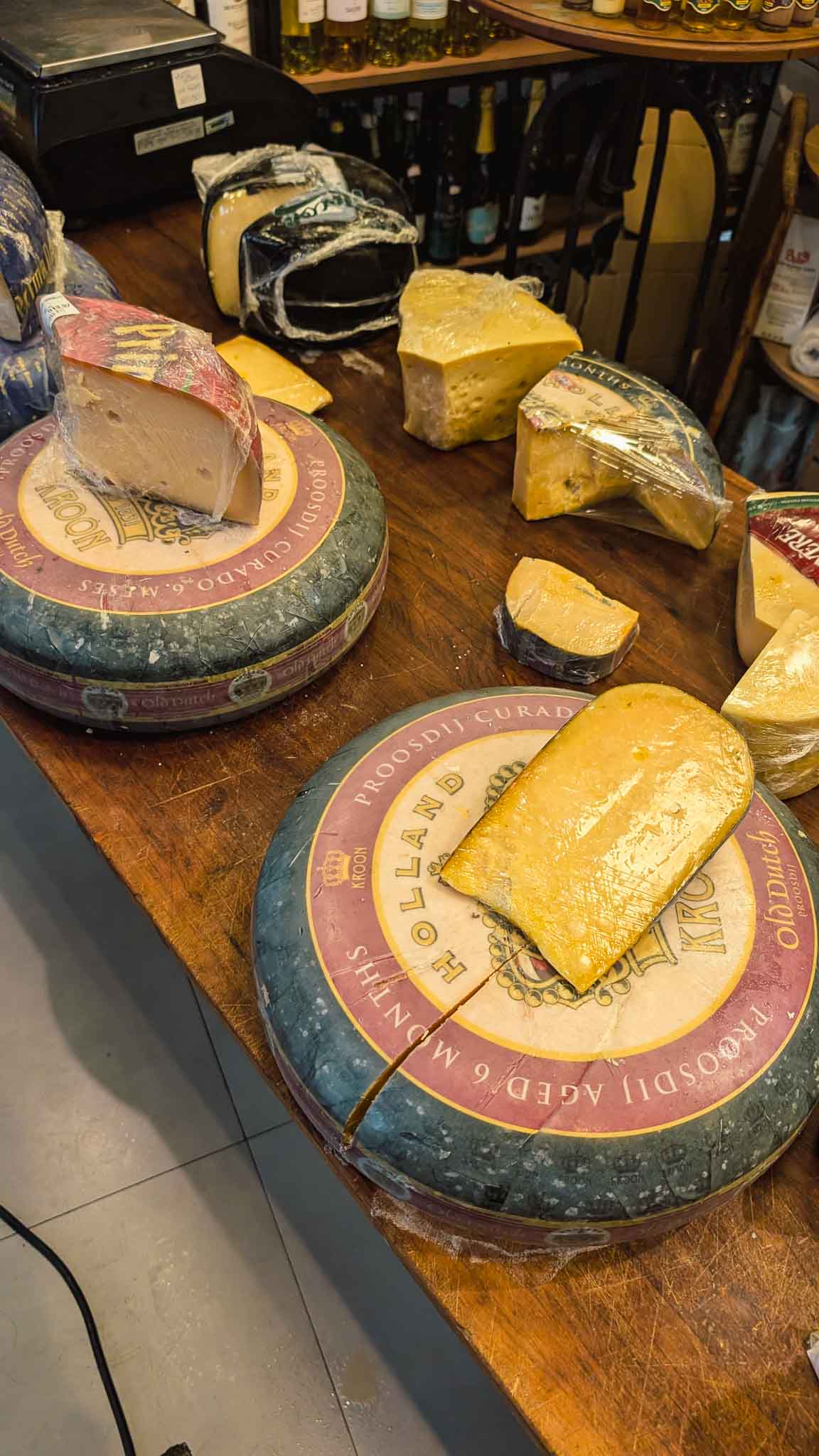
After passing mountains of spices, walls of cheese, shelves loaded with all sorts of hot sauces and pickled chillies, we arrived at Emporio Árabe D’Hana, Hana’s Arabian Emporium, and got stuck into a couple of quibes. A Brazilian version of the national dishes from Lebanon and Syria, a quibe is a heavily spiced lamb mince with onions and walnuts inside a bulgur wheat and lamb mince casing which is deep fried until super crispy and deep brown. Think spices like cinnamon, paprika, coriander, cumin, allspice, sumac and turmeric with marjoram, basil and mint. It’s highly delicious with a good hot sauce, and a hot honey takes it a step further. We stood inside the little Arabian store giggling to each other about how much of each different hot sauce we were drowning these tasty little morsels in. They’re insanely delicious little snacks.
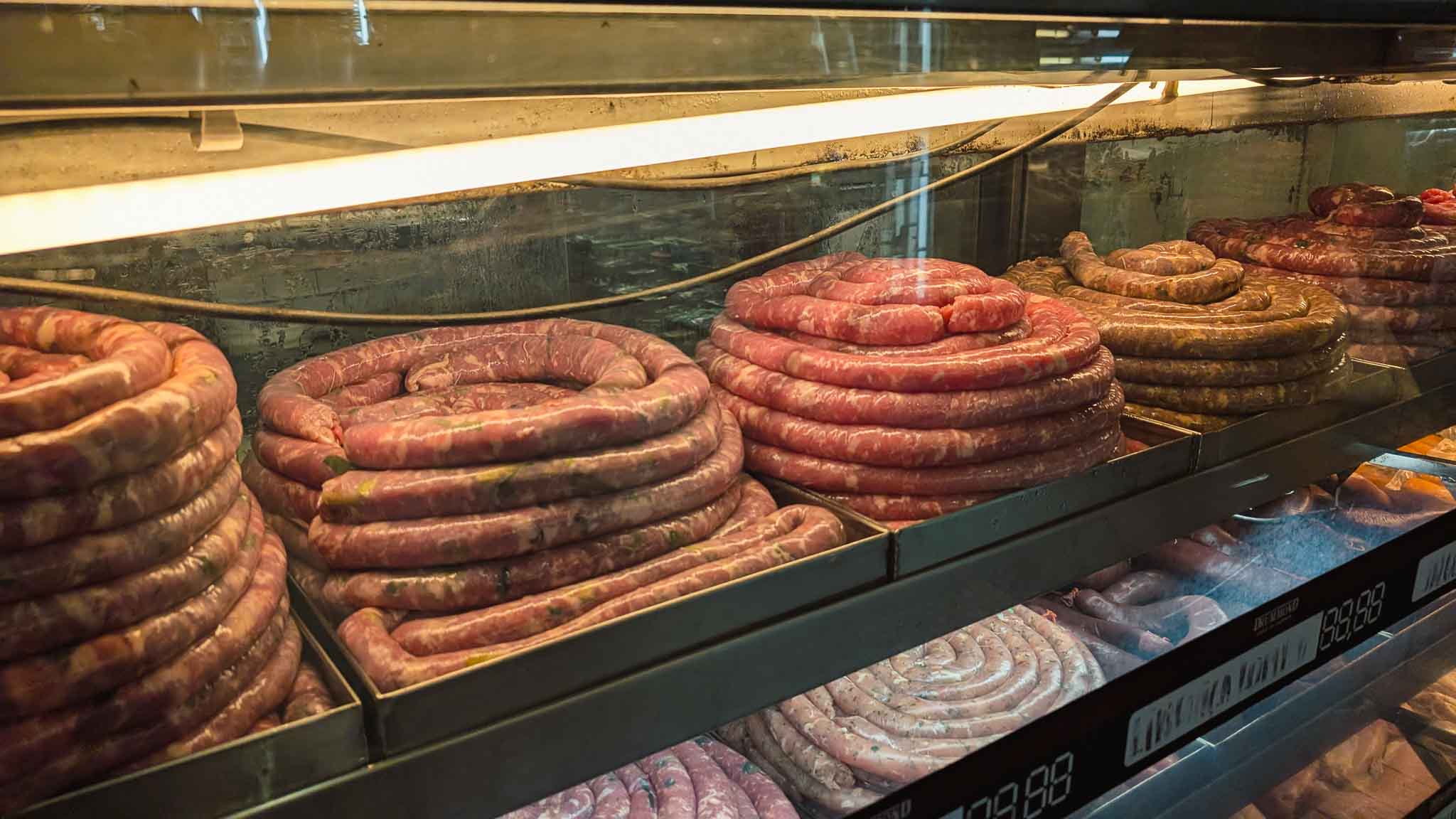
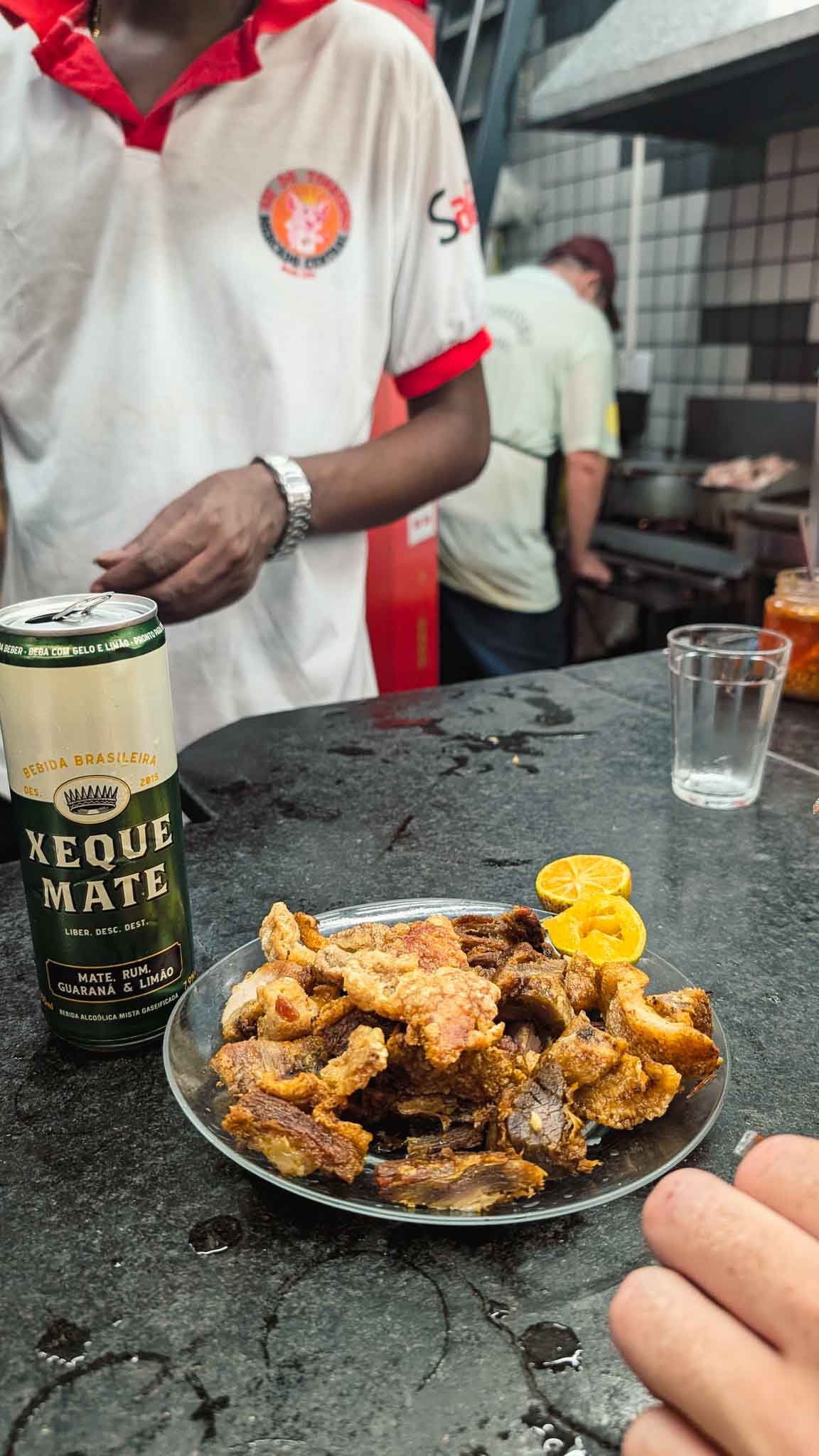
Then we were on the hunt for a highly recommended bar dishing up cervejas e torresmo, beers and deep fried pork belly. We walked around this absolute maze of a market forever trying to find the right bar. We passed shops selling piles of lollies, beautiful arrangements of different flavoured sausages, all sorts of dried nuts, huge stands of super fresh and colourful fruits and more massive wheels of aged cheeses before we finally found what we were looking for. This place was tiny and super crowded, but the bloke taking orders cleared a space for Rachael and I at the counter, where I could watch the huge pots of boiling oil deep fry chunks of pork belly. I ordered a beer and a plate of very salty, crispy and fatty torresmo which came with oranges to squeeze over it all. We also had a xeque mate, which is a popular drink of rum with lemon, a caffeinated herb tea called mate, and guaraná, an amazonian fruit. It was very indulgent of us (me) to be munching down pork belly and swigging on a beer at barely 12pm, but I was in my element here and having a ripper of a morning.
While we were in Belo we received the incredible news that our besties Kaylee and Greg were expecting a baby! They videocalled us with their positive pregnancy tests and the first words out of my mouth were “OH NO”. I was caught a little off guard, it definitely wasn’t what I was expecting but we were both so happy for the two of them, and of course I cried like a baby myself.
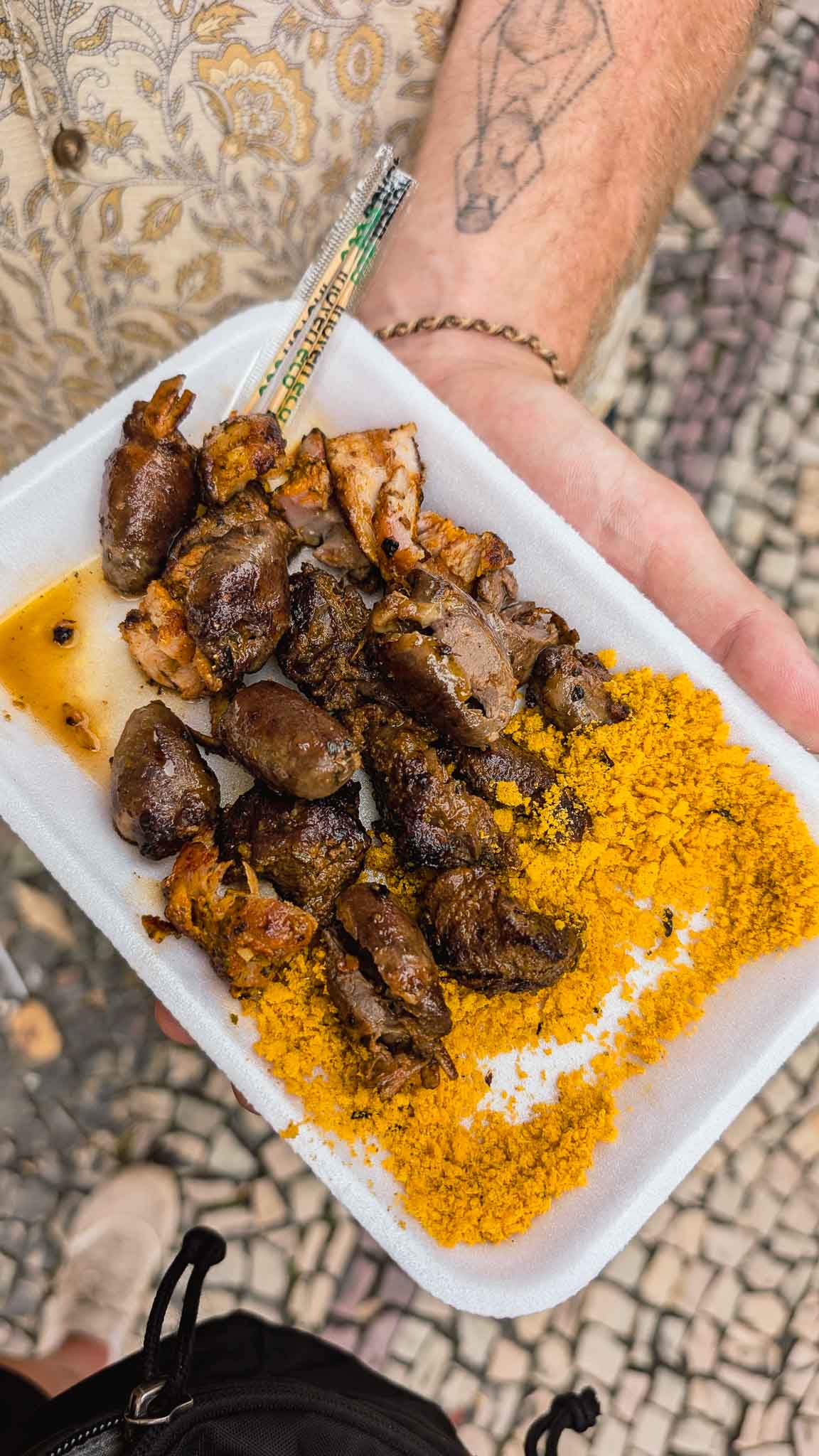
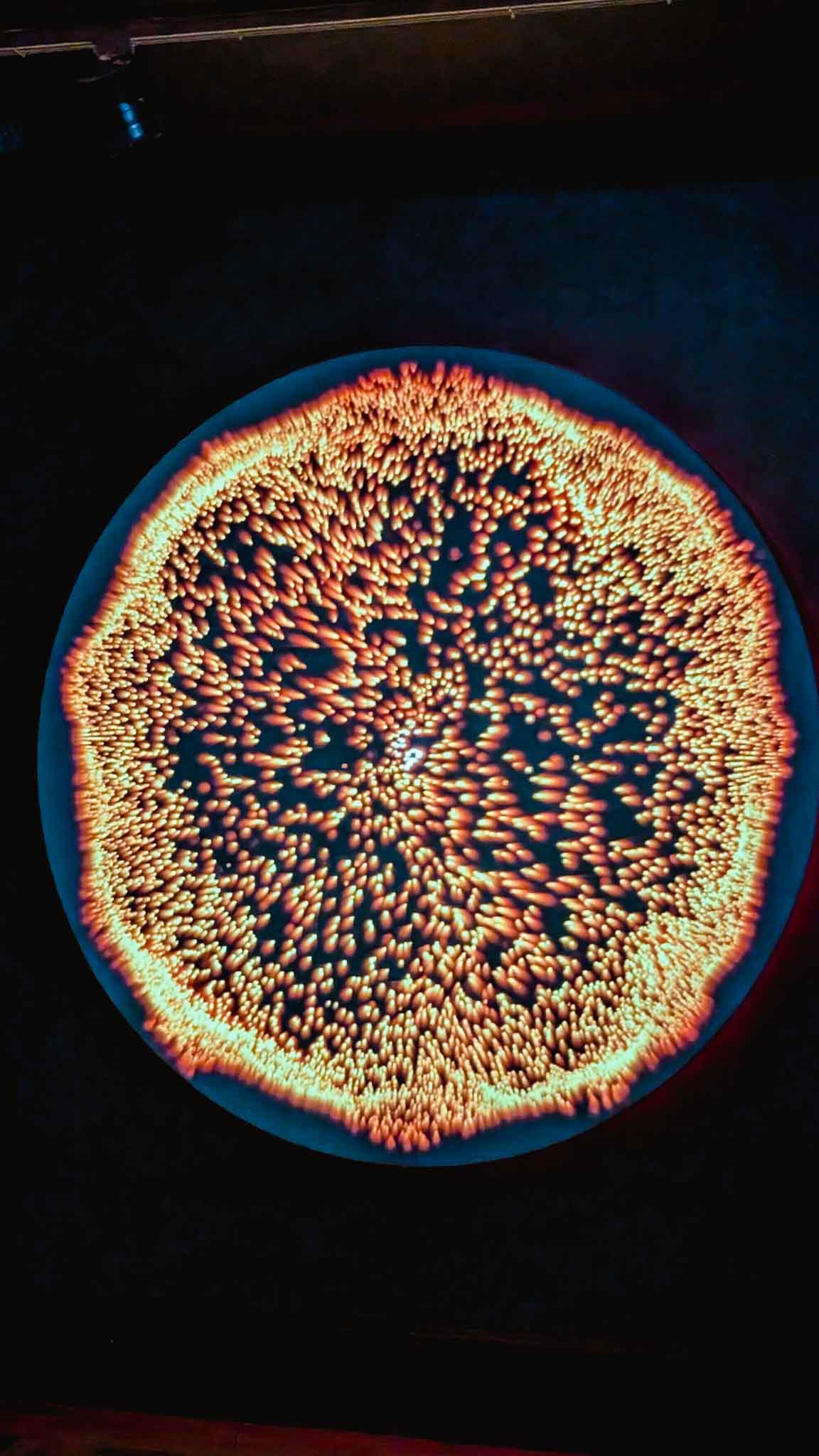
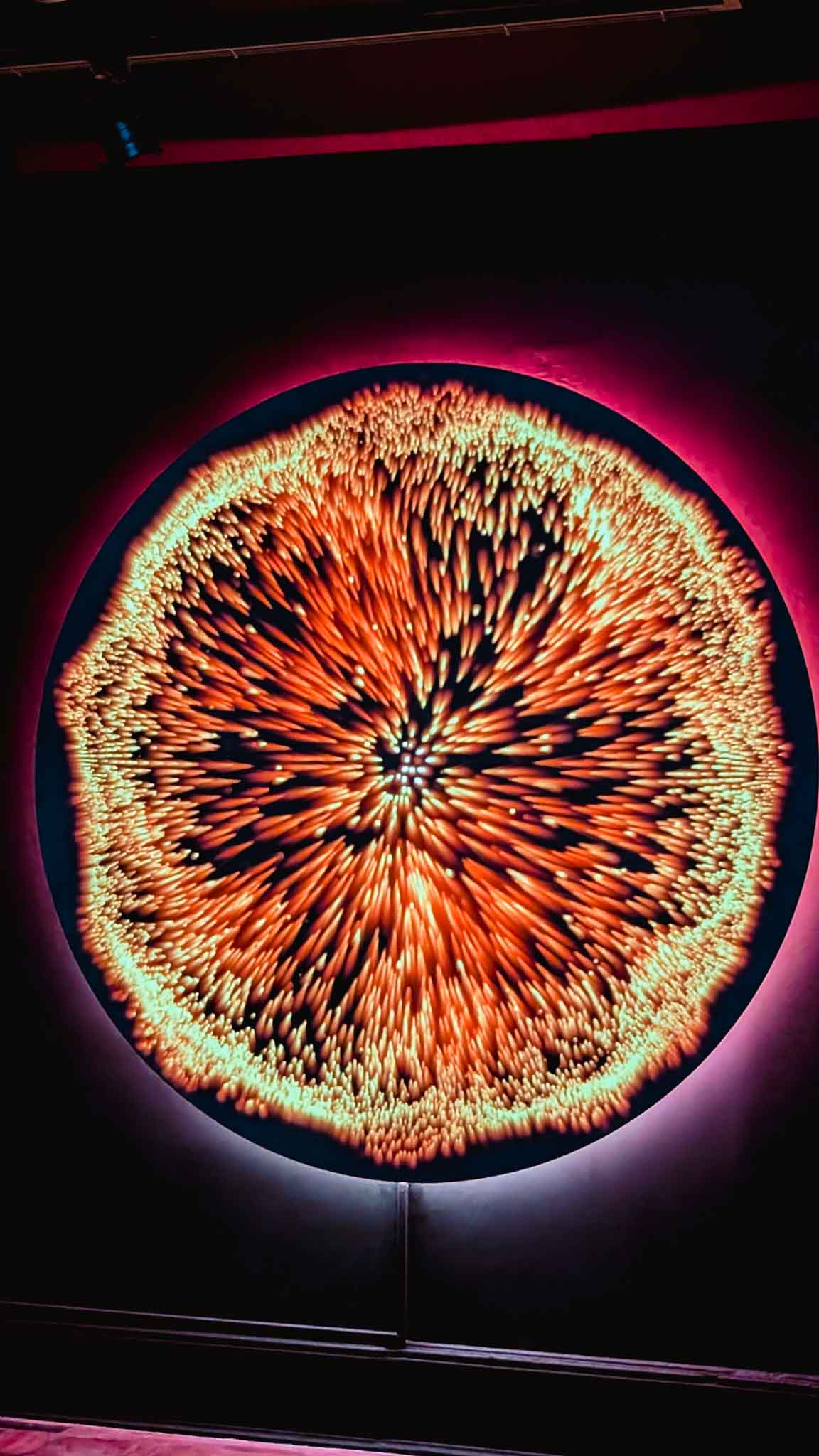
We visited Belo’s Sunday market which is supposed to be one of the biggest in Latin America, but we’ve heard that more than a few times now at different markets all over the continent. This market, however, really was enormous. It has over 2,200 stalls and sells all sorts of weird and wonderful knickknacks as well as lots of different street foods. Of course I ate more torresmo here, how could I not? The real surprise, however, were the grilled skewers of chicken hearts served on a bed of farofa with hot sauce. Holy guacamole, these things are delicious. Sounds gross, yeah, but they’re little meaty morsels of springy, chewy delight and they quickly became a staple of my streetfood diet as we traveled around Brazil. Rachael was struggling hardcore walking around in the brutal sun at the market, so we left for the air conditioning of an art gallery with an exhibit on the sun and light. It was actually a really cool surprise, and I struggled to not film everything we saw, I was highly impressed!
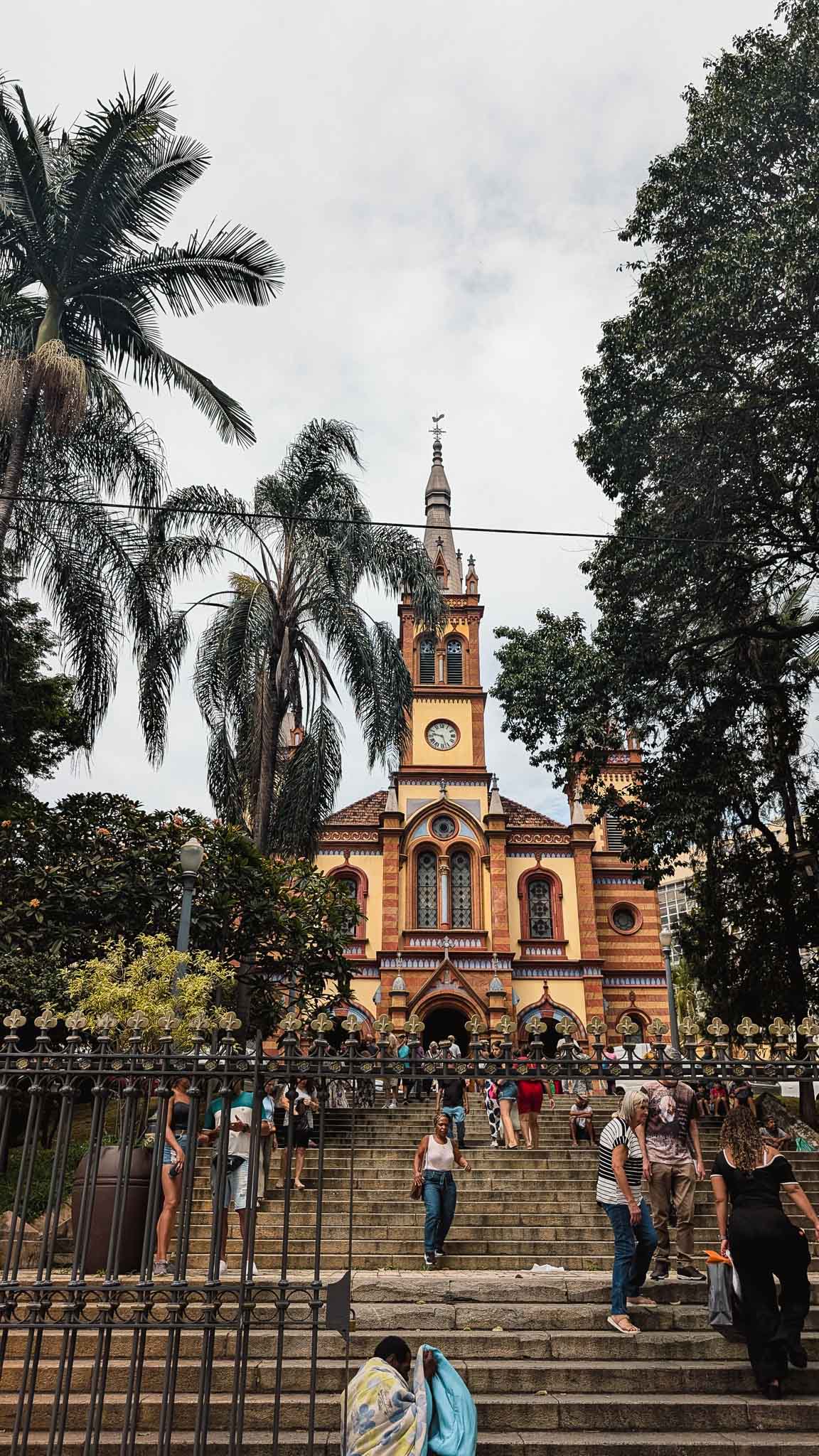
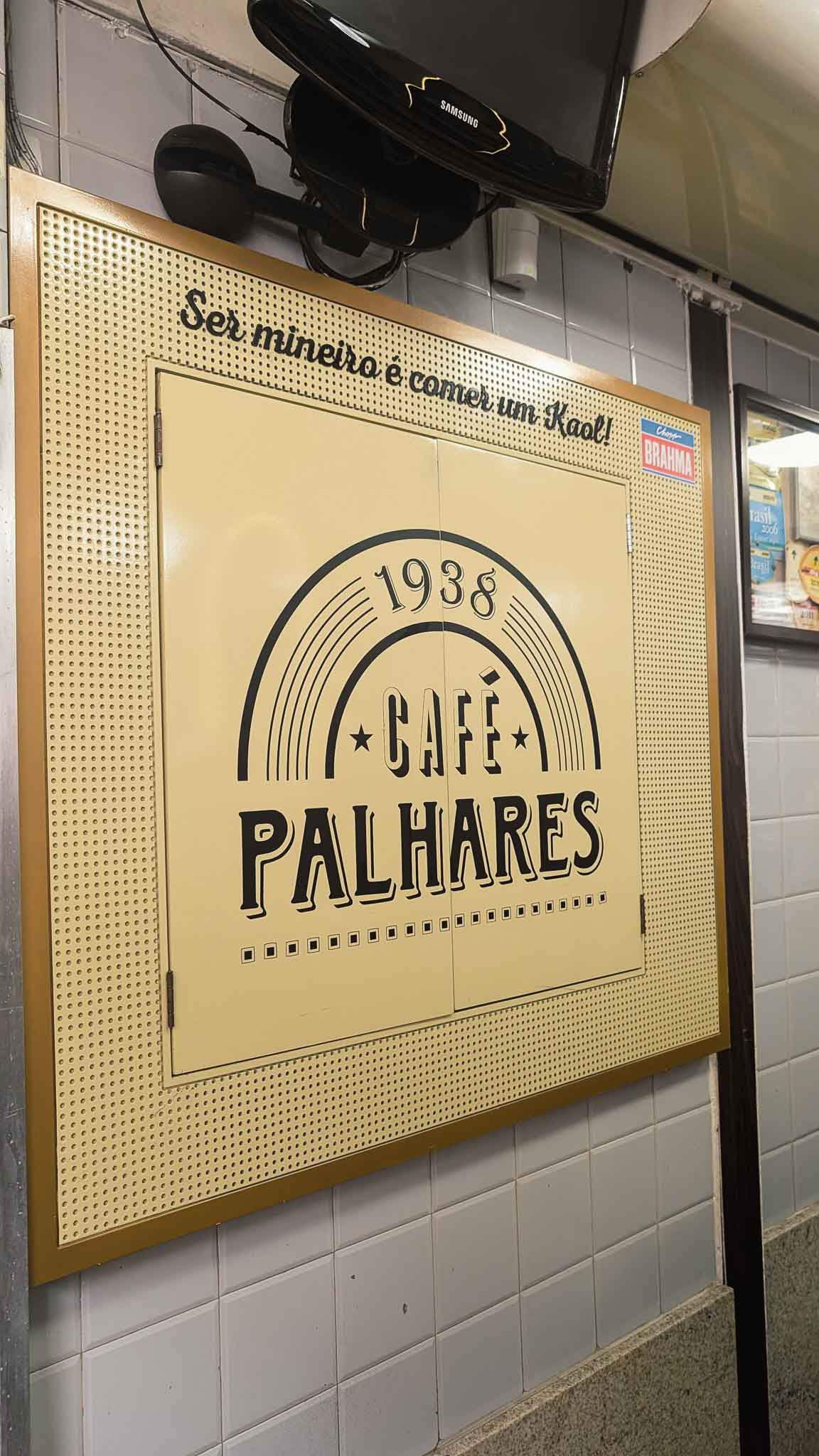
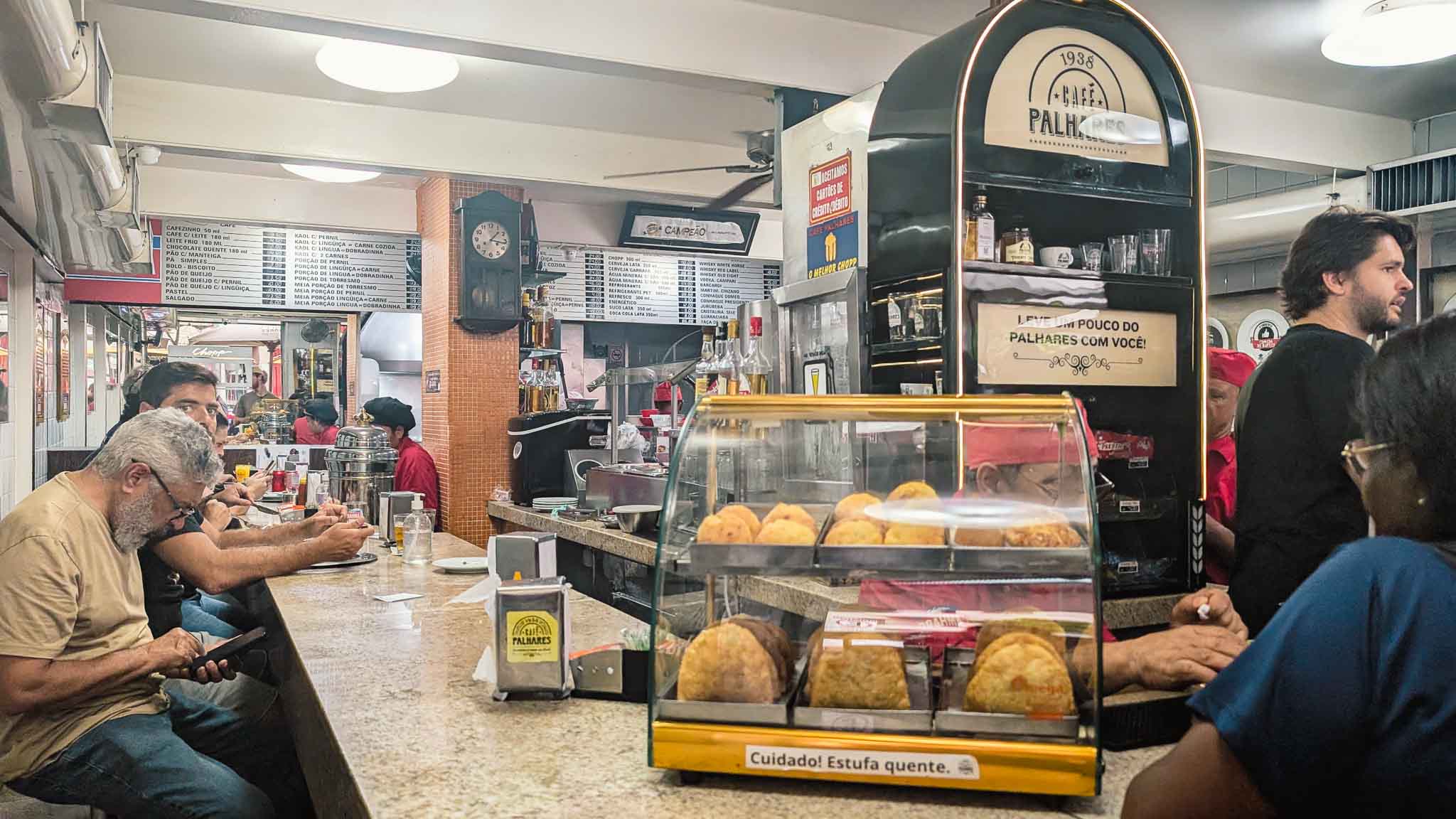
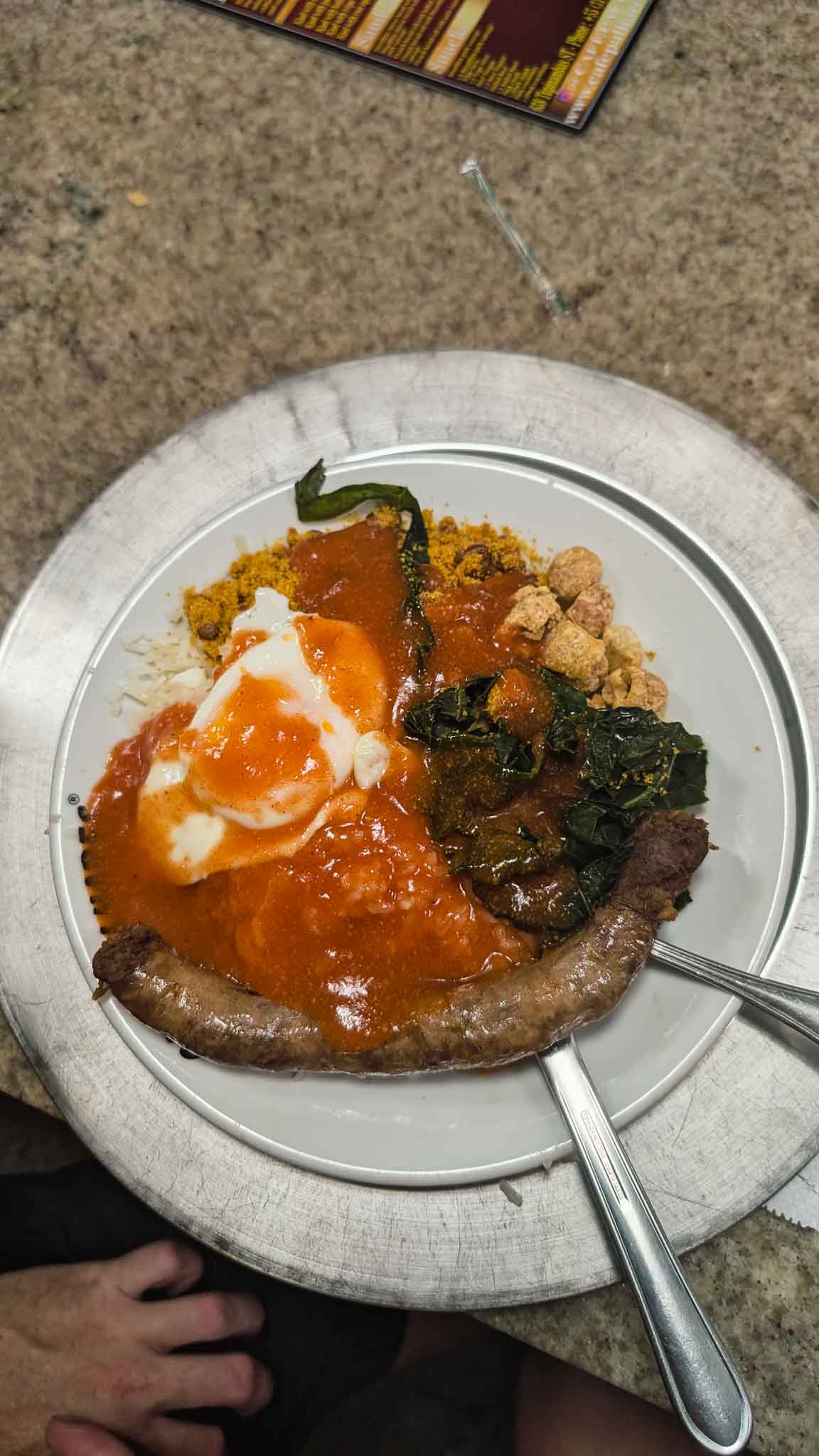
The following day we returned to the central market for more coffee and pão de queijo, more incredible quibes, and some nuts and dates for yet another 16 hour overnight bus later that day. For lunch we visited a famous restaurant called Café Palhares, which opened in 1938 and was one of Anythony Bourdain’s favourite places to eat when he visited Belo. I’m usually not one to wait in line to eat, but I really, really wanted to eat here so we waited for a good 40 minutes before being let inside to sit at the bar, sandwiched between old locals. The restaurant is famous for serving up the dish ‘KAOL’, which is an acronym for Kachaça, arroz, ovos e linguića. This is basically a plate of rice and farofa, sauteed kale, a big old sausage, some sort of tomato pasta sauce type thing, crispy pork crackling and a fried egg, usually served with a shot of cachaça. Being so early in the day, we opted to not take a shot of cachaça, but I highly enjoyed the dish nonetheless. In fact, it was just a really cool experience. The place was absolutely packed, with staff screaming orders at each other, old brazilian guys downing shots of cachaça and laughing amongst themselves and the old servers. You could hardly move in the joint, could hardly hear yourself thinking, but it was a really great feeling of being in Brazil, doing a really Brazilian thing with locals who are having a great time. The servers seemed really happy that we were there, and were amazed to hear we were from Australia. There were many handshakes and smiles as we walked out with full bellies into the torrential rain, to catch an uber back to the hostel and pack up our things for the afternoon’s bus.
Little experiences like we had in Belo Horizonte are what makes Brazil so special. It’s so easy to slip into the crowd as a gringo and carry on like you’re a local, and not be stared at, harassed or asked for money like in many other places in South America. Everyone in the central market, at the sunday market and in the famous restaurant were just happy to be there, going about their business and having a great time. By this point, I could tell that Brazil was shaping up to be one of my favourite places, and we were barely scratching the surface.