Physical Address
304 North Cardinal St.
Dorchester Center, MA 02124
Physical Address
304 North Cardinal St.
Dorchester Center, MA 02124

29th – 31st January, 2025
After an hour on a boat, 15 minutes in a taxi and two hours on a bus, we arrived at Bom Despacho where we climbed aboard an enormous ferry that would take us 45 minutes across Baía de Todos os Santos, the Bay of All Saints, to the city of Salvador. Originally called São Salvador da Bahía de Todos os Santos, The Holy Saviour of the Bay of All Saints (quite a mouthful), Salvador is without a doubt my favourite city in the world that I have ever visited. This place really ticked all the boxes for me, and it’s one of those special places that I think I’ll forever feel like I need to return to. It’s a city with an overwhelming sense of identity, and so uniquely itself that it stands out above all other cities that we visited during our travels in South America, or anywhere else for that matter.
Salvador was established as a fortress in 1549 by the Portuguese, making it one of the oldest cities in the Americas. It was the original capital of Brazil, until Rio de Janeiro became the capital in 1763, and it served as a major port for the sugarcane industry and the slave trade. Today, it is home to almost 3 million people, who are the result of 500 years of interracial marriage between Europeans, Africans and Native Americans, which makes for a very rich and unique culture. Salvador’s modern economy revolves around tourism, but historically it has a super dark history, which was very interesting to learn about while we were here.
From the mid 16th to mid 19th century, between 10 and 12 million enslaved Africans were transported across the Atlantic Ocean to the Americas. Part of the ‘triangular trade’, European nations including Portugal, Spain, Britain, France, the Netherlands, Denmark and Sweden, would take European goods to Africa, trade them for slaves, take them to the Americas, drop them off and load their boats with sugarcane, tobacco, coffee, gold or other precious metals and take that back to Europe to sell. The Portuguese began importing slaves from Guinea in the 1540’s, to be used on their sugarcane plantations in Brazil where they would arrive just north of Salvador, but as the sugarcane industry expanded and precious metals were found to the south, the demand for slaves drastically increased and the Portuguese began to take slaves from Angola while also venturing further into Africa’s interior. Over the span of about 350 years, Brazil would receive around 5.5 million slaves, pretty much half of all slaves that arrived in the Americas. Hundreds of Africans would be crammed together below deck on ships that could take anywhere from a few weeks to a few months to make the crossing to the Americas, and 15-25% of the captives would die during the passage. Harrowing stuff. The US congress declared it illegal to import more slaves from Africa to the Americas in 1808, and in 1833 Britain outlawed slavery throughout its empire, and used its ships to deter slave traders in the Atlantic from continuing their operations. Brazil was the last country in the Americas to outlaw the importation of enslaved people in 1850, but the government continued to turn a blind eye to smugglers until 1888, when they eventually enforced a stop to all importation of slaves.
Obviously this isn’t the cheeriest subject to be documenting during our travels through South America, but the transatlantic slave trade is such a huge formative factor for Brazil’s identity, it seems crazy not to mention it. The disparity between Andean culture, throughout the western mountain range of the continent, and that of Brazil is huge. The Andes did receive their share of enslaved people through the Spanish Empire, but not to the extent that Brazil did. You can see African influence everywhere in Salvador, Bahía and the north of the country in its food, music, art, dance and people. It’s a super vibrant culture, and so different from anywhere else in South America. It was great to experience such energy and passion in all facets of life in this part of the world, and I think that’s why Rachael and I love this place so much. It’s ironic how such a dark and brutal past could result in such a bright and exhilarating present.
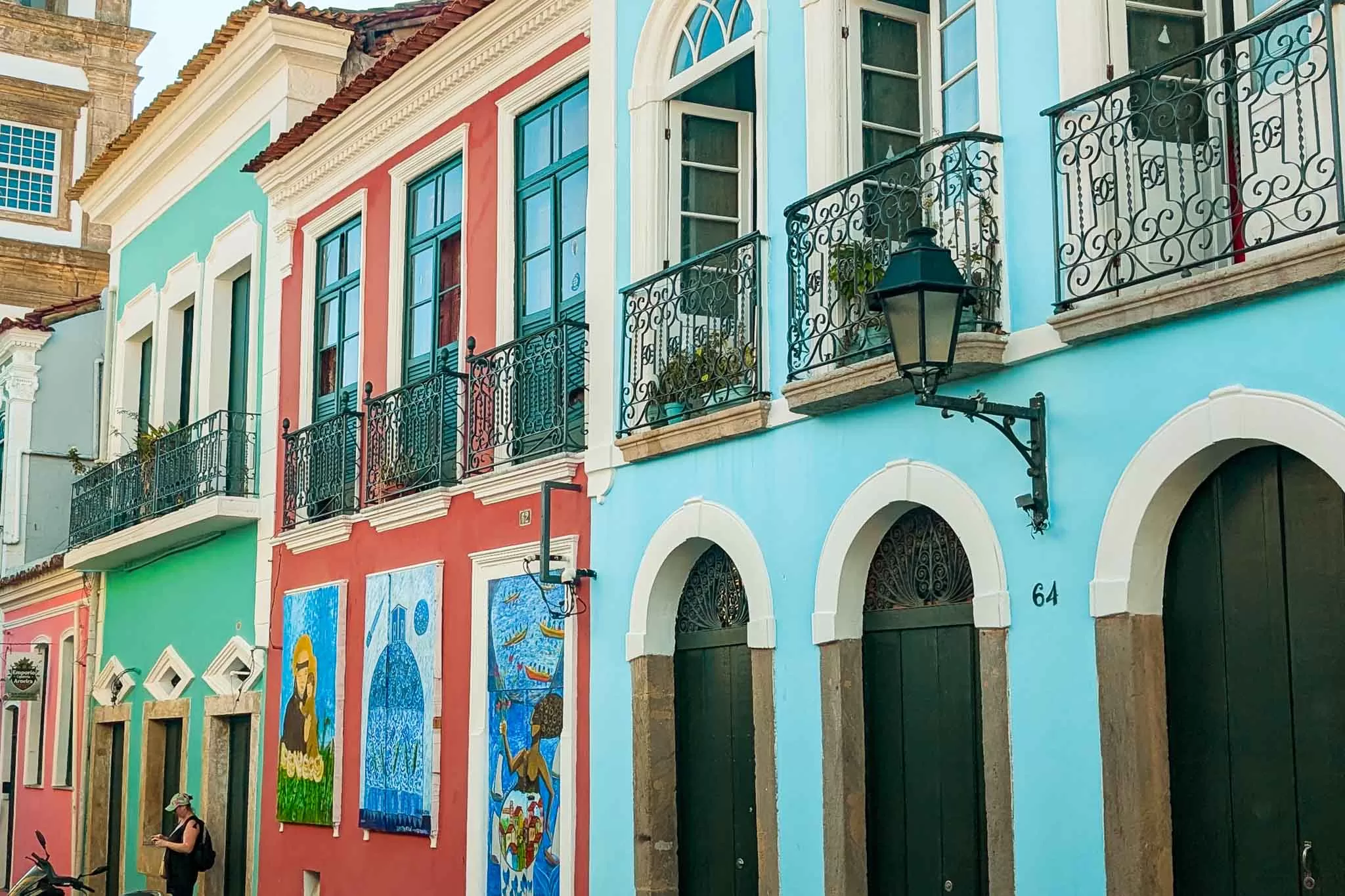
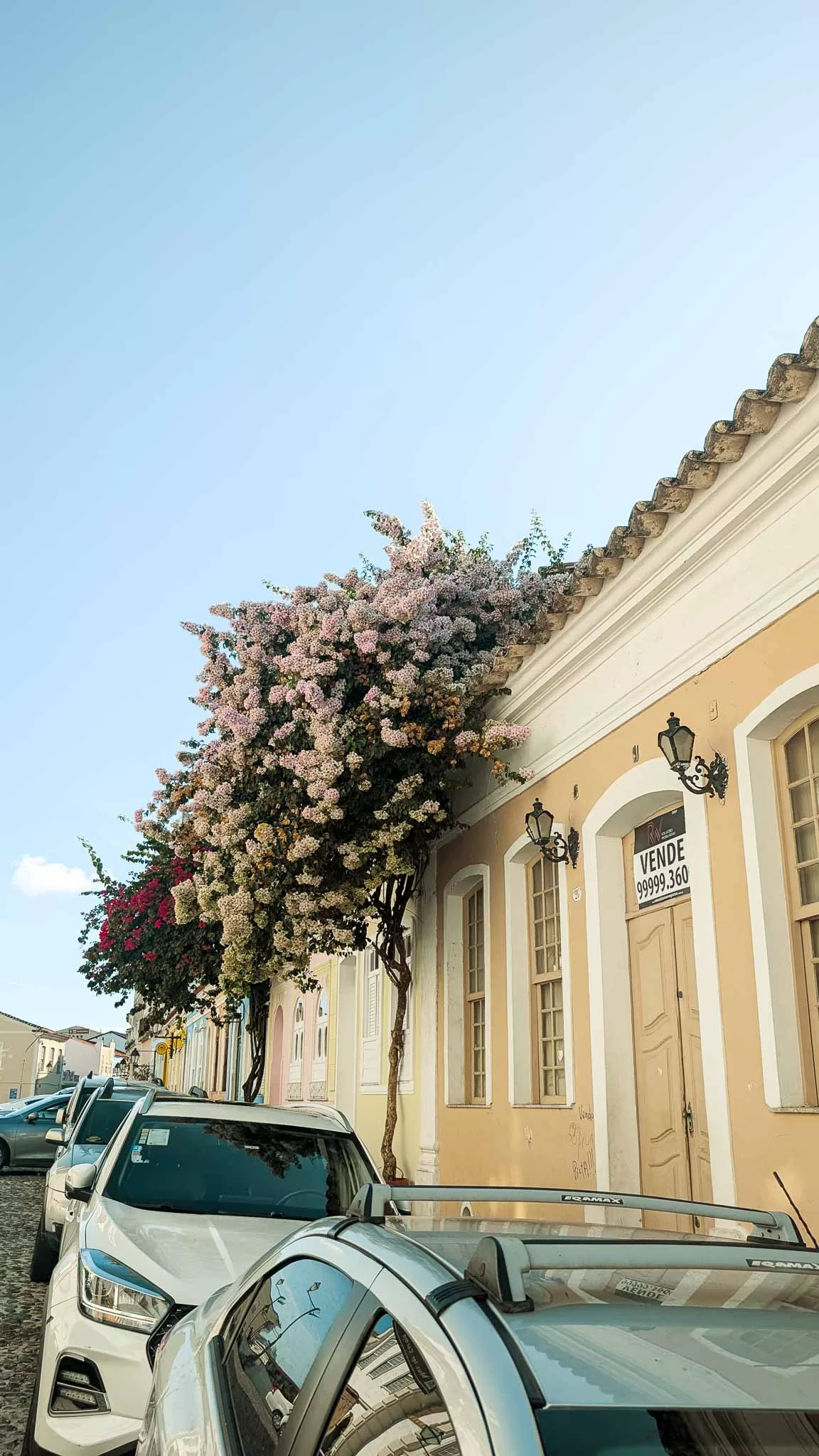
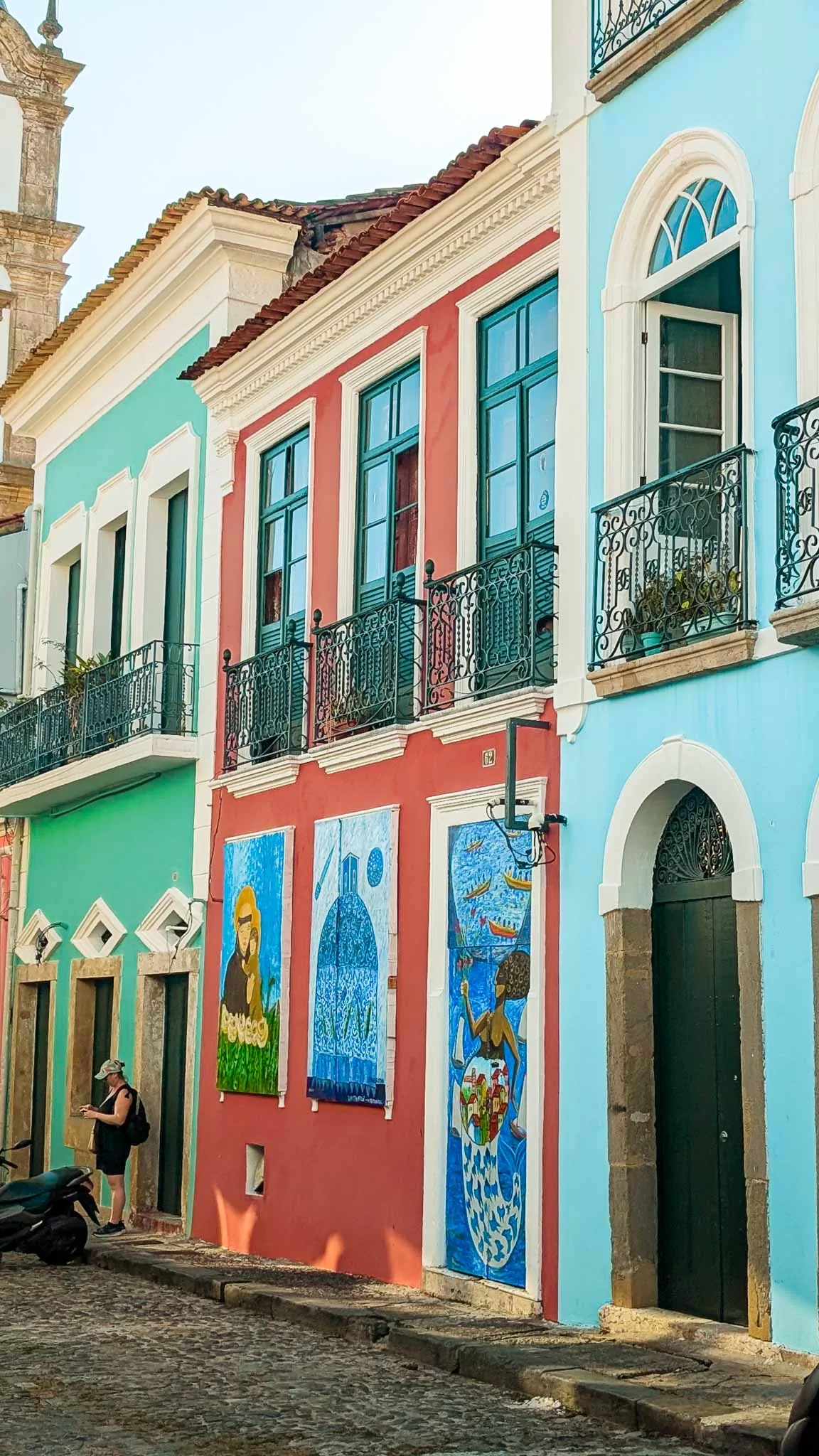
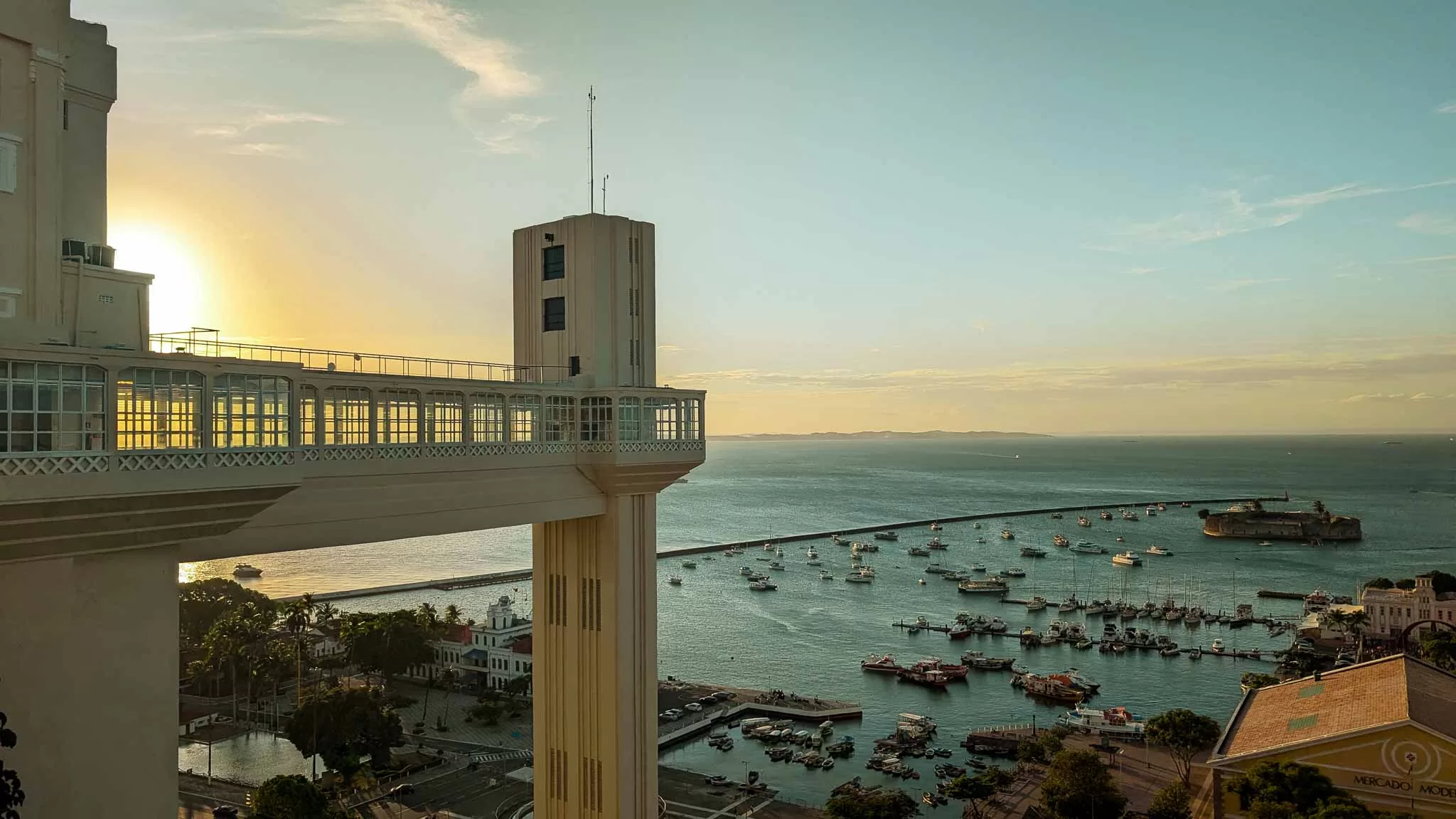
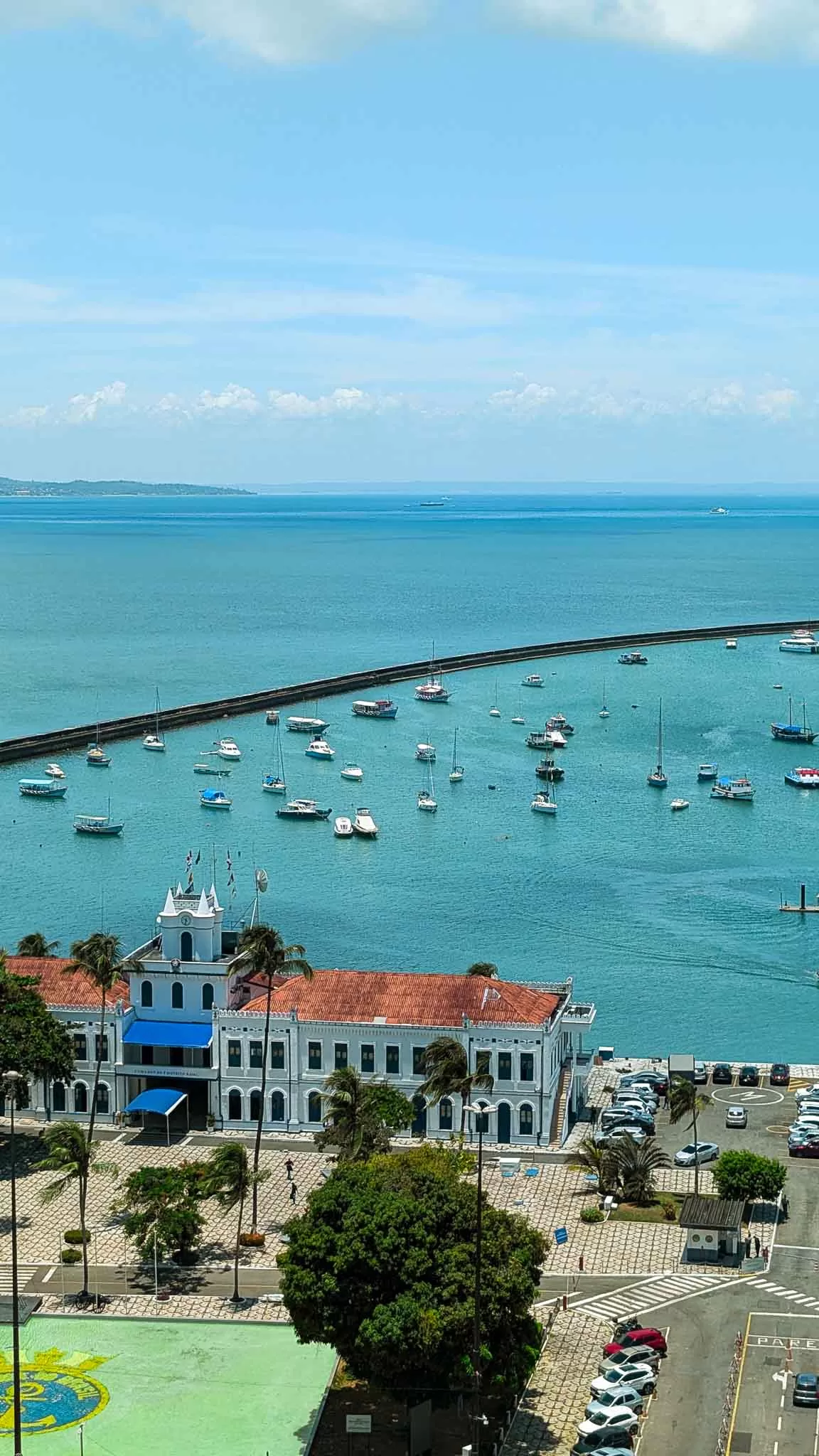
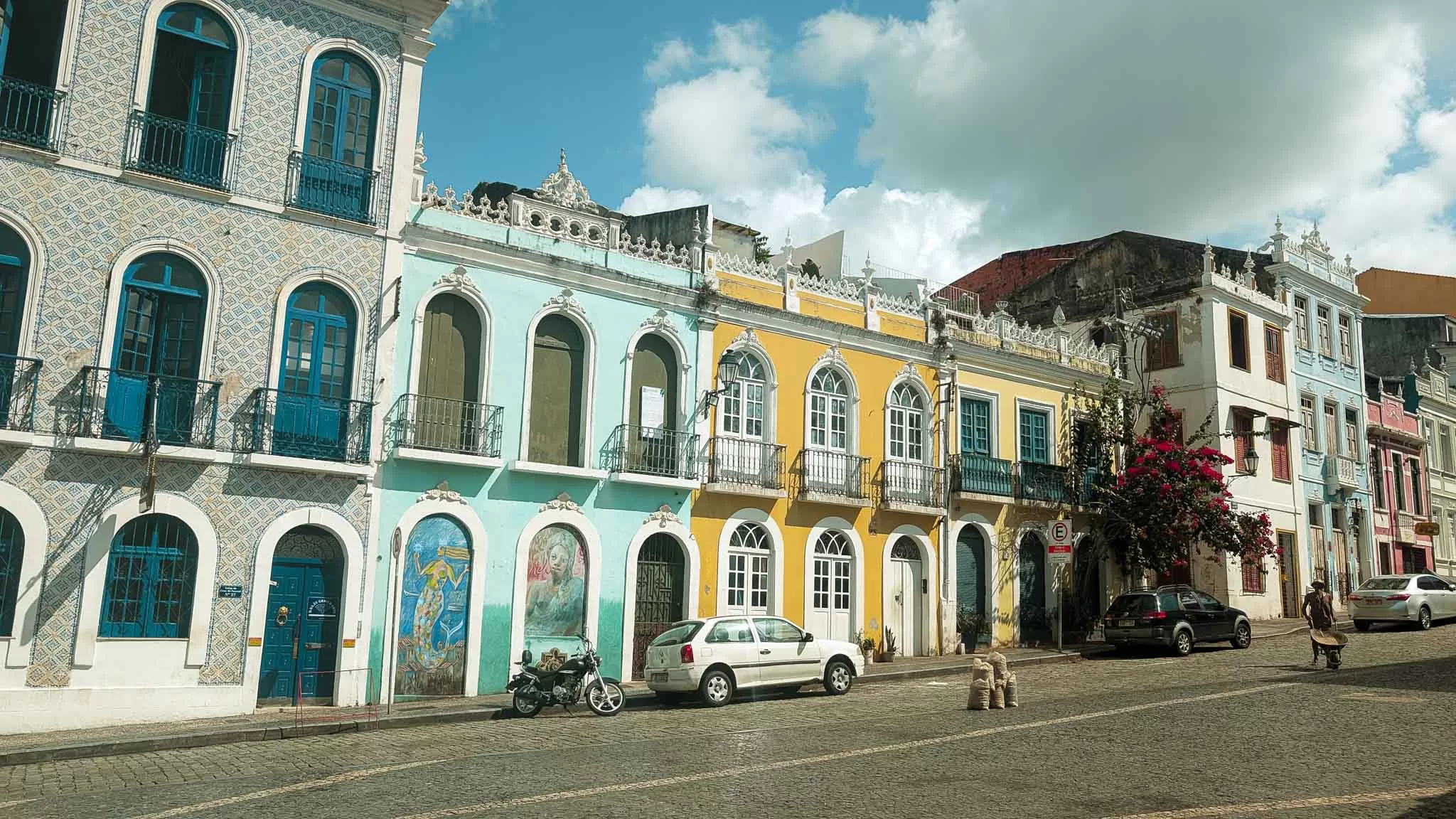
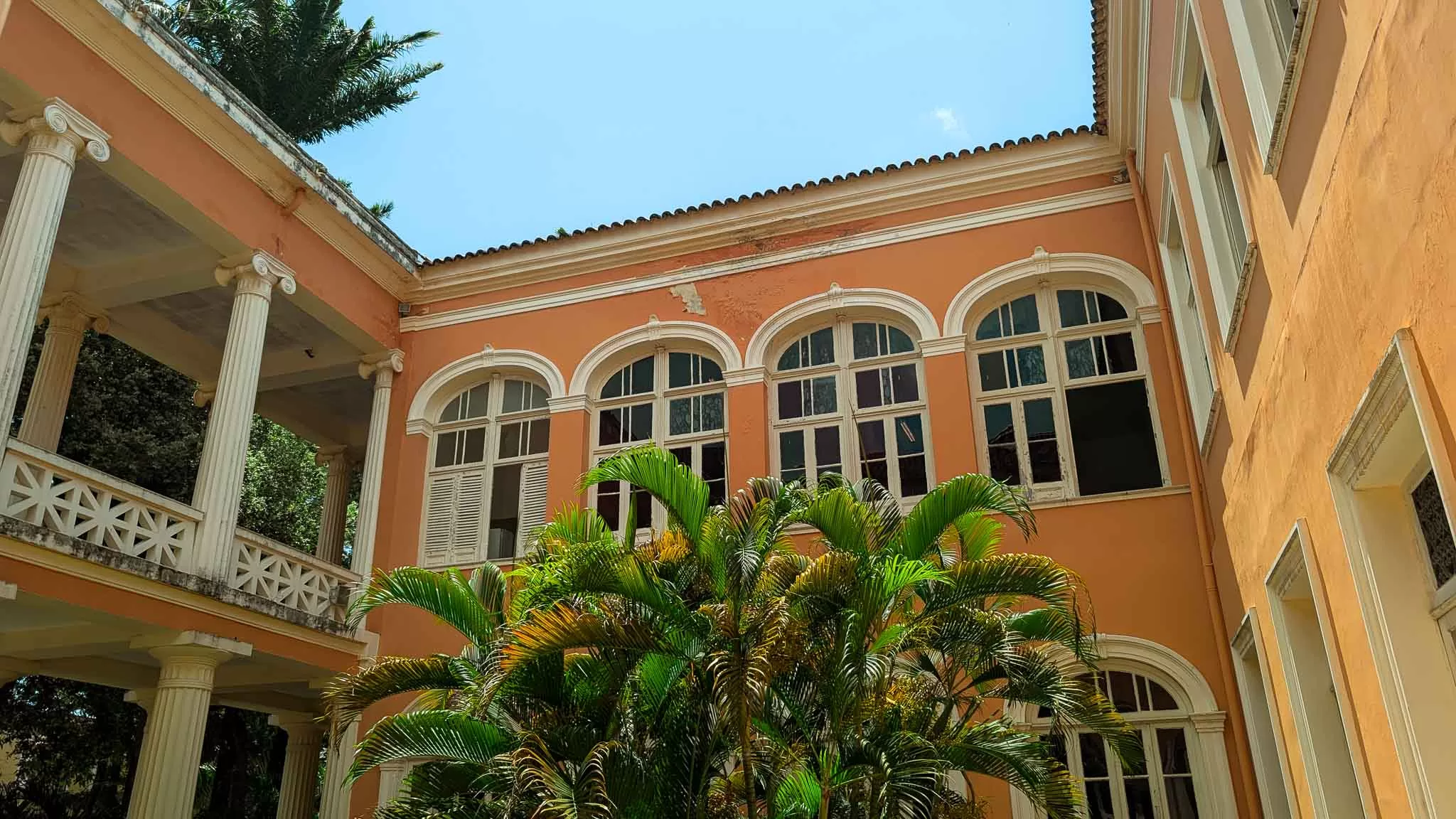
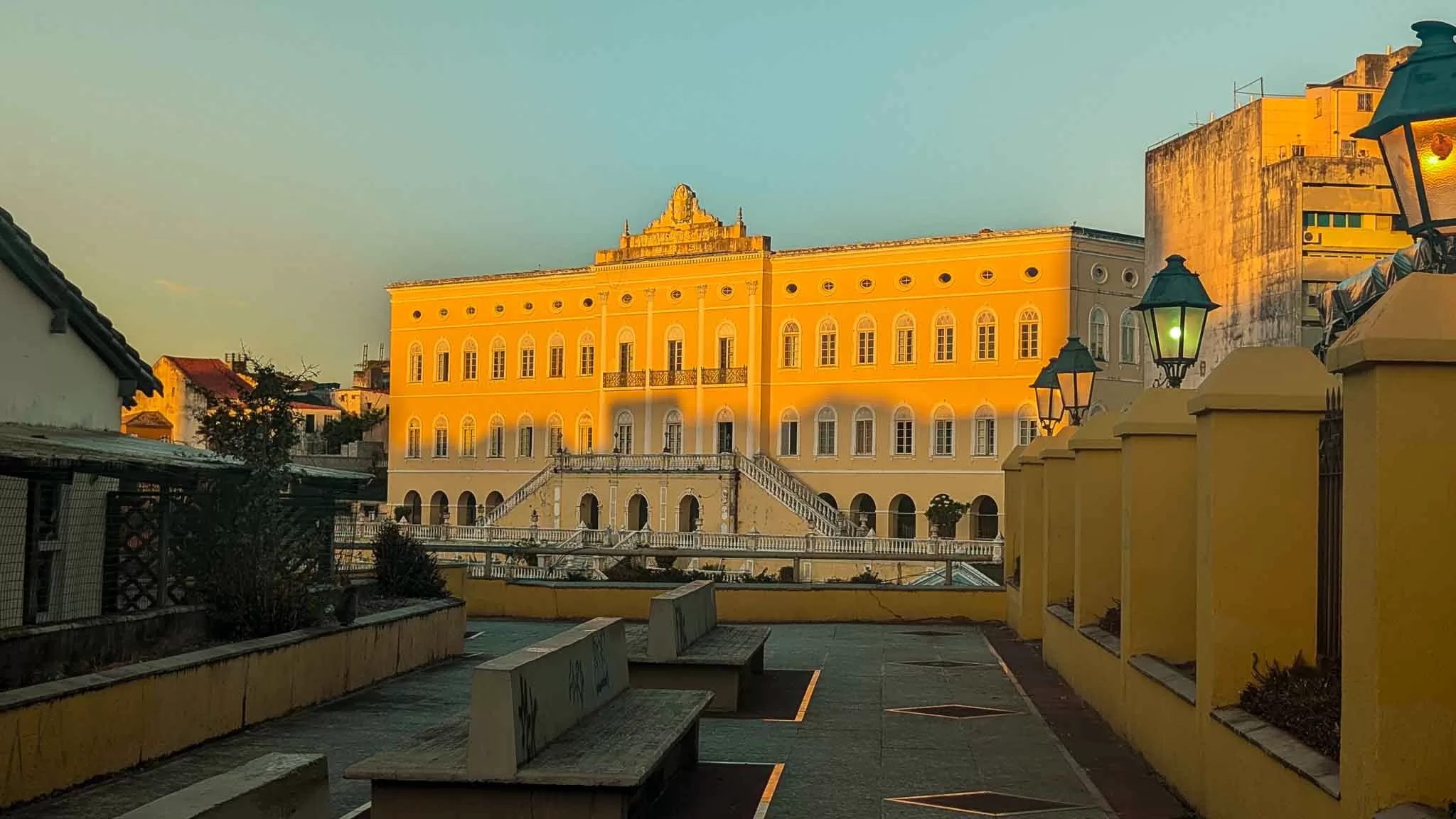
Our Salvador experience began with our hostel’s receptionist highlighting different areas on a photocopy of a hand drawn map and explaining to us that we will certainly be mugged if we venture onto any of the streets she marked out. This was fitting with what I’d heard about Salvador. I knew this wasn’t going to be the safest city in the world to walk around in, but having a few streets literally around the corner from where we were staying as absolute no go areas was a bit different. We took our scribbly piece of paper with us and ventured out into the city, walking up and down steep cobblestone roads, passing brightly painted buildings and historic churches in what I thought was a surprisingly beautiful part of Salvador. We were in the touristy area, but because of the heat of the day it was fairly quiet. As the sun began to go down we bought some ice cream at a lookout over the ocean, and a Brazilian woman asked us if we could chat to her son so he could practice his English which was quite sweet. The lookout we were at was next to an elevator, Elevador Lacerda, which was built in the 1870s to connect the lower part of the city to the upper part that sits 72 metres higher.
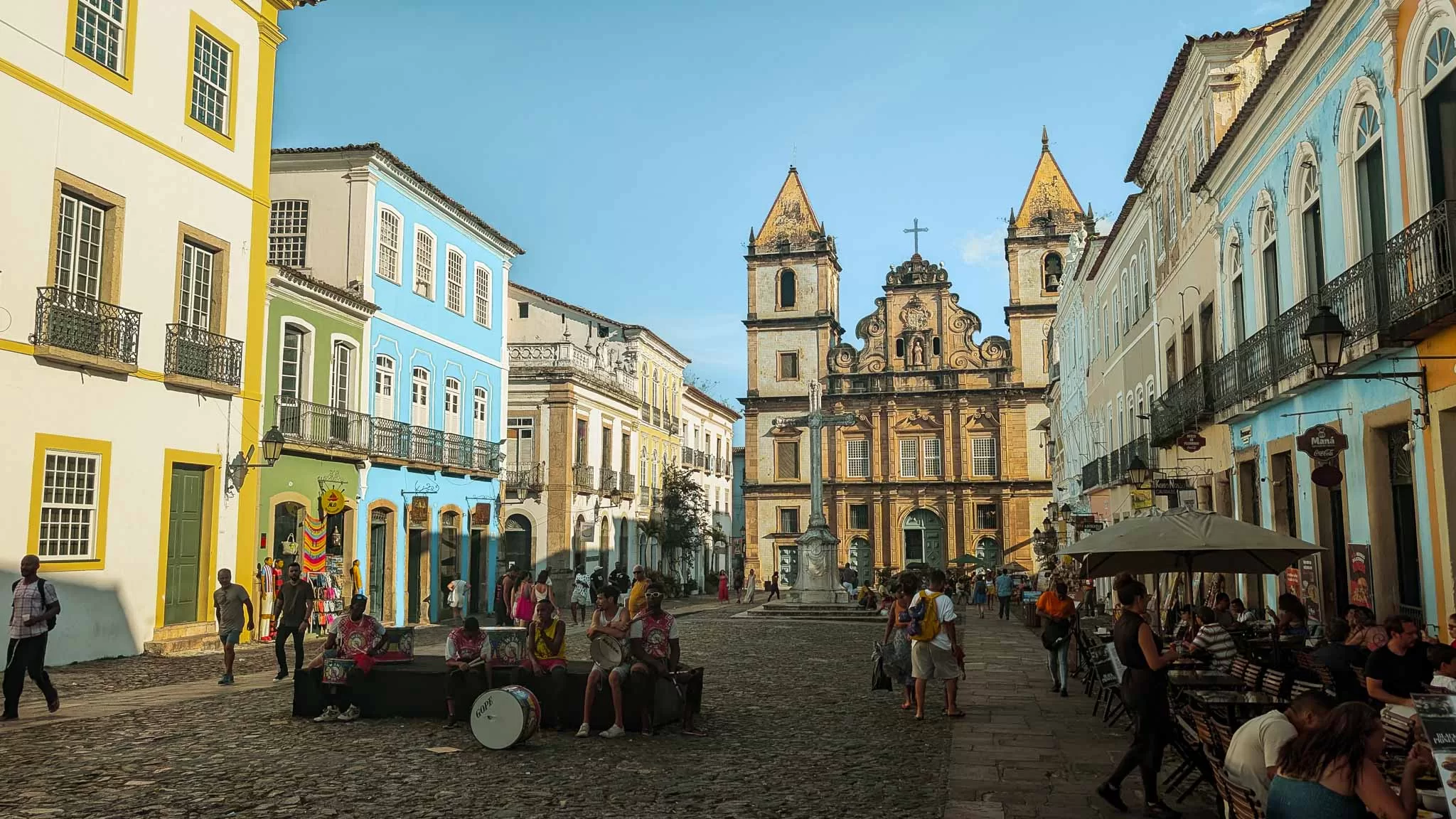
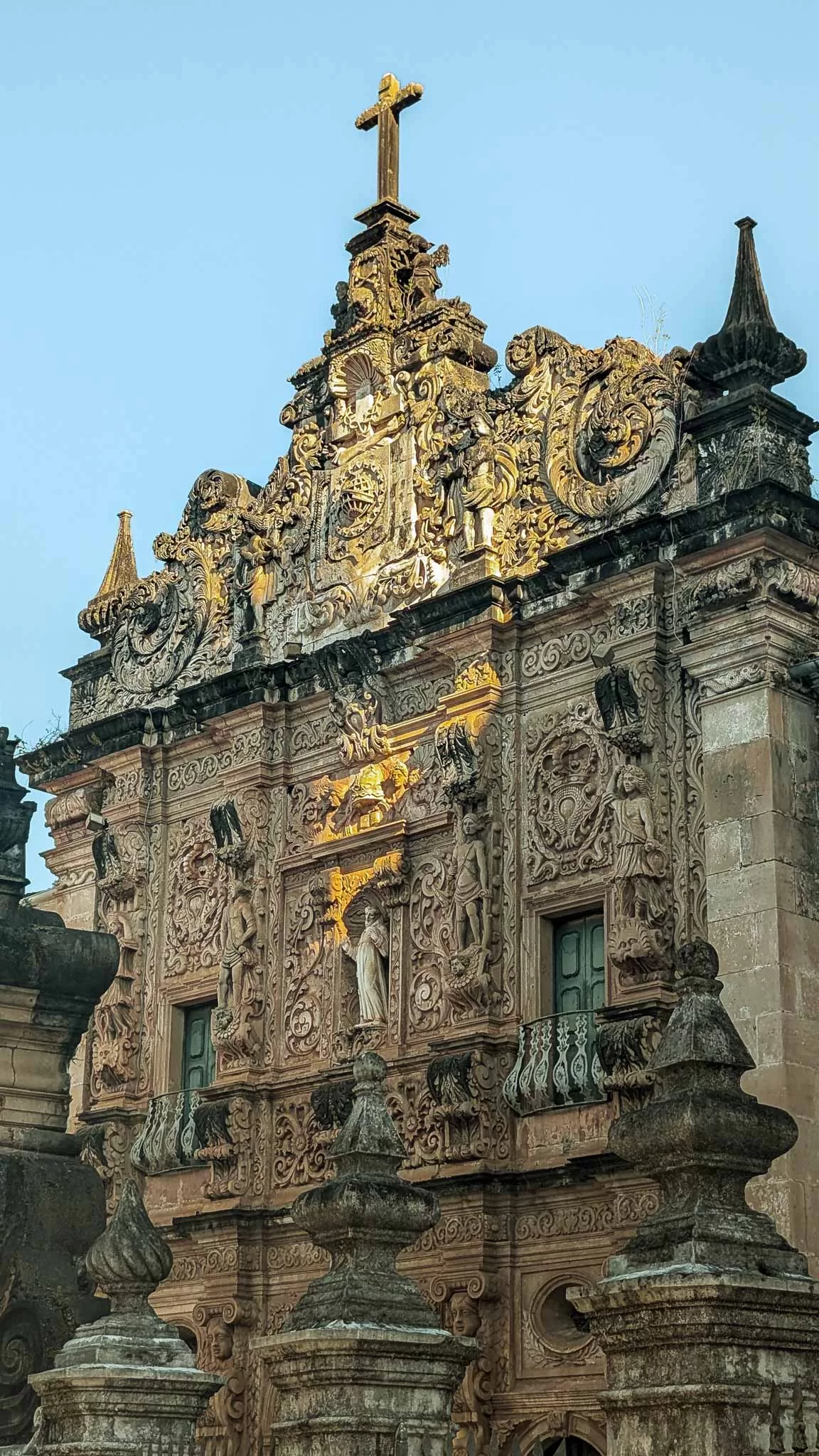
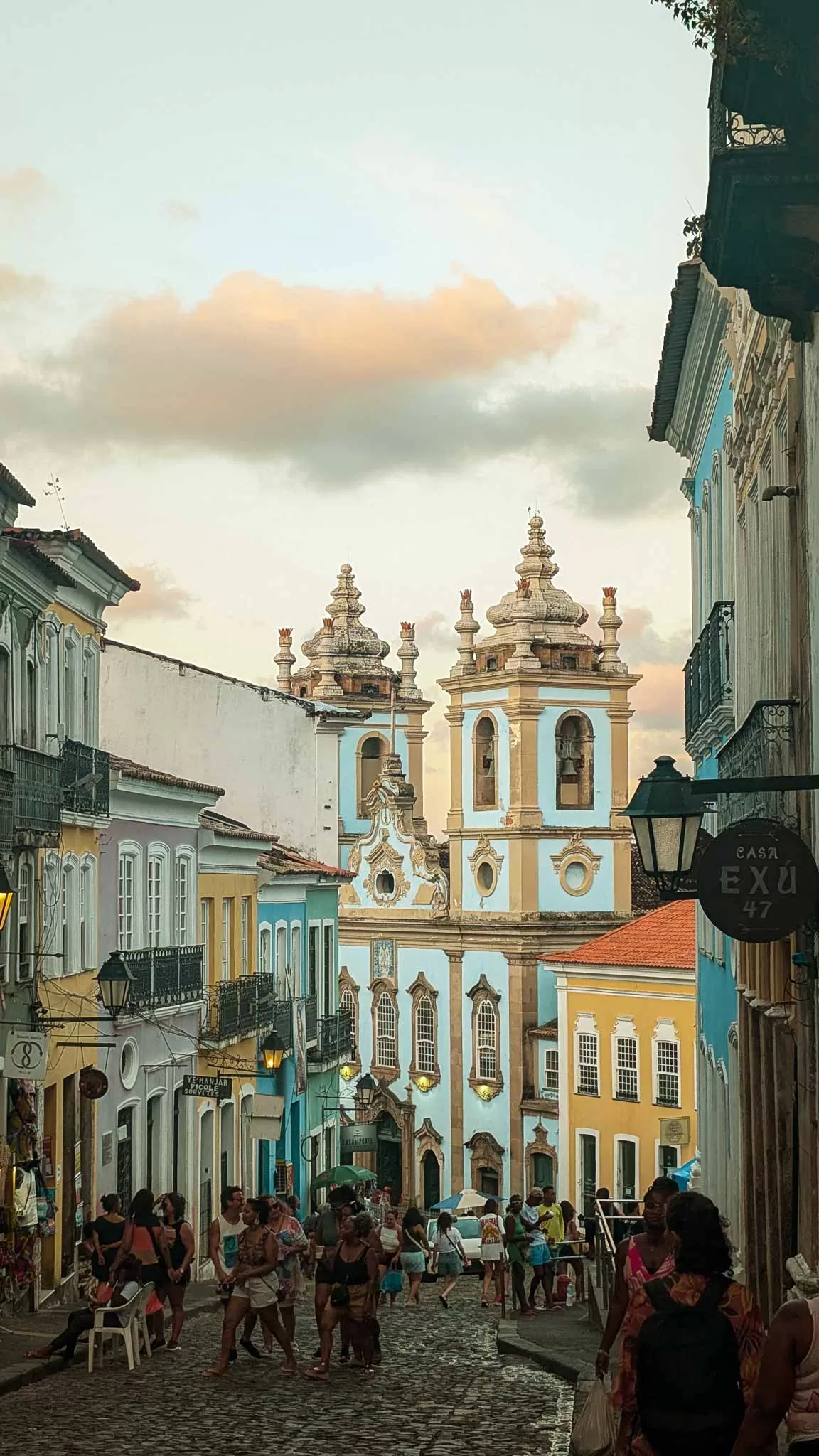
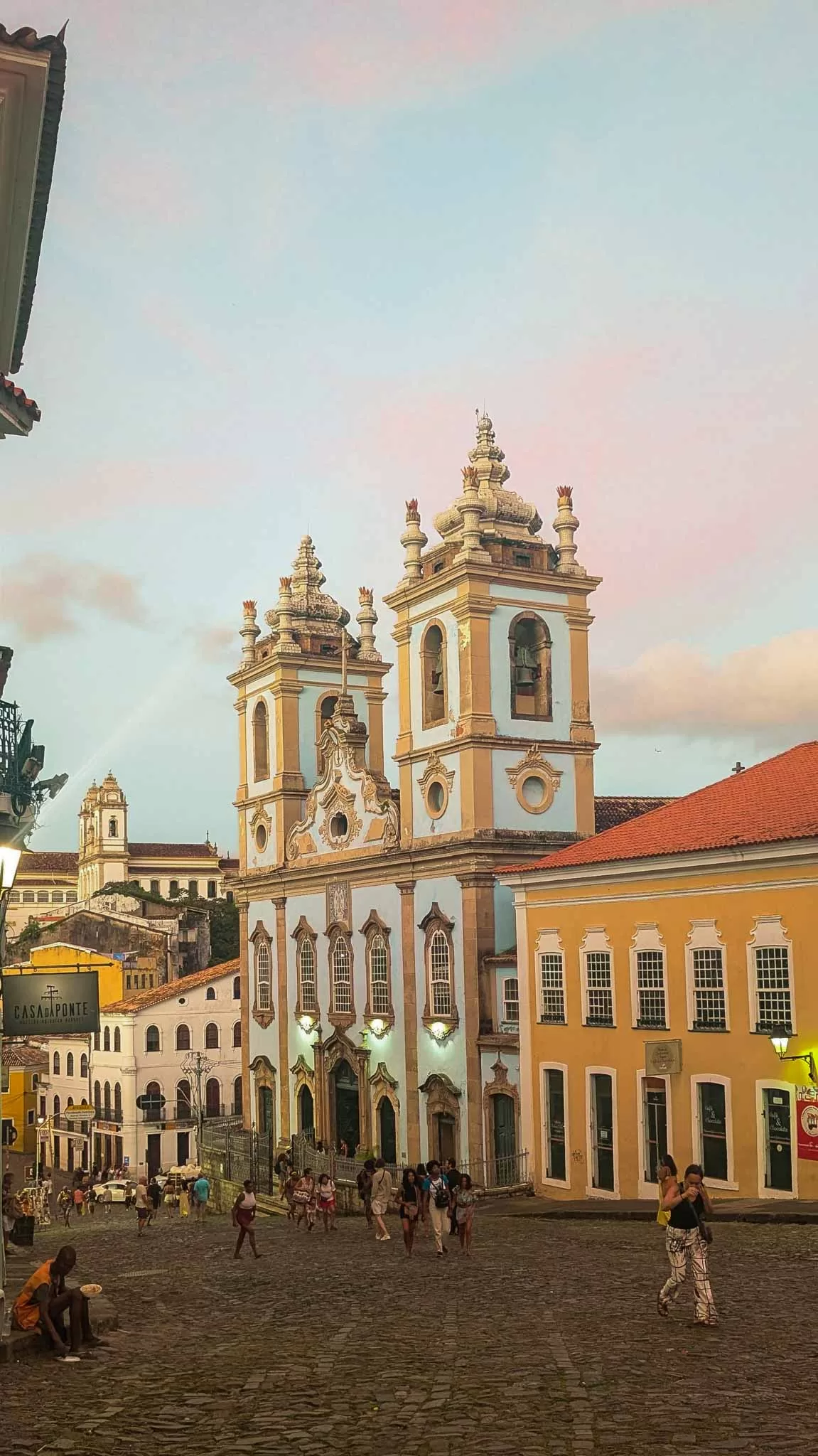
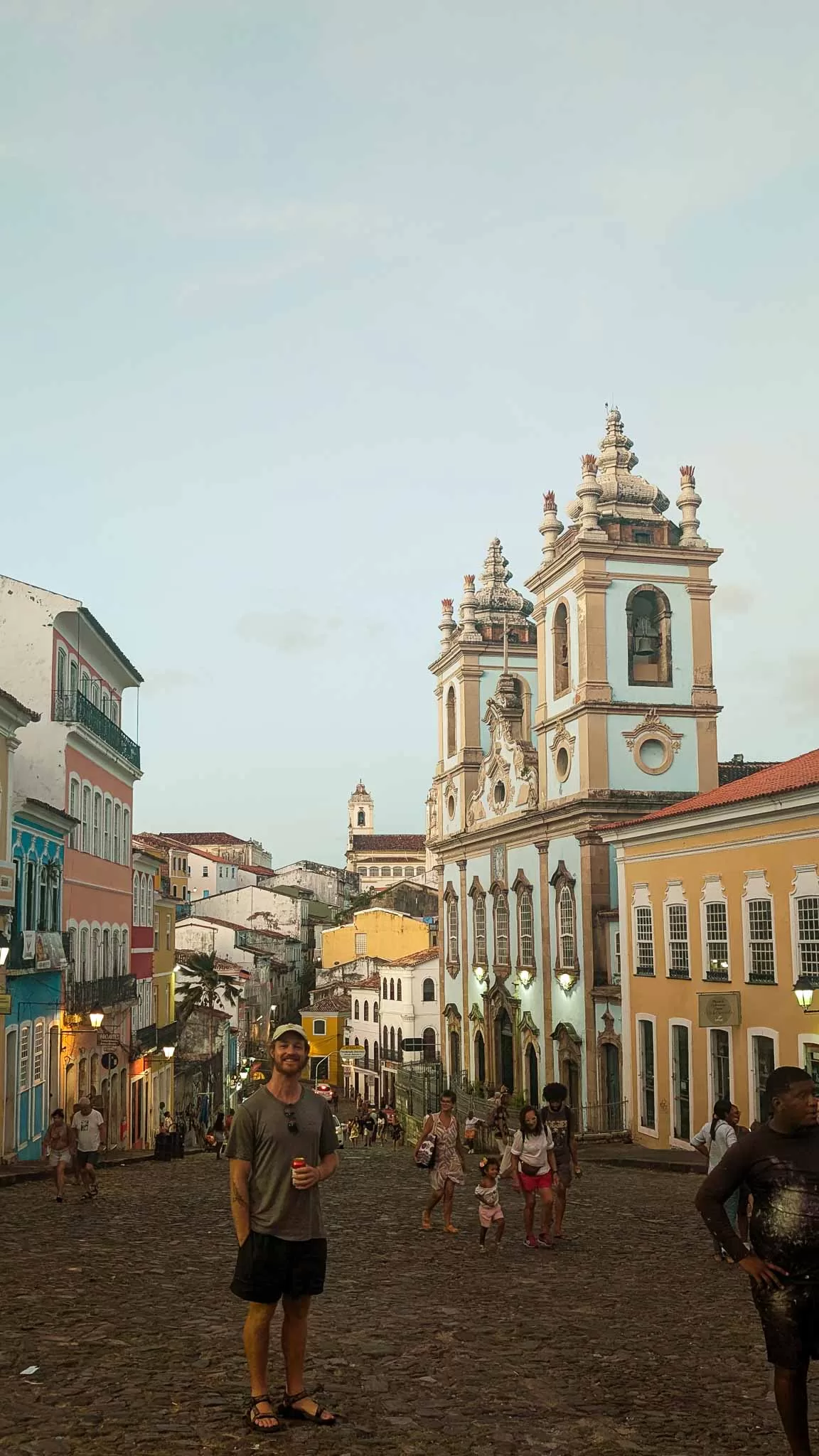
After the sun had set, people started to appear in the streets and doors to bars with blasting music began to open. Live music poured out into the streets as mobile cocktail stations served people their first caiparinhas of the night in what was an absolutely wild Wednesday celebration. I bought a few cans of Itaipava, yet another delicious Brazilian beer, from a corner store that had a live band playing out the front, and we found a pizza place dishing up pretty decent and big pizzas for $55R ($15AUD). Just opposite our hostel was a sort of pop up central square, where a row of restaurants all opened their doors and sat a hundred tables and chairs out on the median strip for people to come and drink and eat. It was really cool to see everyone having a great time on a Wednesday night and the energy of the place was fantastic. I was really looking forward to seeing what the weekend in Salvador would be like.
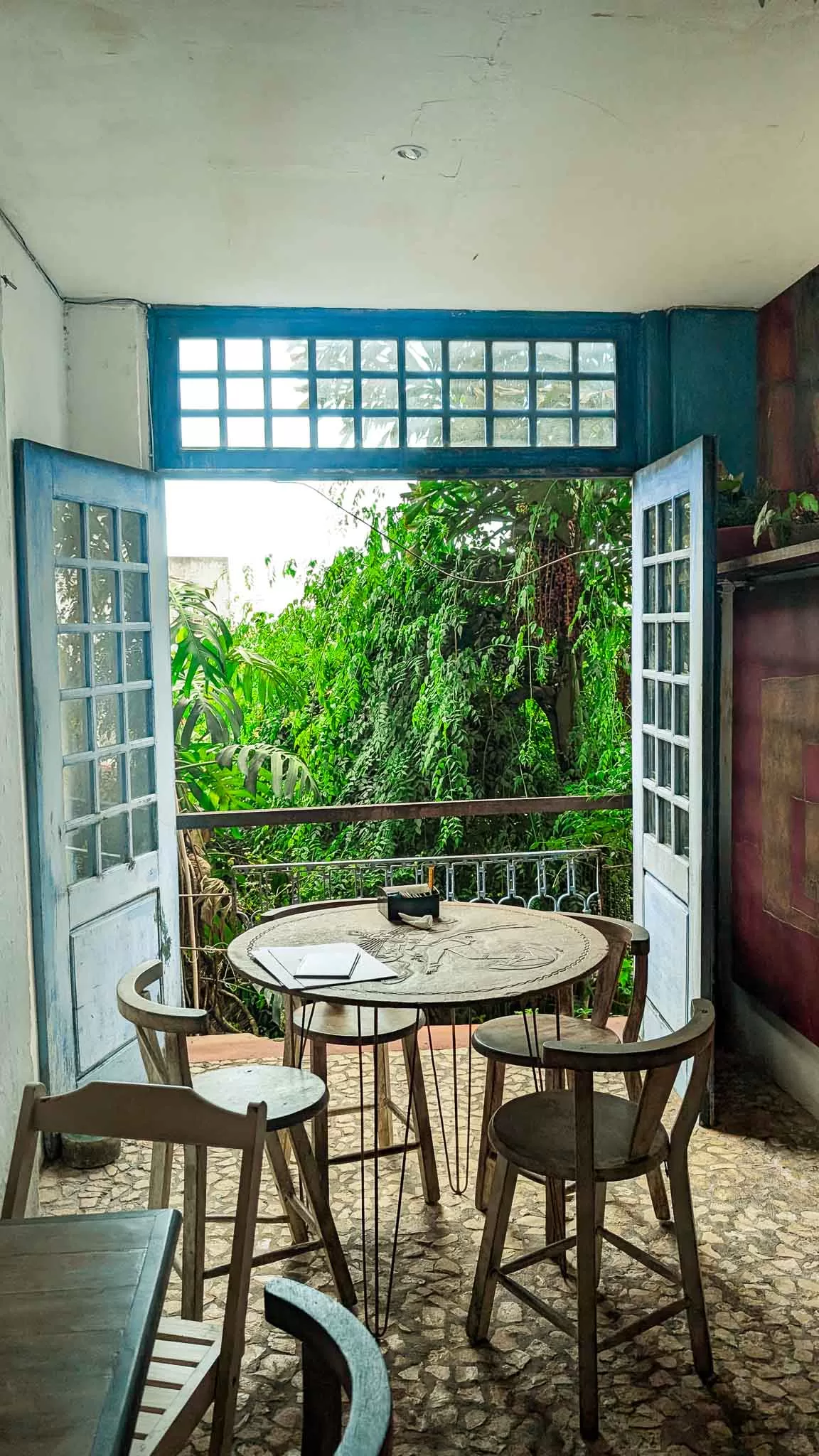
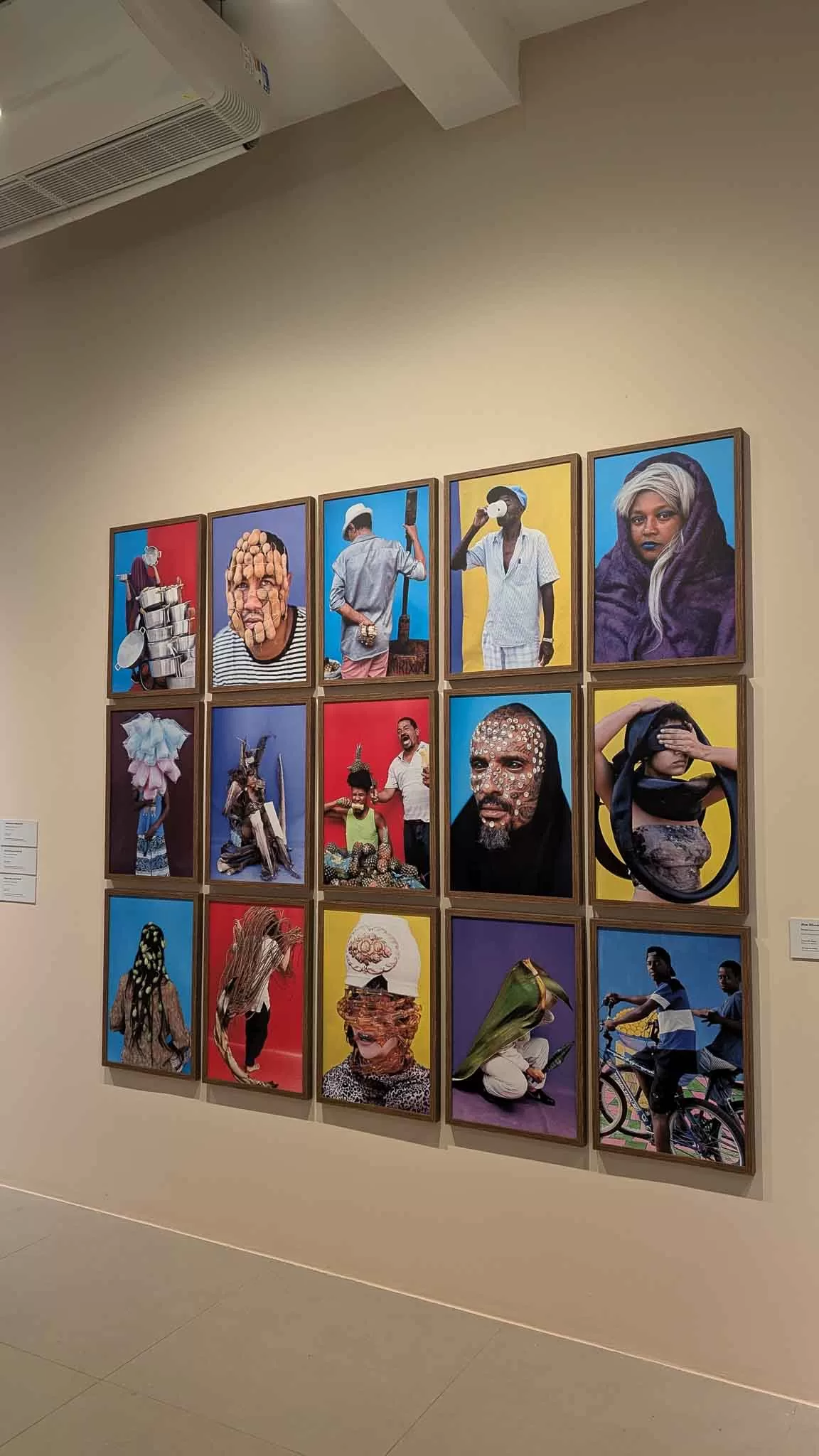
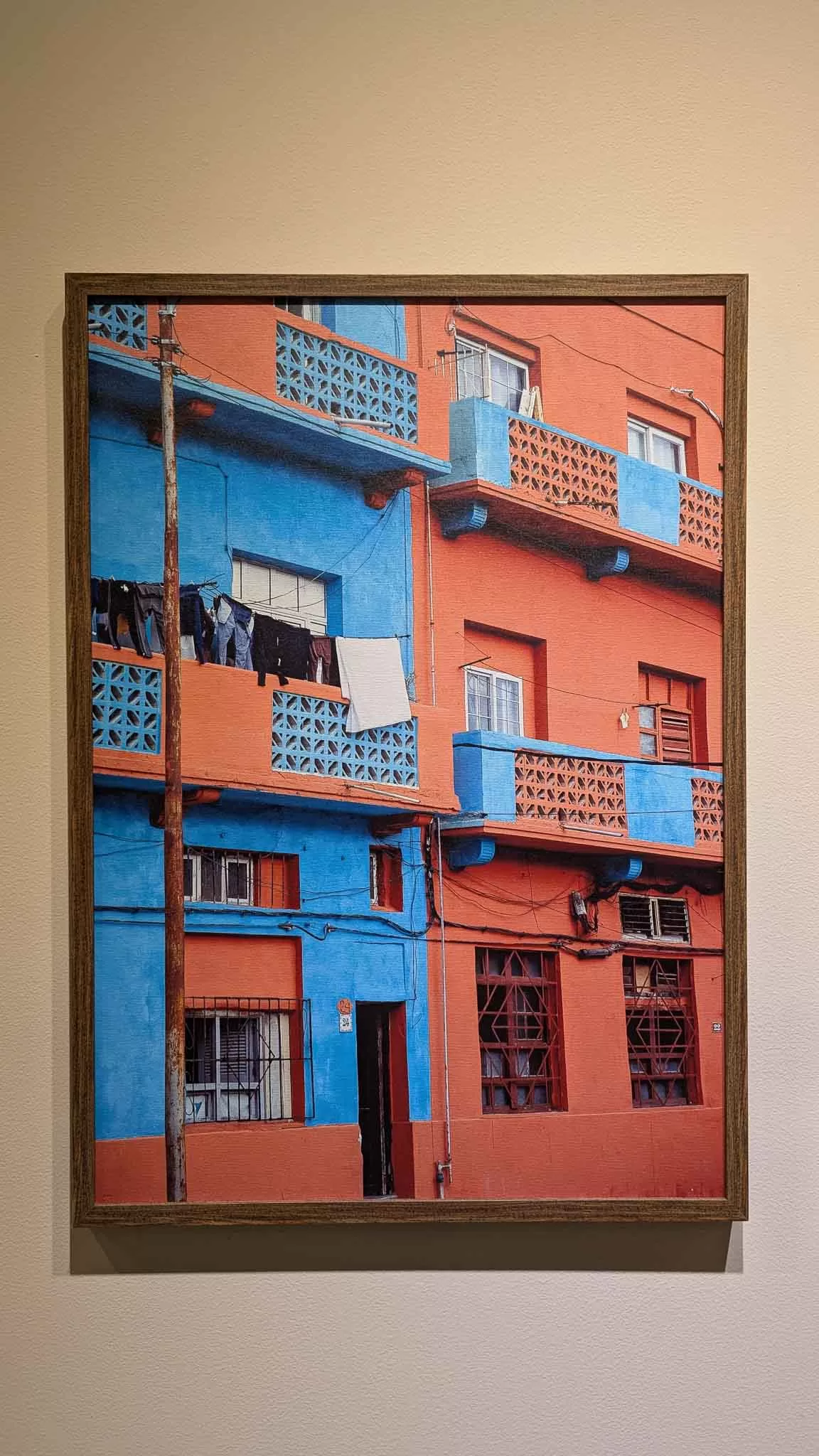
We found a really good coffee shop just a short stroll from where we were staying, where the view out the window made you feel like you were in the jungle instead of the heart of the city, and they served really good pão de queijo here as well which was a bonus. We visited a few art galleries which had some exhibits that we both loved. Bahían art is really colourful and very ocean themed, with fishing boats, crabs, fish and coastal birds, it’s stuff we would love to have on display at home one day.
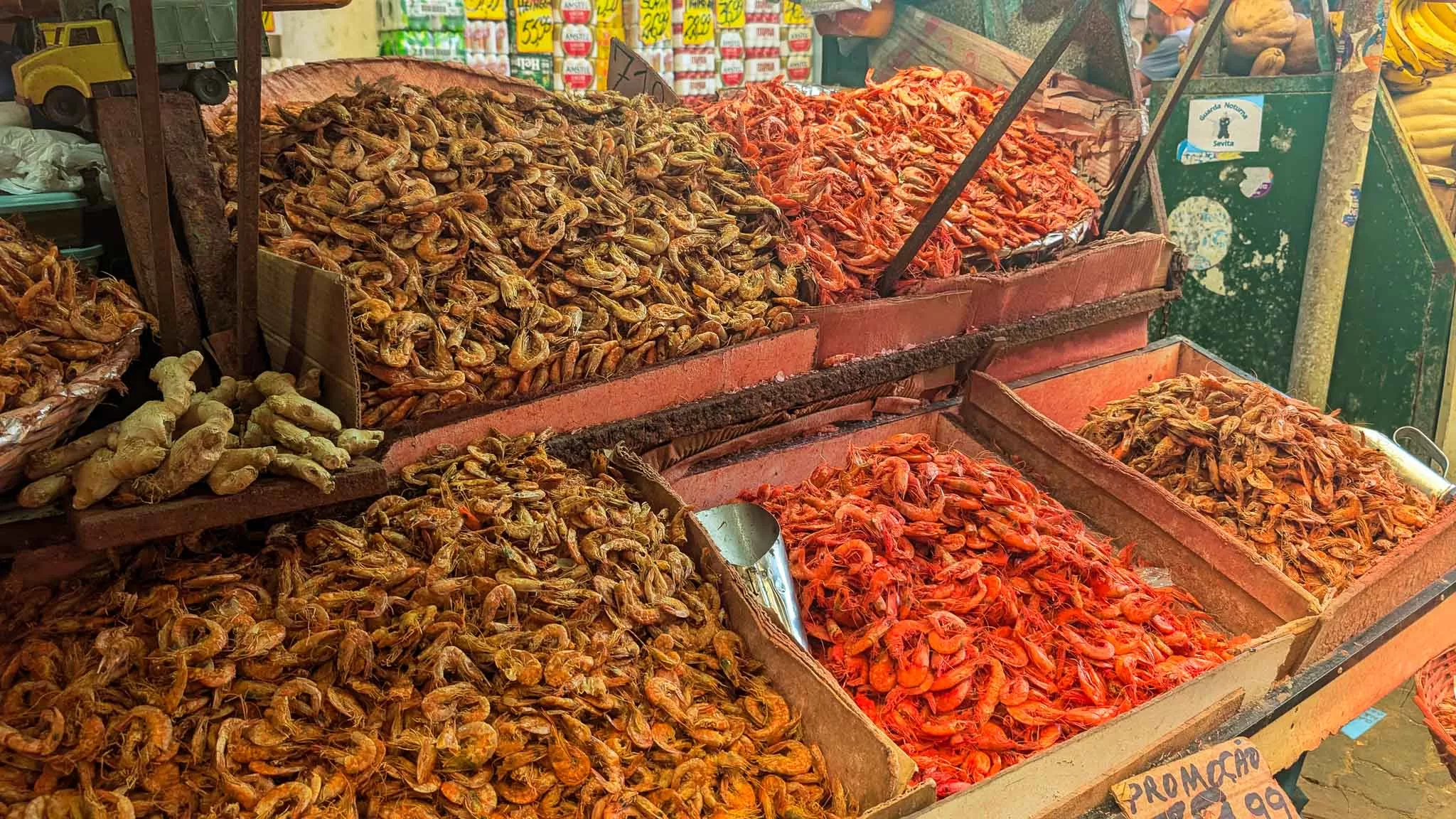
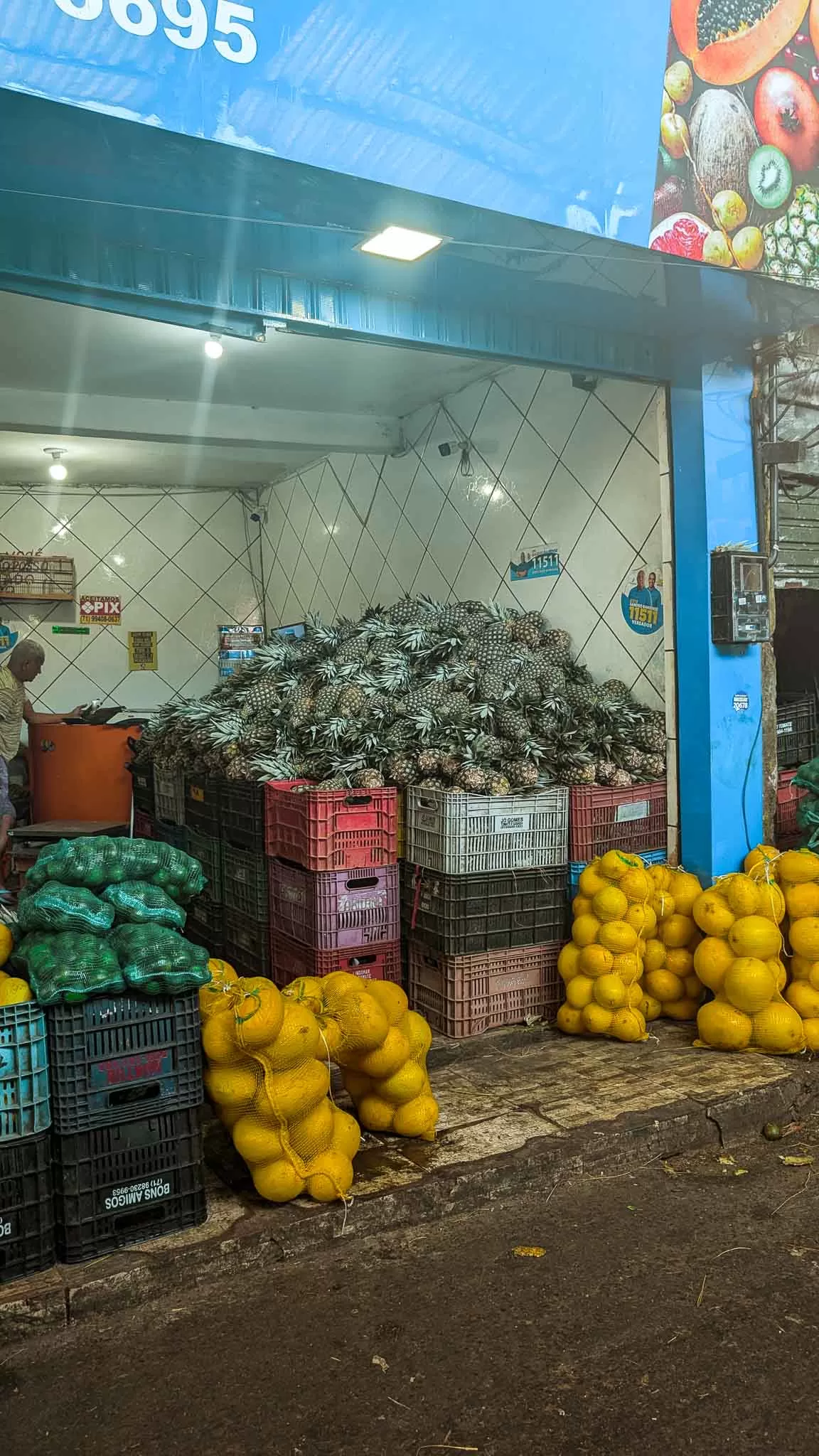
At every city that we visit, or even small town for that matter, I make sure we walk through the central market to see what fresh produce is on offer. We caught an Uber to Salvador’s central market, and immediately I knew we were in for something more wild than anywhere else we’d visited before. This place was insane. It was completely overwhelming, and very difficult to really absorb anything that we were seeing. A mishmash of tarps and other thrown together structures were being used to shelter people and produce from the beating sun for those unlucky enough to have their own space inside the decrepit building that was the market itself. Absolute mountains of fruits and veggies were stacked as high as possible, with vendors of massive mounds of dried prawns, spices and nuts yelling prices at buyers who would barter in return. Rounding the corner, all sorts of parts of all sorts of dead animals were strung up in the heat of the day, collecting flies while dripping blood onto the wet concrete floor, and sellers of fish would try to move their stock into the shade as the sun climbed higher into the sky. Down an alleyway, cages of live birds squawked their confined suffering next to a pile of freshly slaughtered goats, a few metres away from a stall owner tucking into their soup for lunch. It was heavy. We didn’t hang around long in this maze of highly questionable hygiene, but I am glad that we went to see it. I left with the burning desire to know exactly how all of that stuff gets into the market. With such little room to walk in between stalls and produce, how are they getting these mountains of pineapples or bodies of beef from the street to the back of the market? I guess I’ll never know, as all that highly stressful walking around somehow managed to work us up an appetite, and we left to visit a very local buffet restaurant around the corner of the market for lunch.
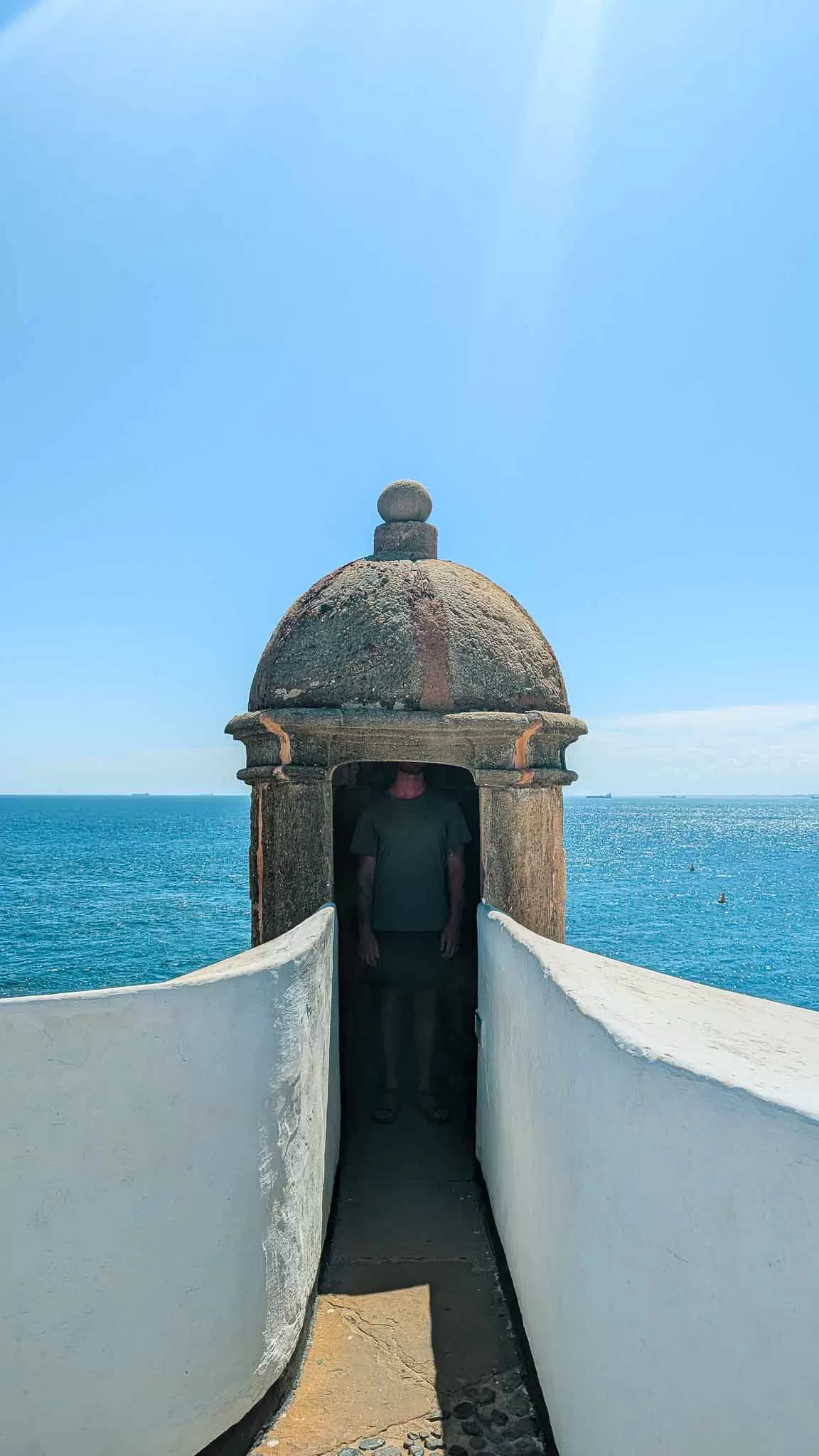
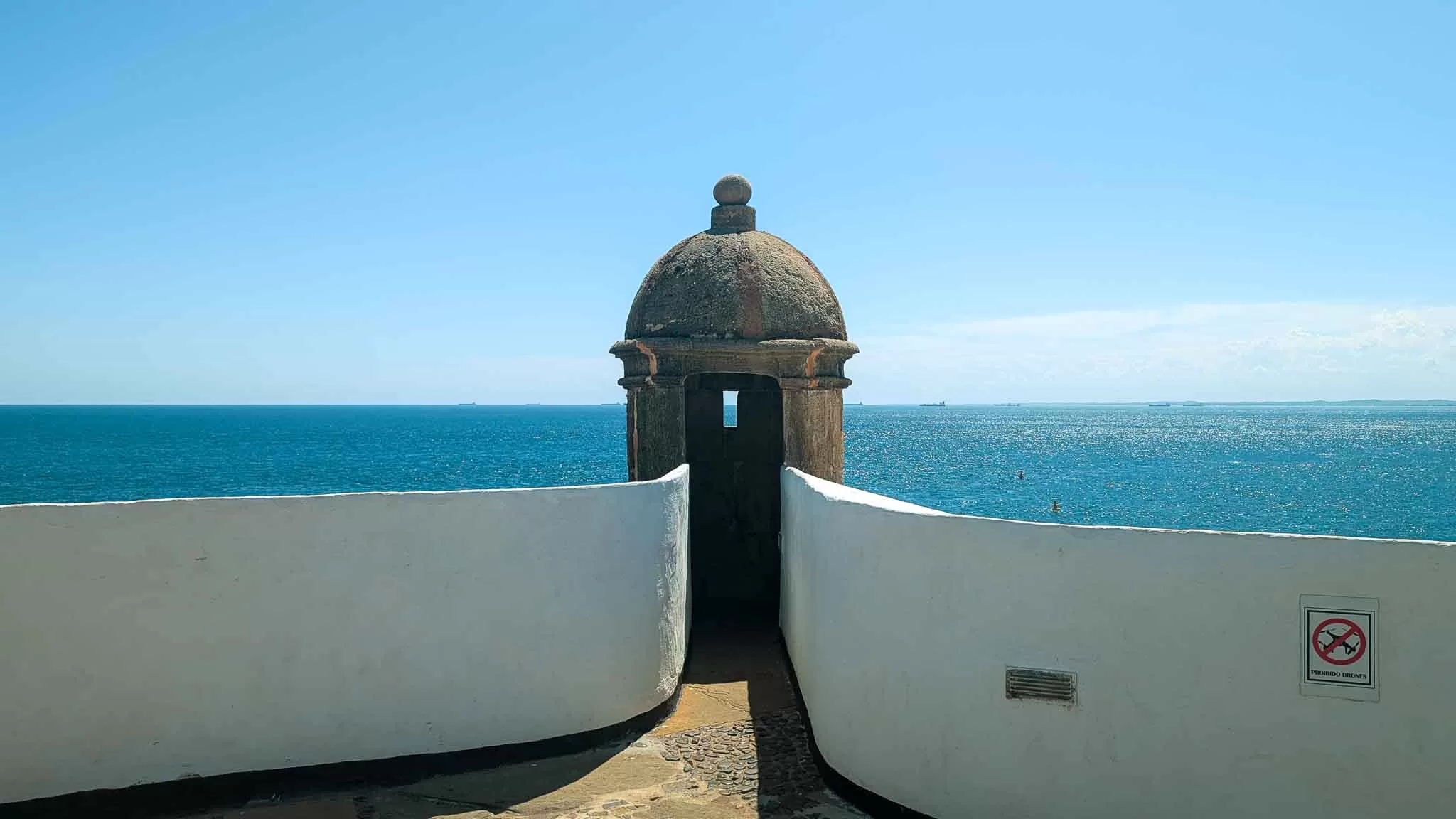
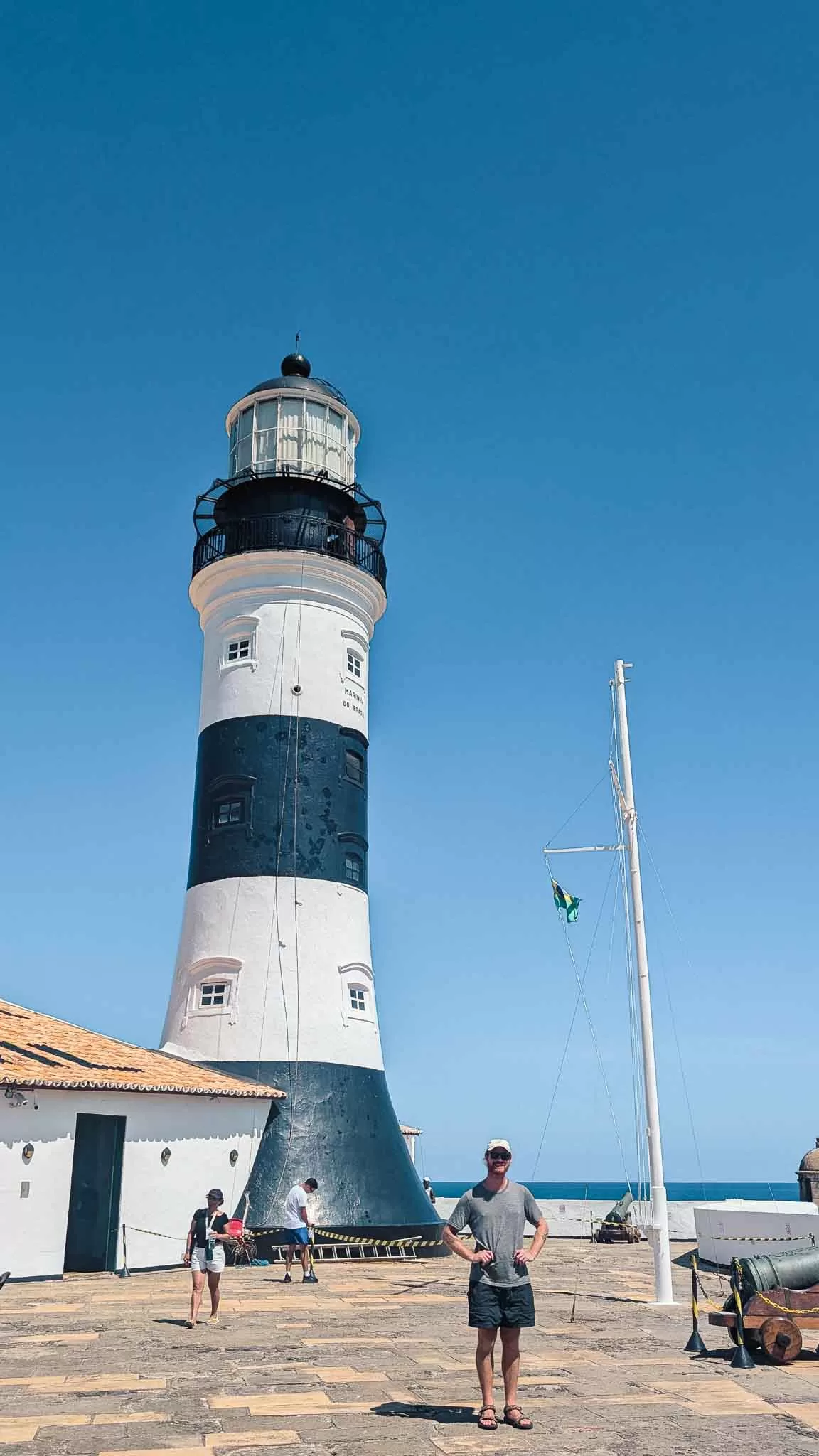
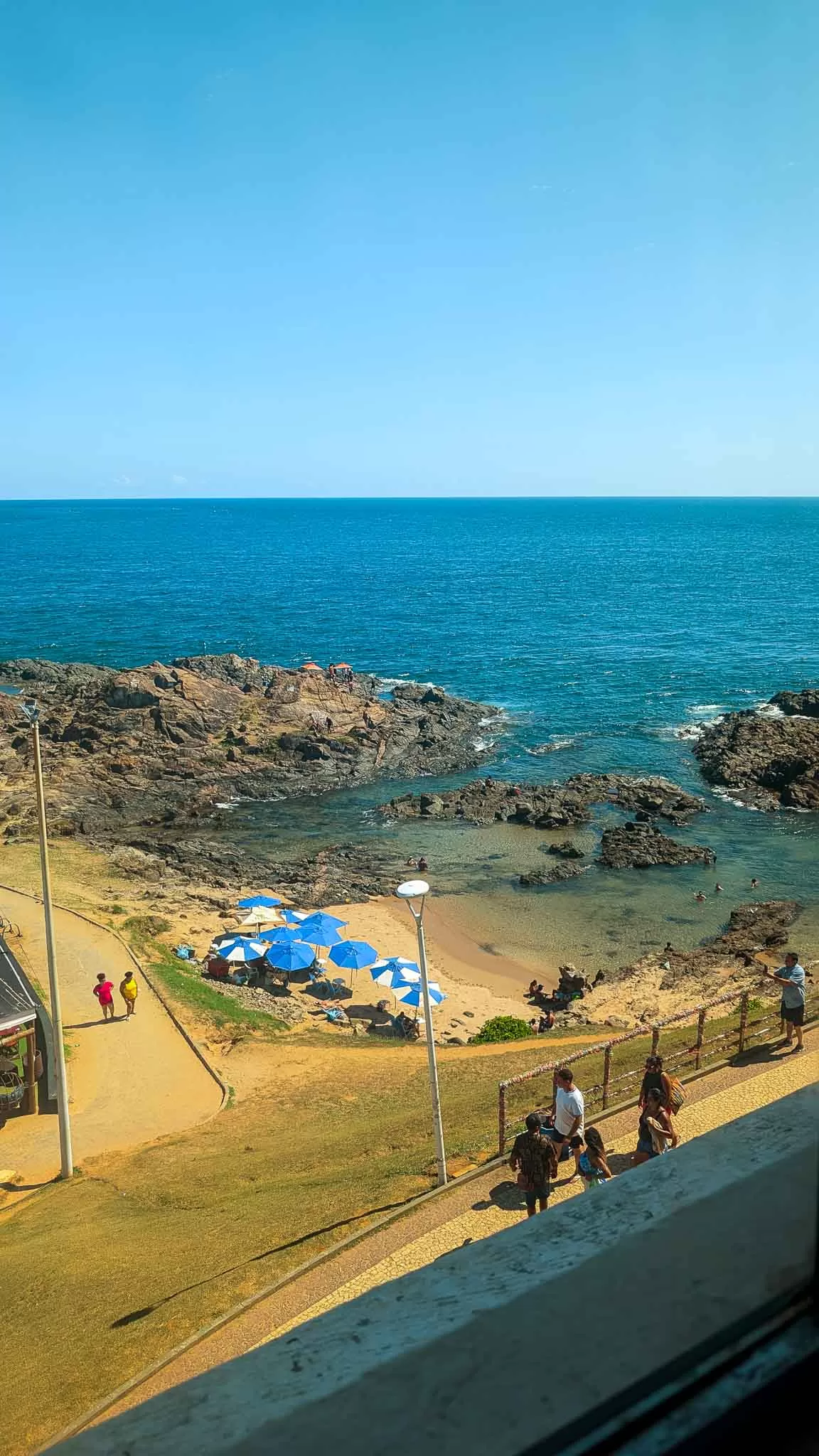
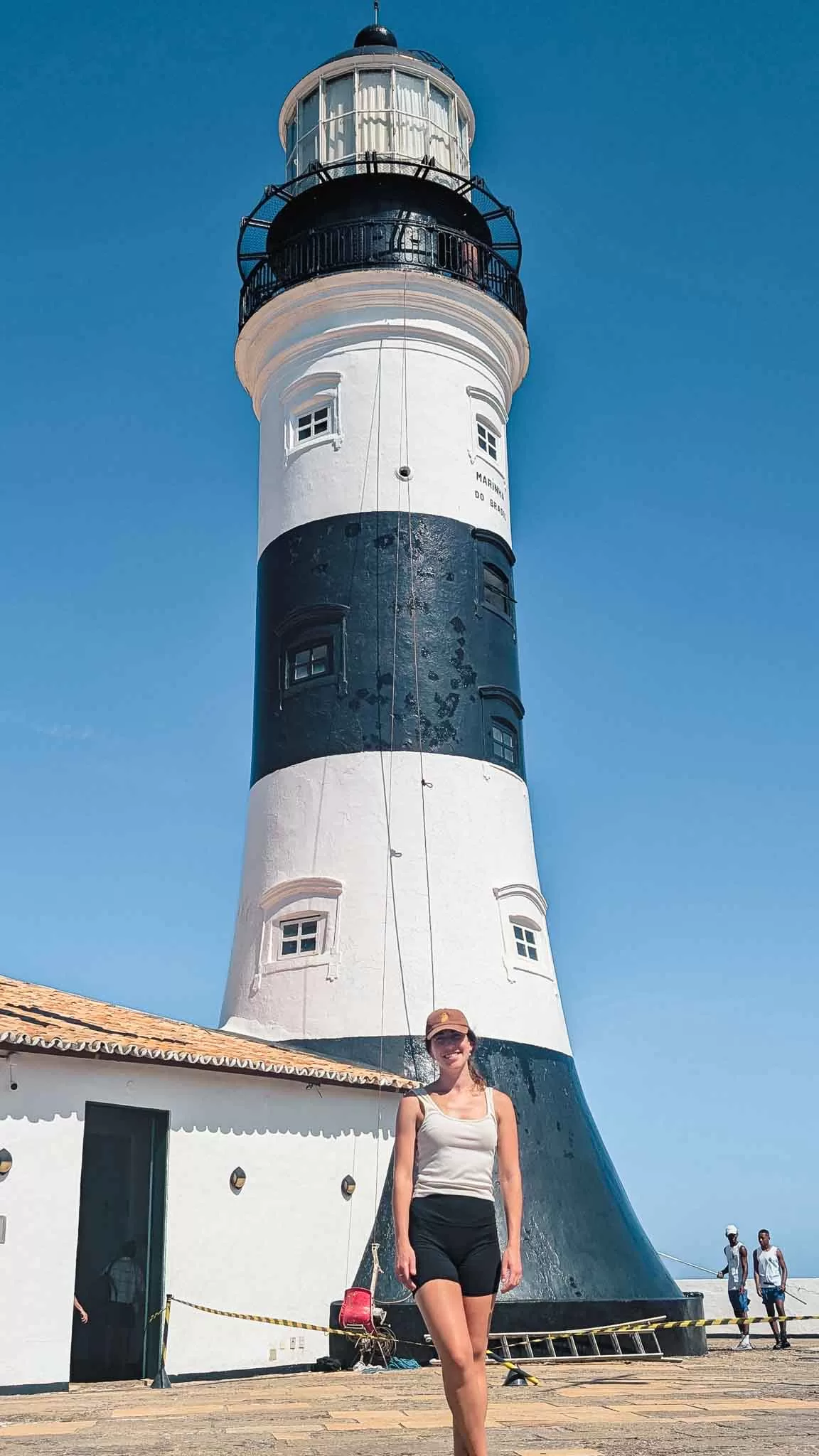
That afternoon we visited the Barra Lighthouse, which is the oldest operating lighthouse in South America. There was a really cool nautical museum on sight that had a lot of information about the different ships and navigation equipment that was used by the Portuguese since the 16th century. While we were in Salvador I was in the middle of a book series called The Liveship Traders, which is all about pirates, so I was naturally quite captivated by the scale models of the ships and the technology that was being used back then. We spent a good few hours cruising around the museum and taking in the view of the ocean from the base of the lighthouse. The water at Praia Farol, Lighthouse Beach, was easily the cleanest we saw anywhere on mainland South America. There was barely any rubbish around and the water was crystal clear, which took us both by surprise as the last thing you’d expect to find in a city of 3 million people is a pristine beach. We walked along the blistering hot sand until we came to a grassy area, where we sat beneath the shade of a tree to drink a couple of coconuts and watch the world go by.
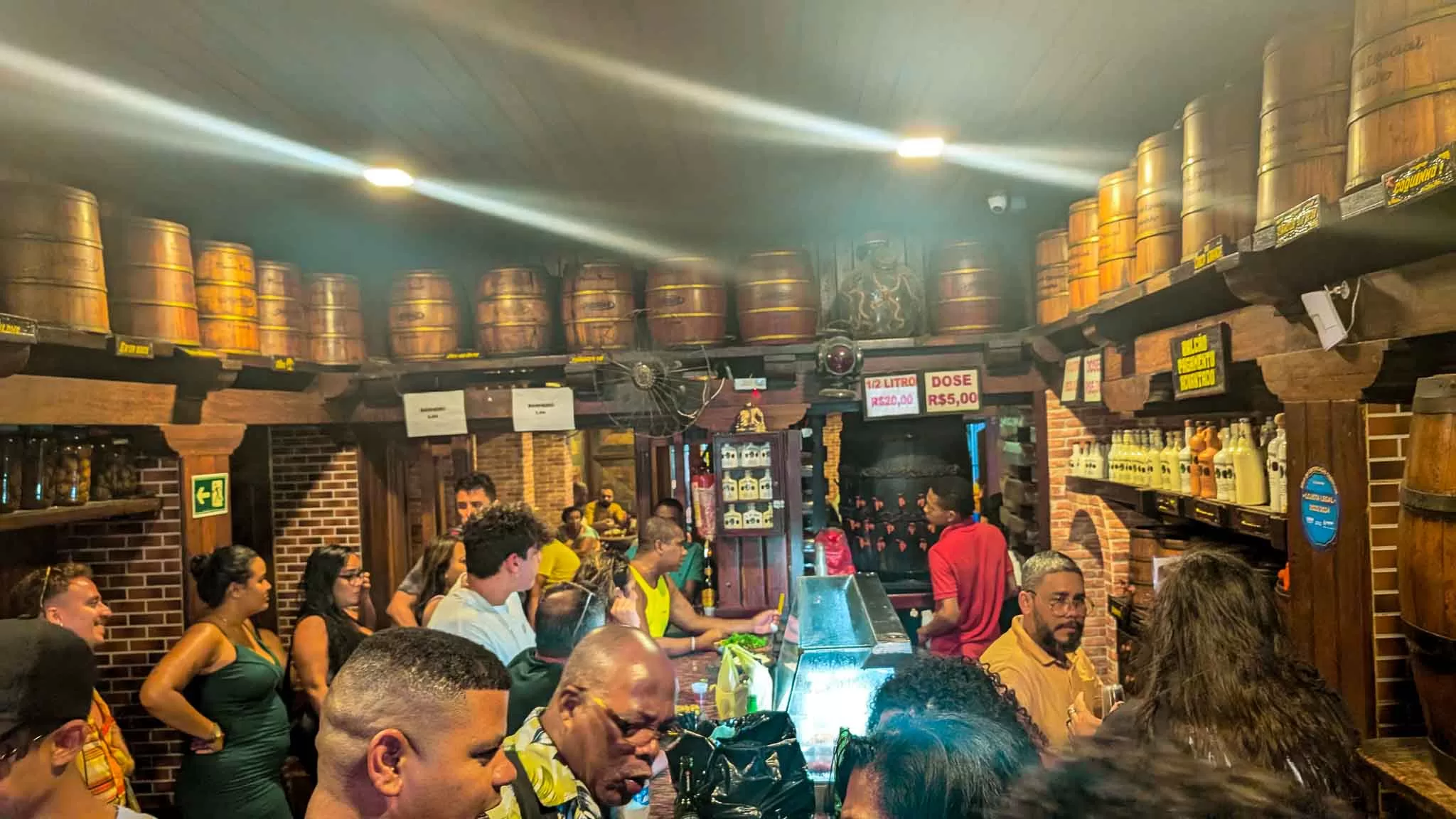
That night I dragged Rachael to a famous cachaça bar that I’d read about called O Cravinho. Cravinho is a type of spiced cachaça, and this place served up probably a few dozen different flavours. We enjoyed half a dozen shots of cravinho at about $1.40AUD each, with varying quantities of cinnamon, cloves, star anise, honey and lemon, and all of which are made in house and stored in timber barrels. It was a really popular little place and the barman was happy to give me random shots as I had no idea what to be ordering. Feeling warm and fuzzy from spiced cachaça, we went for a walk around town to see what music we could enjoy.
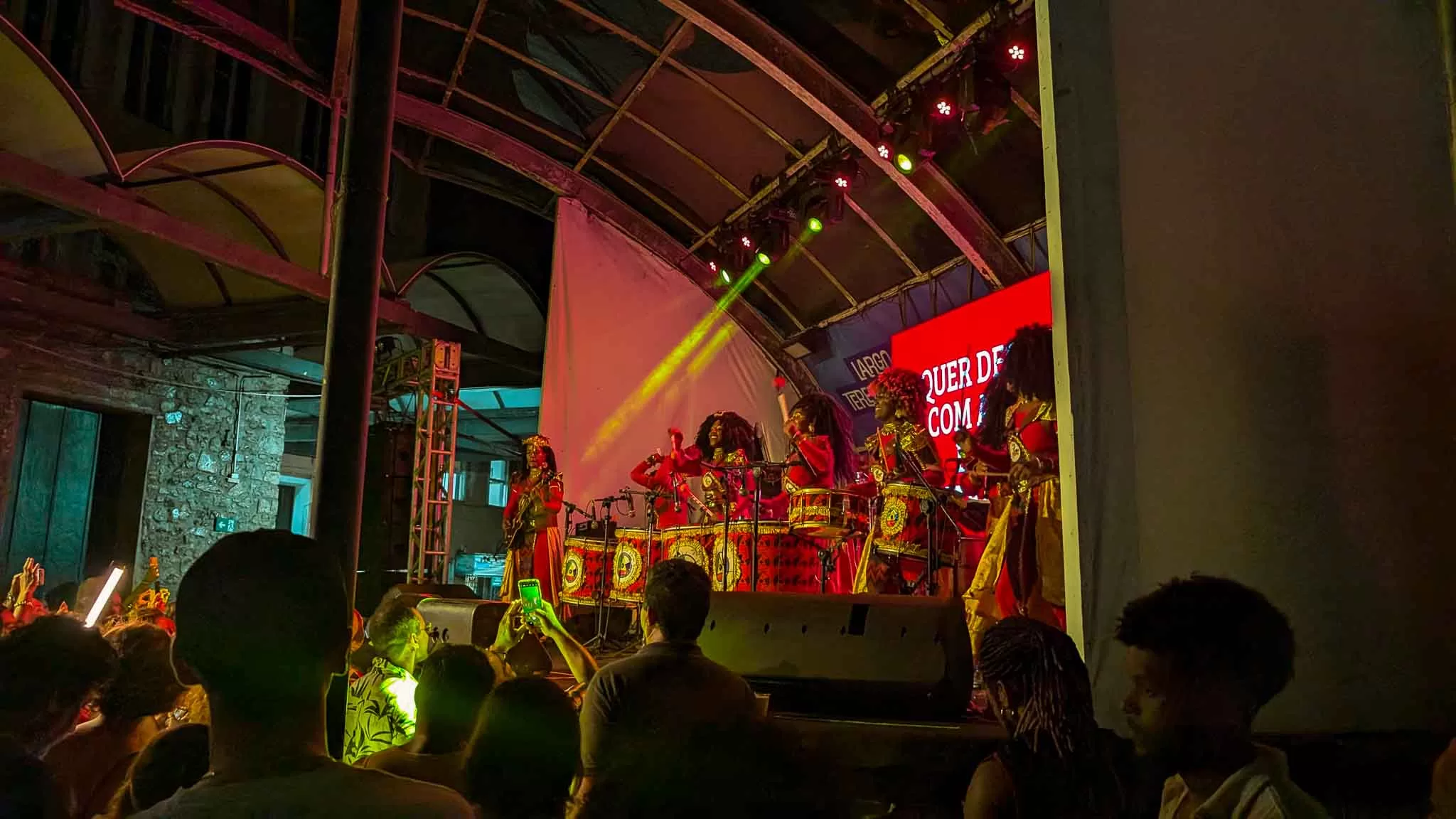
We found a random venue down the back of some alleyway that had a huge crowd of people watching some bloke singing some sort of Brazilian pop music, flanked by his highly energetic dancers, but we didn’t stay too long to watch this one. Instead we continued to aimlessly follow our ears through the streets until we found another venue with an axé band. Pronounced ‘ah-shay’, axé is a Bahían music genre that started in the 80’s, and features a blend of different Afro-Carribean and Brazilian genres. Groups of African drums provide driving rhythms to electric guitar, bass, keys, vocals and often brass ensembles, and sometimes a lead dancer will stand centre stage, dressed in some type of traditional African getup performing steps to a dance that people in the crowd follow along to. It’s a lot of fun. This is what party music should be all over the world. It’s incredibly high energy and everyone in the crowd sings along, the musicianship is really good and the band plays extremely tight, I love it. On our way back home that night we passed the corner convenience store again to see if there was more music on, and sure enough a bloke with his guitar and a loop pedal was shredding to a decent crowd of people sitting on tables and chairs in the alleyway, buying their beers and individual cigarettes from the corner store. I had a beer or two while we enjoyed the music and the atmosphere of another wild weeknight in Salvador before we made it back to the hostel.
The following day we didn’t get up to too much aside from walking through Salvador’s museum of music, which was highly unimpressive considering the explosive music scene in the city, and we bummed around in our café trying to come up with a plan of where to continue our journey. I was just hanging out for the sun to lower so that people would come out and start playing music again. I was not disappointed. Once again, we walked aimlessly through Salvador’s cobblestone streets, following our ears and looking for the cheapest cervejas from the multitude of drinks vendors that were either pushing around trolleys of big styrofoam eskies, or selling beers from doorways and windows of random buildings. We stumbled upon a band set up in the middle of an alleyway playing some sort of slightly smoother axé to two separate crowds on either side of the tent they were playing beneath, and we watched them for a few songs before heading up the road to try and squeeze into a venue that had a bateria playing.
Translated to ‘drum kit’, a bateria is a big drum ensemble that plays a highly syncopated, driving and repetitive rhythm, and is often used to keep the energy up while the act on the main stage of a gig switches over or sets up their gear. It’s very impressive how tight these ensembles are, and it’s a great way to keep people dancing between performances. After the bateria had finished, they funneled through the crowd and the main act began. This was easily one of the coolest live music acts I’ve ever seen. An eight or nine piece girl band made up their own bateria with a vocalist, guitarist, bassist and trumpeter. Everyone was dressed in a similar bright red and gold, tribal african looking get up with the biggest smiles, and the drummers would play their drums while dancing and it really looked like they were all having the time of their lives. The music in here was insanely loud, and we had to move further away from the speakers as I thought my head was about to explode. It was such a cool experience.
We left to try and find some late night pão de queijo for Rachael, and feeling confident she opted to ask the ladies at the bakery herself while I waited out the front. After repeating herself numerous times, she said they had no idea what she was saying, so they just gave her a bottle of water and sent her on her merry way. We found out later that if you don’t pronounce the nasal ‘ã’, you’re basically saying ‘dick’. I don’t know if this is what the bakery ladies thought Rachael was asking for, but I like to imagine that their response was “This poor gringa is delirious, give her some water!”. We laugh about it today, but at the time this obviously crushed the little confidence Rachael had when it came to speaking Portuguese. In the end we found her some icecream, and me a beer, so all was well. We then walked into another big venue that had a massive bateria playing while the main stage was being set. These guys played the same drum beat for a solid half an hour which became very exhausting to listen to, but eventually the main act started. It was apparently a very famous axé artist, but we only stayed for a few songs before we left. We passed many more smaller bands playing in the streets and discotecas blasting latin beats from clubs before arriving back out the front of our hostel. A really good band was playing a few doors up, but they were packed to capacity so we stayed out the front and watched them through the window for a couple of minutes before heading to bed to rest up for tomorrow’s bus north.
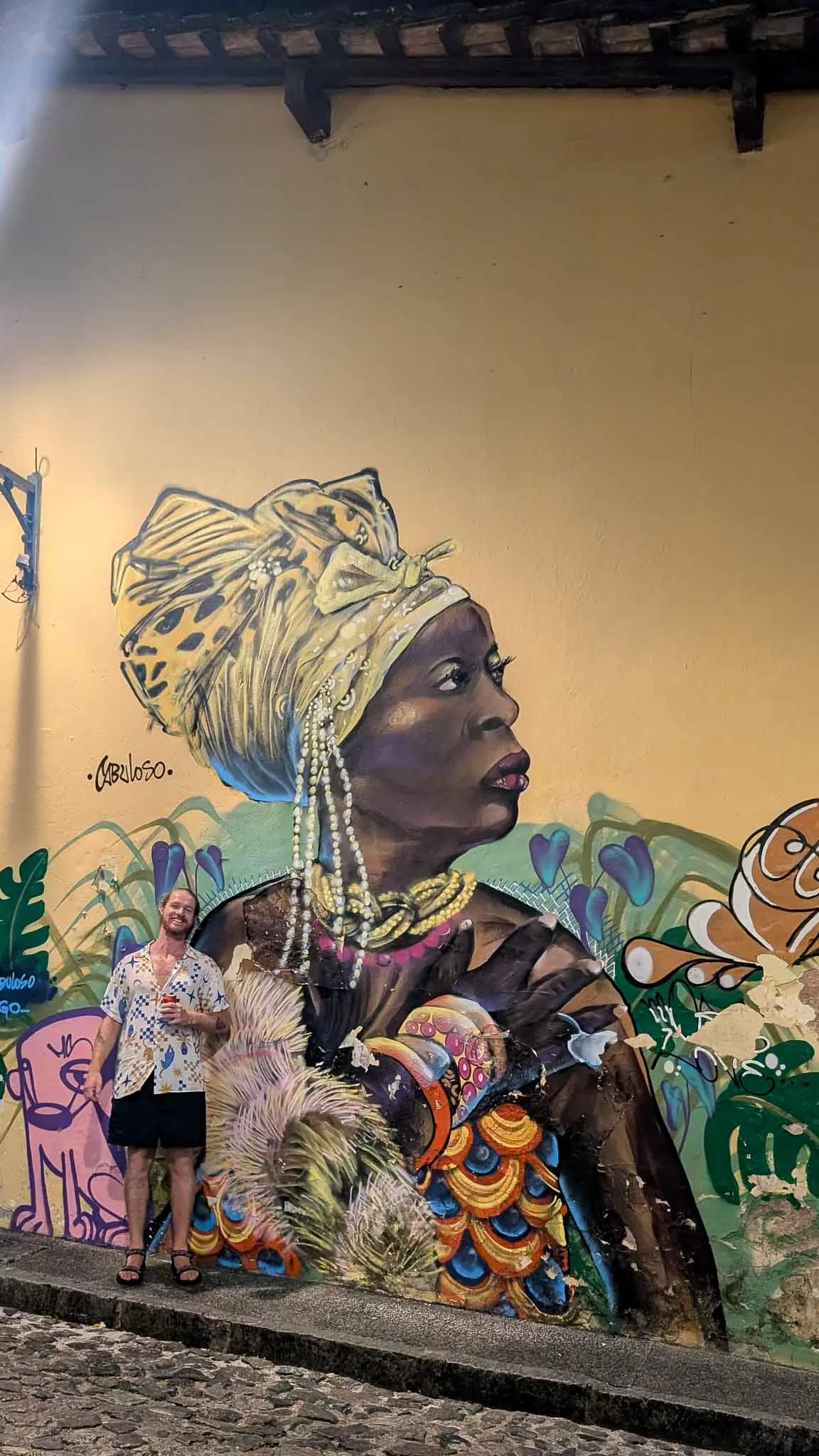
I know that the reason for the festivities in Salvador was because pre-carnival was happening, so I doubt the city would have quite the same energy if we were to have visited at some other time of year, but I don’t think this should take away from the magic we felt while we were there. There was really just something in the air as soon as the sun began to set, and you could feel a collective excitement and positivity surging inside everyone as they made their way through the streets to listen to different music. The same energy from the people of Salvador radiates from the colourful buildings, the Bahían artwork and of course the axé music that fills its streets. Even though we were only there for a few days, we saw and did some really cool things. The market was a shocking but great experience, one that I’ll never be able to erase from my mind, for better or for worse. The history we learned while we were here was incredibly interesting and of course the music was immense. Salvador met and exceeded all my expectations from a good city, and I definitely feel like we have unfinished business there so I would love to return someday.