Physical Address
304 North Cardinal St.
Dorchester Center, MA 02124
Physical Address
304 North Cardinal St.
Dorchester Center, MA 02124

11th – 17th December, 2024
We awoke early in the morning to walk the dusty, deserted streets of Uyuni to the bus terminal where we would catch a bus four hours to the south. The bus terminals in Bolivia are hilarious. The previous afternoon when we walked in, we were greeted by a horde of women trying to sell bus tickets from their respective stores that line the interior of the terminal. Most bus companies are offering the same bus routes for, usually, very similar prices, so the only way to distinguish between which company to settle with is by making a beeline for the lady who is going above and beyond to draw you in. As soon as you enter the terminal, the ladies just rattle off all their optional destinations at the top of their lungs, all at the same time. They all do this in a very similar manner too, where the last syllable of said destination is excessively drawn out so that it becomes ‘La Paaaaaaaz’, ‘Potosiiiiiii’ or ‘Cochabambaaaaaa’, which is highly amusing until the novelty wears off after about three seconds, and then becomes increasingly more harrowing the longer you need to wait in the terminal for your bus to begin boarding. Thankfully, we were the first bus of the morning so we were able to just jump straight on and begin the journey south to a town called Villazon. I was caught a little off guard when the bus pulled in at a town called Tupiza instead of Villazon and we were told it was the end of the line, still an hour and a half north of the destination on our tickets. After dodging old Bolivian men with carts overloaded with fresh fruit, and sidestepping blokes loading and unloading the storage compartments of buses with all sorts of non-perishables to be taken somewhere else across the country, I managed to decipher the erratic, spanish ramblings of the highly strung out bus driver telling us we needed to catch a colectivo to get to Villazon. Colectivos are just mini buses that can seat usually around 12 people, but often hold plenty more than that as Bolivians are extremely small people, and laws regarding the use of seatbelts that we’re used to in the first world are completely unheard of here. So, we passed our packs up to a bloke on the roof who tied them down with a handy bit of rope, and we squeezed up the back of the colectivo to commence another hour and a half journey which was easily the most uncomfortable I’ve ever been in my entire life.
When we finally piled out at Tupiza, we decided to walk the twenty minute trip to the border instead of accepting the offer from a taxi driver. Up here in a Bolivian border town, we were really feeling like we were experiencing the real South America. Without a gringo in sight, we walked the streets of Tupiza past all sorts of bright and colourful stores selling anything and everything from football jerseys to whole chooks in a seemingly random explosion of things for sale hanging to the outside of shop fronts. The border situation down the hill was quite odd. A huge group of people seemed stranded at the border which appeared to be closed off due to some sort of protest, while buses and trucks waited in line on the Argentine side to be let through, which definitely wasn’t going to happen any time soon. In spite of this, there is basically zero border control between any two Latin American countries (excluding Chile), so it would have been incredibly simple to just stroll on through without stamping our passports or getting our bags scanned. I thought I’d try my luck taking some delicious roasted corn kernels through the border that I’d bought a few days prior. After I placed my bag on the conveyor belt to be screened, I asked the bloke operating the machine if it was okay to bring the corn kernels through. He looked to his coworker (loose title) standing nearby and asked, they both shrugged, then he told me it was fine.
Now we were successfully back in Argentina, at a town called La Quiaca, and needed to make our way to another bus terminal about half an hour away by foot. We stopped off at a clothing store that, for some reason, was selling some really cheap and highly delicious little pastries, and we enjoyed those while casually strolling along to the terminal. Upon arrival, I was asked by a guy if we needed a taxi anywhere, to which I replied that we didn’t, but we were looking for a bus to Humahuaca (pronounced ooma-wocka), and the kind man told us that it was about to pull out, but if we were quick we could buy a ticket and still make it. We raced up the stairs of the terminal and the bloke selling the tickets hastily took my money, scribbled on a bit of paper and pointed in the direction we should run. The bus was already backing out of its spot at the terminal, so I ran up alongside it and the bus driver just pointed to the terminal gate. Somehow I knew that this meant that we should just go and wait by the gate for him to pull over for us, which proved to be the case. After a wild few minutes in La Quiaca, we were sweatily seated on an insanely hot bus to take us two hours south to Humahuaca. This whole process was definitely the most ‘winging it’ that we’d done up to this point, and I’m shocked it worked out so well. The timing, the opportunity to buy sweet treats, the moving of seeds across international borders and the catching of random colectivos made for an adventurous start to the day.
Humahuaca, a small town in the province of Juyuy, which is a dry, desert like state in the far north west corner of Argentina, sits at 3000m above sea level, and is a surprisingly beautiful place constructed mostly of very nice rock work. It was very quiet while we were here, but there were still marching bands parading the streets at night. There was a lot of cool artwork on heaps of the buildings here, and a recently built monument sat atop a giant set of stone steps depicting a half Argentine/half Quechua man with his posse of soldiers and warriors riding horseback behind him.
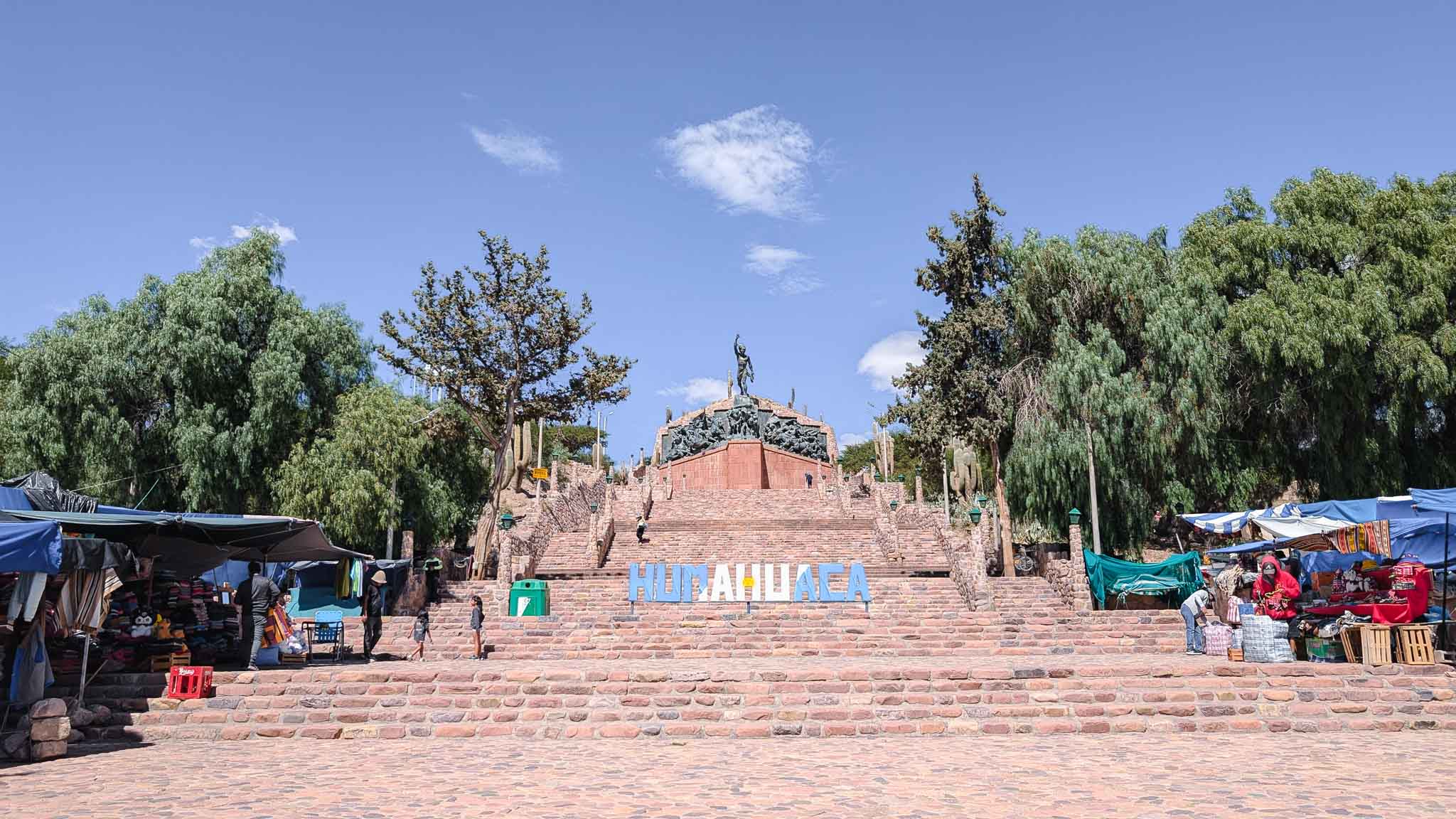
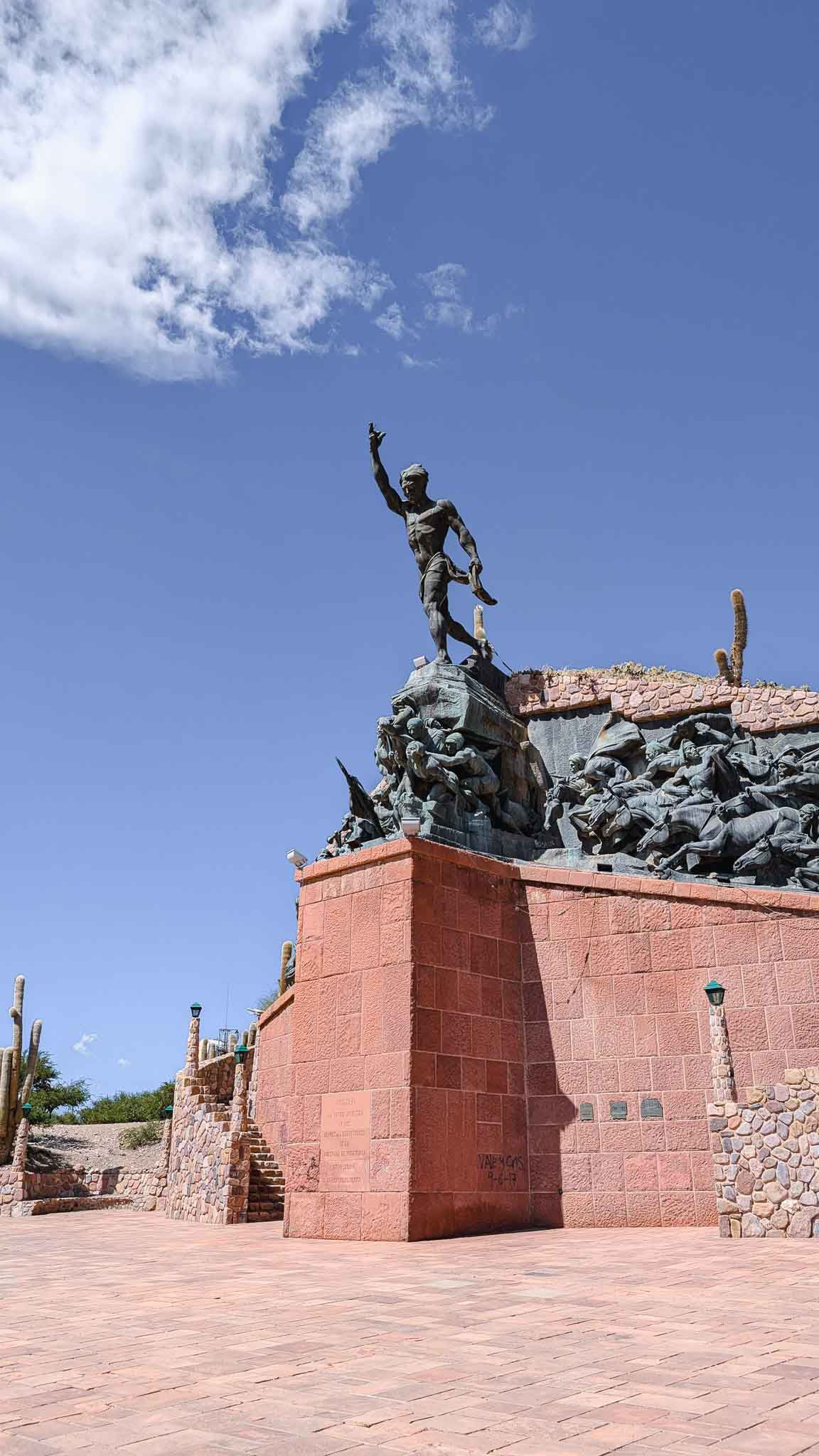
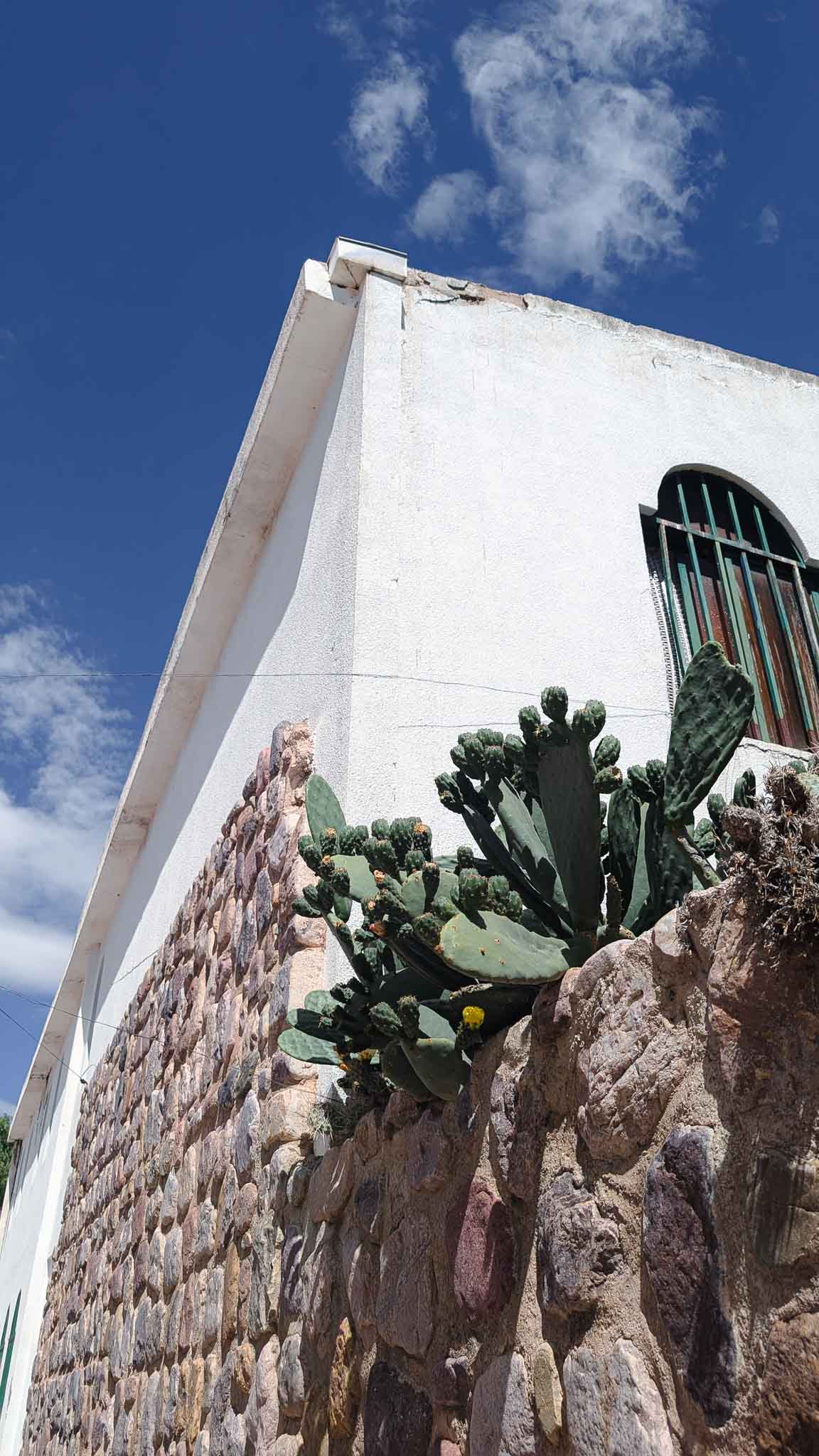
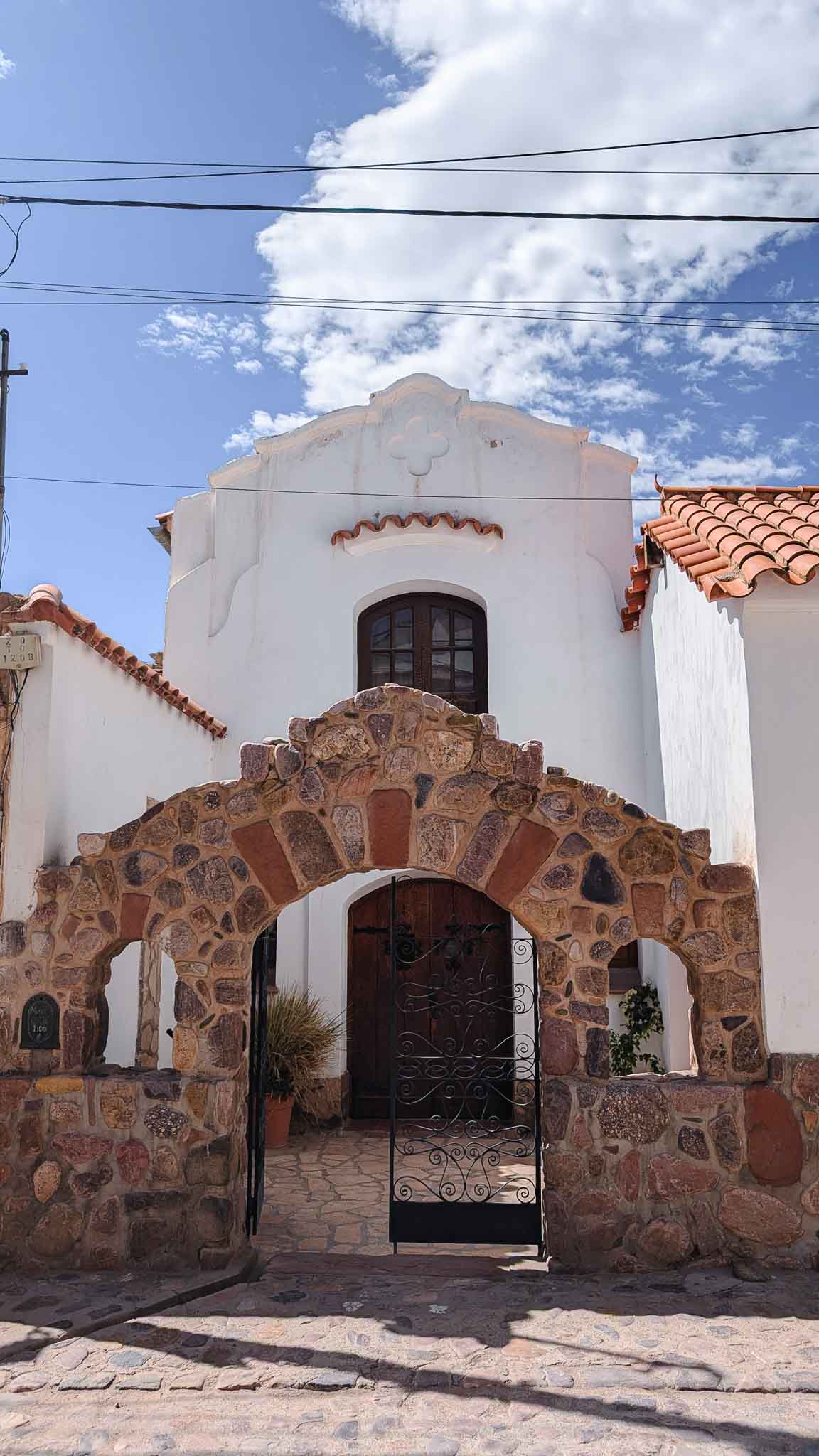
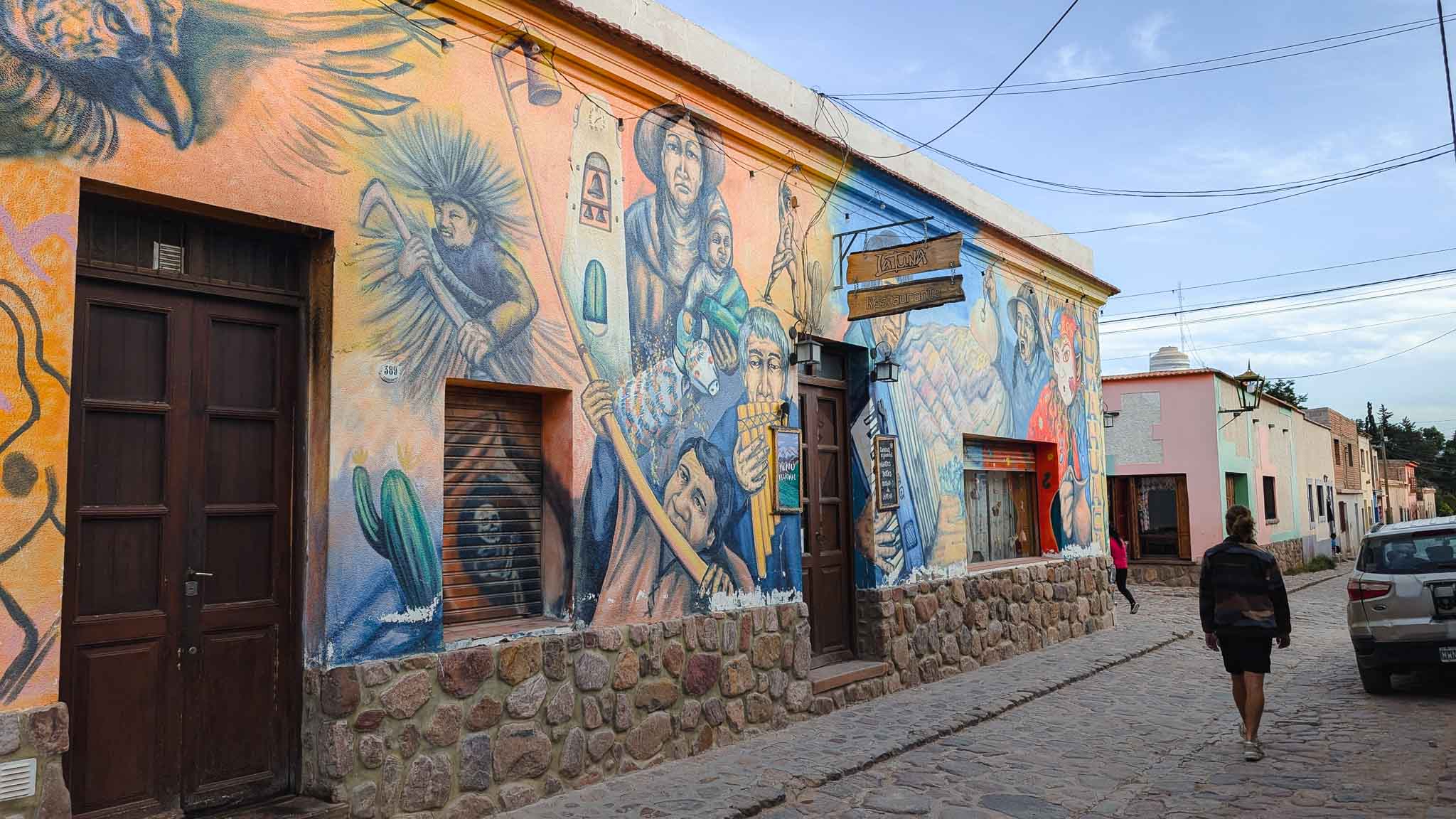
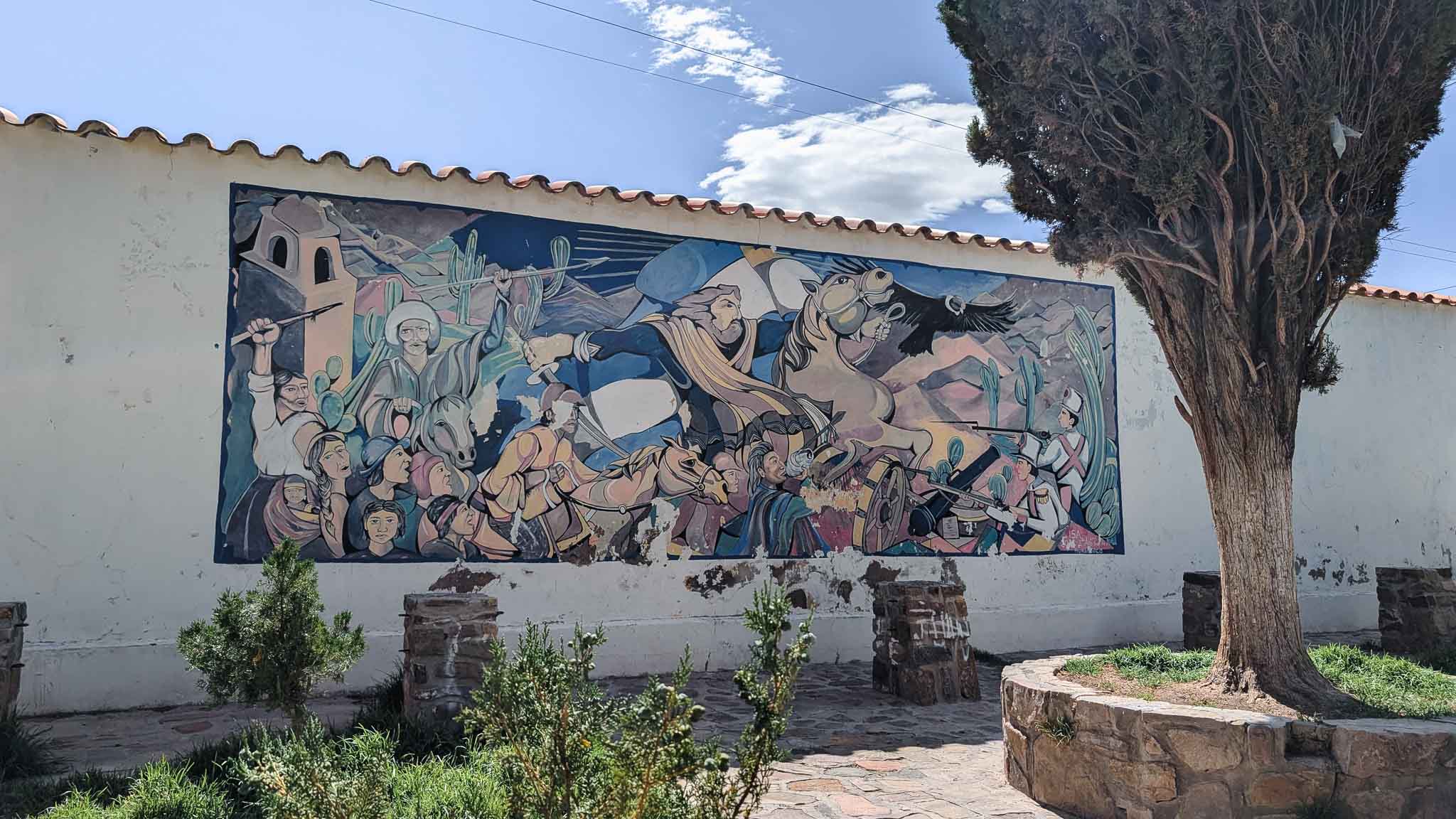
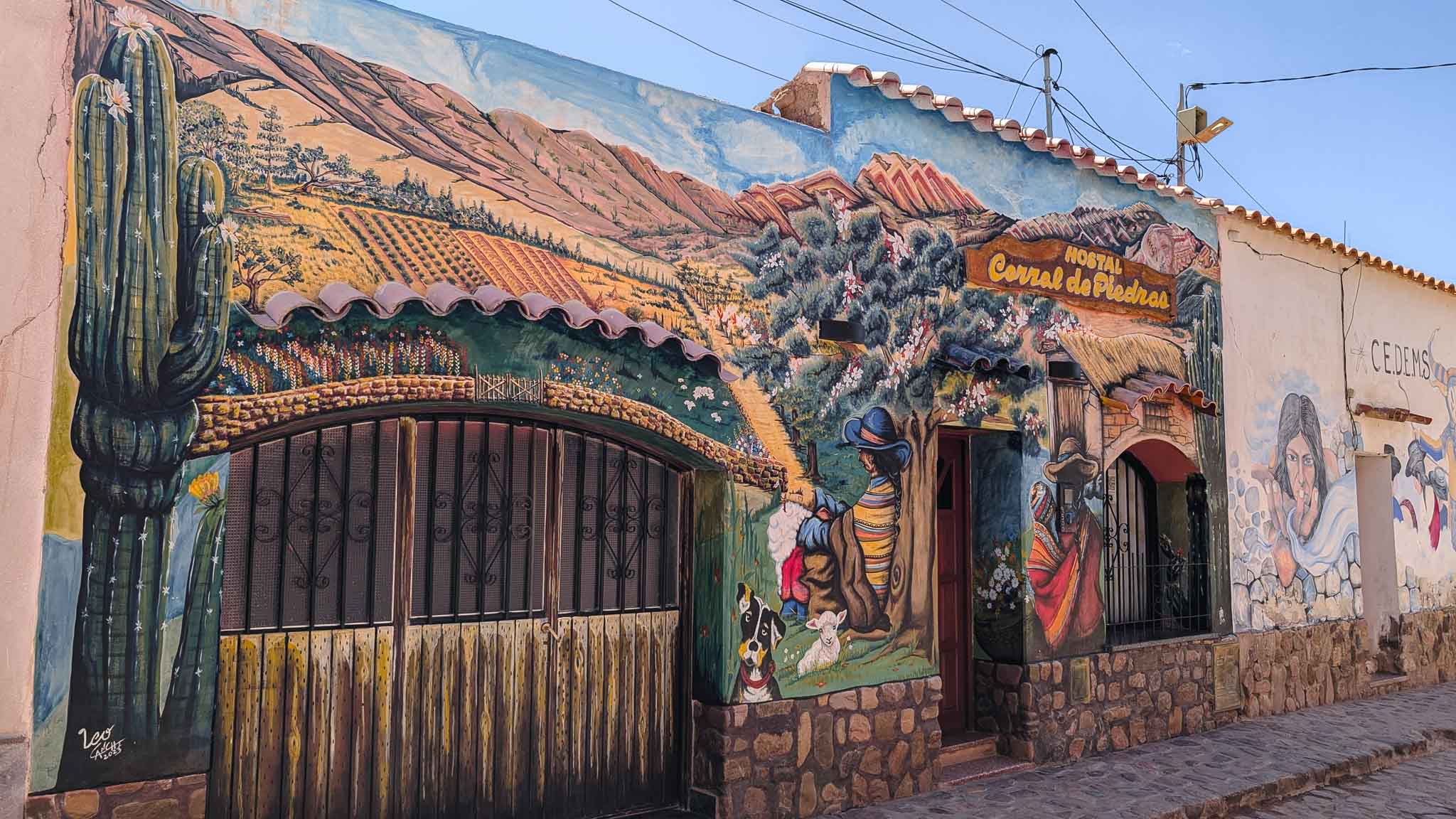
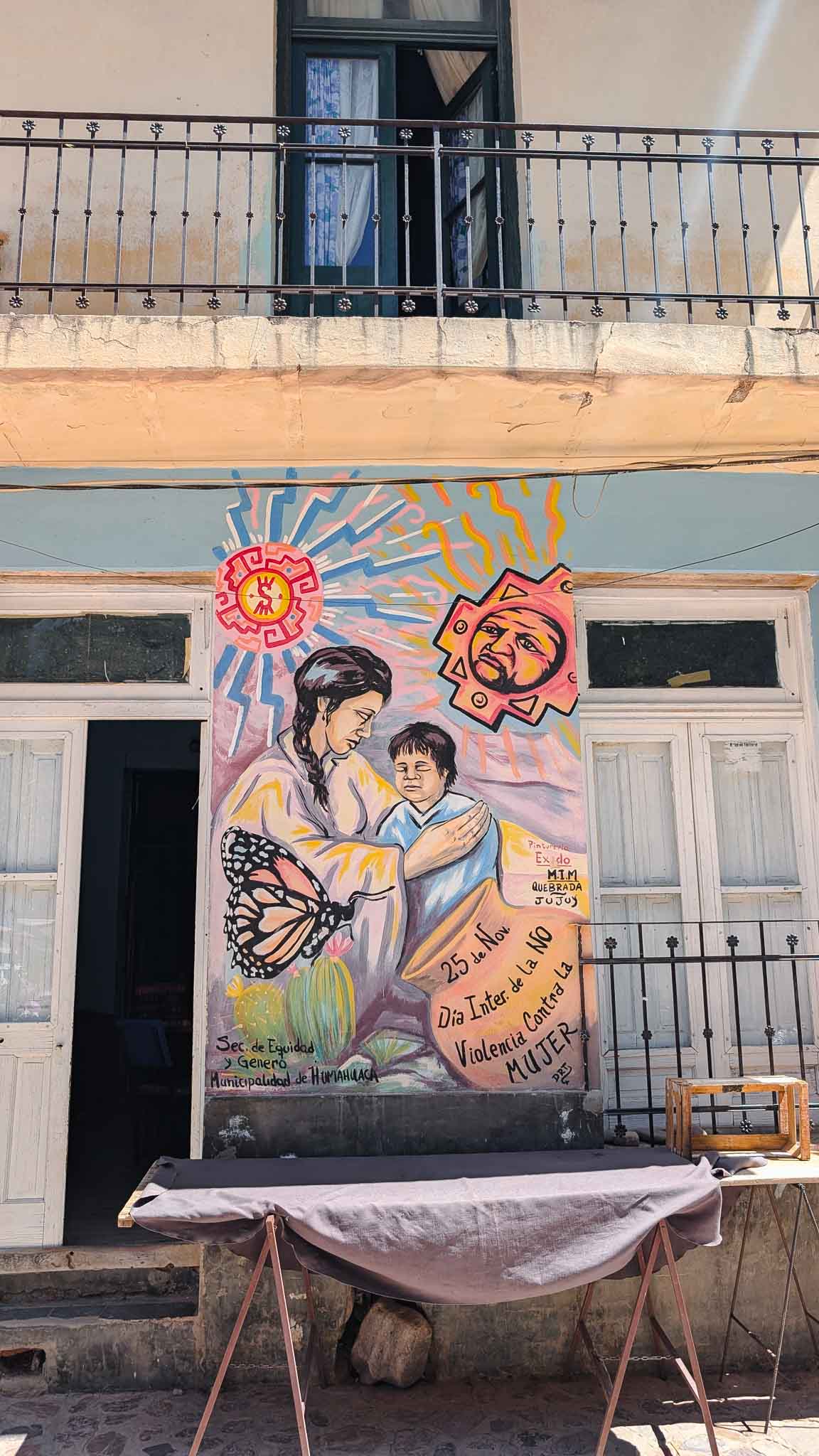
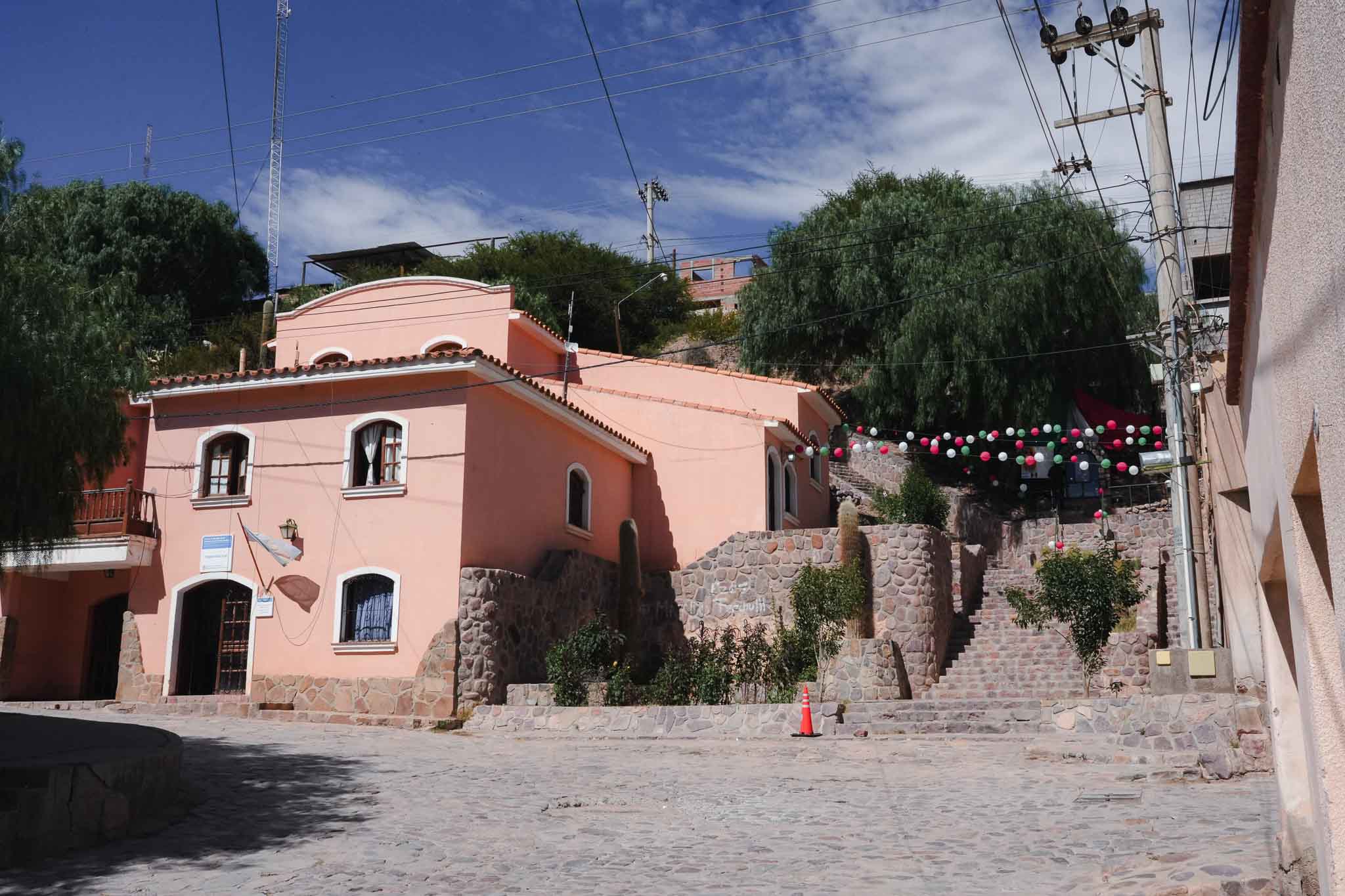
Quechua people are any of the native people of the Andes that speak the Quechua language. Peru is home to the majority of Quechua speakers today, but the Incan empire spread the language from Ecuador and Colombia in the north down to the northern part of Chile and Argentina in the south during the 1500s. This means that we’re now at the point in our trip where we can finally see some ruins of the Incas and even pre-Incan sites, which I’d been really looking forward to for a very, very long time.
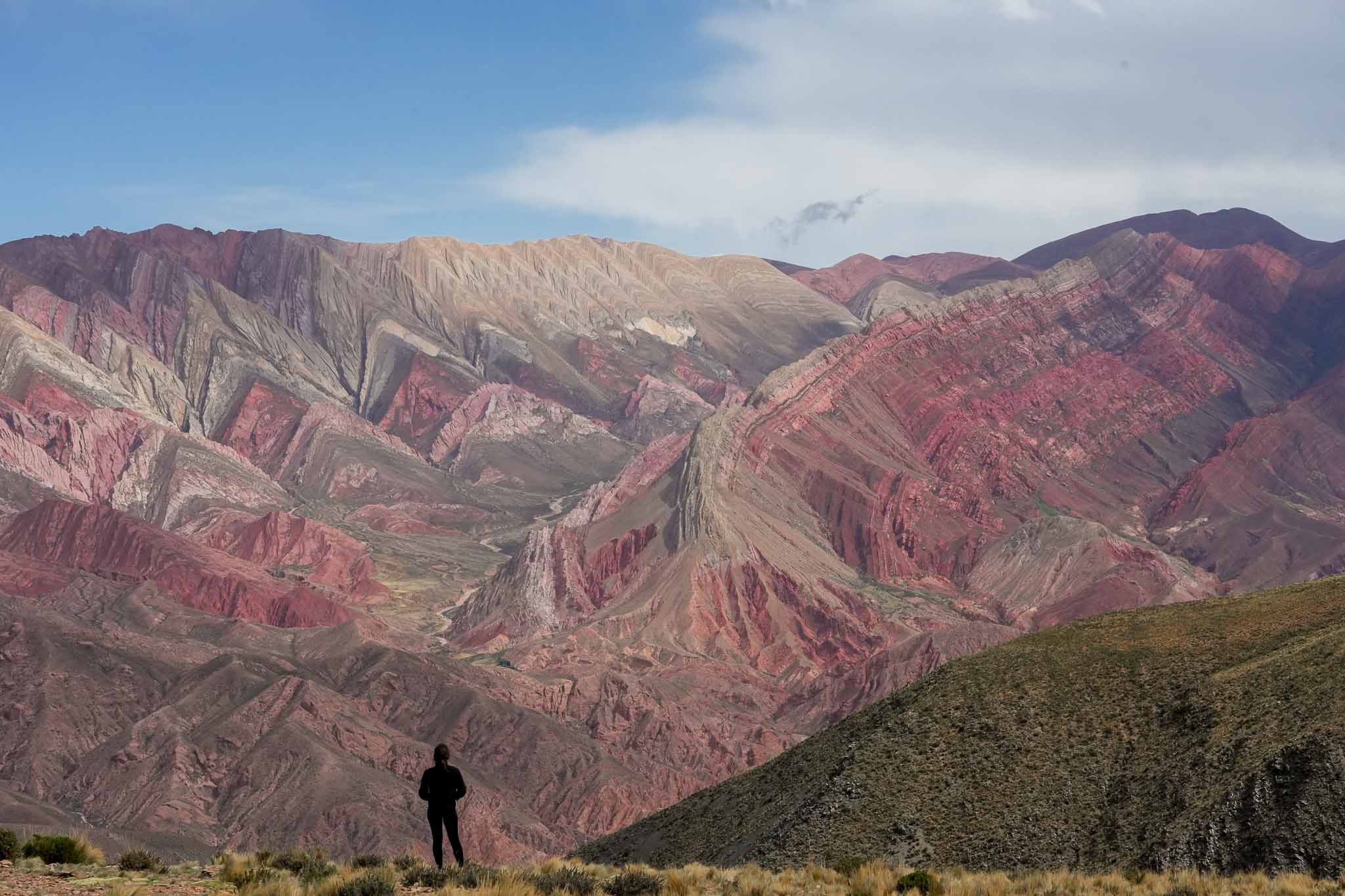
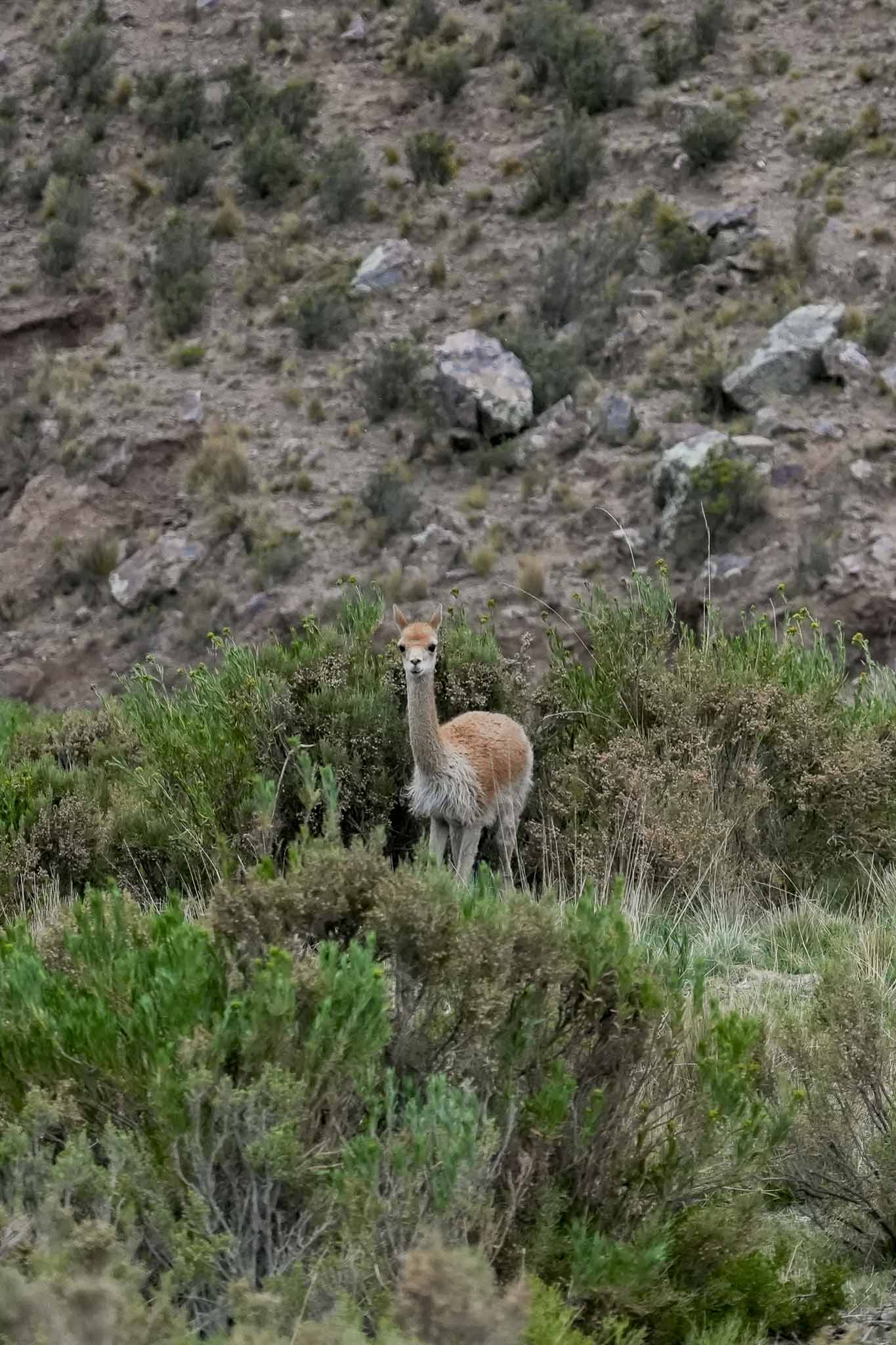
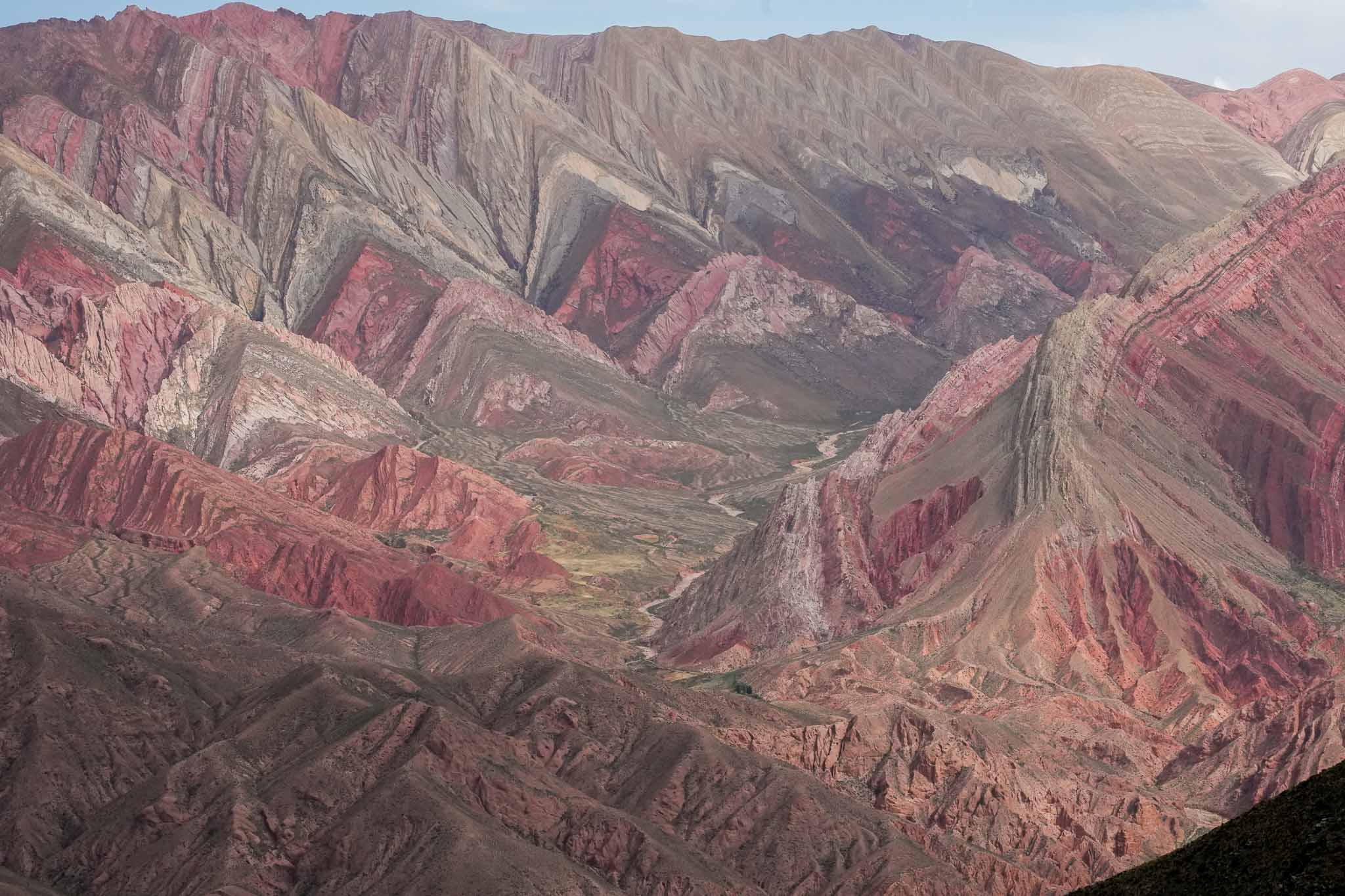
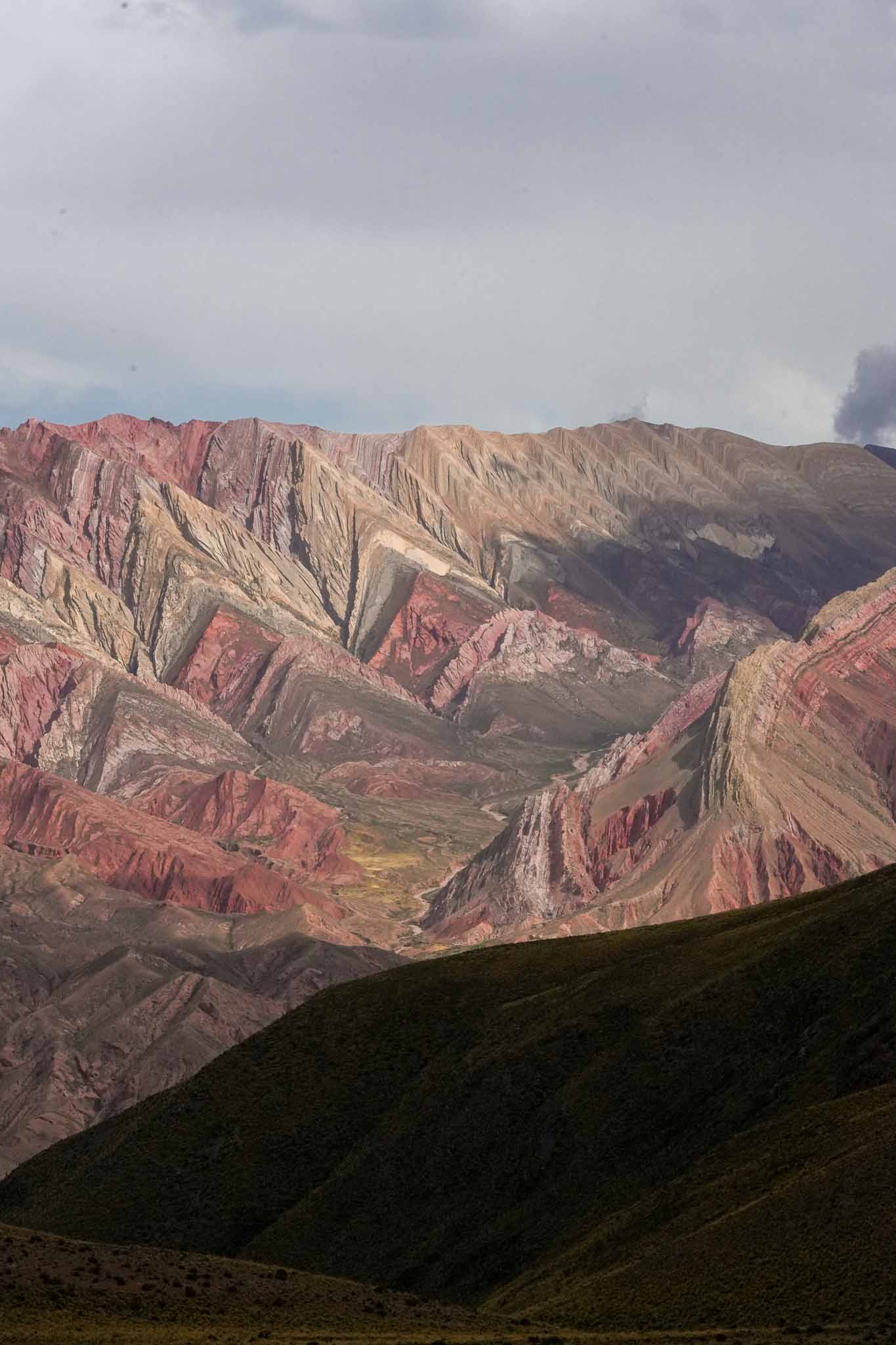
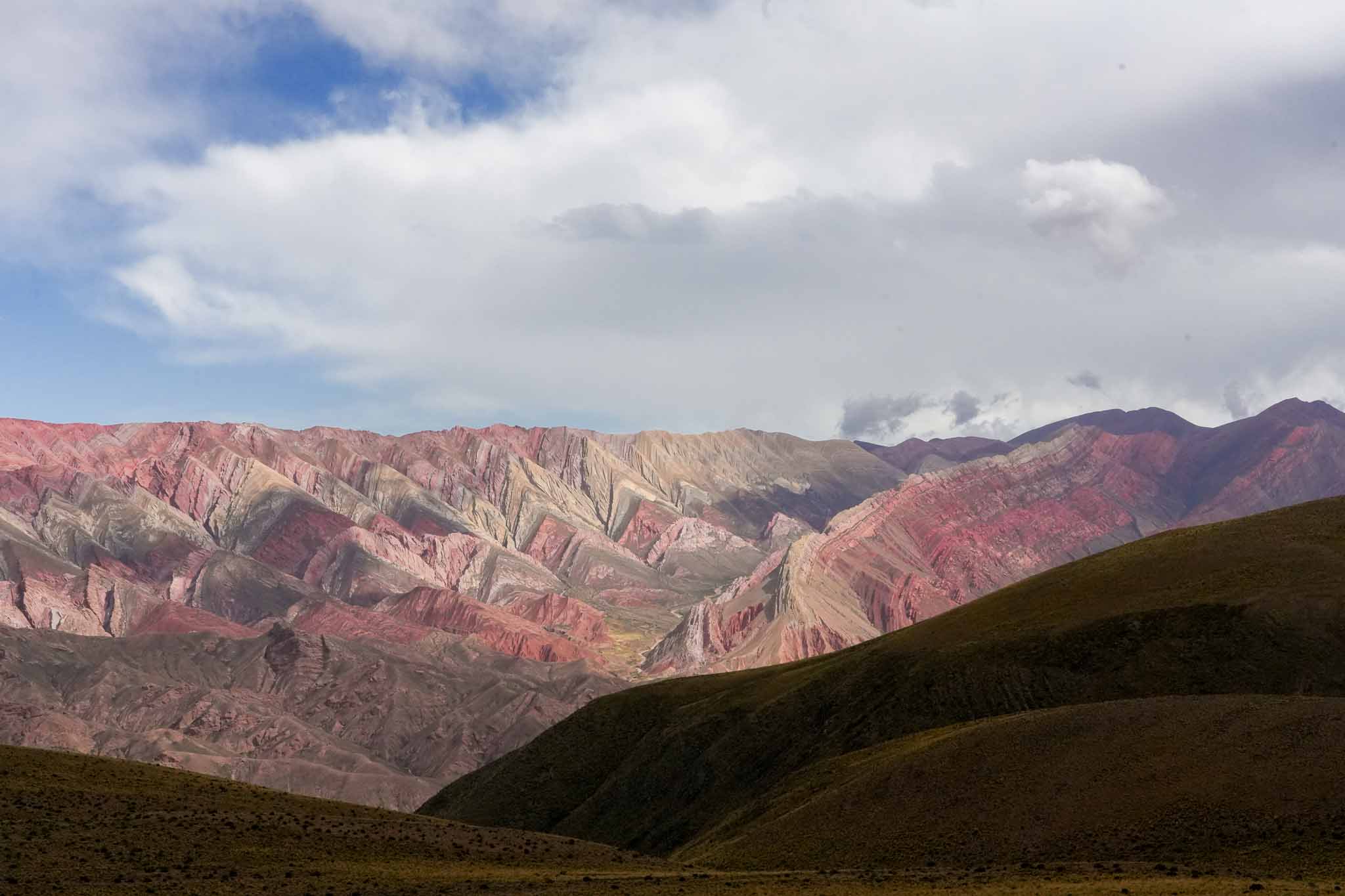
Humahuaca is also home to Argentina’s version of Peru’s famous ‘Rainbow Mountain’, which is called Hornocal, and is significantly less touristy than in Peru. I managed to barter down a price for us to get a ride out to the mountain, which was only about 45 minutes up a winding dirt road, past several herds of Vicuñas. Of the seven members of the Camelid families across the world, Vicuñas are the smallest, reaching only about 5 feet tall. They became endangered in the 1970’s but have come back from a population of only 6000 to over 350,000 today, and are the national animal of Peru.
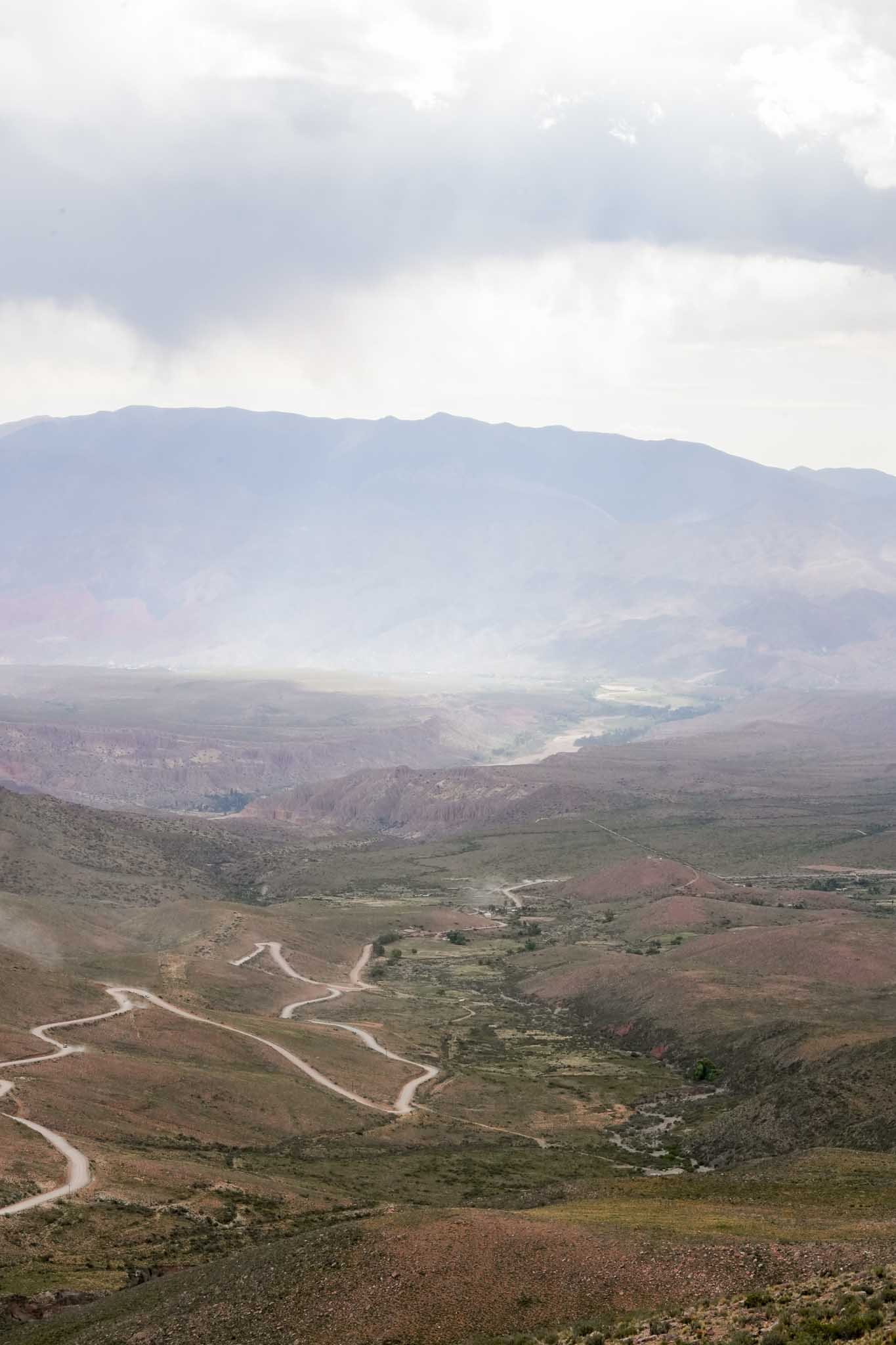
The Hornocal mountain range peaks at about 4700m above sea level, and features brilliant, warm reds, pinks and purples. Watching the colours spring to life as the sun peeked out from behind the clouds was definitely something really special to witness, and despite the altitude taking its toll on me, I was still able to appreciate our time at the lookout as a huge thunderstorm slowly approached us from the west.
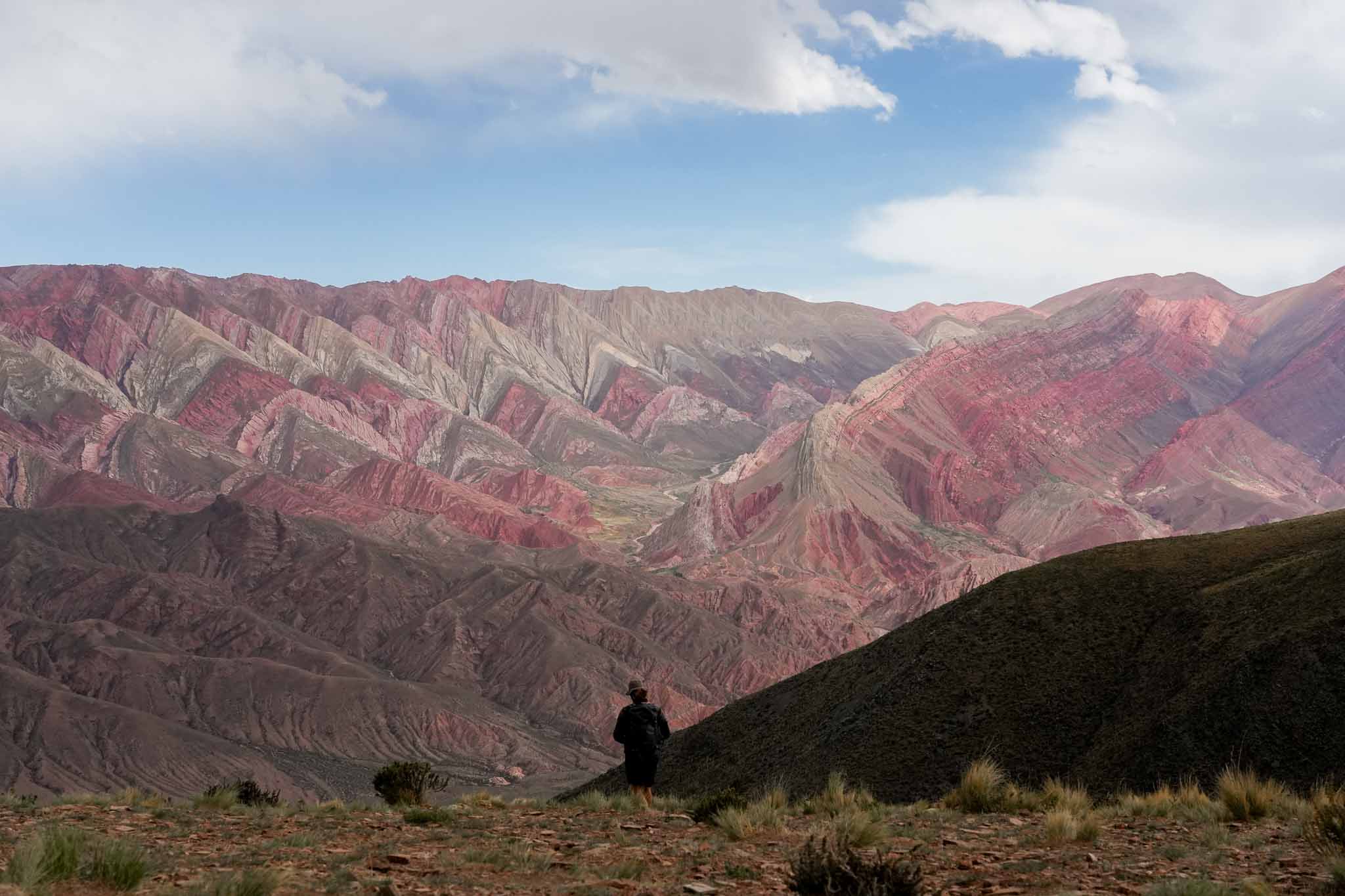
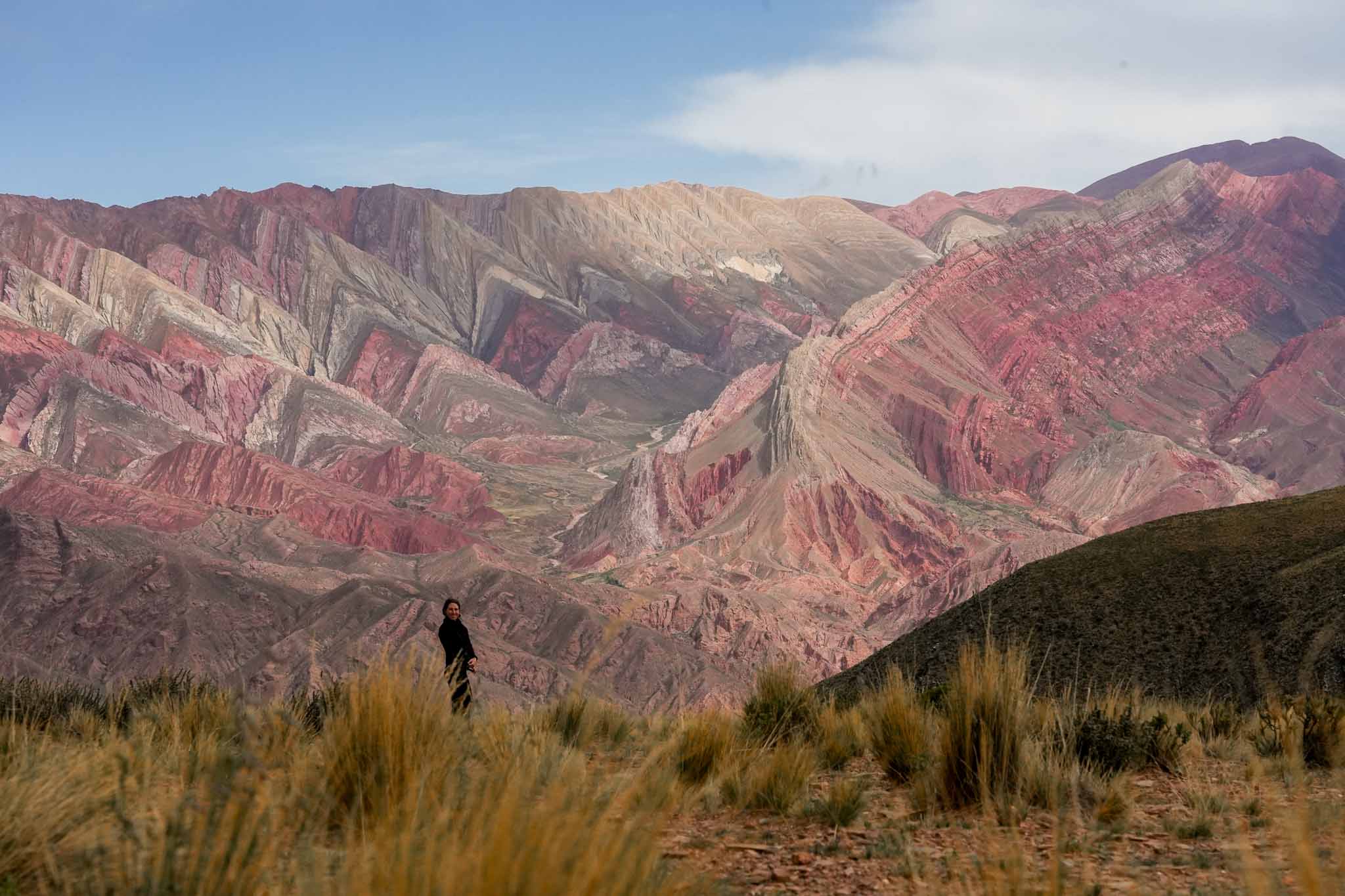
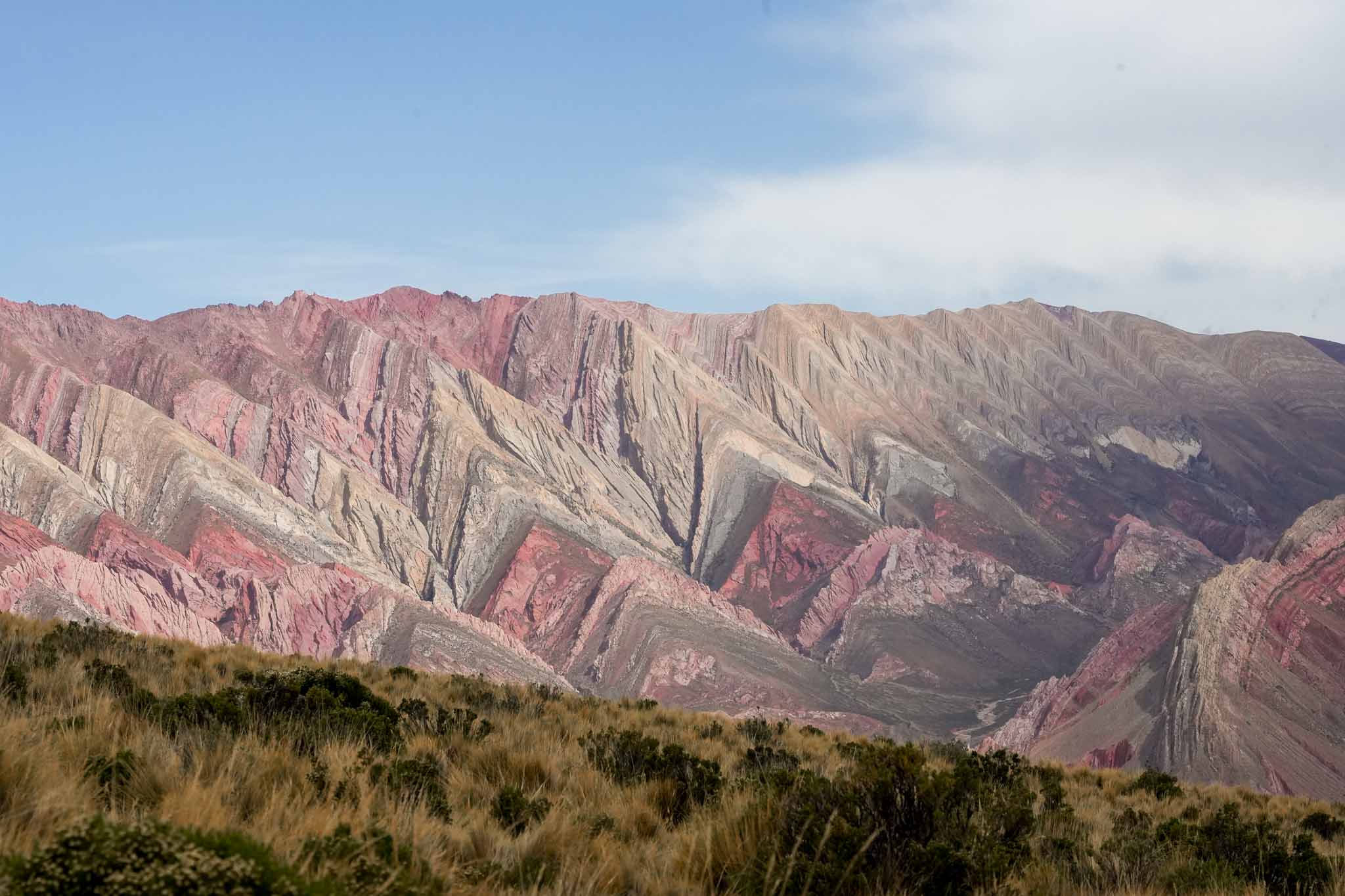
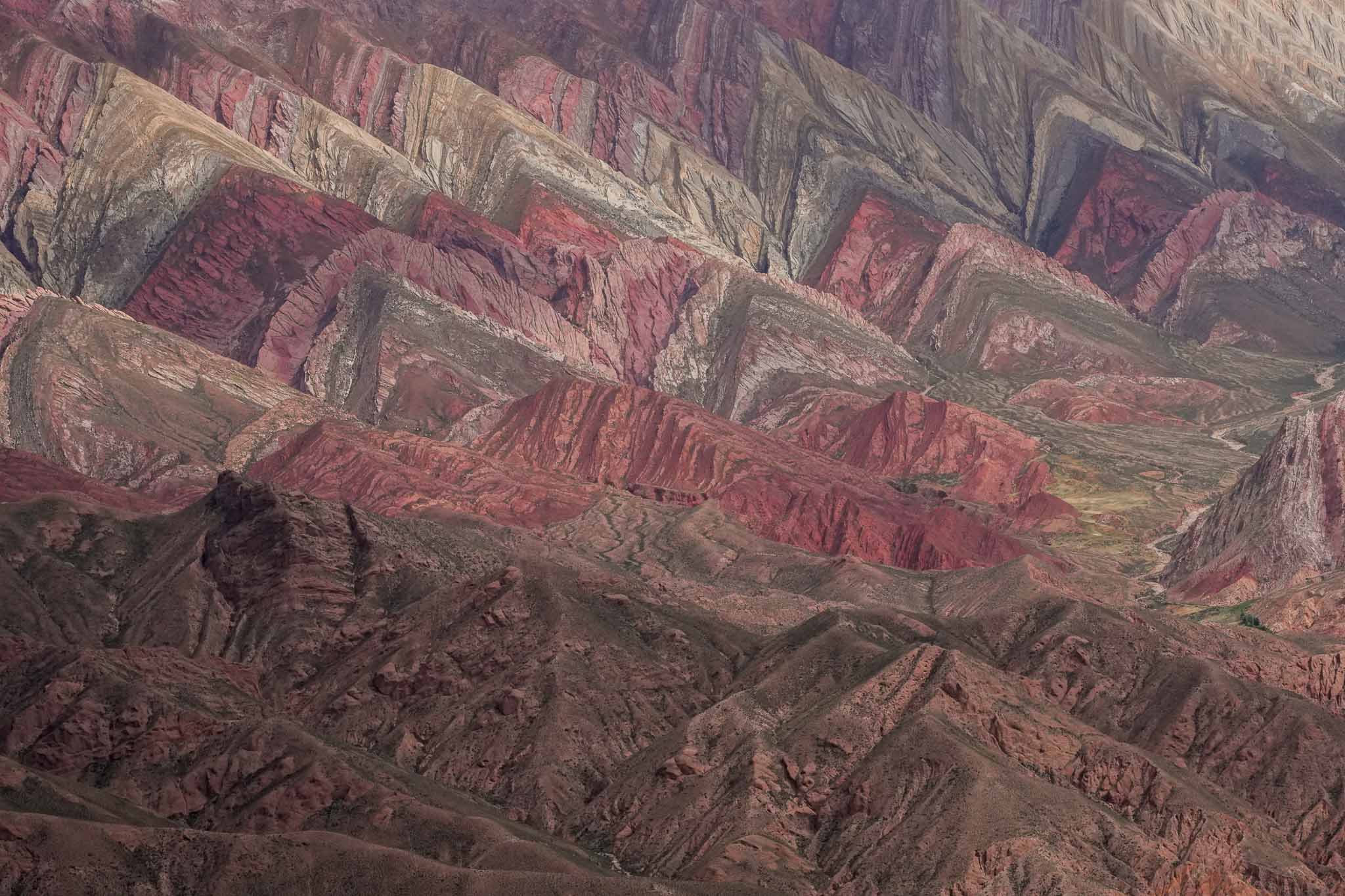
When we returned back to town, our driver took us to the servo so that I could pay for his tank of fuel on my card instead of giving him cash. Rachael thought this was a bit dodgy, and in hindsight I totally agree, but in the moment I thought it was fine and no harm could be done. Luckily, I was listening in to the driver tell the bloke working at the servo how much money worth of fuel to fill his ute up with, and I noticed this was more than the price we had agreed upon earlier that day. I put my spanish to work and pulled him up on this, and he tried to brush it off as if I had been mistaken or didn’t understand the math properly. I calmly broke down the various costs of the day to him and gave him the total and he admitted that I was right and only charged me the correct amount. Sneaky bastard.
To combat the insane cost of food in Argentina, I made a simple dinner of scrambled eggs with pico de gallo, avocado and hot sauce. Not only was it definitely cheaper than anything we could have gone out to eat, but it was probably tastier too.
The following morning we were packed up and on another bus to head a few hours south to a town called Tilcara. We were treated to some absolutely incredible views of red and yellow rocky mountains with lush green vegetation lining the snaking river below.
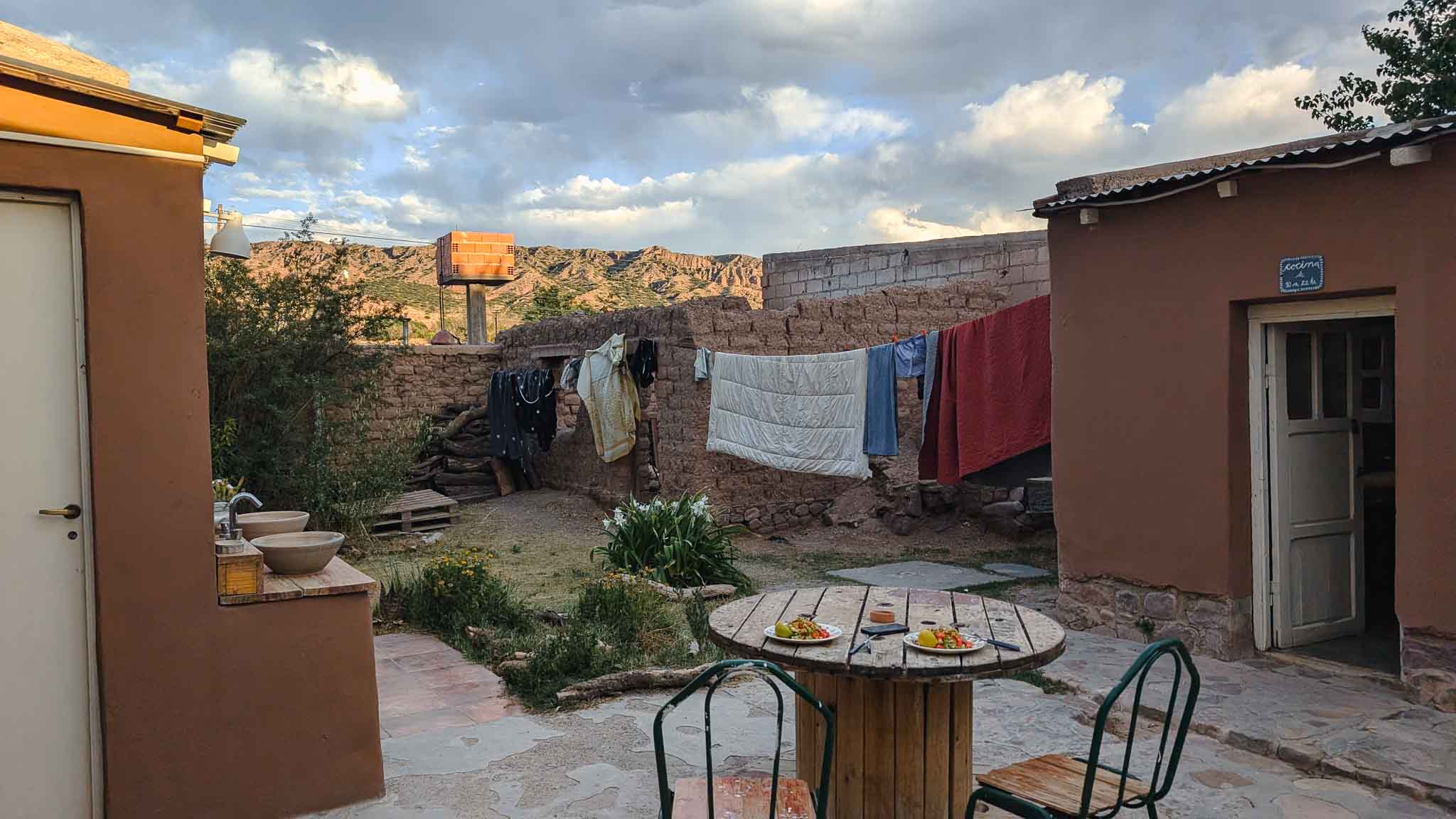
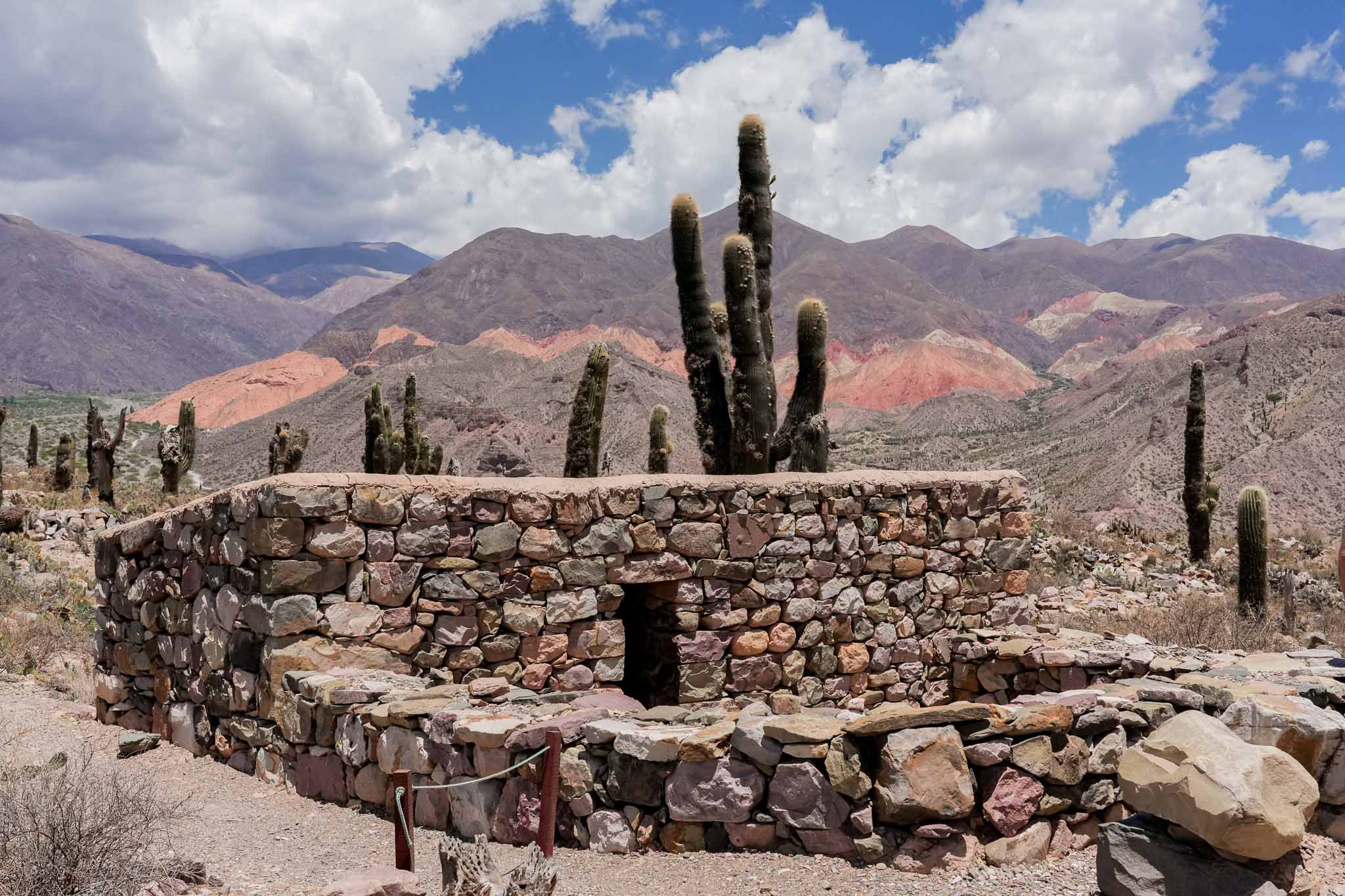
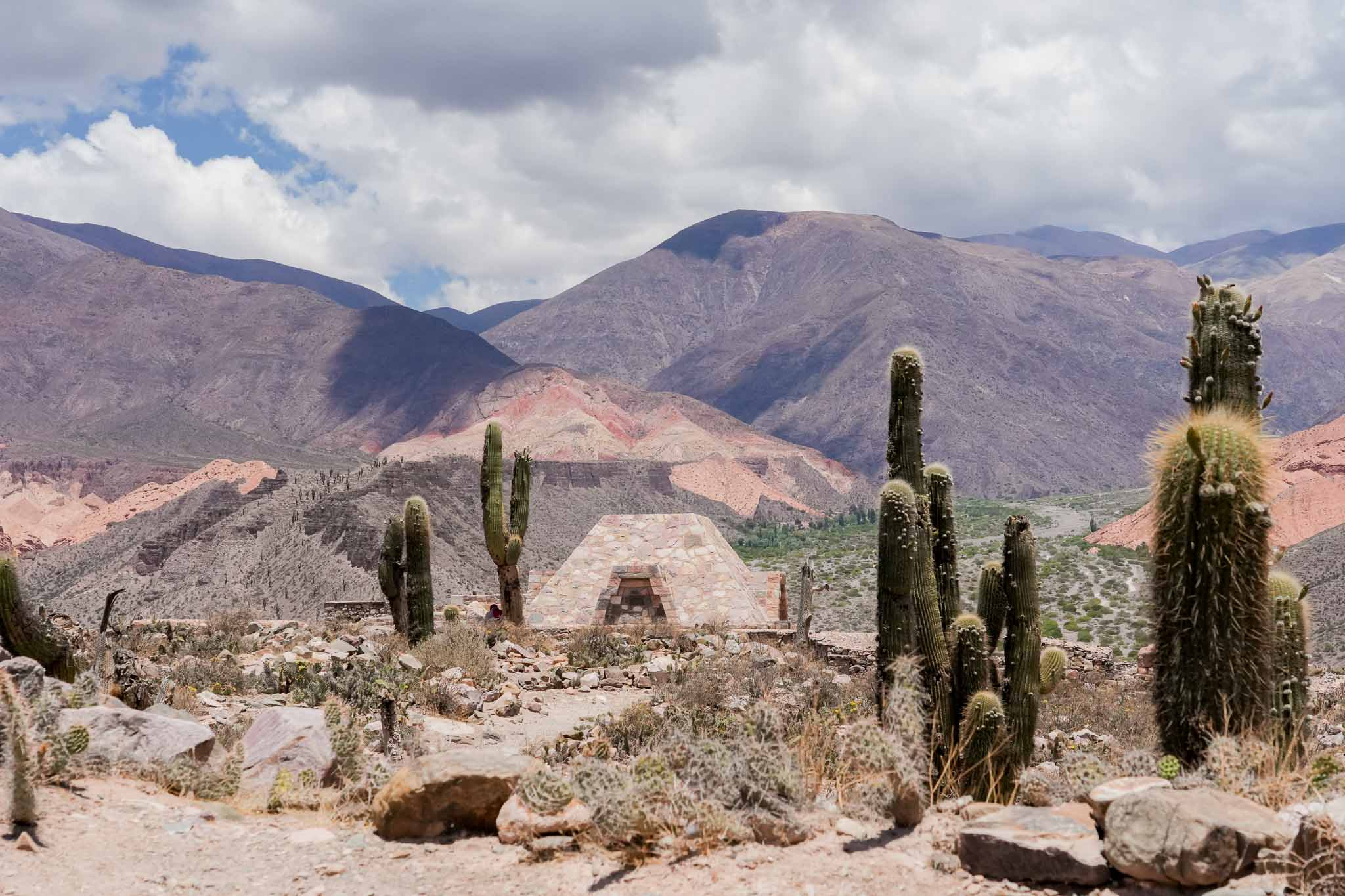
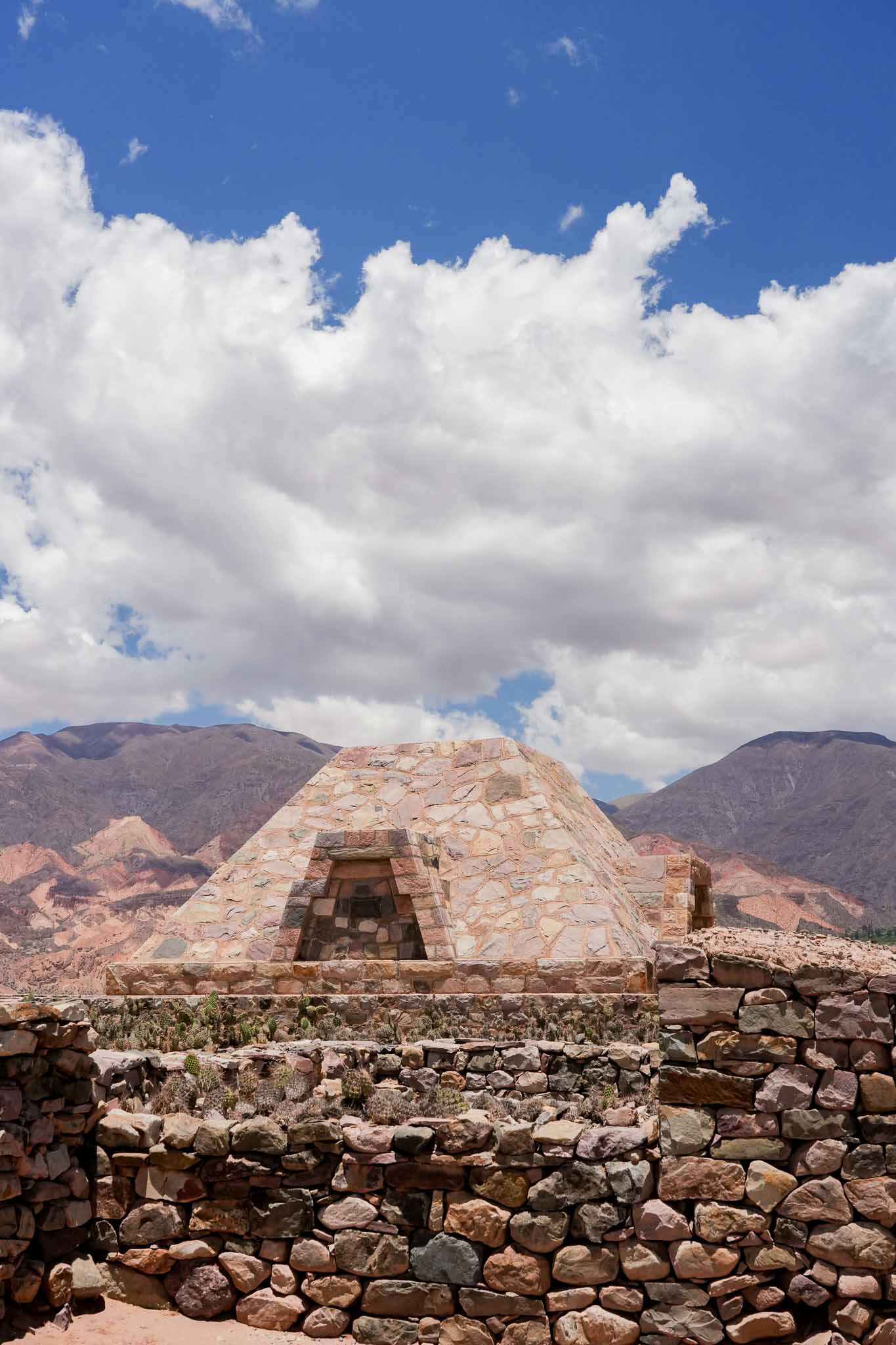
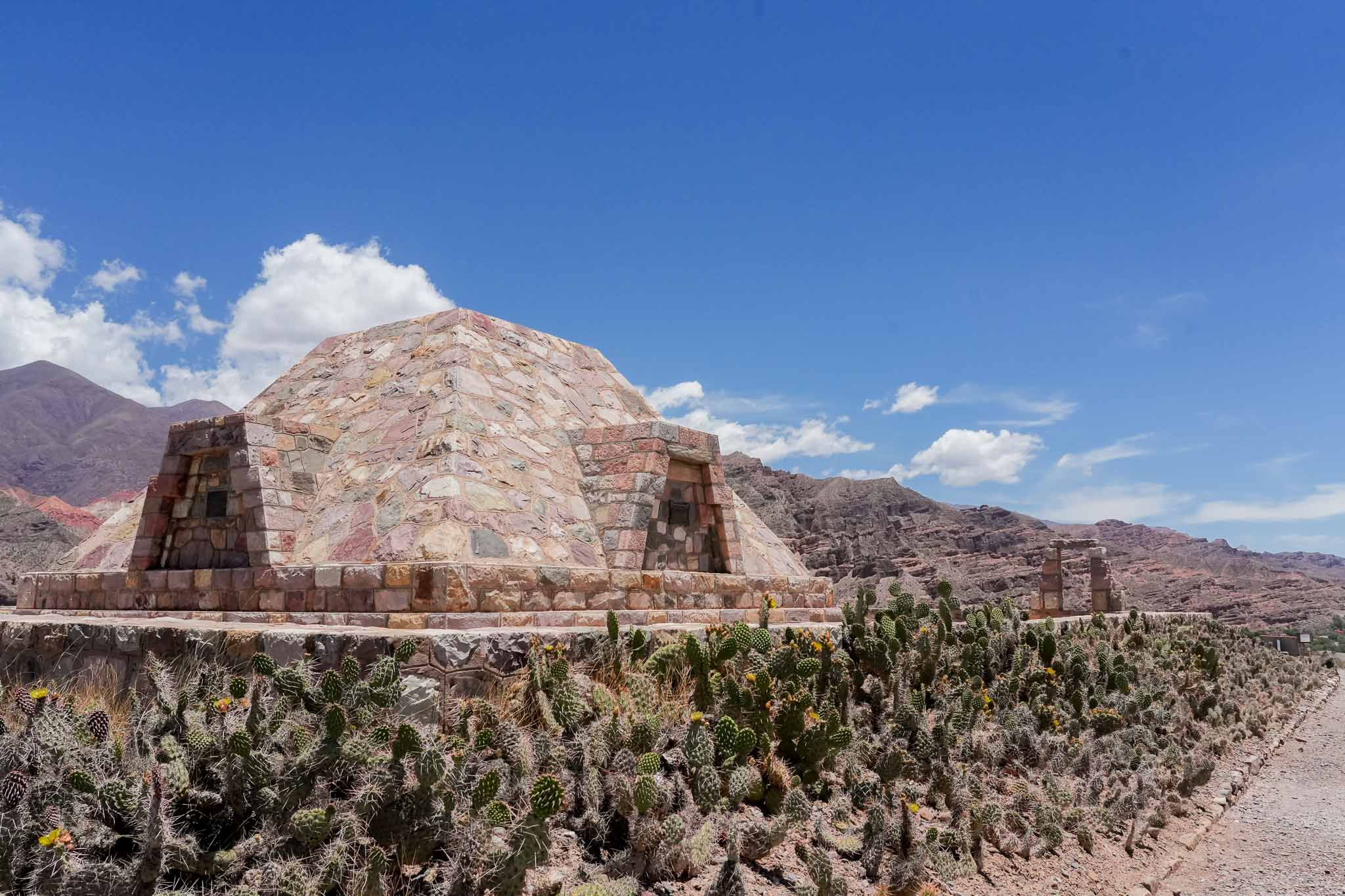
When we arrived in Tilcara, we thought we’d try our luck at turning up to any old hostel and seeing if they had a room for us. The first two we tried near the bus terminal were far too pricey for us, but a ten minute walk away we found a place much better suited to our budget. The hostel was pretty run down, but we weren’t planning on spending much time indoors so we didn’t mind. We walked 2km to some Incan ruins that had been significantly restored, but it was cool to see a representation of what the site would have looked like some 500 years ago. The location of them was quite beautiful too, with great views of the surrounding mountains.
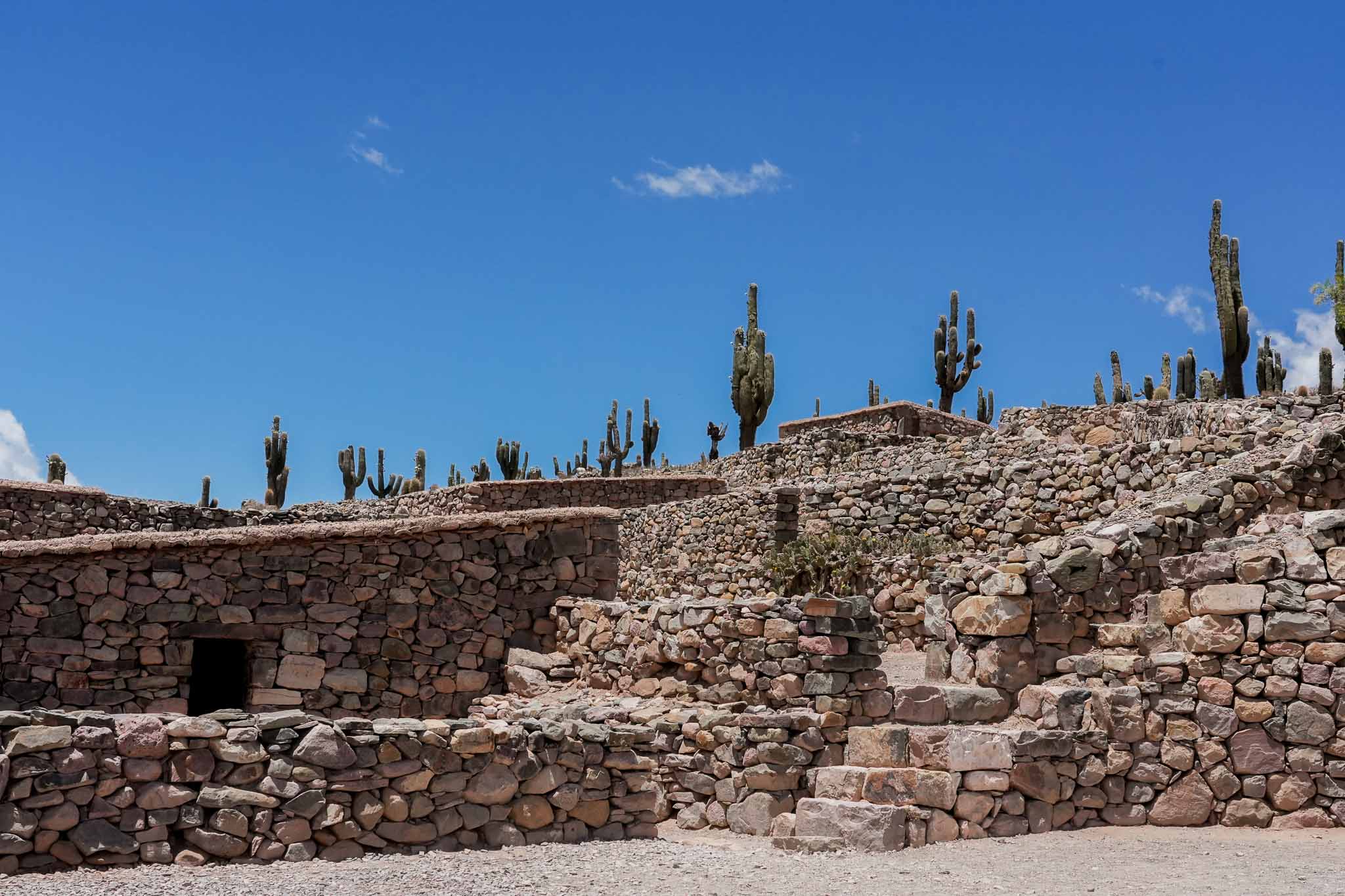
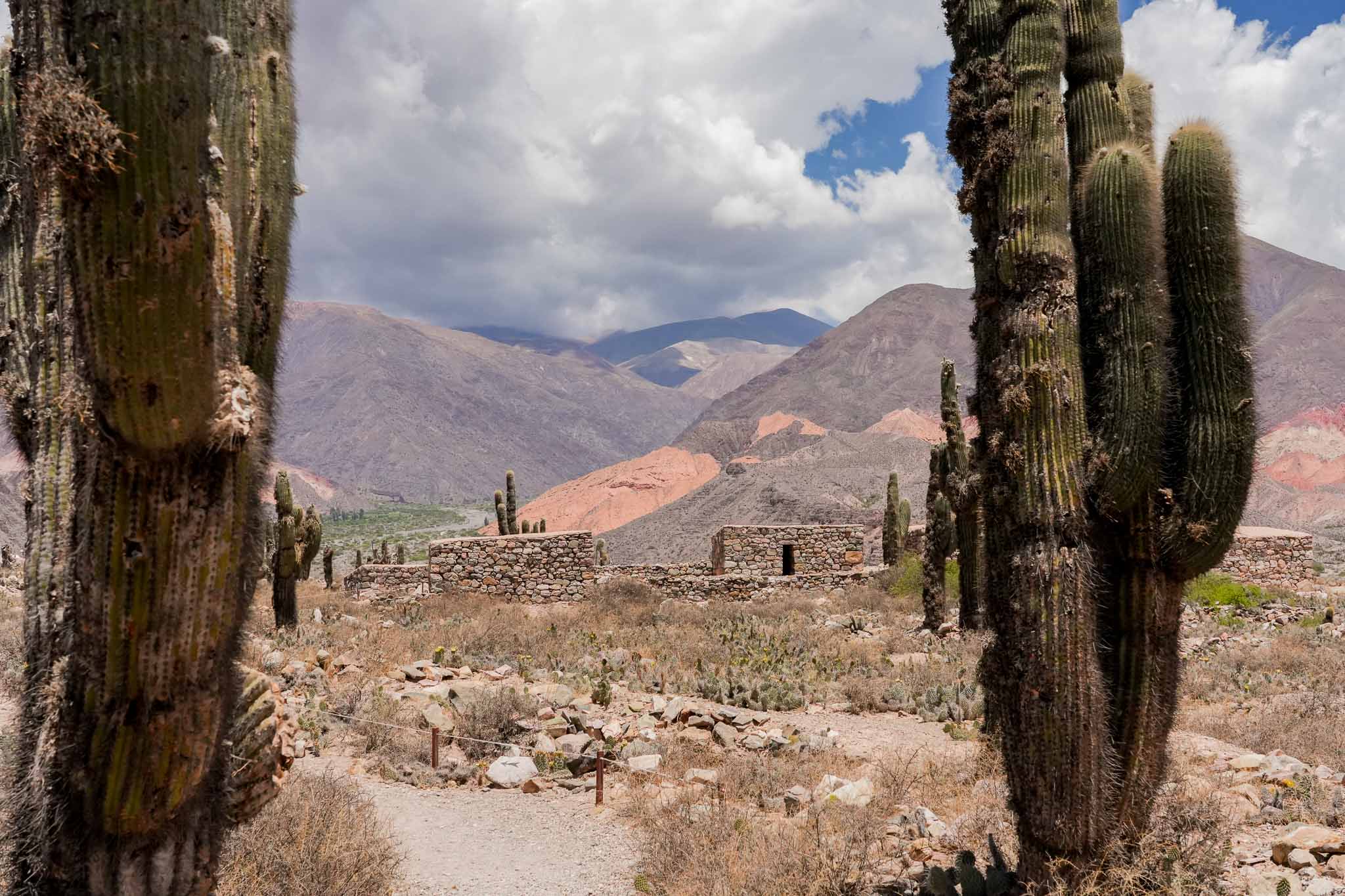
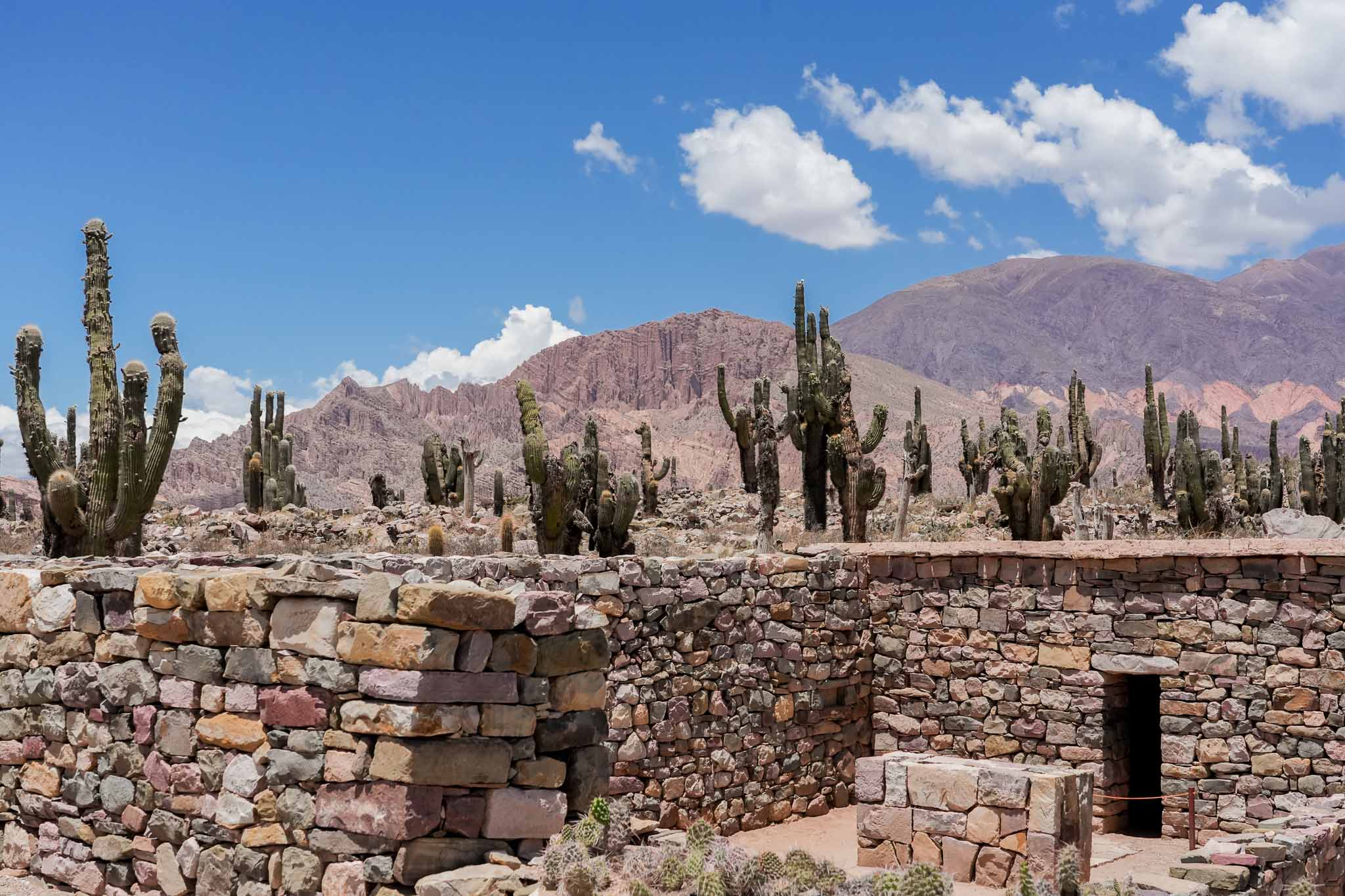
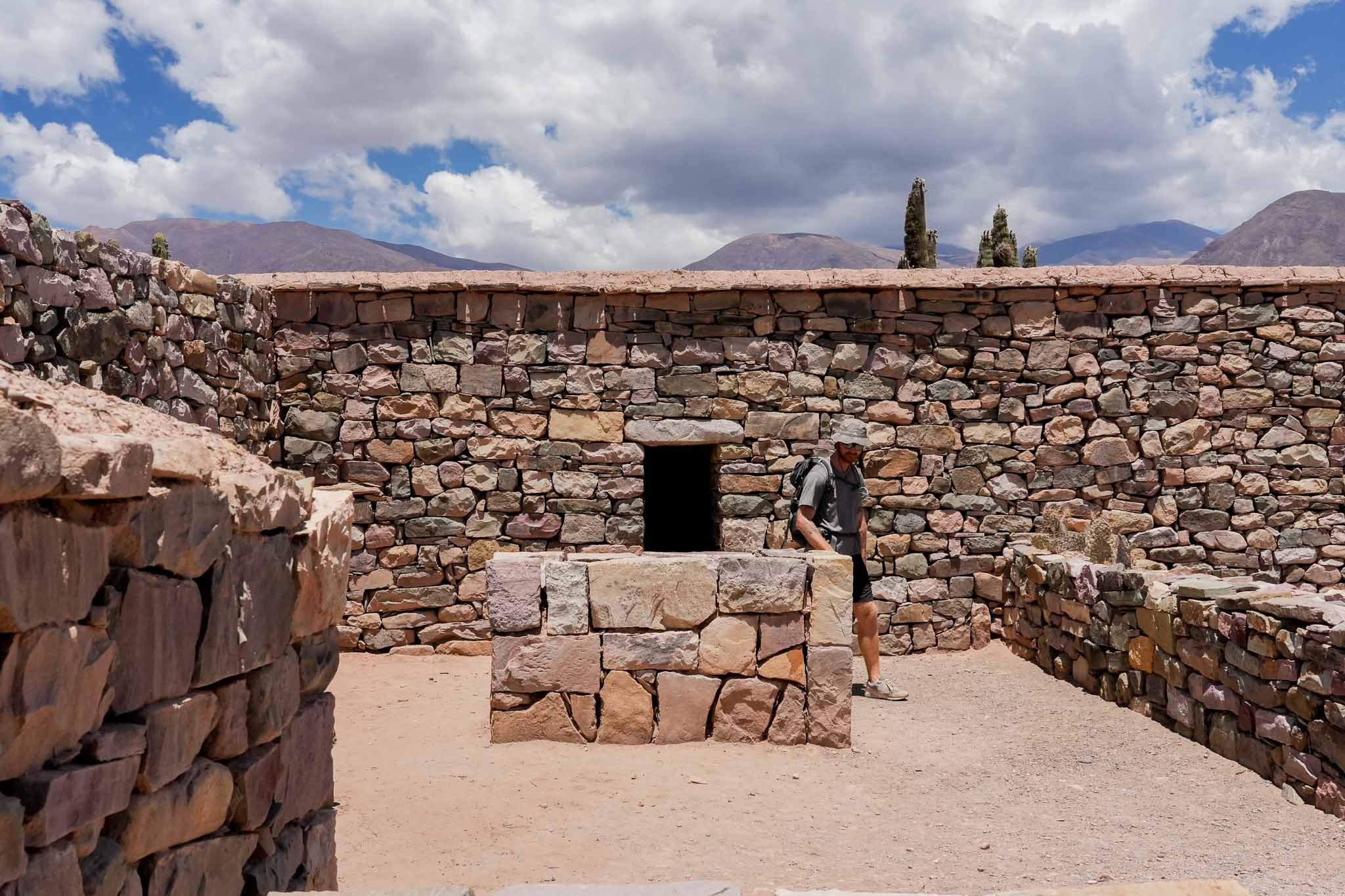
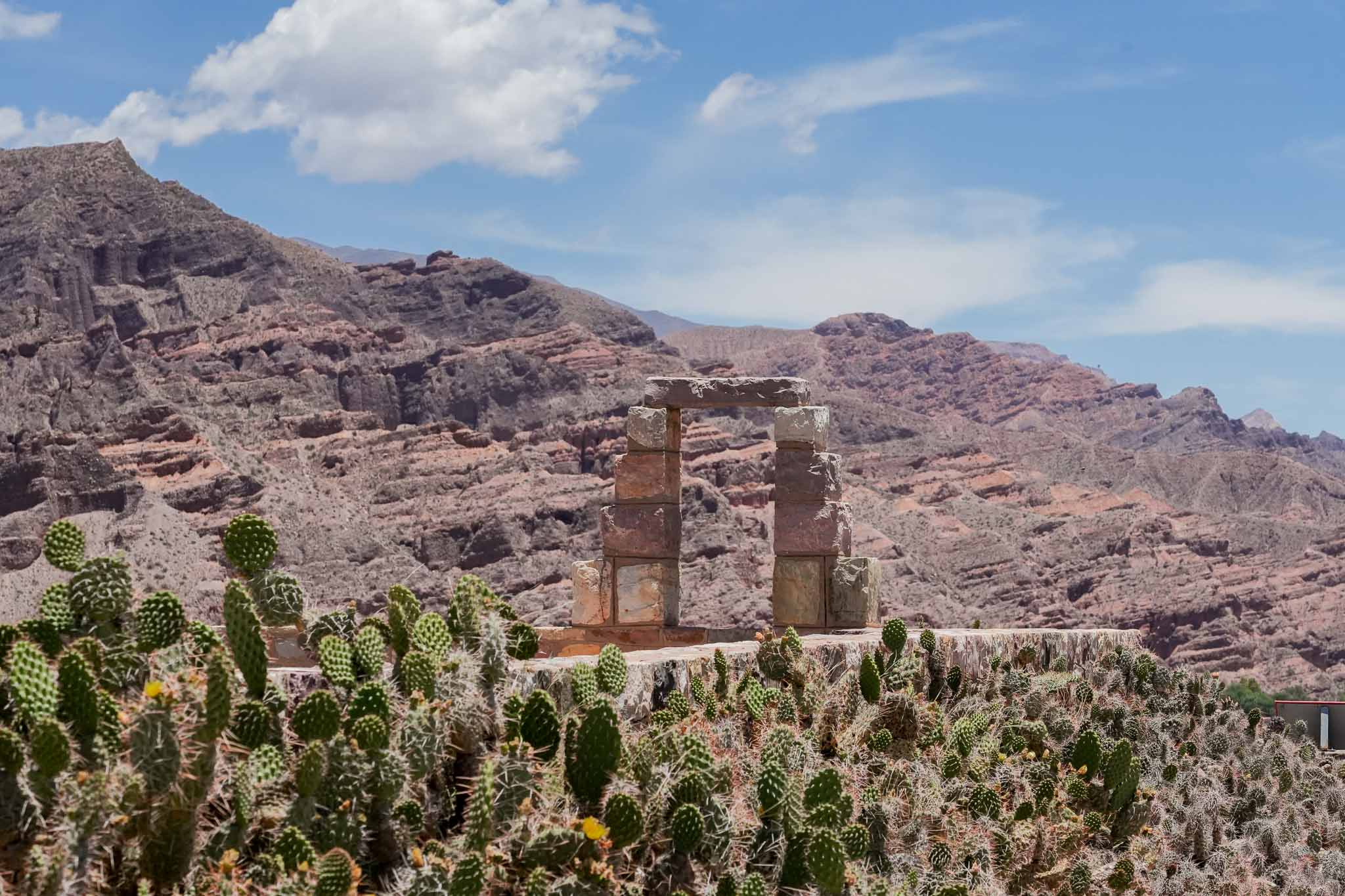
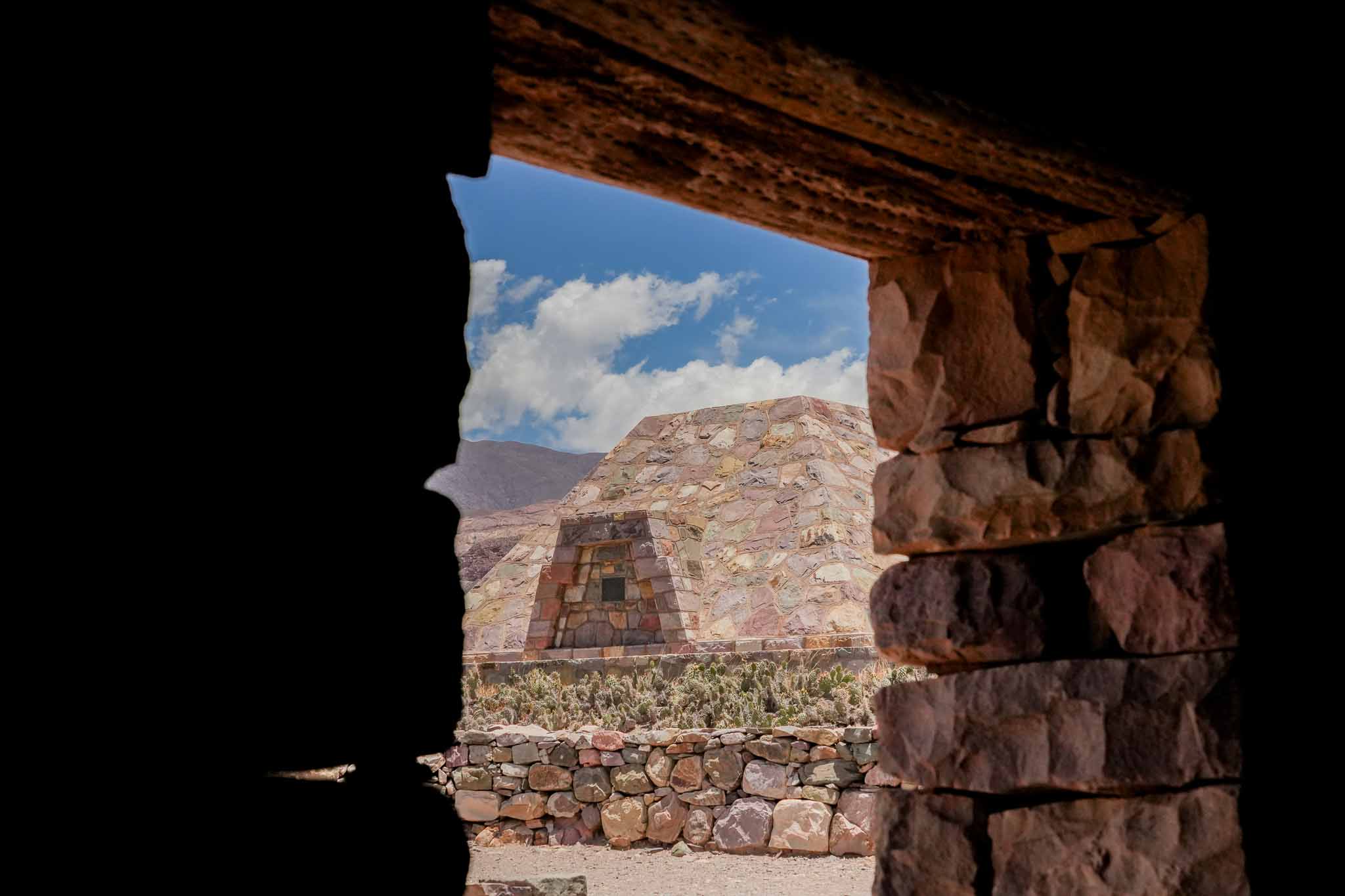
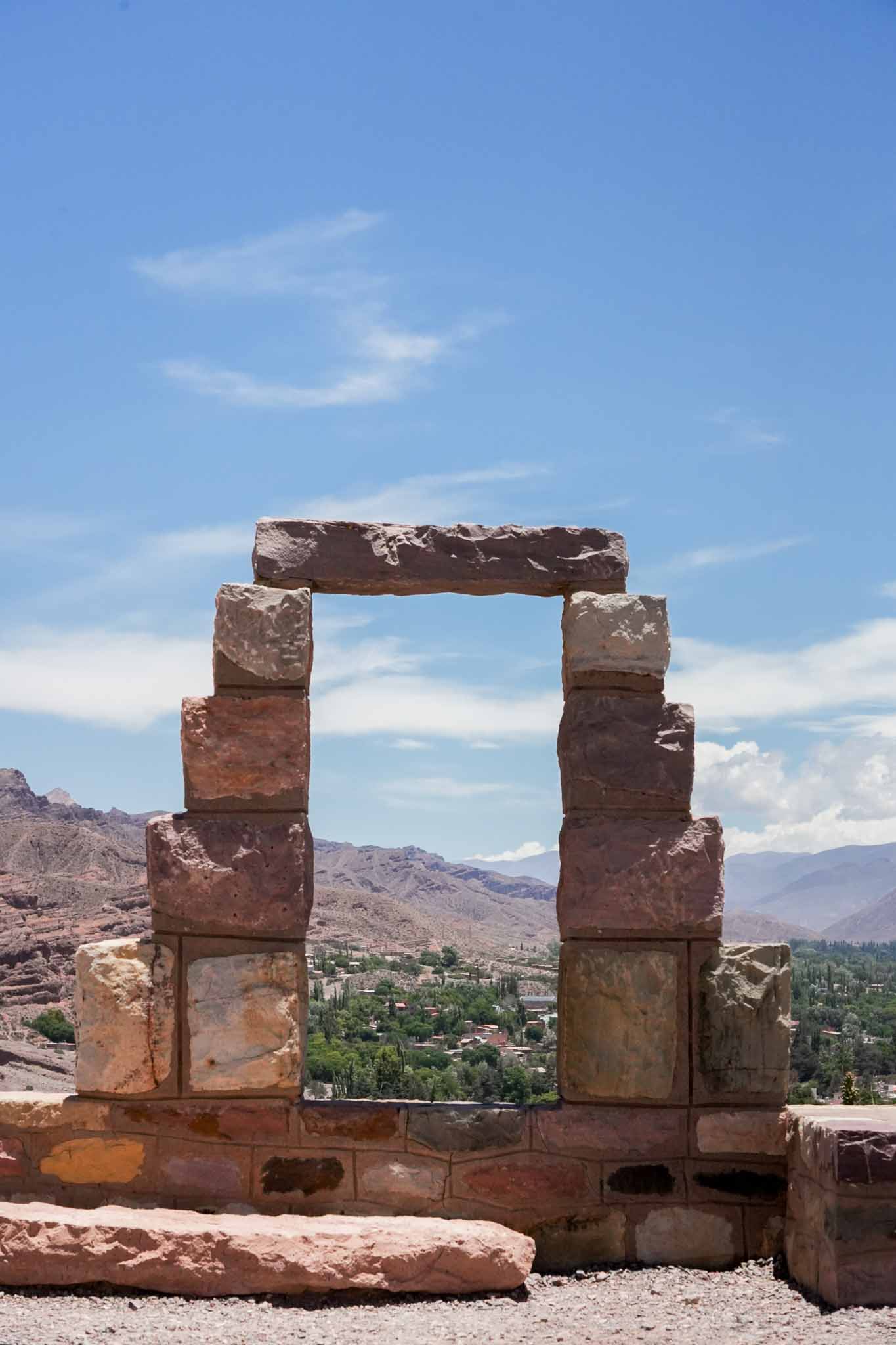
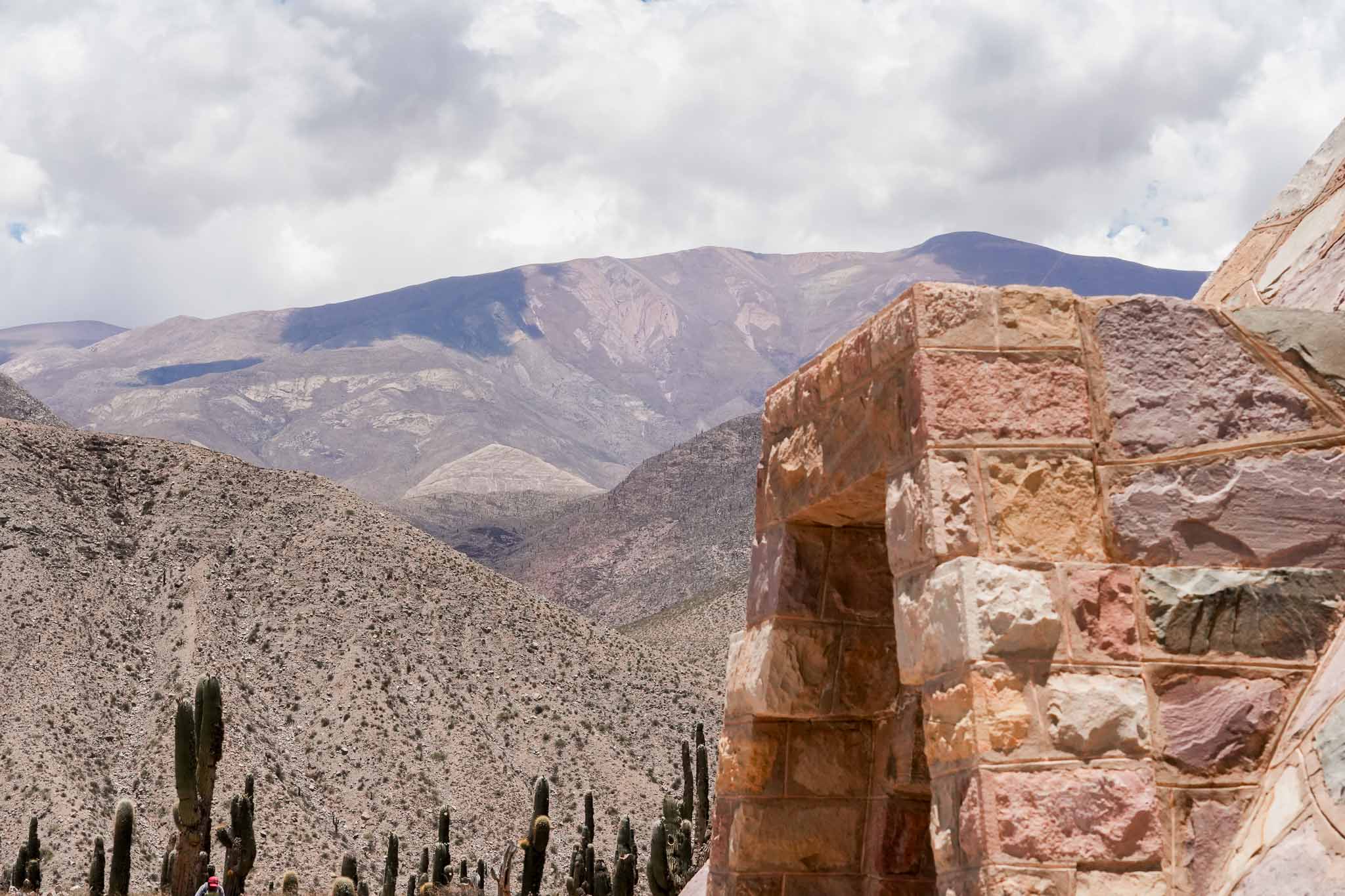
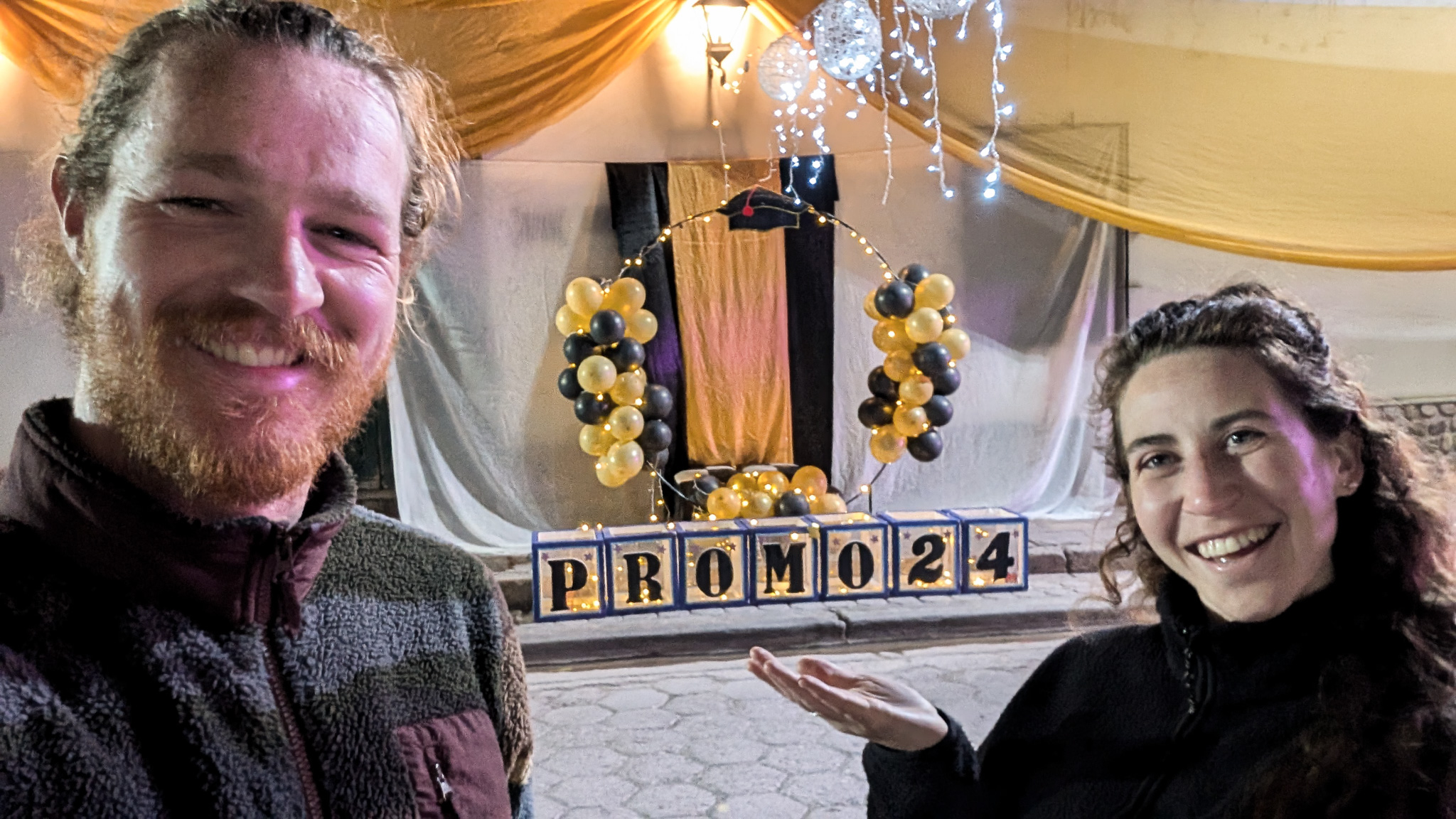
That night we walked around town as there was a fair bit happening. The local highschool was having their prom night and there was plenty of music. We found a cool little restaurant where a band was setting up, and not having seen a great deal of live music lately I really didn’t want to pass up this opportunity. We got a seat on the mezzanine, looking down on a guitarist, a cellist and a guy playing the double bass, performing some highly complex music which was incredible. It was shocking that I was witnessing such musicianship for free, and I couldn’t wipe the smile from my face the entire time we were there.
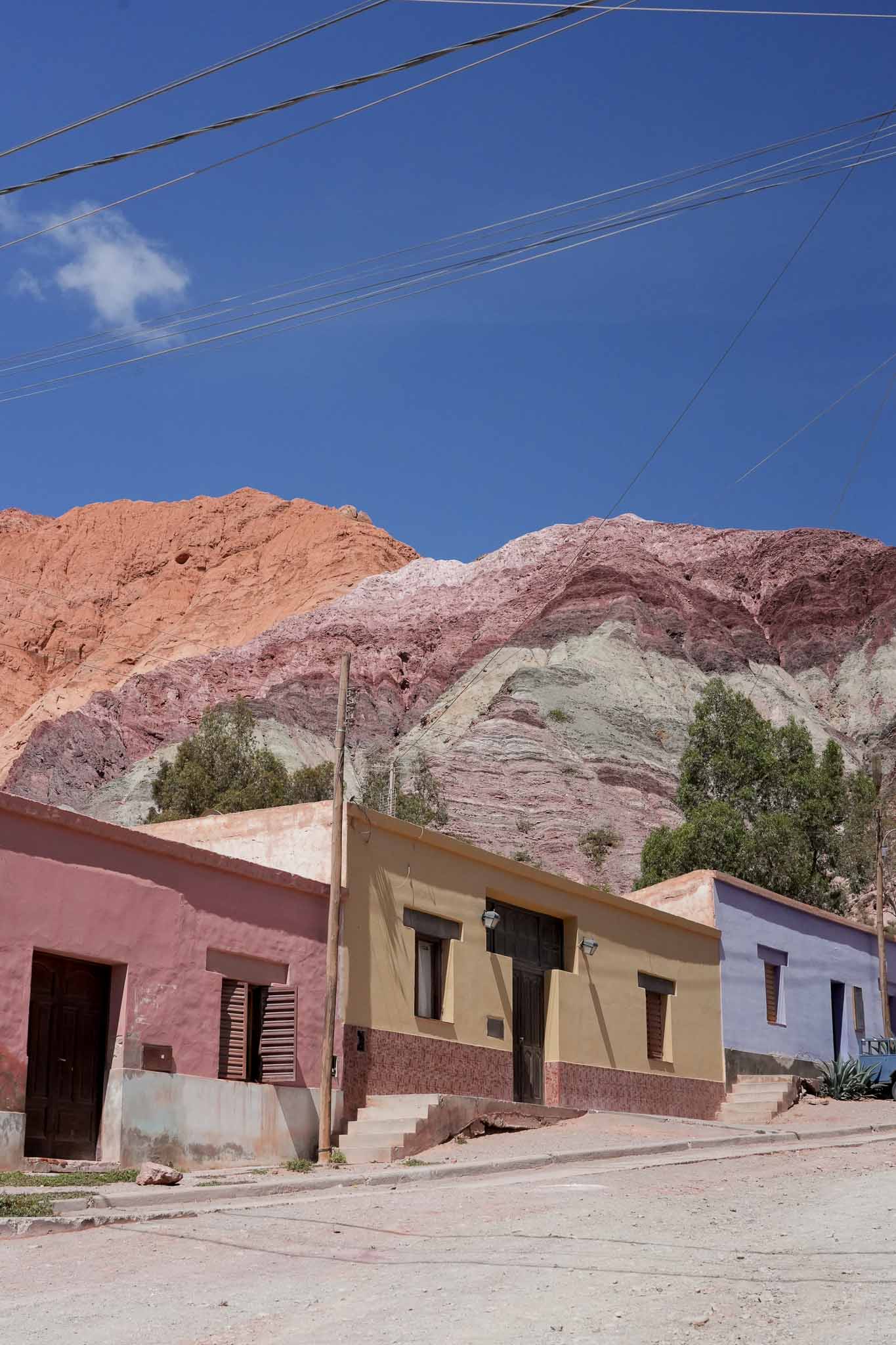
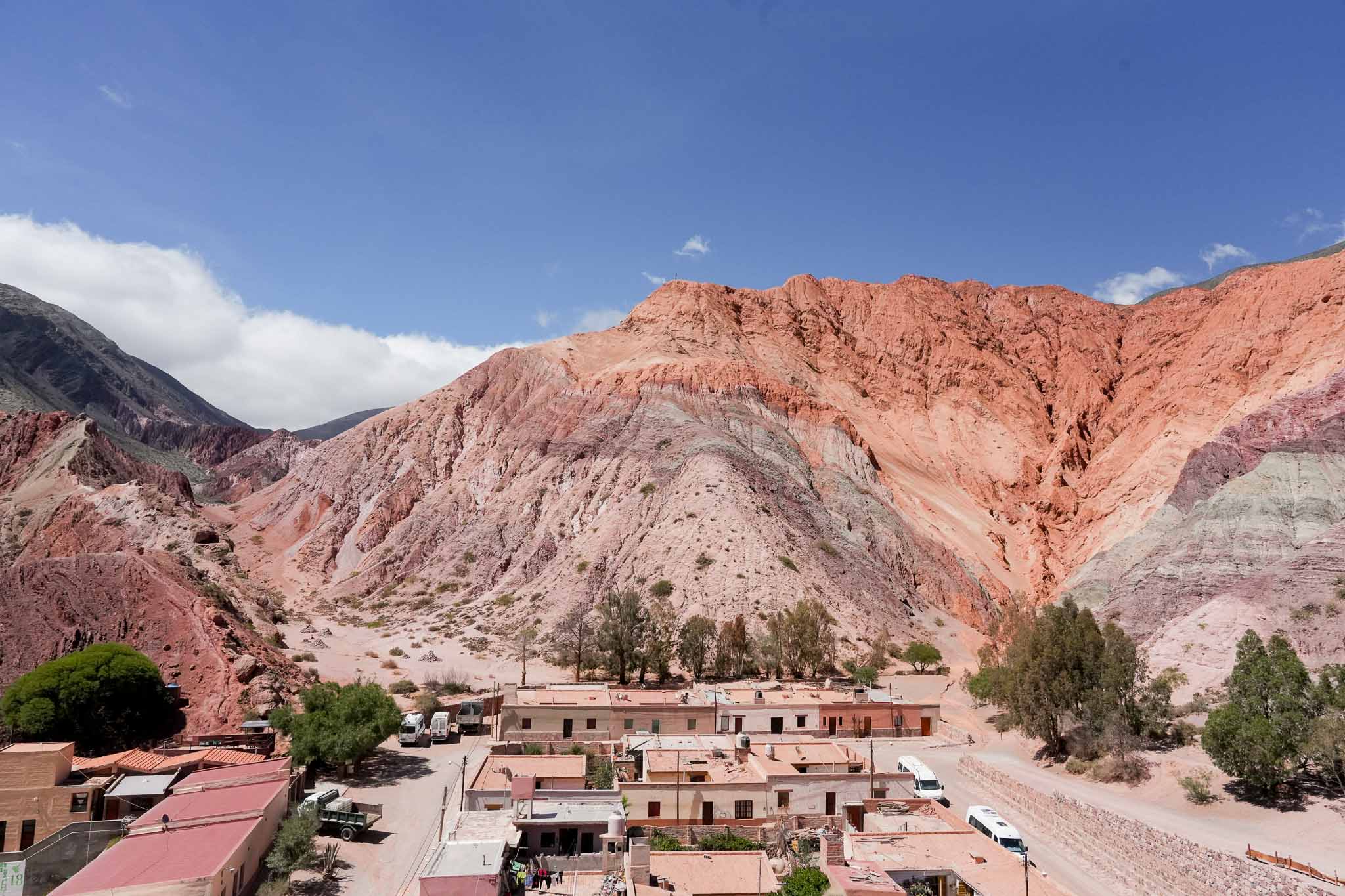
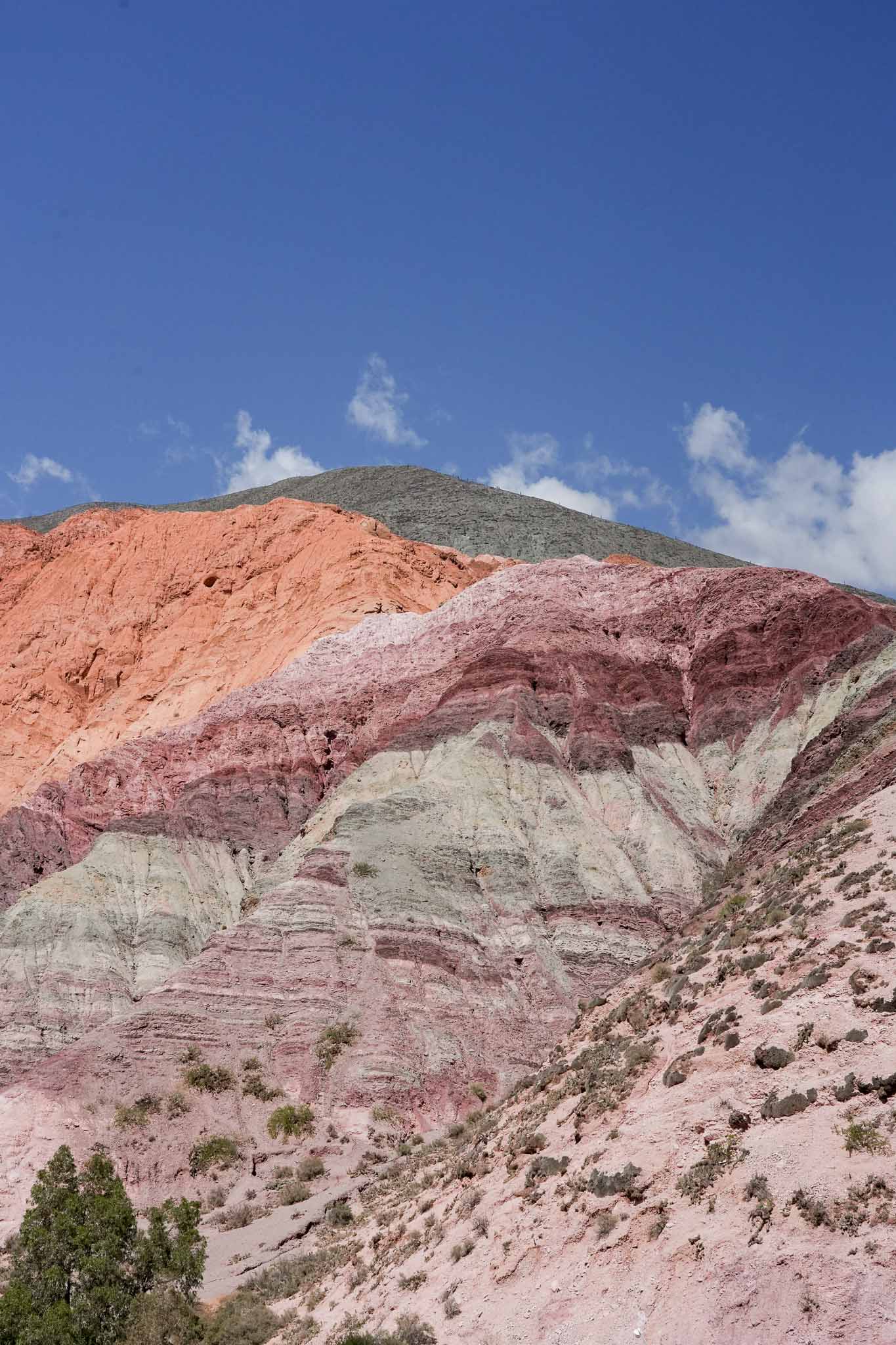
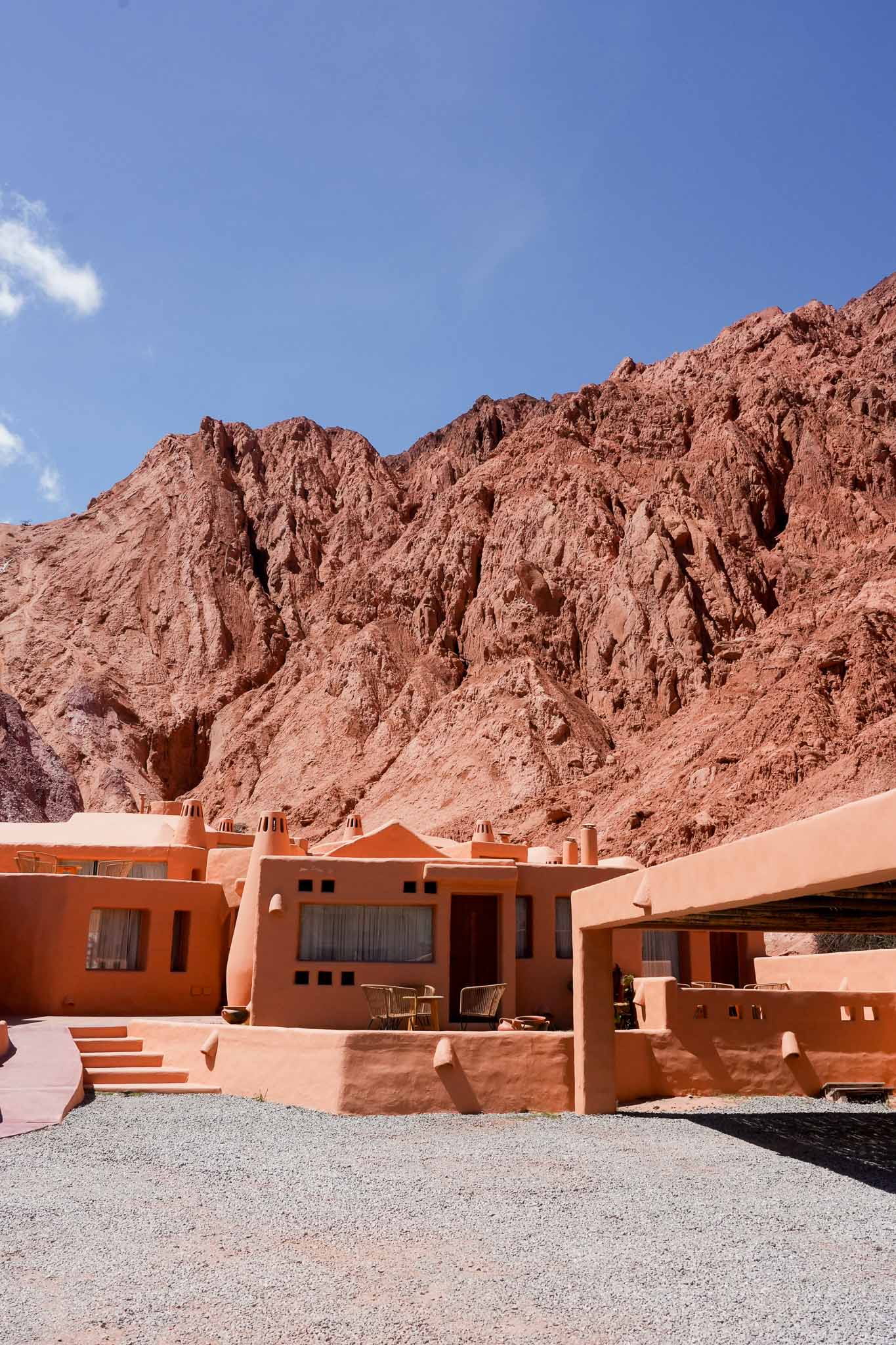
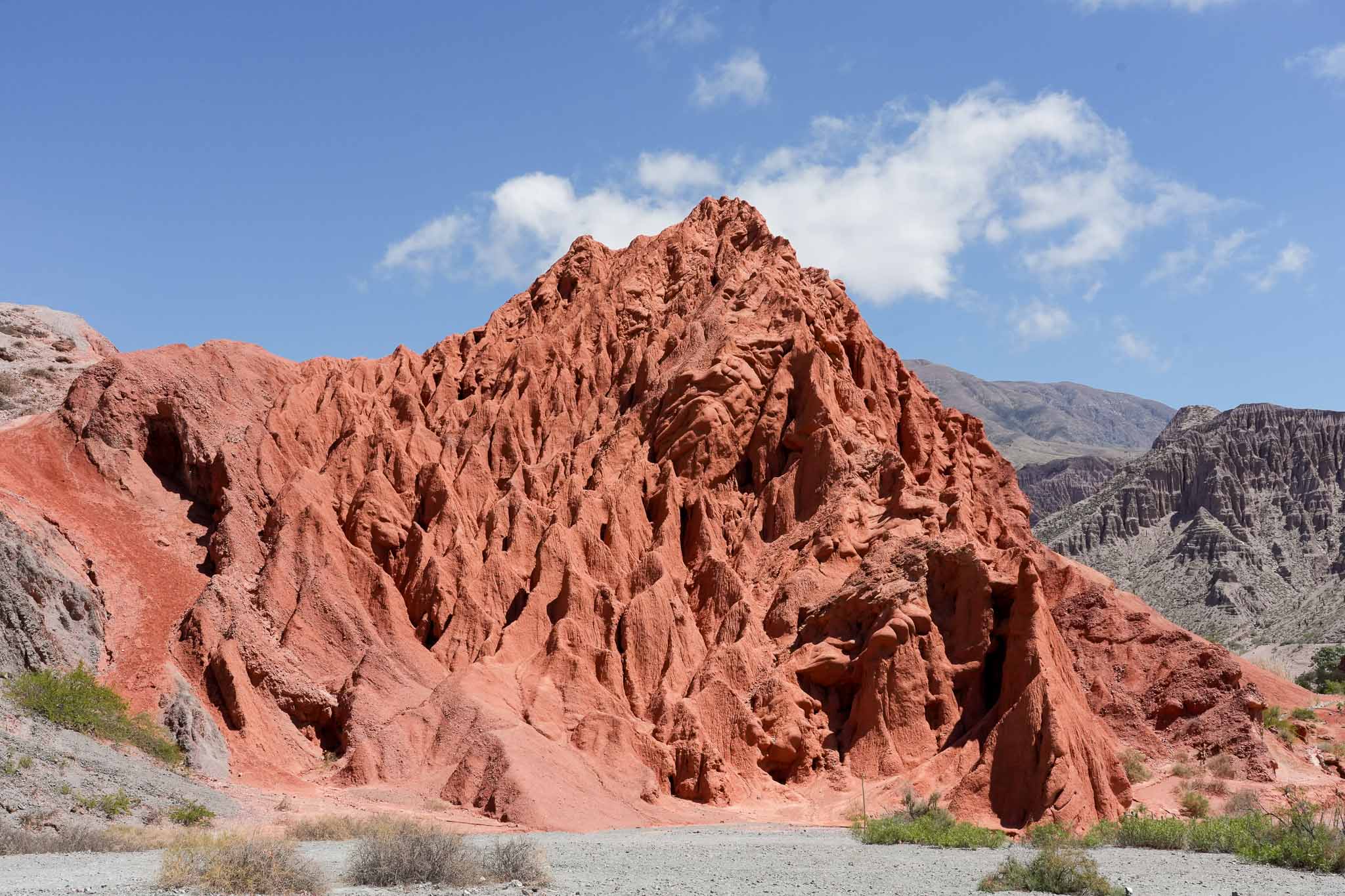
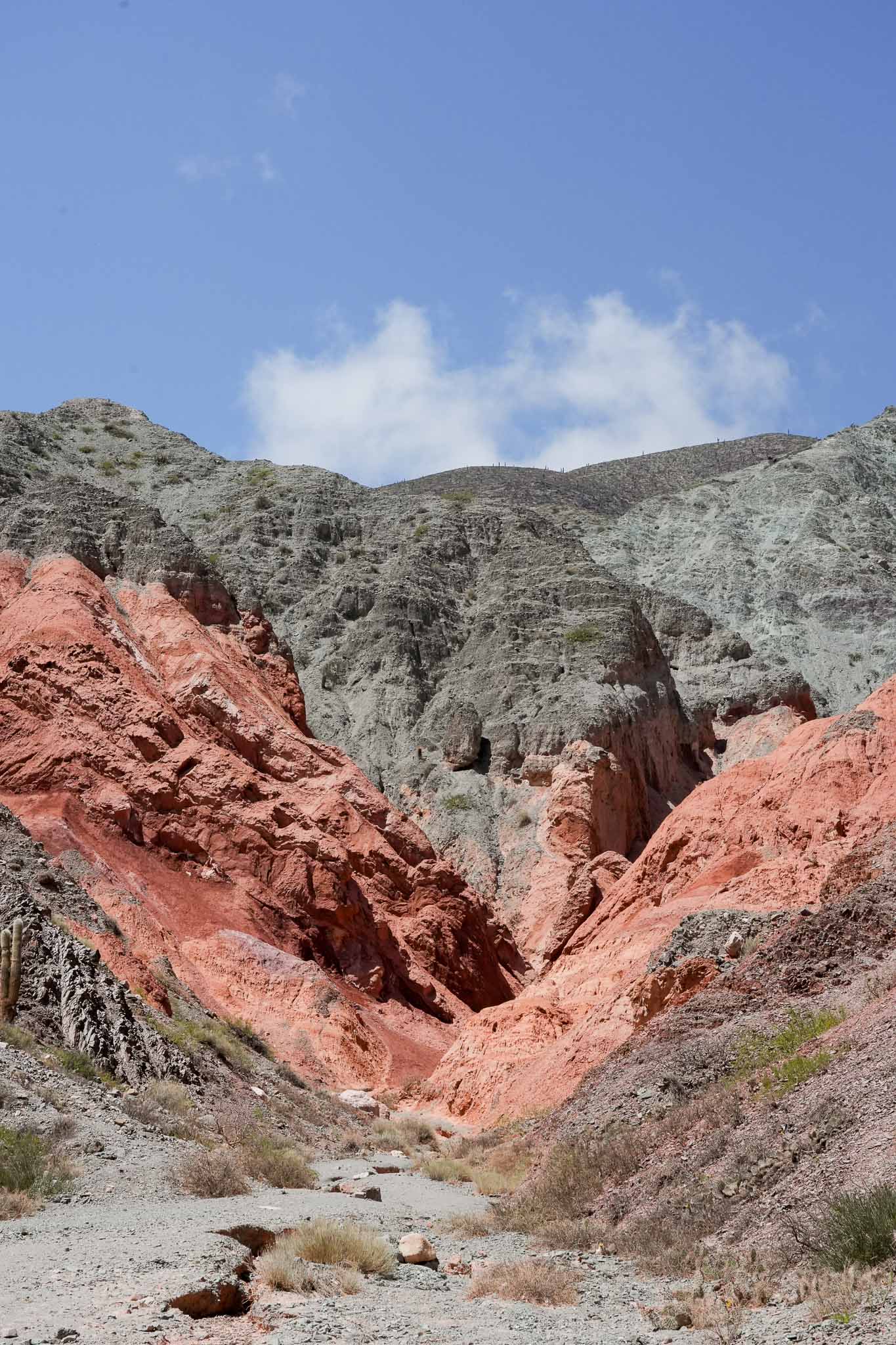
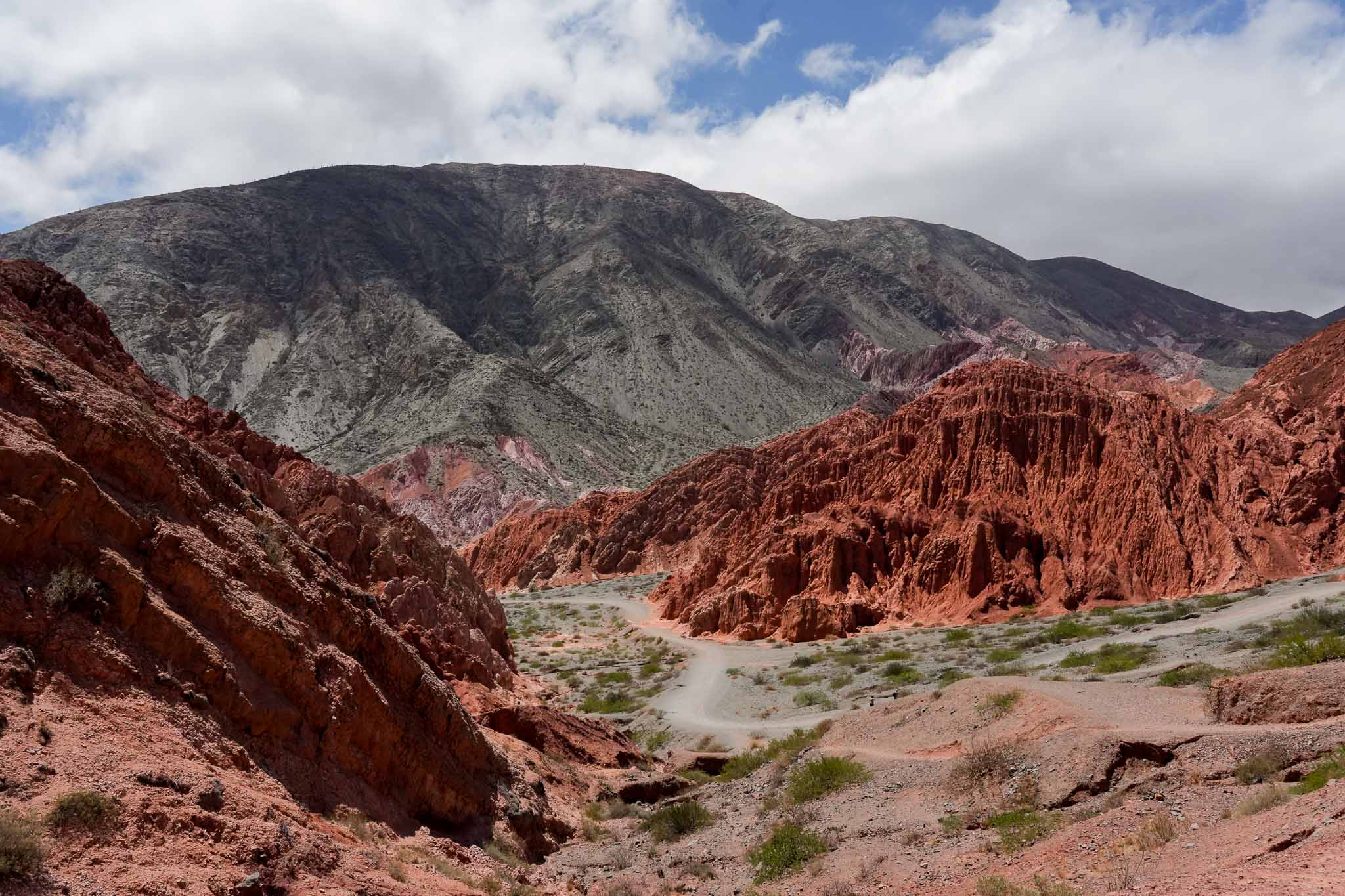
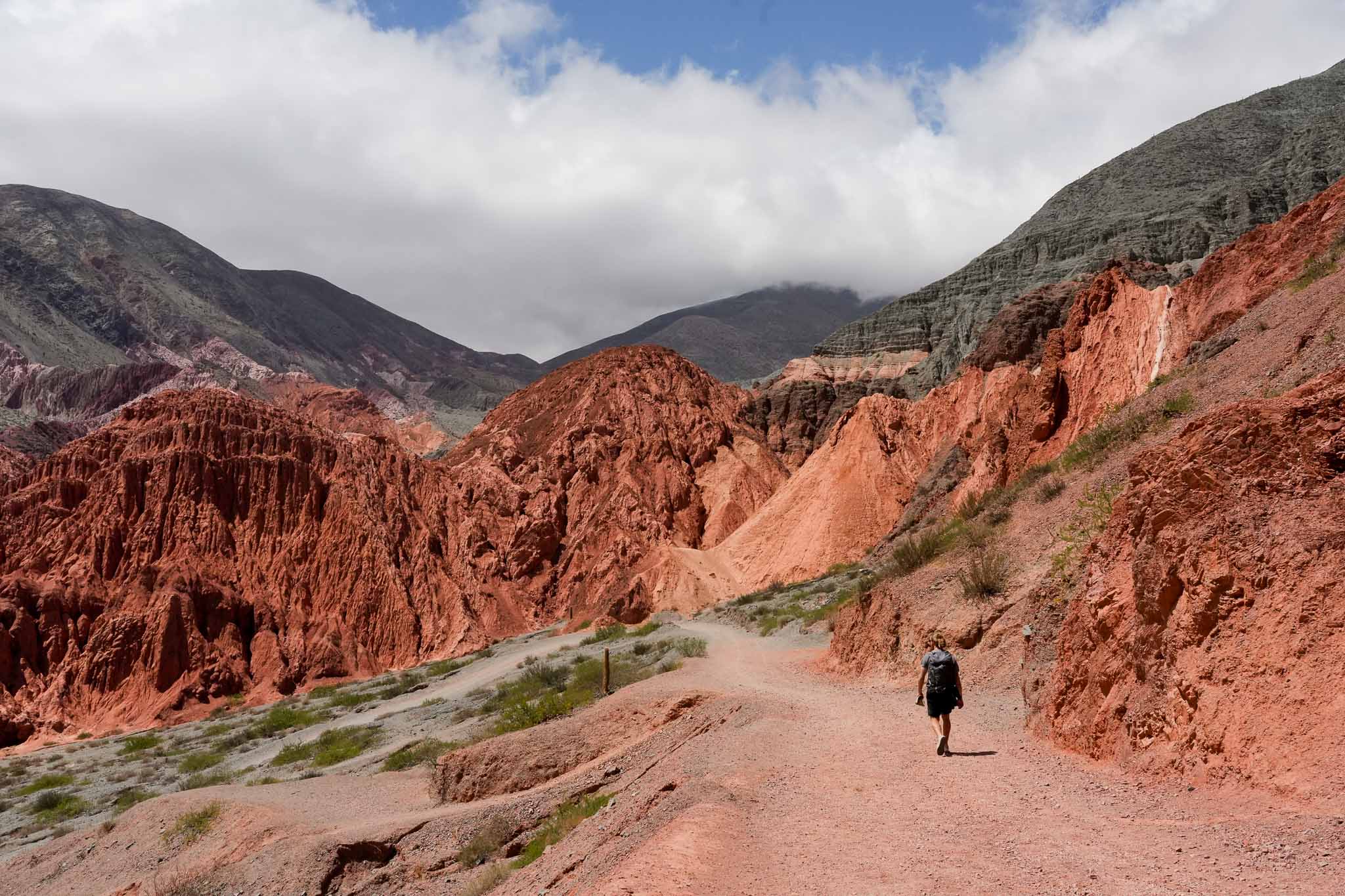
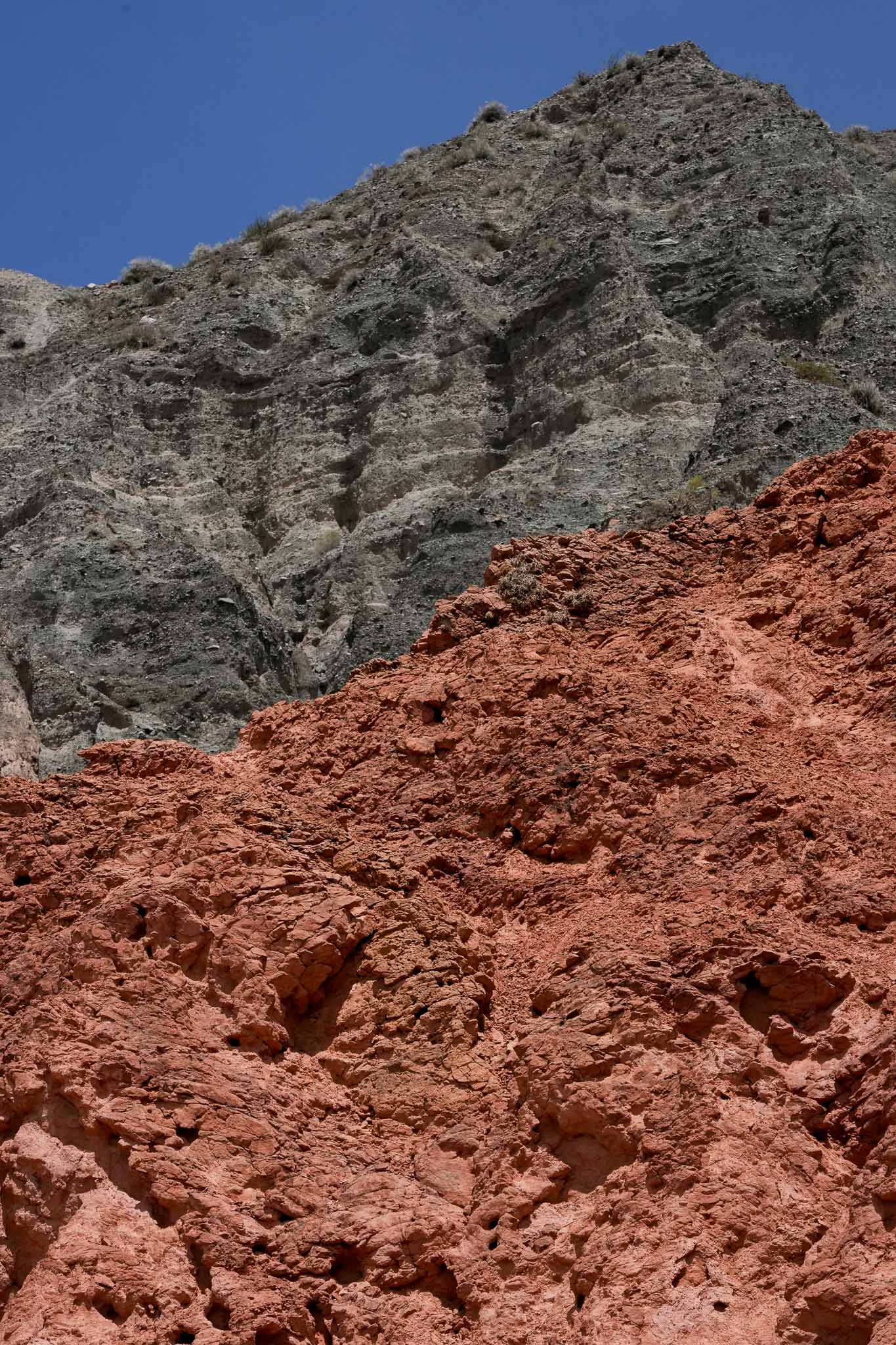
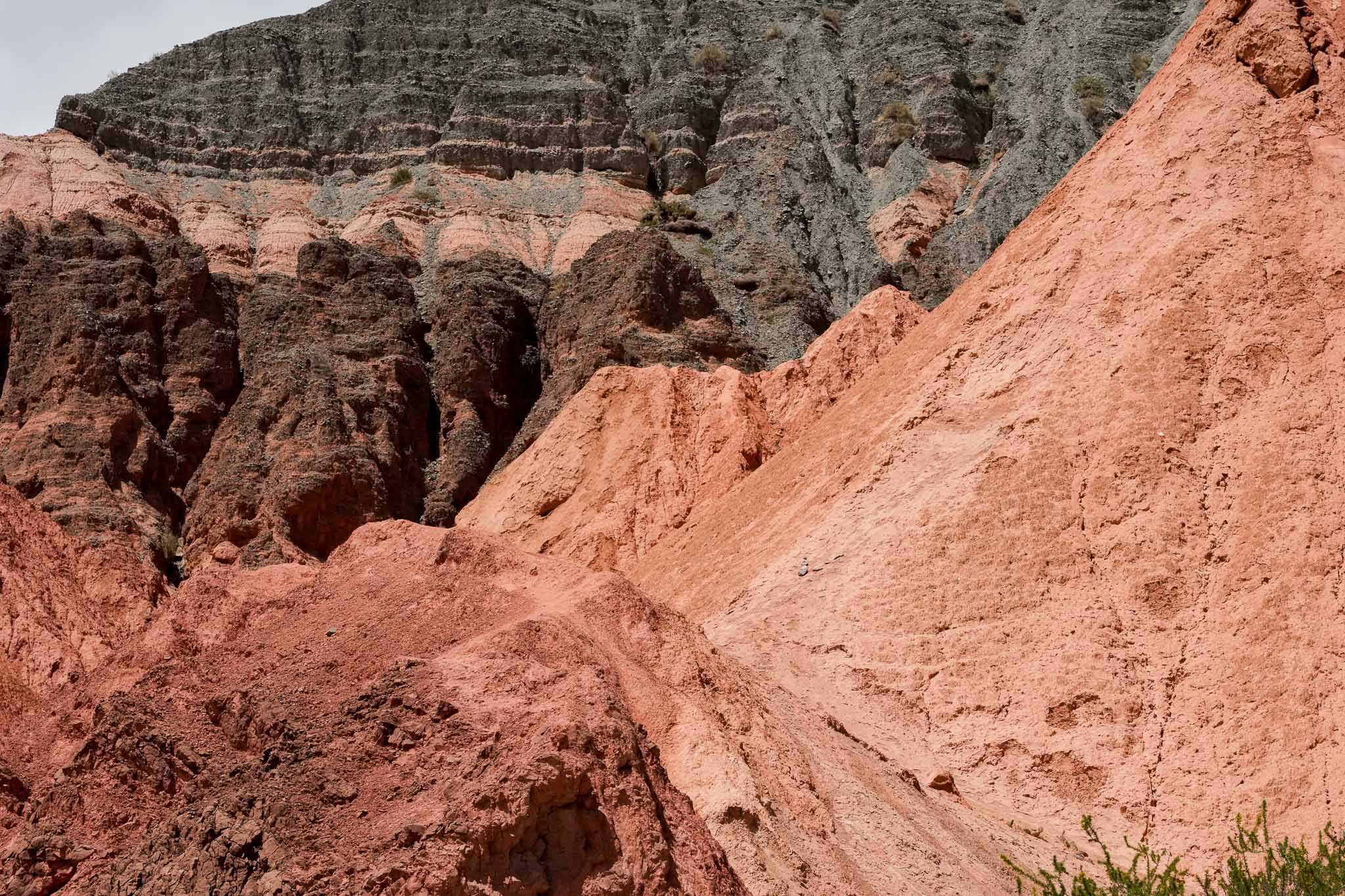
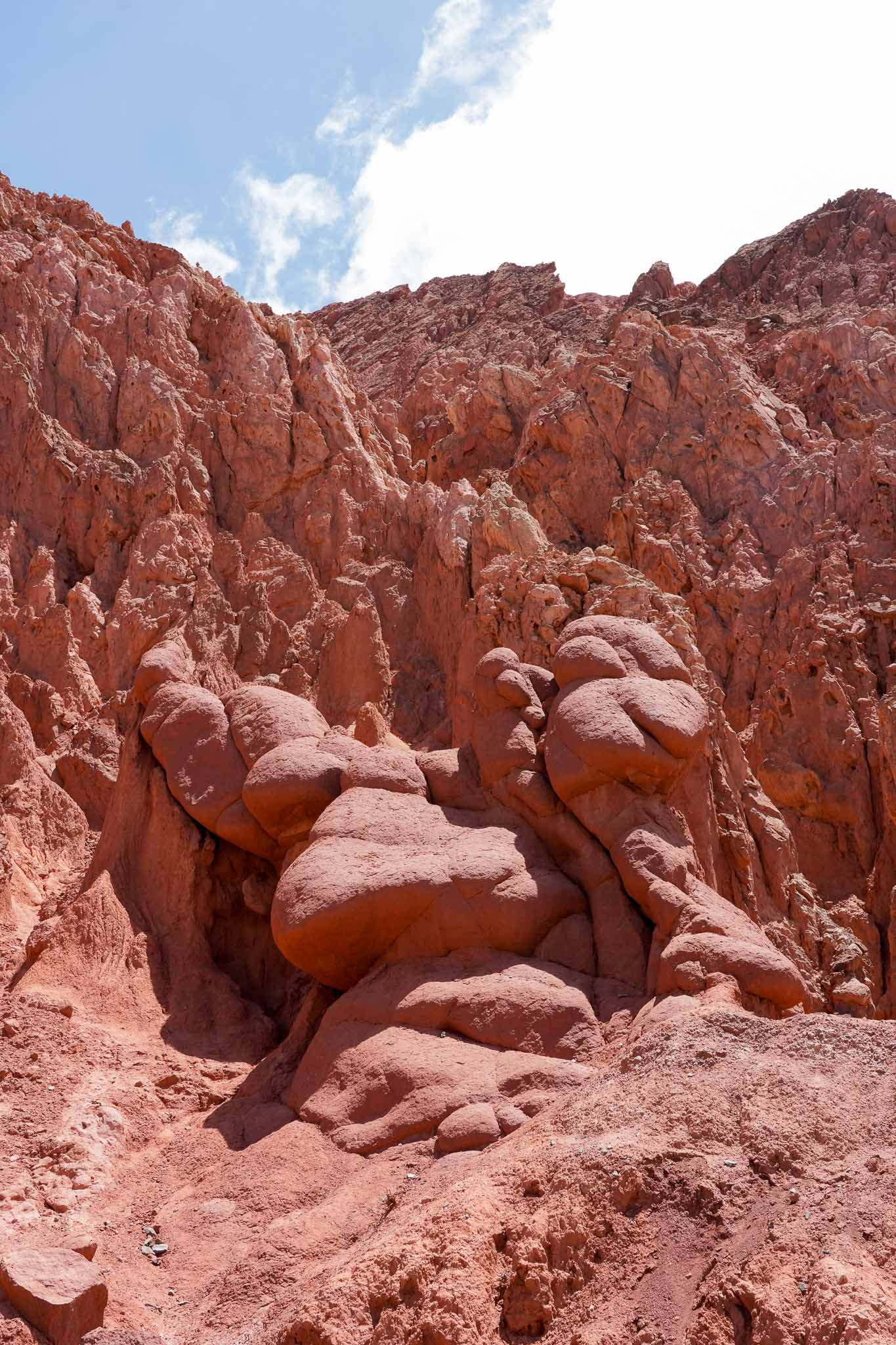
In the morning, we caught a local bus half an hour away to another town called Pumamarca, to take a small walk around the highly colourful mountains that skirt the edge of the town. The landscape here is unbelievably beautiful, and everywhere you look you’re inundated with all shades of reds, purples, pinks and oranges. The photos don’t even look real, but I promise this is what it’s actually like to see this place. I played fetch with a nice border collie we came across on the trail, and afterwards we took a slow stroll through the town eating grilled flatbreads stuffed with cheese while we waited for the bus that would take us back to Tilcara.
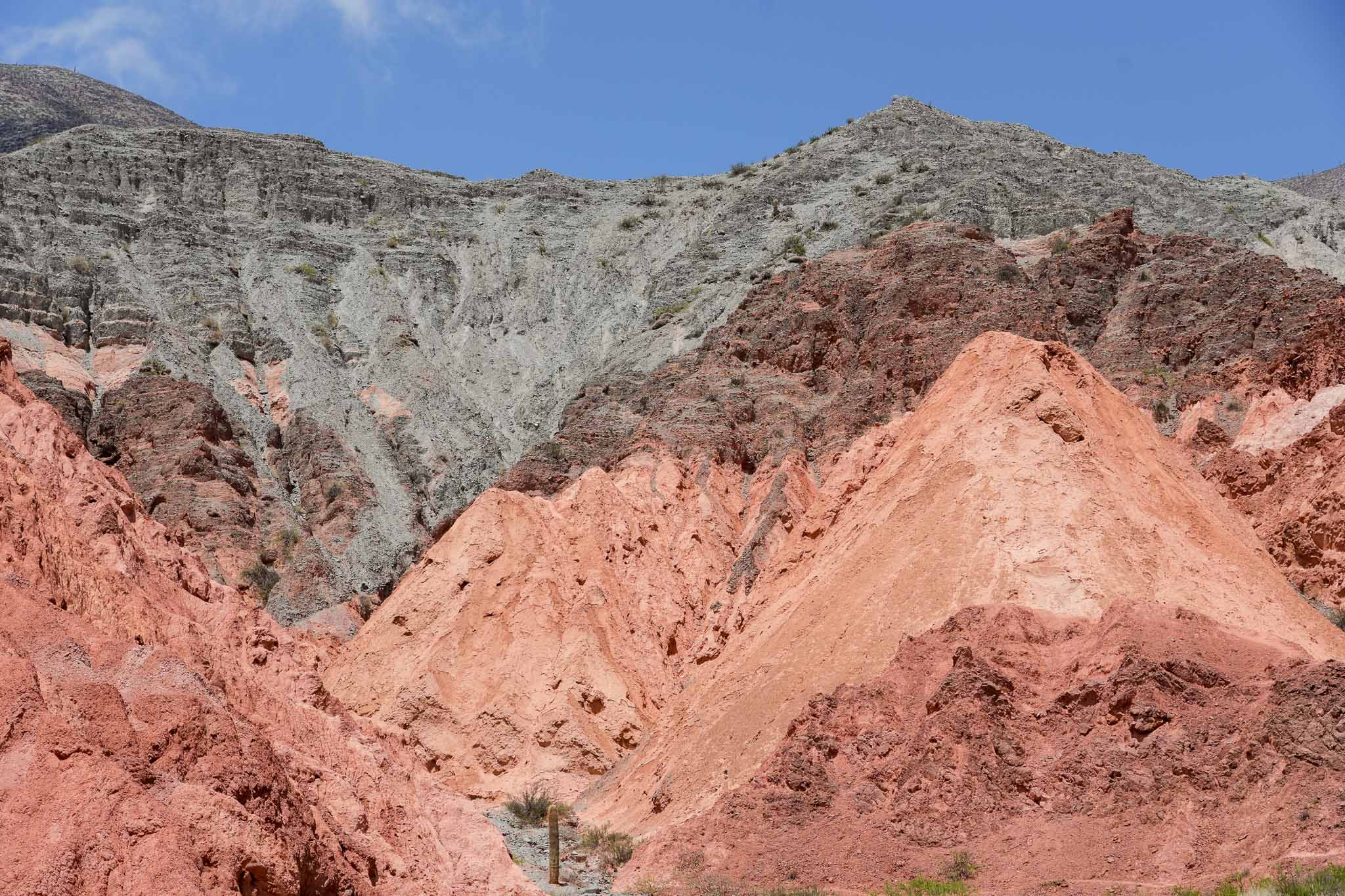
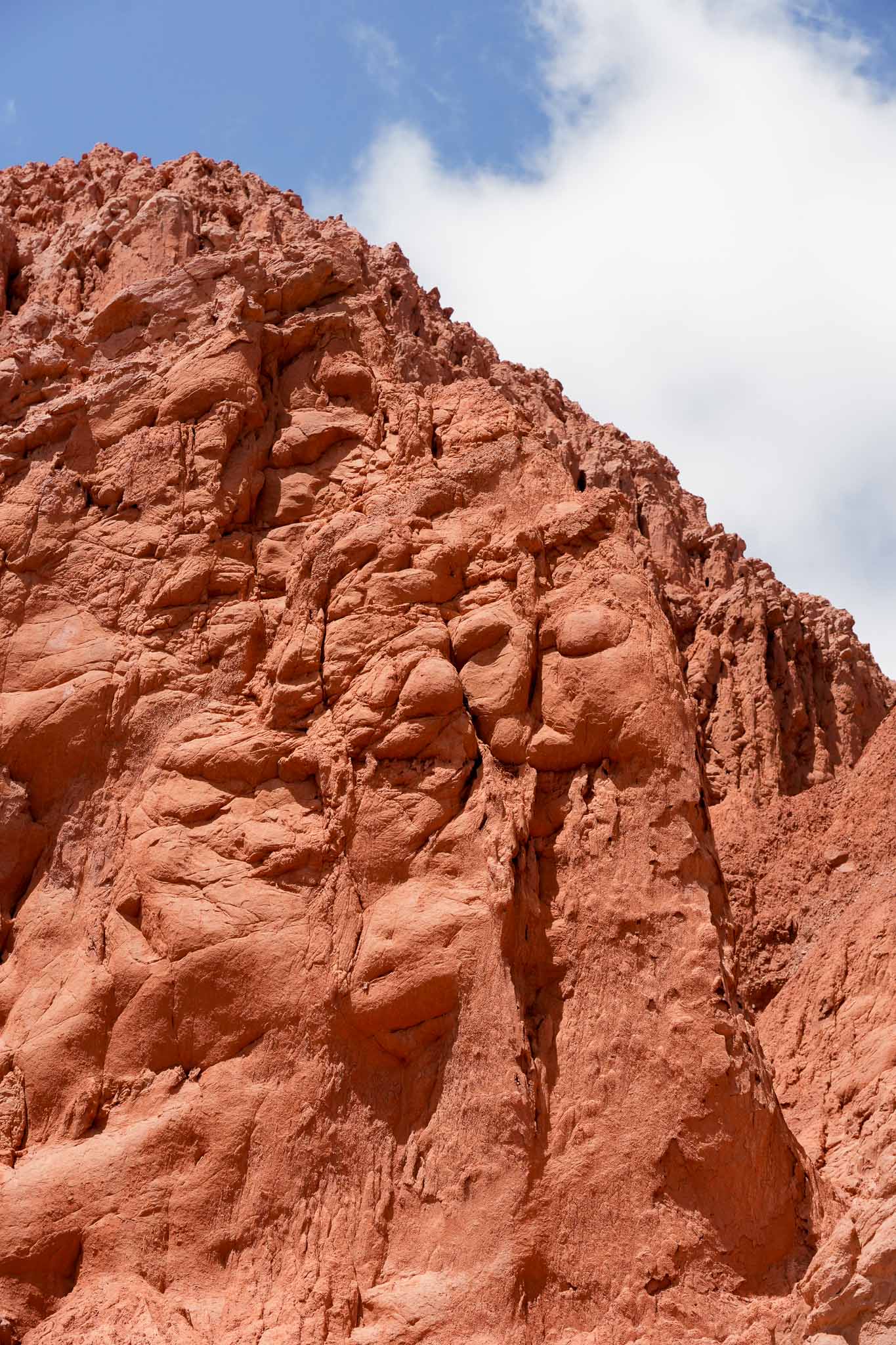
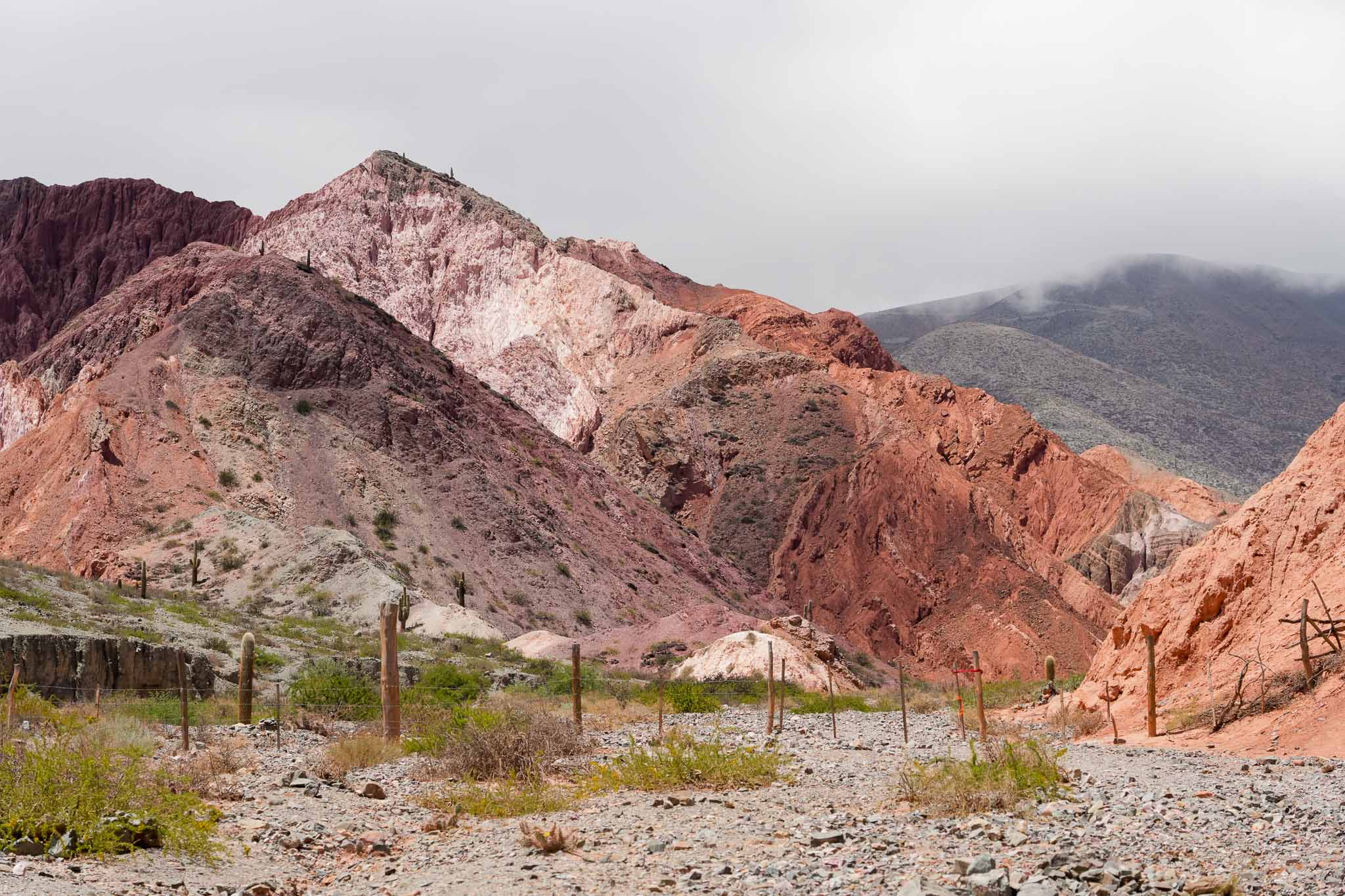
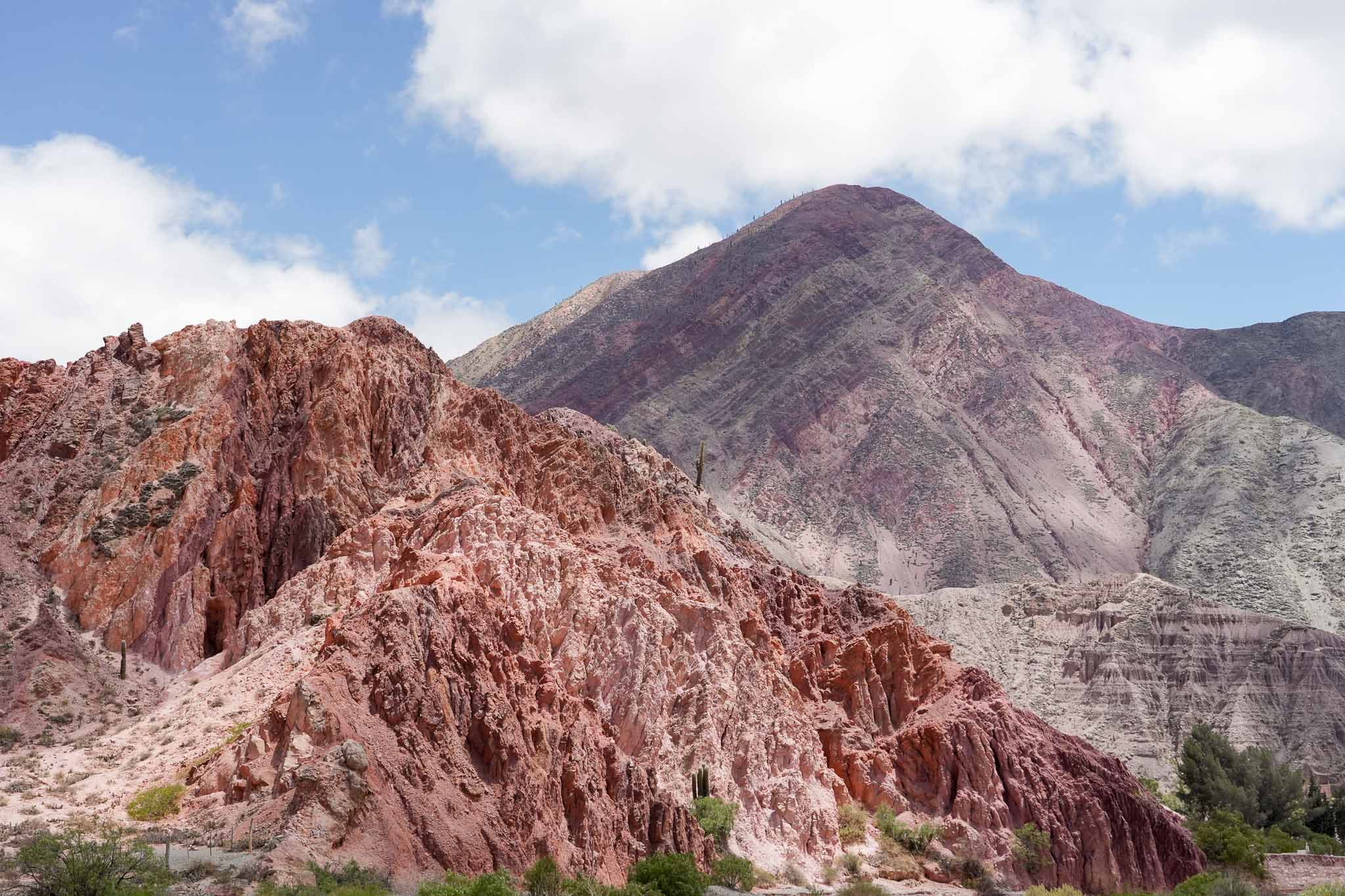
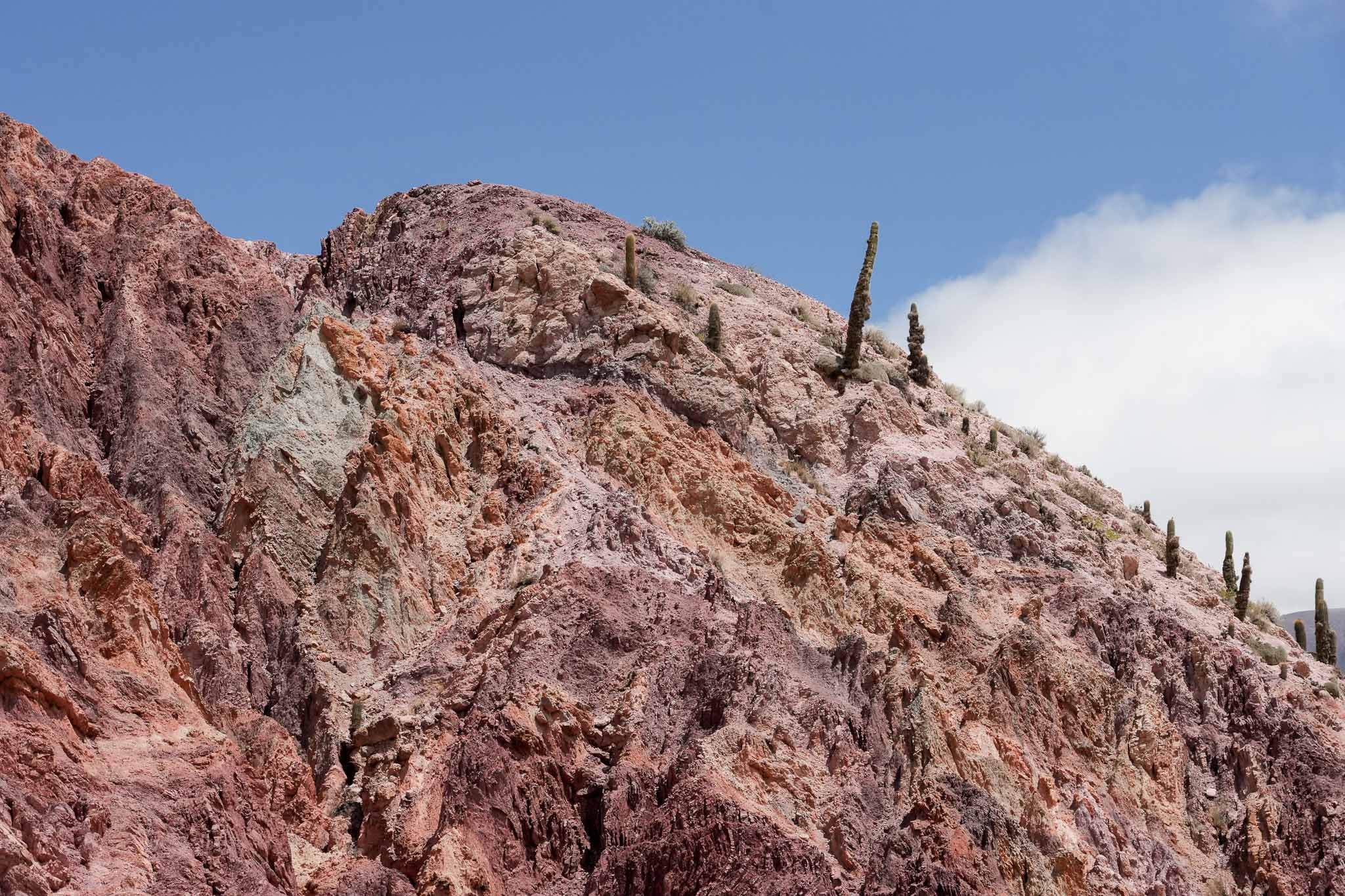
As if we hadn’t had enough buses over the last few days, we packed up all our stuff and boarded a 3pm bus down to Salta, the biggest city in the region. We managed to get the front two seats up the top of the bus and we had some of the best views for the duration of the 4 hour trip.
Founded in 1582, Salta is the capital city of the Salta province, and is home to over 600,000 people where the desert begins to give way to a sort of subtropical, highland jungle. It has beautiful old churches and a really lively central square. It’s also home to my cousin’s boyfriend’s family, which is who we’d be staying with over the next few days. Ava, Martín and his brother Javier met us at the bus terminal, and took us around central Salta so we could walk through some churches and museums. We went out to a Parilla, an argentine steakhouse, and enjoyed some very delicious meats for dinner while I tested my Spanish on Javier and received some much needed corrections from Martín. This was easily some of the best food we’d eaten since arriving in South America, and it lived up to the expectations of Argentine barbecue that I’d heard so much of.
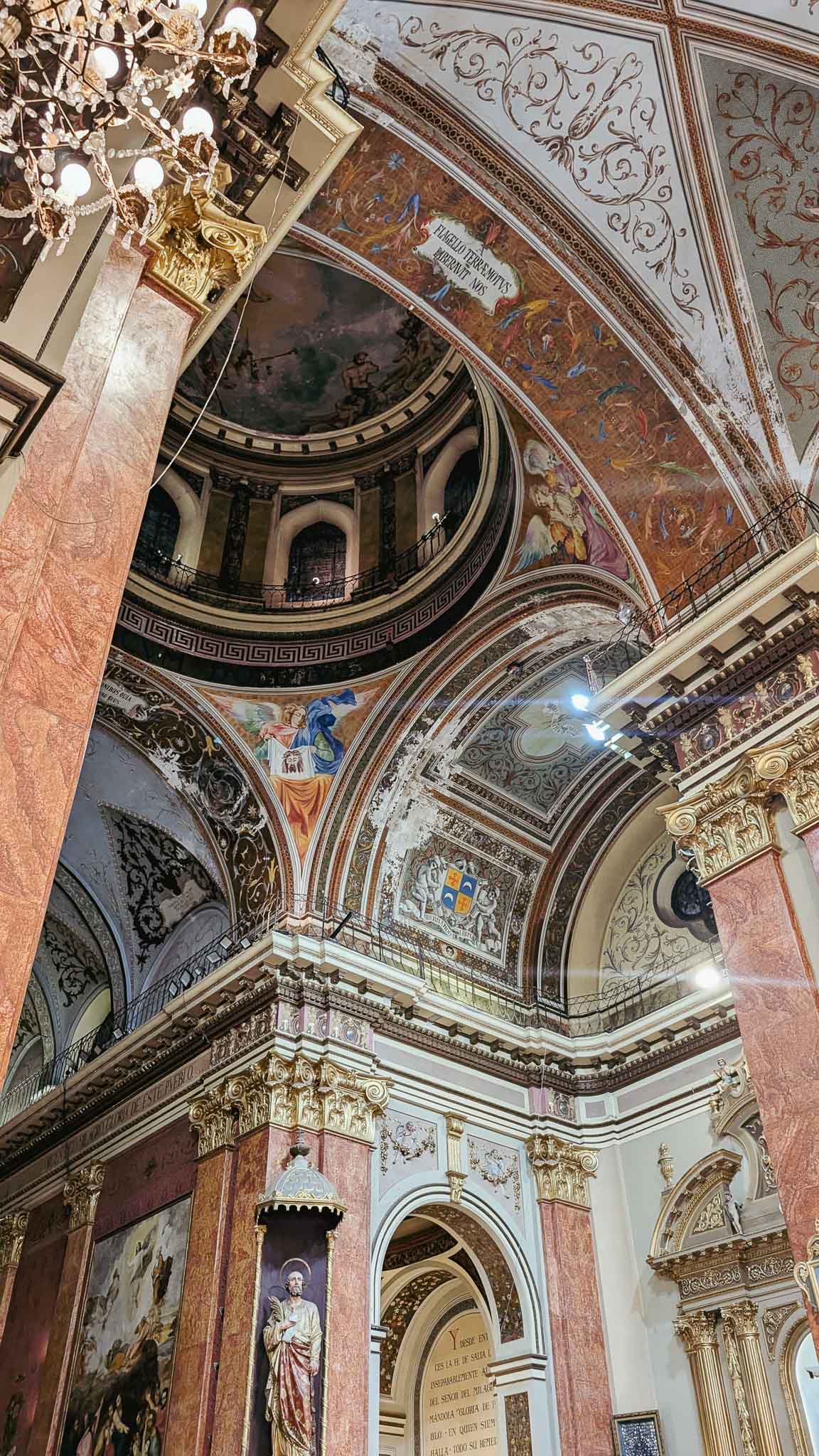
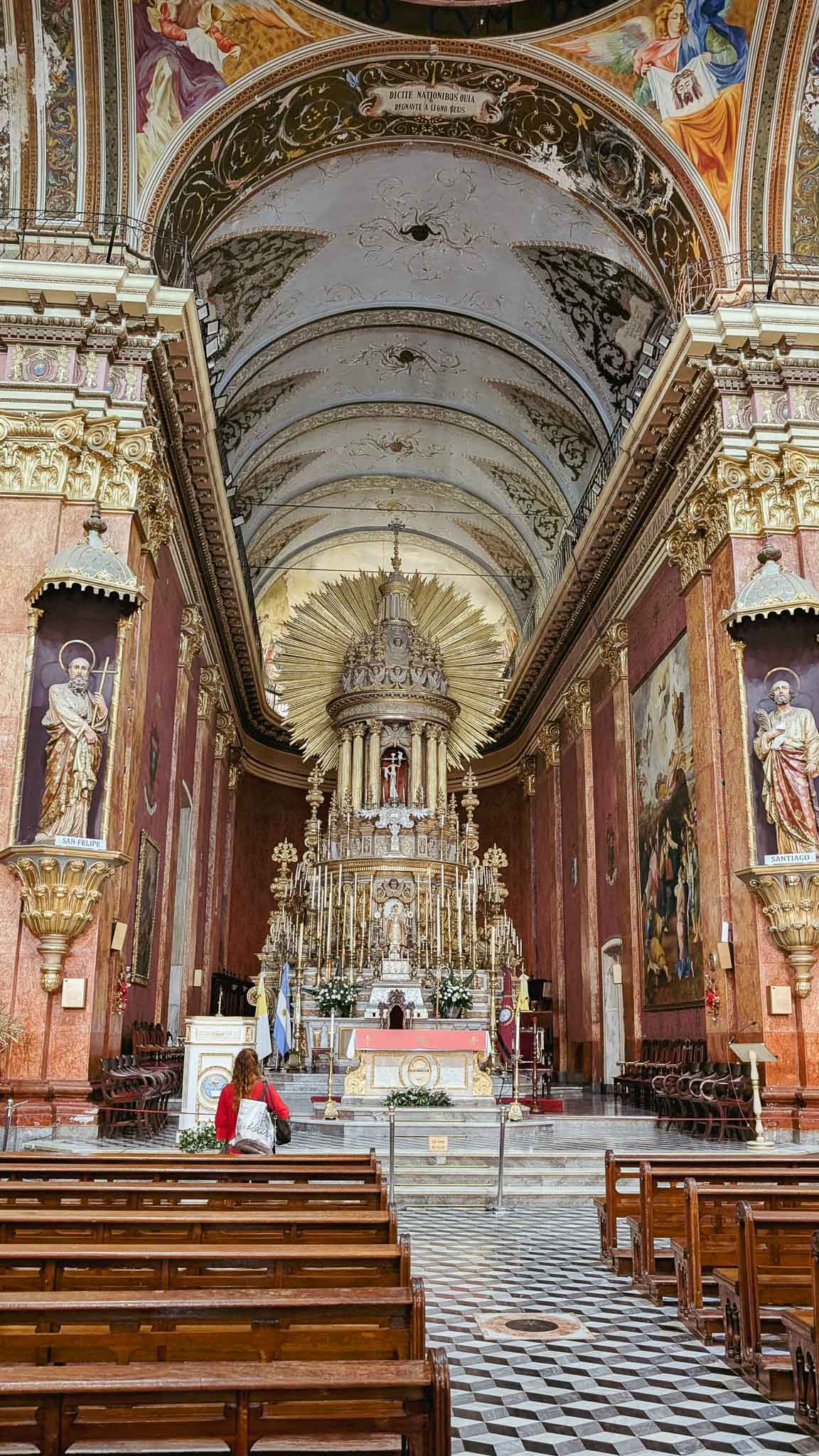
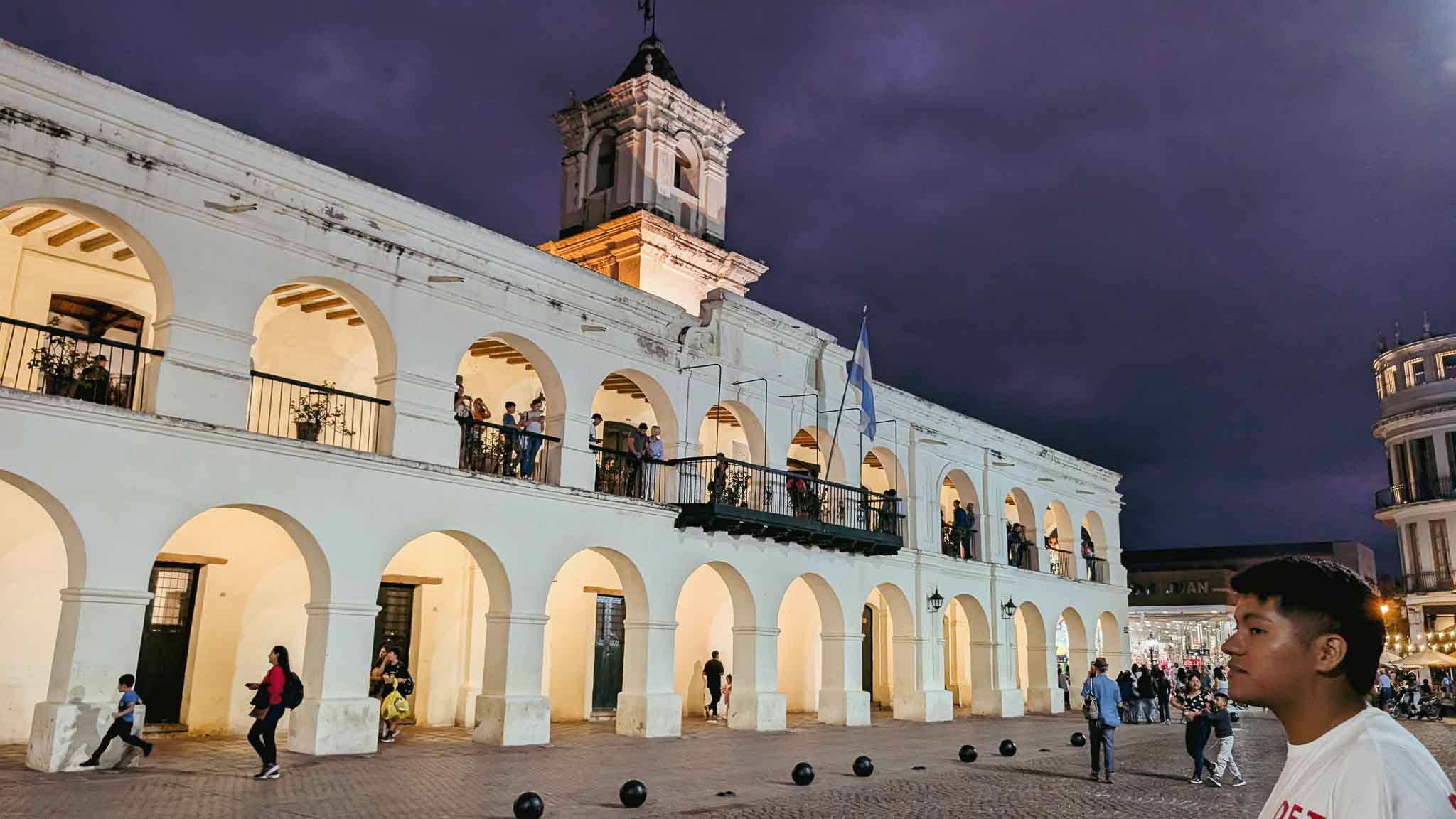
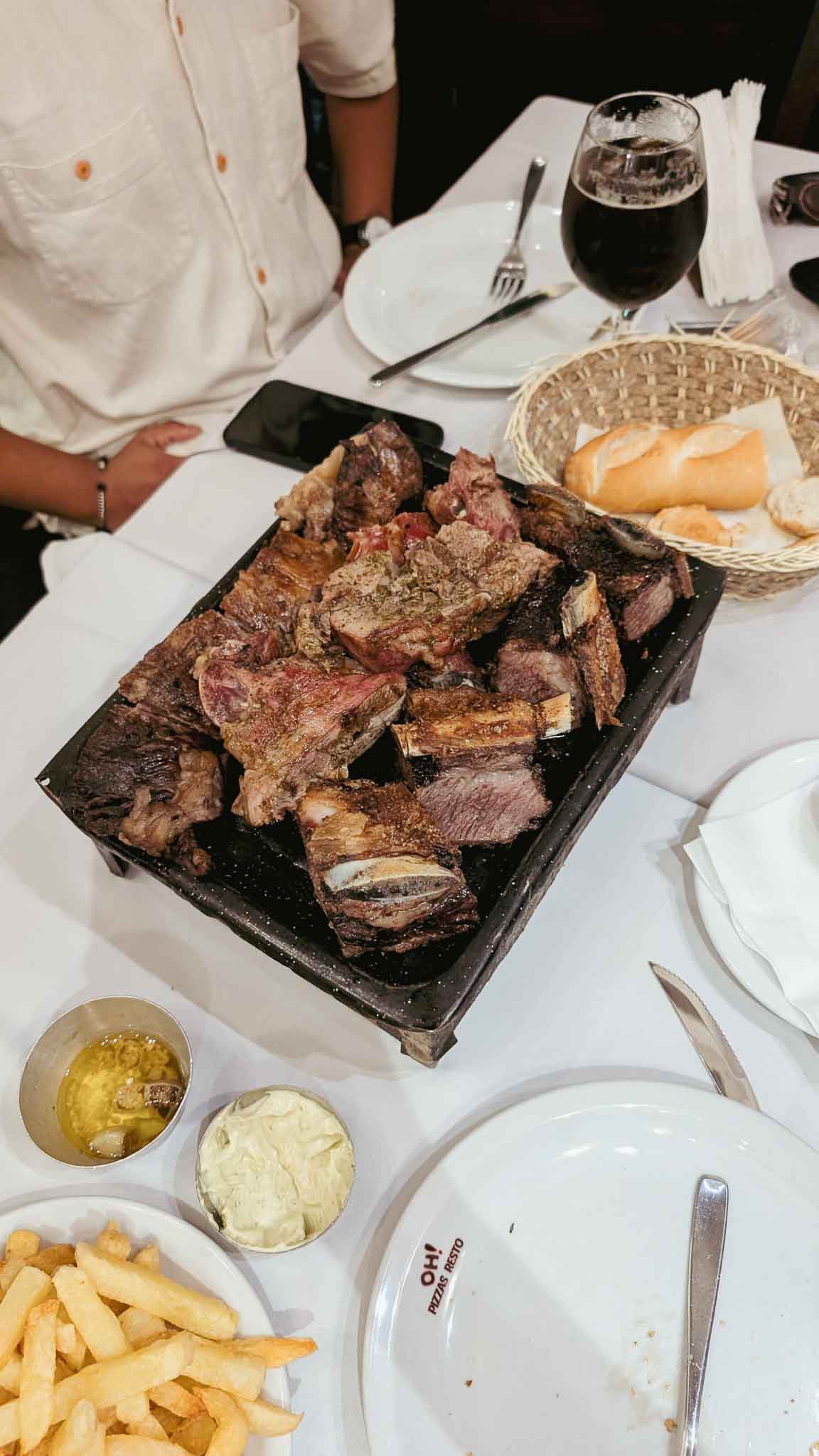
After dinner, we went back to the Bonifacio residence to meet Martín and Javier’s mum, Patricia. What an absolute darling. She made us feel incredibly welcome, and we tried our best to talk to her in Spanish about our trip and about how much of a sweet young couple Martín and Ava are. We were also introduced to her cat and four funny little dogs before heading to bed, exhausted and full of meat.
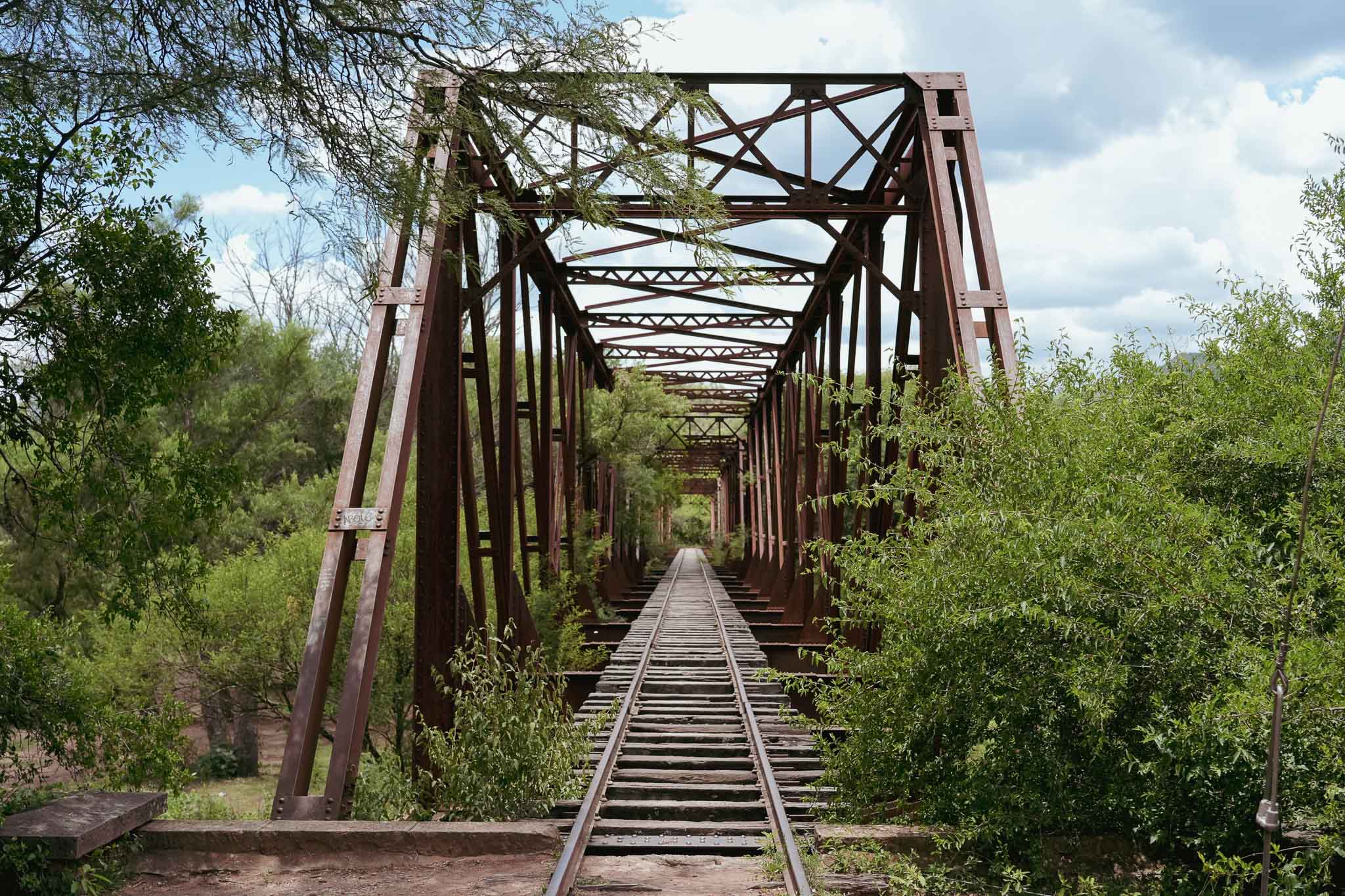
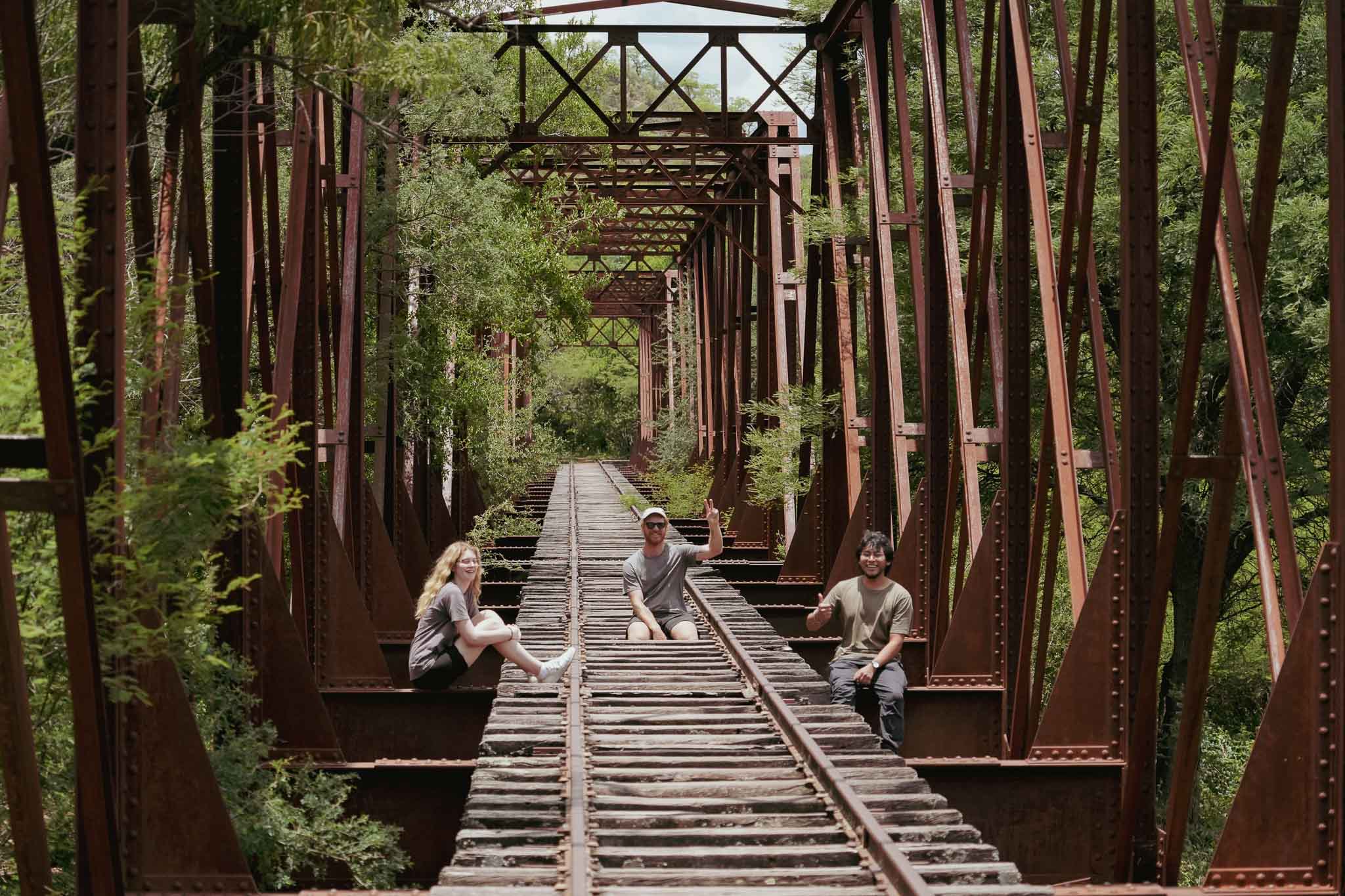
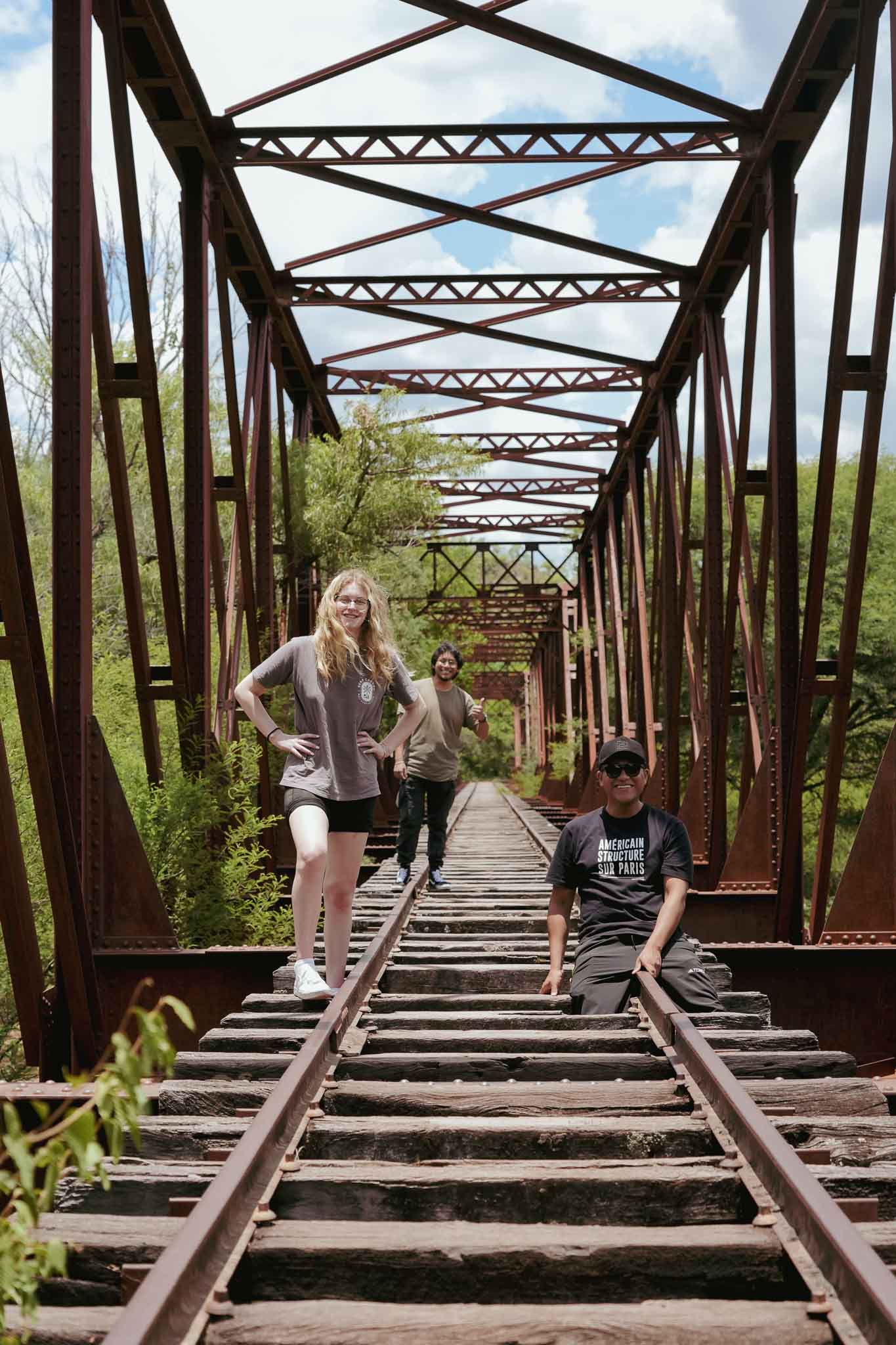
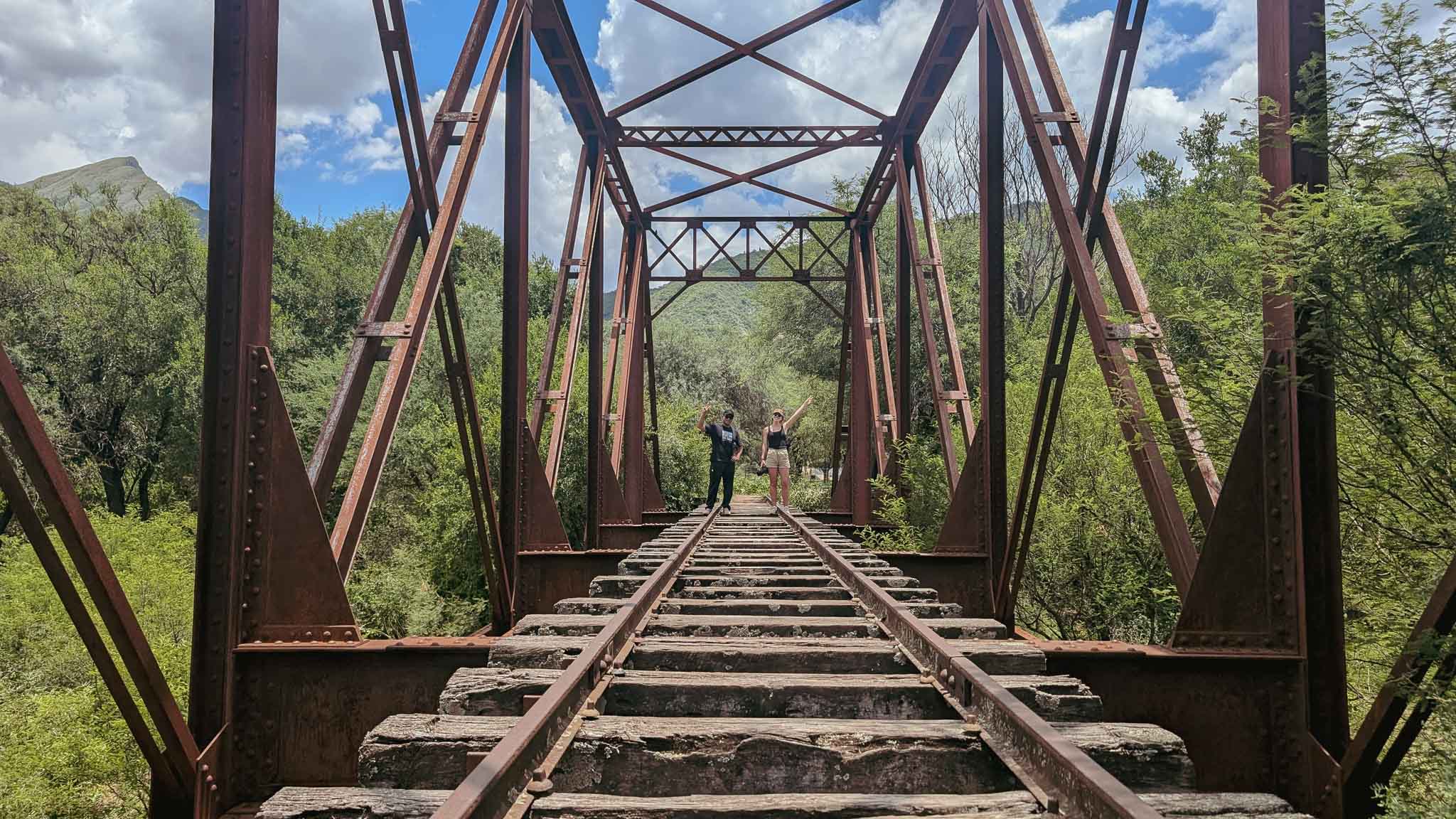
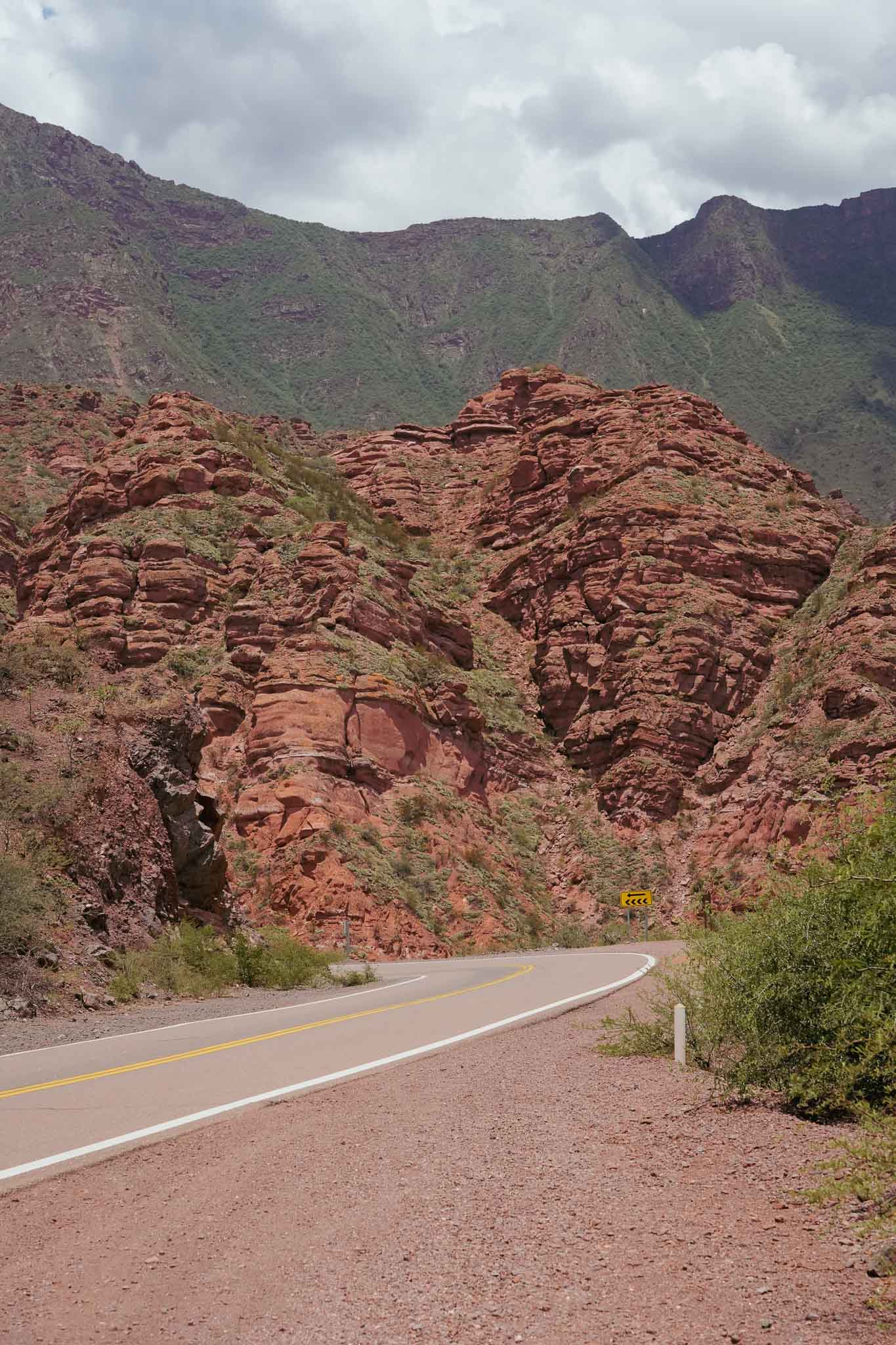
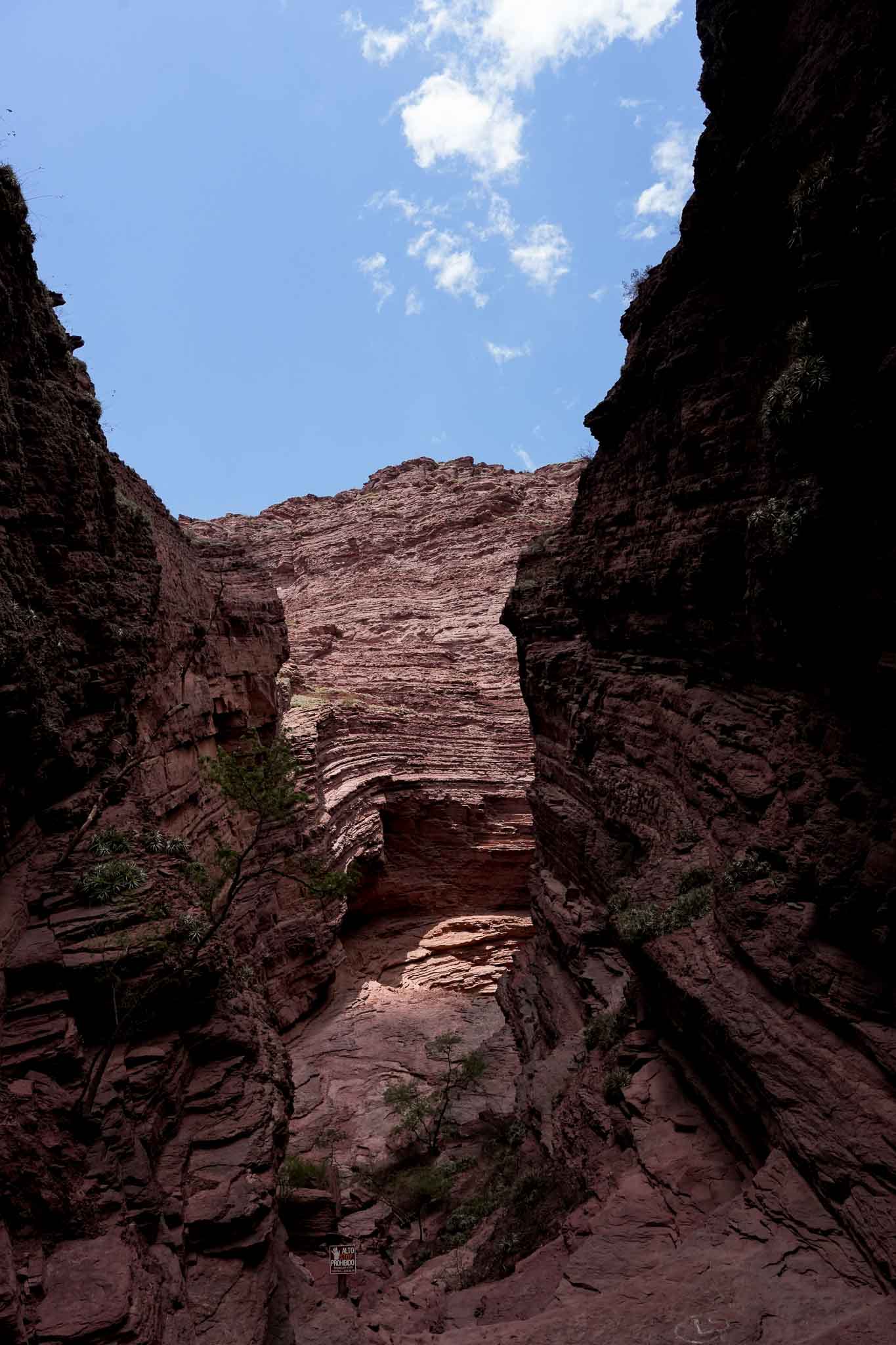
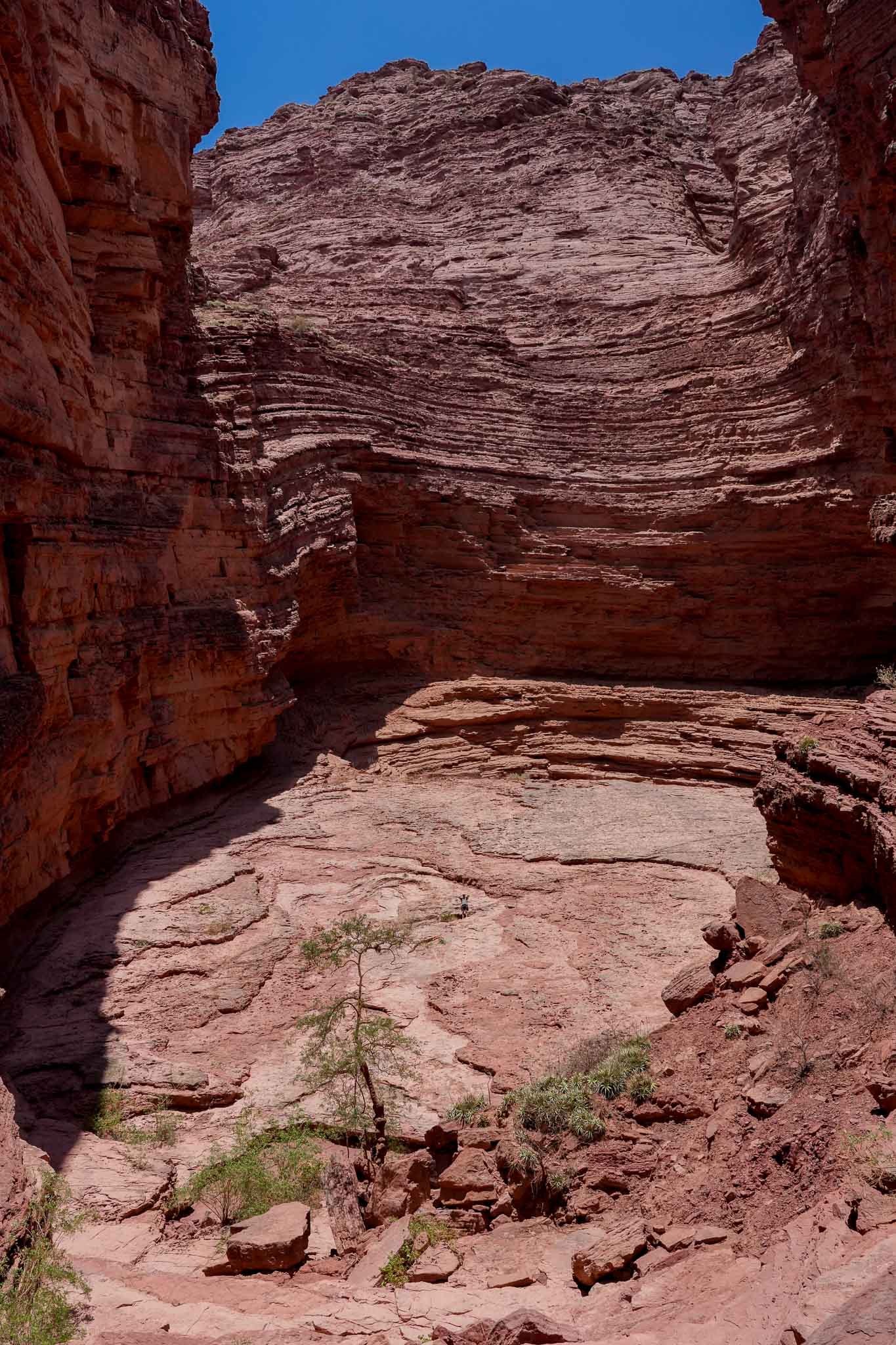
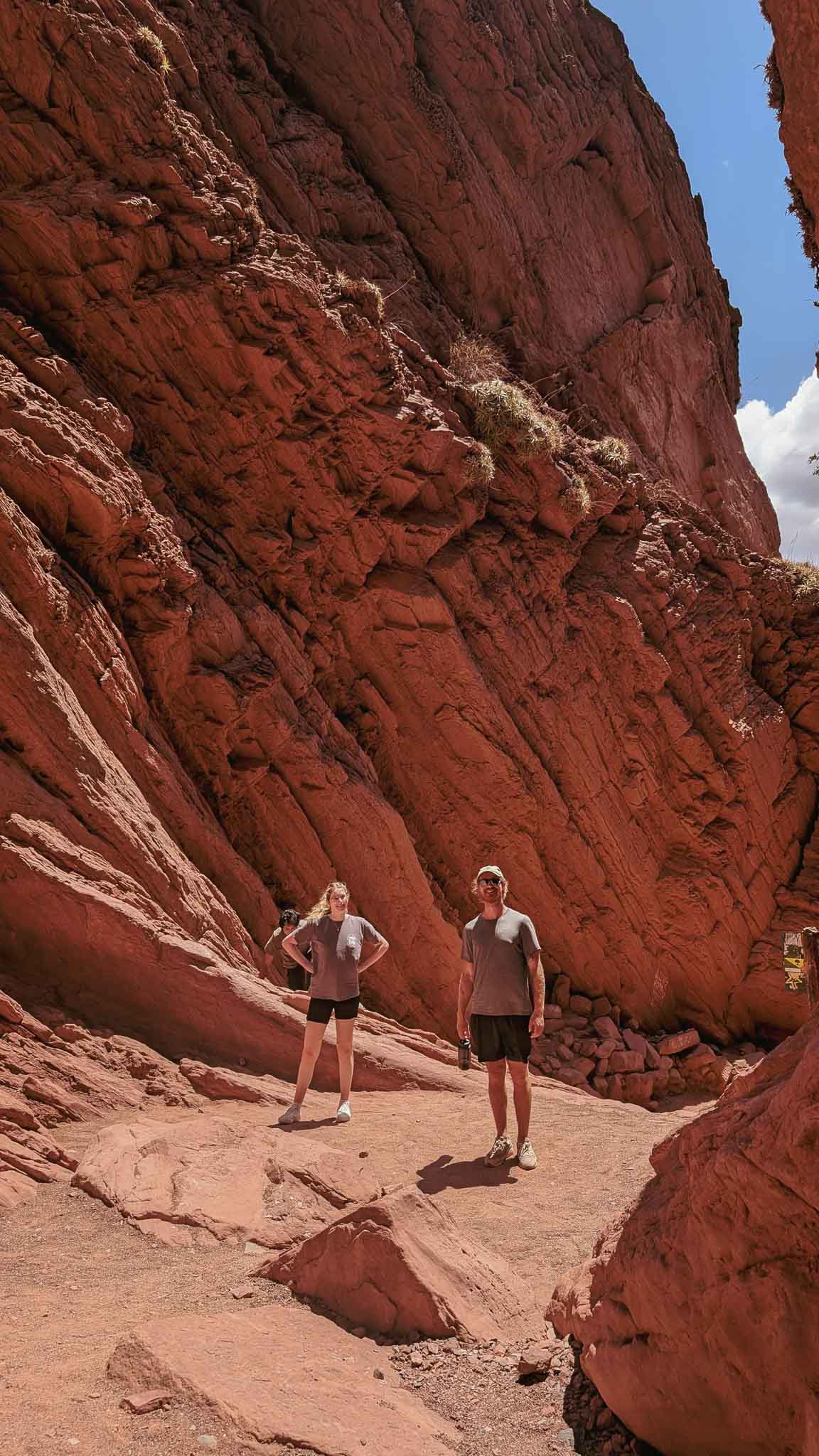
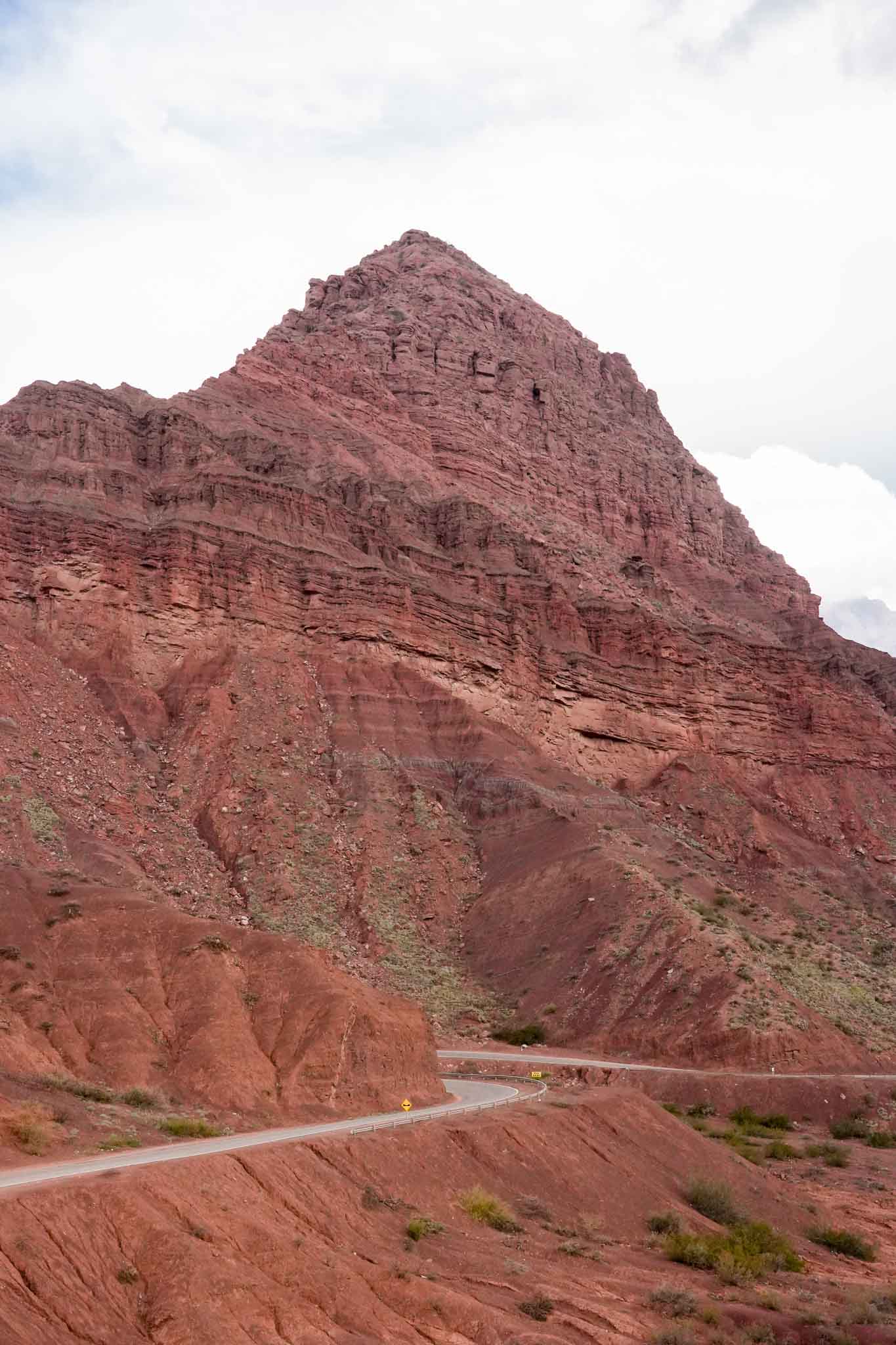
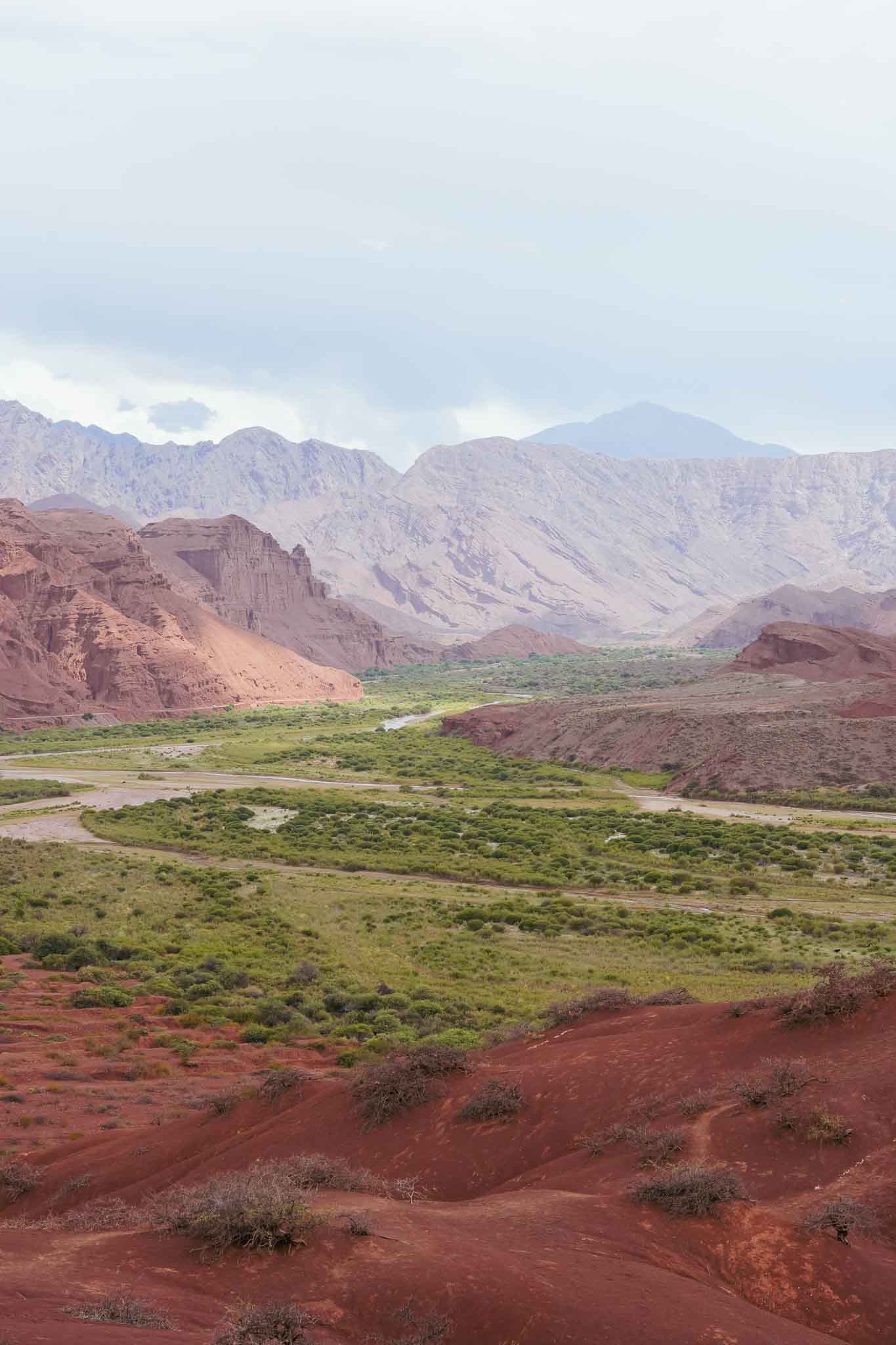
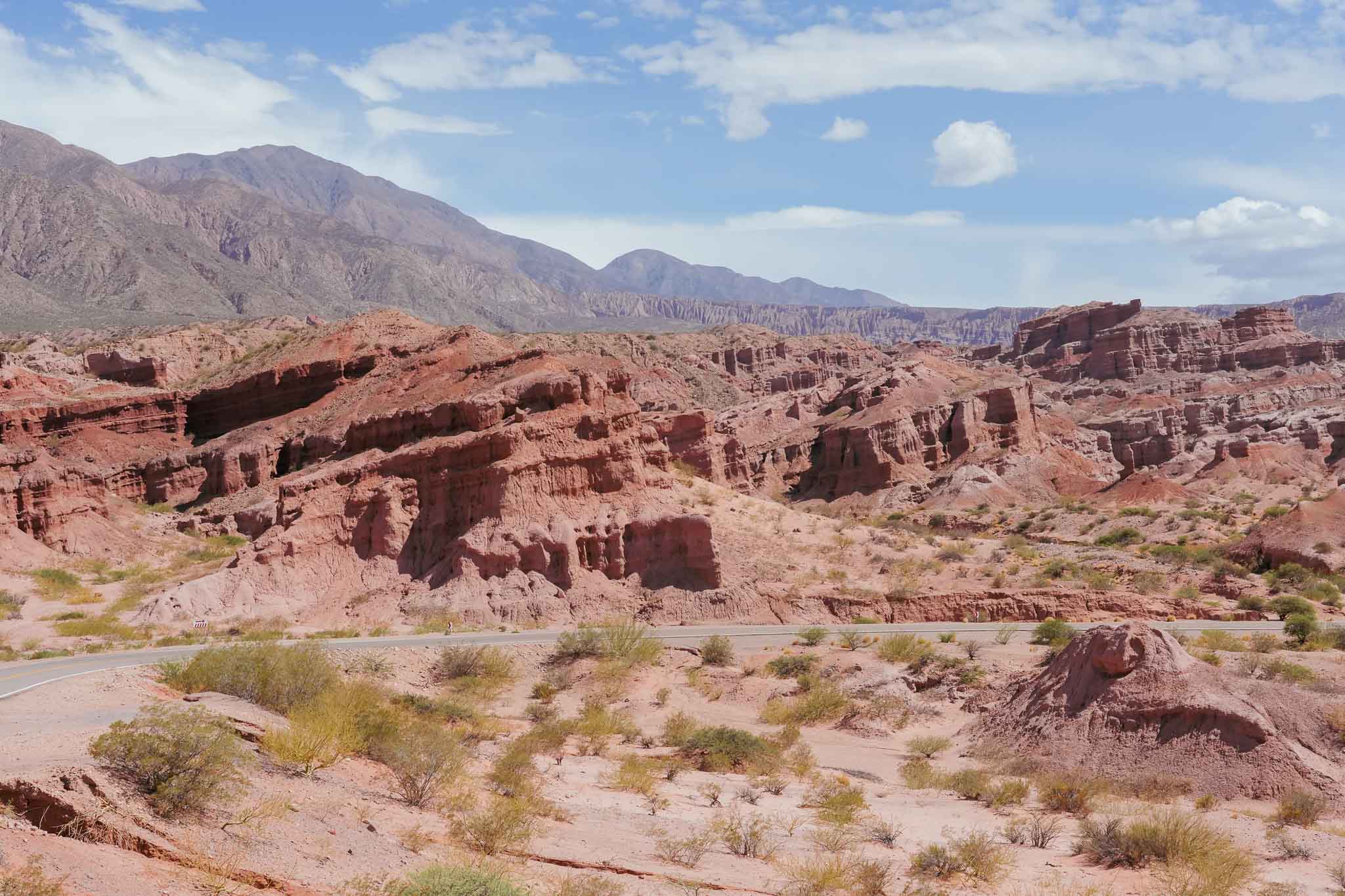
In the morning, we piled into Javier’s ute and made the long trip south to a town called Cafayate, through more of the most amazing landscapes. Around every corner there seemed to be a viewpoint of insane rock formations, where the road would snake around the bottom of great, red rocky mountains. We stopped at a pretty dingy old dinosaur museum which was upstaged by a cool, abandoned train line which stretched over a small river that we climbed over for a good while. We also dropped into an awesome canyon-type thing called ‘Garganta del Diablo’, Devil’s Throat, where we climbed all over the rocks and got some cool photos of the canyon-like rock structures. I bought a clay ocarina from a dude selling them out the front, so Rachael has that to listen to me play once we get home, which I know we’re both pretty excited about!
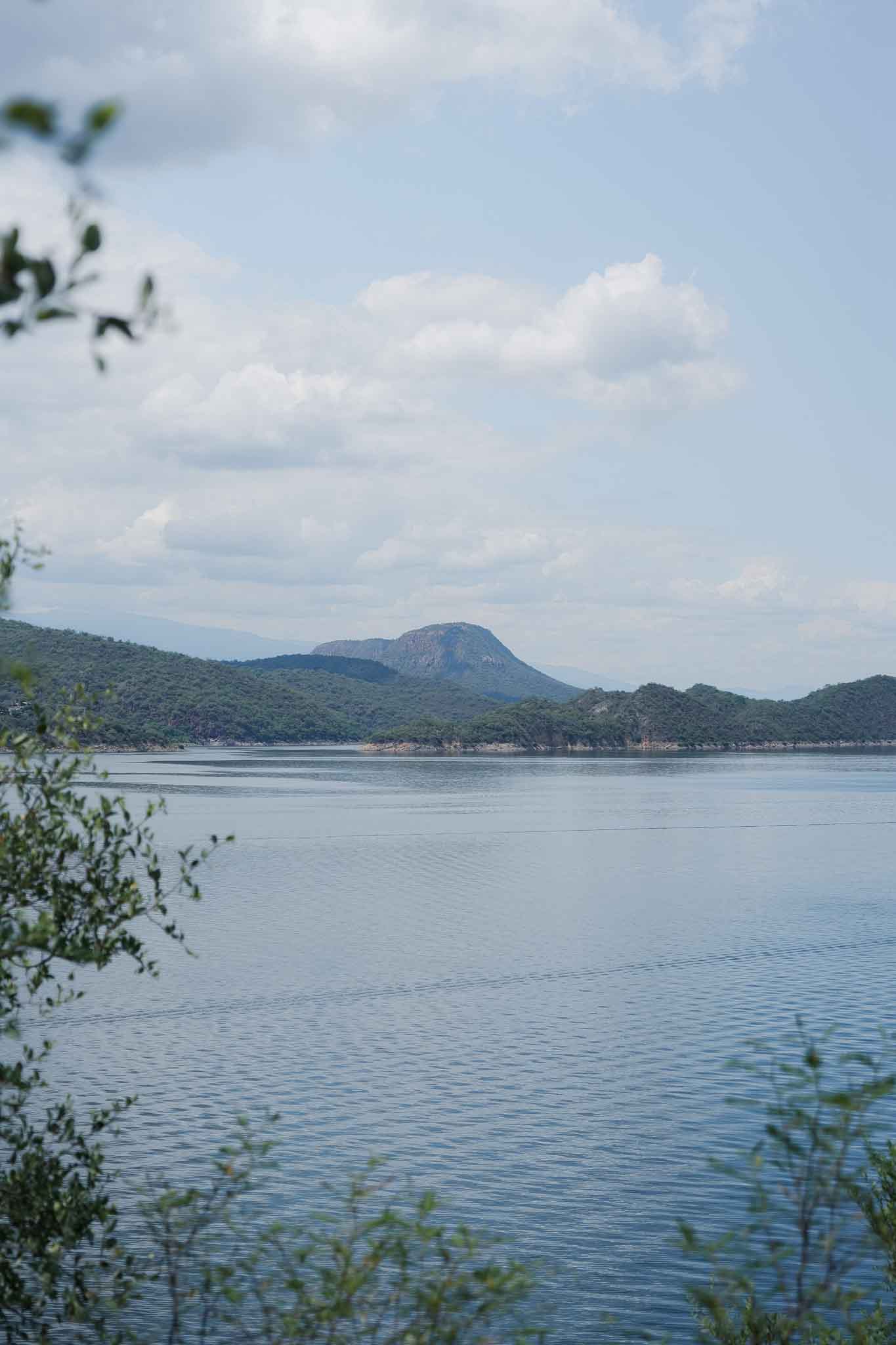
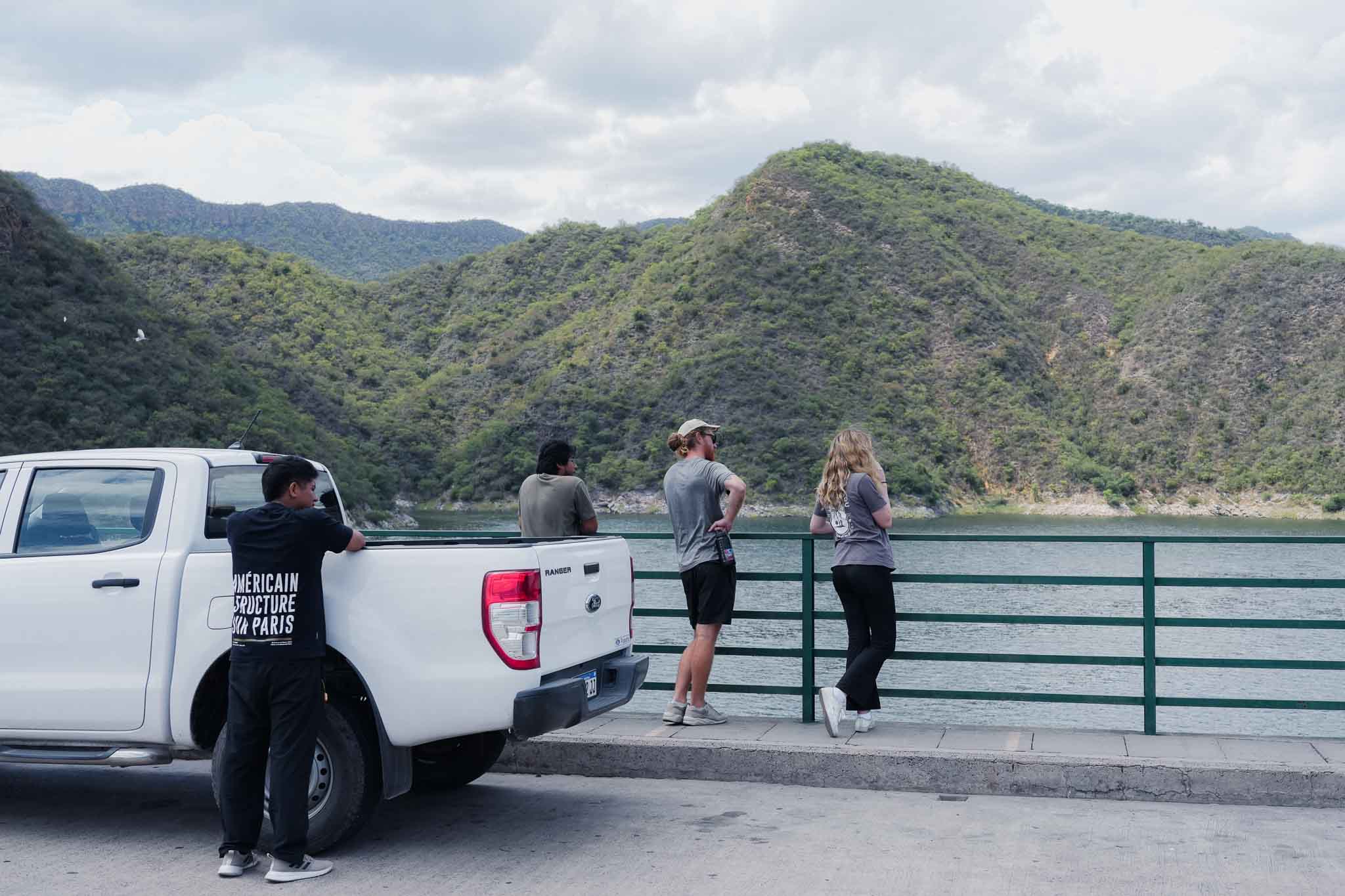
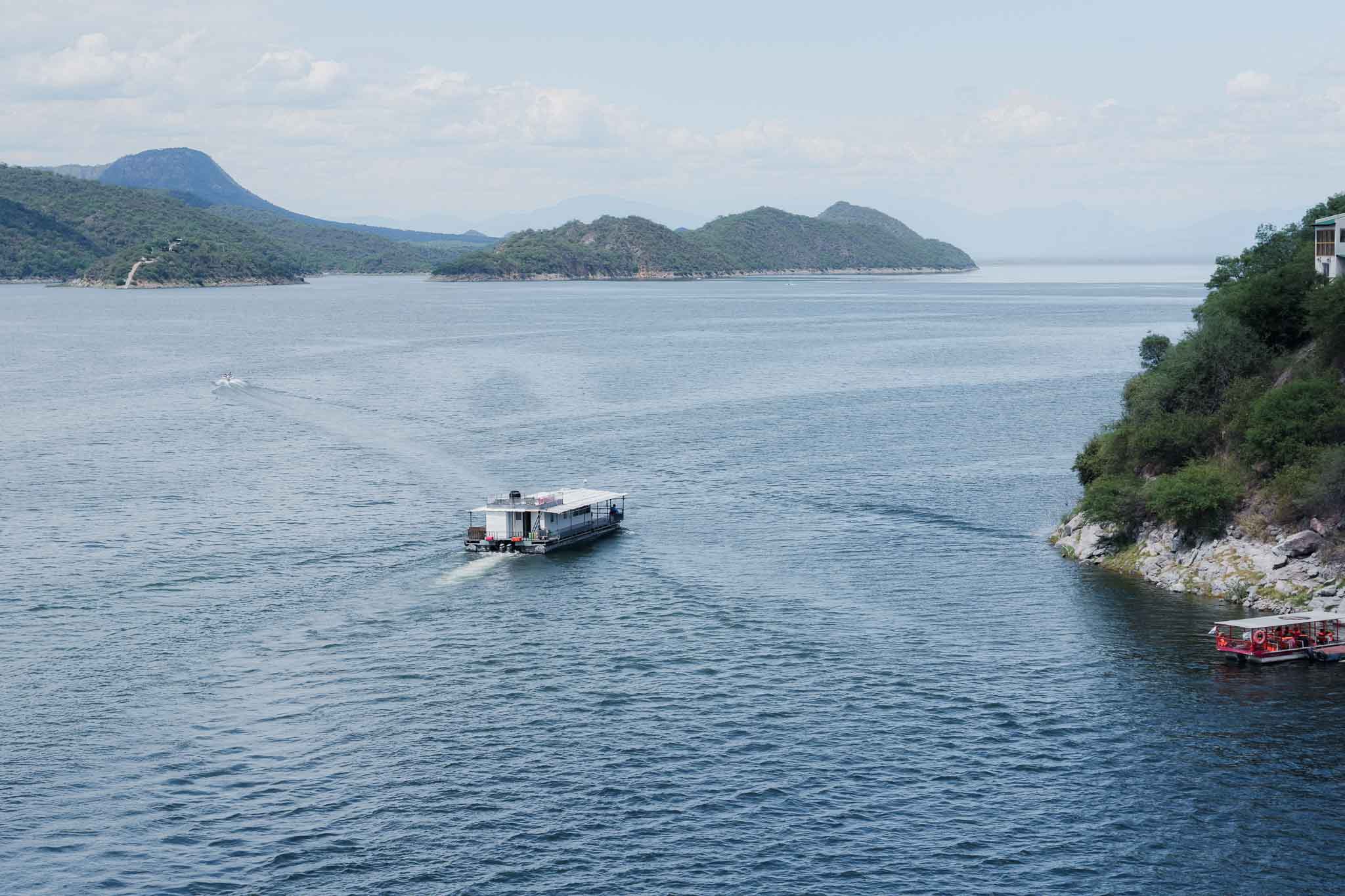
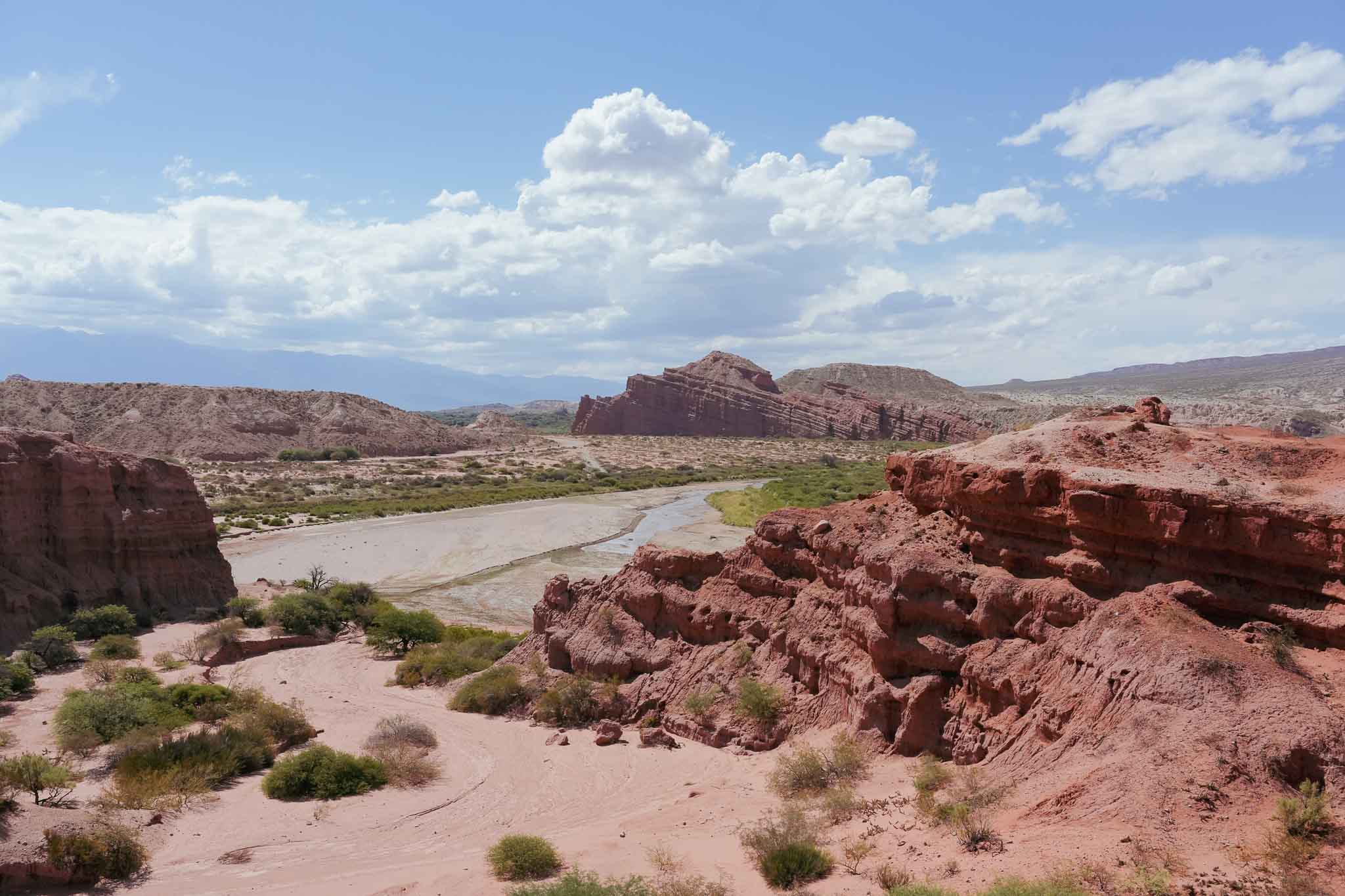
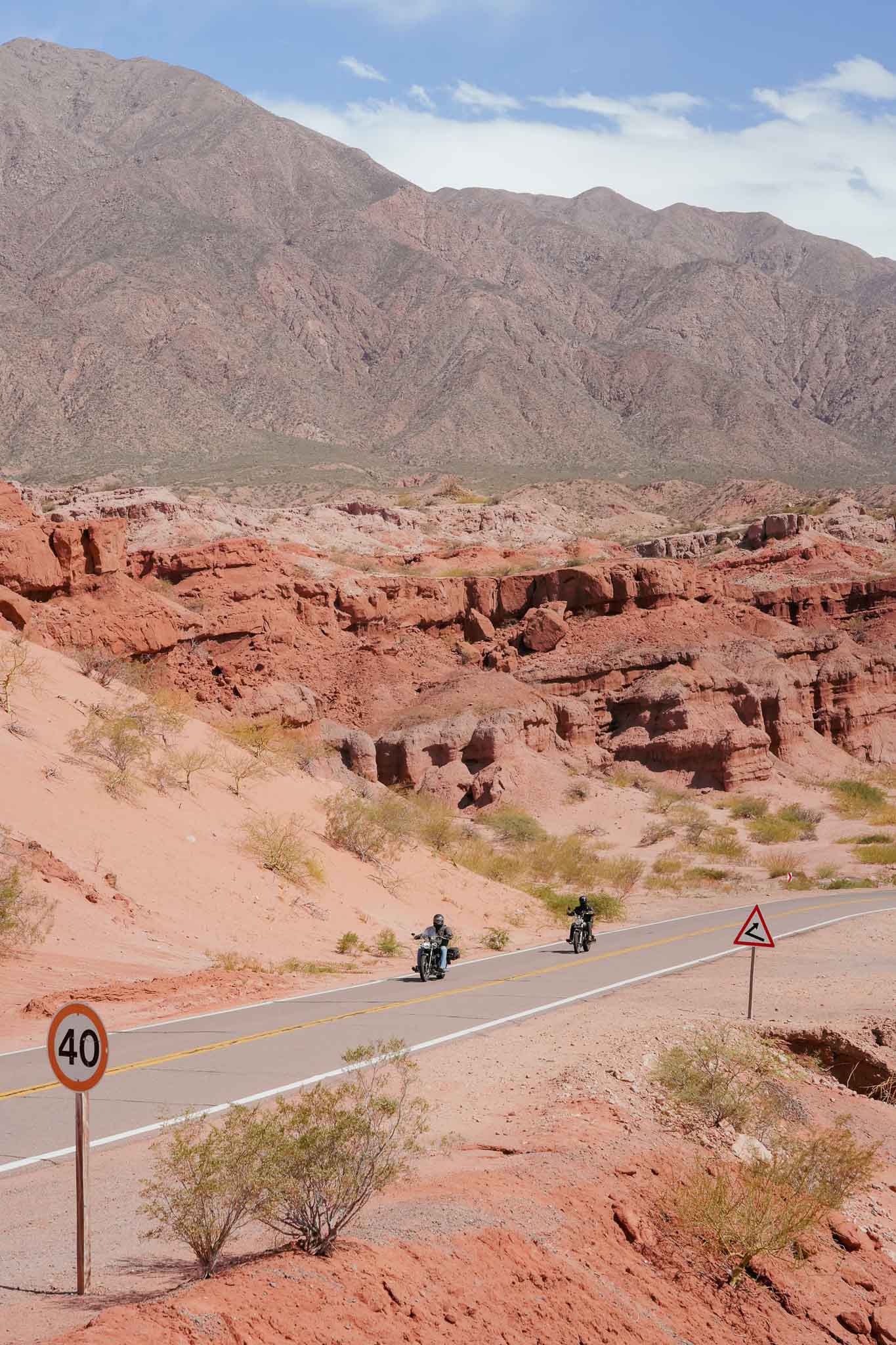
Cafayate itself was very quiet, and we ate some steak sandwiches and chippies while listening to the same song on repeat at the restaurant for about 45 minutes which was hilarious. We went to get ice cream and sheltered from an absolutely torrential downpour of rain that began to flood the streets. It would be a three hour drive back home to Salta, and I fell asleep in the back of the ute almost instantly. We were lucky to have Javier drive us all around, he’s a very kind young man.
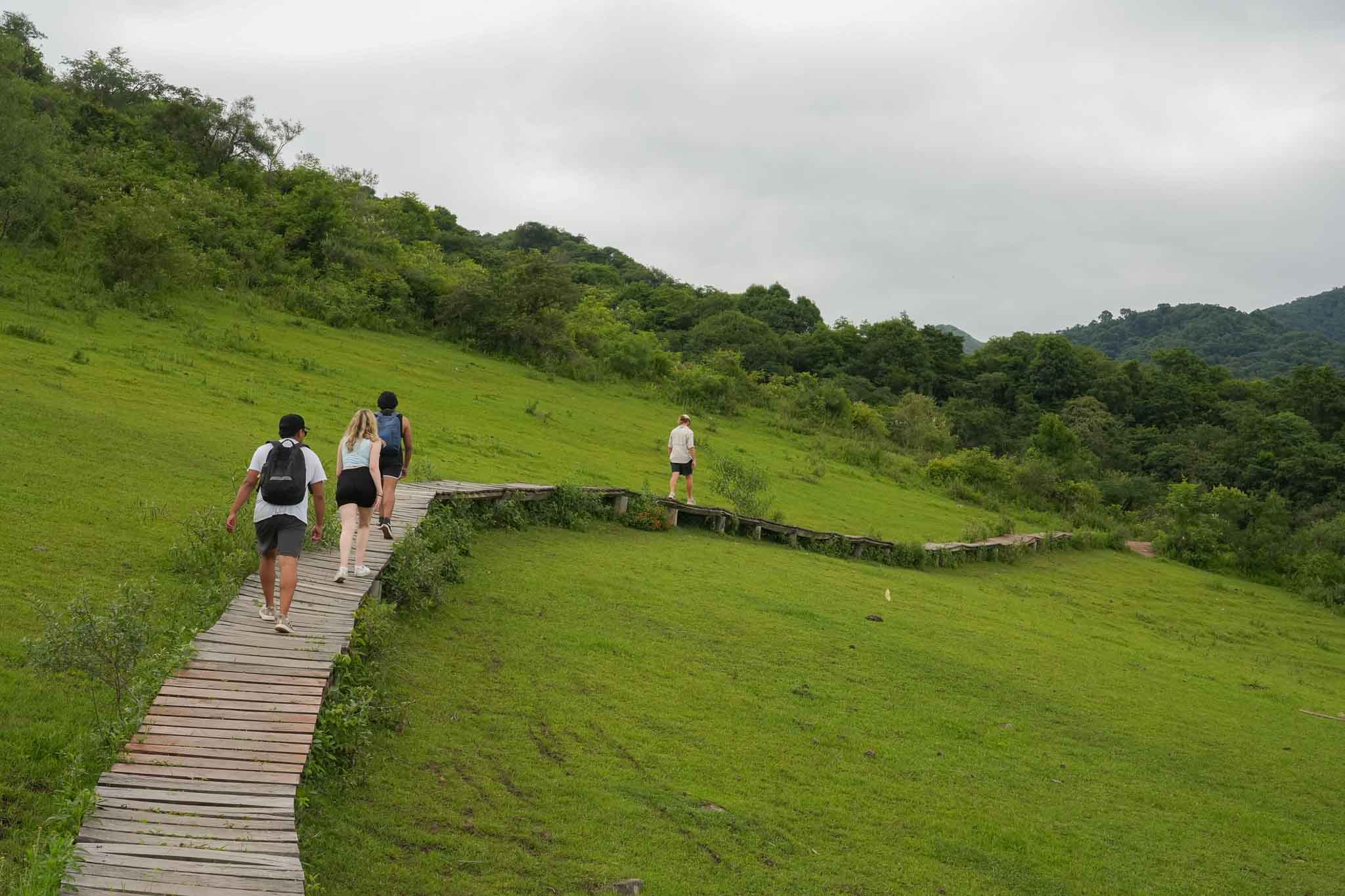
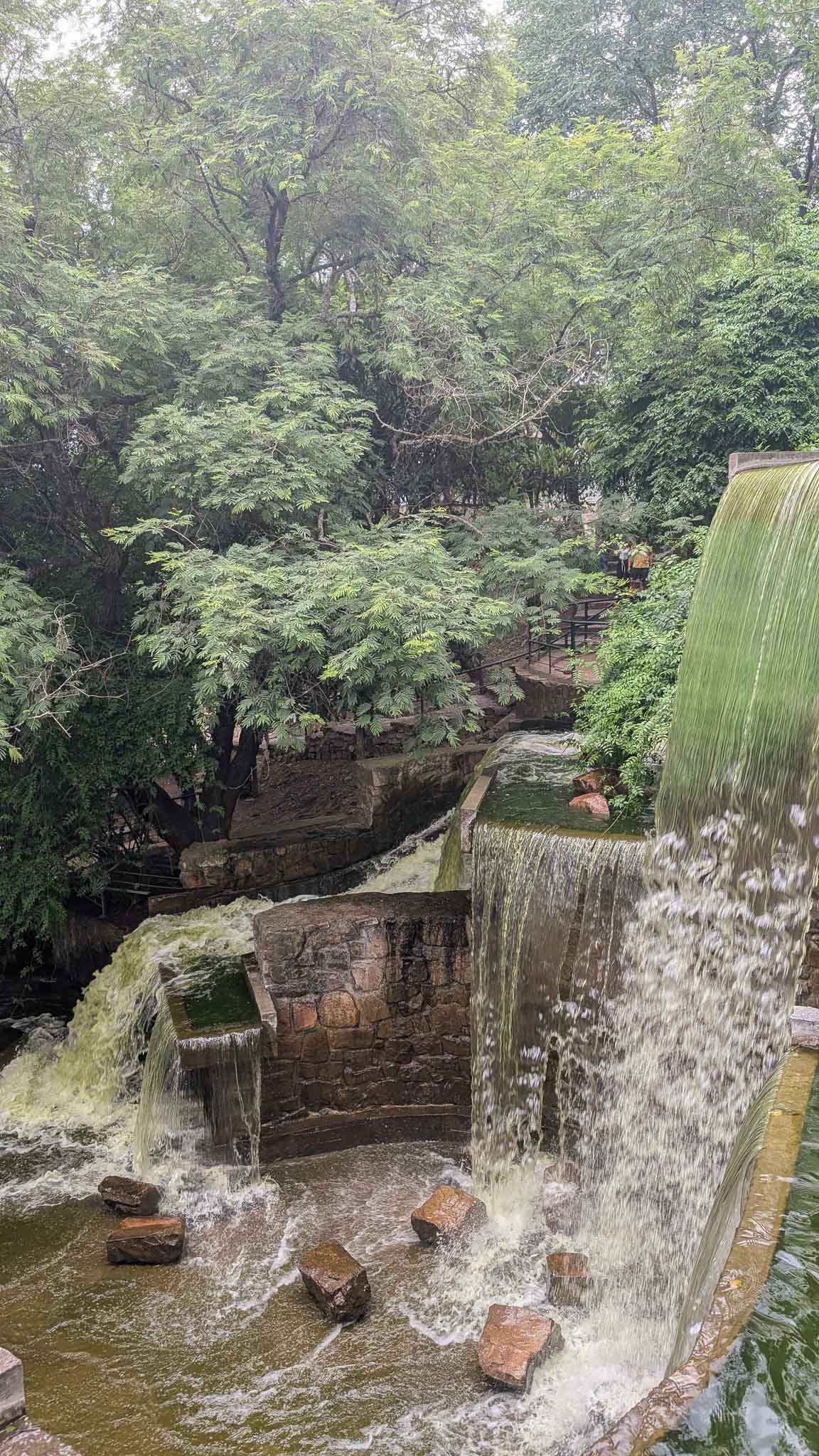
The five of us then spent the following day driving around Salta, going on small walks through lush green hilly farmland to lookouts, eating pizza by a peaceful stream, and riding the cable car from the top of Cerro San Bernardo back down to central Salta. We drank a lot of maté, which I quite enjoyed, as we strolled around the pedestrian zones and shopping areas. I bought a bottle of Fernet, which is a super popular, dark and bitter Argentine spirit that is usually mixed with coke, which I enjoyed while we played what I think was Mario Party on Ava’s Switch back at Patricia’s house.
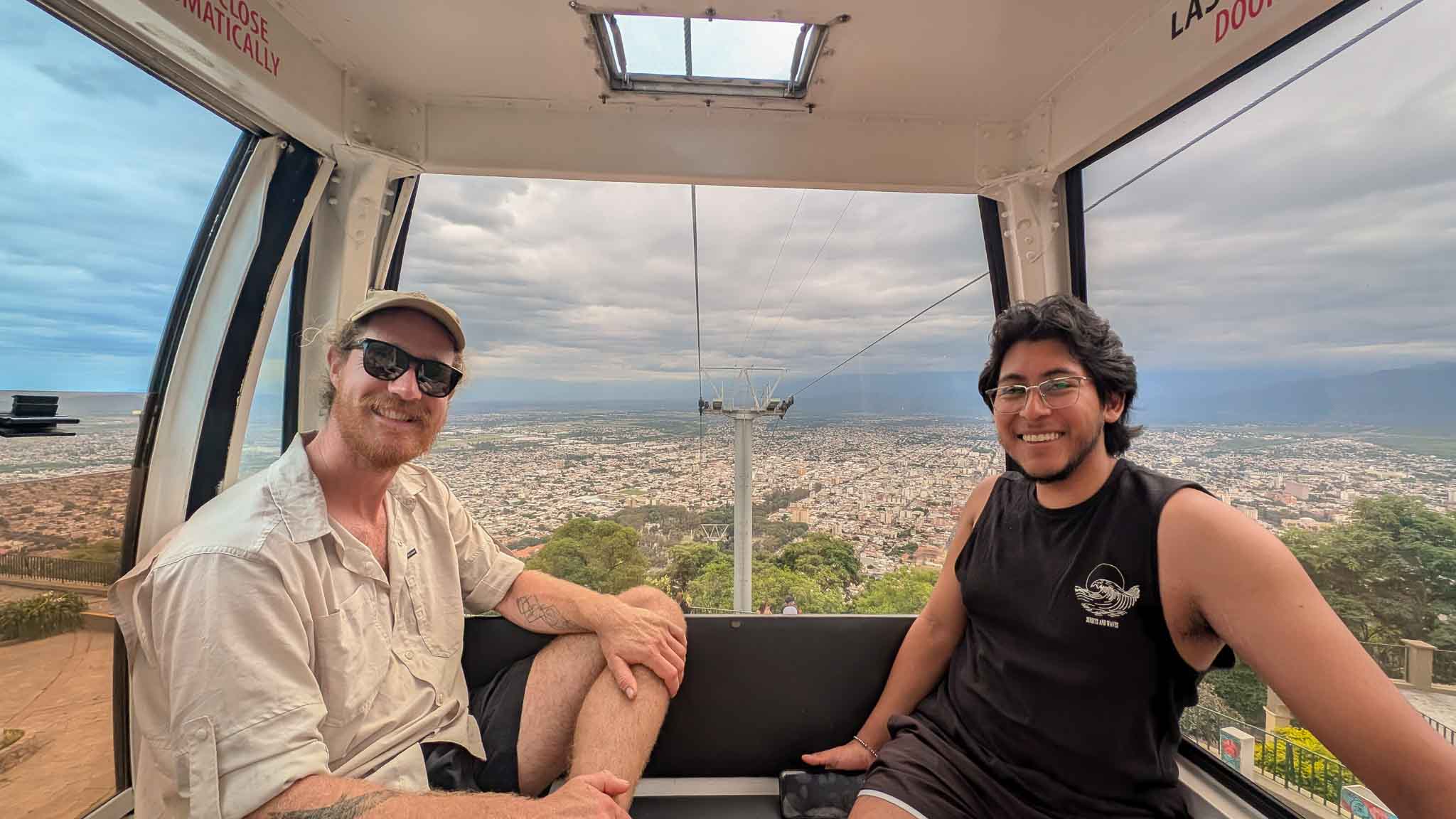
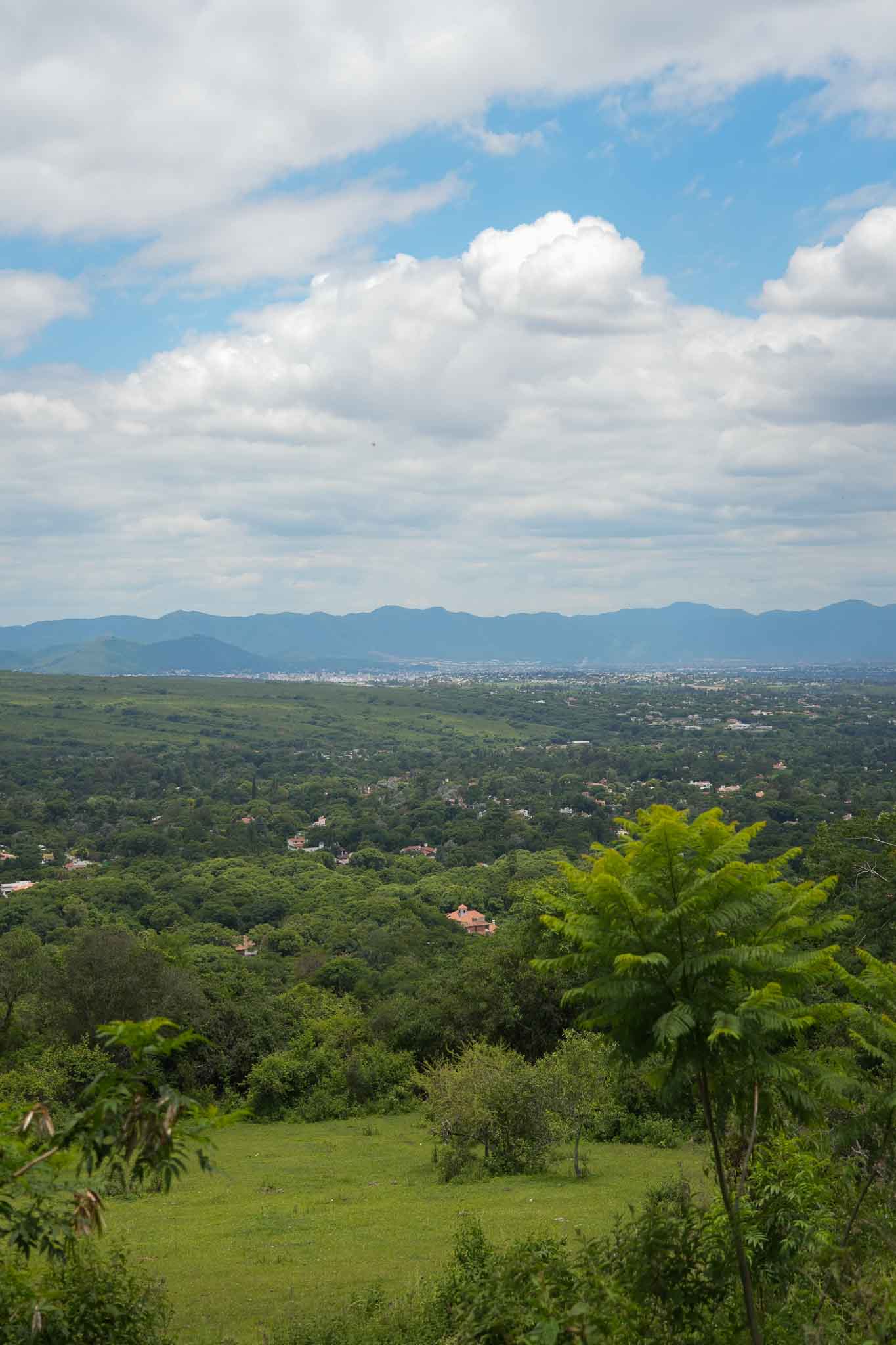
That night, Rachael and I went through ALL of our crap, and pretty much filled an entire suitcase that Ava and Martín said they’d happily take home with them after their few weeks in Argentina. Now that the O-Trek was done, I wanted to ditch a whole lot of our camping gear, and we also had souvenirs and way too many clothes to be lugging around for the foreseeable future. It was incredibly kind of Ava and Marto to take all our crap with them back to Australia, and it has been so much easier getting around with significantly lighter packs since then.
In the morning, as if Patricia hadn’t done enough for us, she made Rachael and I lunch so we wouldn’t be catching our flight on an empty stomach. And likewise, as if Javier hadn’t driven us around enough, he took us all to the airport so we could say goodbye to Ava and Martín once more before boarding our flight. It’s impossible to imagine how we could have been received more hospitably by the Bonifacio family, and it was also great to see some familiar faces after a few months away from home. It’s really cool that we were able to share this chapter of our long, Latin American journey with some family, and Rachael and I are really excited to catch up with Ava and Marto back in Australia. Next stop Iguazú falls, and a crossing into Brazil which is unexpected but I’m extremely excited to be visiting somewhere I know next to nothing about!