Physical Address
304 North Cardinal St.
Dorchester Center, MA 02124
Physical Address
304 North Cardinal St.
Dorchester Center, MA 02124

25th November – 3rd December, 2024
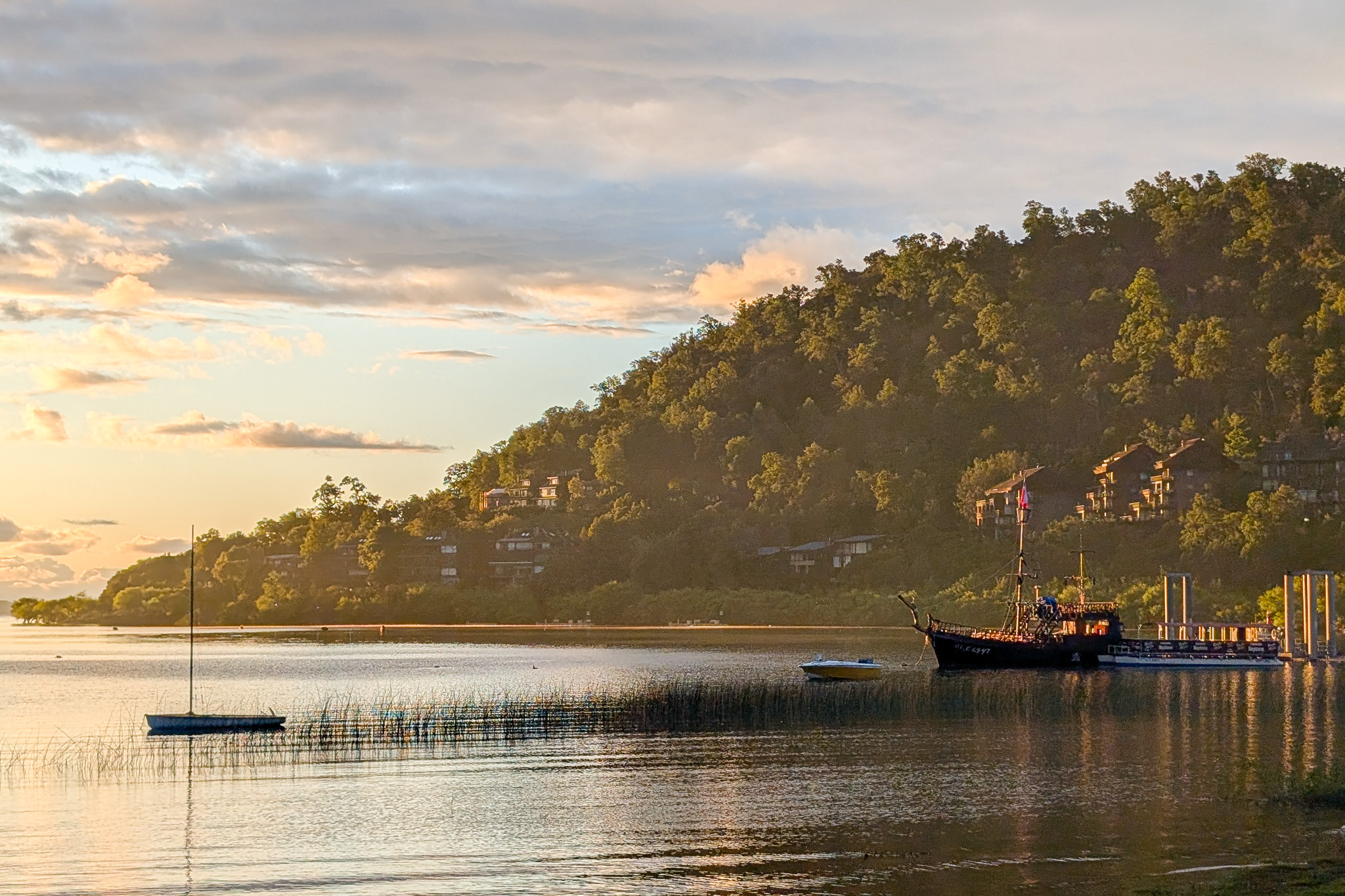
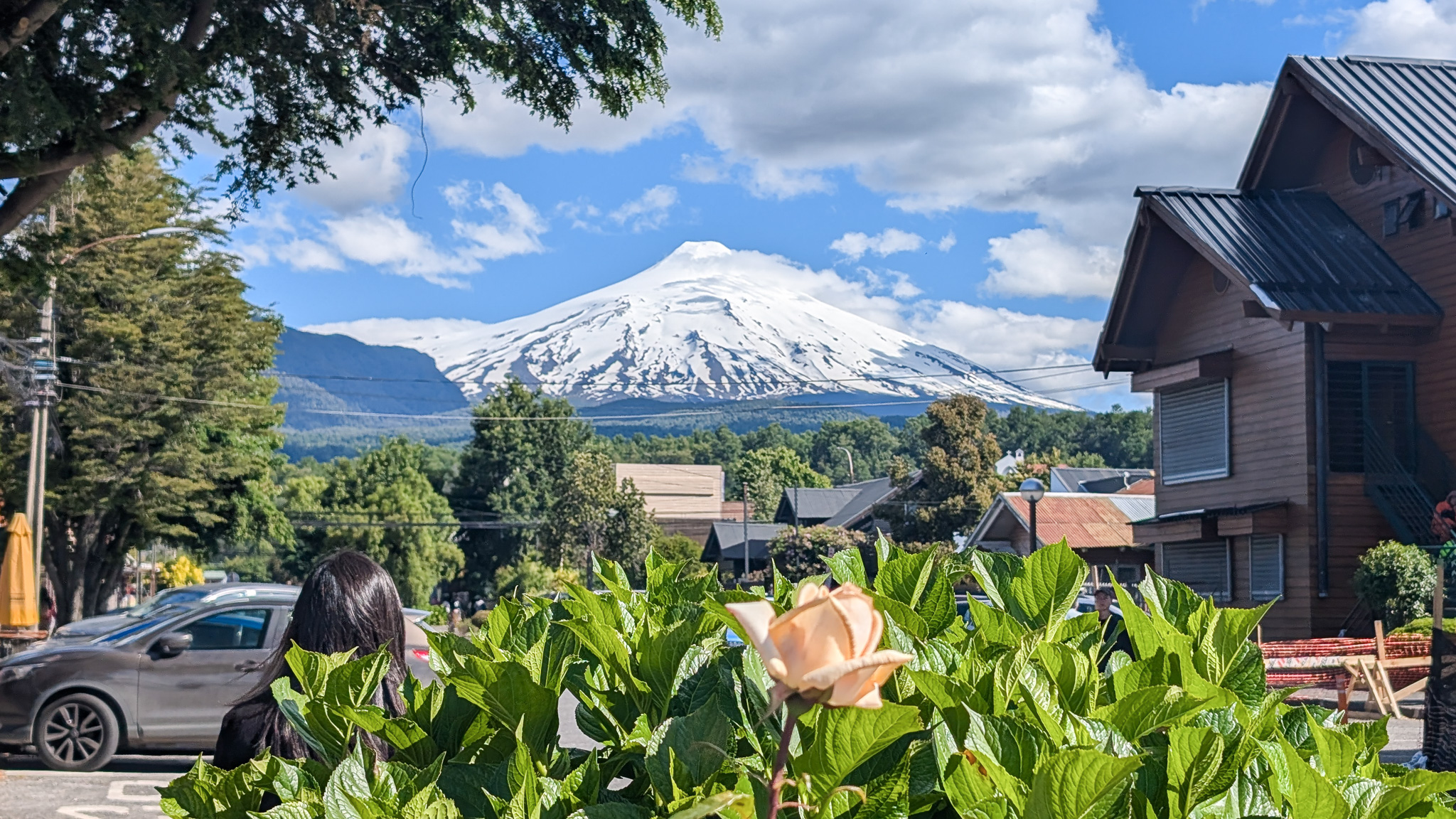
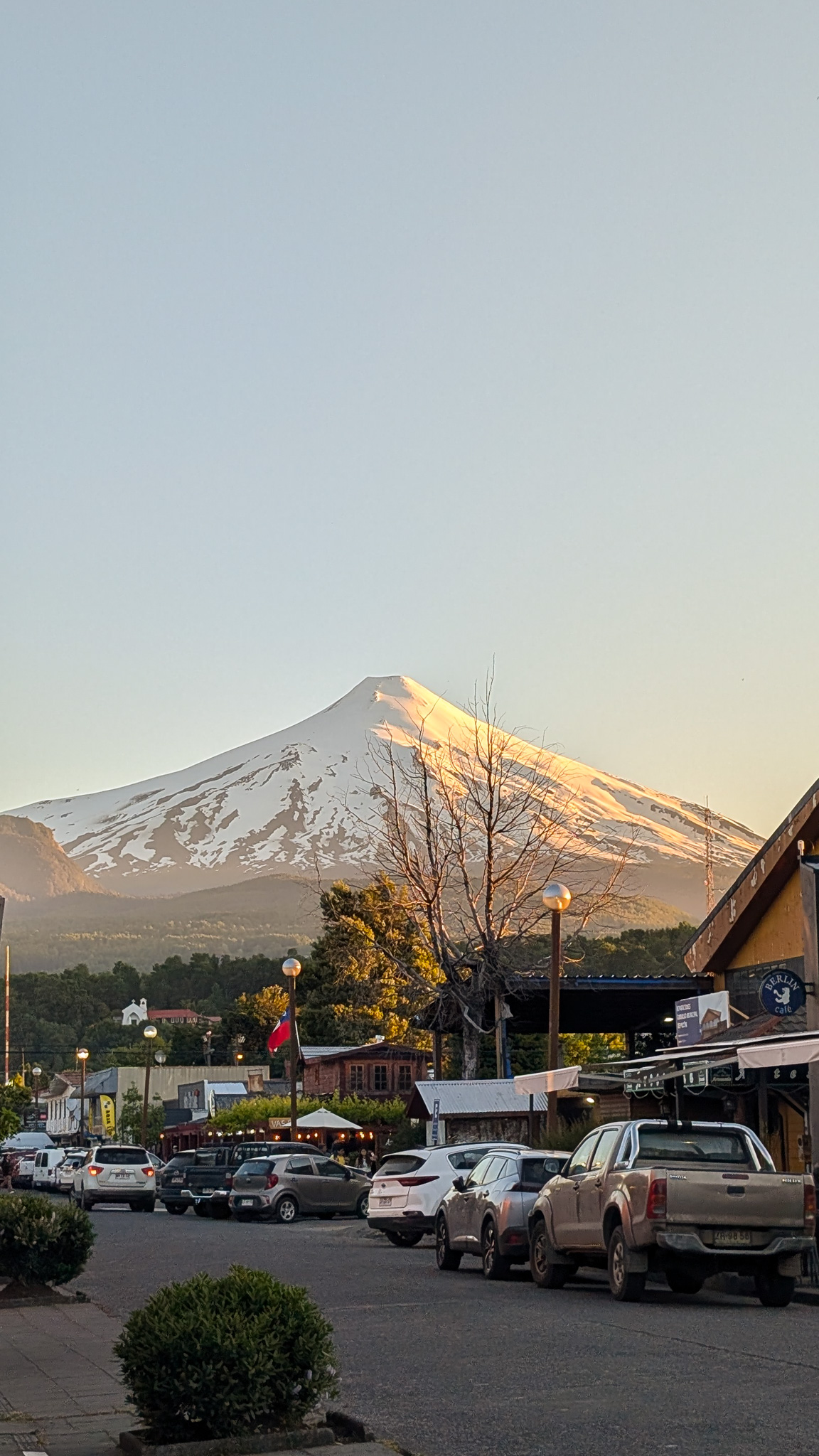
Due to money constraints, we’ve certainly developed our own style of travel by this point. We’re only about two months along and we’ve realised that there is just no way we can afford to do all the touristy activities everywhere we visit. For example, the main attraction here in Pucón, central Chile is to summit Villarrica, one of Chile’s most active volcanoes at 2860m above sea level, which usually takes 9 hours to go up and back. We spoke to numerous people at our hostel who’d done it and everyone raved about the incredible panoramic views from the top, but you do need to hire a guide and snow gear for the summit. It sounded like an opportunity not to be missed, but the whopping cost of $250AUD each was something to seriously consider, and fiscal conundrums like this are quickly becoming something we are constantly having to ponder every time we’re in a new place. For the price of this hike in Pucón, we could stay in a cheap hostel for at least a week, and easily three if we camped, which begs the question; where are we gaining the most experience from the money we’re spending?
I can understand people that are traveling on a set budget, where x amount of money is what you’re allowed to spend each day over a certain period of time, and if you go over that you just cut back on other days until you’re back on track. That’s fine and dandy, but when the goal isn’t to stick to monetary constraints but rather those of time, there is no budget. You just spend the bare minimum in the hope it’ll get you further down the road later in your trip. But again, is it worth saving money if you’re just going to turn up at a place and do nothing for the sake of doing nothing somewhere else later on as well?
I’m realising that the most valuable parts of our travels are in the cheapest things on offer. The cheapest hostels are where you’ll meet the most open and friendly people, the best food is at the cheapest food trucks and local restaurants which are only serving regional cuisine, the best kind of beer is a new beer, which is whatever the locals are drinking in the new city you’re in, which, yes, is the cheapest. The best way to get around is to use your feet, they’re free, or at least to hire a pushbike and not always rely on Uber or a taxi to get from A to B in a city. Now, I know it looks like I’m trying to justify our choice to not hike 9 hours up and down a volcano, and I guess I am, but I’m also making note of a factor of long term travel I’d never expected would exist. At first, I was disappointed when we realised we couldn’t go on a penguin tour in Ushuaia due to the cost, or eat at more steakhouses in Buenos Aires, and I was definitely disappointed to not climb this volcano in Pucón, but I’d be more disappointed if we never made it to Mexico because I couldn’t bare to not do what other tourists were doing for fear of missing out.
In saying that though, there are a lot of experiences coming up on this trip that I know are going to cost us more than a few days worth of accommodation, like Machu Picchu, Galapagos, or a diving course in Honduras, but we want to go to those places specifically to experience those things. I didn’t even know that Pucón existed until a few weeks before coming here, and I wasn’t about to fork out a week’s worth of accommodation for a day’s worth of hiking. I also wasn’t prepared to pay for the crazily expensive canyoning, horse riding, skydiving or zip lining that was on offer here, but to repeat the old cliche, it’s about the journey, not the destination. While we didn’t get up to a tonne of stuff in Pucón, it was really nice to just stop and be somewhere for more than a couple of days, and the things we did do, we really enjoyed. With so many activities on offer, we obviously couldn’t spend a week here and do absolutely nothing, so we chose a few things we’d wanted to try for a long time that we knew we’d come across at some point in South America.
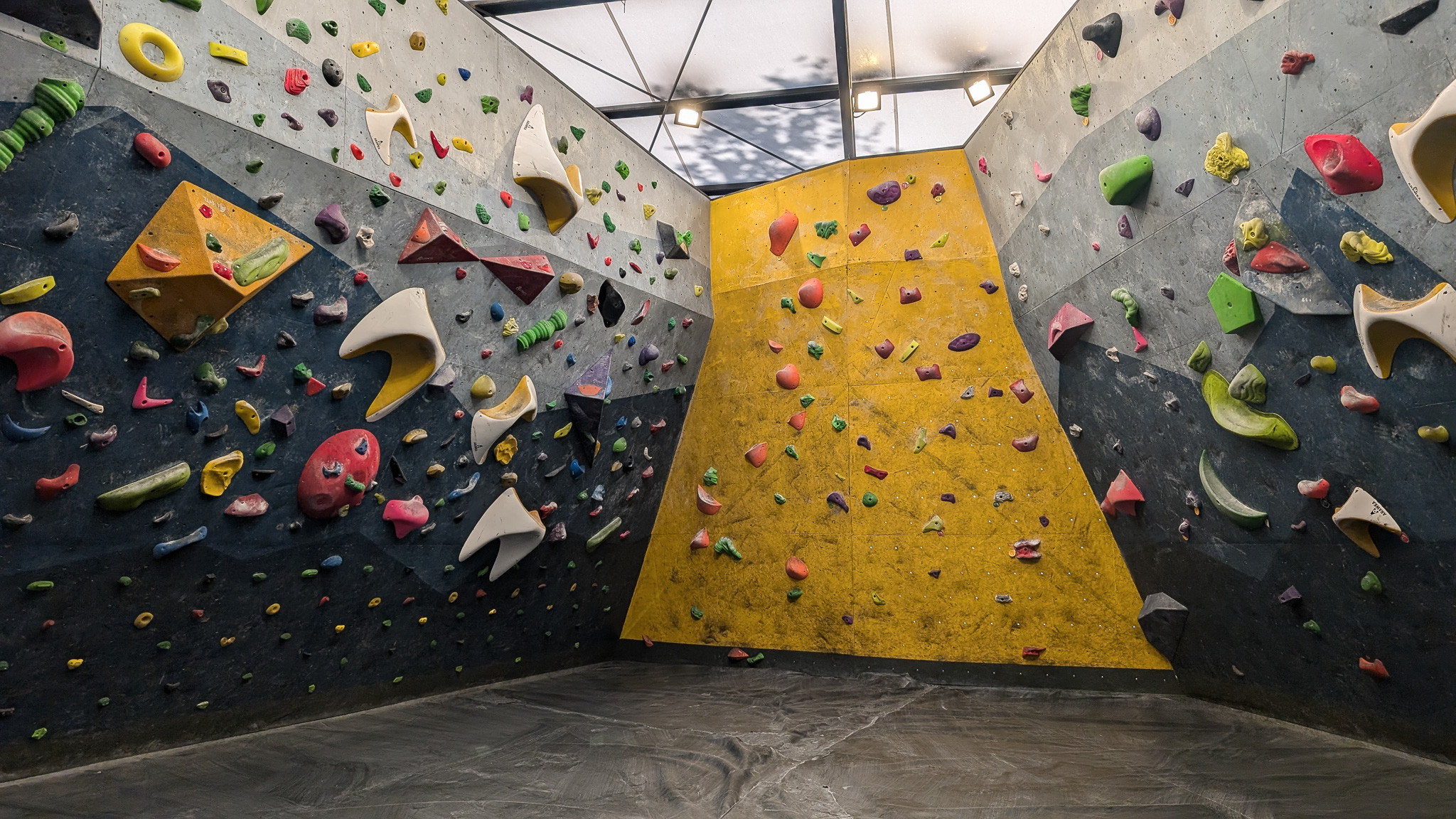
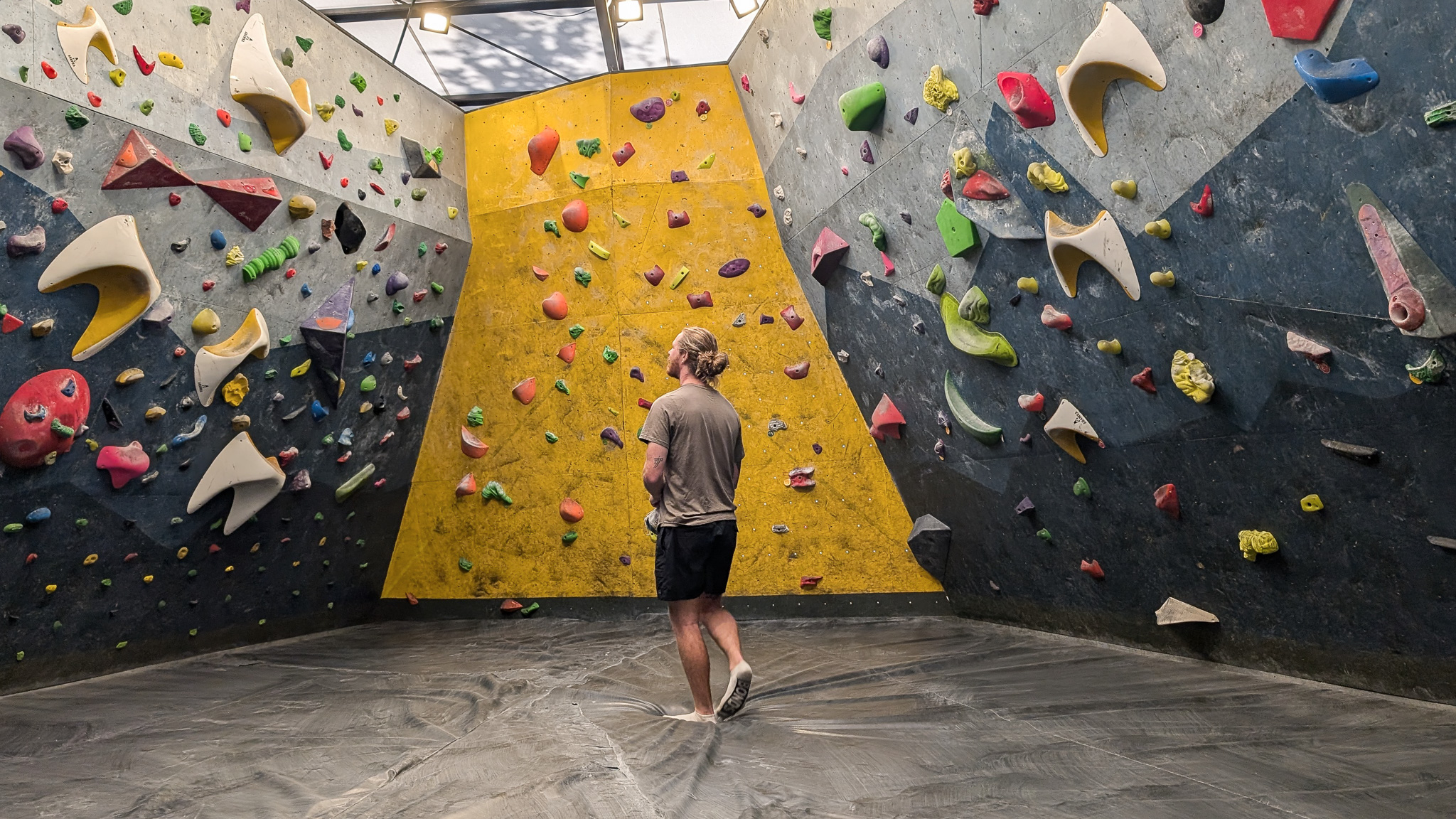
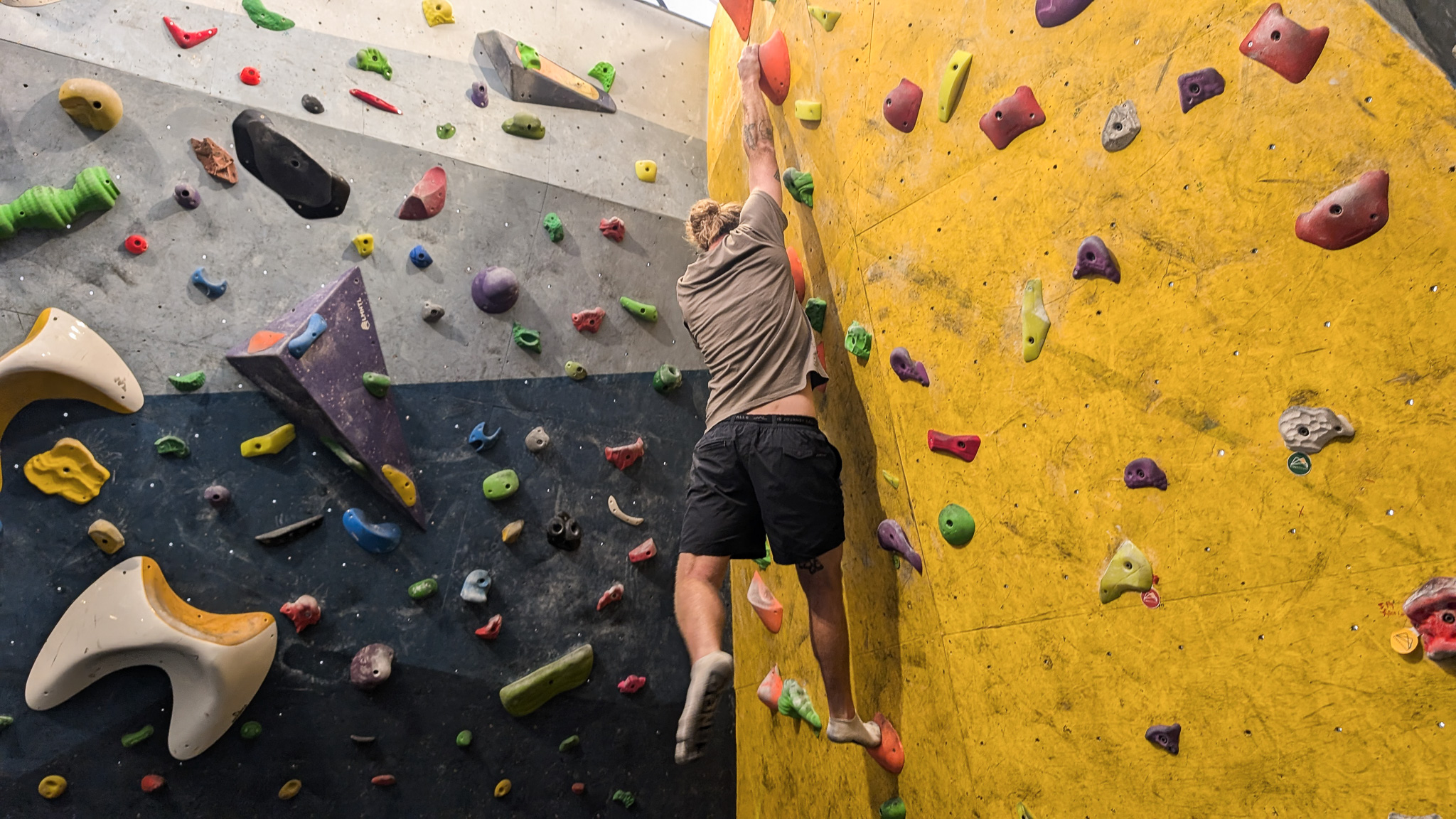
We went to an indoor bouldering place just outside of town and pretty much had the whole place to ourselves. We’d never been bouldering before but we’d always wanted to try it out, and I went as hard as I possibly could for the first half an hour. I just about ruined my hands and forearms, rendering me incapable of climbing even the easiest sections for the remainder of our allotted two hours. It was so much fun though, and surprisingly extremely difficult, and I never realised how much of bouldering relies on having a strategy; it’s like solving a puzzle. A very experienced boulderer(?) showed up and gave me some handy tips on how to climb more efficiently, which was greatly appreciated but I was unfortunately out of chalk and unable to make the most of his advice due to my disgustingly sweaty hands. The chick running the place wanted some unfathomable amount of money for more chalk, and my forearms were rooted by this point anyway so we called it quits. We had a super fun time and I know we’d both jump at the chance to do it again, so hopefully there’s more opportunities as we make our way up the Andes.
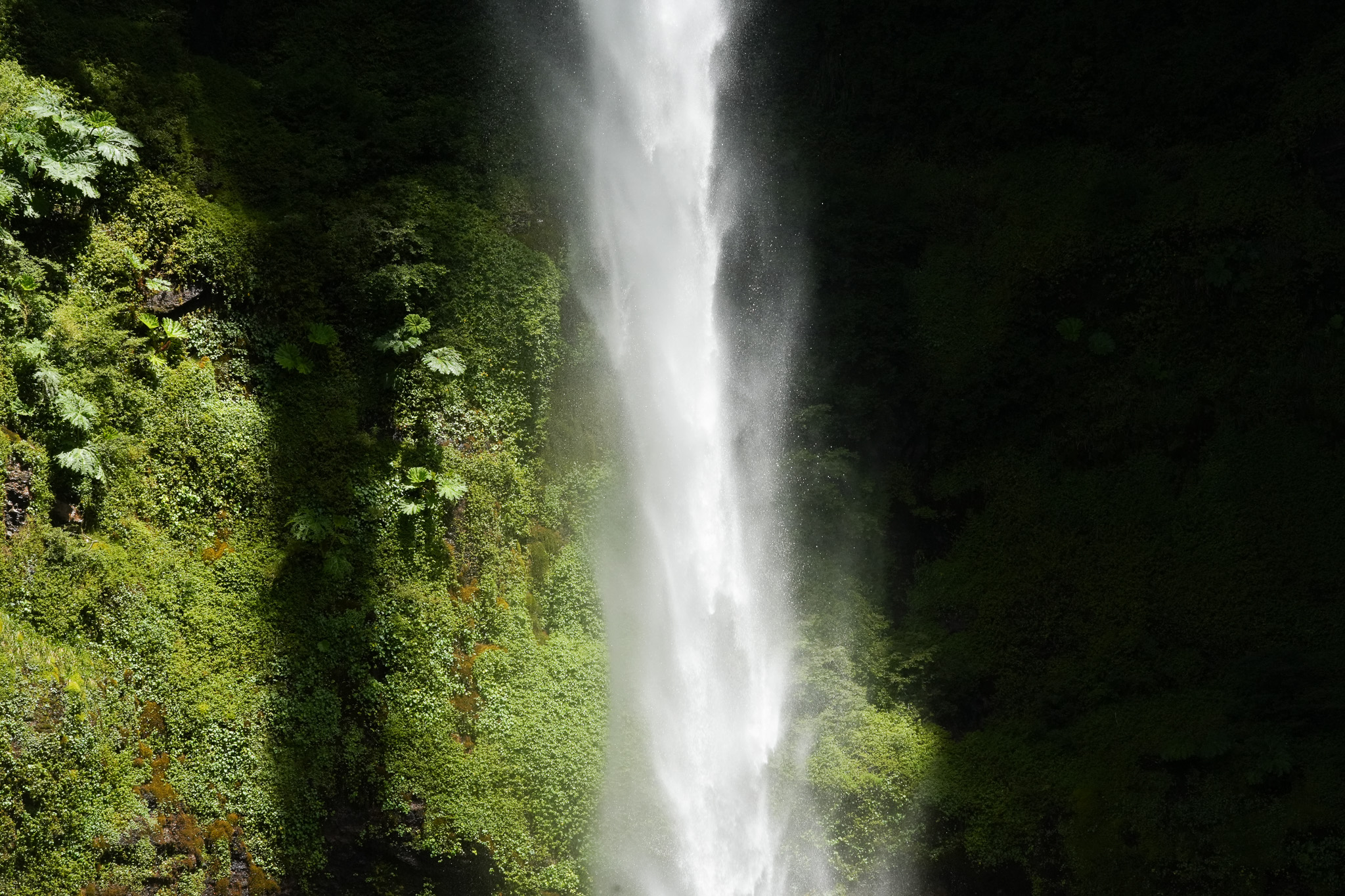
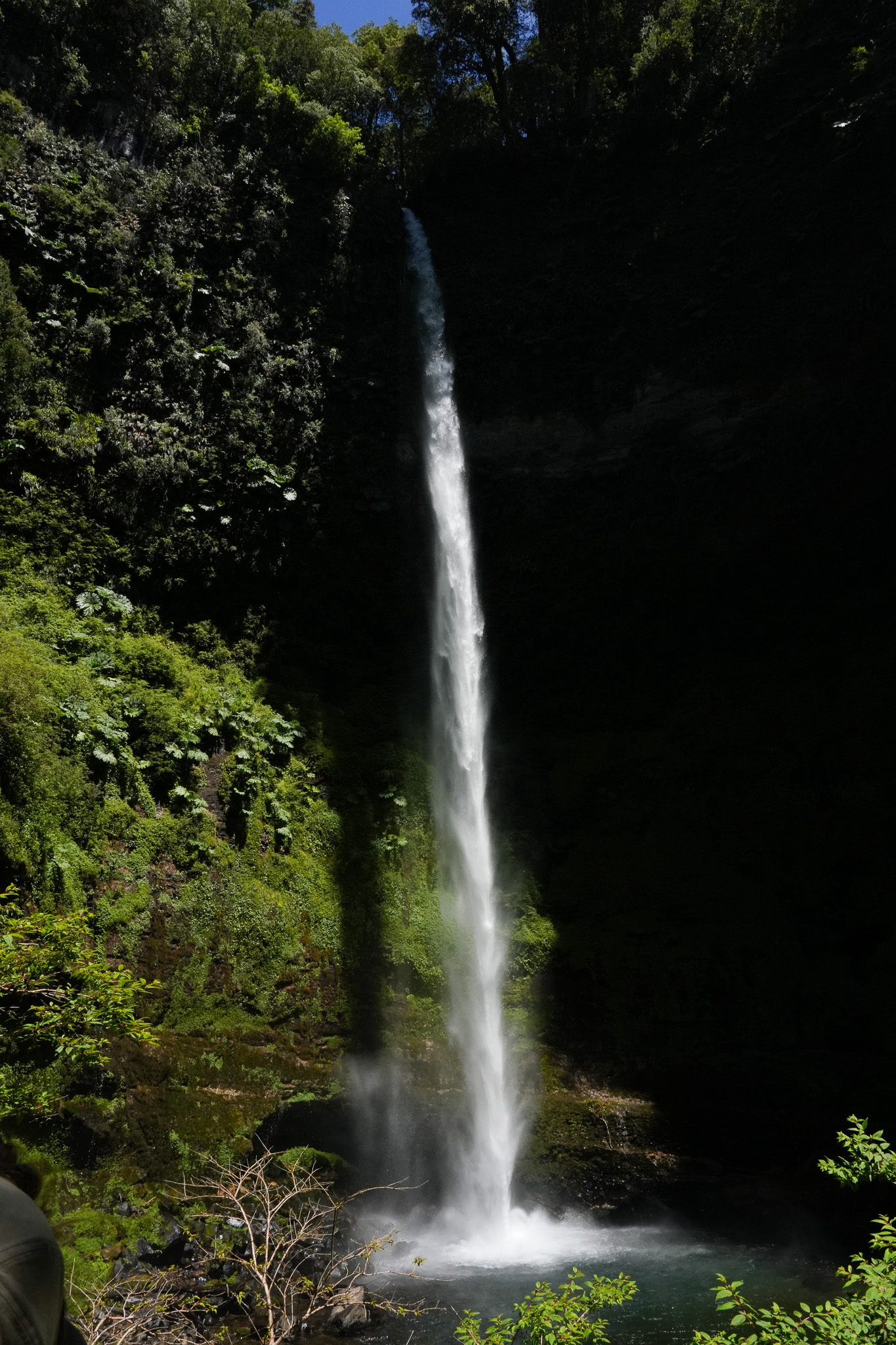
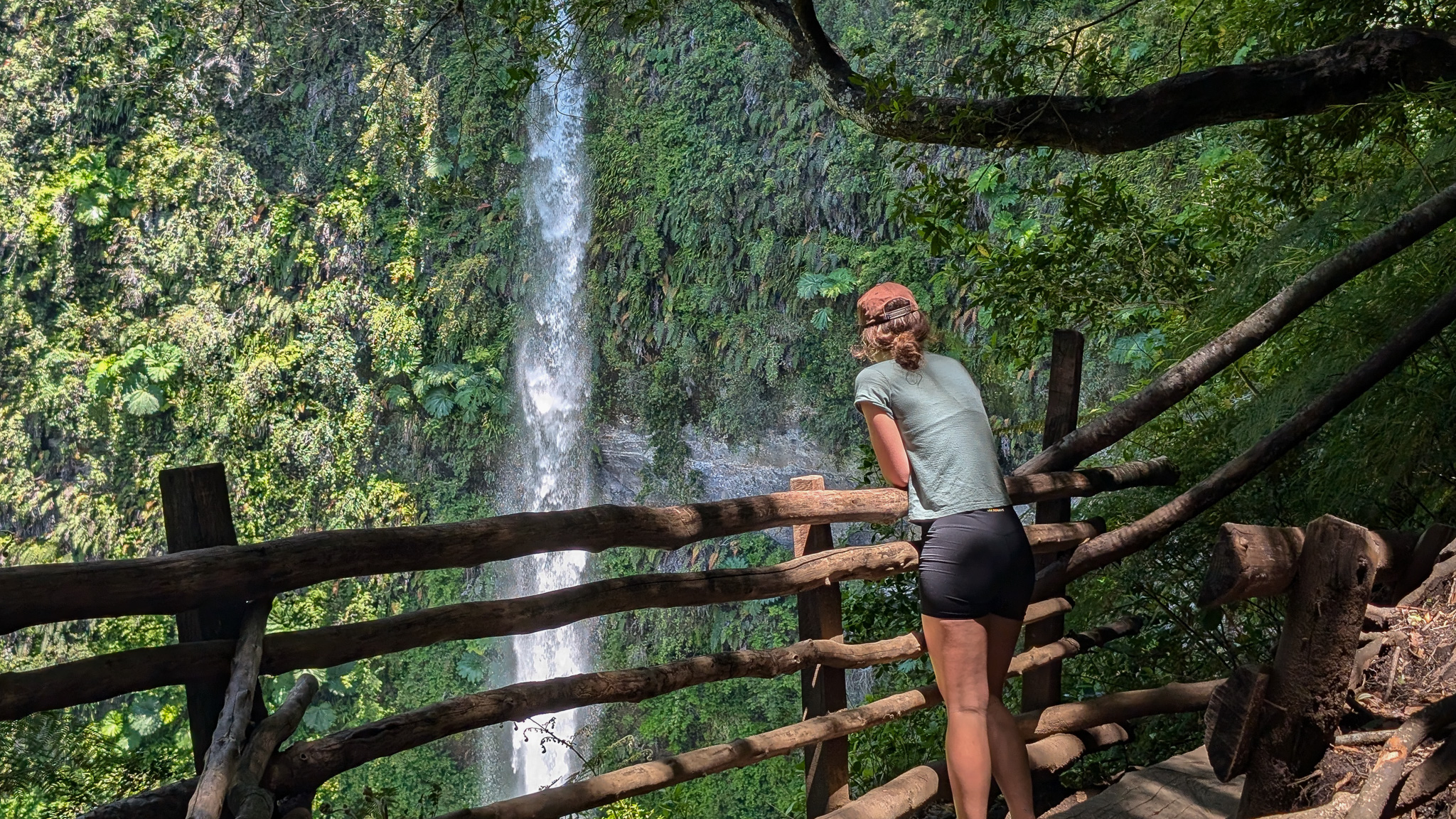
We hired push bikes and went on a very, very long and super steep ride up to Cascada el Claro which was surprisingly challenging. Struggling up the dusty, incredibly loosely gravelled road in the sweltering heat was worth it when we finally reached the trailhead for the waterfall. It was a short walk down through the trees to reach the base of the falls, and we were the only people there for a good 45 minutes. We ate some sandwiches, sat back to watch the water come down the 90 metre drop, and felt incredibly lucky to have it all to ourselves. The ride back to town was so much easier, but very sketchy. The brakes on our bikes were garbage as I hammered down some very questionable stretches of road, and I’m amazed I made it back to the sealed road in one piece.
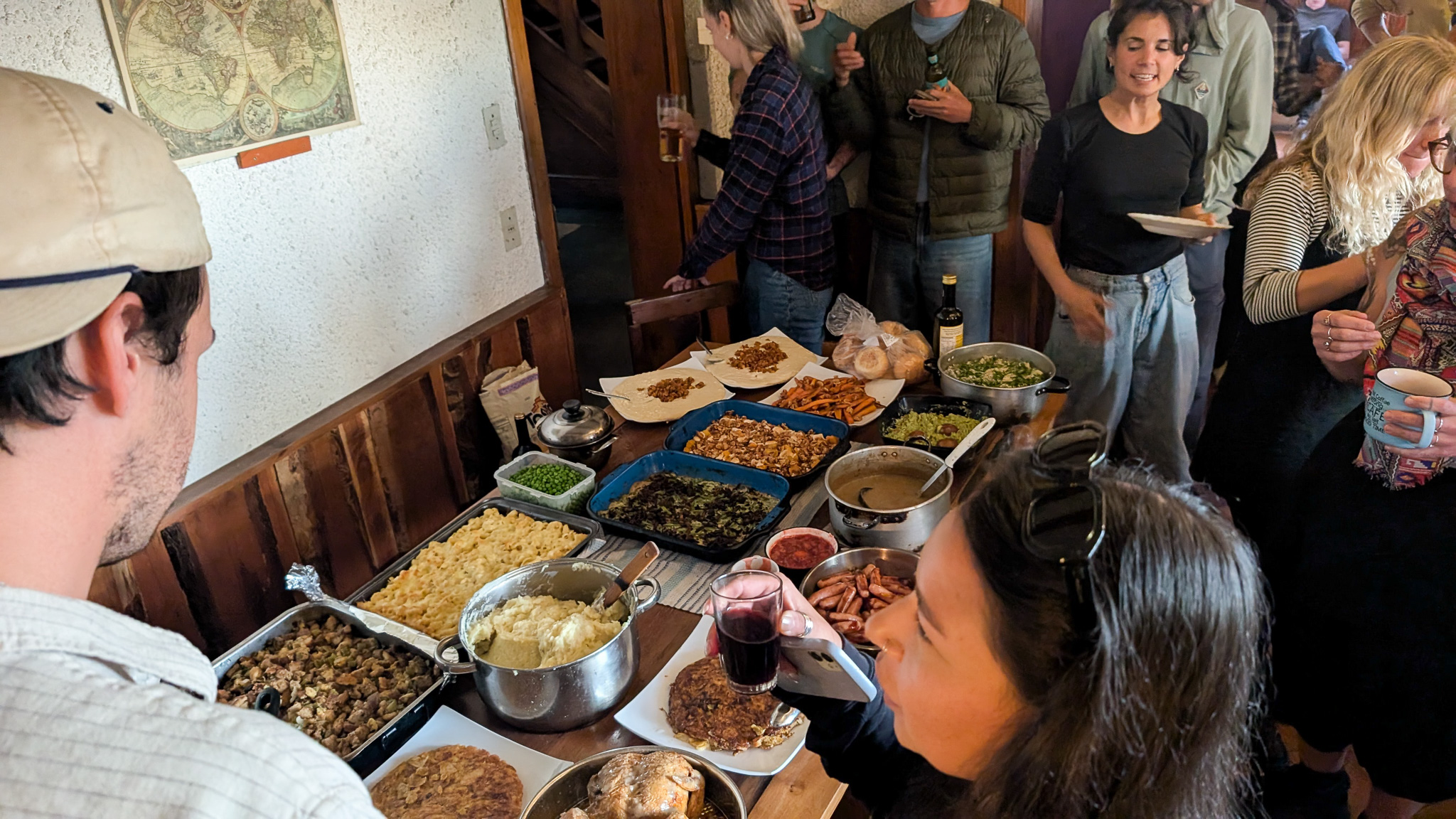
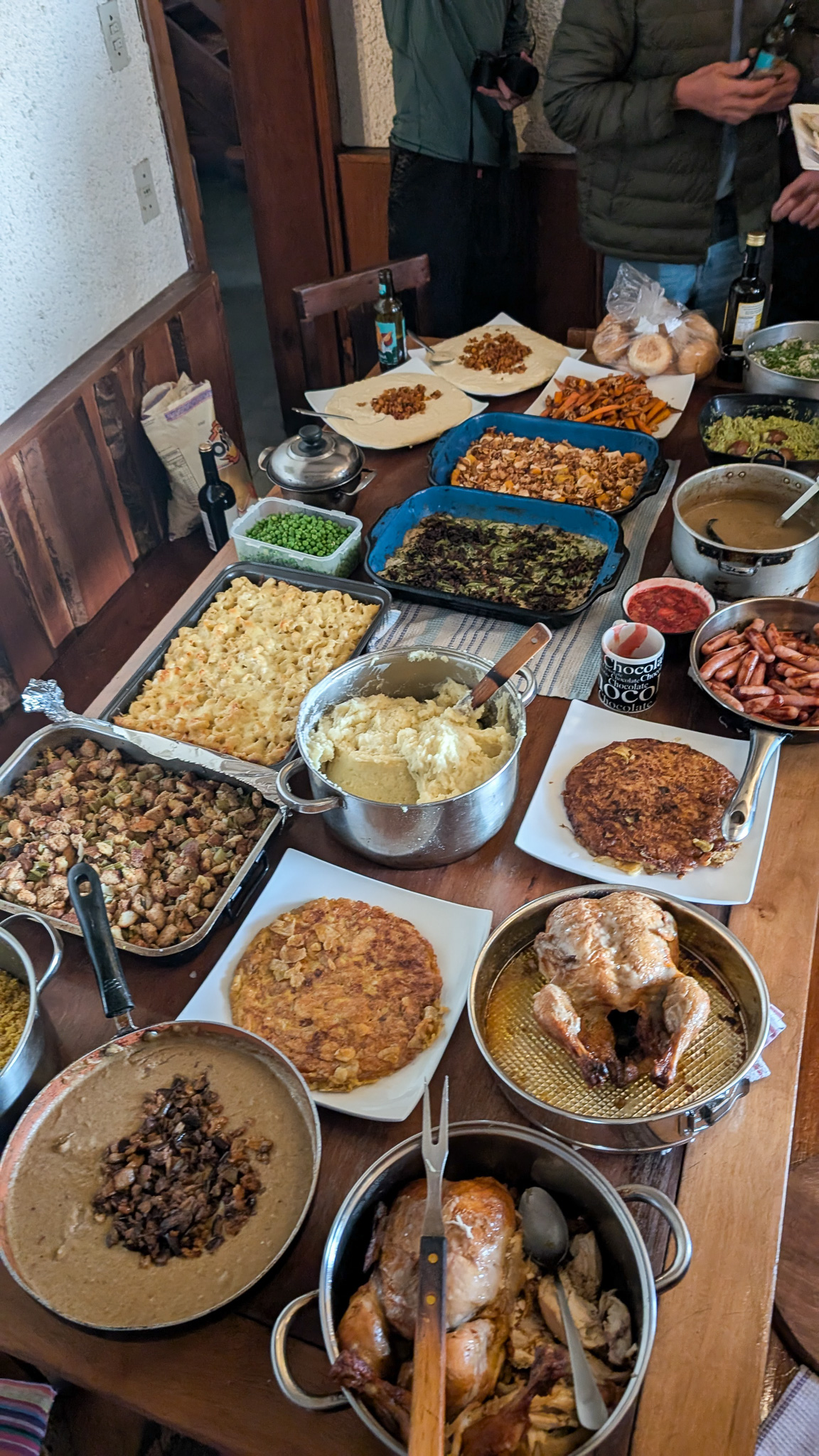
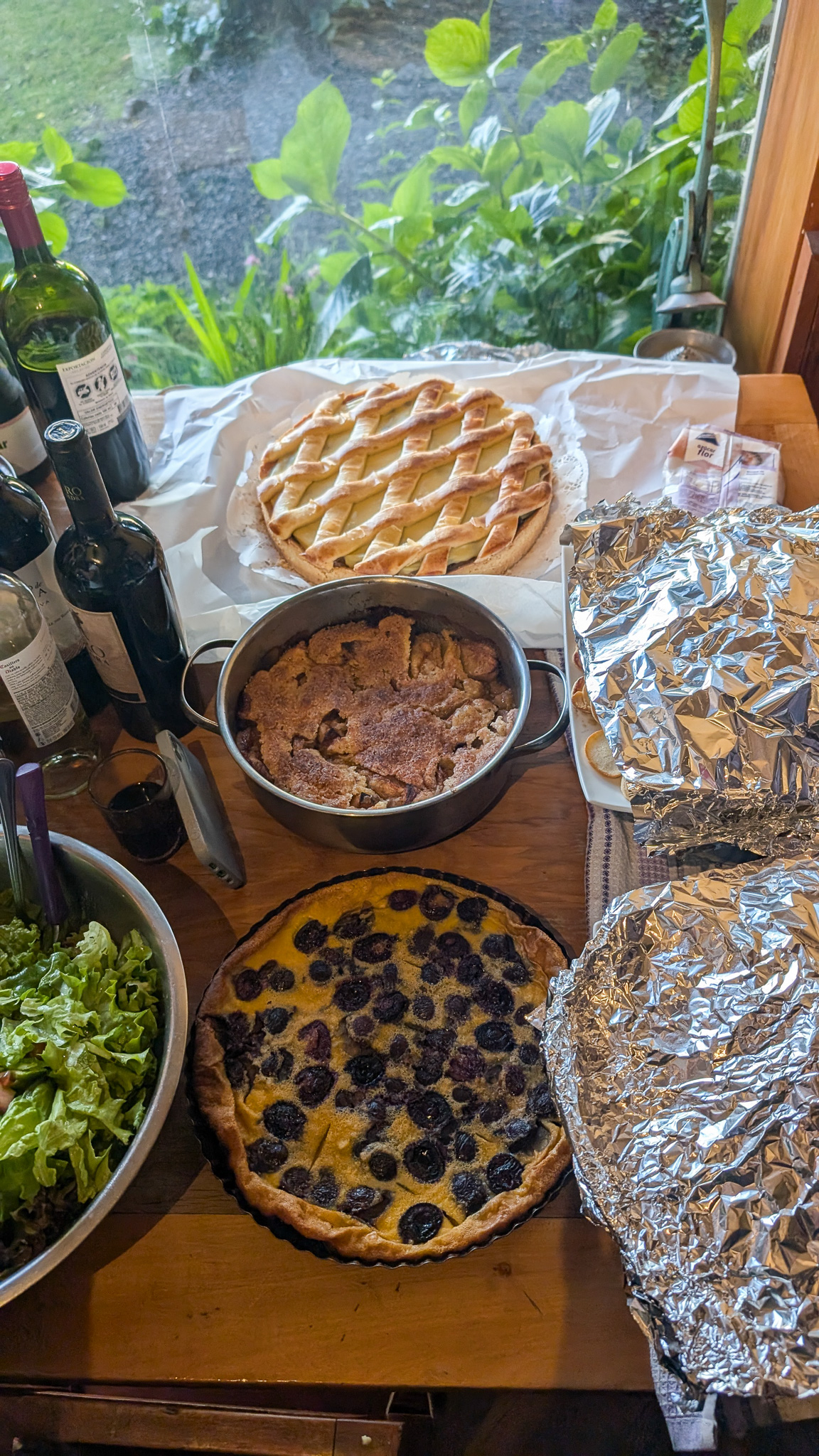
We had our first ever Thanksgiving in Pucón, which was unexpectedly a really fun time. There were a few yanks working or staying at our hostel, and they did the rounds a few days prior to ask everyone if they’d be interested in cooking something for a Thanksgiving dinner. To their surprise, just about the entire hostel said they were happy to chip in; I think there were probably close to 50 people in total. Everyone either made a dish or gave a bit of money, I made a very good (obviously) potato salad in the early hours of the morning of Thanksgiving, as I knew the kitchen would be an absolute shit show later in the day. Everyone gathered round on the deck out the front of the hostel and had a few beers and a good chat with each other, and we made a lot of new friends while the final parts of dinner came together in the kitchen. Once dinner was ready, we walked into the common room and found just about every flat surface in the joint packed full of all sorts of different dishes. There were the usual suspects; roasted meats, baked veggies, potato bake and pasta salad, but there was also really good hummus and babaganoush that a lovely Turkish chick prepared, and awesome apple pie, a blueberry pie and a few other sweet treats that were both delicious and unnamable. It was a really fun afternoon and night, and a great way to bring everyone together. I ate a tonne of food and drank a lot of beer, and went to bed on the top bunk in our shared dorm with a big smile on my face, feeling the size of a house.
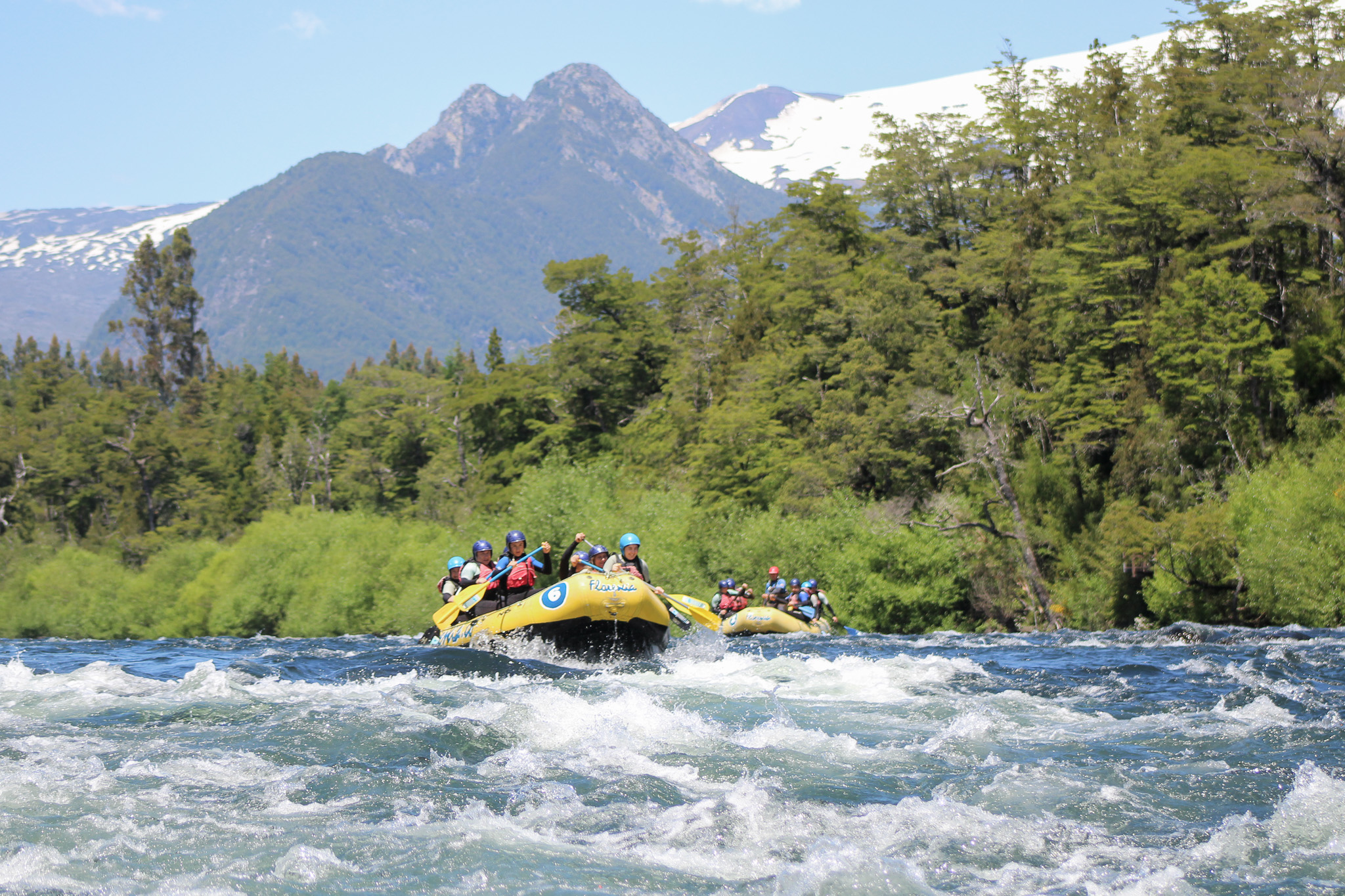
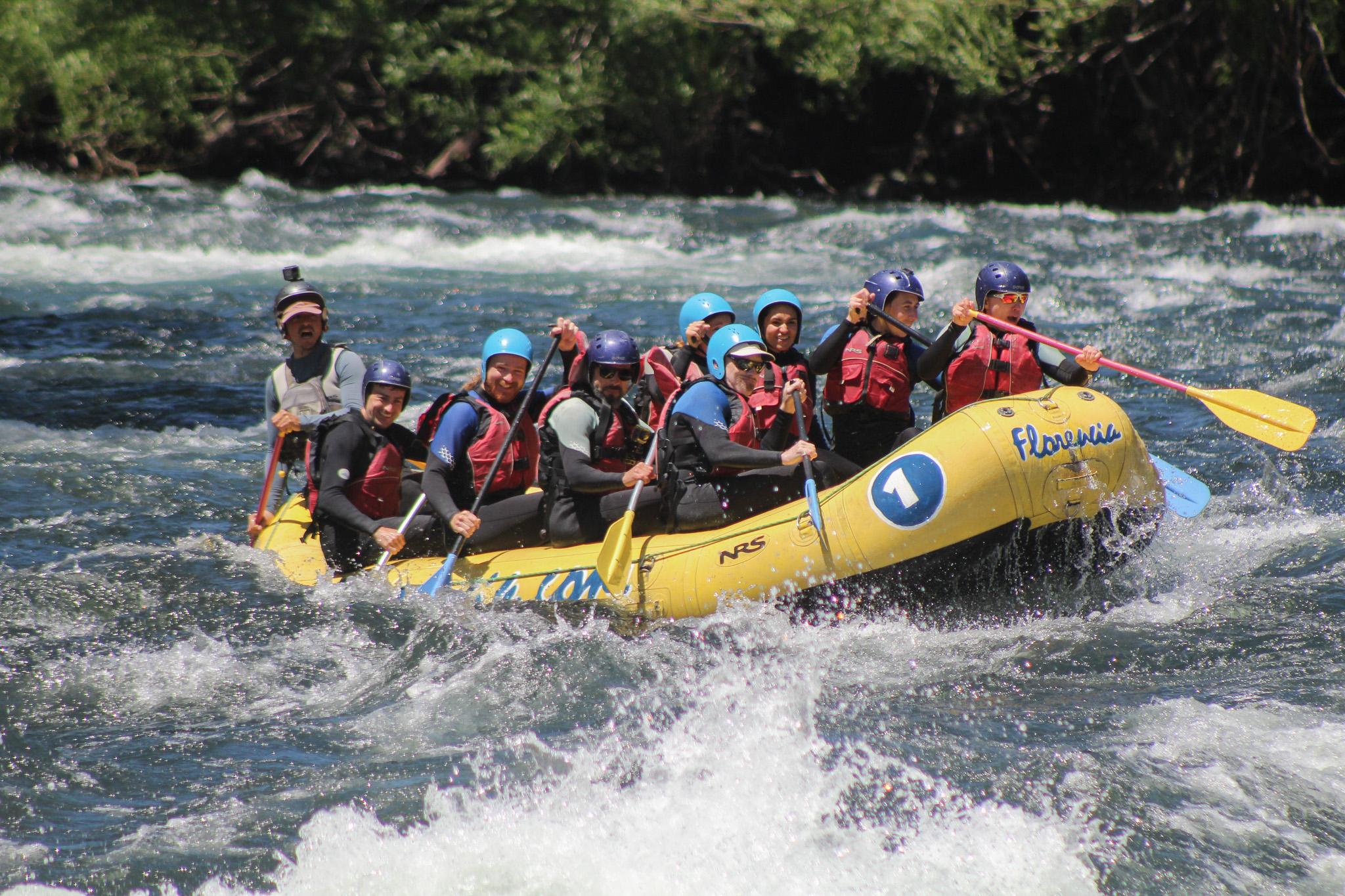
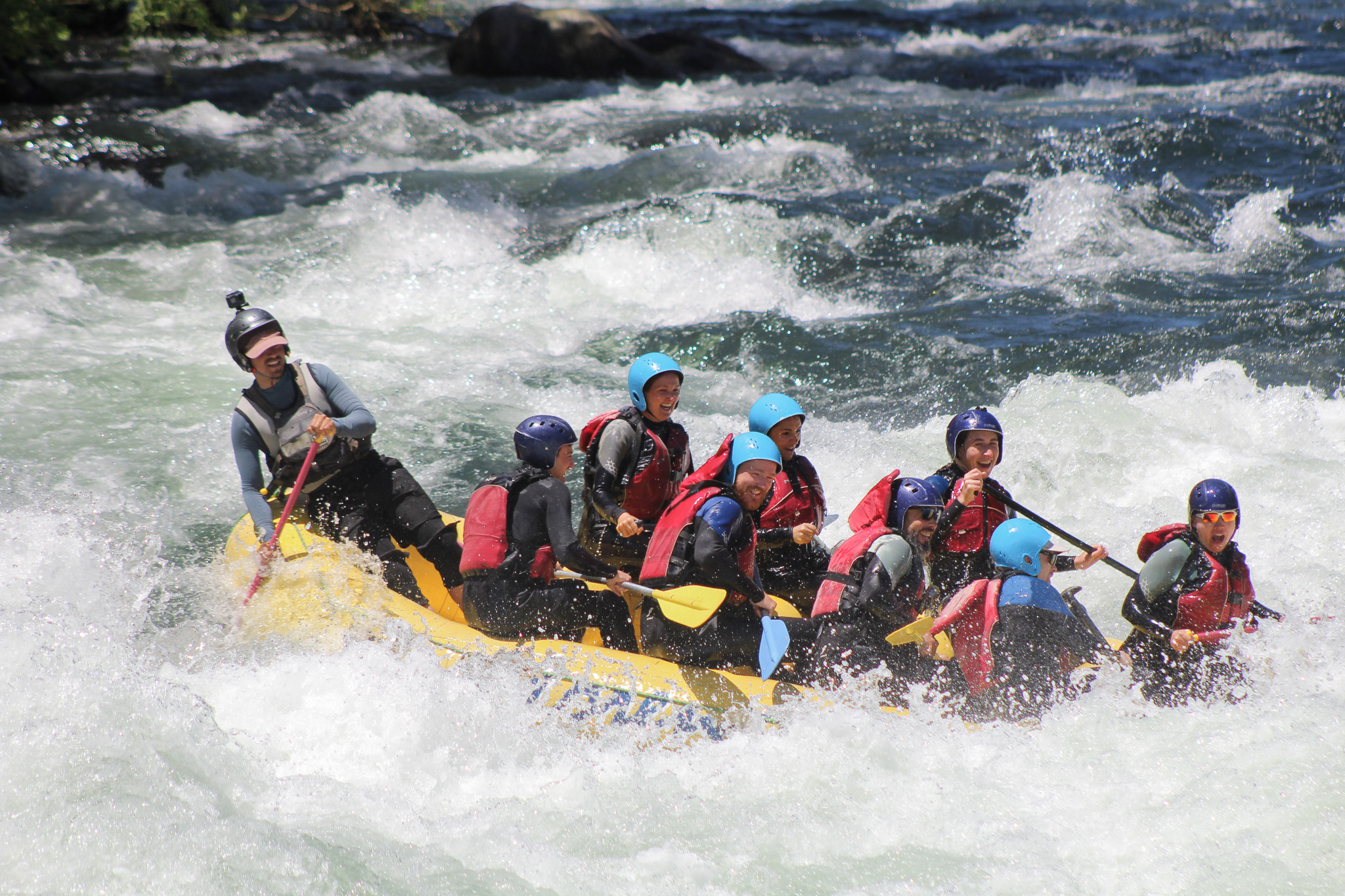
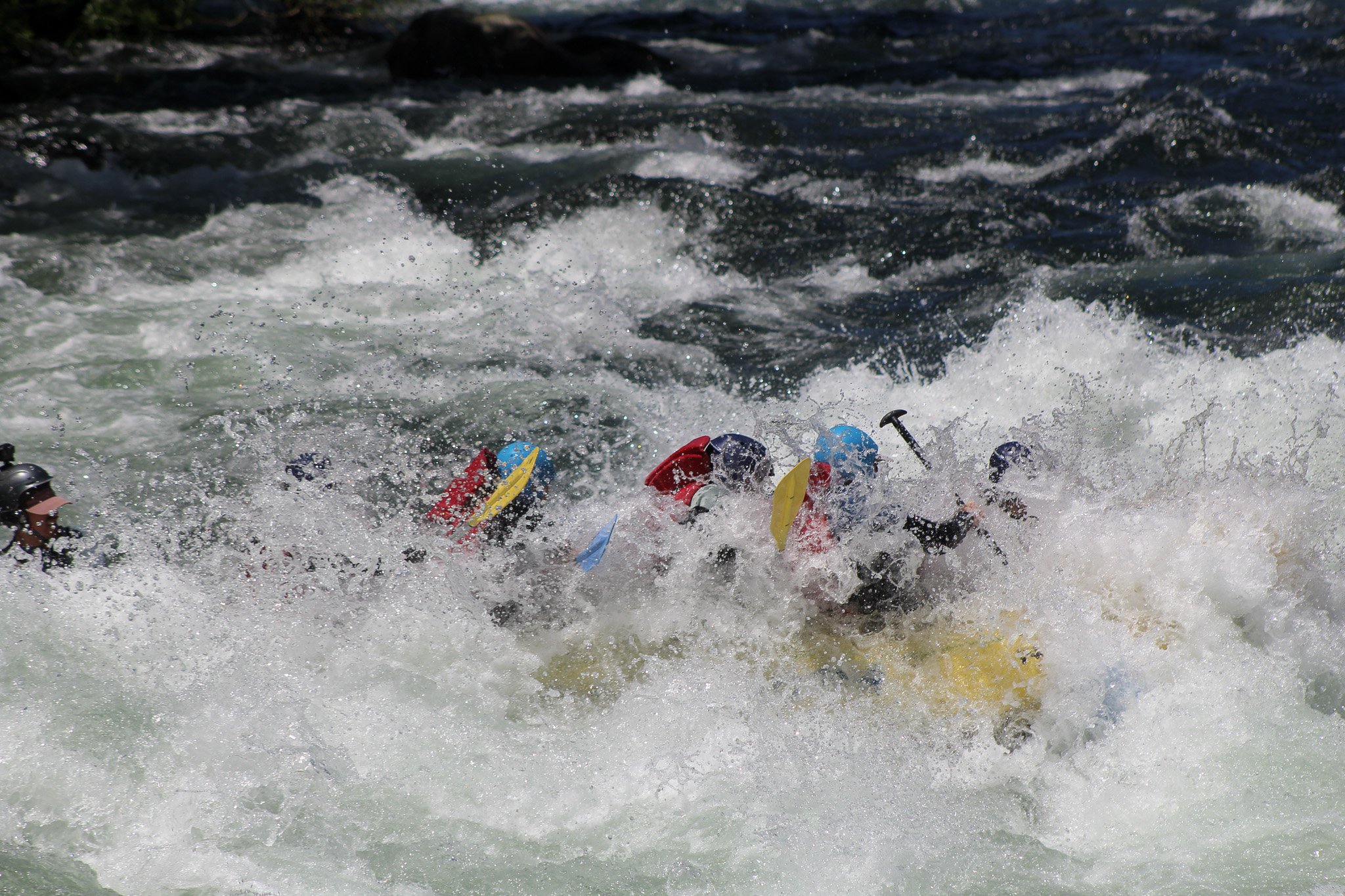
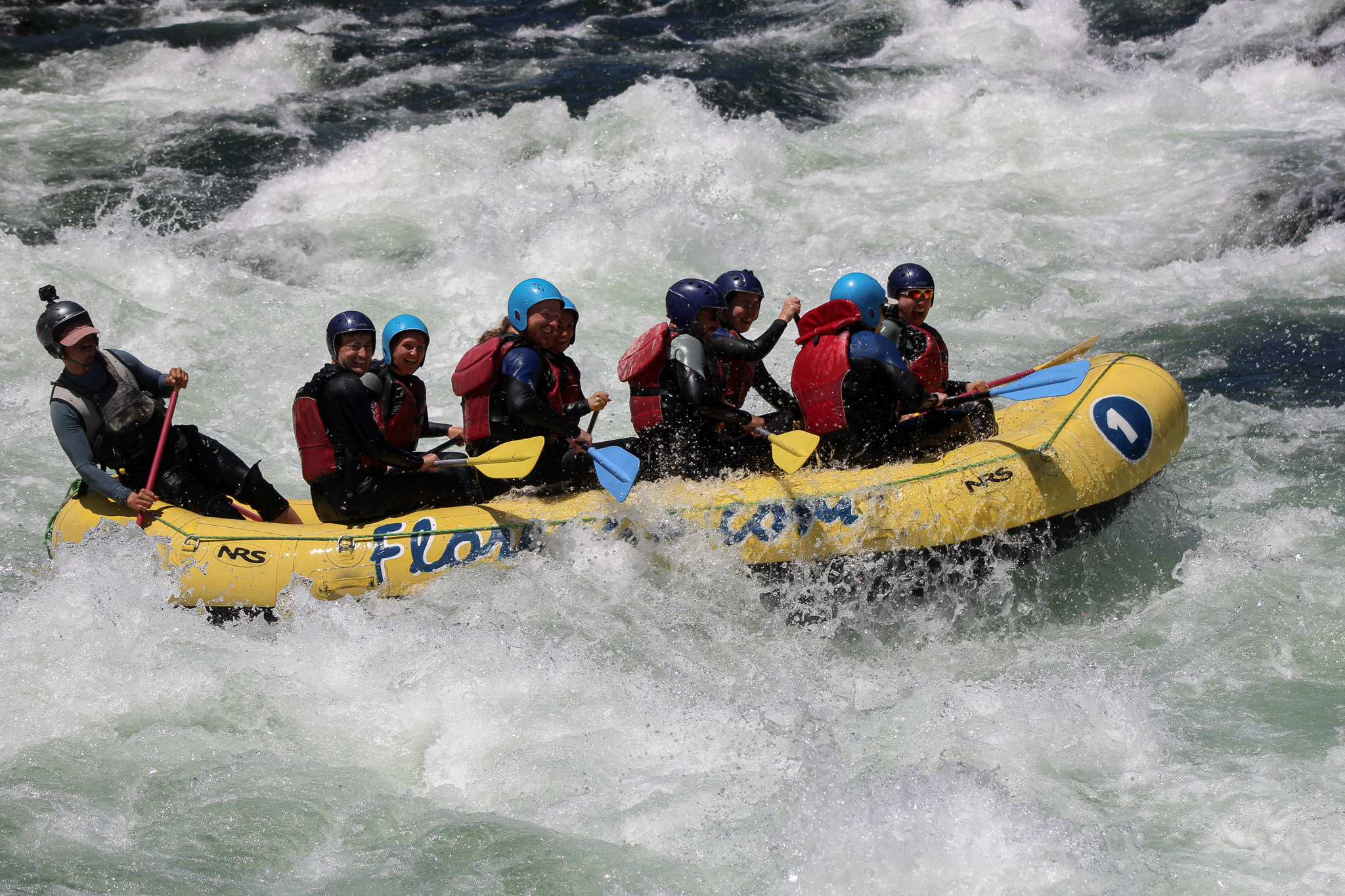
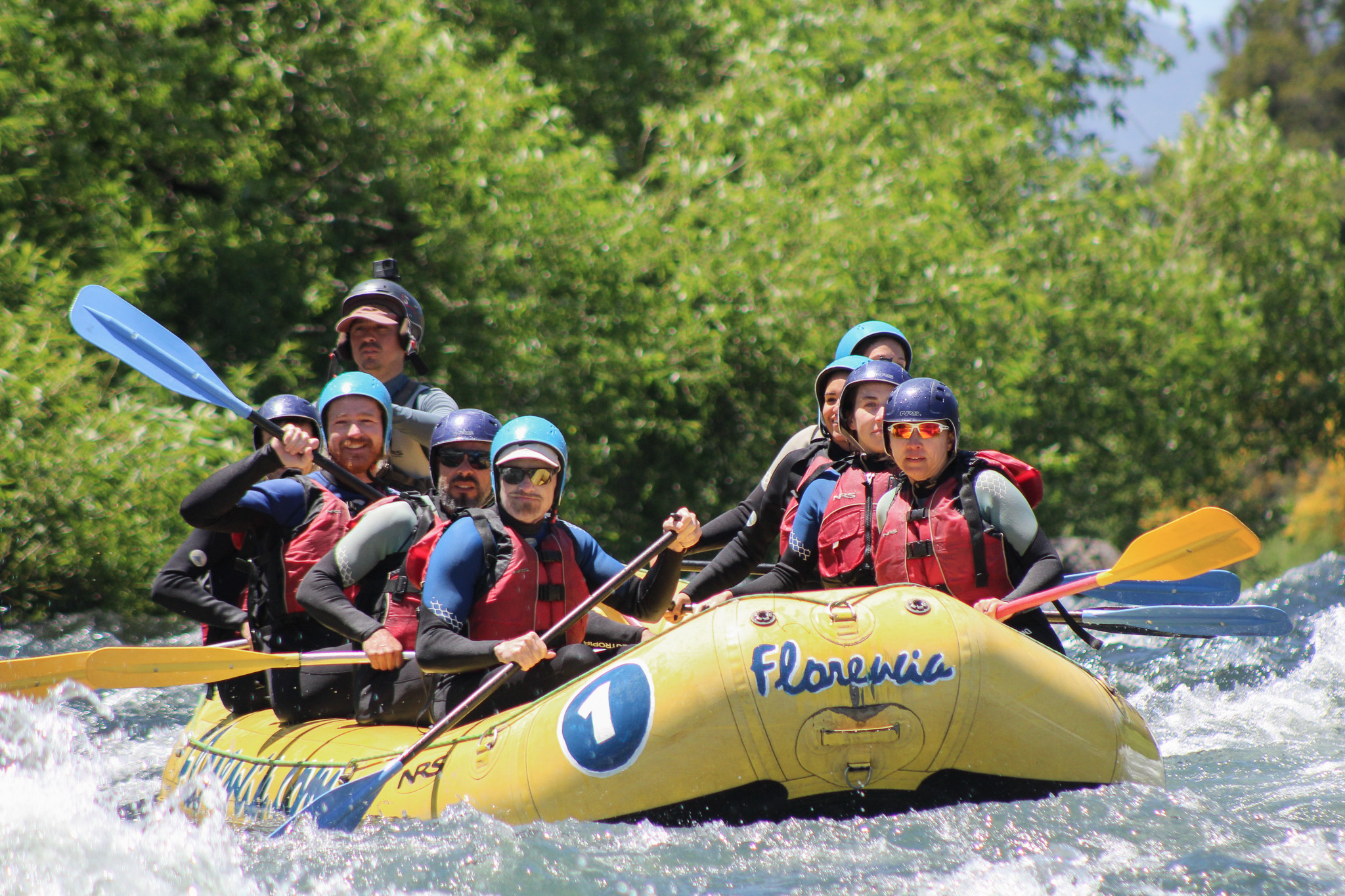
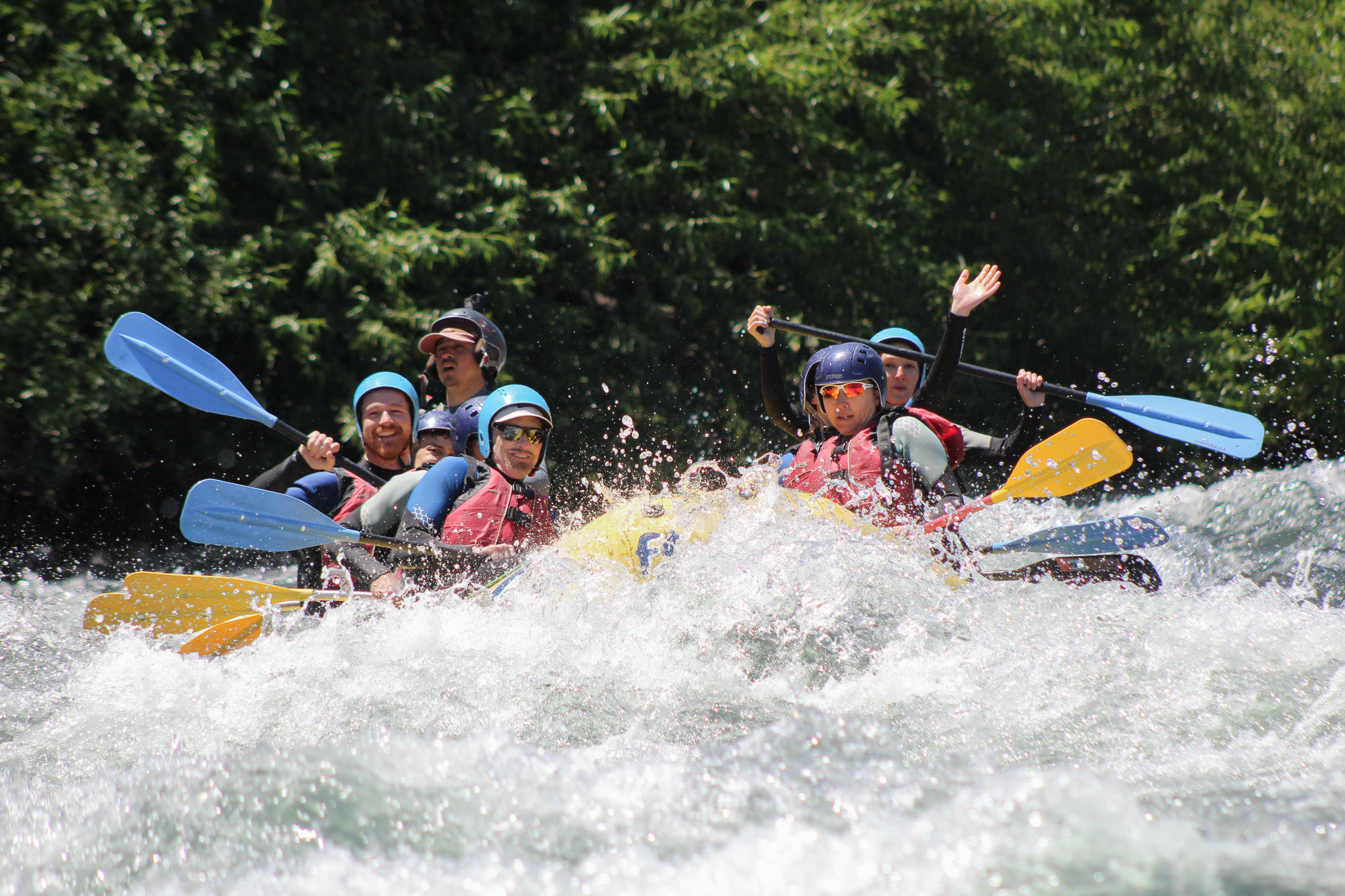
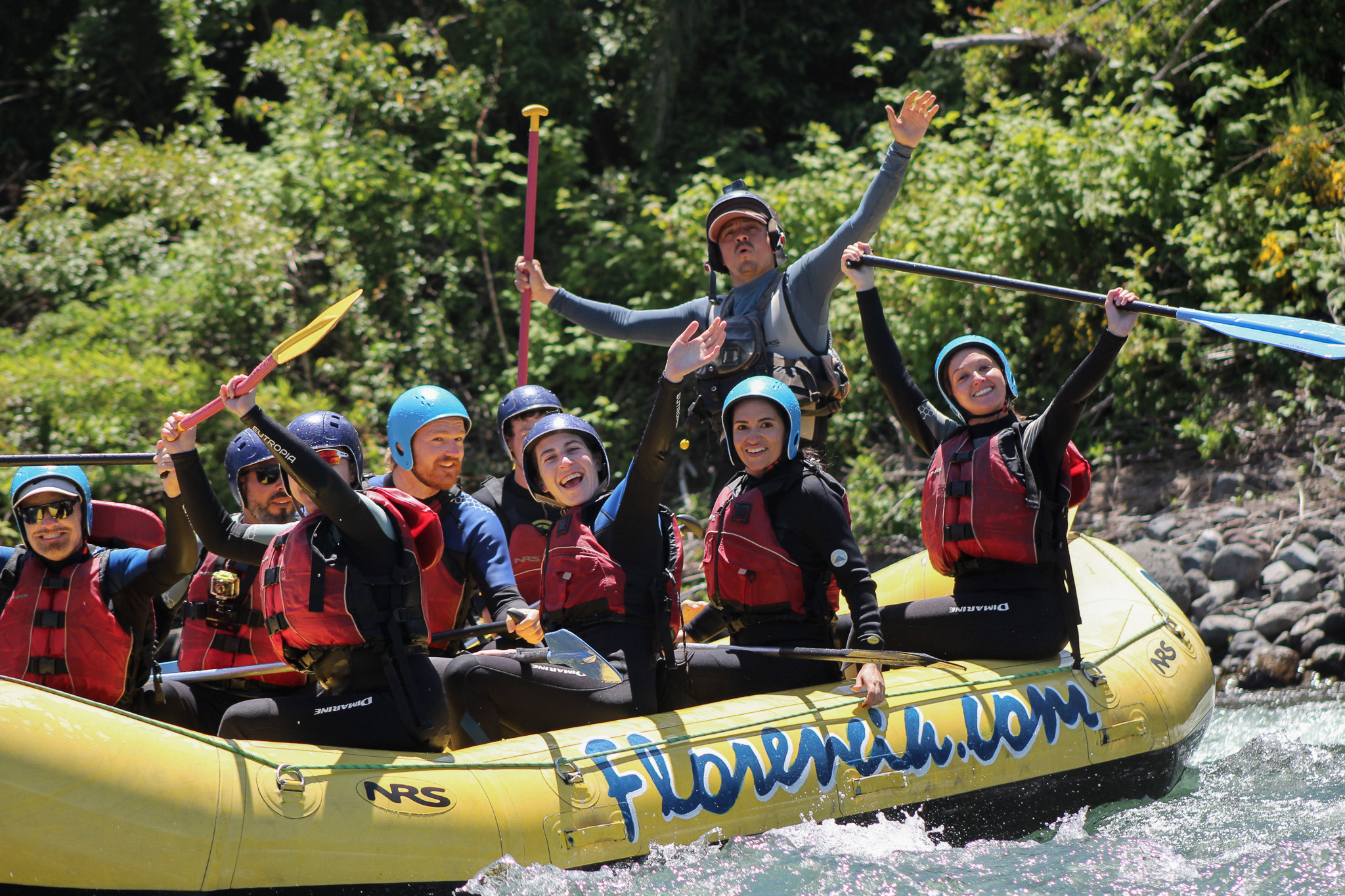
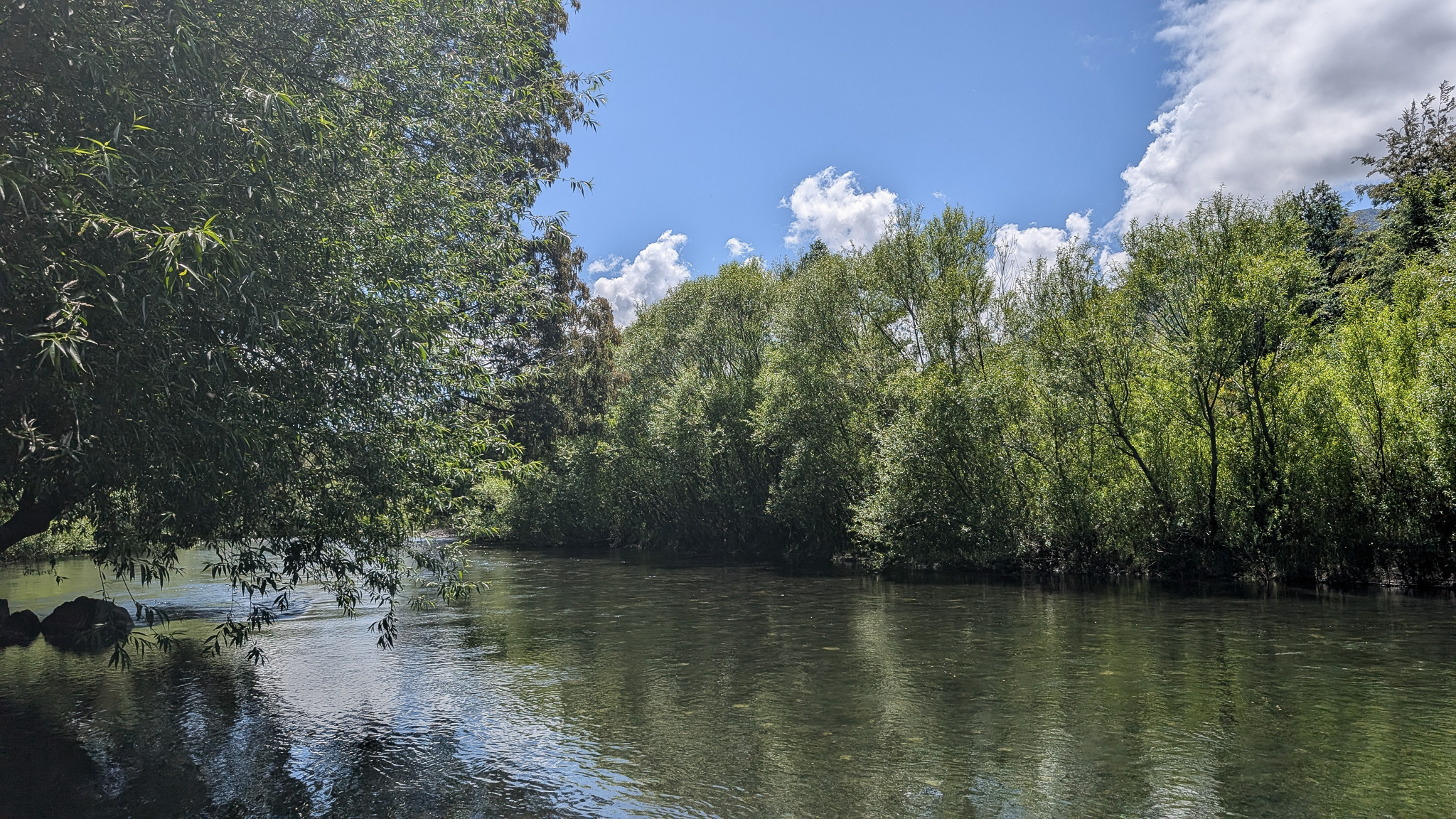
We celebrated Rachael’s 29th birthday in Pucón by going white water rafting for the first time. We got picked up outside the tour office in the morning and sat in a van for about twenty minutes to get to where they keep the ratty wetsuits and helmets, and we got changed and hopped back in the van with the rafts in tow to travel another half an hour to the drop off point. After walking the raft down to the water we piled in and received a very simple run down of how things were going to work and we were off down the river. Our Chilean guide was hilarious and full of energy, and we were joined by an Argentine couple, a British couple and an extremely lovely couple from Venezuela, and we’d all sing in unison “UNO, DOS, UNO, DOS” to get our rowing in unison as we approached the rapids.
This wasn’t the best time of year to be rafting here in Pucón, as the river picks up and more technical rapids open on different rivers as the snow on the surrounding mountains begins to melt, but these rapids were more than enjoyable enough for our first time white water rafting. We only went down 3 rapids in the whole 45 minute journey down the river, and none were particularly dodgy, but it was still super fun to be on the water, watching the trees and mountains pass us by. We had the opportunity to jump overboard in one of the more calm stretches of water, and it was absolutely freezing. Rachael and myself were joined over the side by the British chick and the wetsuits did bugger all to keep the icy cold water out. It immediately took my breath away and I began to laugh uncontrollably at just how cold it was before being hoisted back on the boat by our guide. It was a beautiful sunny day so it didn’t take too long to warm back up, but everyone politely refused the second time we were offered to jump back in. This wasn’t the exhilarating, adrenaline inducing rush that I thought it would be, but it was definitely a great experience and a good introduction into something I’d certainly love to do more of.
We splurged a bit that afternoon by going out for cakes and coffees, then two for one margs and beers, then dinner at a place I’d scoped out a few weeks prior for Rachael’s birthday dinner, and had some nice salmon and trout, followed by more cakes for dessert. I’m pretty sure Rachael had a really good day, but I can confirm it was a birthday I’m not likely to forget any time soon, I had a blast!
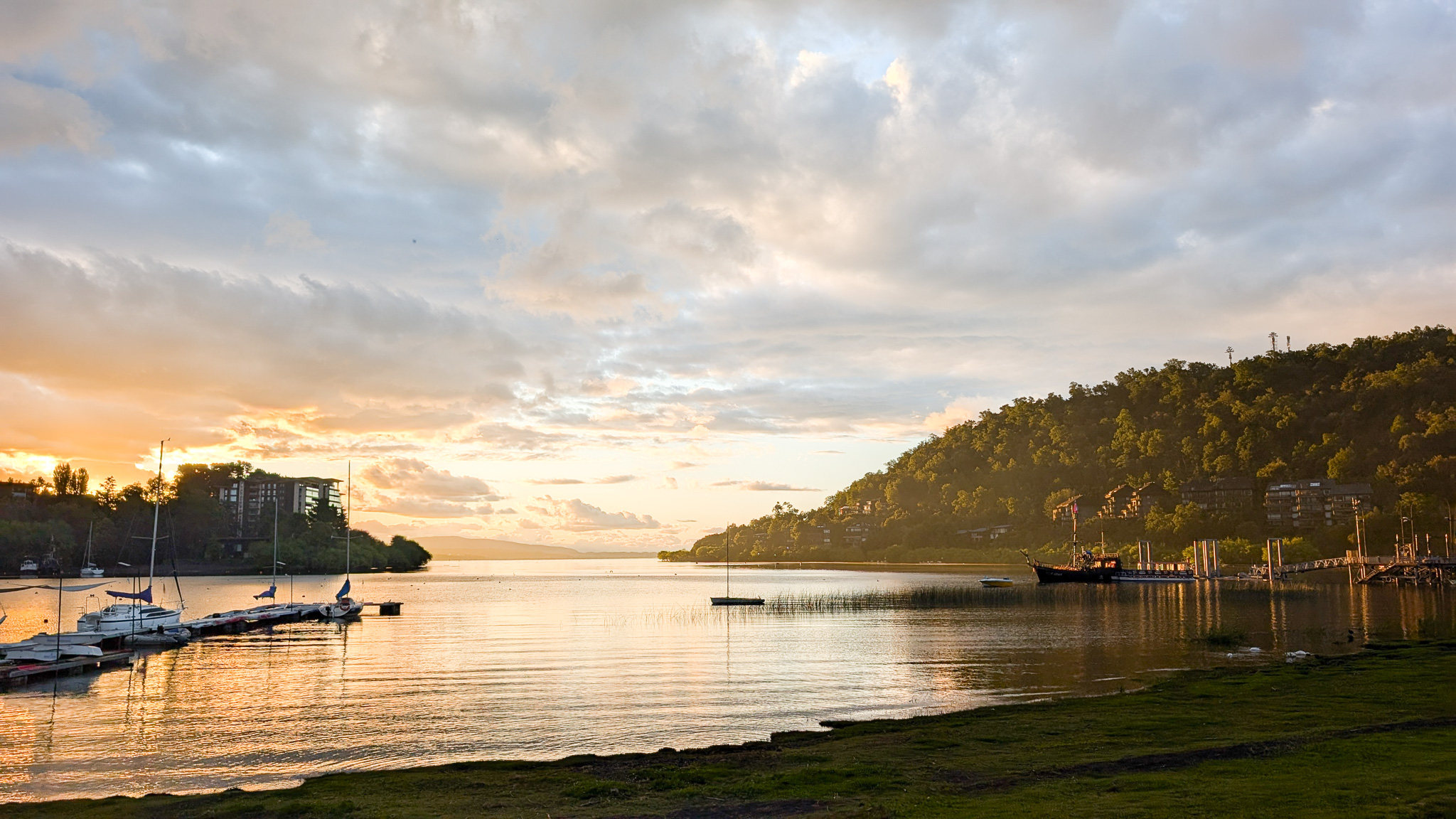
One very important part about Pucón that I’d like to document was the empanada place we were recommended called Puras Pavadas. These were by far the best empanadas we ate in all of Chile and Argentina, and coincidentally they were some of the biggest as well as some of the cheapest. These bad boys were deep fried until crispy golden brown, and every flavour we tried were incredible, I think there were 8 in total. If you stand in the shop to eat them, you can douse them in all sorts of hot sauces that were sweet, acidic or straight heat, and I made an absolute mess each time we ate here. Definitely a highlight of Pucón, even Chile for that matter.
It was brought to our attention in Pucón by a nice Yank who was cycling down the Andes that it may not be the best idea for us to head up to Peru in the next few months because it would be smack bang in the middle of the rainy season. We started throwing some ideas around on how to adjust our route, and it became evident that we were likely going to spend a bit of time in Brazil, which we weren’t really expecting to get to on this trip, but such an unforeseen turn of events filled me with excitement, and I couldn’t wait to get to the coast. It’s great to get advice from people on the road and adjust our plans accordingly. It makes it worthwhile to get out of my shell and try to talk to new people and hear about their travels. Pucón was really great for that. We met a lot of really lovely people from all over the world, and it would have been nice to stay a bit longer, but with dwindling finances and a dire need to get another step closer to the ocean, we caught our first overnight bus to Santiago, Chile’s capital.
Founded in 1541, Santiago sits in Chile’s Central Valley, and is framed by snow capped mountains to the east and a thick cloud of smog to the west. It is the seventh largest city in all of the Americas and home to five and a half million people, but it doesn’t feel like an enormous city. I had pretty low expectations coming here. Everyone that we’d spoken to that had visited Santiago had just about nothing positive to say about the city, but I actually found it to be a really cool place with a lot of nice bars and restaurants, history, markets and friendly people who have a lot of good tattoos.
The 10 hour, overnight bus trip here was surprisingly not that bad. It was comfortable, but not quite comfortable enough to completely pass out. We both managed to get a small amount of sleep and arrived at the absolutely chaotic bus terminal feeling a little worse for wear but knowing full well that this would just have to be something to get used to. We caught an Uber to a hotel in a very nice neighbourhood called Providencia, which had big beautiful trees lining the streets, and was significantly quieter than right in the centre of the city. We decided to spend our few nights in Santiago staying in a hotel rather than a hostel just to have our own space and recharge for a bit, which was a very necessary change.
We walked into Santiago’s central market, which was home to a huge number of stores selling all sorts of seafood, meats, fruits and veggies, as well as heaps of small restaurants and the usual cheap clothes, sunnies and odd knick knack stands. It’s hard to know where to look in these massive Latin American markets, there’s just so much going on, and so many people trying to get your attention that it becomes quite a mission to make your way through and soak it all in at the same time.
We went to an Oakley store near the central market to hopefully get another pair of sunnies as I’d lost mine a few weeks prior. We spoke to an absolutely lovely lady called Katarina in the store, and I managed to sweet talk her enough that we saved $170AUD off the original price! While I was paying, three shady looking dudes walked in and pretended to peruse the sunnies, and Katarina signalled that something was off, so Rachael walked over to near where they were huddled and they thought better of their dastardly plan and scurried out of the store. Apparently, nearly every day poor old Katarina gets robbed, but she can’t post security guards out the front of her store for some reason, so she was incredibly thankful for us being there. She thanked us both with hugs and kisses and sent us on our merry way.
Now that we were 80 odd days into our trip, we were both fully aware of how ridiculously over packed we were. We had so many extra clothes, books, and camping gear we no longer needed, so we wanted to try and ship some stuff home to lighten the load. I knew we probably wouldn’t be coming across a major city as developed and modernised as Santiago in the foreseeable future, and I’d read some positive reviews of people using DHL to ship stuff overseas from here, so we walked to a DHL office to ask about pricing. So. Expensive. We were quoted $300AUD by another lovely Venezuelan girl to send a shoebox of stuff back to Sydney. The amount of stuff we wanted to ditch both a) wouldn’t fit into one shoebox, and b) wasn’t even worth $300AUD, so we left the store scratching our heads and wondering what other alternatives we had. We decided to put this on the back burner and focus on something more important; lunch.
We walked down to Barrio Italia for some smoothie bowls, you can probably guess who’s idea that was, but I’ll admit it was nice to get some fruit into me. We ran into a group of Frenchies that we’d played cards with back in Pucón and I got some tips on things to see and do in Brazil from one of them. Frenchies have a very bad reputation among backpackers for refusing to speak English even though they are mostly completely able to, and they tend to huddle amongst themselves, refusing to branch out and meet new people. The Frenchies we met in Chile must be an exception to the rule because they were all very open, kind and hilarious people.
On our first night in Santiago we walked around Barrio Italia and scoped out some happy hour deals. We enjoyed a few two for one margs and then walked to Bar Rubik, which was a cool punk bar playing awesome music and dishing up some pretty good burgers. They had all sorts of craft beer on tap here and I tried at least three which were all really strong and delicious, and we also enjoyed brownies with ice cream for dessert. Not really budget travel, but when we get to a major city I really can’t help myself, it’s a terrible but enjoyable problem to have.
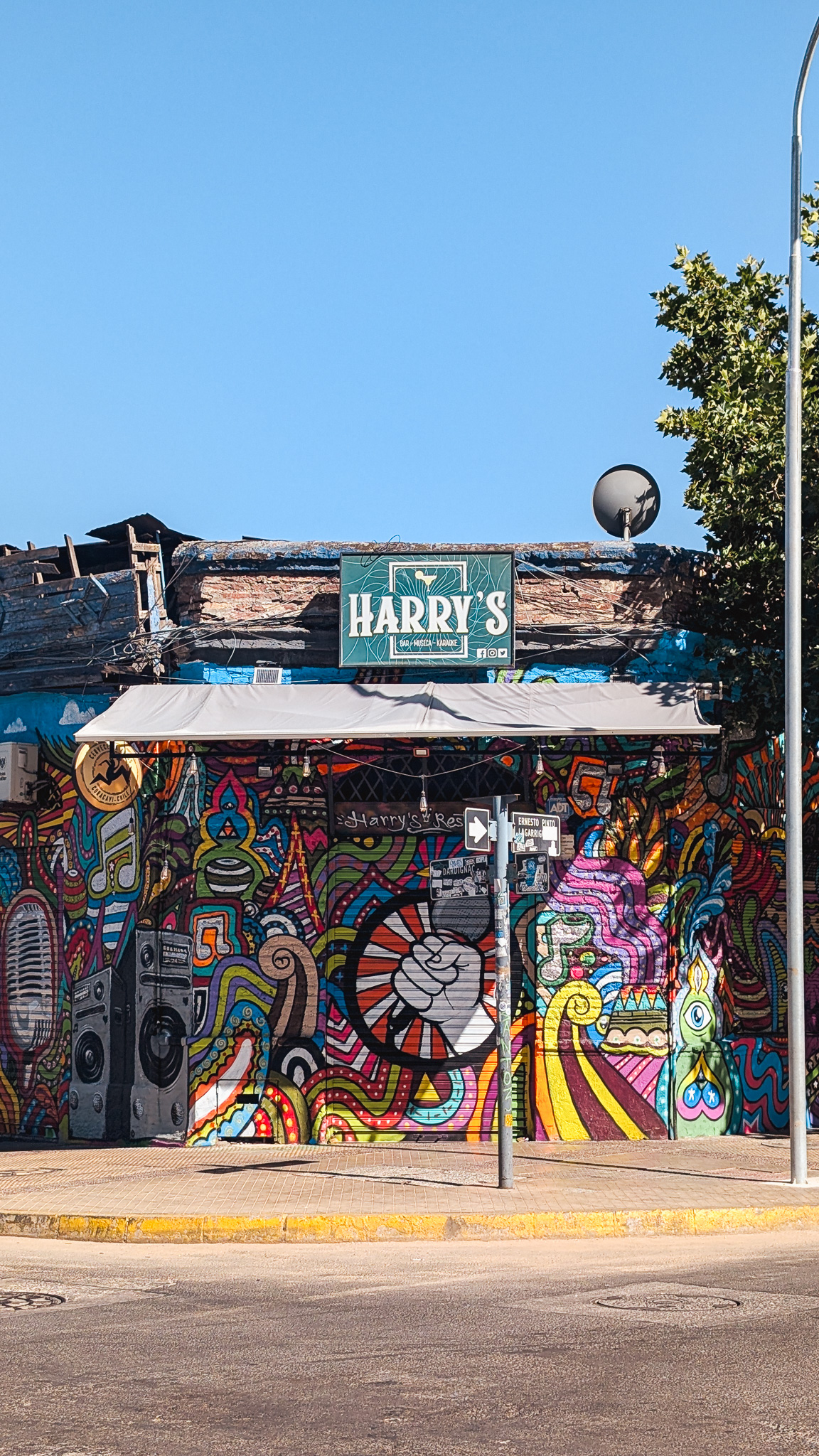
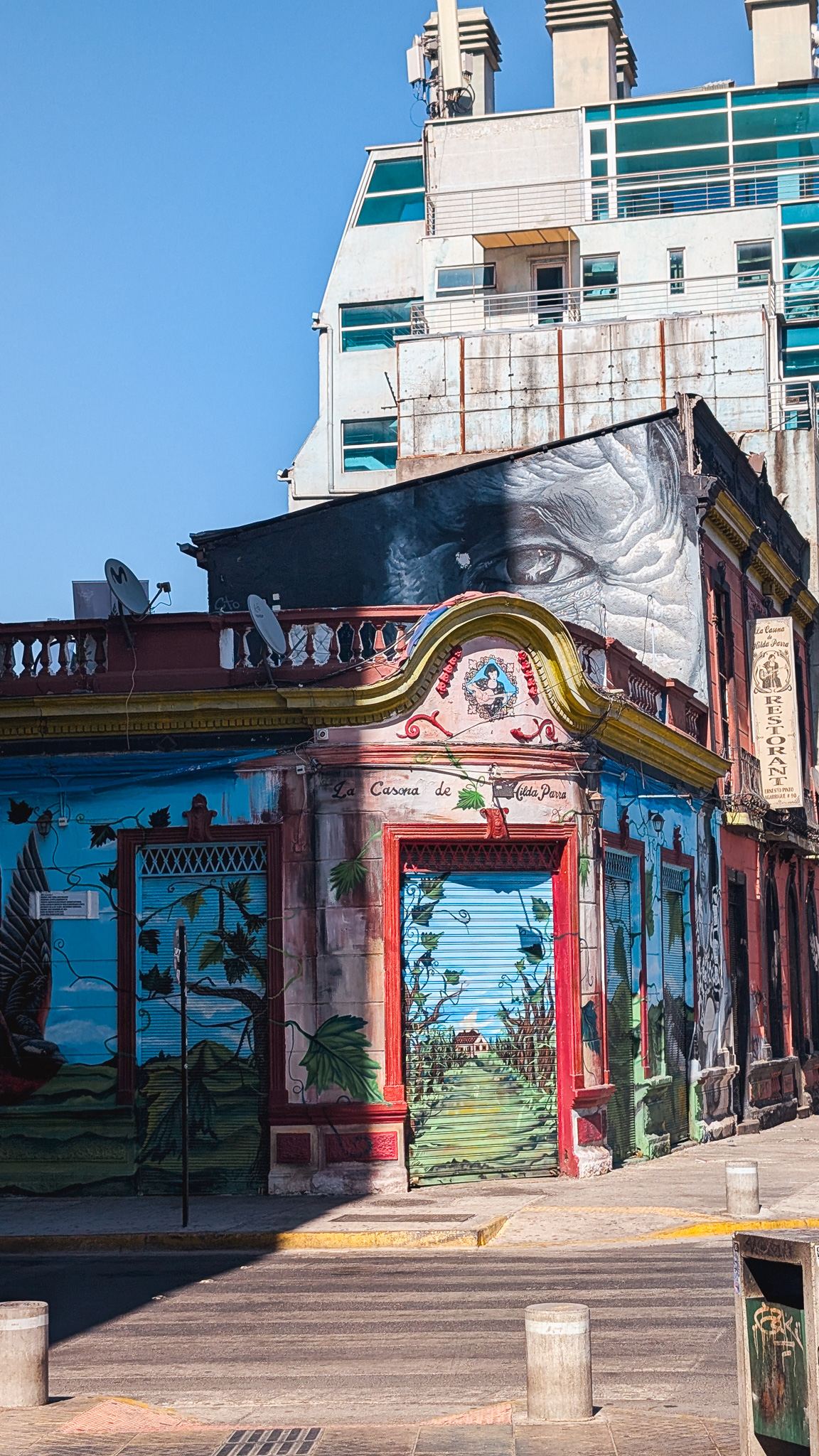
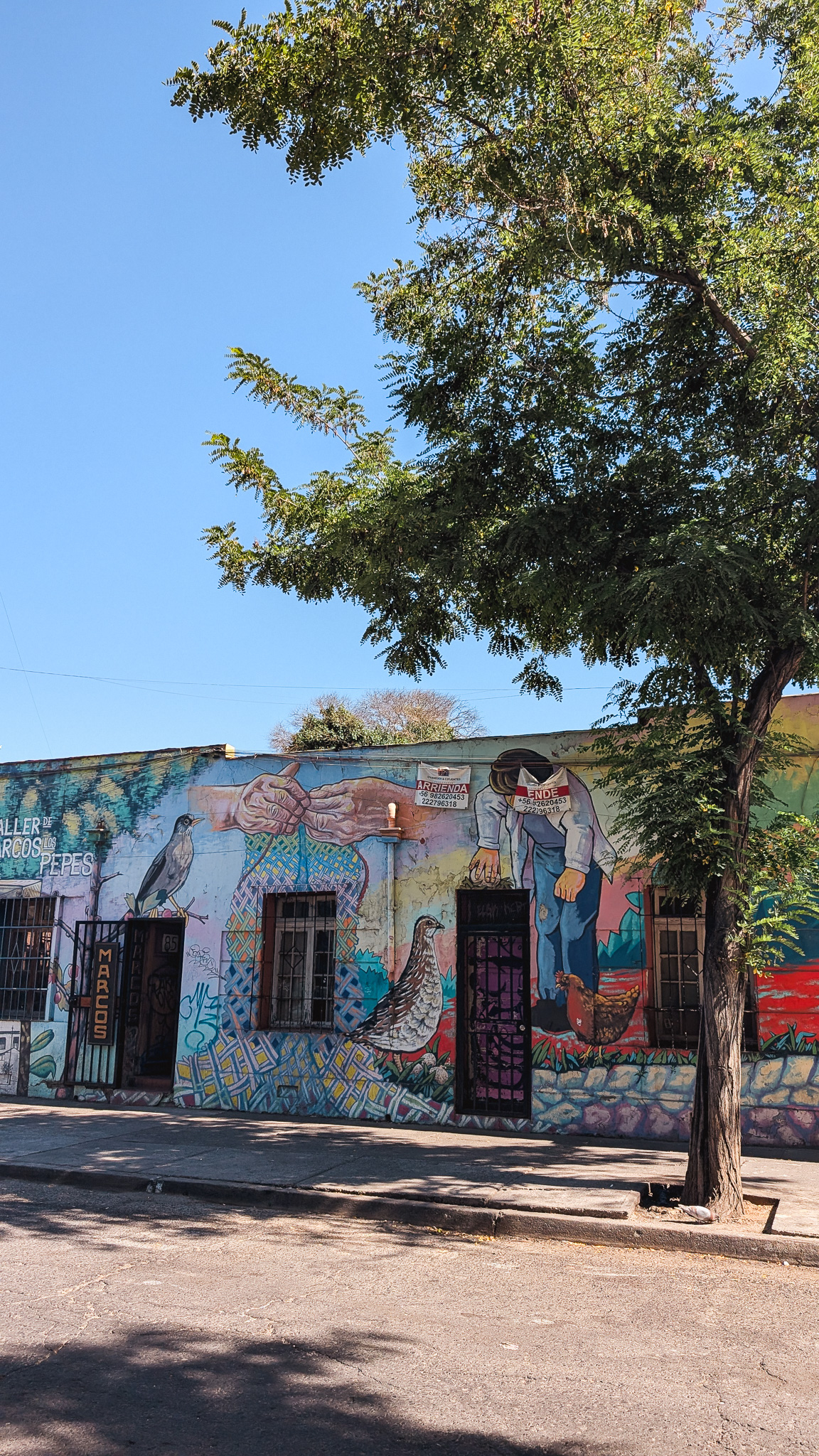
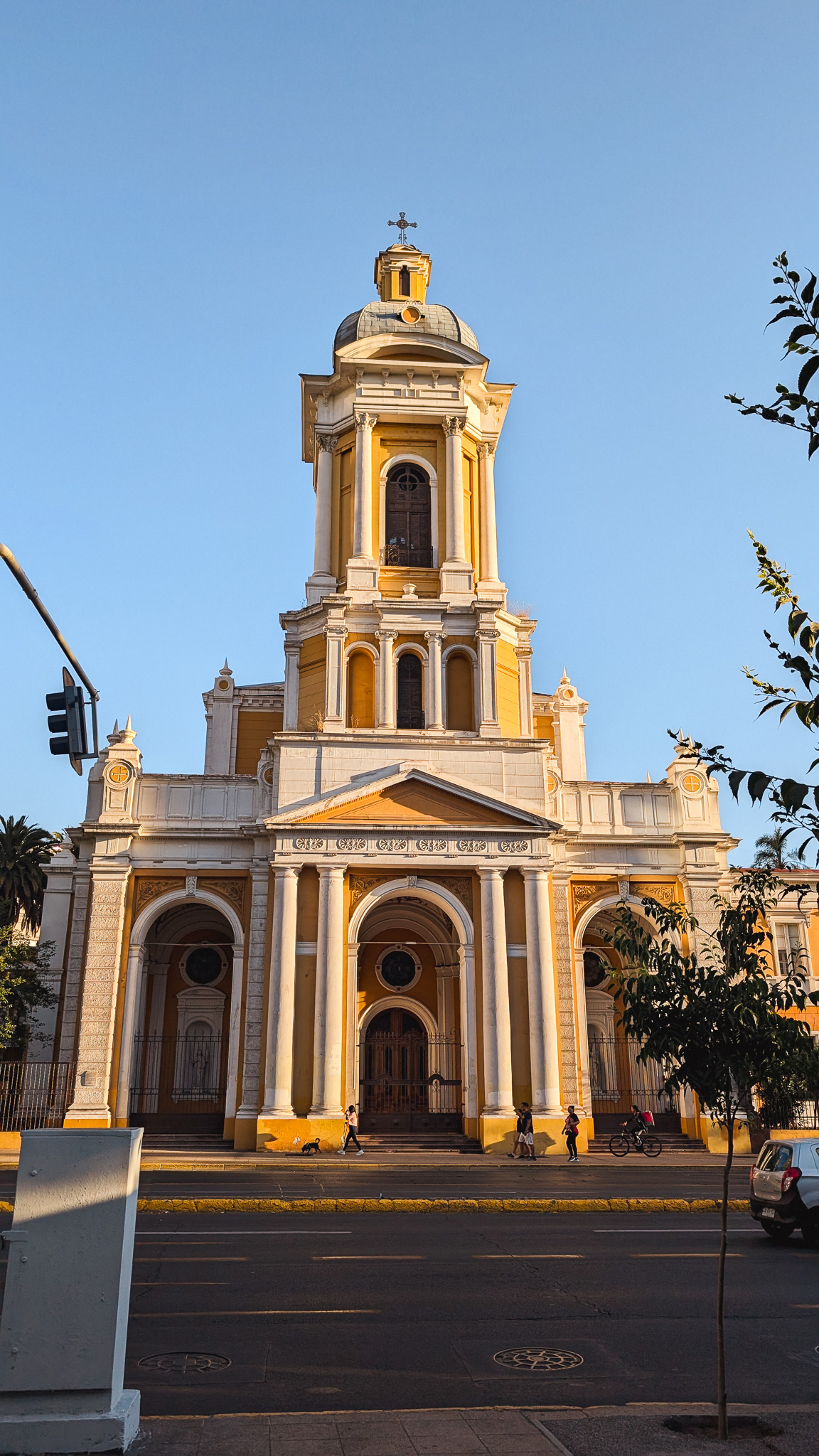
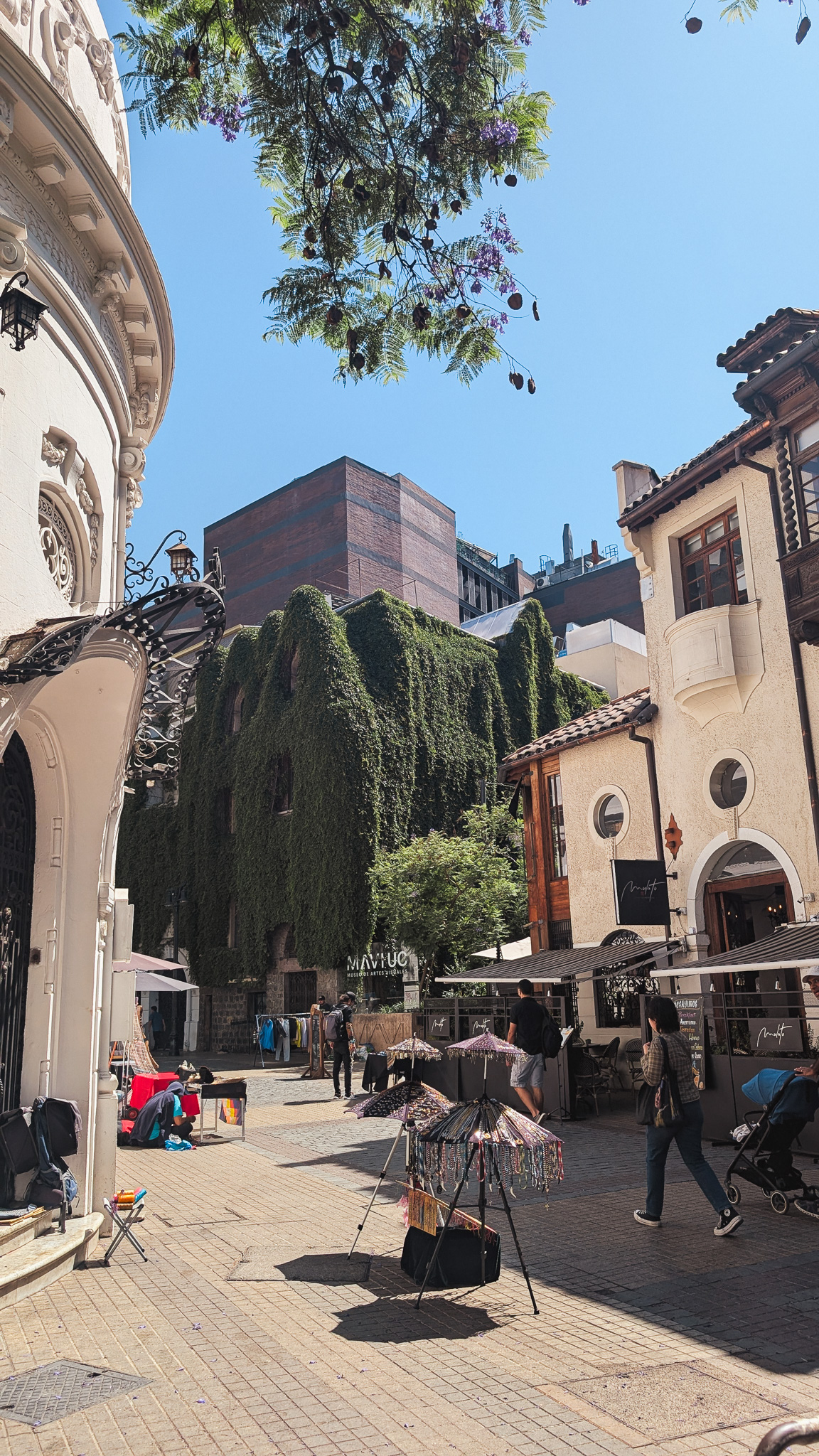
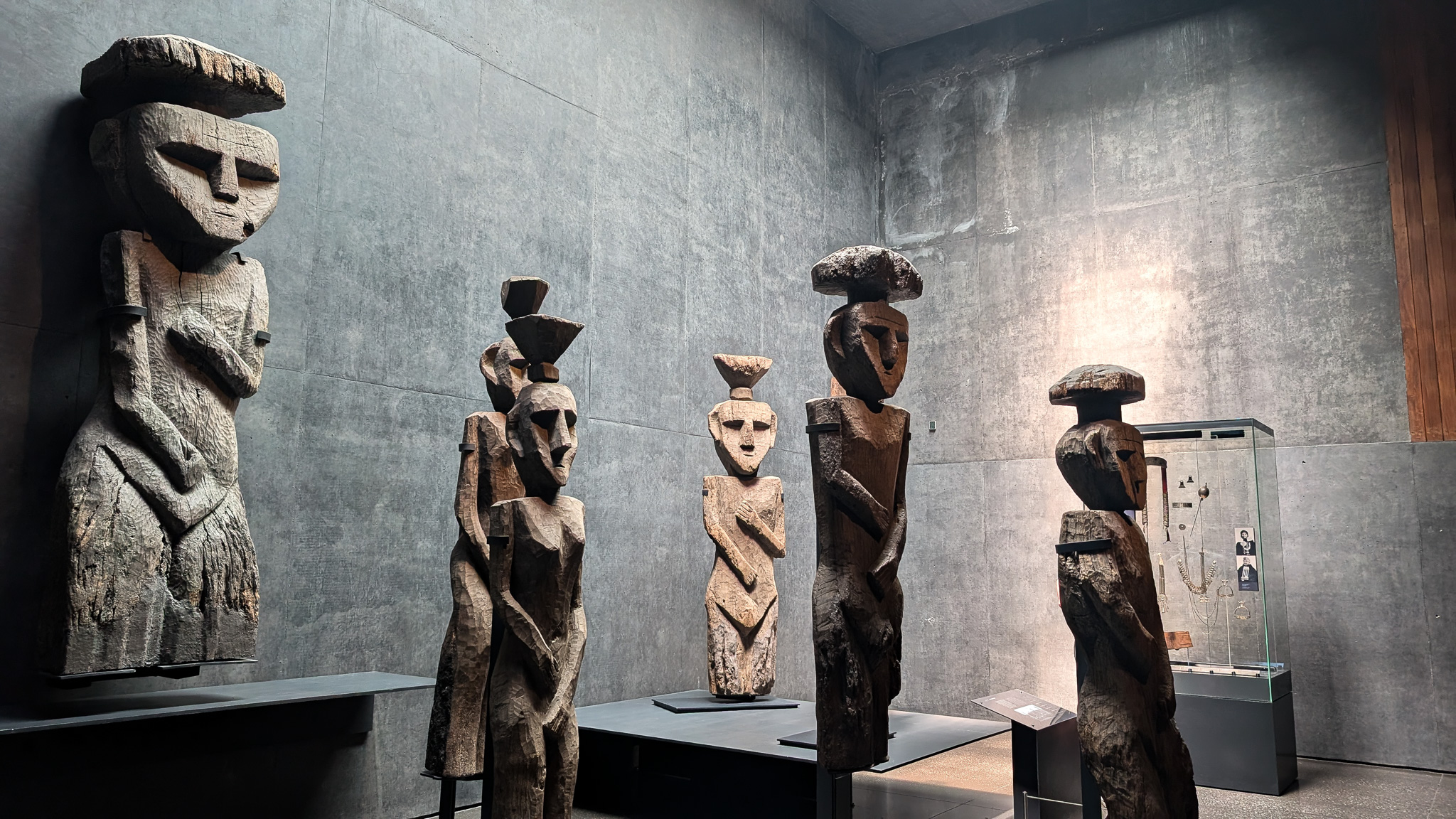
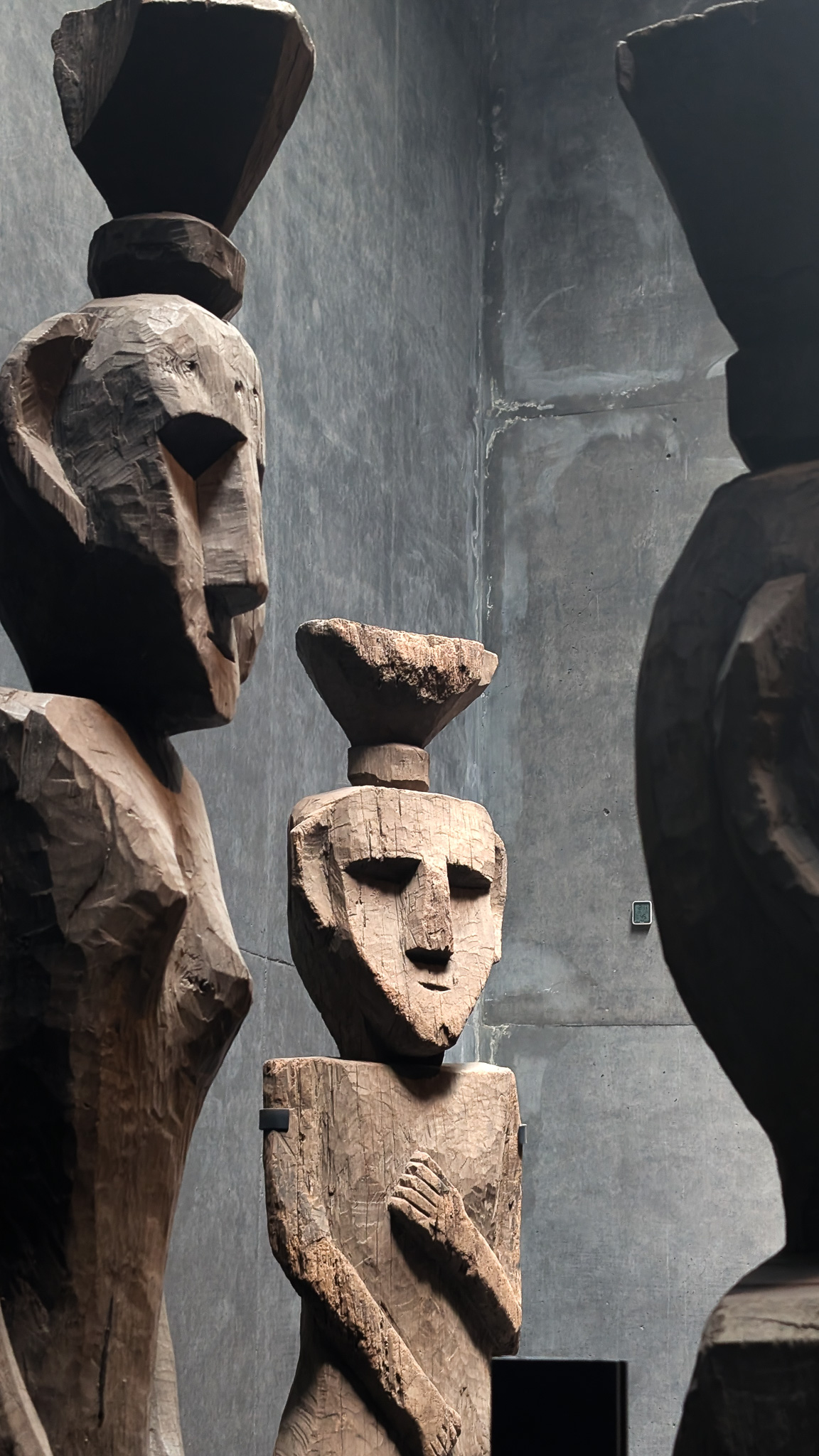
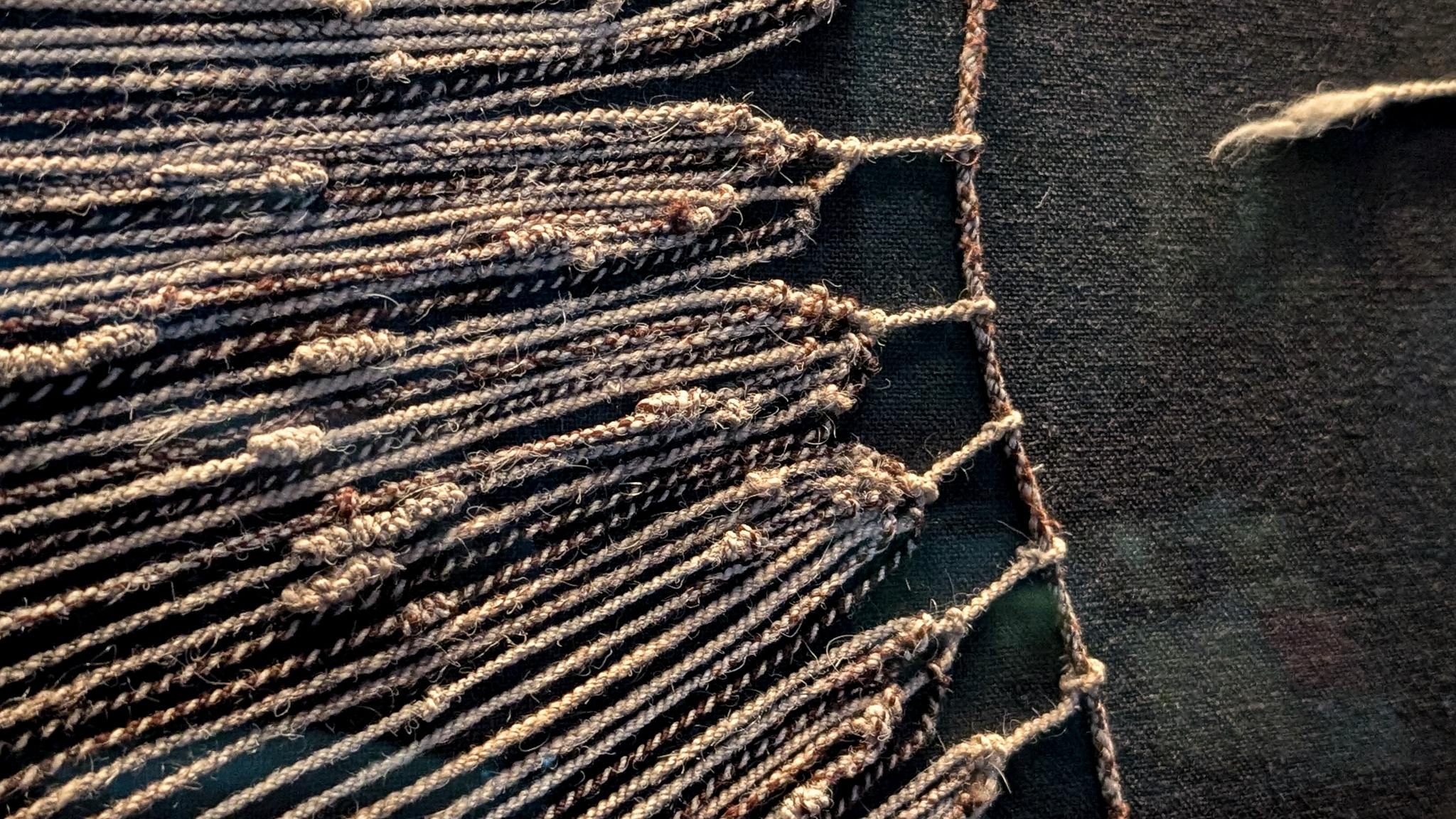
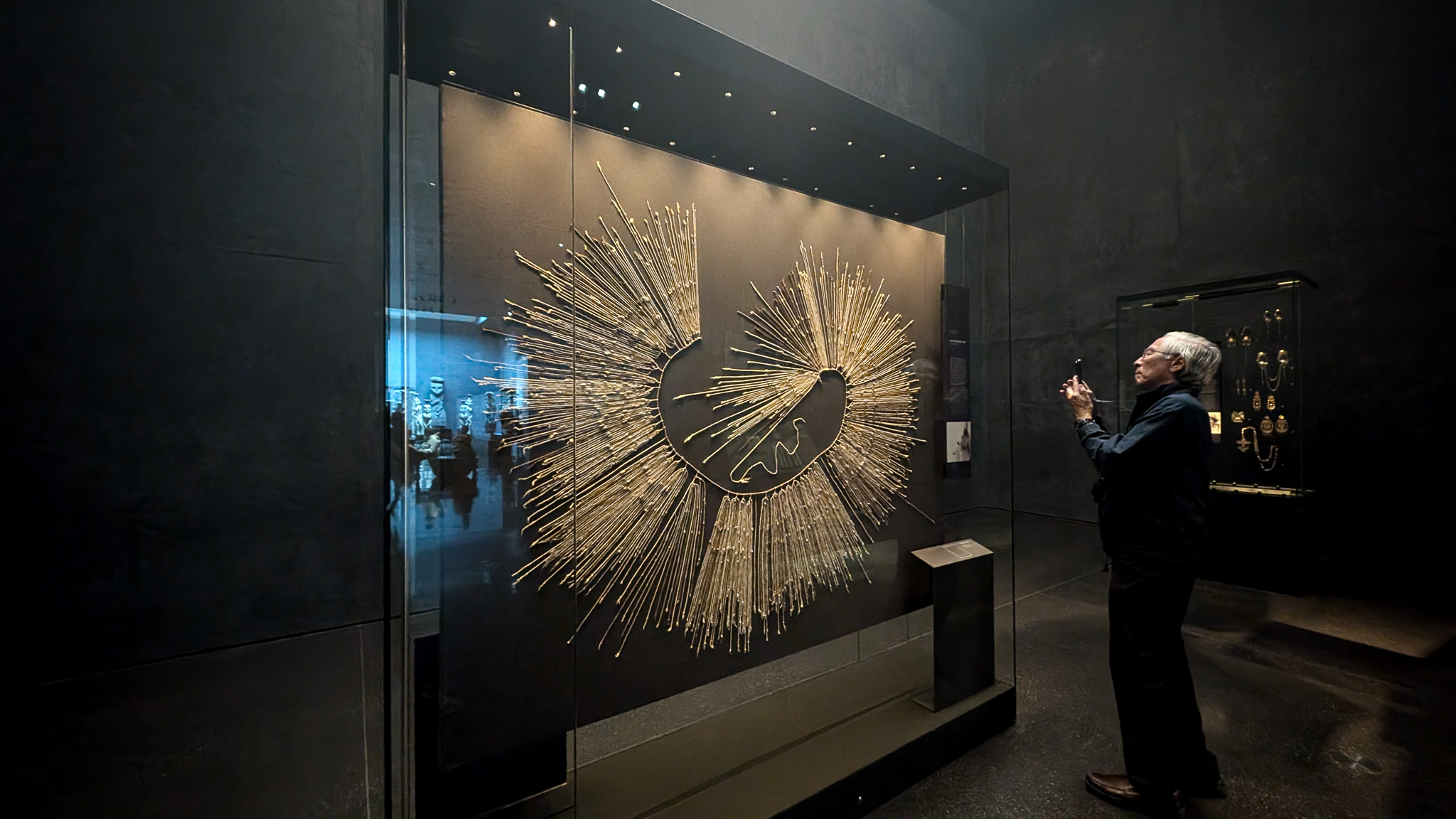
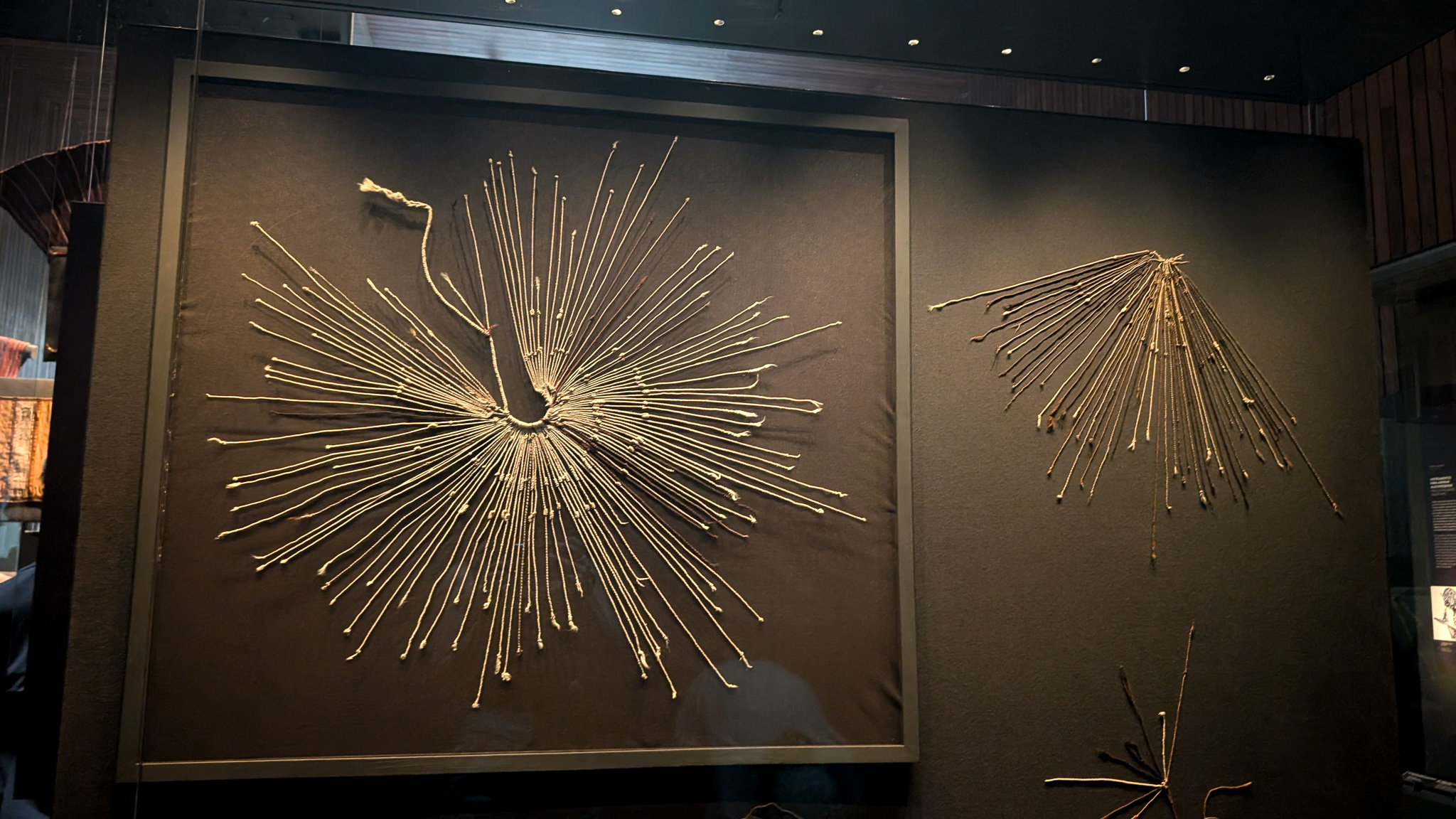
On our second day we went to the Chilean Museum of Pre-Columbian Art and spent at least 3 hours walking around, admiring all sorts of artifacts and artworks and reading about life before the arrival of the Spanish in 1535. The vast majority of pieces in the museum were of Incan origin, belonging to an empire that began in the Peruvian highlands and stretched along the Andes from Santiago all the way to Quito in Ecuador, about 4000 kilometers long. At its height, the Incan empire is thought to have ruled over 12 million people who collectively spoke over 20 different languages. They excelled in engineering and agriculture and created vast road networks as well as temples and cities composed of intricate rock work, but they never employed the use of the wheel. The Inca knew of the wheel, it’s been found on numerous children’s toys, but due to the insanely rugged, mountainous terrain of the Andes they relied on the use of llamas to move goods between settlements. Another curious fact is that the Inca also never used a written language. Instead, they have what is called Quipu, a system which stores information in various types of knots tied in rope to a central cord. Quipu is still not fully decoded or understood today, except for when referring to numerical situations, but the complexity of different coloured lengths of ropes, knot sizes and types and arrangements of knots is very impressive to see in person.
The ancient history of South and Central America is what originally drew my attention to this part of the world, and finally seeing ancient artifacts in person, over ten years after I first decided I would come here one day, is a really special feeling. I’m stoked that we’re only at the southernmost point of the lands that were home to the Incan Empire, because we have so much more to see as we head north.
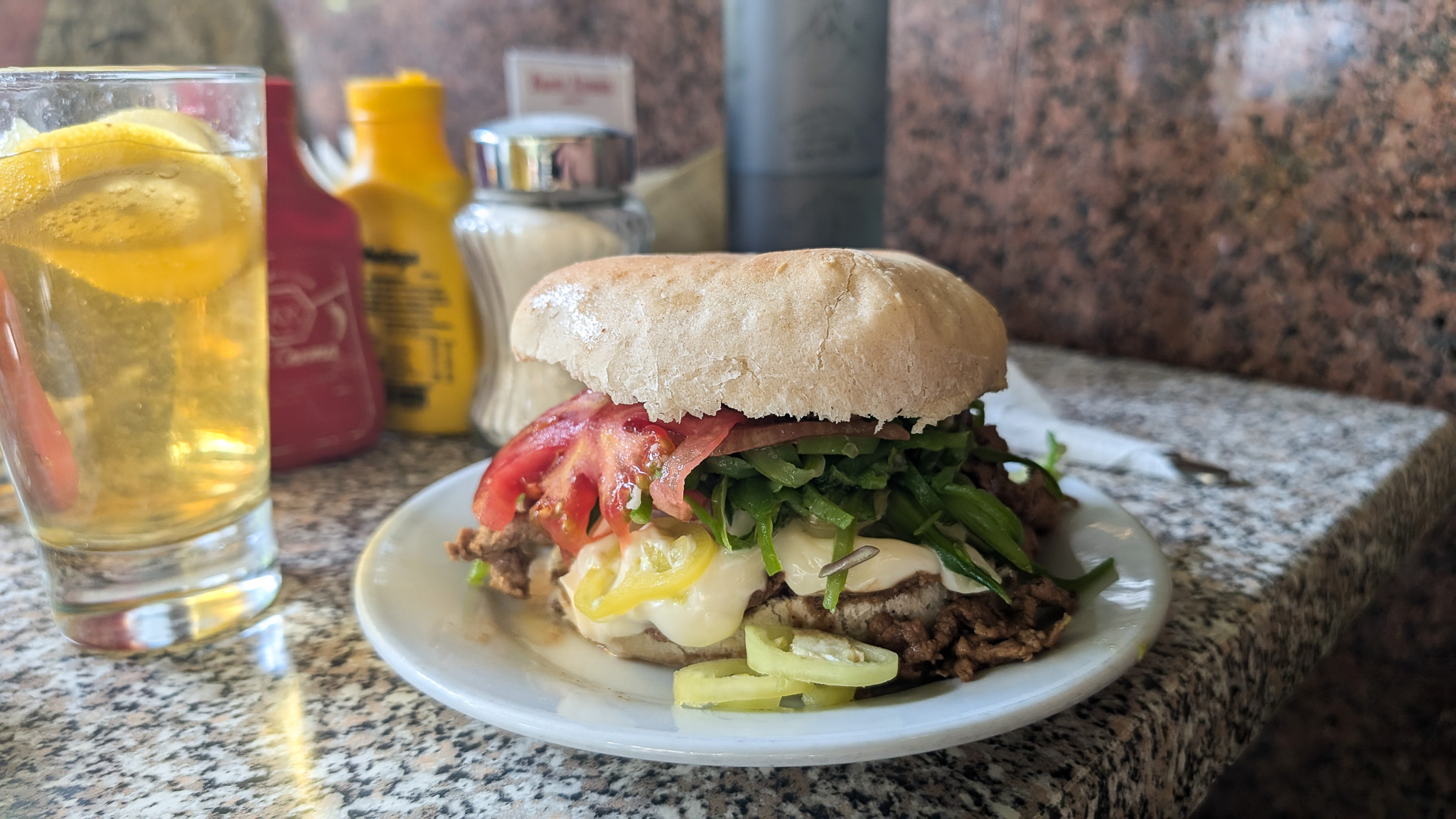
We went for lunch to a restaurant called Fuente Alemana which dishes up huge, sloppy sandwiches which are, like most foods in Chile, absolutely drenched in mayonnaise. It’s actually quite insane how much mayonnaise Chileans consume, it’s everywhere all the time, on any sort of food imaginable, and can become quite sickening. The sandwiches here were actually really good though and the restaurant has been open since 1954 and is very famous among Santiaguinos. The recipes of their breads and sauces have remained unchanged since the fifties and it’s probably some of the best value food you can find in the heart of Santiago. We also went to a very busy bar in Providencia for dinner and had more burgers for dinner with a few more craft beers. I always say that I’m very fortunate to not live in a big city, because I would probably not survive very long due to the sheer amount of beer and bad food I would consume on a daily basis. It’s for this reason we only stayed in Santiago for two nights, which is a shame because it has so much to offer and it’s way more enjoyable than people give it credit for, but it’s definitely for the best. Santiago is right up there with one of my favourite cities I’ve visited; it’s full of life, history, surprisingly good food and cool people, it ticks just about all the boxes for me.
We caught an Uber in the morning to the airport, and I had a great conversation with the driver who told me I speak really good Spanish. This was a lie, because I know that I can only speak Spanish at the level of a three year old at best, but it always fills me with confidence and fuels my desire to improve and learn more of the language. Our next stop is Antofagasta, a two hour flight to the north, and our access point to the Atacama Desert, a place just about at the top of my must see destinations on the continent.